




Top 20 Most Common Mushrooms in Torshavn

Most Common Mushrooms
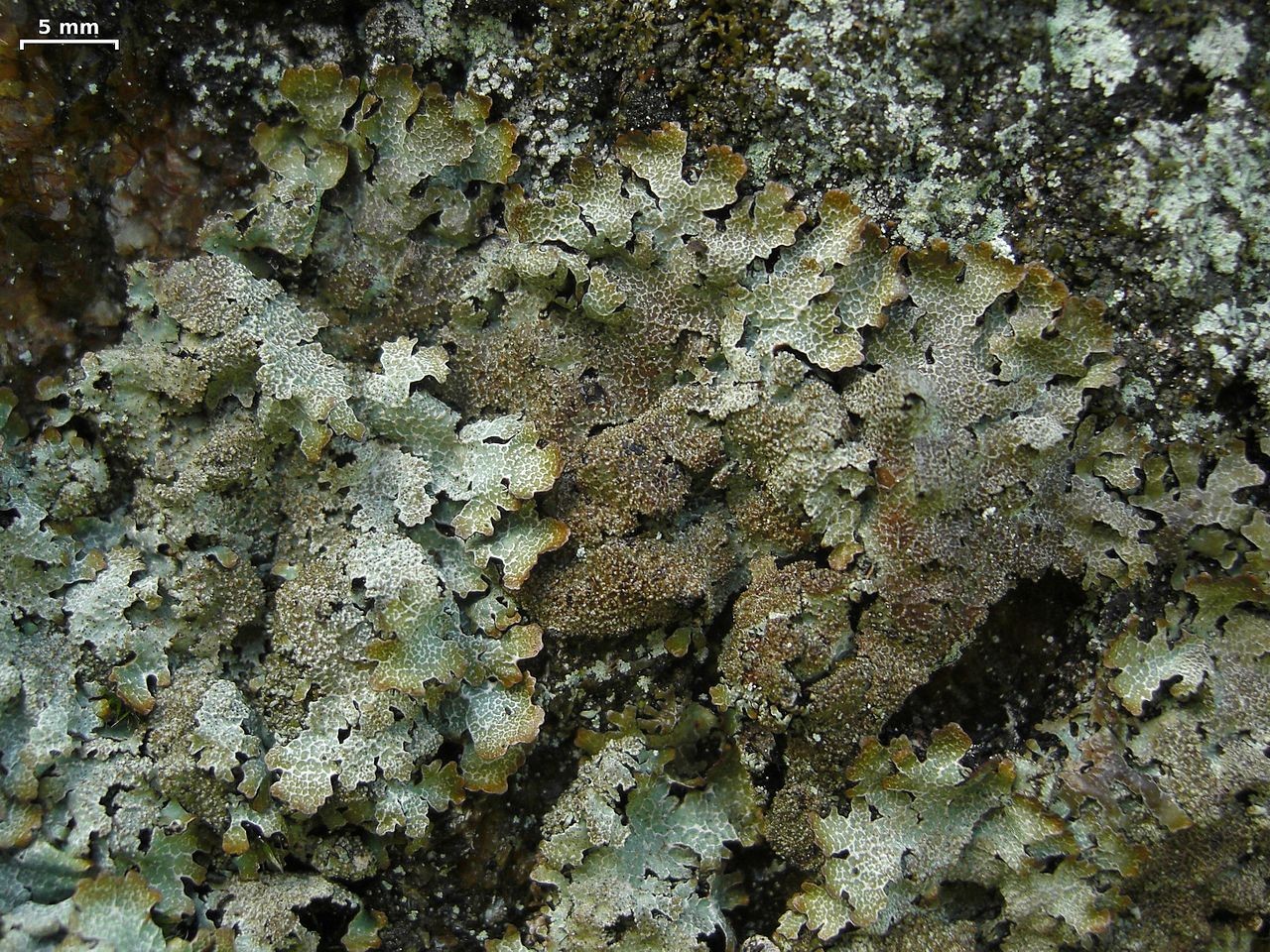
1. Salted shield lichen
It was first described in 1753 by Carl Linnaeus with the name Lichen saxatilis. Erik Acharius transferred it to Parmelia in 1803. The lichen has a greenish-gray to bluish-gray thallus that can turn brown in exposed locations. It typically grows on rock, although it is sometimes found on bark or wood. Parmelia saxatilis is used to make dyes with deep red-brown and rusty-orange colors. Known as "crotal" in Scotland, it was used to dye traditional cloths including Harris tweed. A somewhat similar species with a cosmopolitan distribution is Parmelia sulcata, which generally grows on trees. 
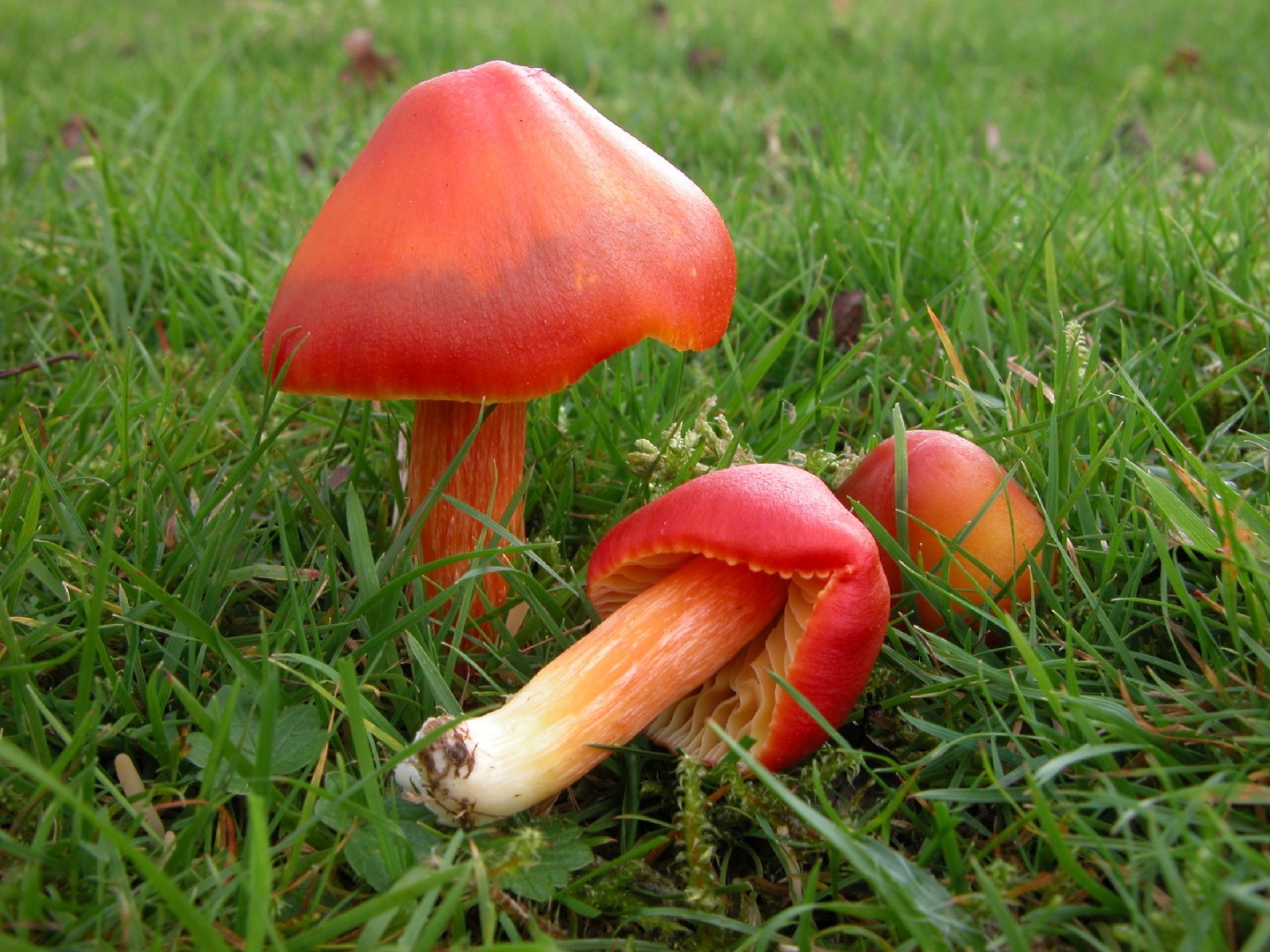
2. Crimson waxcap
The crimson waxcap (Hygrocybe punicea) is one of the largest of the wax cap mushrooms. They have been called ‘the orchids of the fungi world.’ They present brilliant red-to-yellow shades on both cap and stem. Although they are beautiful, do not try and eat; crimson waxcaps can cause significant stomach distress.
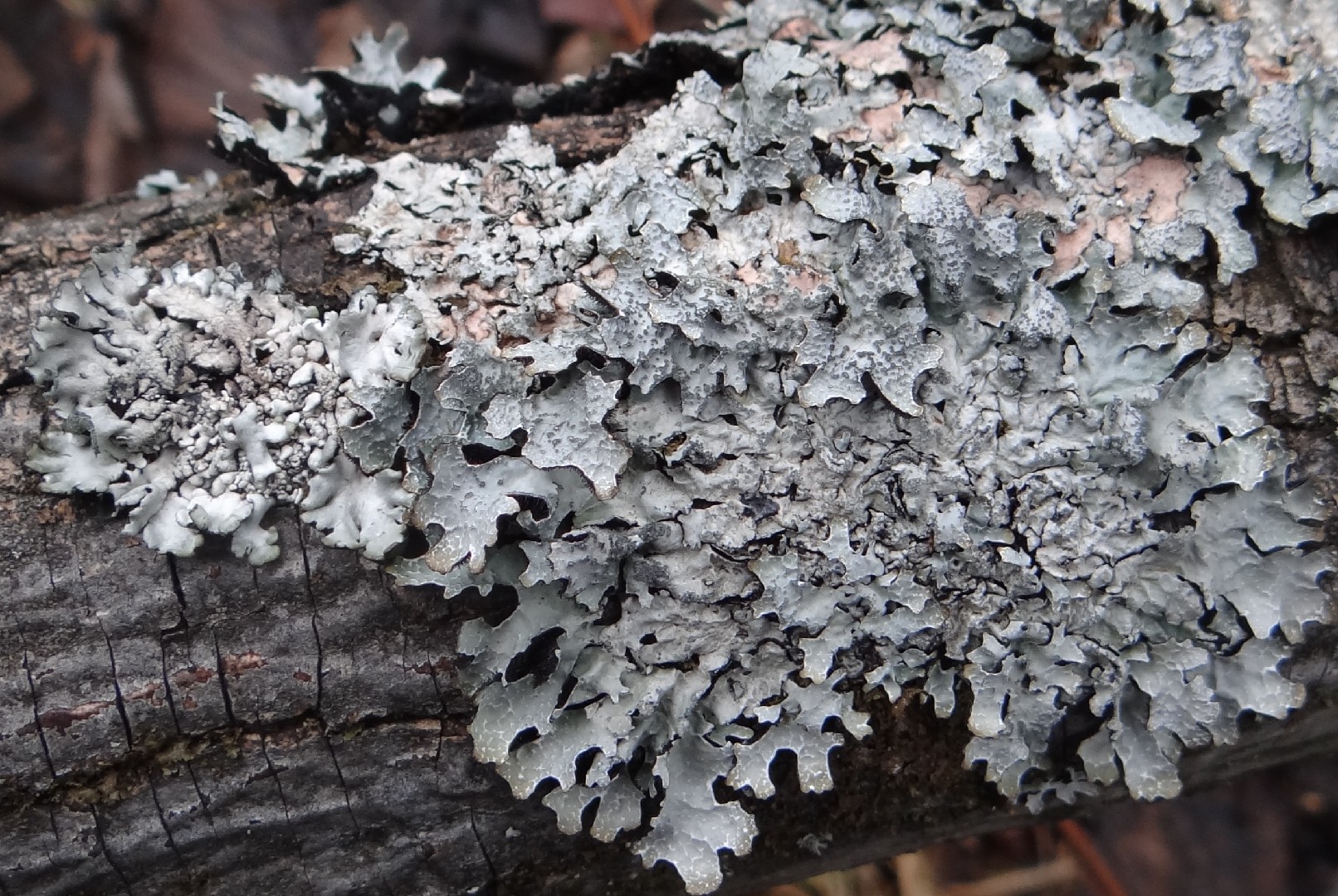
3. Hammered shield lichen
Hammered shield lichen is noted for its pollution tolerance. It is a widespread grey flat lichen that is mostly found upon tree bark and occasionally rocks. Hammered shield lichen is named for the depressions within the lobe which give it a hammered appearance.
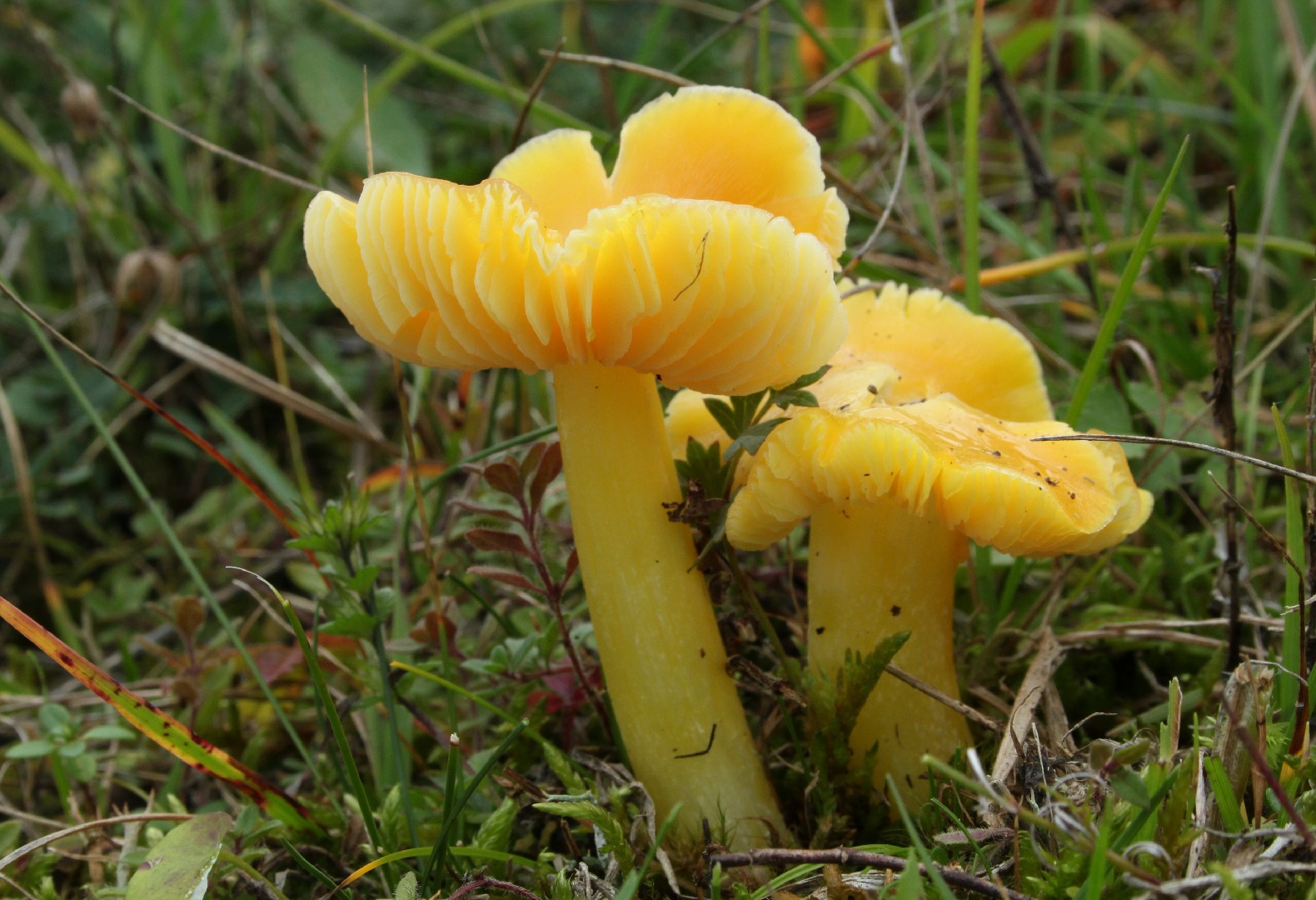
4. Lemon waxcap
The lemon waxcap can occur in both woodlands and grasslands. Despite this, it is becoming endangered in central Europe. The specific epithet Hygrocybe translates essentially as 'watery head,' because these mushrooms are typically moist and shiny. Lemon waxcap has been featured on postage stamps from the Faroe Islands.
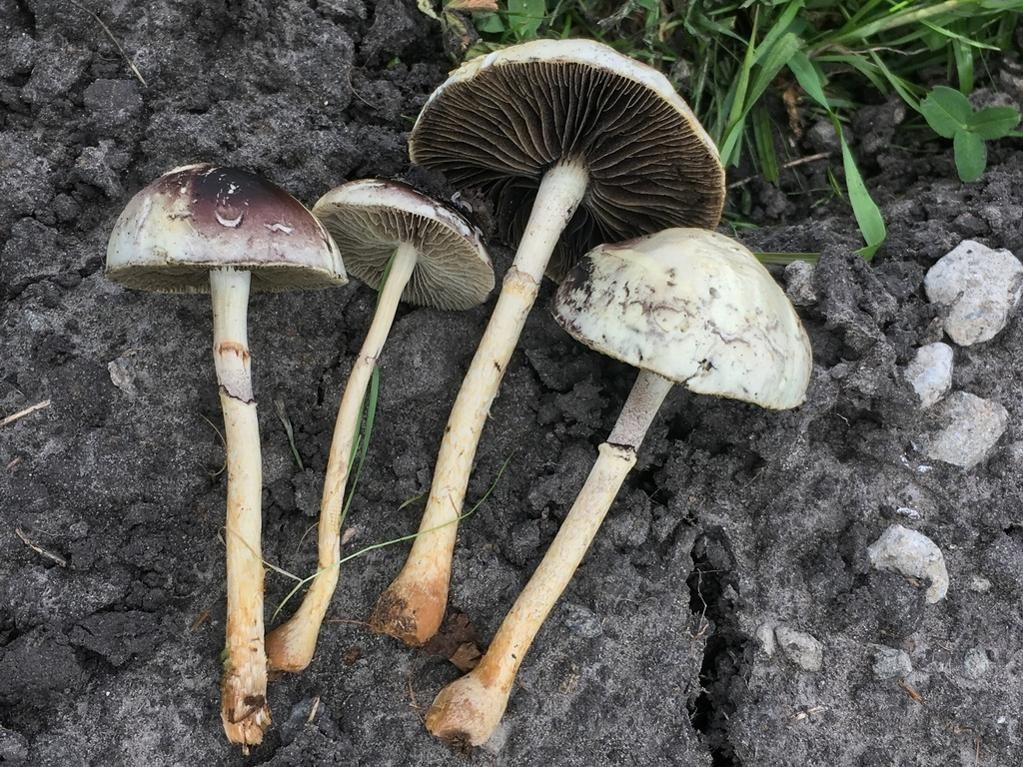
5. Dung roundhead
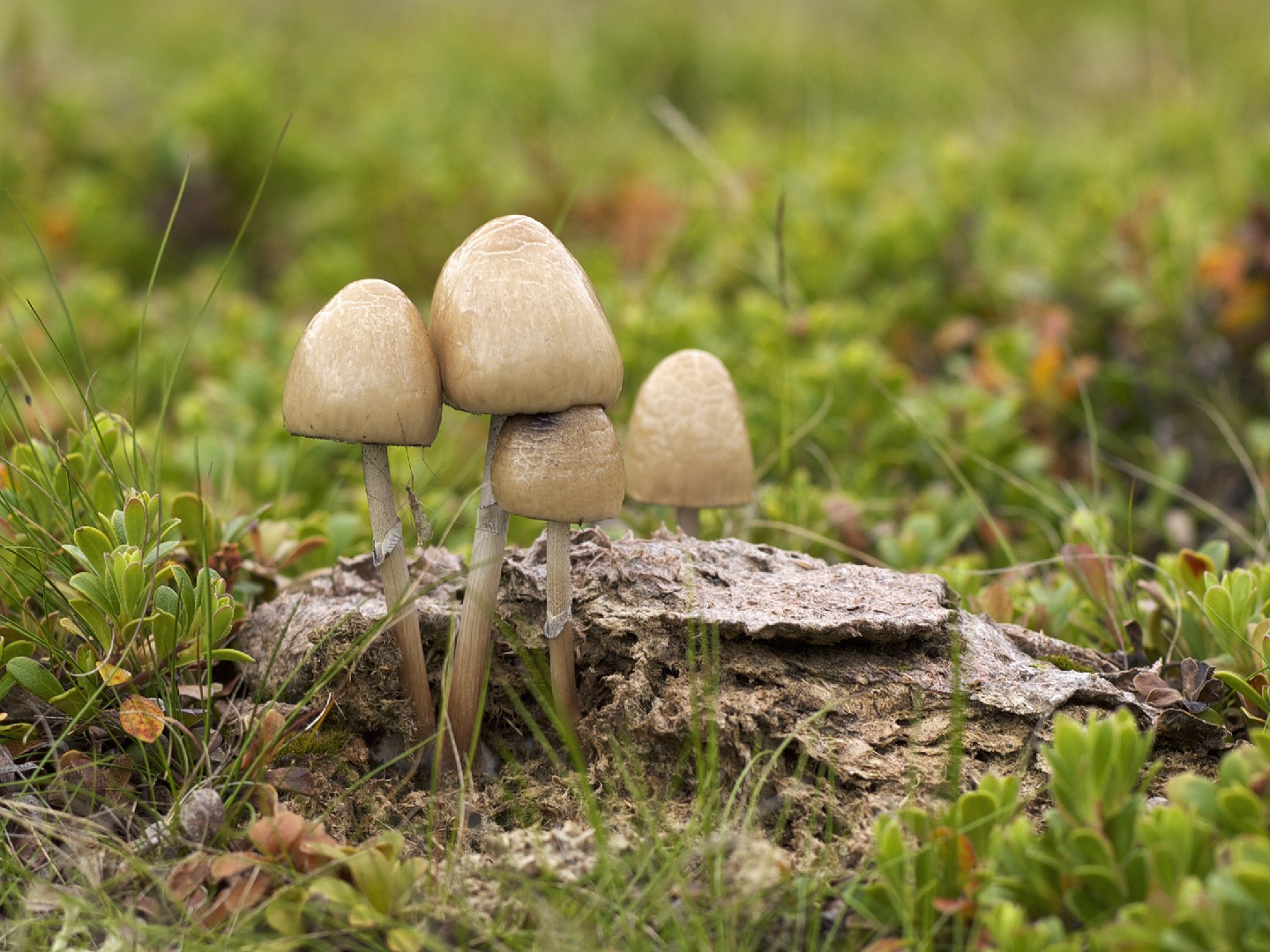
The dung roundhead (Protostropharia semiglobata) is named for its two distinguishing features. First, this mushroom is often found growing in or near dung, and so it is a common sight in grazed fields or agricultural areas. The "roundhead" is a reference to the species' smooth and almost perfectly half-spherical cap (the scientific name, "semiglobata", is also a reference to this). Dung roundheads have a global distribution.
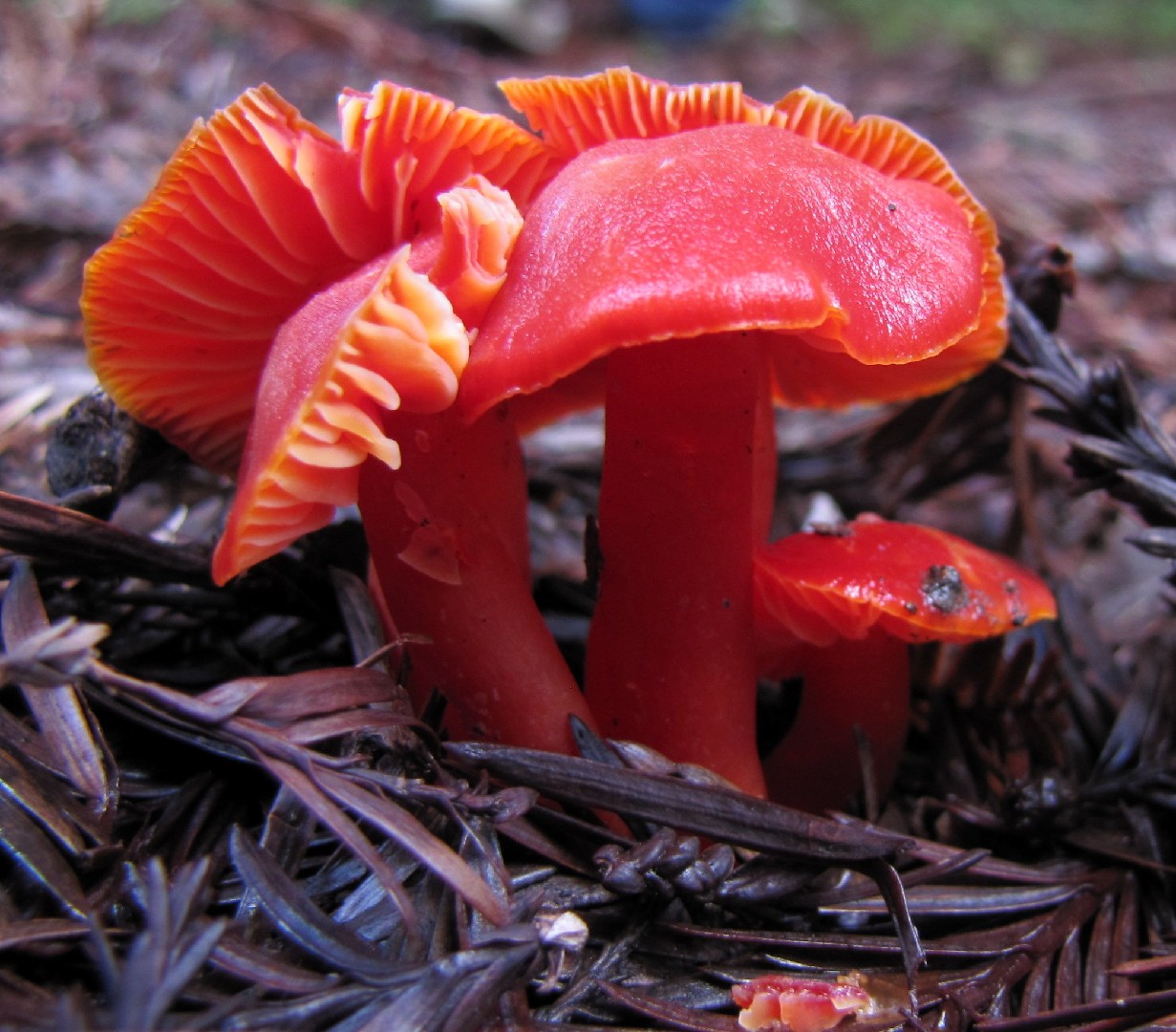
6. Scarlet hood
Scarlet hood(Hygrocybe coccinea) is named for its bright scarlet color, which renders it easy to spot among the grasses and woodlands among which it prefers to grow. Distributed across the Northern Hemisphere, it tends to be small and uncommon, making it of particular interest to photographers.
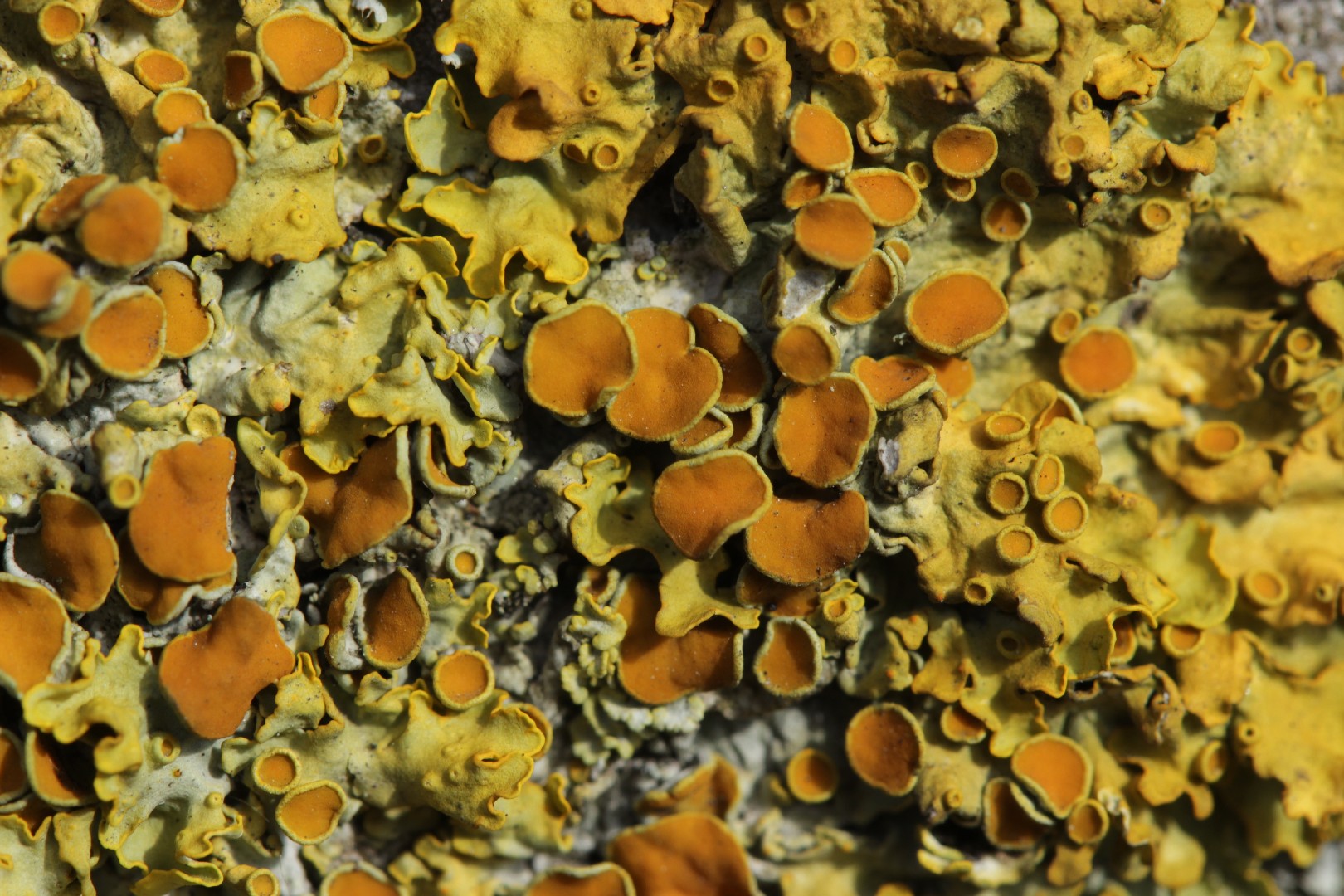
7. Common orange lichen
Common orange lichen was selected in 2006 by the United States Department of Energy as a model for genomic sequencing. Its widespread dispersal and bright yellow-orange color give the lichen its common name. It is primarily found growing on rocks, walls, and tree bark.
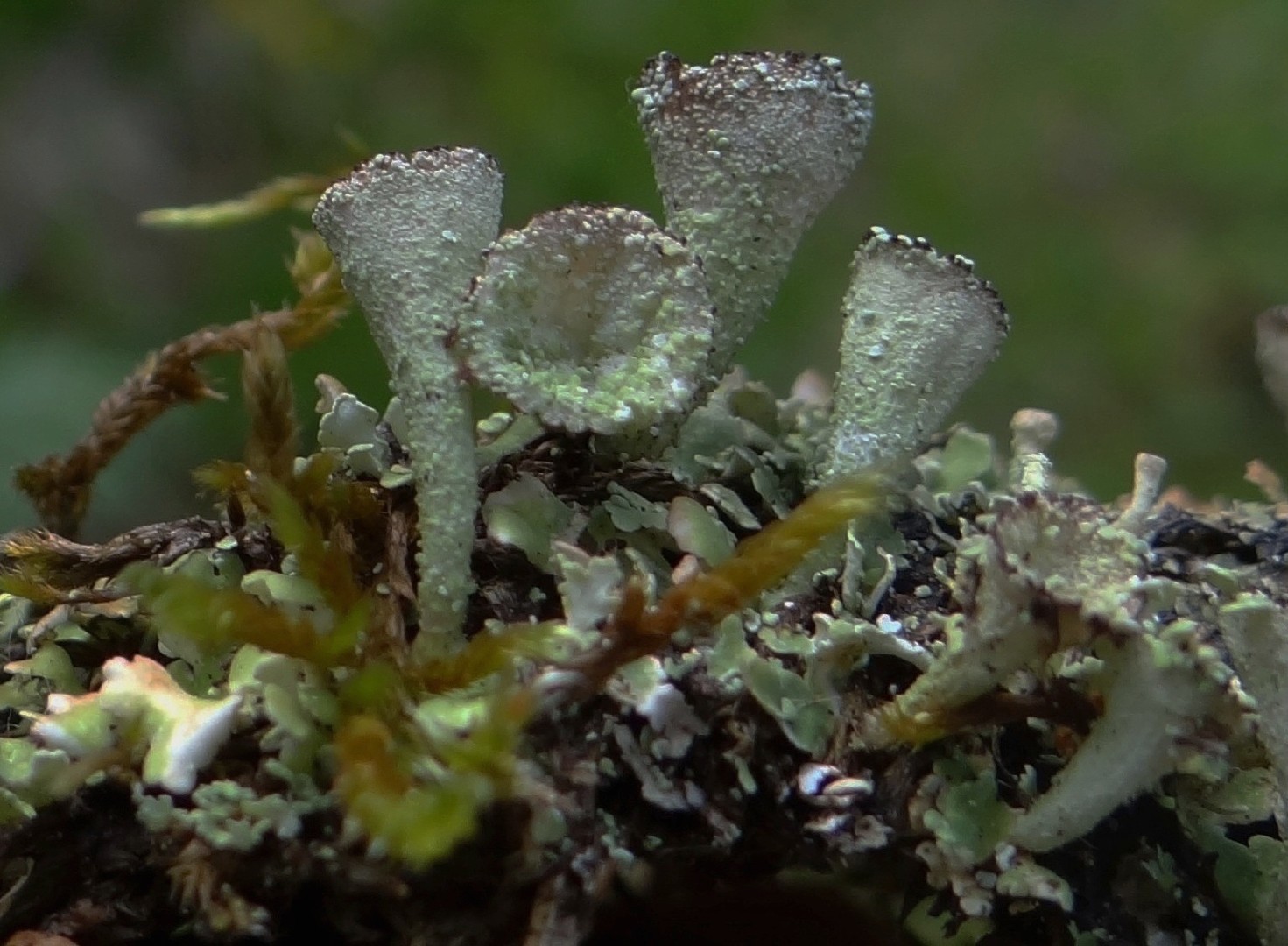
8. Mealy pixie cup
The lichen mealy pixie cup has a mealy appearance in the shape of a goblet. It is often used as a dye. It occurs in mossy areas, stumps, and humus-rich soils. Although it is common to all continents, it is particularly prevalent in the Sonoran areas of California and Arizona.
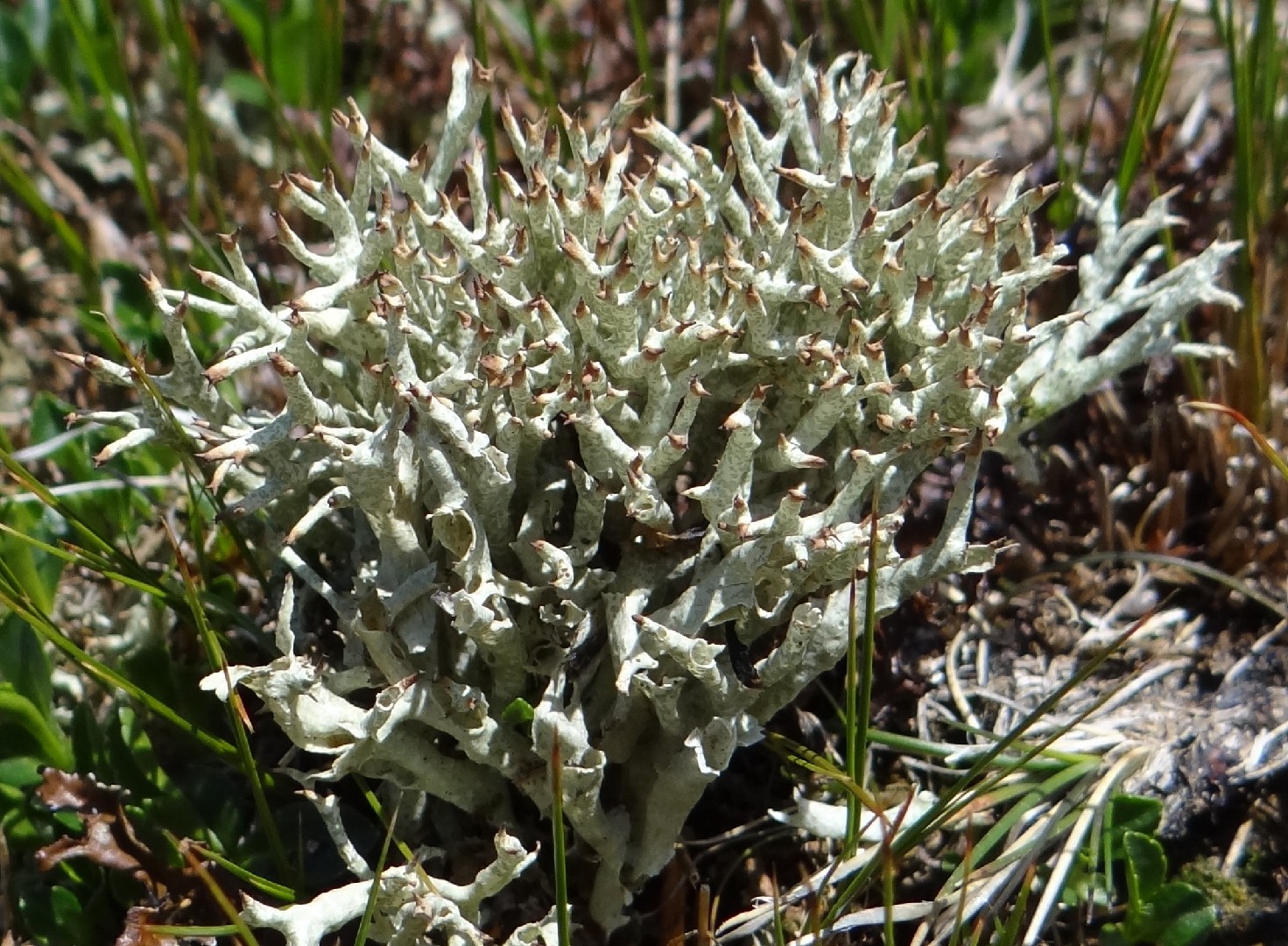
9. Thorn lichen
The stalk-round and hollow stems (Podetien) of the hedgehog cladonie are multiple, but generally sparsely forked and regularly forked. Their surfaces carry neither leaflets nor scales. The brownish branches are not or only slightly curved and sharply pointed. The stems are 3 to 5 inches high and about 2 millimeters thick. They are very dense and, so to speak, form prickly lawns or hedgehog-like upholstery. The lichens form no basal leaves and rarely develop fruiting bodies (apothecaries).
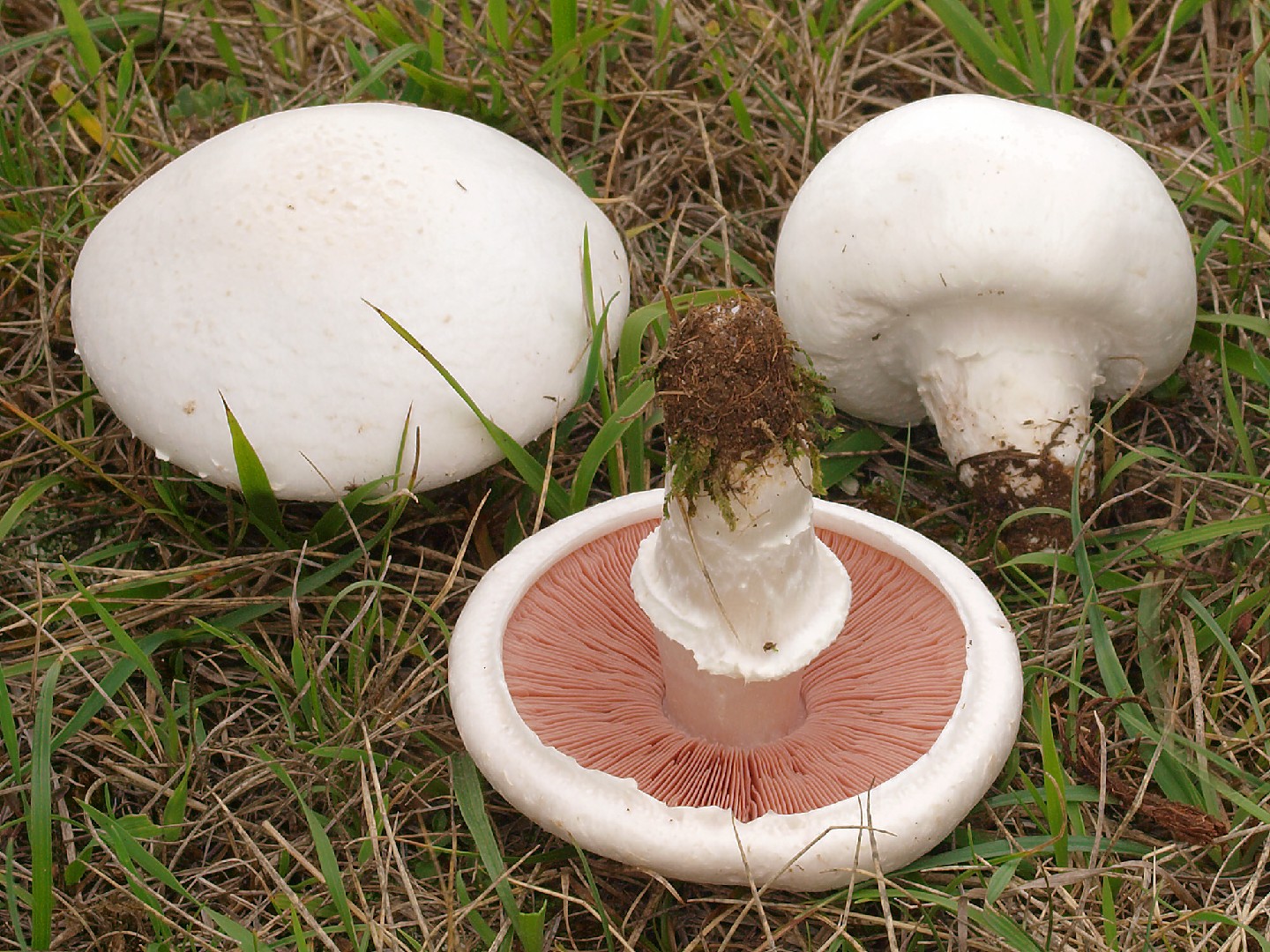
10. Meadow mushroom
The meadow mushroom grows in meadows and pastures around the world—especially those rich in manure—when the weather is warm and wet. They are known to appear in “fairy ring” shapes. Originally identified in Europe, it is possible that North American specimens identified as meadow mushrooms may genetically belong to other species.
More







