




Top 20 Most Common Mushrooms in New Zealand
From the bracing winds of the mighty Southern Alps to the lush coastal rainforests, New Zealand boasts wildly diverse ecosystems perfect for fungus growth. This vast island country has a rich biodiversity and climate variations, allowing an array of 20 different mushroom species to thrive. Each mushroom species is unique, gracefully dotting the landscape, interacting symbiotically with New Zealand's flora and fauna. Understanding these mushroom species will provide insights into the rich ecological tapestry interwoven with New Zealand's natural history.

Most Common Mushrooms
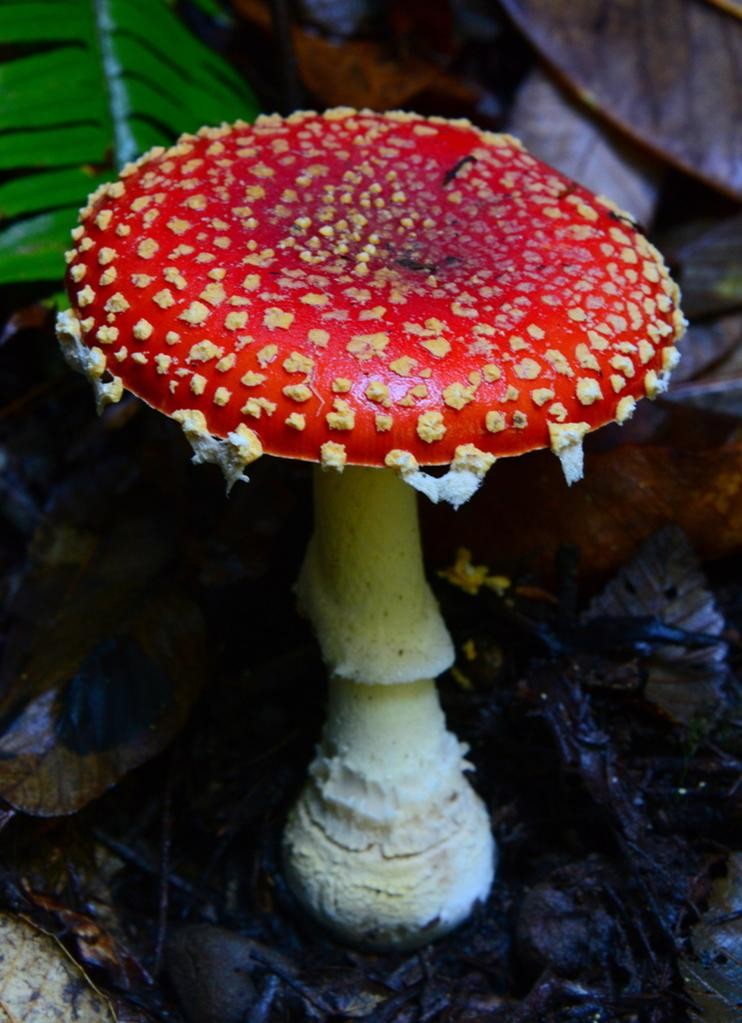
1. Fly agaric
In Northern Asia and Europe, fly agaric grows under trees near the winter solstice and is collected for ritual use tied to the season. Its characteristic shape and coloring are still ubiquitous in many European fairy tale illustrations and Christmas traditions. It is highly toxic.
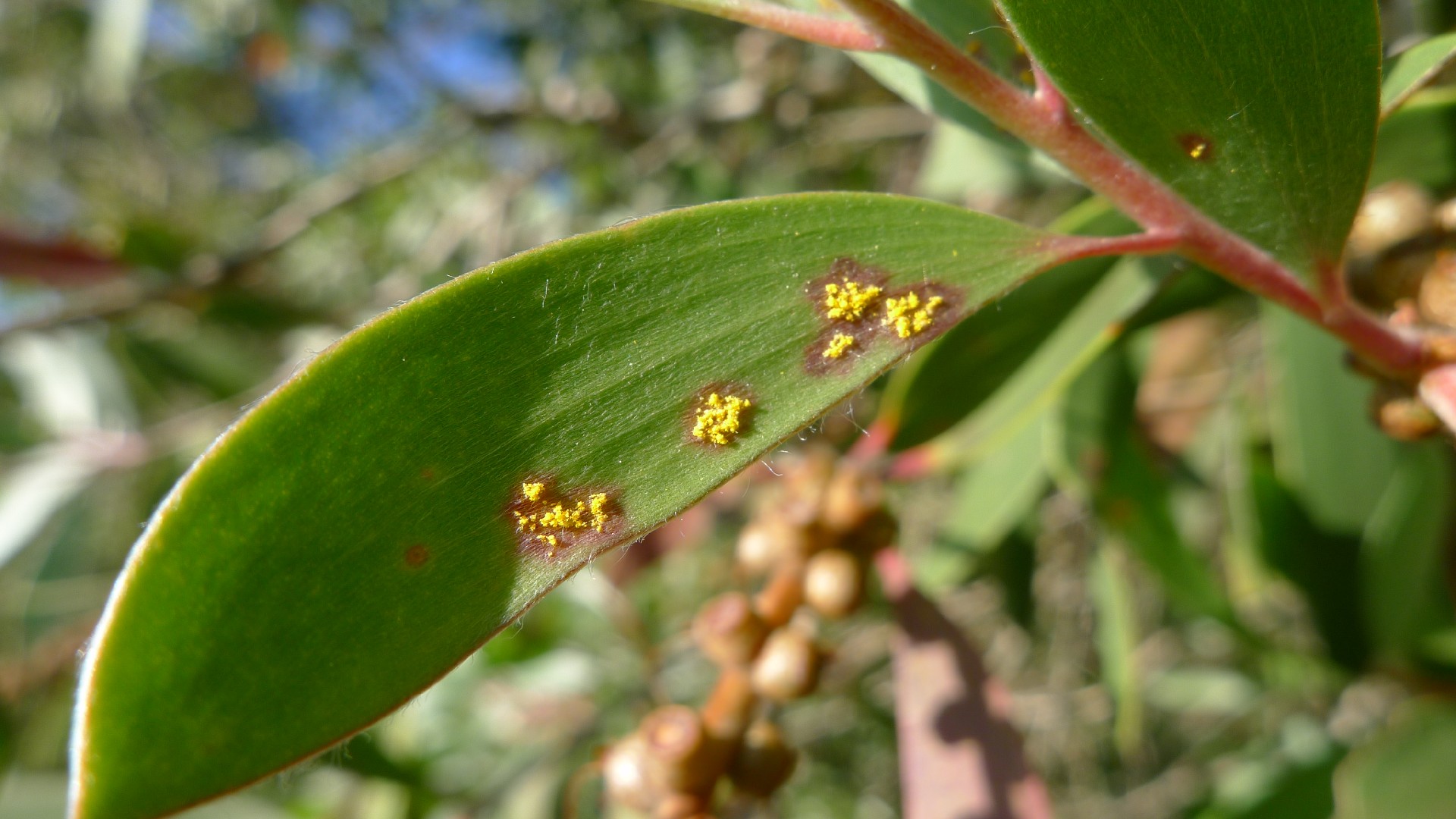
2. Myrtle rust
Myrtle rust (Austropuccinia psidii) is a fungal pathogen that attacks Myrtle trees and other plants of the family Myrtaceae. The fungus appears in humid environments and its spores are easily dispersed by wind, animals, and humans. The fungus causes deformed leaves in infected trees, leading to death if not treated in time.
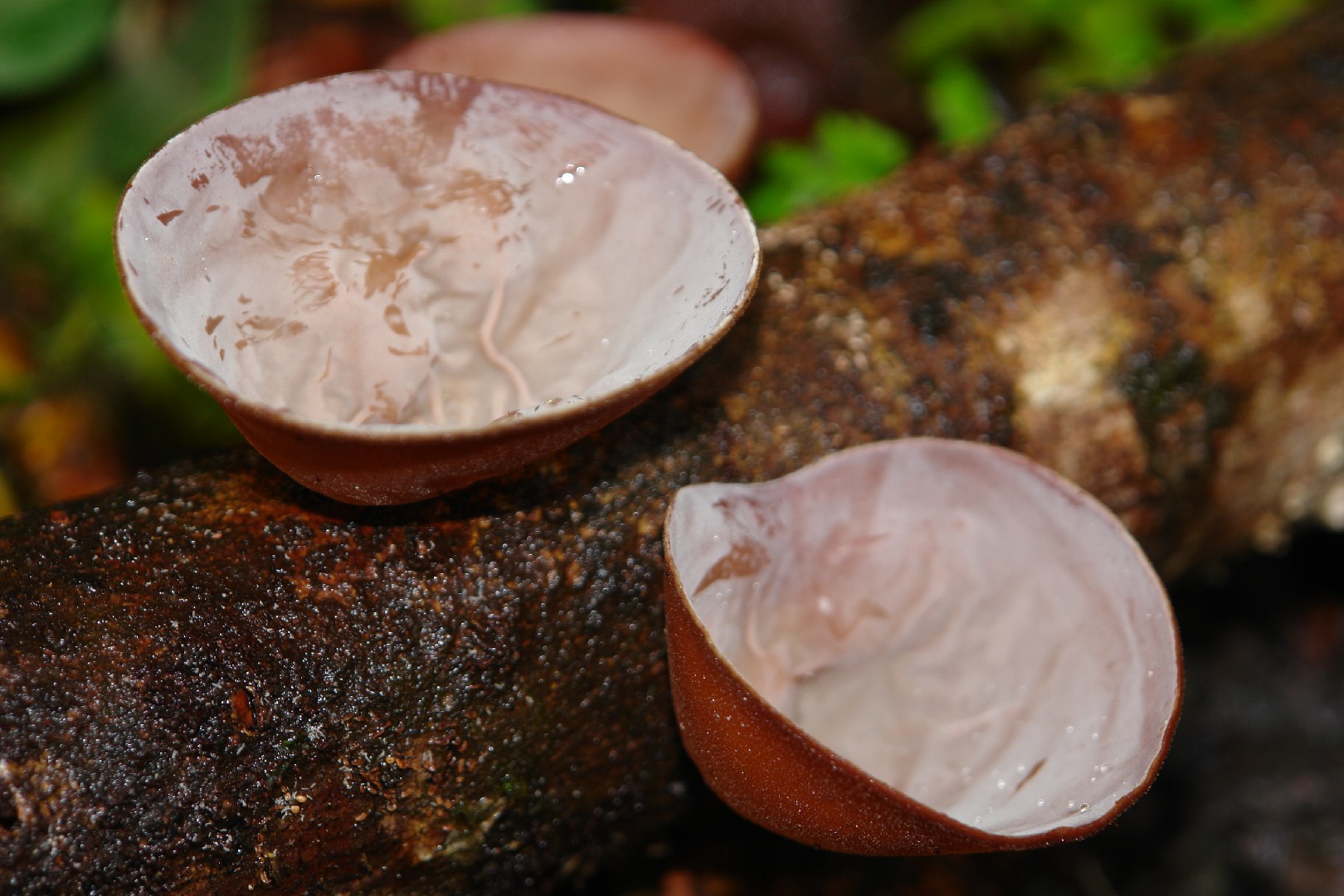
3. Wood ear
The fuzzy surface of the wood ear (Auricularia cornea) is a distinguishable characteristic of this wood-loving mushroom. The hairy, ear-shaped body transforms in color when exposed to moisture and can range from chocolate brown to dull gray.
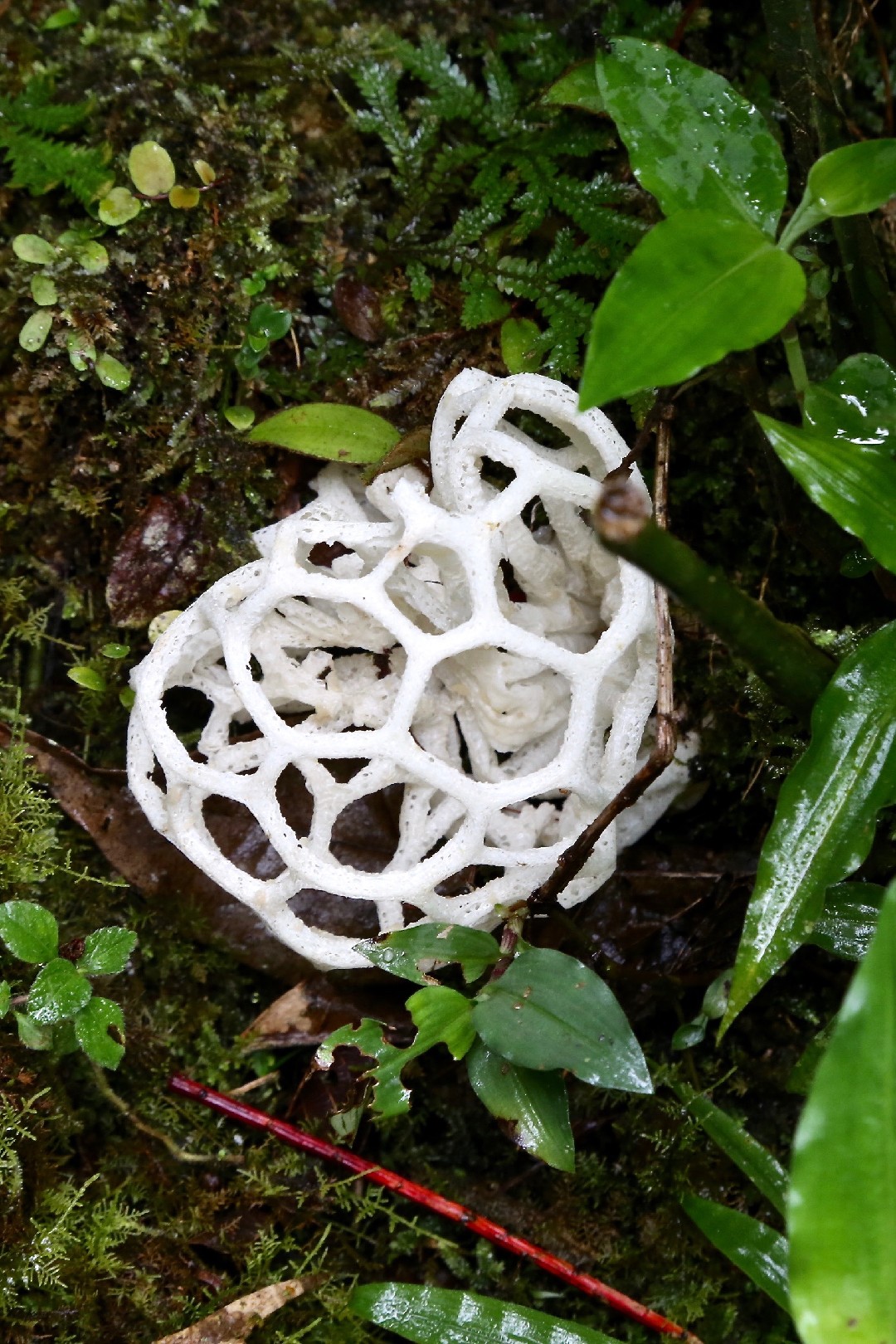
4. Basket fungus
Basket fungus(Ileodictyon cibarium) is easily recognized by its interlaced and latticed structure. The white branches emit a smelly odor that attracts flies, which then spread the spores and enable the proliferation of the species.
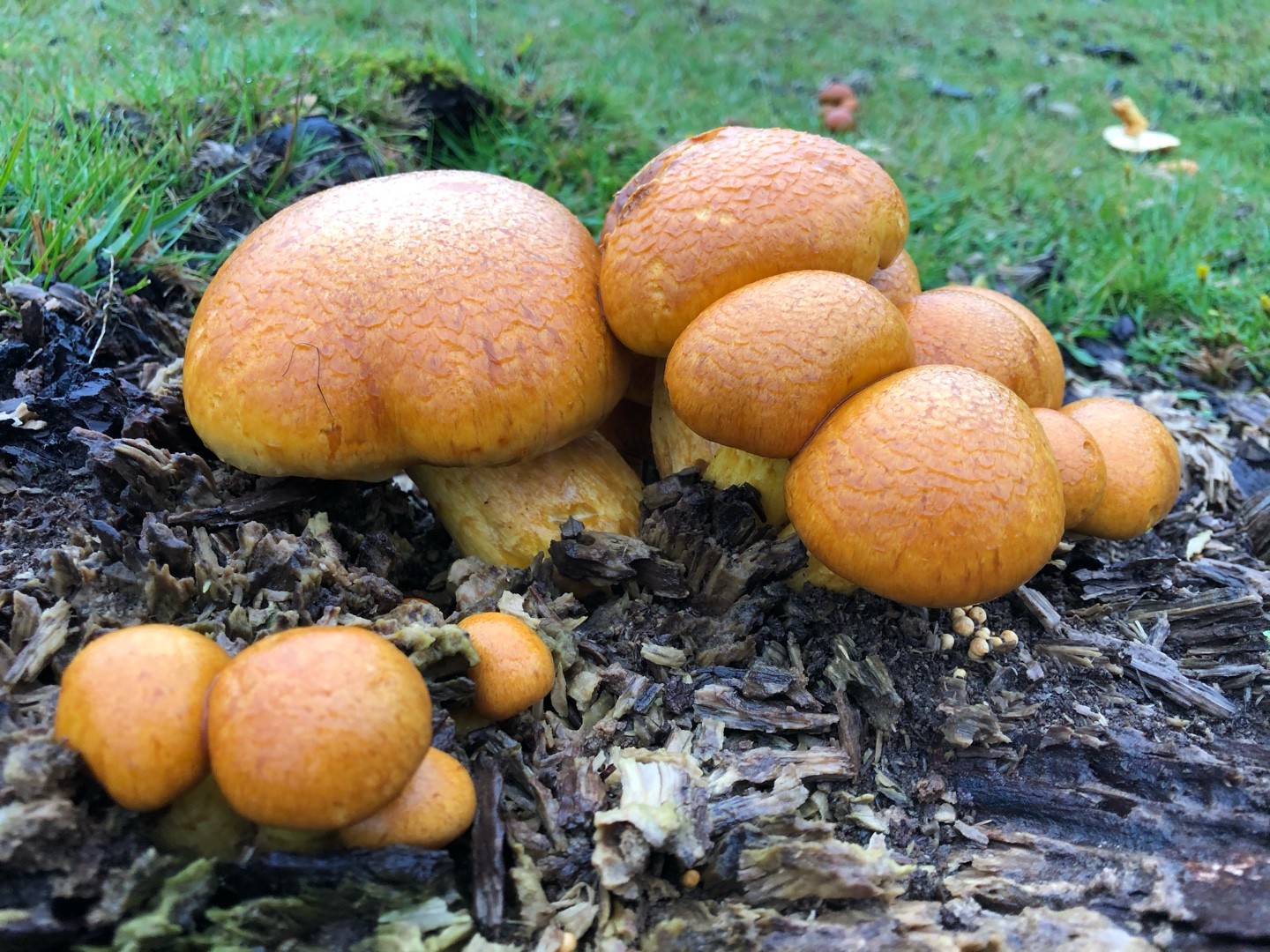
5. Laughing gym
Found in many countries around the northern hemisphere, the laughing gym grows on stumps of deciduous trees, and occasionally under conifers. This mushroom is large, firm, and colorful, and appears in small groups. Its scientific name, Gymnopilus junonius, means “naked cap sacred to Juno,” a reference to its distinctive and beautiful appearance. This mushroom is inedible and possibly toxic.
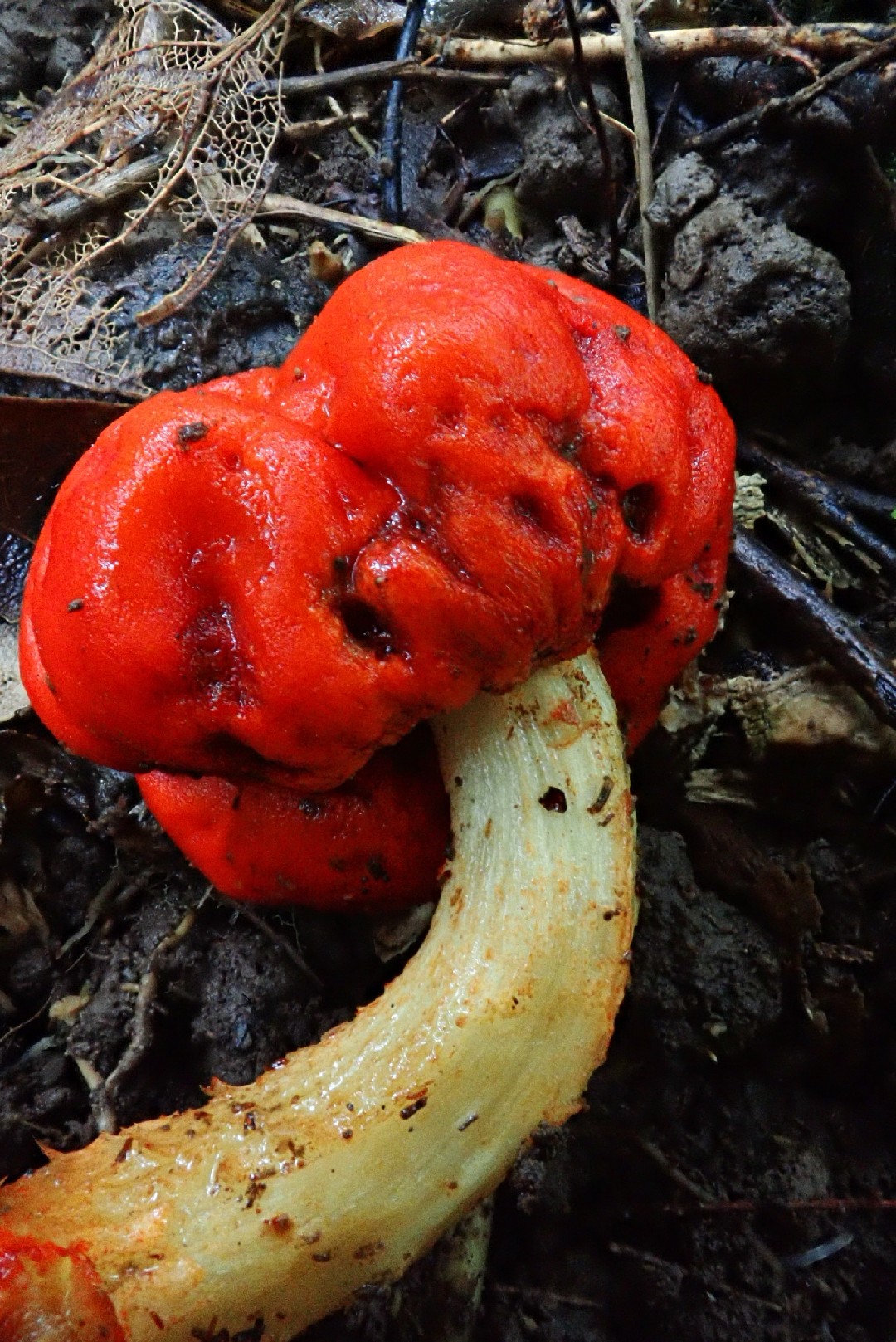
6. Red pouch fungus
The red pouch fungus is a mushroom species endemic to New Zealand and it's said to be one of their most iconic fungi. The species is commonly found in garden beds, particularly growing on wood chips. In forests, it appears on the ground where there's a lot of woody debris.
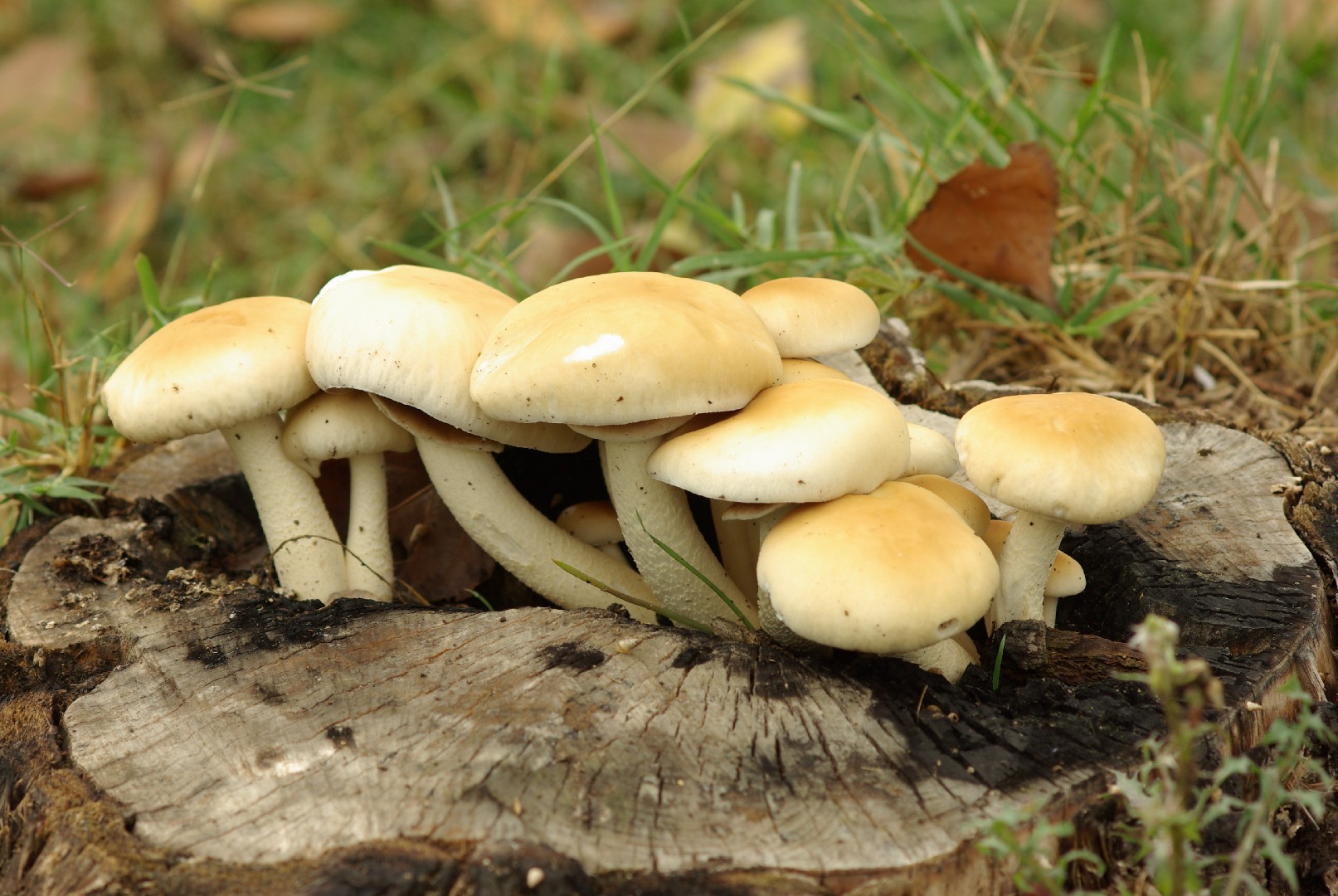
7. Poplar mushroom
The poplar mushroom (Cyclocybe parasitica) is native to New Zealand and is the primary cause of heartwood rot in hardwood trees. If you see these popping from a trunk, chances are that the health of that tree is on a rapid decline. They can grow to be quite large; caps have been known to reach 30 cm across!
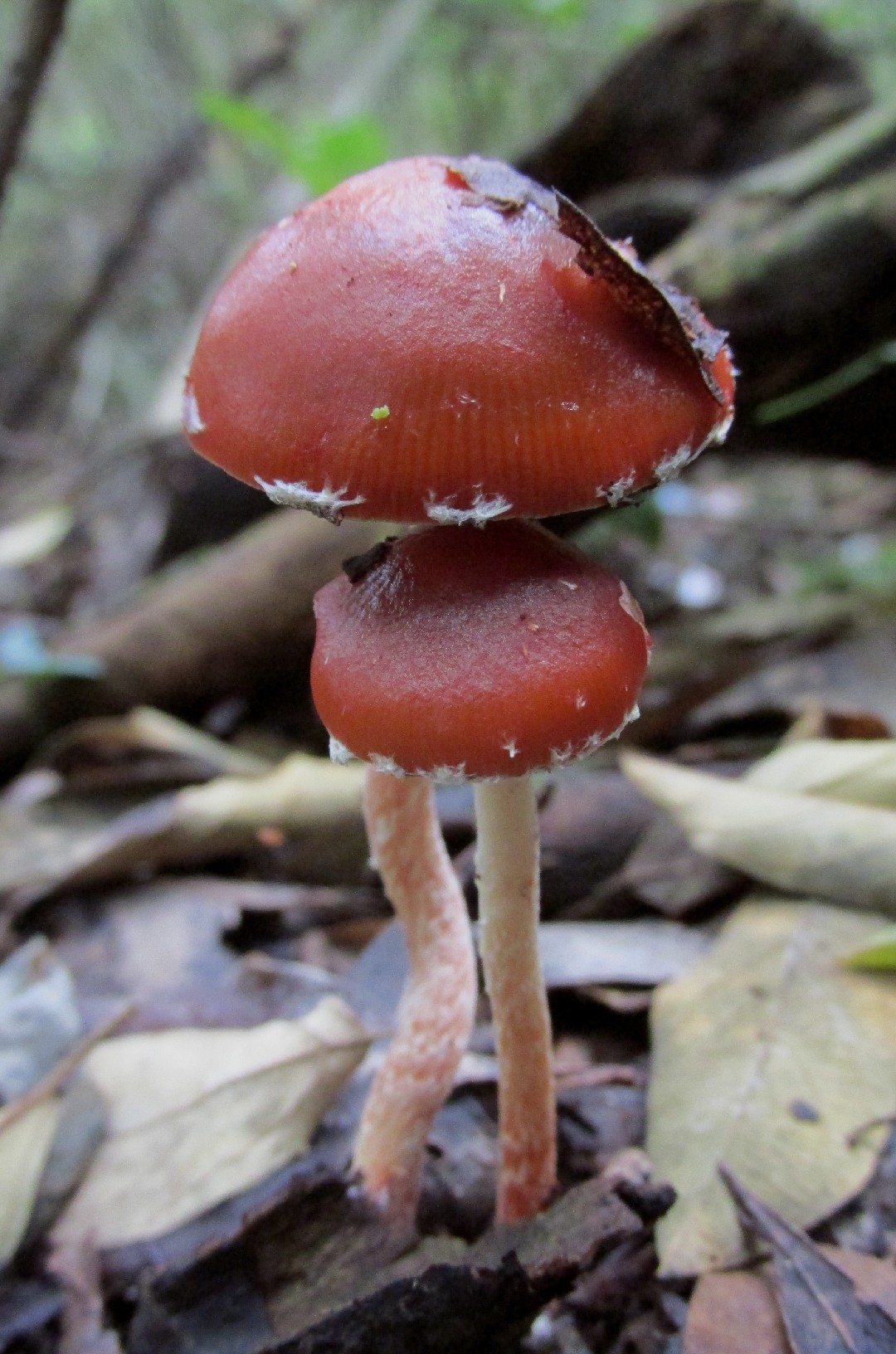
8. Redlead roundhead
This colorful mushroom grows most commonly on woodchip mulch and in sandy pine forests of coastal areas around the world. The redlead roundhead is believed to have originated in Australia. It may look pretty enough to eat, but don’t; it is bitter, toxic, non-digestible, and likely to cause an upset stomach.
9. Anemone stinkhorn
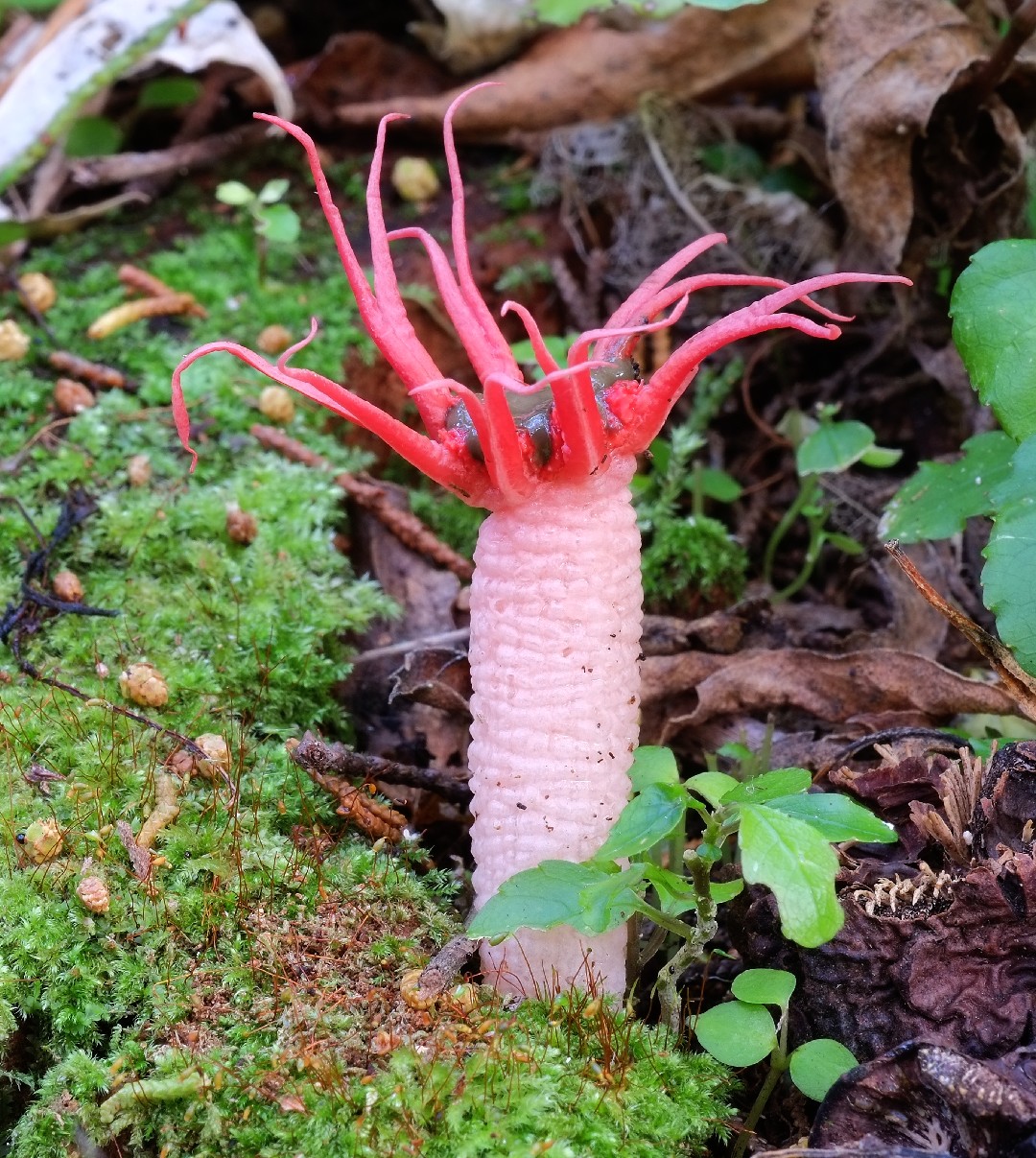
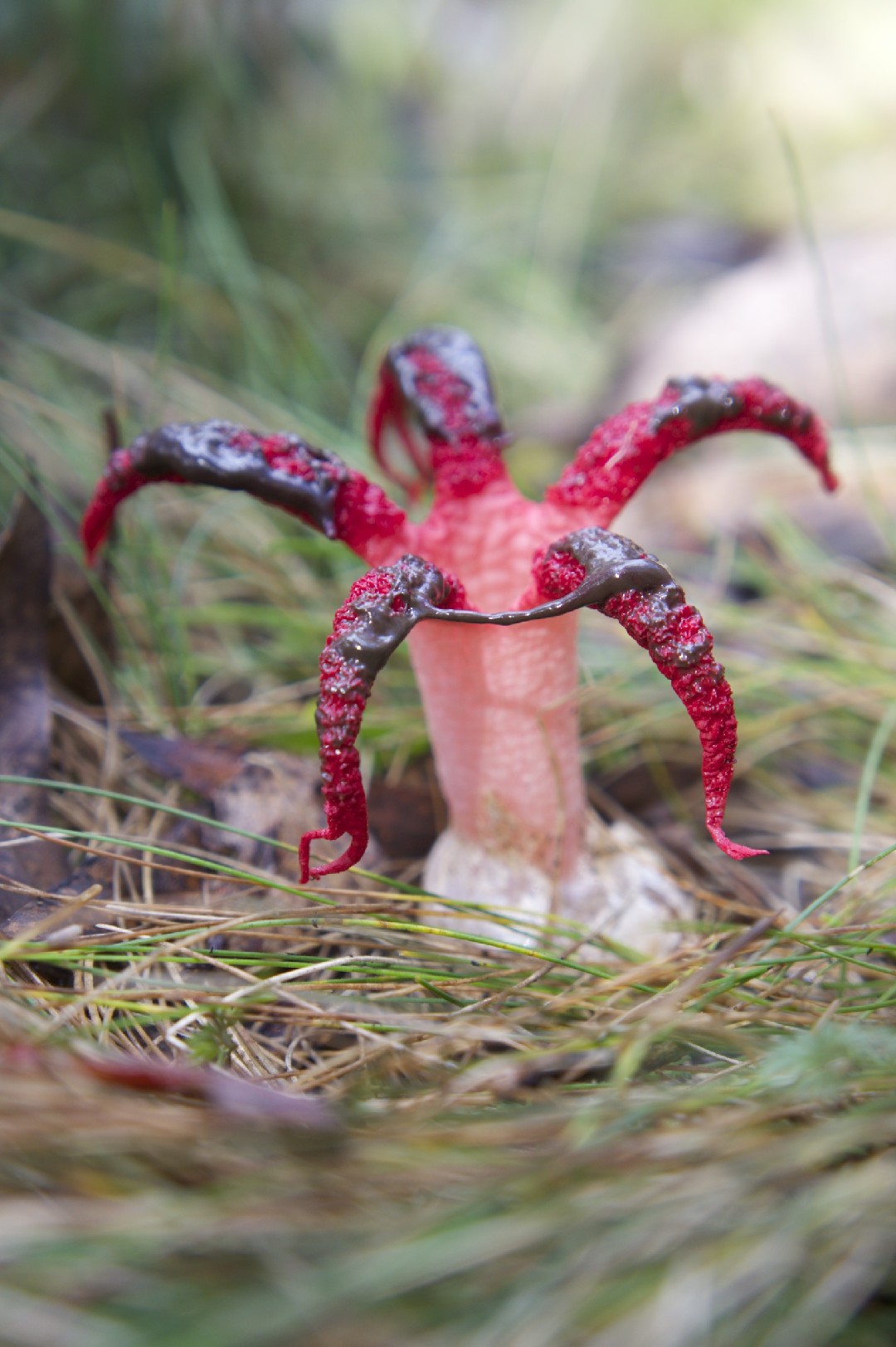
The anemone stinkhorn (Aseroe rubra) looks like a creature straight from the depths of the ocean…or perhaps a horror movie! This Australian native starts fruiting with a white, egg-like ball that breaks open to reveal bright red tentacle-like fingers that spread toward the sky with radial symmetry and the odor of rotting meat. It has spread to tropical and sub-tropical areas around the world and is potentially poisonous.
10. Southern cinnabar polypore
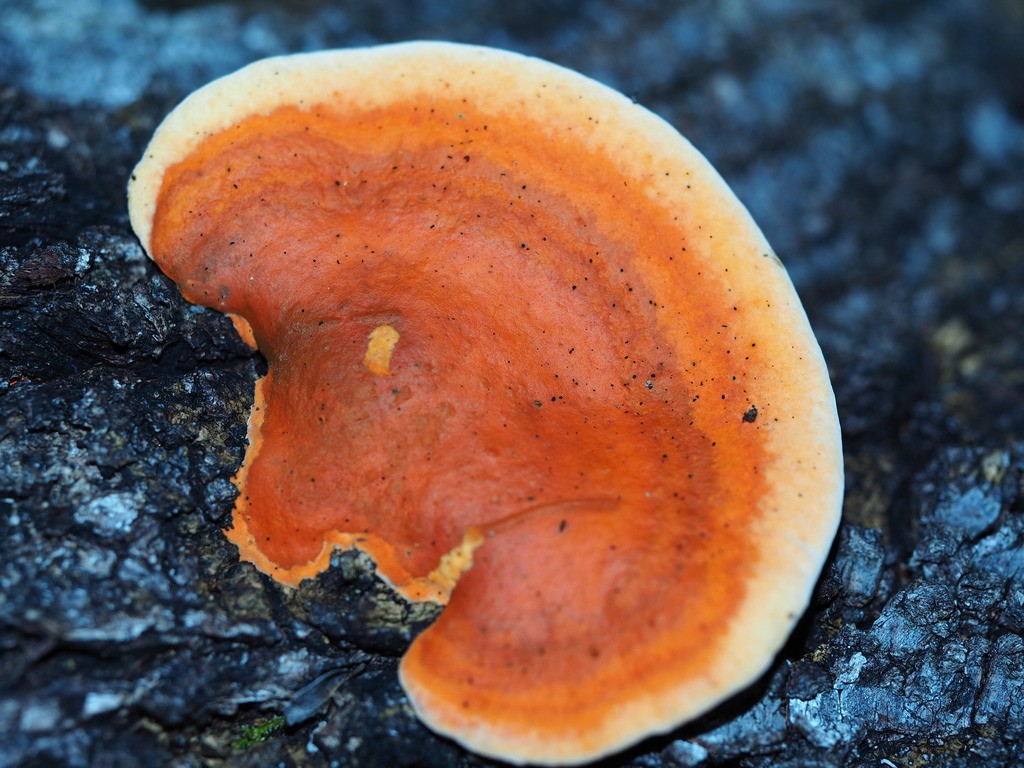
Southern cinnabar polypore grows in a variety of contexts, though it prefers to grow on deadwood near open water sources. This mushroom fruits from the late summer to early winter. True to its name, young southern cinnabar polypore has a bright orange color that's similar to cinnabar but may fade in older age.
More







