




Top 20 Most Common Mushrooms in Chihuahua

Most Common Mushrooms
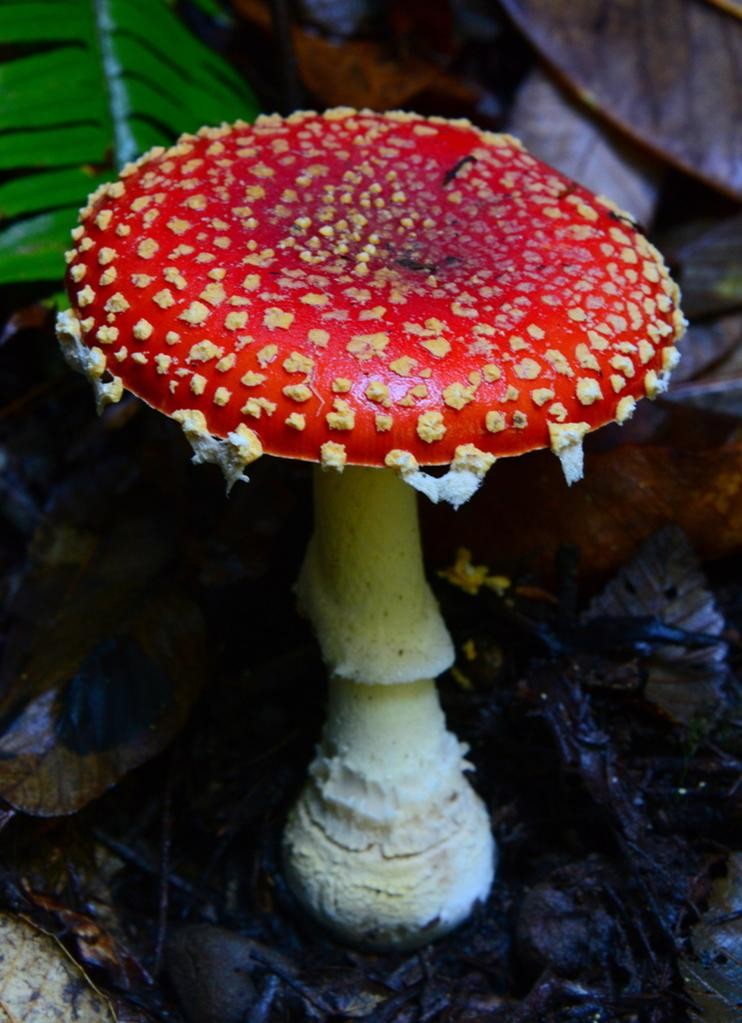
1. Fly agaric
In Northern Asia and Europe, fly agaric grows under trees near the winter solstice and is collected for ritual use tied to the season. Its characteristic shape and coloring are still ubiquitous in many European fairy tale illustrations and Christmas traditions. It is highly toxic.
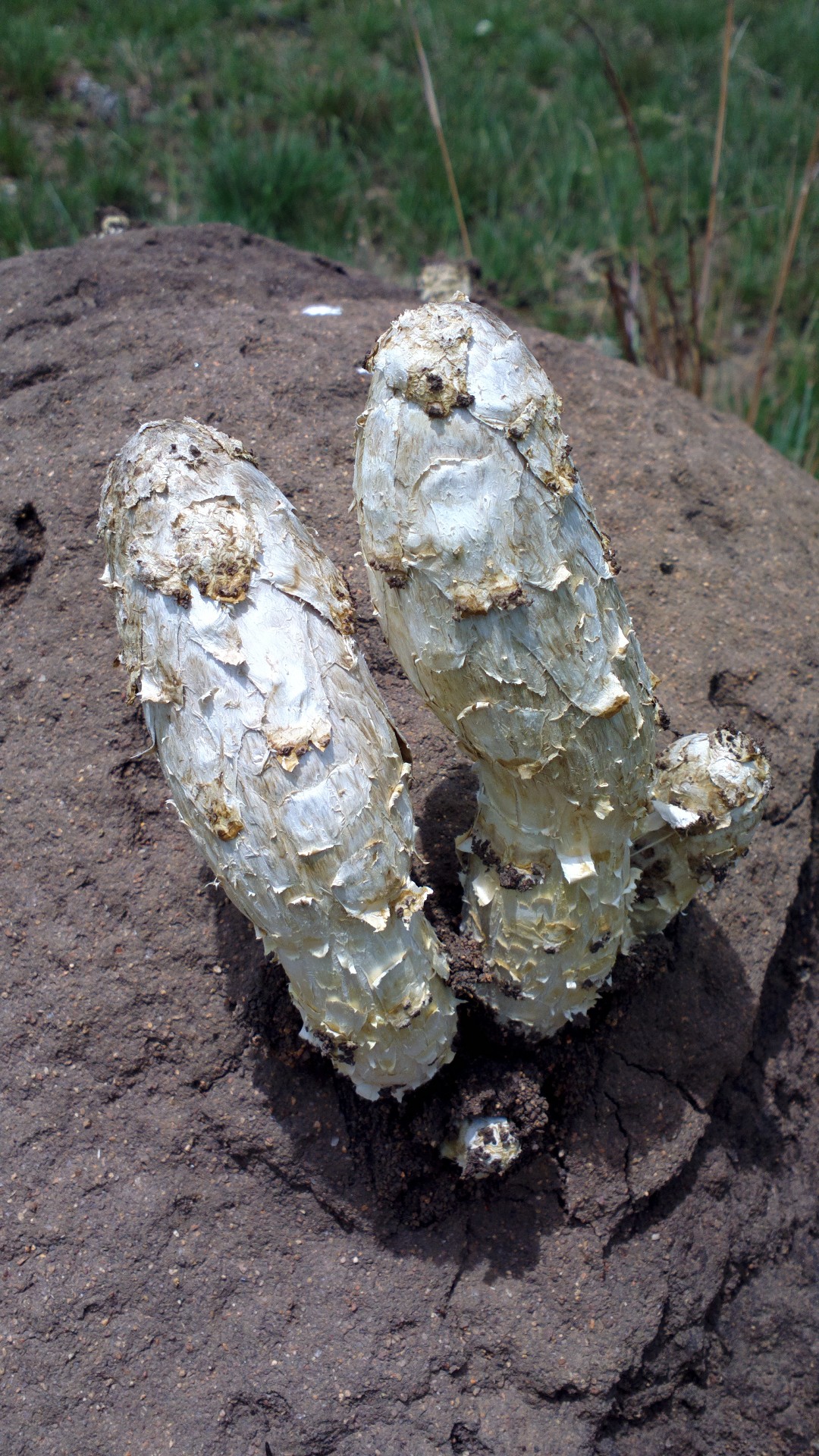
2. Desert shaggy mane
As its name suggests, the desert shaggy mane (Podaxis pistillaris) erupts from seemingly improbably conditions, out of the hot and arid ground in North American deserts. They are commonly found living harmoniously with colonies of termites in termite mounds. The desert shaggy mane is toxic and not safe to consume.
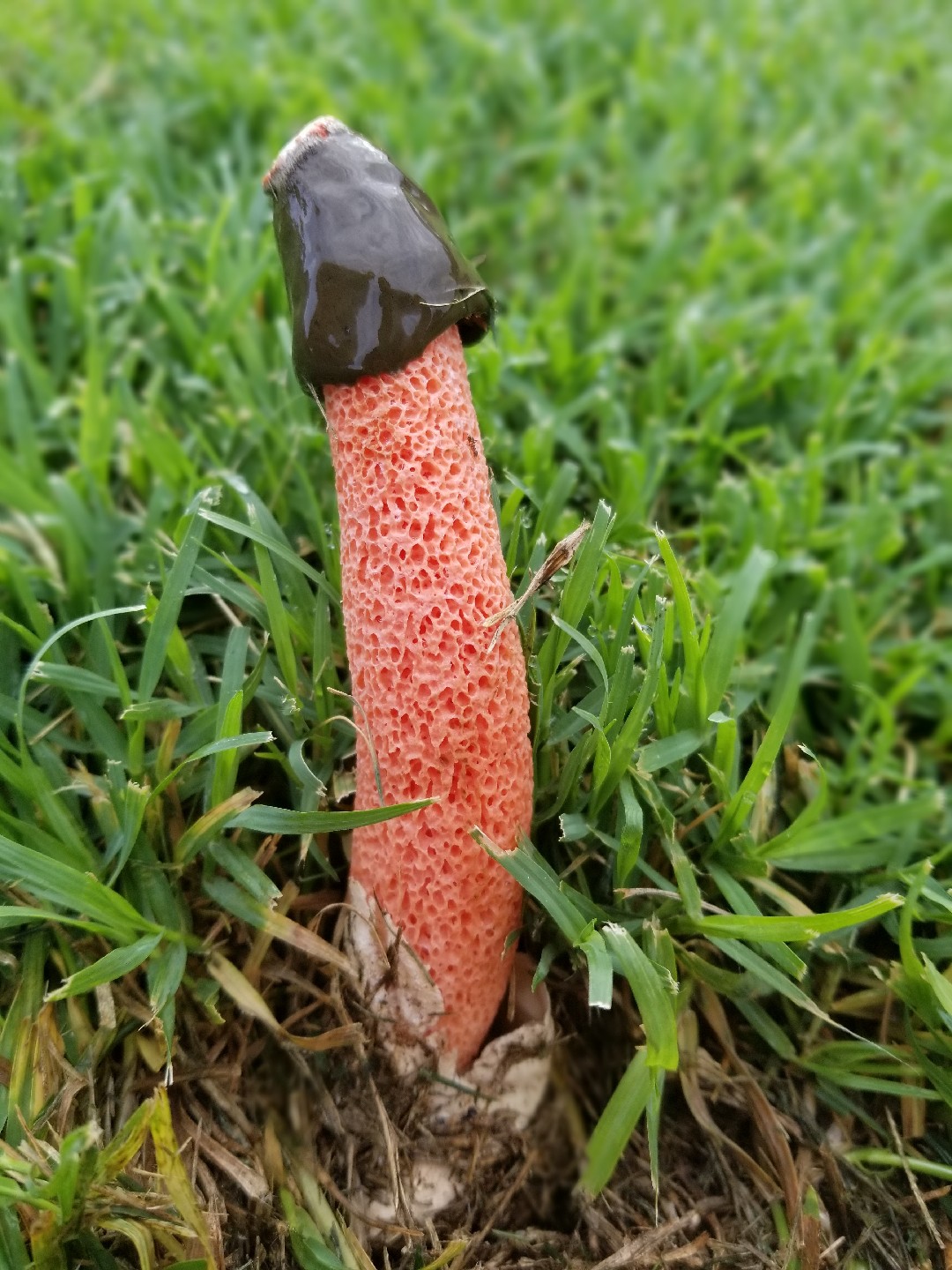
3. Devil's stinkhorn
The repugnant smell and odd shape of the devil's stinkhorn (Phallus rubicundus) create a memorable mushroom-hunting encounter. The elongated cap stretches down the stem like a hood, but chances are you'll smell this mushroom before you ever see it. Even one single fruitbody can emit a powerful odor, which has been compared to rotting flesh or roadkill.
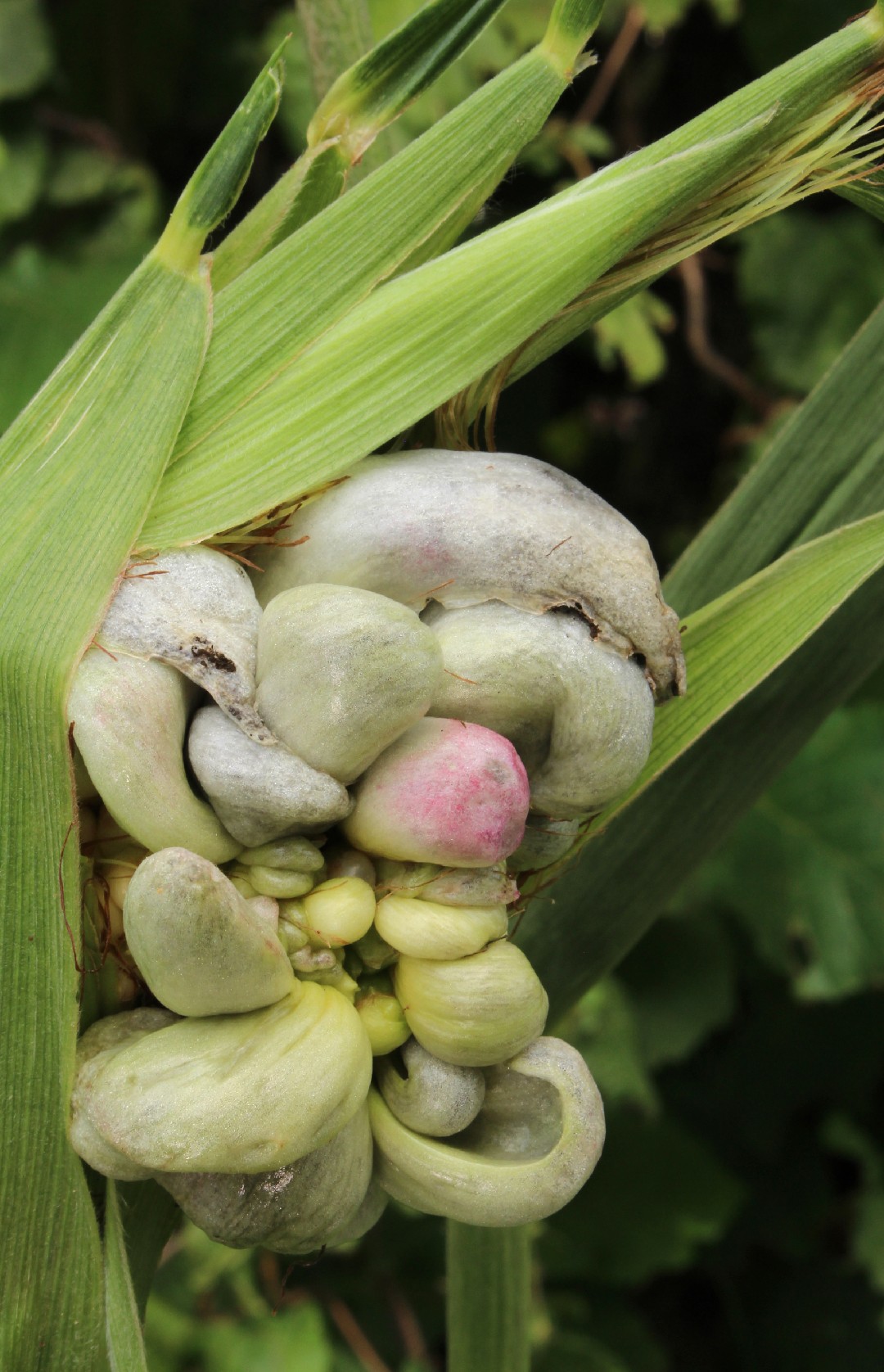
4. Corn smut
With a common name such as "corn smut," it is easy to guess that the most common place to find this crop-devastating fungus is on corn plants. The gall-shaped growths of corn smut (Ustilago maydis) are black in color with hues of grey and white closer to where they attach to the host plant. The corn will develop a scorched appearance, which is actually the smut rot.
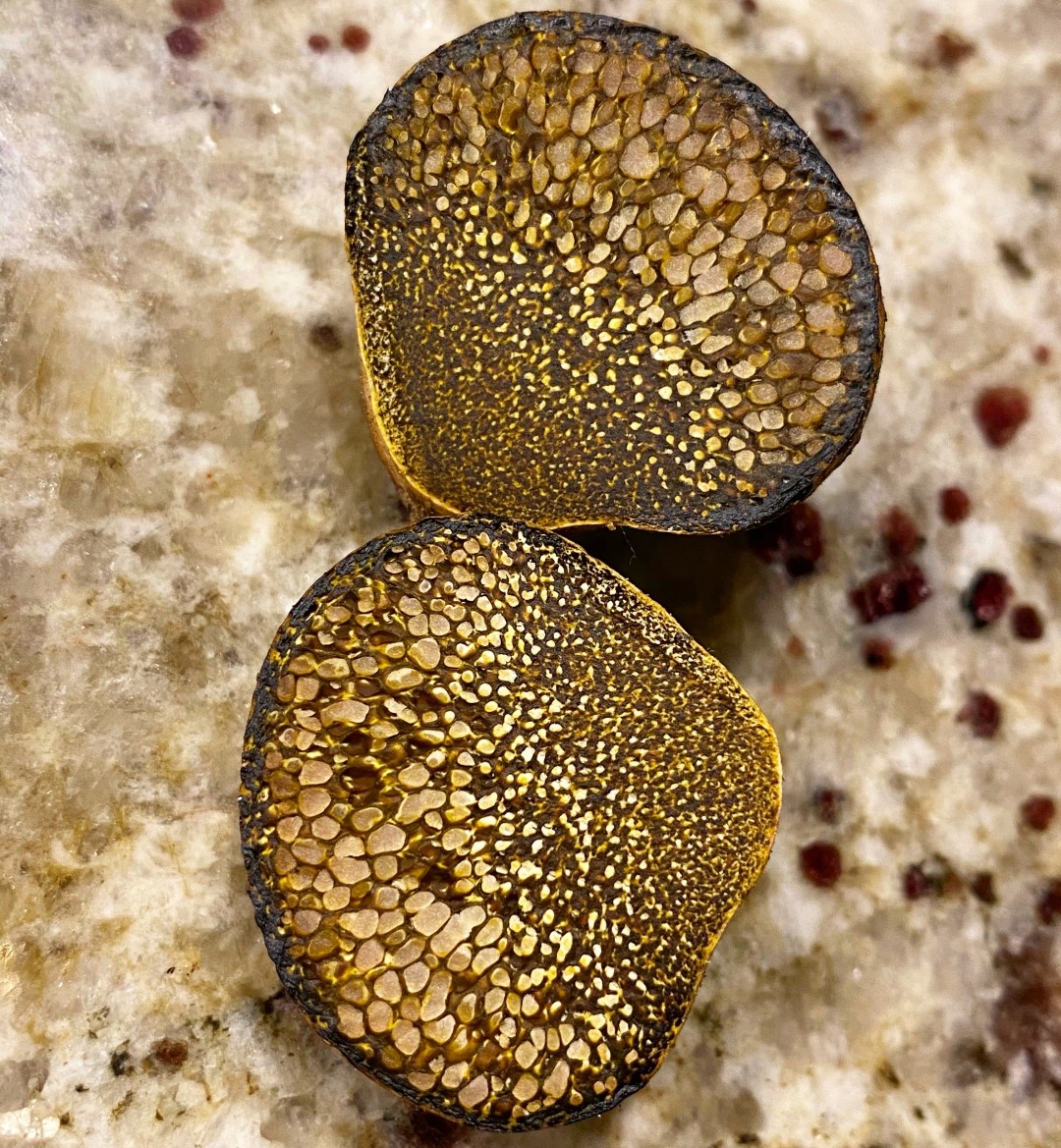
5. Dead man's foot
Dead man's foot (Pisolithus arhizus) actually bears a number of colorful names stemming from its unusual appearance, such as the horse dung fungus (Australia). It can be distilled into a viscous black gel, which is then used as a natural dye for clothing. It is considered to be inedible.
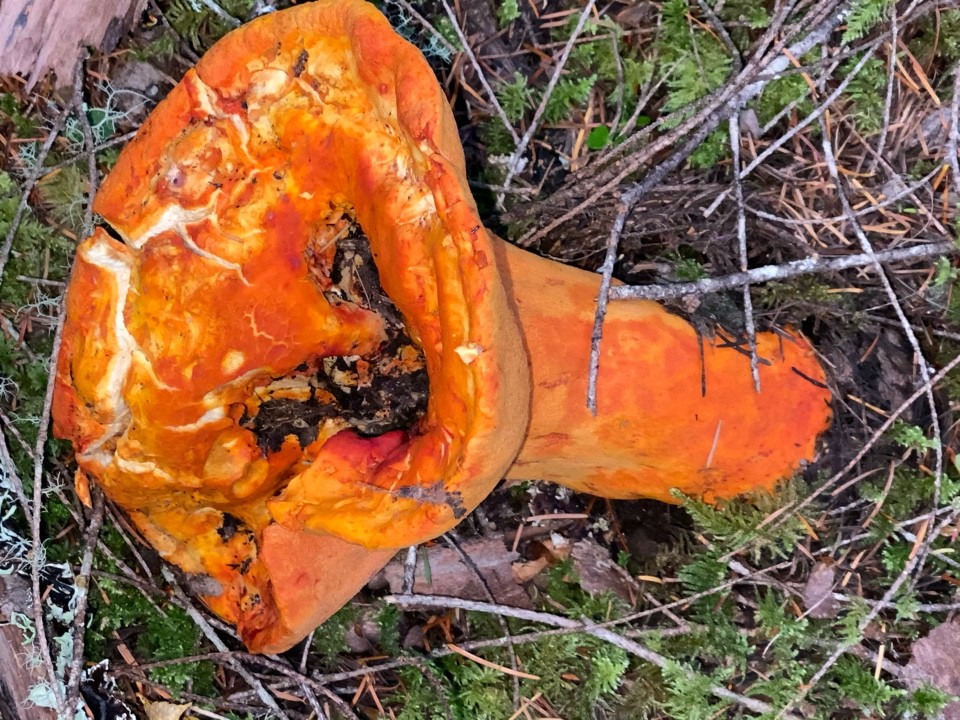
6. Lobster mushroom
The lobster mushroom is actually not a species of mushroom, per-se. When Hypomyces lactifluorum mold attacks one of several common species of Russula mushrooms, it transforms them into lobster mushrooms: they shrivel, harden slightly, and turn bright orange or vermillion. Surprisingly, this only makes them more flavorful. Lobster mushrooms are highly sought after for their distinctive, seafood-like flavor when cooked. Upset stomachs have been reported when eaten raw.
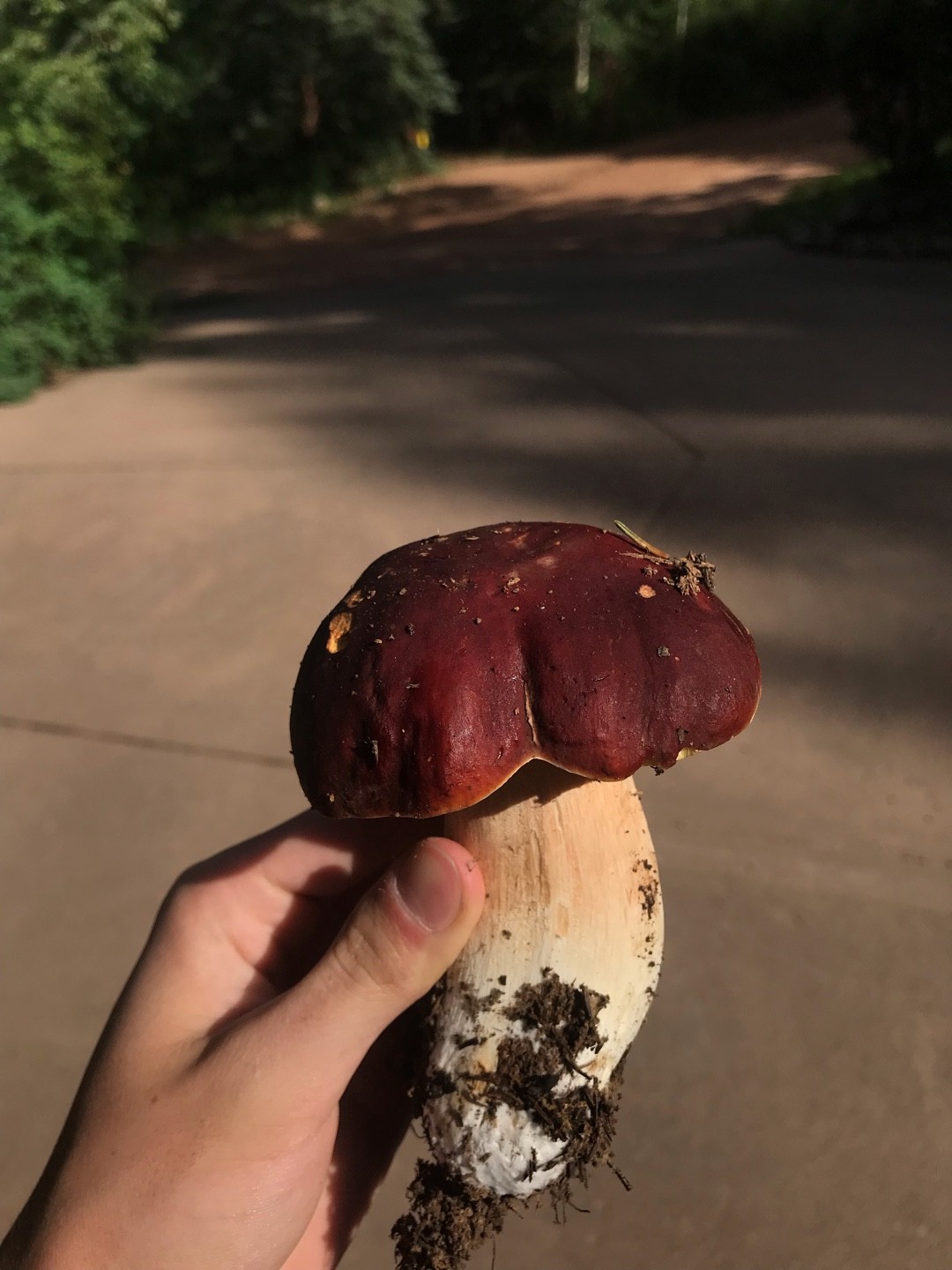
7. Rocky mountain red
Rocky mountain red is a bold mushroom that is easy to identify. Only recently classified in 2014, this reddish-brown capped bolete is found in the Rocky Mountains beneath spruces. It has been observed to have a symbiotic relationship with Engelmann Spruce. Rocky mountain red was previously classed under B. Edulis and mature specimens can host small fly larvae.
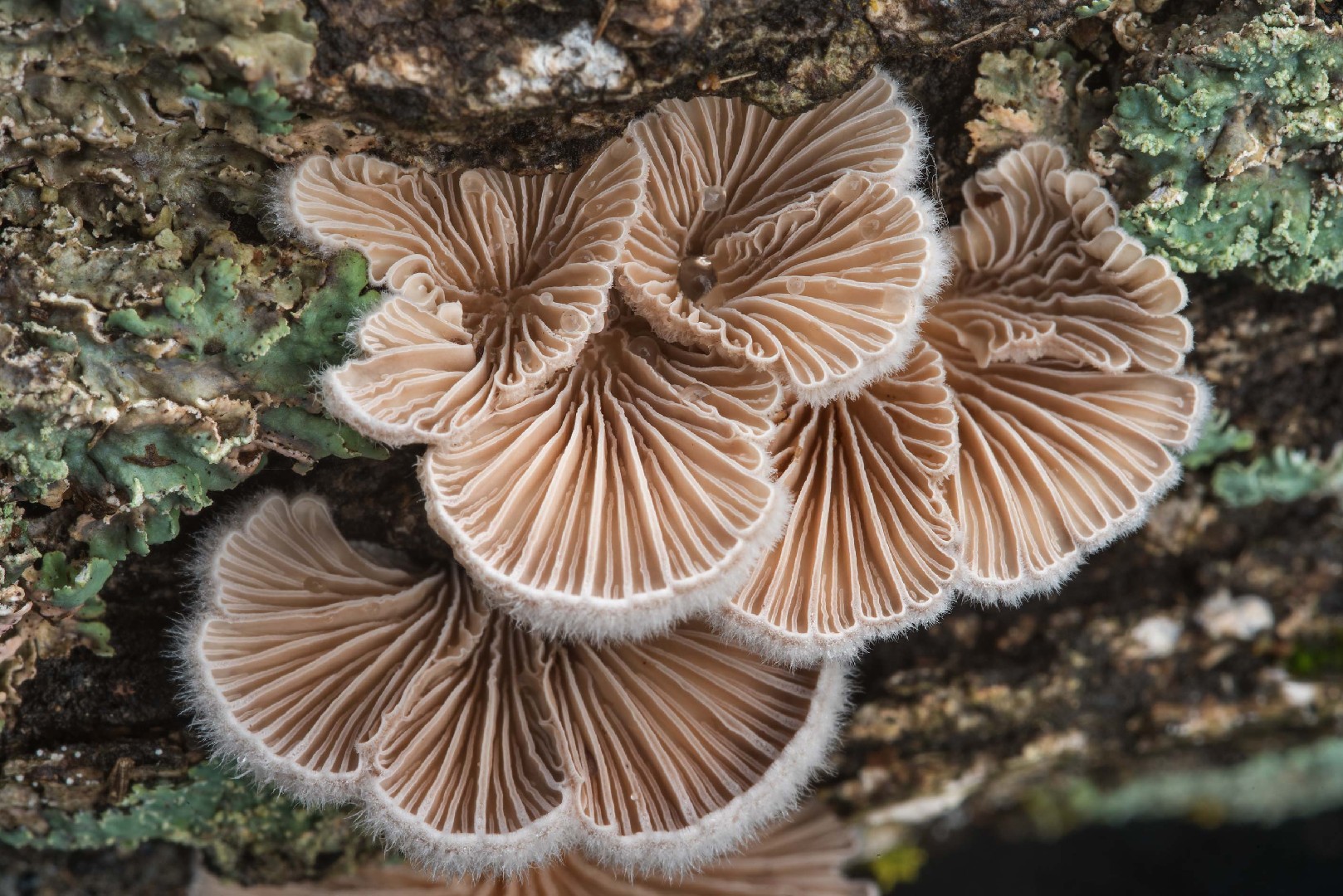
8. Split gill
Split gill(Schizophyllum commune) can be found across the globe. Uniquely, it is the only mushroom species known to display the capability to retract by movement. It is considered inedible, although not necessarily toxic. Furthermore, it is not recommended to smell this species, as the spores are capable of sprouting and growing in nasal passages.
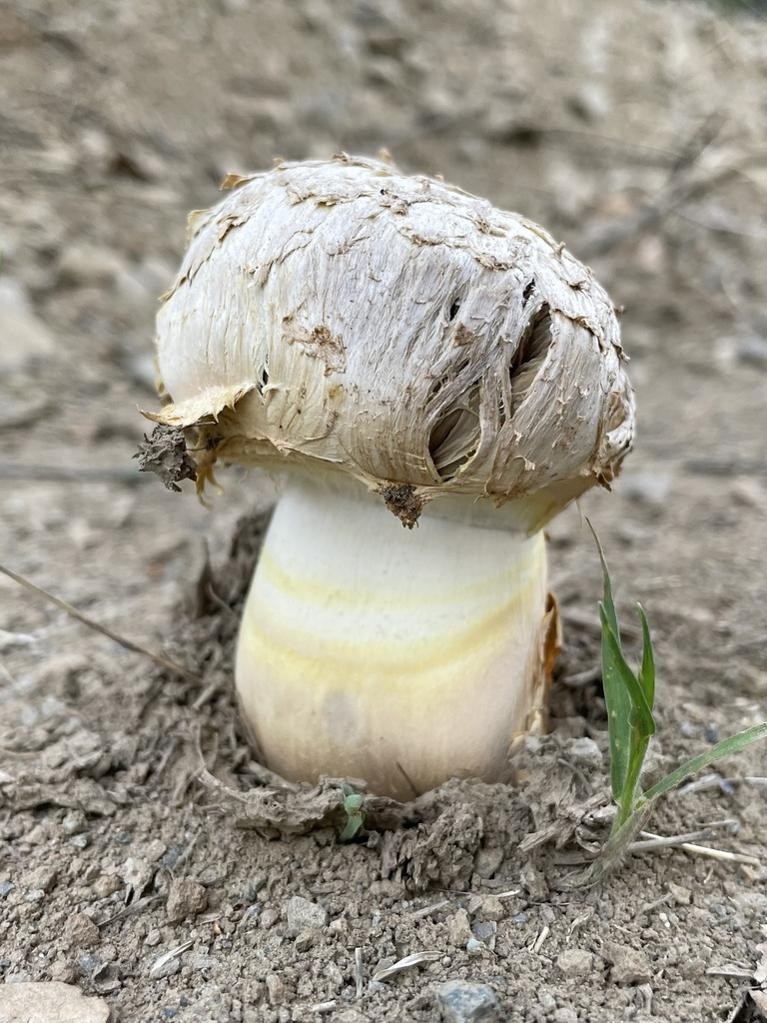
9. Gasteroid agaricus
Gasteroid agaricus has evolved to flourish in arid or semi-arid environments. Noted for its distinctive bulbous cap that does not fully expand, this mushroom was only recently transferred to the Agaricus genus. Gasteroid agaricus can be found singly or on groups and retains a partial veil despite its maturity.
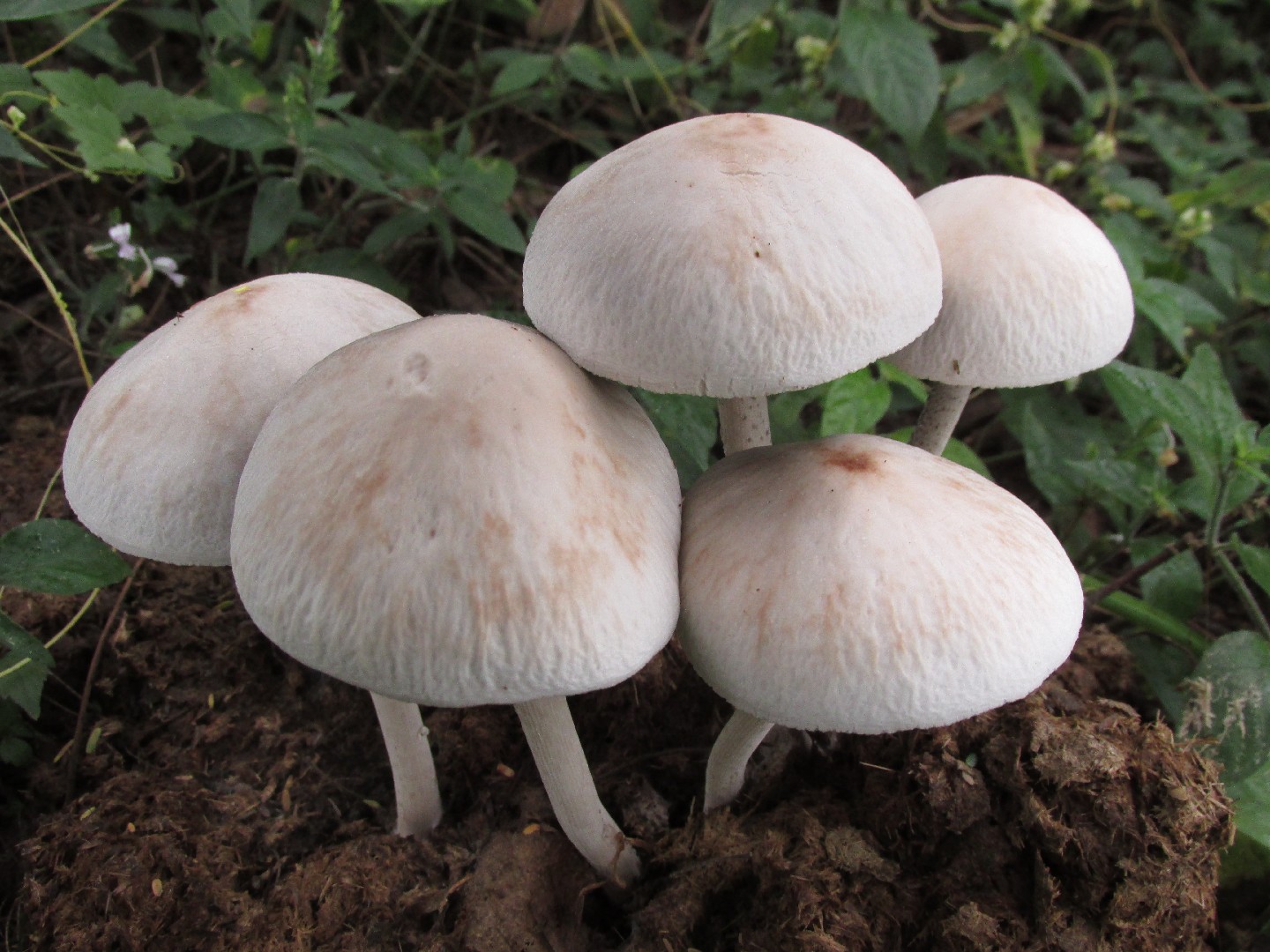
10. Panaeolus antillarum
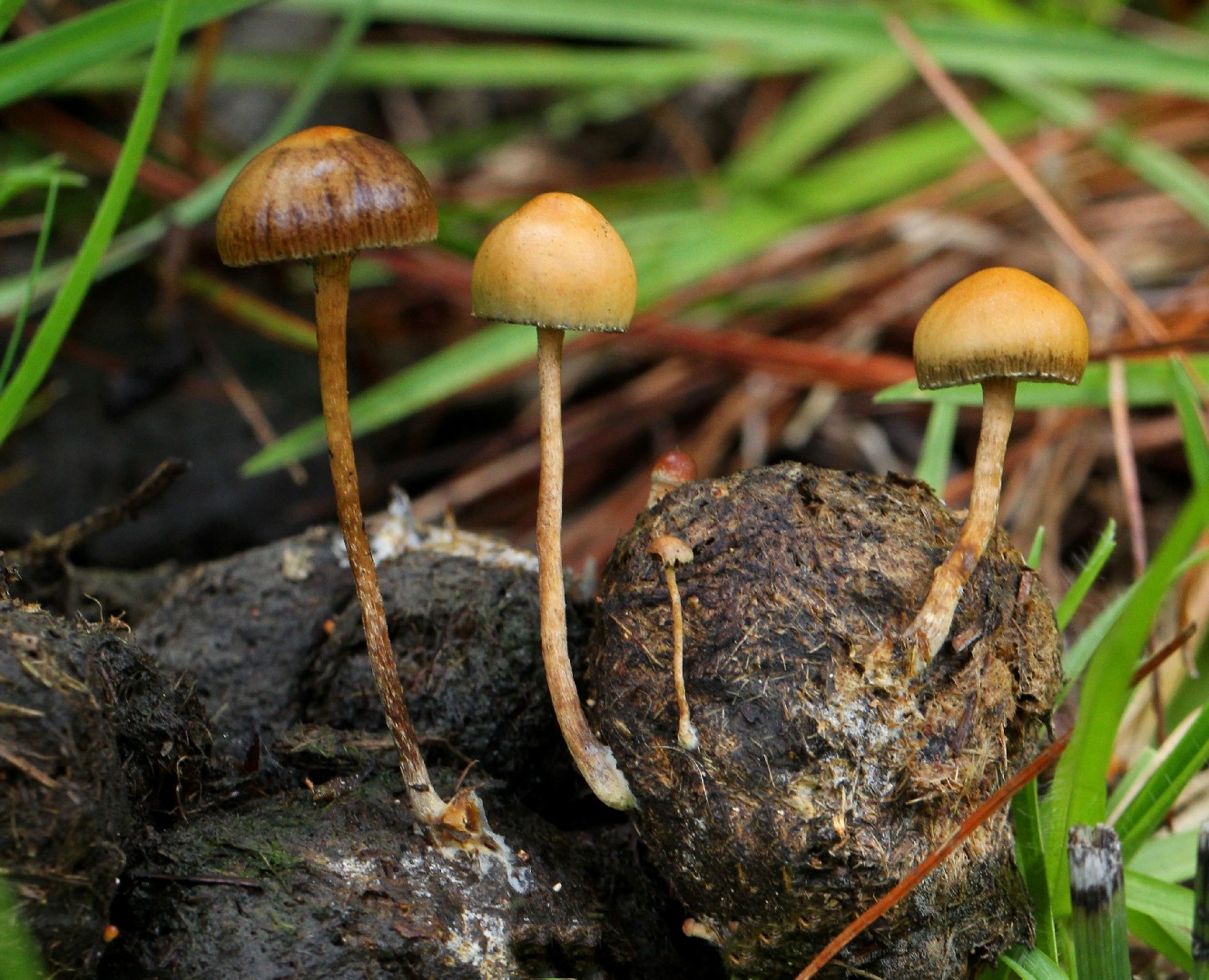
The panaeolus antillarum is a small, nondescript mushroom that, like other members of the Panaeolus genus, favors fruiting in animal dung, though it may also be found in wet meadows or even lawns. Though its stalk and cap don't offer any quick or easy identifying characteristics, one distinguishing feature of this species is its spore print, which is jet black.

More







