




Top 16 Most Common Mushrooms in Bogor

Most Common Mushrooms
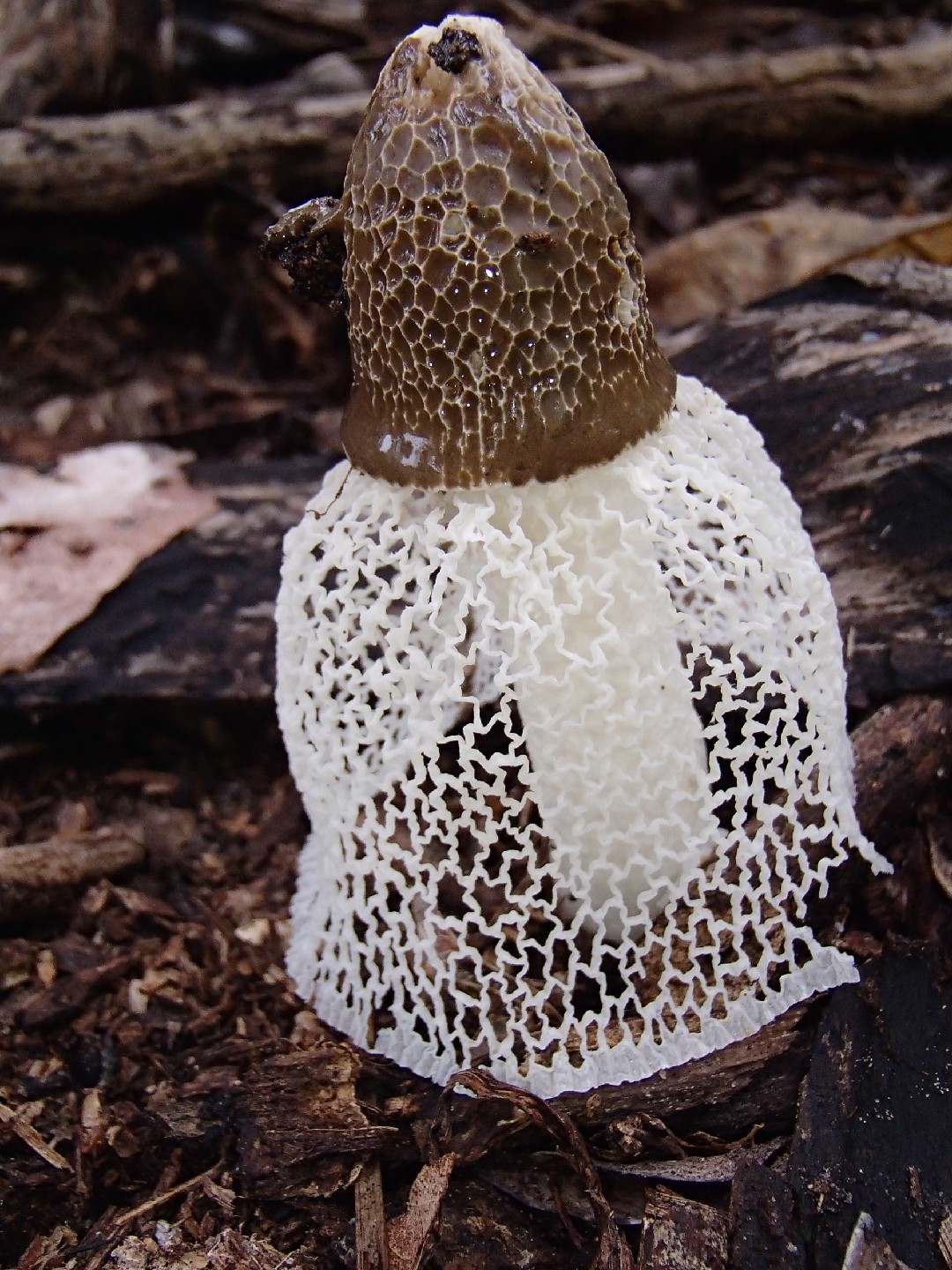
1. Bridal veil stinkhorn
Bridal veil stinkhorn (Phallus indusiatus) can be found rising up from the ground in tropical forests around the world. A distinctive netted fringe “skirt” descends from the cap along the length of the stalk. A type of “stinkhorn,” the fruitbodies of this species produce scents that vary between sickly-sweet to just plain unpleasant. The odor is meant to attract insects that usually lay their eggs in carrion.
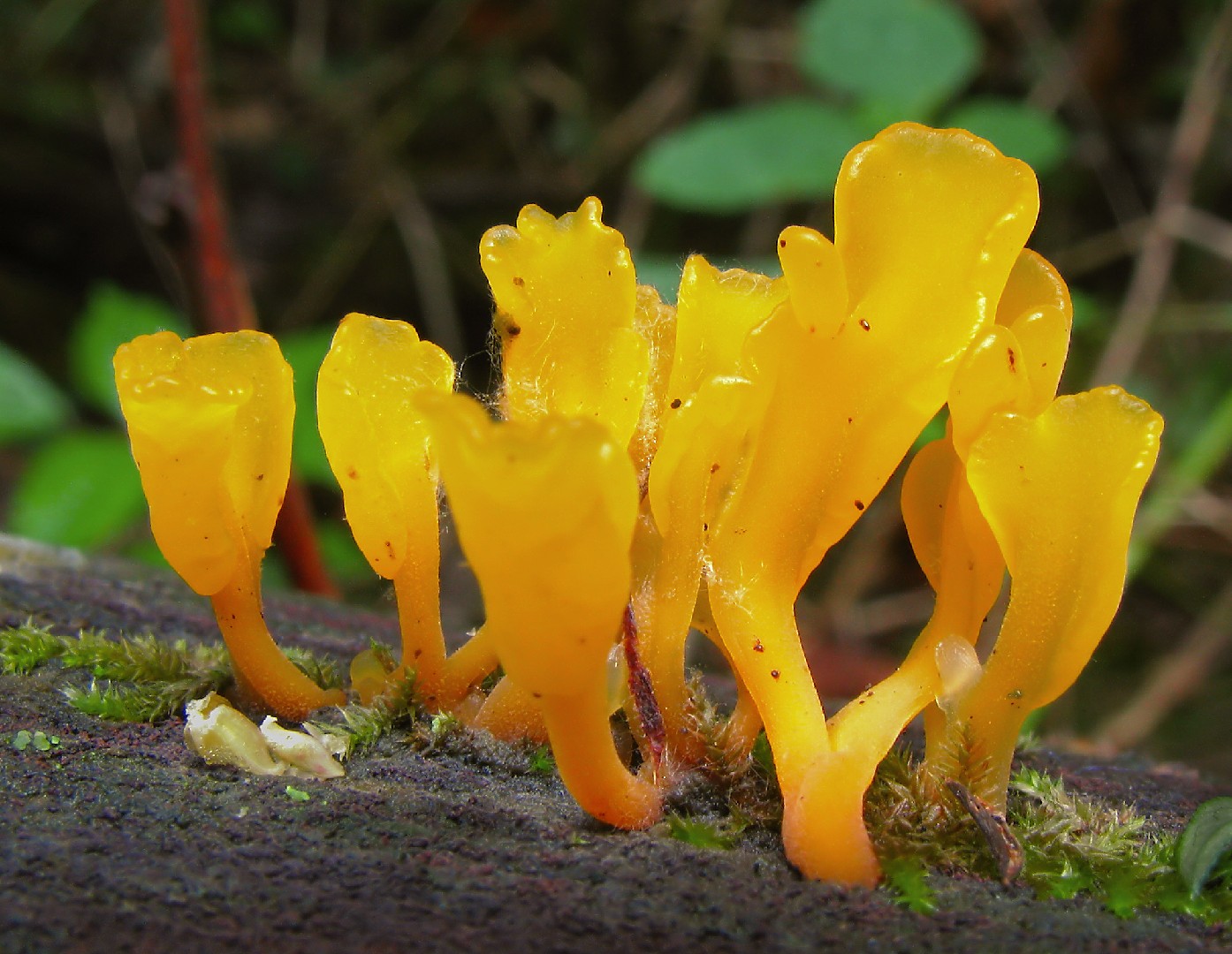
2. Fan-shaped jelly-fungus
Just as its Latin and the common English names suggest, the fan-shaped jelly-fungus (Dacryopinax spathularia) is a fan-shaped or spatula-shaped jelly-like mushroom. It commonly grows in wood cracks and it sometimes even appears in the cracks of the processed wood and lumber. Despite the word "jelly" in its name, the fan-shaped jelly-fungus is not considered edible.
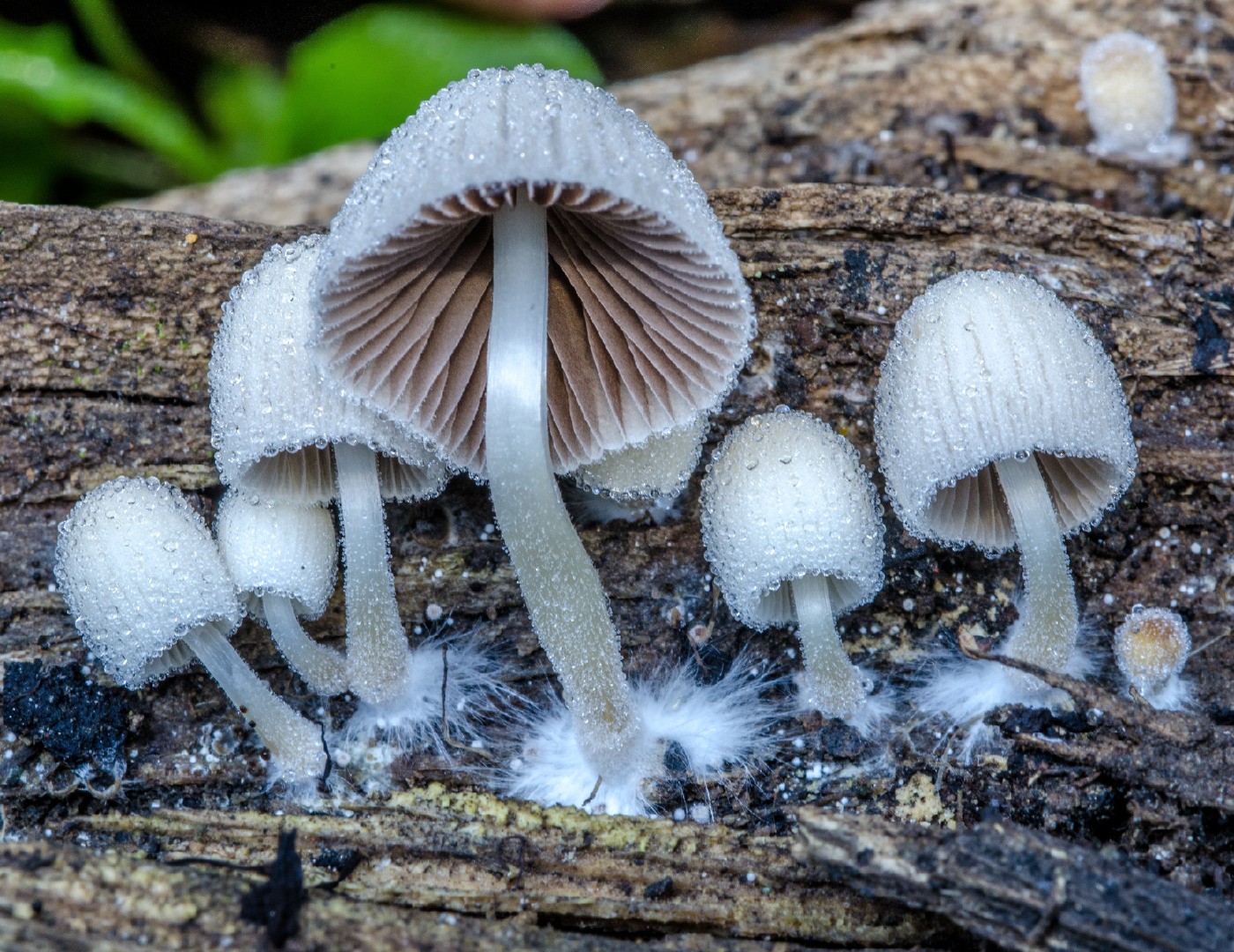
3. Fairy inkcap
The mushrooms of the fairy inkcap species have a tendency to congregate in large masses over dead tree stumps and decaying roots. They appear all around the world from early spring all the way to the first frosts, but each fruit only lasts a few days before turning black and distributing its spores.
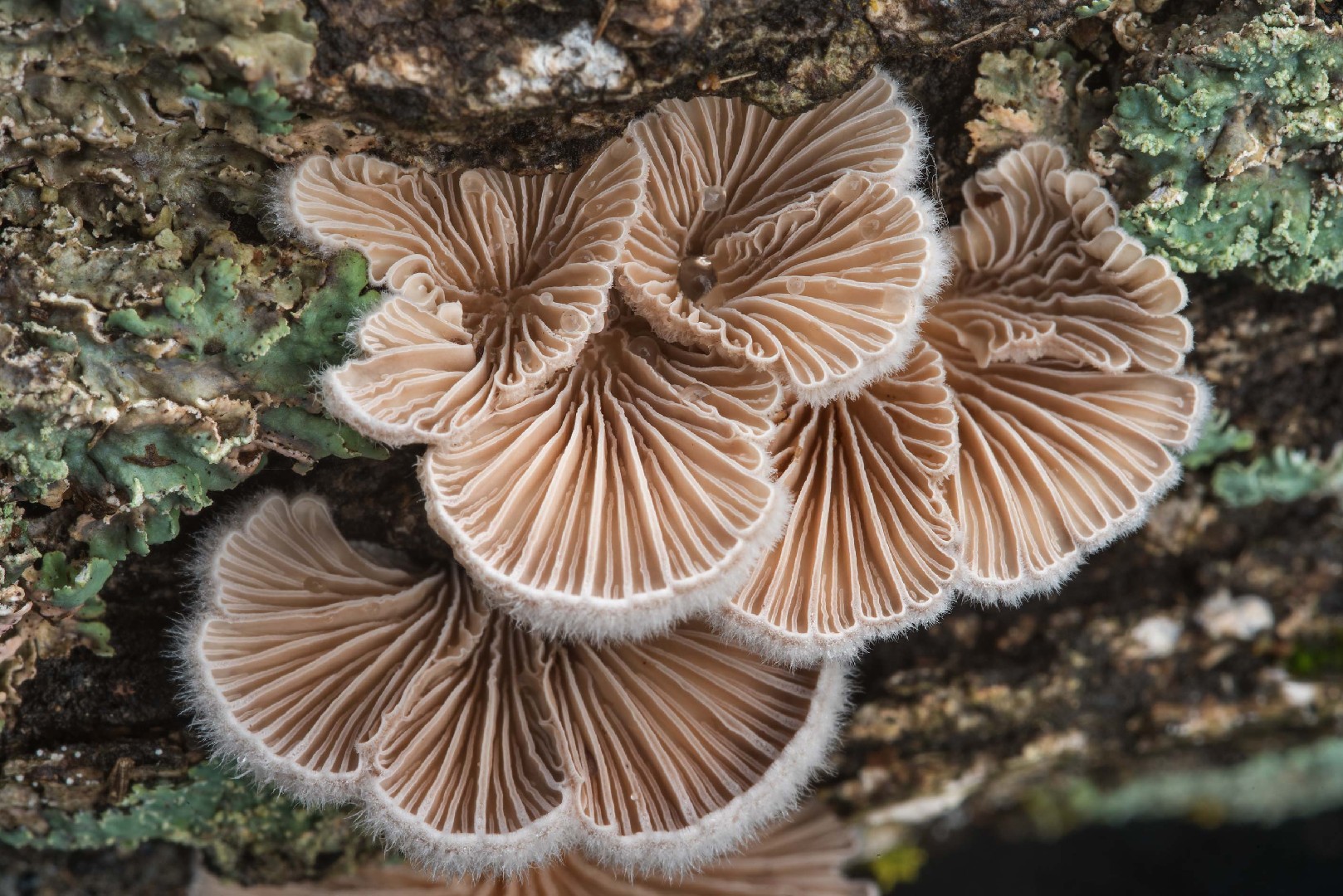
4. Split gill
Split gill(Schizophyllum commune) can be found across the globe. Uniquely, it is the only mushroom species known to display the capability to retract by movement. It is considered inedible, although not necessarily toxic. Furthermore, it is not recommended to smell this species, as the spores are capable of sprouting and growing in nasal passages.
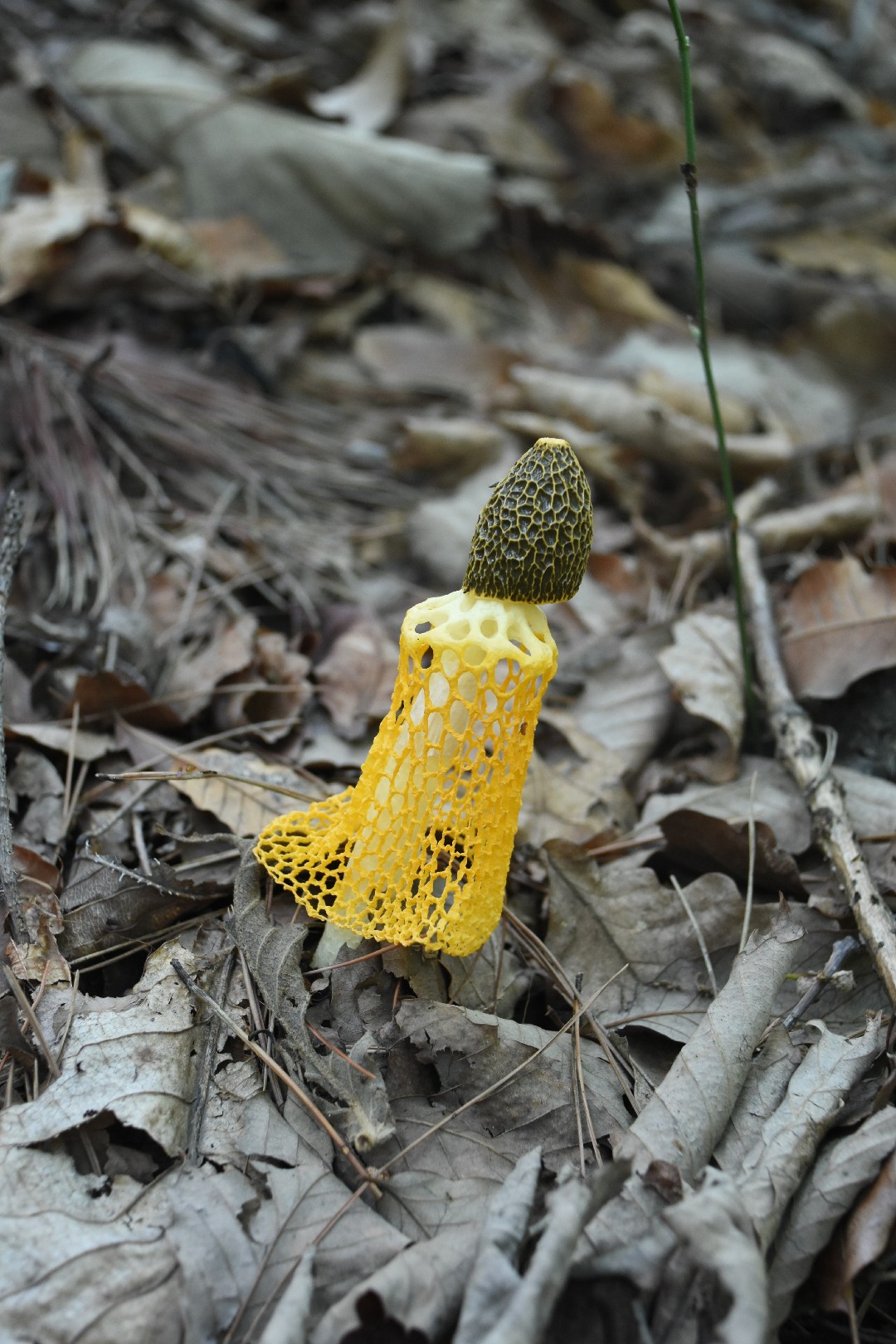
5. Phallus luteus
Phallus luteus's unique appearance makes it easy to recognize in forests. The multi-colored mushroom has yellow webbing hanging off the cap closely resembling a skirt. Like other species in the genus, phallus luteus is also recognizable by its pungent odor.
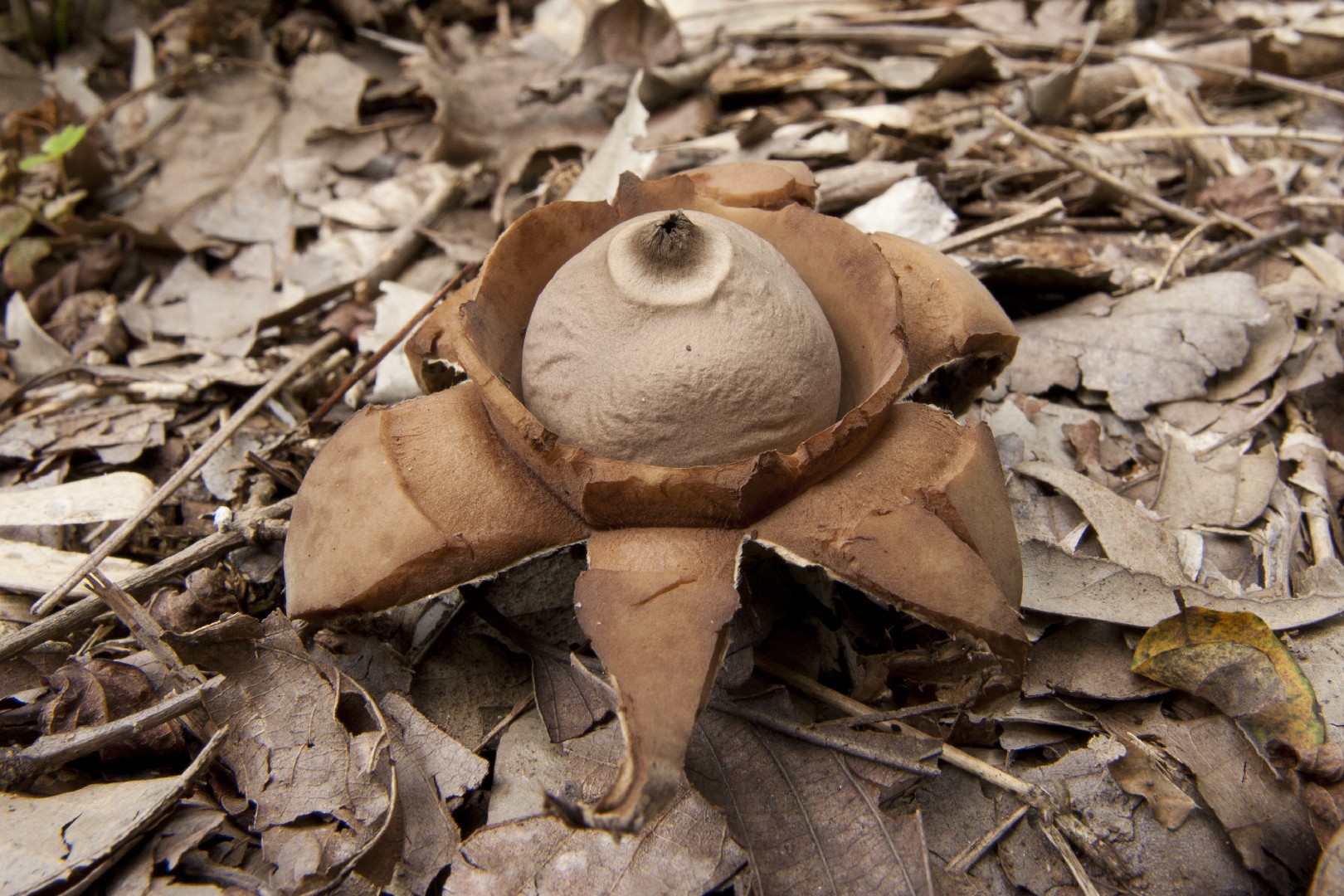
6. Collared earthstar
The collared earthstar, along with other Geastrum species, is inedible, mostly as its fibrous fruitbody is of a poor taste and texture. The spores inside its fruiting body are initially white, but they turn brownish as the mushroom matures. This earthstar is the largest member of the Geastrum genus.
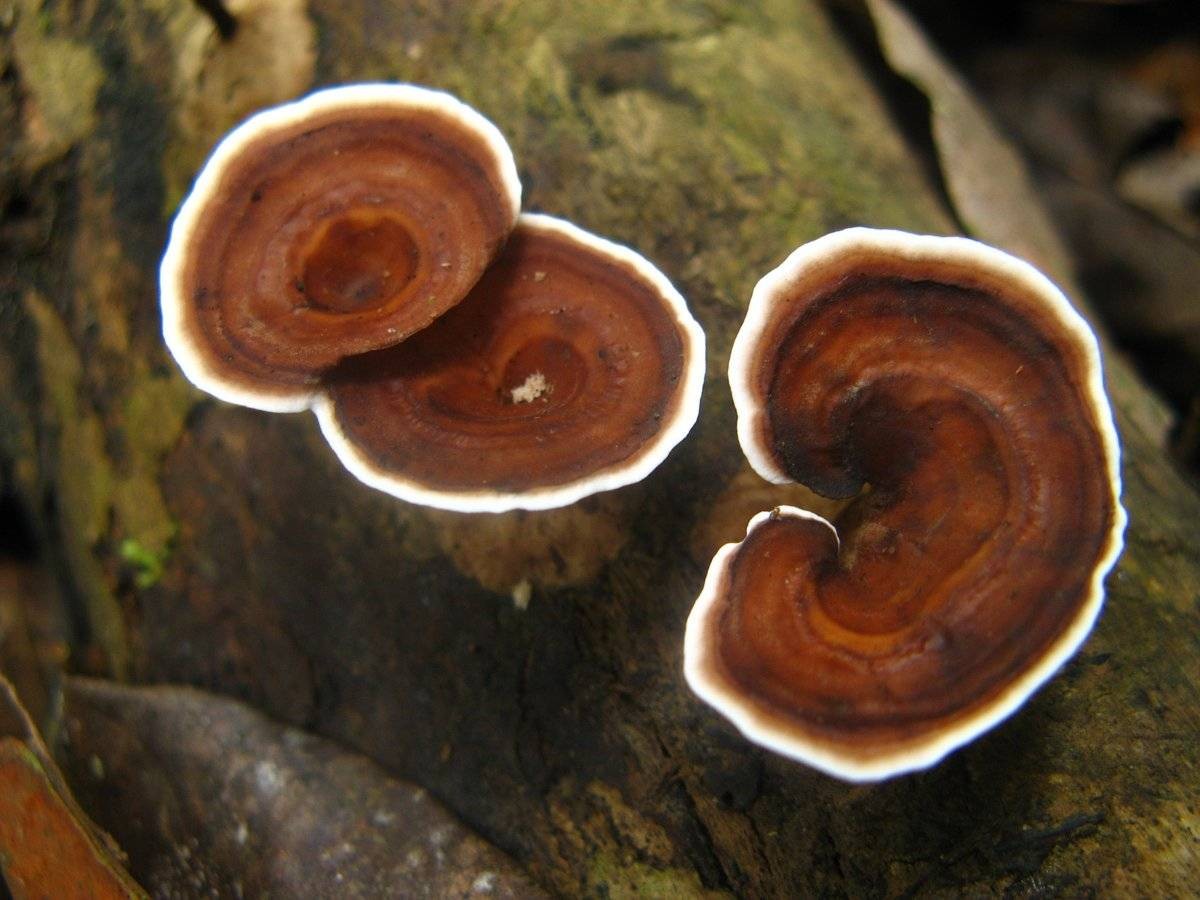
7. Yellow-footed micropore
The scientific name of the yellow-footed micropore (Microporus xanthopus) translates to “tiny-pored yellow foot.” Its short stem is usually yellow, leading up to a concave, funnel-like cap. The species is common in all the tropics of the world outside of the Americas. The striated, multi-hued caps grow largest in wet, darkly-shaded locations.
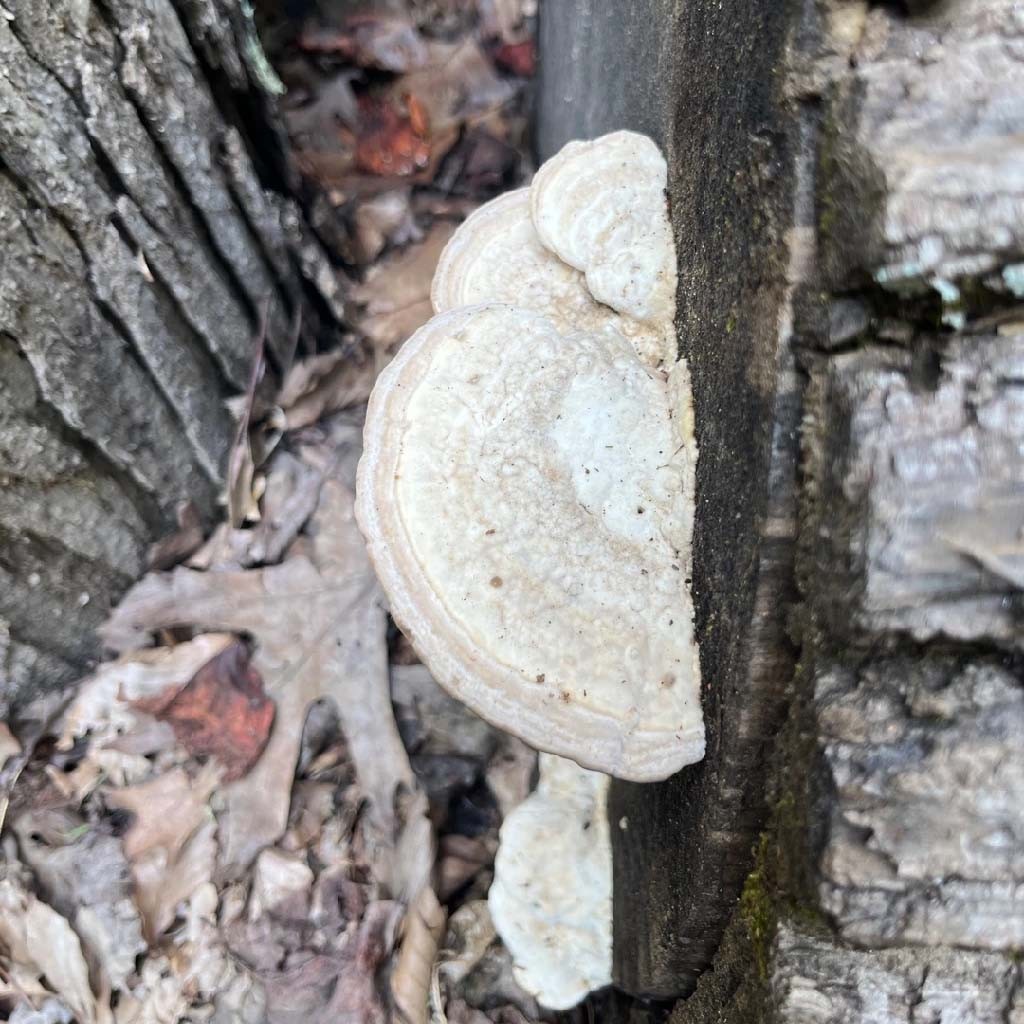
8. Leiotrametes lactinea
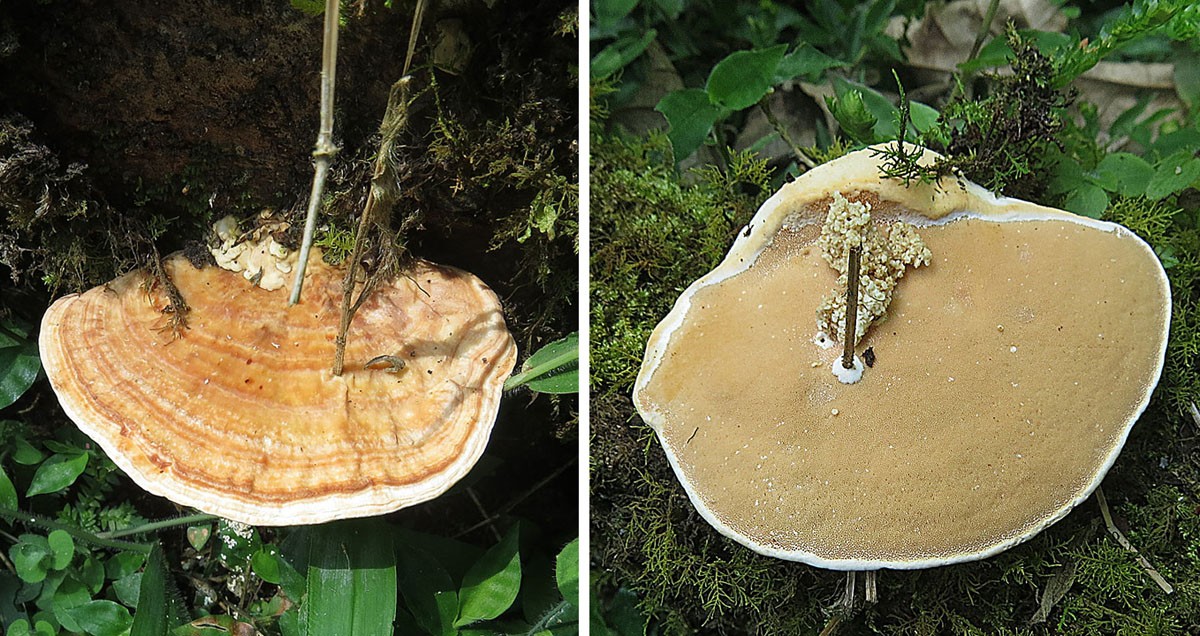
Leiotrametes lactinea thrives in warmer climates growing on decaying and dead trees, stumps, and branches. The white-rot fungus provides an important ecological service by aiding in the decay of dead wood by removing lignin, which is the organic material in the tree’s cell walls that prevent it from decaying.
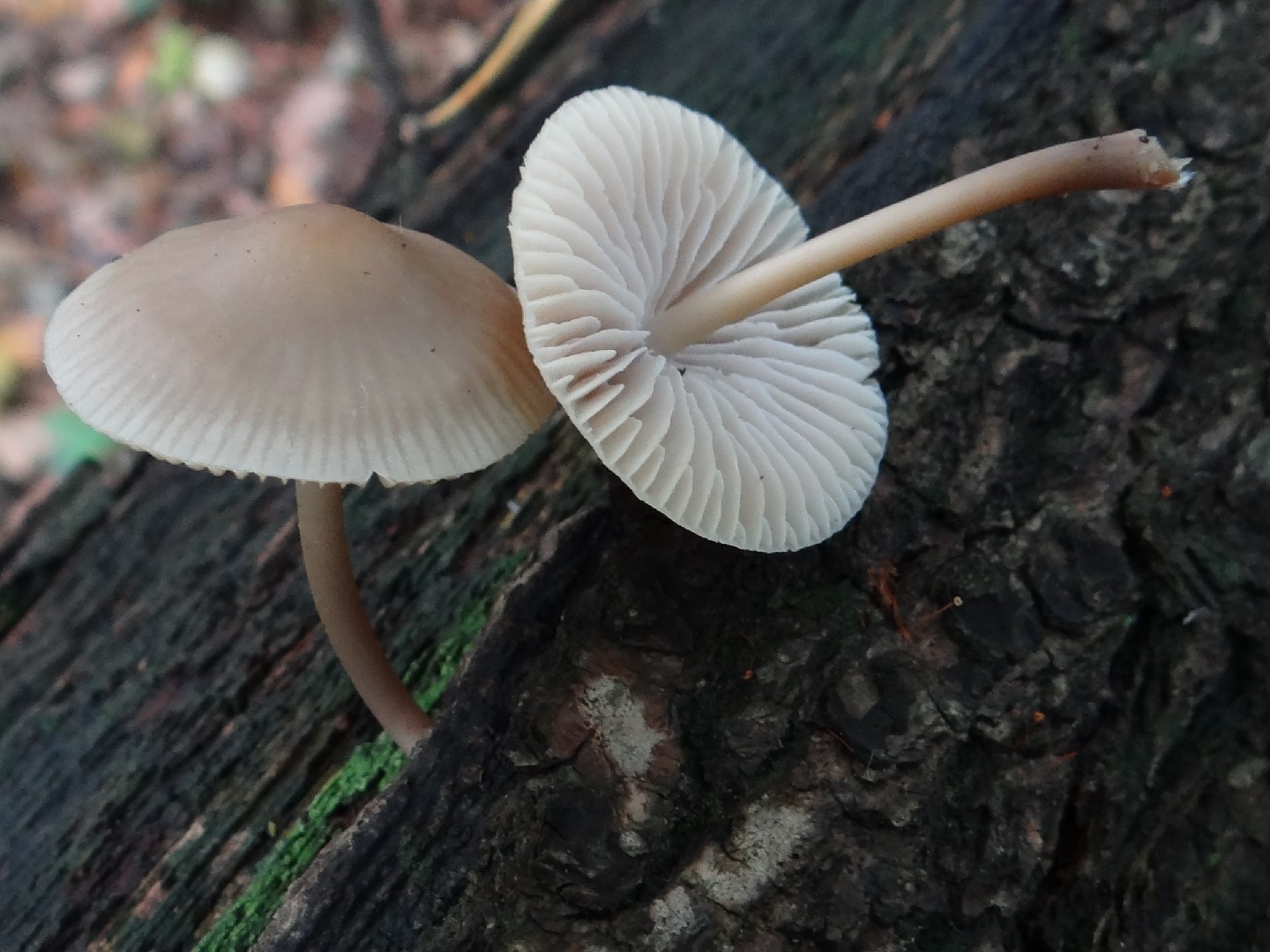
9. Common mycena
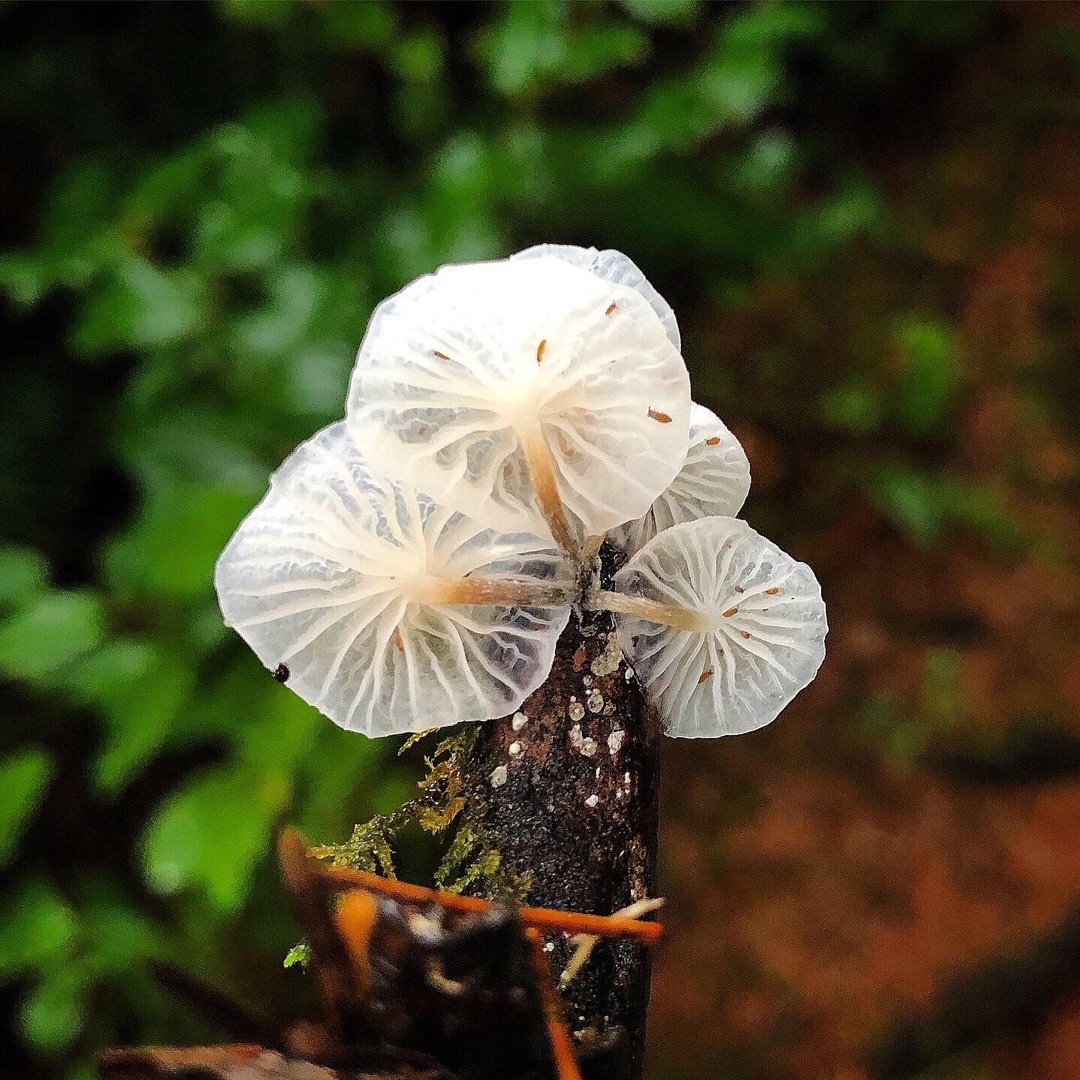
These mushrooms favor deeply shaded deciduous forests, growing in tufts and clusters on heavily decayed trunks and mossy stumps. Common mycena can be found throughout the northern hemisphere in summer and autumn. They do not appear to be toxic but have no edible value.
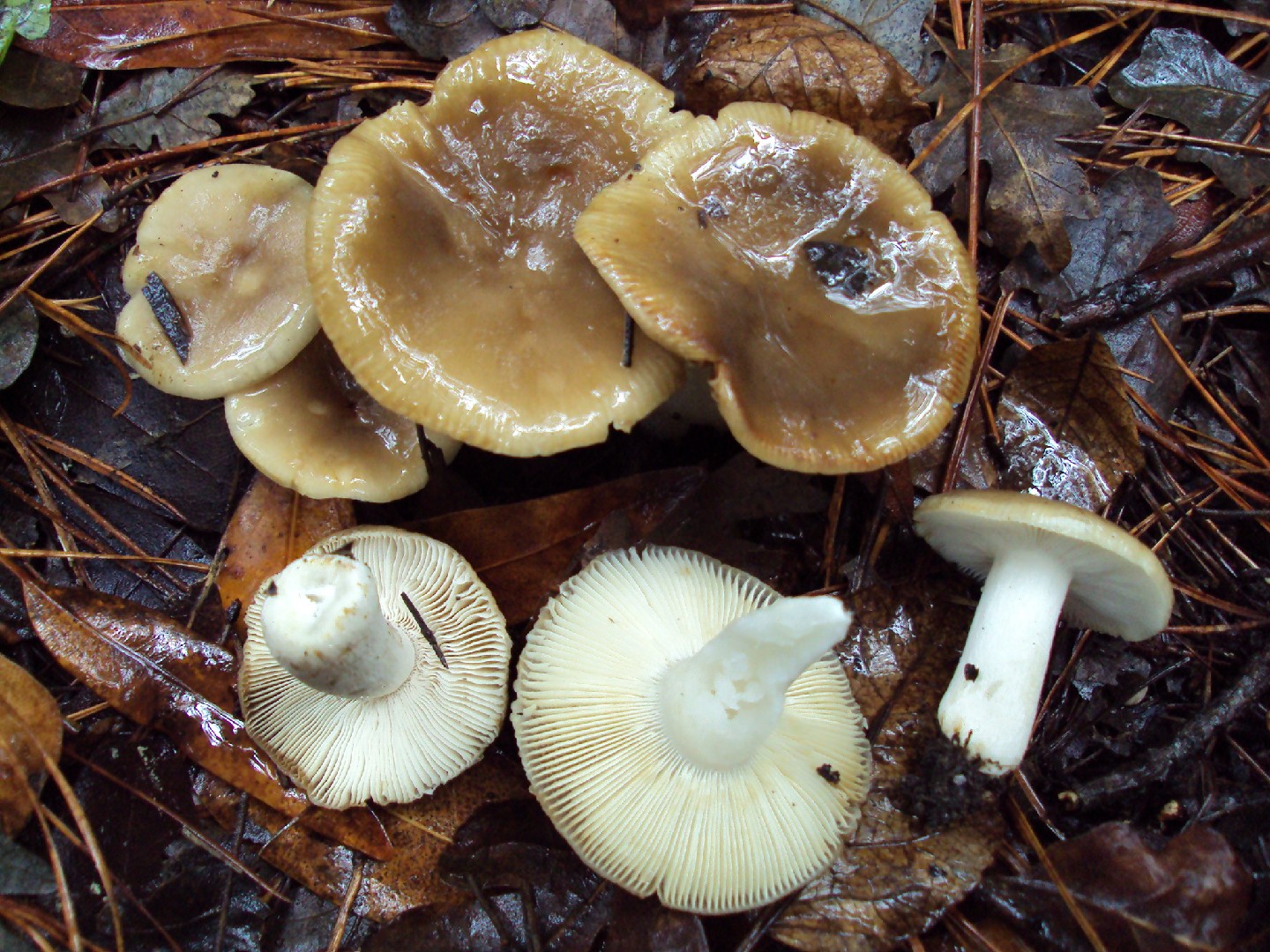
10. Camembert brittlegill
Camembert brittlegill(Russula amoenolens) is native to the northern hemisphere and sprouts in the ground, generally in clusters or scattered groups. Slimy in wet conditions, its coating may disappear in dry weather. Its unappealing odor and peppery bitterness render it inedible.

More







