




Top 14 Most Common Mushrooms in Goa

Most Common Mushrooms
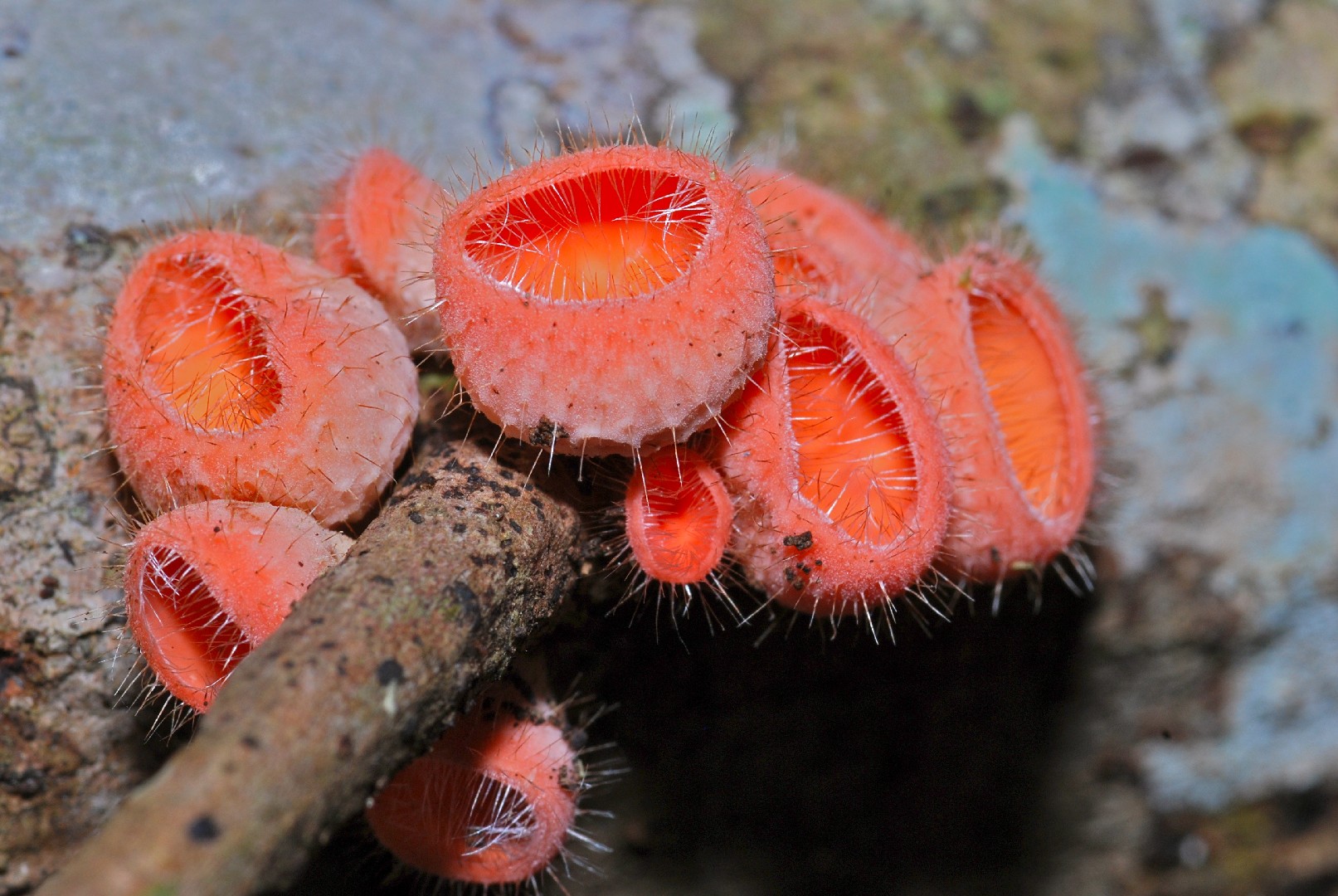
1. Cookeina tricholoma
Cookeina tricholoma is a hose mushroom from the family of the Kelchbecherlingsverwandten.
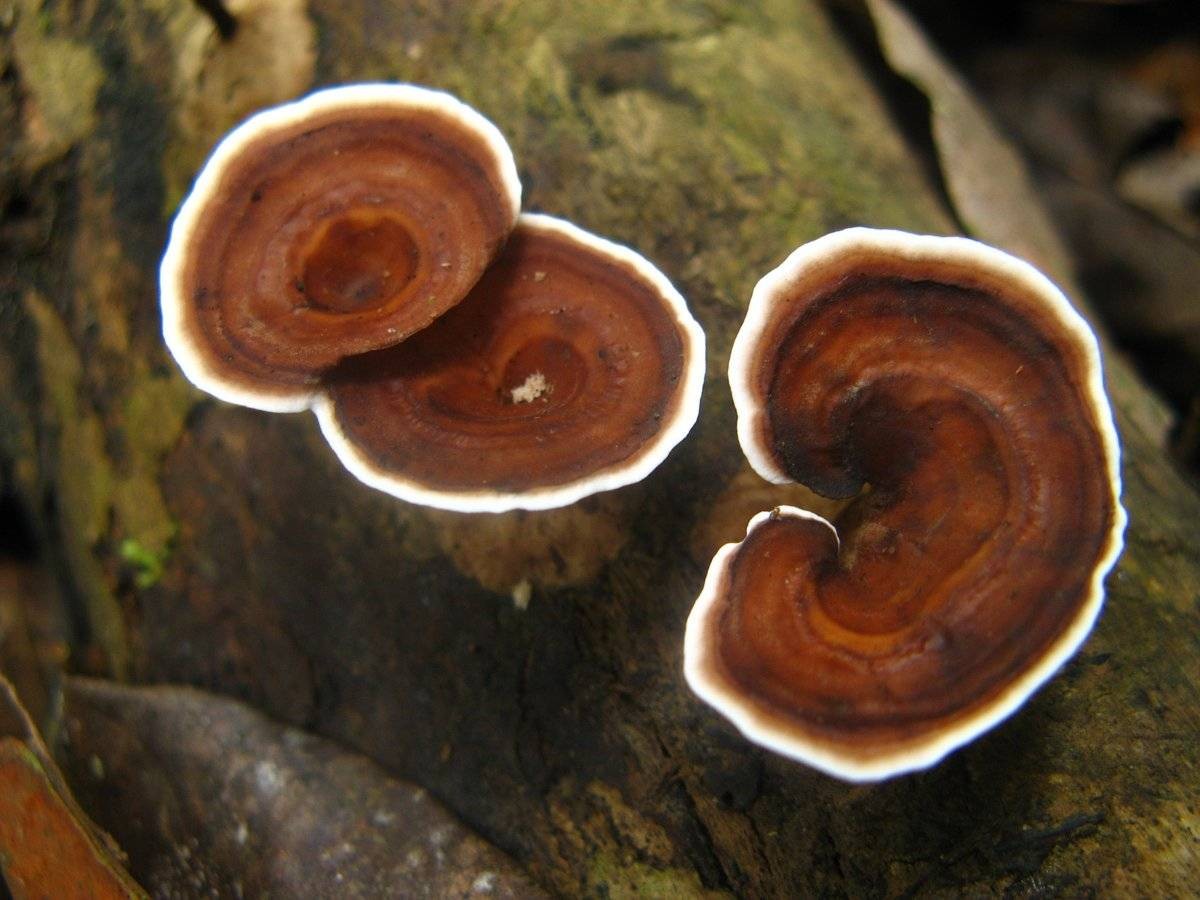
2. Yellow-footed micropore
The scientific name of the yellow-footed micropore (Microporus xanthopus) translates to “tiny-pored yellow foot.” Its short stem is usually yellow, leading up to a concave, funnel-like cap. The species is common in all the tropics of the world outside of the Americas. The striated, multi-hued caps grow largest in wet, darkly-shaded locations.
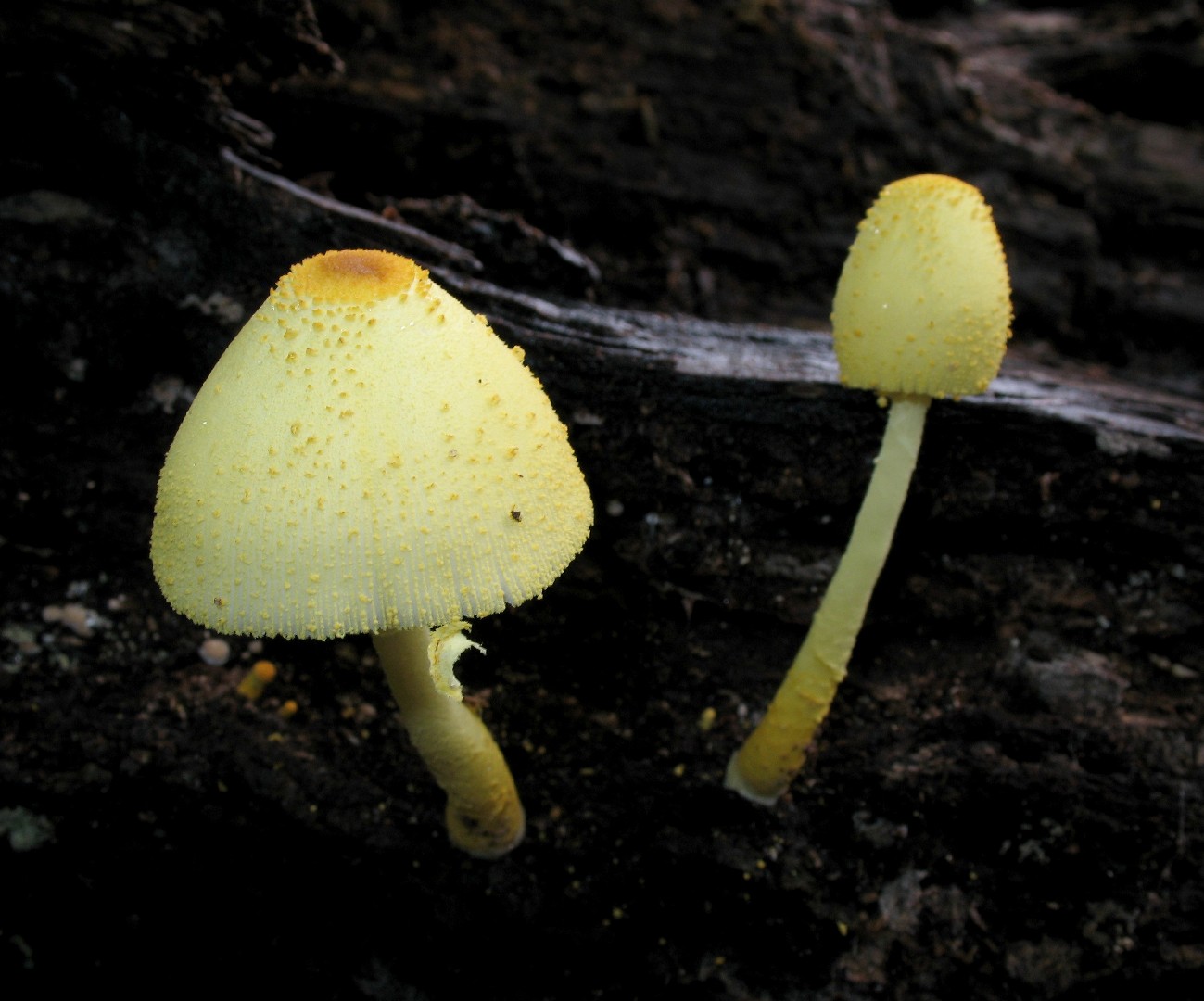
3. Flowerpot parasol
This tropical/subtropical mushroom is known to be toxic. If eaten it causes a very unpleasant stomachache with the risk of fatal complications. In temperate zones, flowerpot parasol is only found in hothouses and greenhouses, so the risk of accidental foraging is low, but it may occur with potted plants and indoor landscaping and pose a risk to curious children.
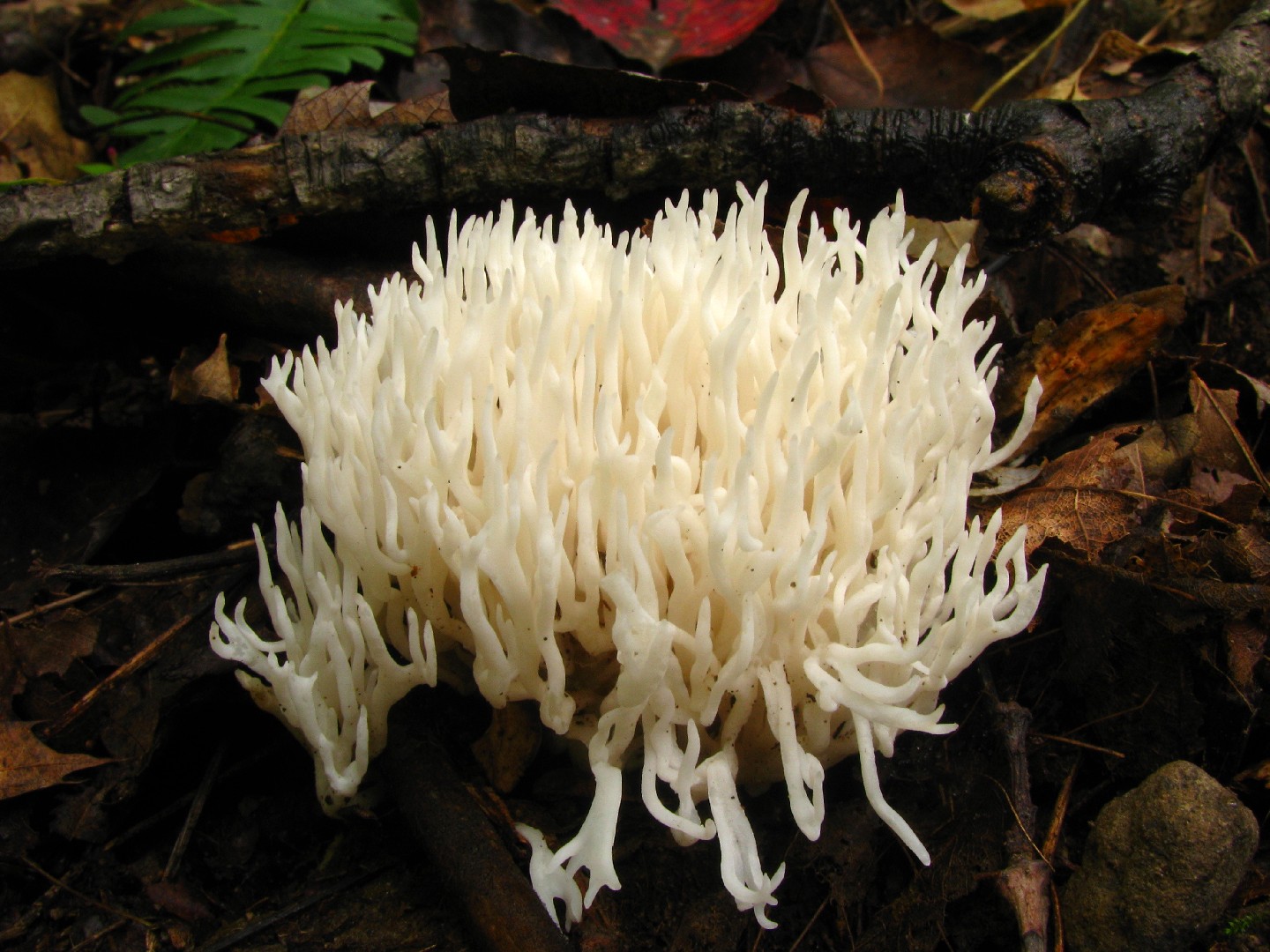
4. White coral
The white coral (Ramariopsis kunzei), with its upright, branching tendrils which do not have caps, bears a striking resemblance to underwater corals. It is an odd sight to encounter in the forest. The species is a generalist, being found in woodlands - usually on decaying litter - around the world.
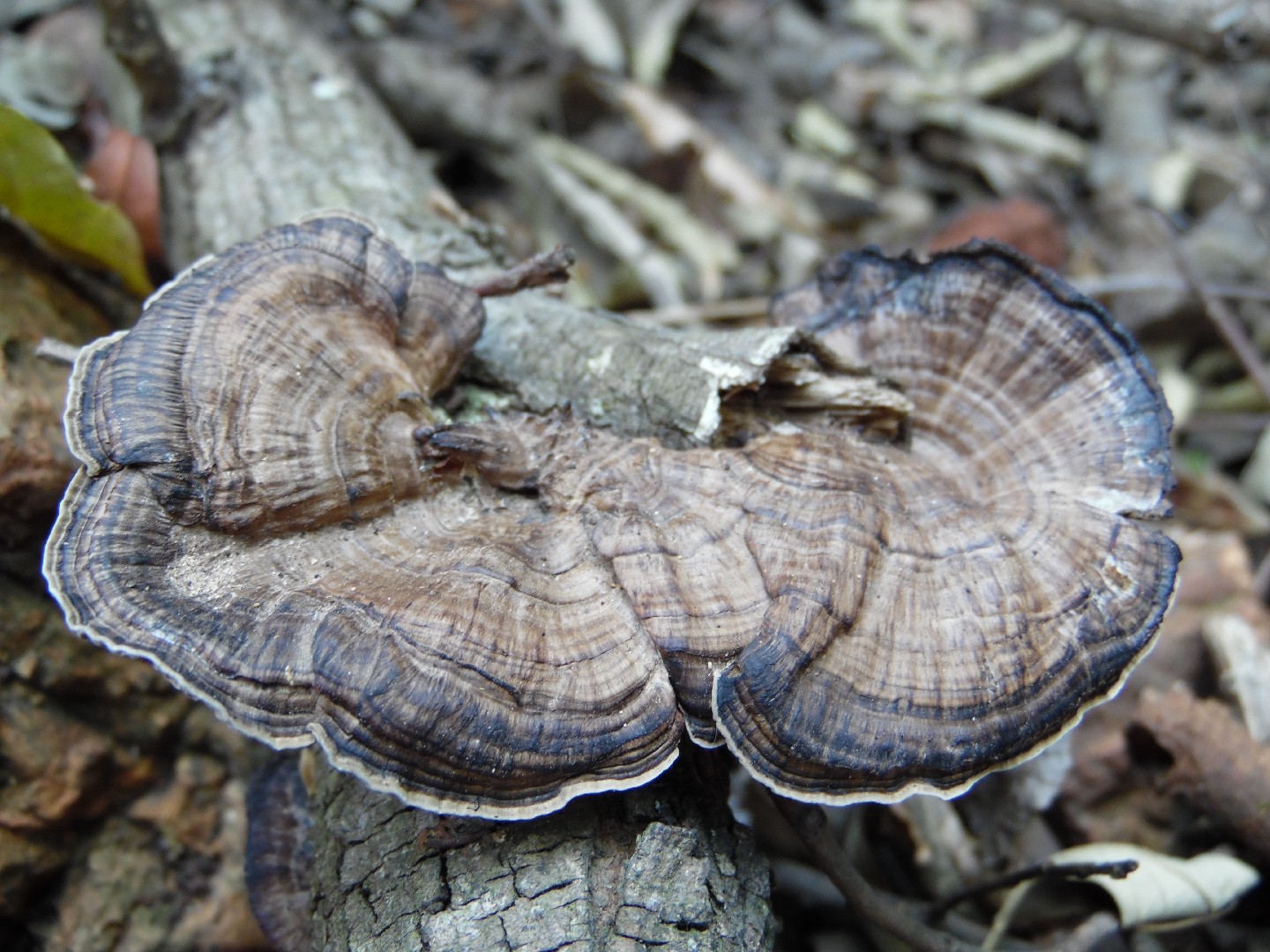
5. Hexagonia tenuis
Hexagonia tenuis fruits as a shelf fungus on the sides and bottoms of dead logs. The brackets are small, thin, and striped in concentric brown rings. It can be found in tropical forests around the world, and particularly in dried-out places. It causes a white rot in the wood.
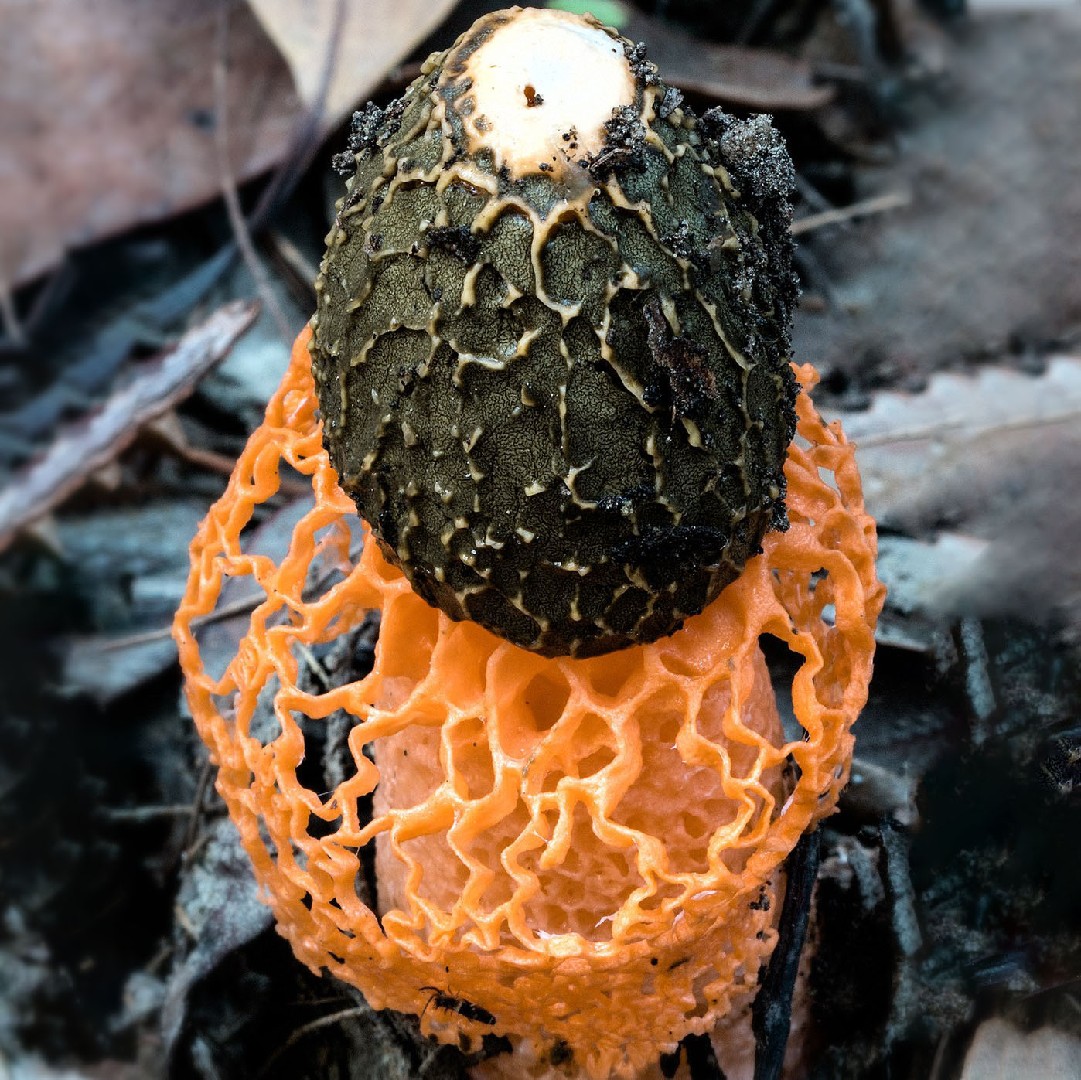
6. Yellow bridal veil stinkhorn
Yellow bridal veil stinkhorn is a species of stinkhorn that occurs in the tropics around the world. Its brownish slime releases a very distinctive and unpleasant smell that attracts flies and other insects. It can be found on the ground, growing among dead leaves and wood chips. 
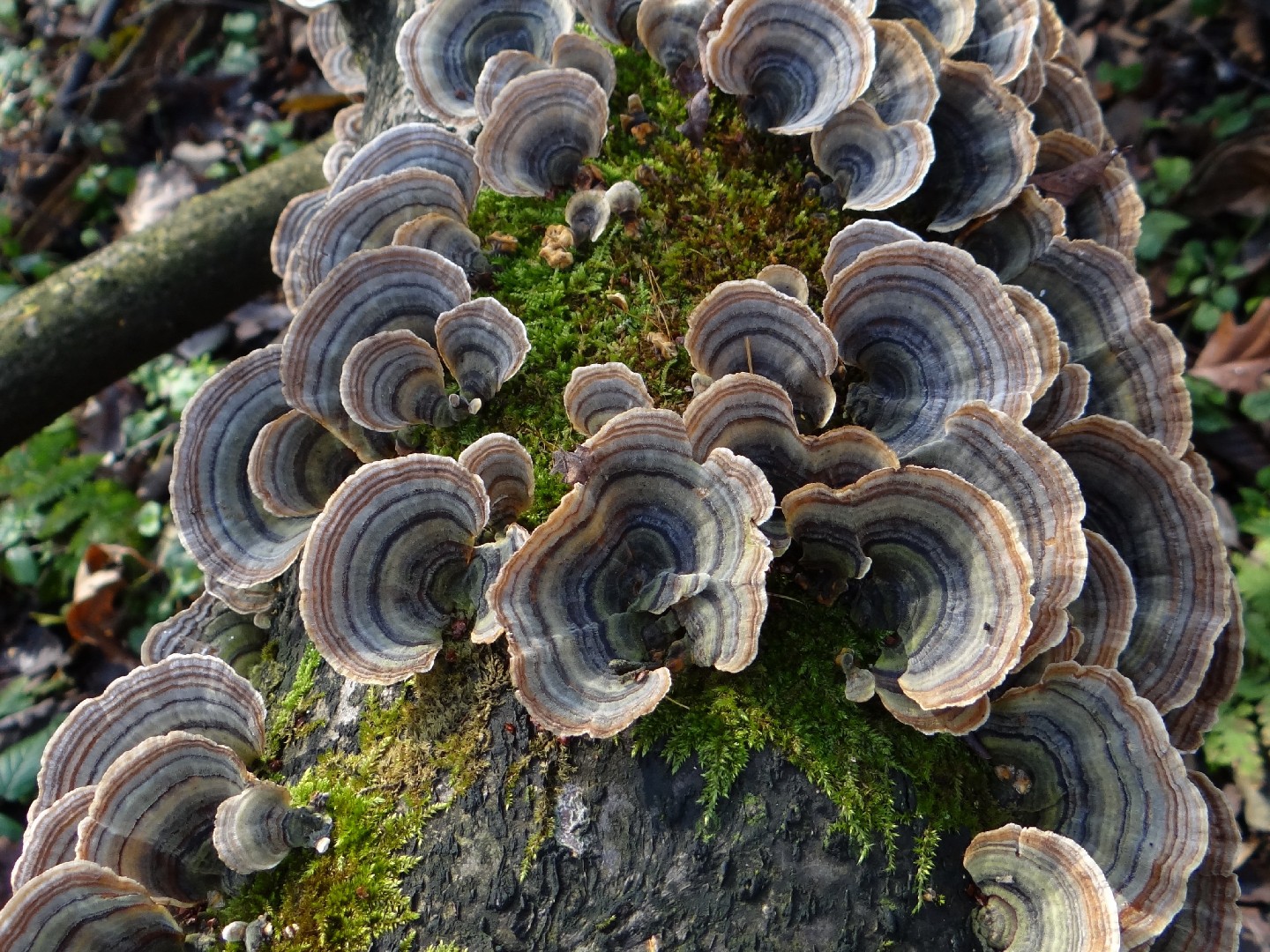
7. Turkey tail
The distinctively-striped turkey tail fungus grows on stumps and logs all over the forests of the northern hemisphere. It is, in fact, probably the most common species you will find. That doesn't mean this mushroom is plain, however; each cap is uniquely patterned. Look for bands of alternating textures as well as color.
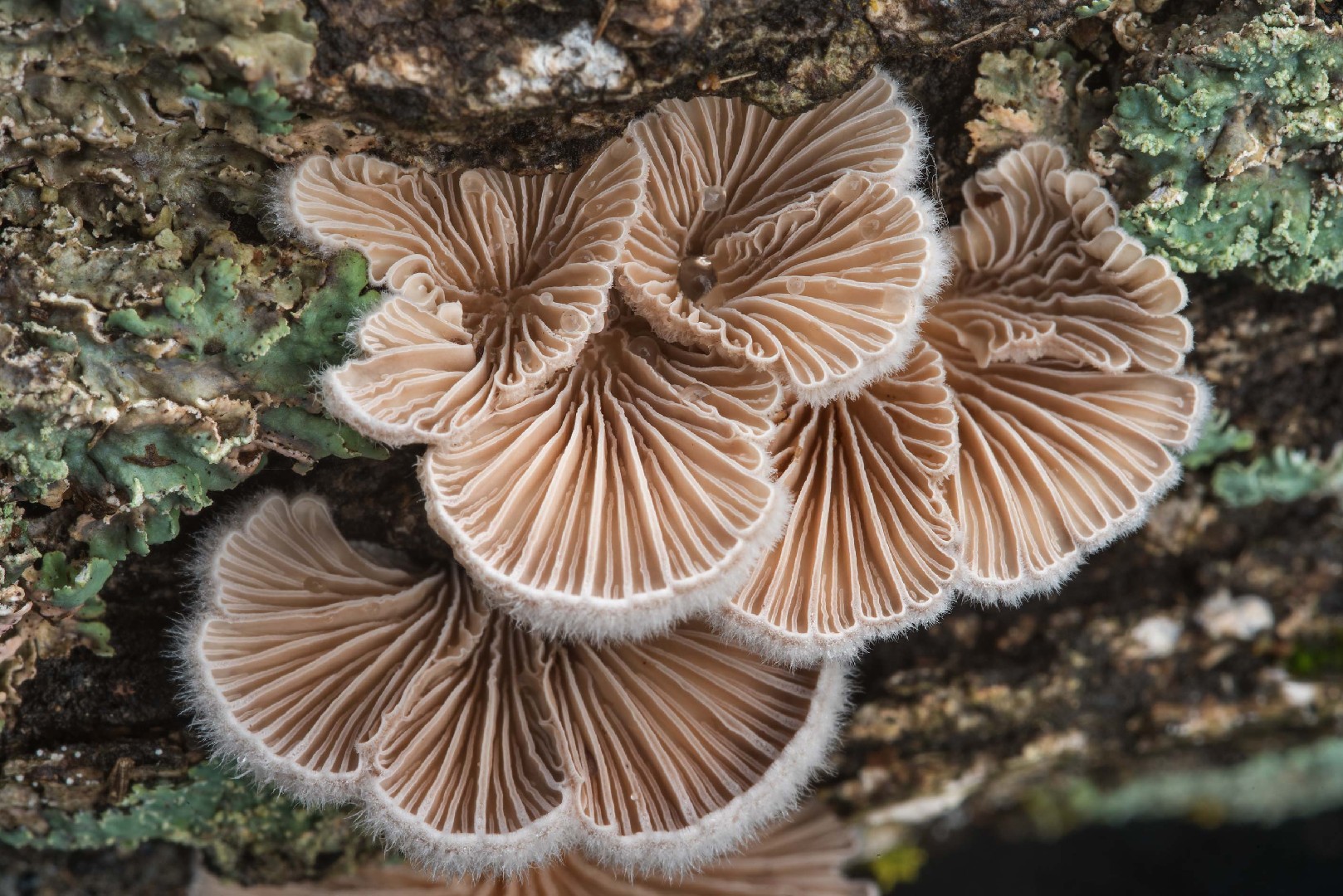
8. Split gill
Split gill(Schizophyllum commune) can be found across the globe. Uniquely, it is the only mushroom species known to display the capability to retract by movement. It is considered inedible, although not necessarily toxic. Furthermore, it is not recommended to smell this species, as the spores are capable of sprouting and growing in nasal passages.
9. Birch mazegill
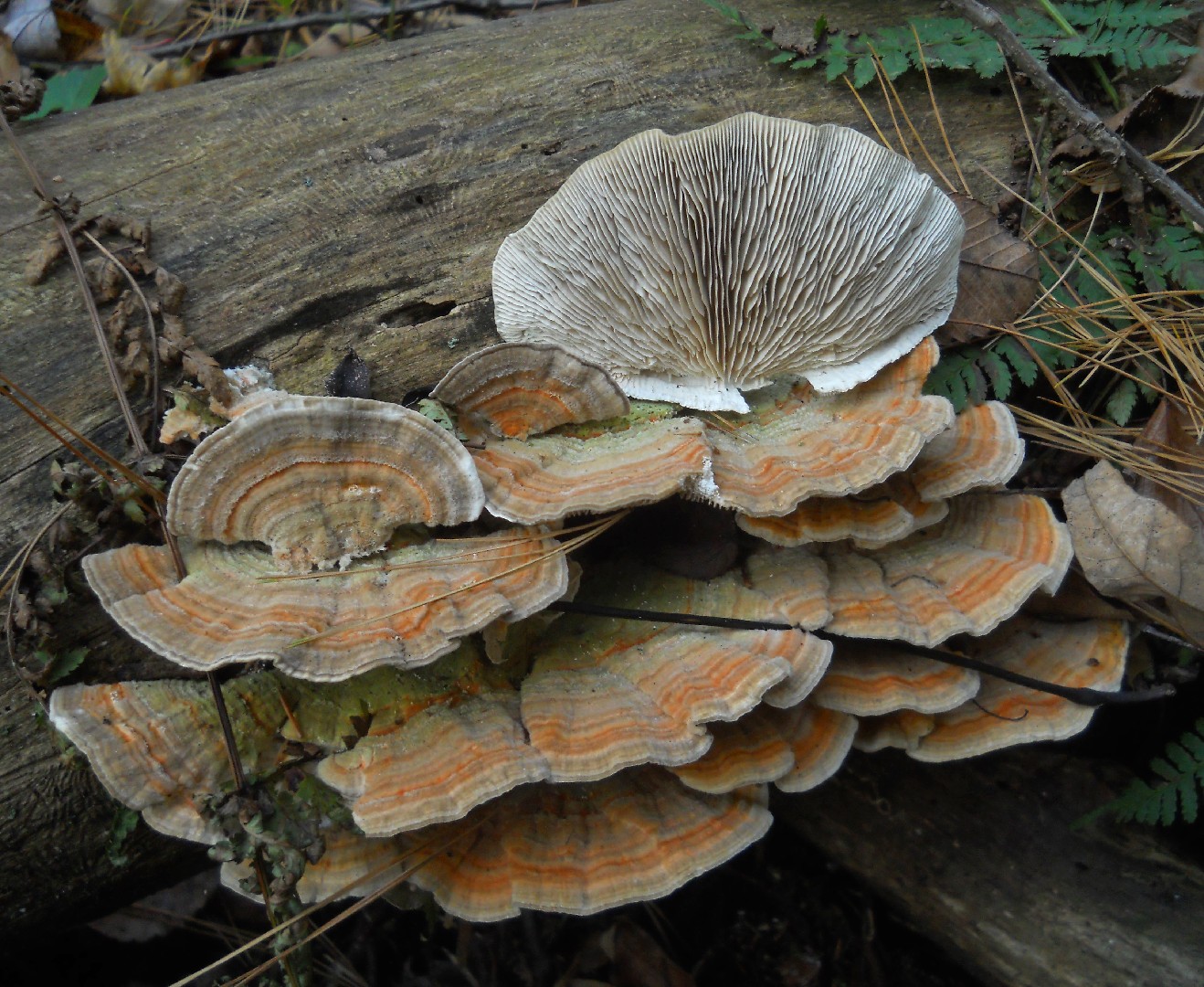
Birch mazegill(Lenzites betulina) is commonly found on decaying coniferous or deciduous woods. While its natural color is a yellowish brown, it may sometimes appear green due to its propensity to host algae. It is considered to be inedible on account of its tough and leathery texture.
10. Fluted bird's nest
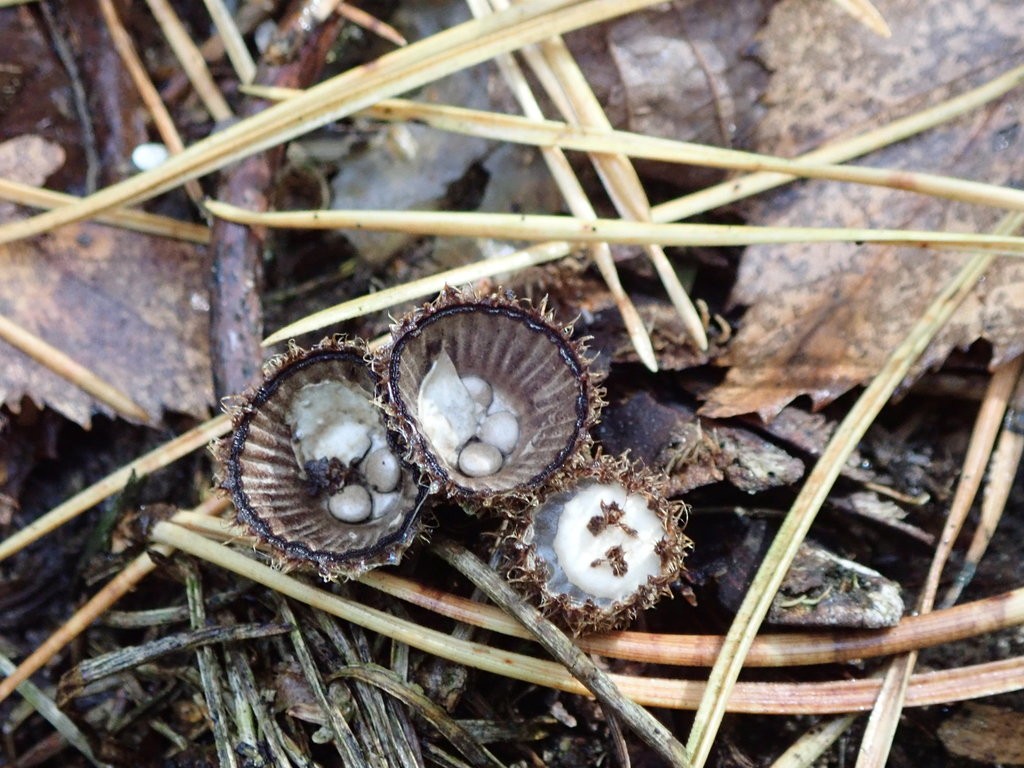
Fluted bird's nest is easy to identify with its vase-shaped, shaggy, and grooved cup that is filled with egg-like structures that make the whole fungus look like a bird's nest. This cup acts as a splash cup, meaning when it is hit by a drop of rainwater, the "eggs" are ejected up to three feet away and stick onto wherever they land.

More







