




Top 20 Most Common Mushrooms in Costa Rica
Immerse yourself in the incredible fungal biodiversity that Costa Rica's unique geographic and climatic conditions endorse. Boasting a range of habitats from tropical rainforests to high-altitude cloud forests, Costa Rica forms the perfect mesh of conditions that promote a rich diversity of mushroom species. This list shines a spotlight on the top 20 most common mushrooms strikingly influencing this fungal spectrum, seeking to feed your curiosity and inspire further exploration in the fascinating world of mycology.

Most Common Mushrooms
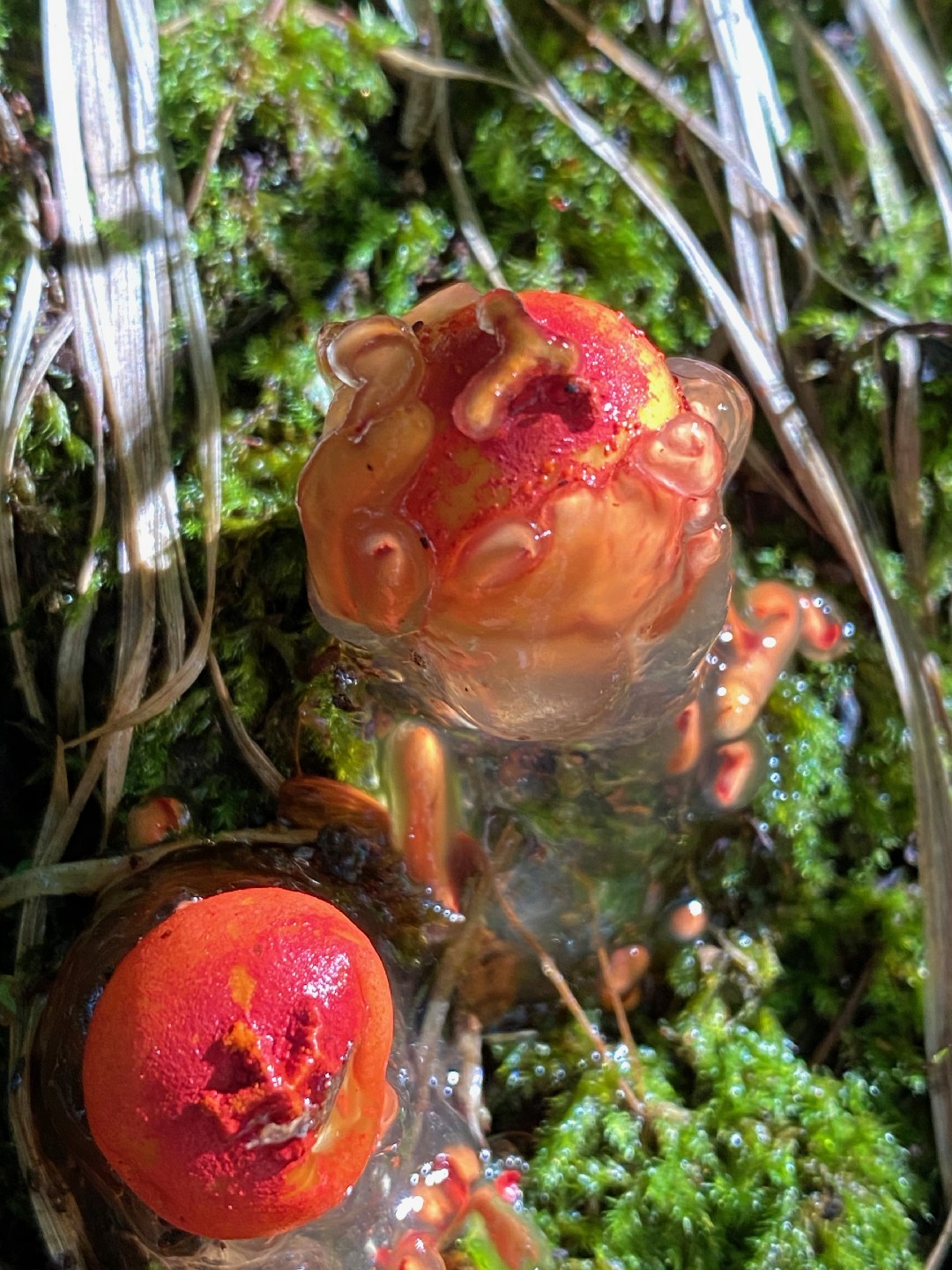
1. Slimy stalked-puffball
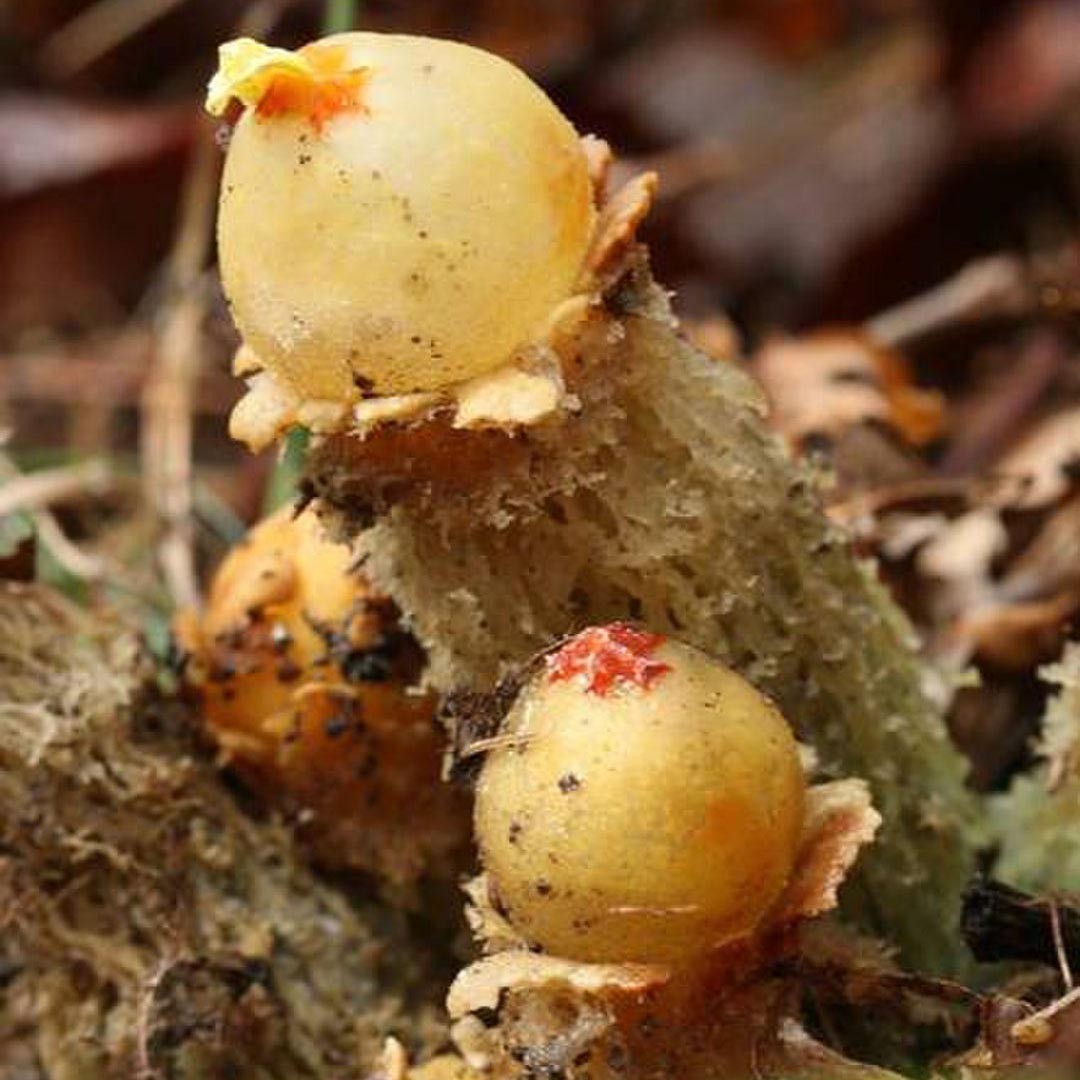
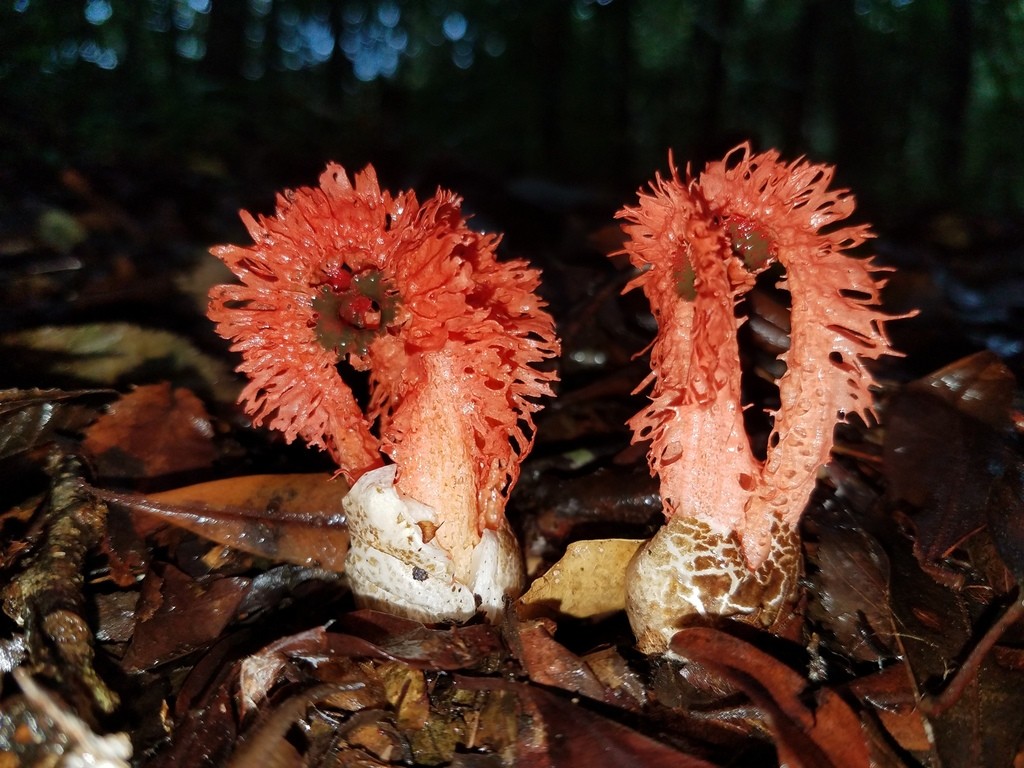
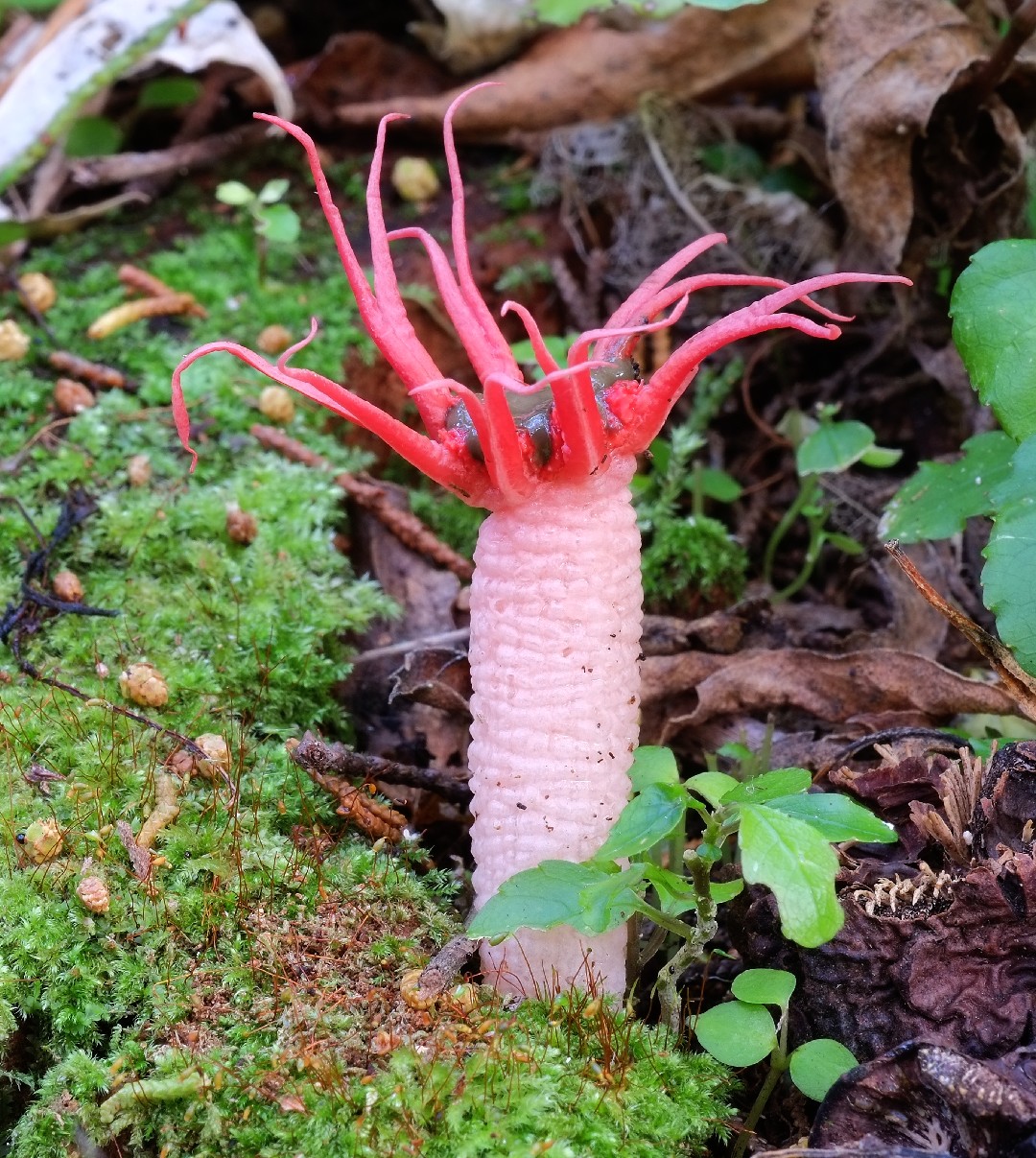
The slimy stalked-puffball is beautiful and repulsive at the same time. With its unusual shape and striking red color make it a distinctive species, the gelatinous chunks that it produces while shedding really create an unpleasant visual.
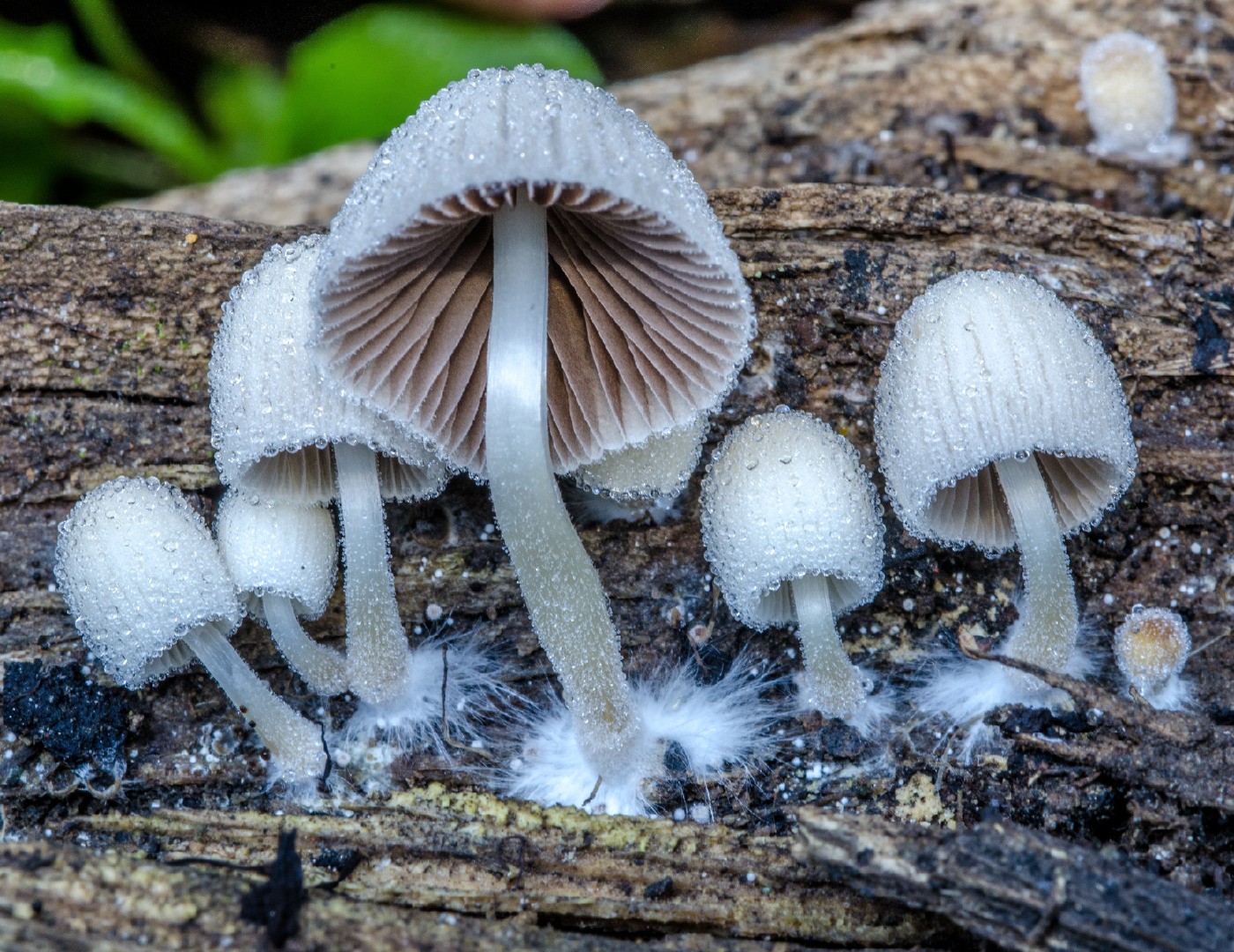
2. Fairy inkcap
The mushrooms of the fairy inkcap species have a tendency to congregate in large masses over dead tree stumps and decaying roots. They appear all around the world from early spring all the way to the first frosts, but each fruit only lasts a few days before turning black and distributing its spores.
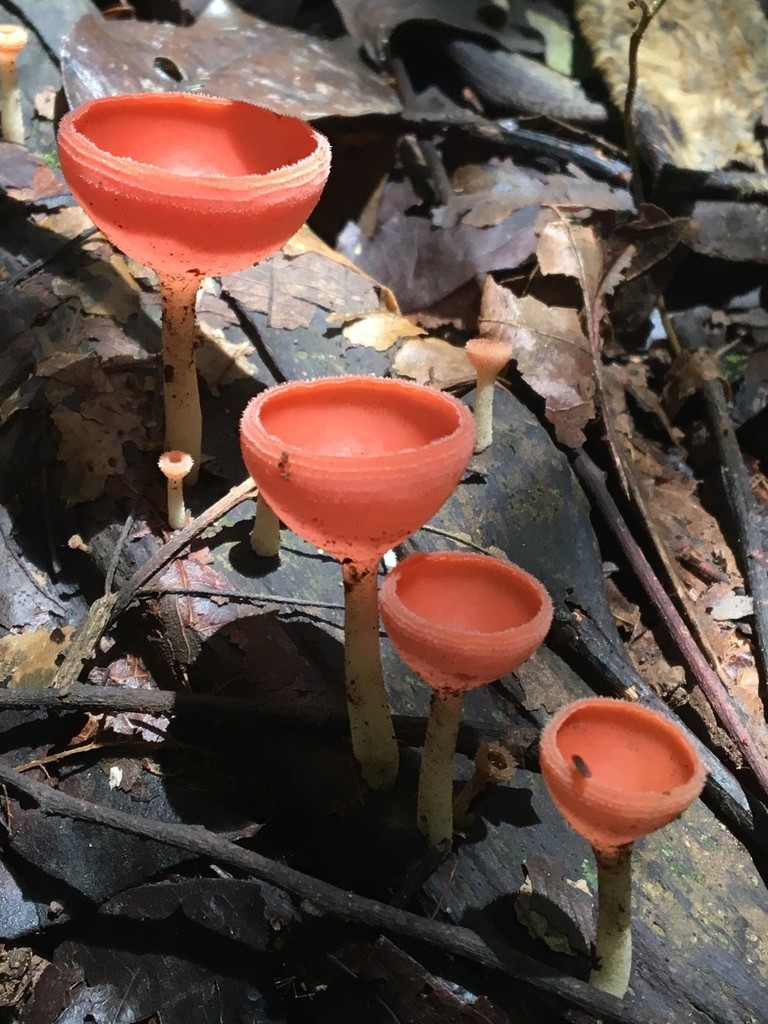
3. Cookeina speciosa
Cookeina speciosa is a hose mushroom from the family of the cupbearer relatives.
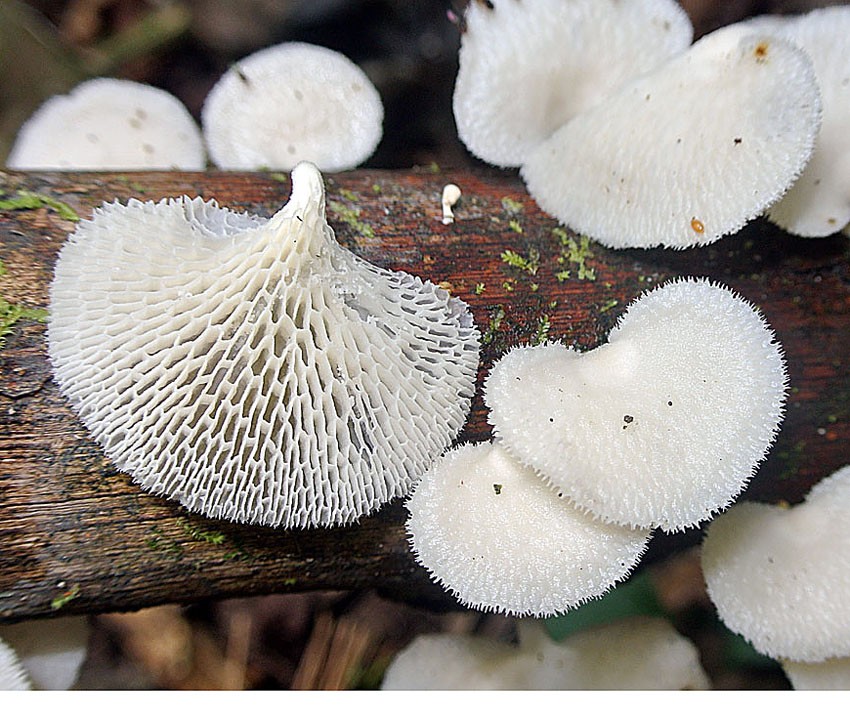
4. Tropical white polypore
Tropical white polypore(Favolus tenuiculus) can be most often found on pieces of decaying wood, particularly in areas replete with moisture. Until recently it was a member of the genus Polyporus, which has since been subdivided. Named for its evocative appearance, the species is a favorite food of local insect species.
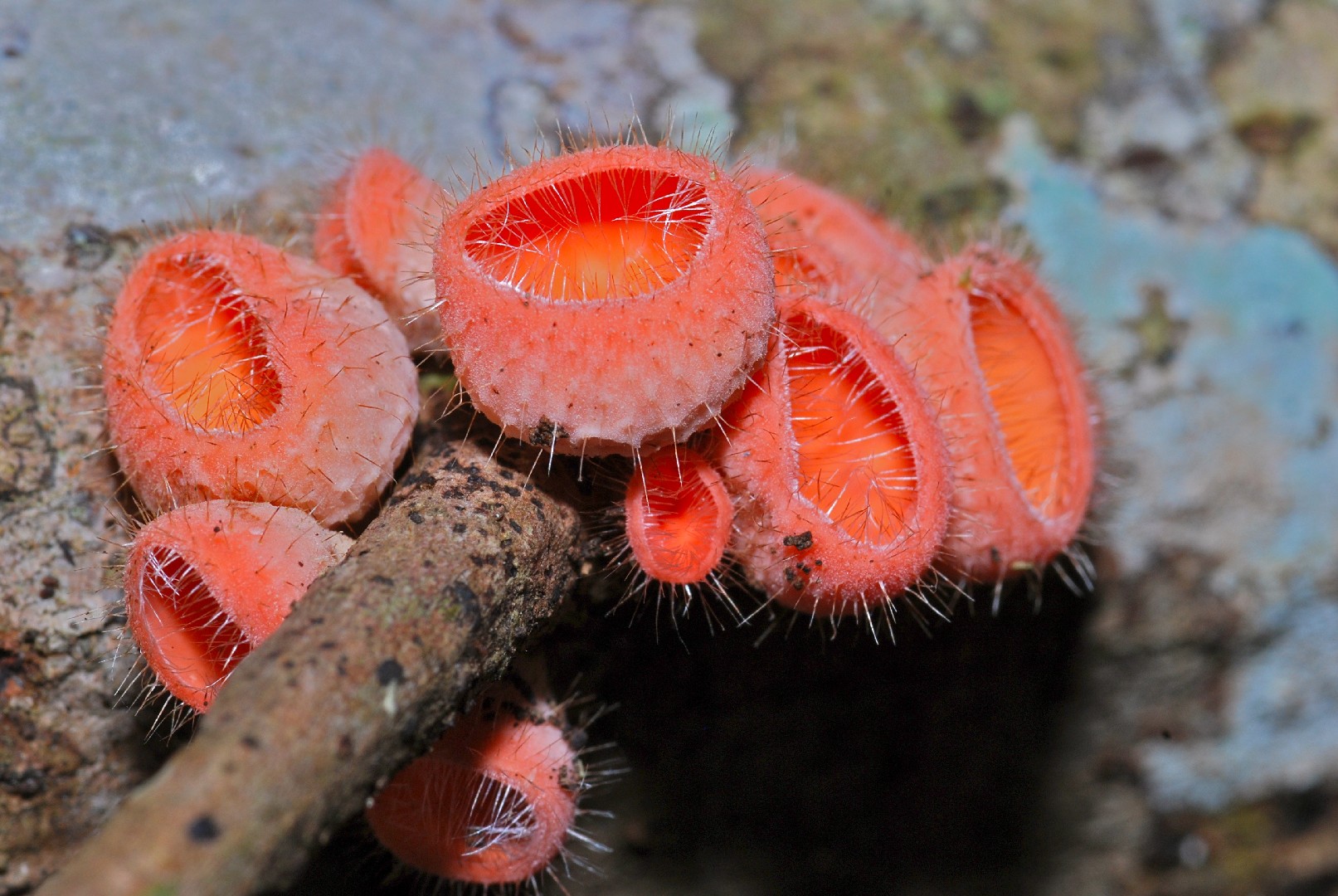
5. Cookeina tricholoma
Cookeina tricholoma is a hose mushroom from the family of the Kelchbecherlingsverwandten.
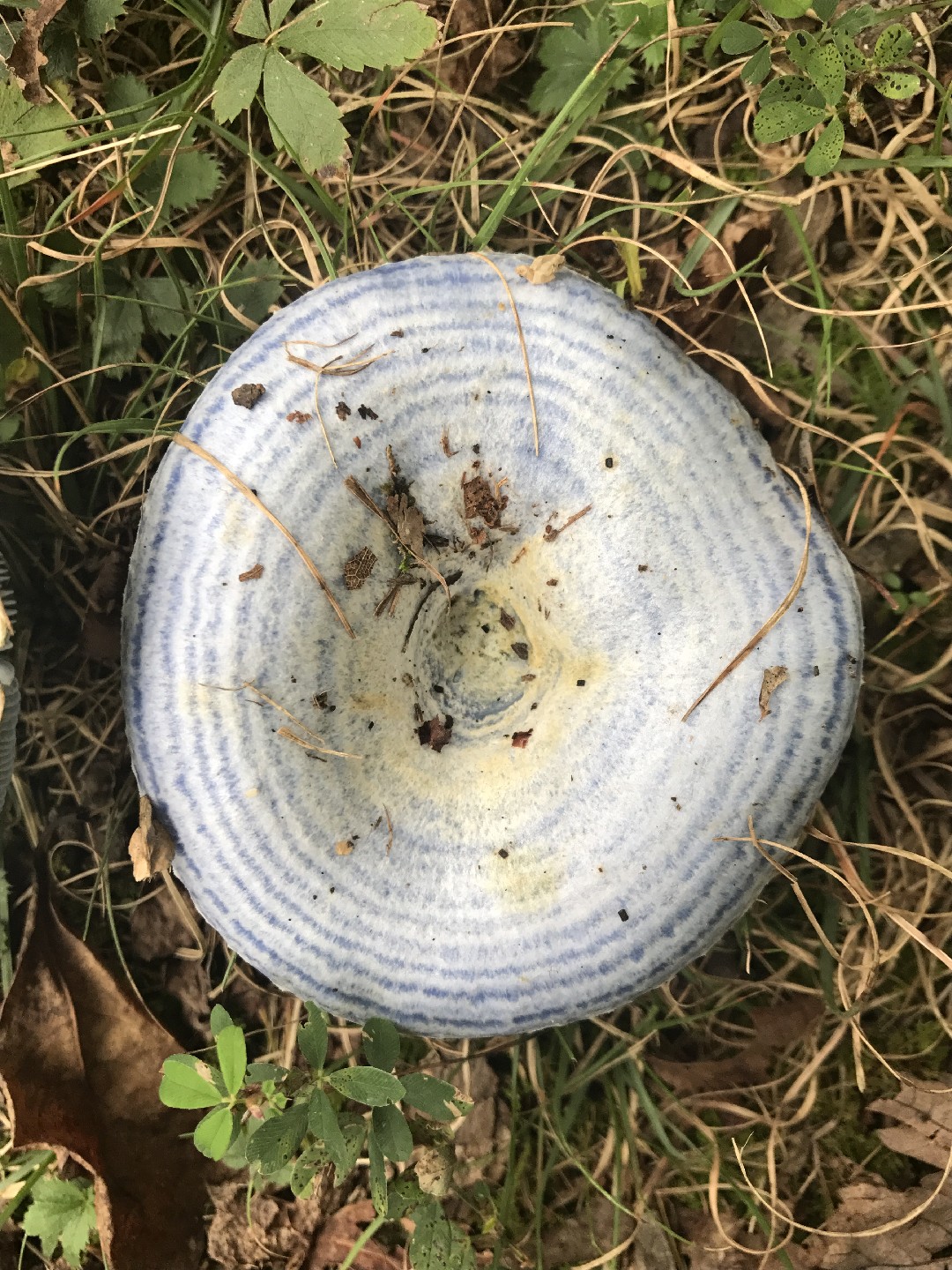
6. Indigo milk cap
This gorgeous species is unlike any other. The indigo milk cap, a member of the often-drab russula family, is deep blue in color. Like other milk caps, it bleeds a latex-like substance when cut or damaged, but instead of the usual white this species bleeds deep blue.
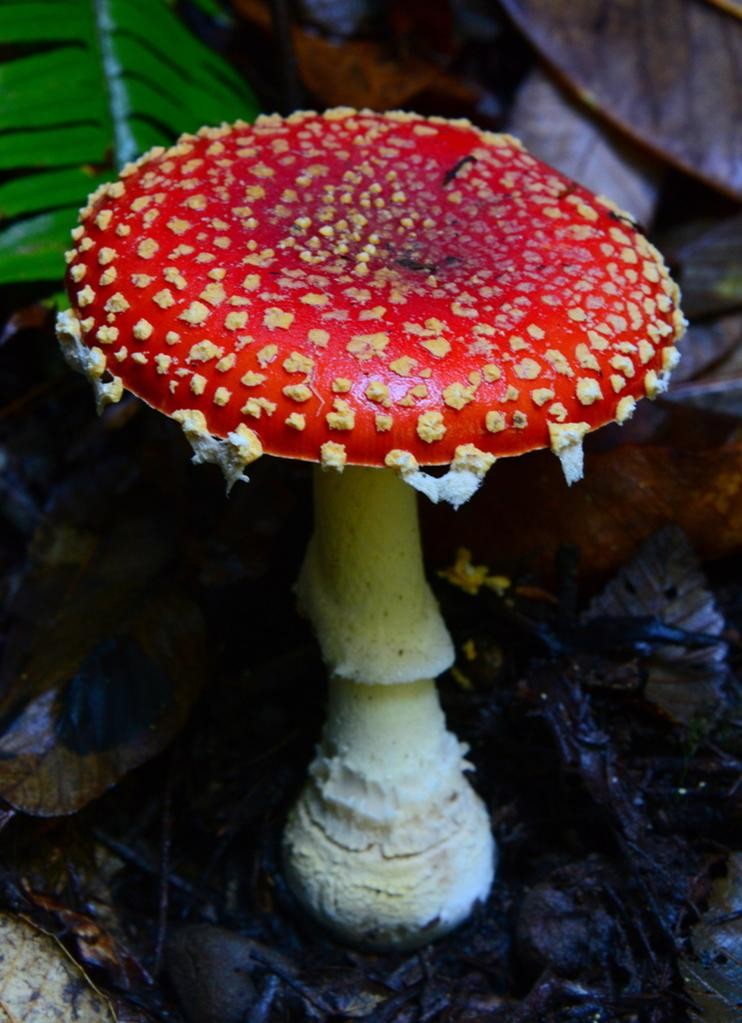
7. Fly agaric
In Northern Asia and Europe, fly agaric grows under trees near the winter solstice and is collected for ritual use tied to the season. Its characteristic shape and coloring are still ubiquitous in many European fairy tale illustrations and Christmas traditions. It is highly toxic.
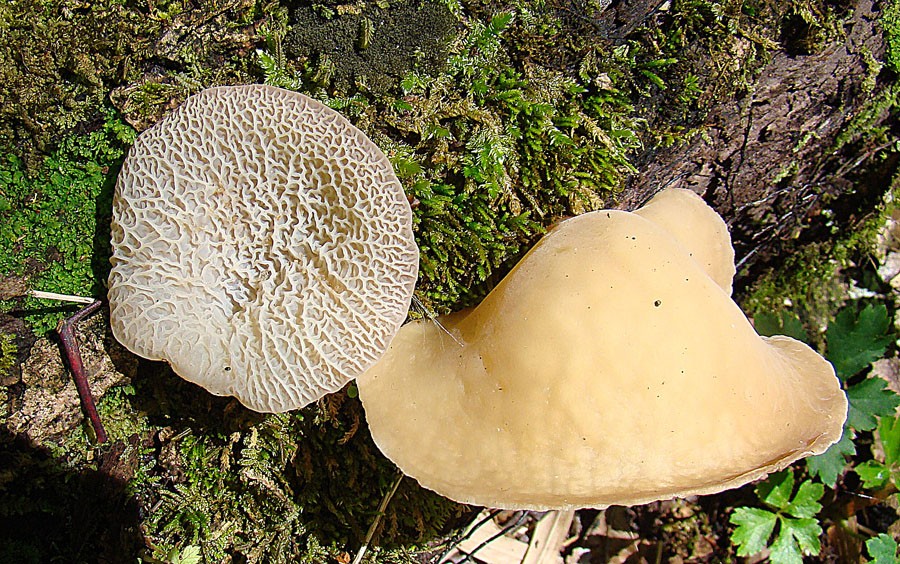
8. Jelly ear
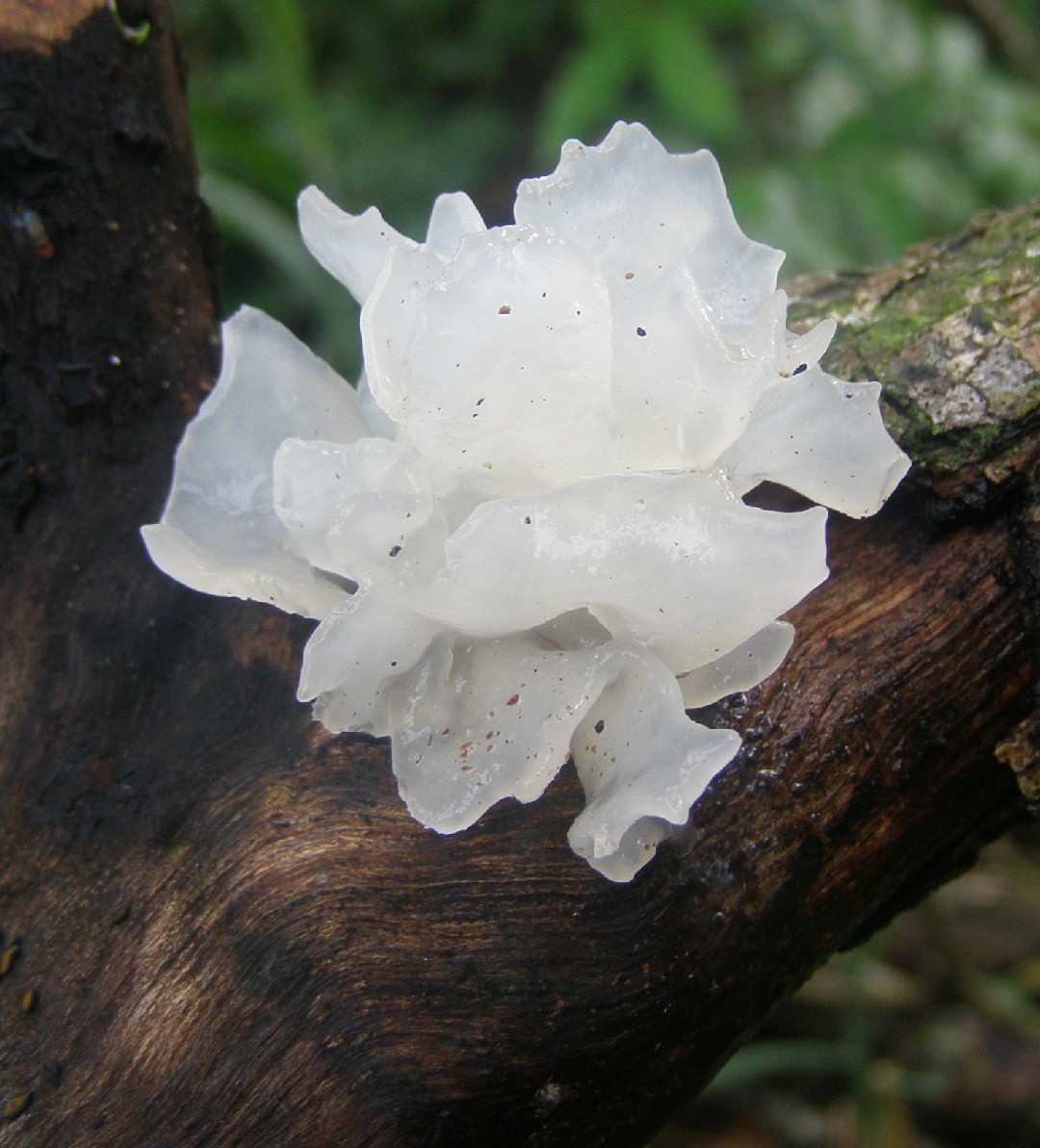
Jelly ear was utilized by traditional Neotropical communities. Jelly ear is easily identified by the reticulate veining of its cap. It is a gelatinous fungus that has been discovered on the moss of living trees as well as fallen tree branches. It can obtain sustenance from organic matter that is in a state of decay.
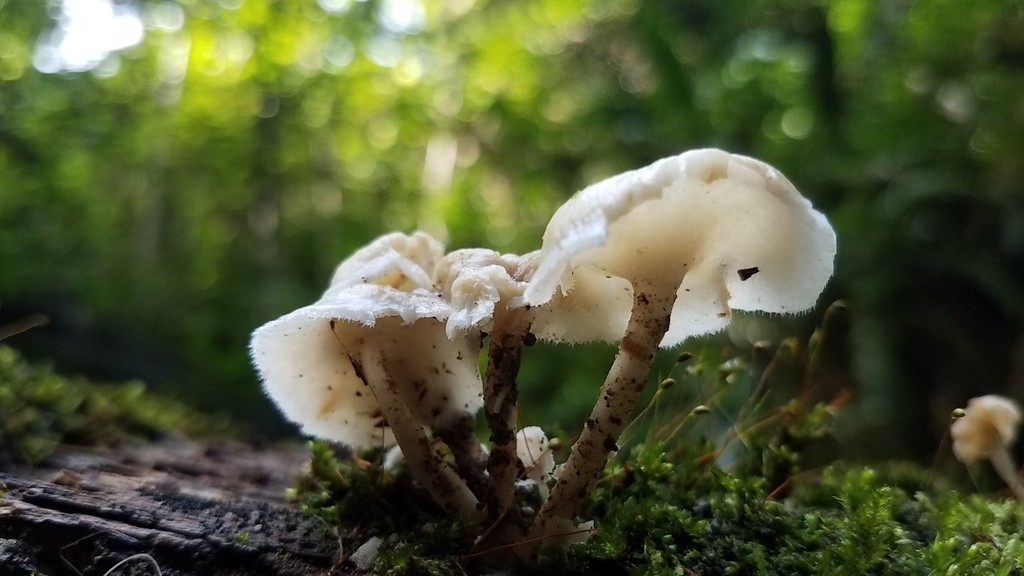
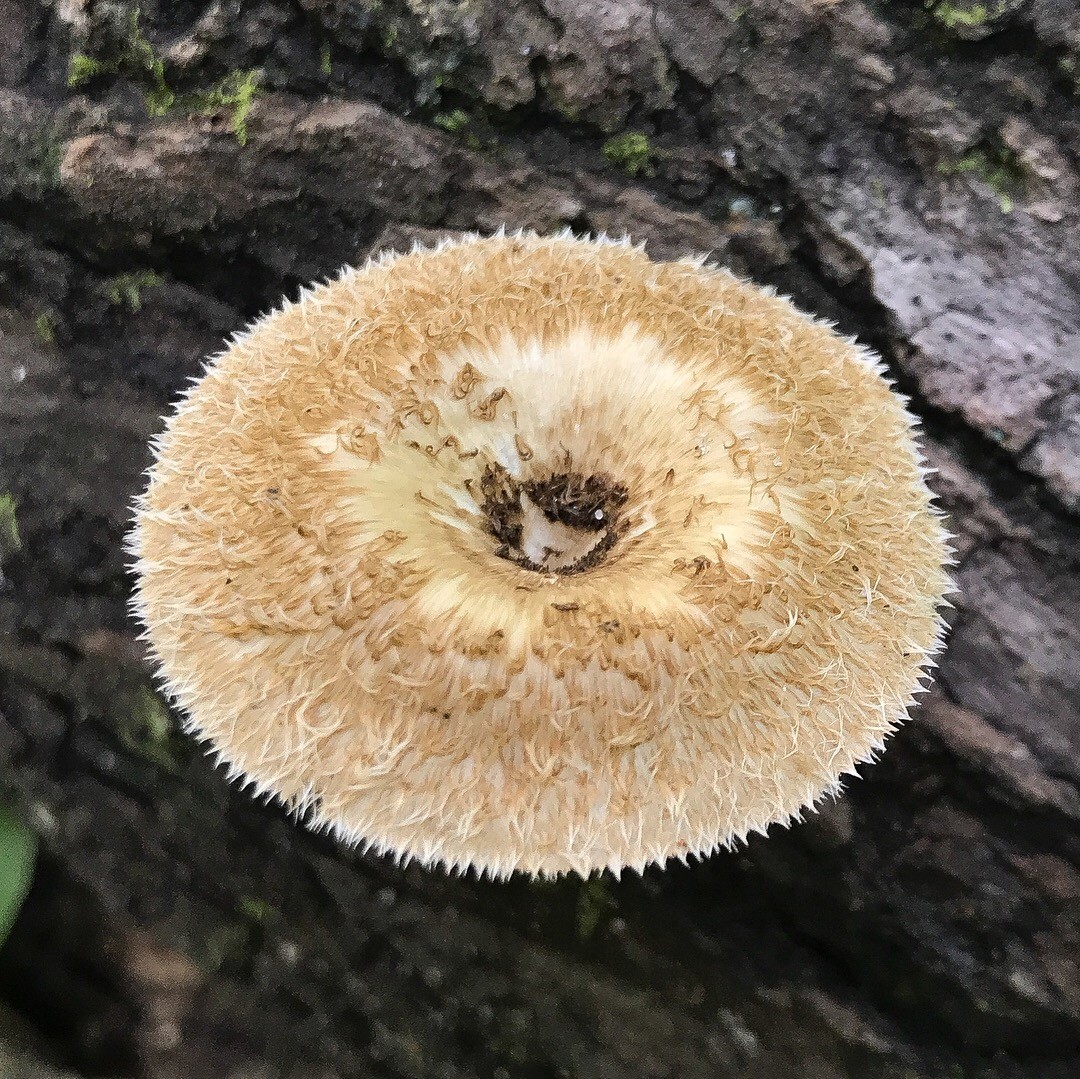
9. Lentinus flexipes

10. Shaggy mane
The shaggy mane mushroom is commonly found in North American and European grasslands. Some peoples foraged for its young egg-shaped caps, but it has more recently been found to be a bioaccumulator of heavy metals, meaning it pulls toxic metals up from the soil where it grows. As a result, shaggy manes should not be eaten. The mushrooms usually appear in clusters or “fairy rings.”
More







