




Top 20 Most Common Mushrooms in Chile
Chile with its diverse climate and varied landscapes, from arid deserts to lush rainforests, provides an ideal environment for the growth of mushrooms. Its rich biodiversity and unique ecological conditions harbor an abundance of mushroom species, making it a prime destination for mycologists and nature lovers alike. Get ready to explore the top 20 most common mushrooms flourishing in Chile, each boasting unique flavors, appearances and nutritional benefits.

Most Common Mushrooms
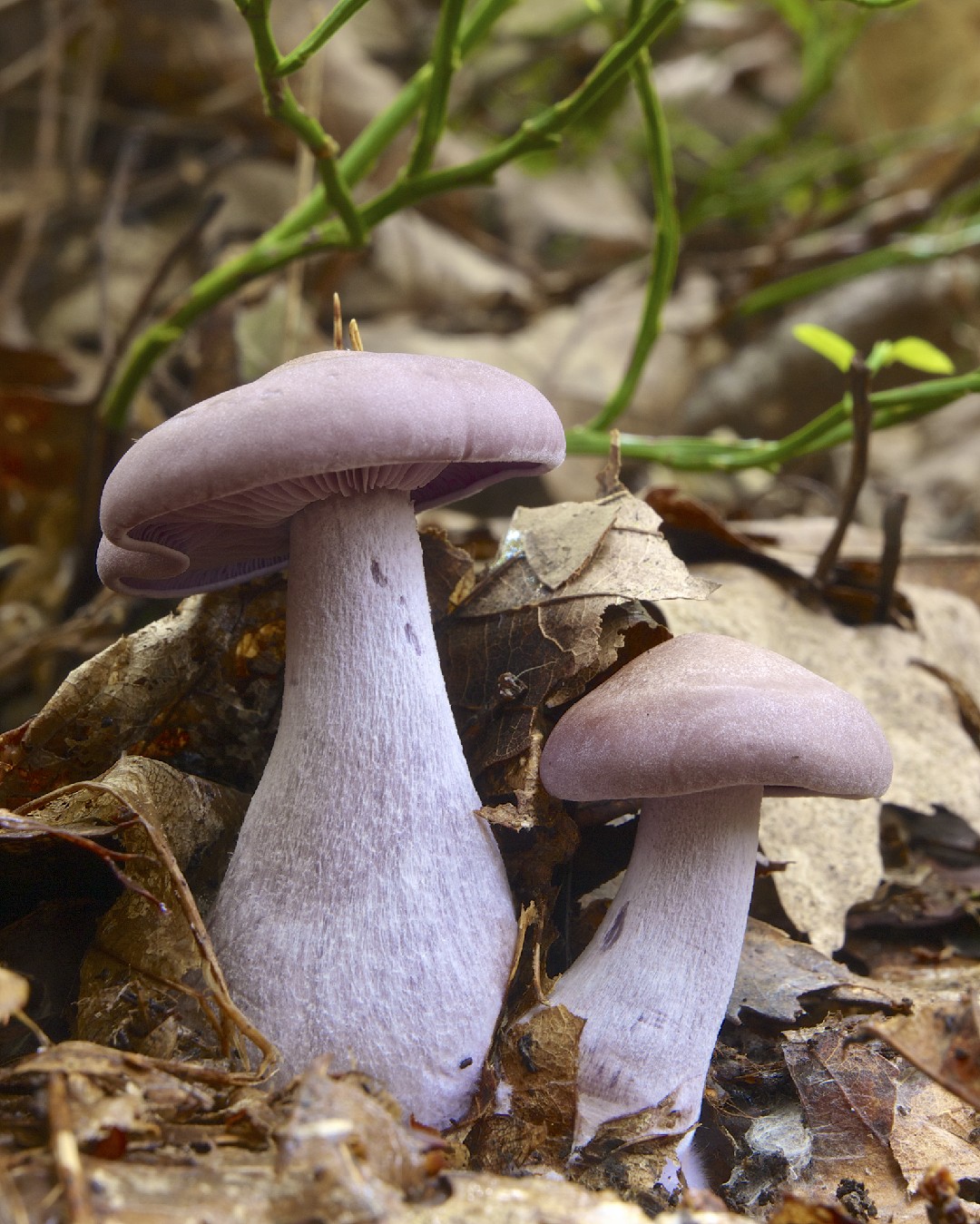
1. Blewit
The blewit mushroom grows in fallen leaves in autumn and winter, sometimes appearing in ‘fairy ring’ circles. It can be used to make a green dye when chopped and boiled in an iron pot. The scientific name, Lepista nuda, derives from Latin words meaning “bare goblet,” a reference to the shape and texture of the mushroom.
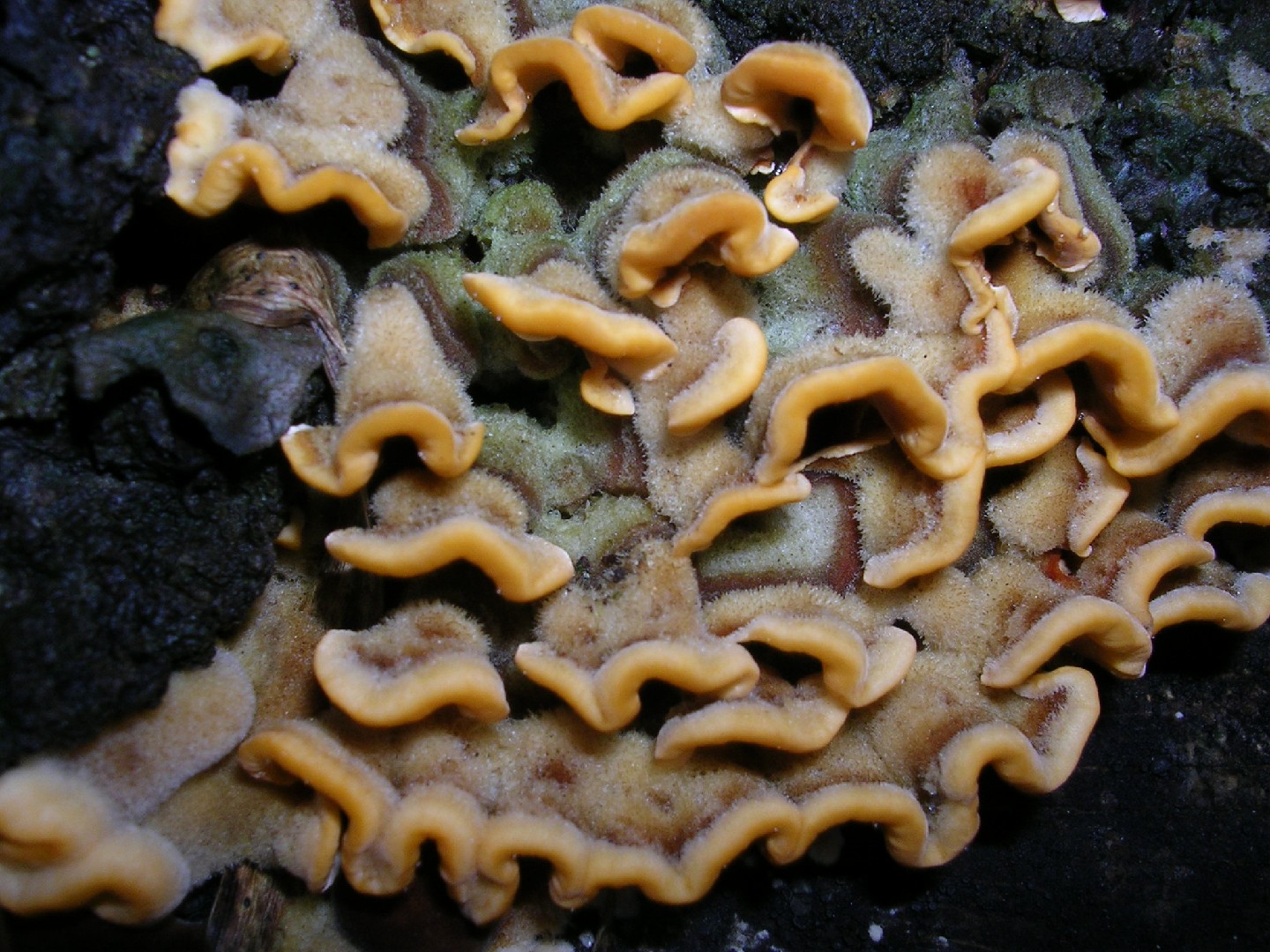
2. Hairy curtain crust
This clustered, overlapping fungus is found all over the world, and is considered native across both the northern and southern hemispheres. Both its common name, hairy curtain crust, and its scientific name, Stereum hirsutum, aptly describe its most obvious features: it is quite tough (stereum) and the younger fruitbodies are notably hairy (hirsutum).
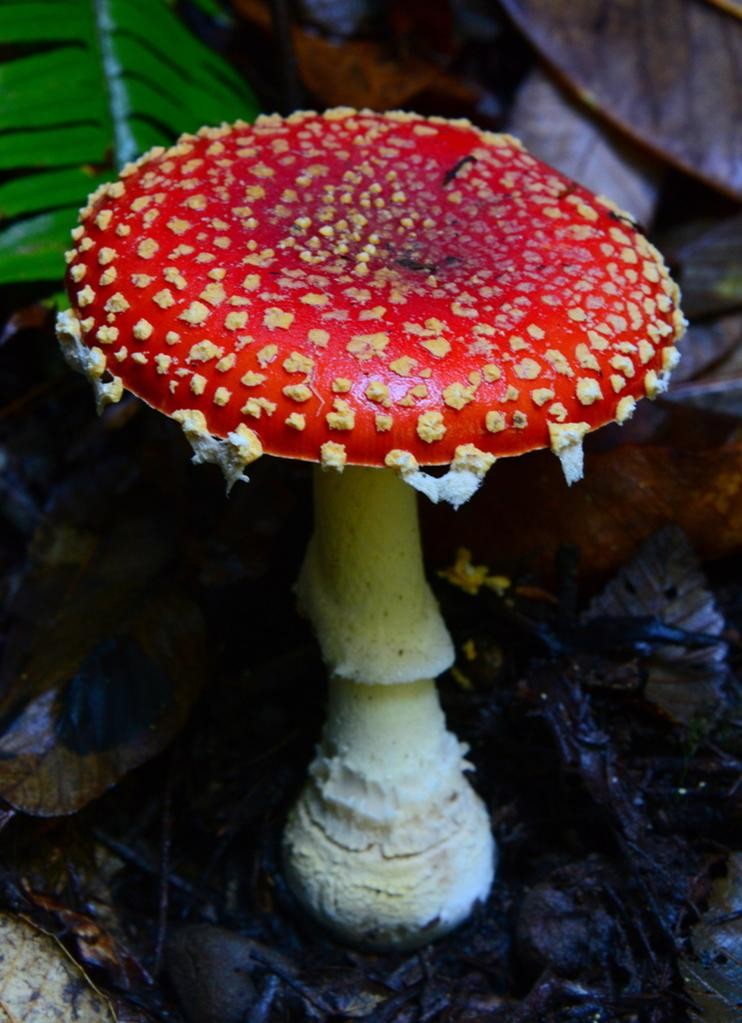
3. Fly agaric
In Northern Asia and Europe, fly agaric grows under trees near the winter solstice and is collected for ritual use tied to the season. Its characteristic shape and coloring are still ubiquitous in many European fairy tale illustrations and Christmas traditions. It is highly toxic.

4. Shaggy mane
The shaggy mane mushroom is commonly found in North American and European grasslands. Some peoples foraged for its young egg-shaped caps, but it has more recently been found to be a bioaccumulator of heavy metals, meaning it pulls toxic metals up from the soil where it grows. As a result, shaggy manes should not be eaten. The mushrooms usually appear in clusters or “fairy rings.”
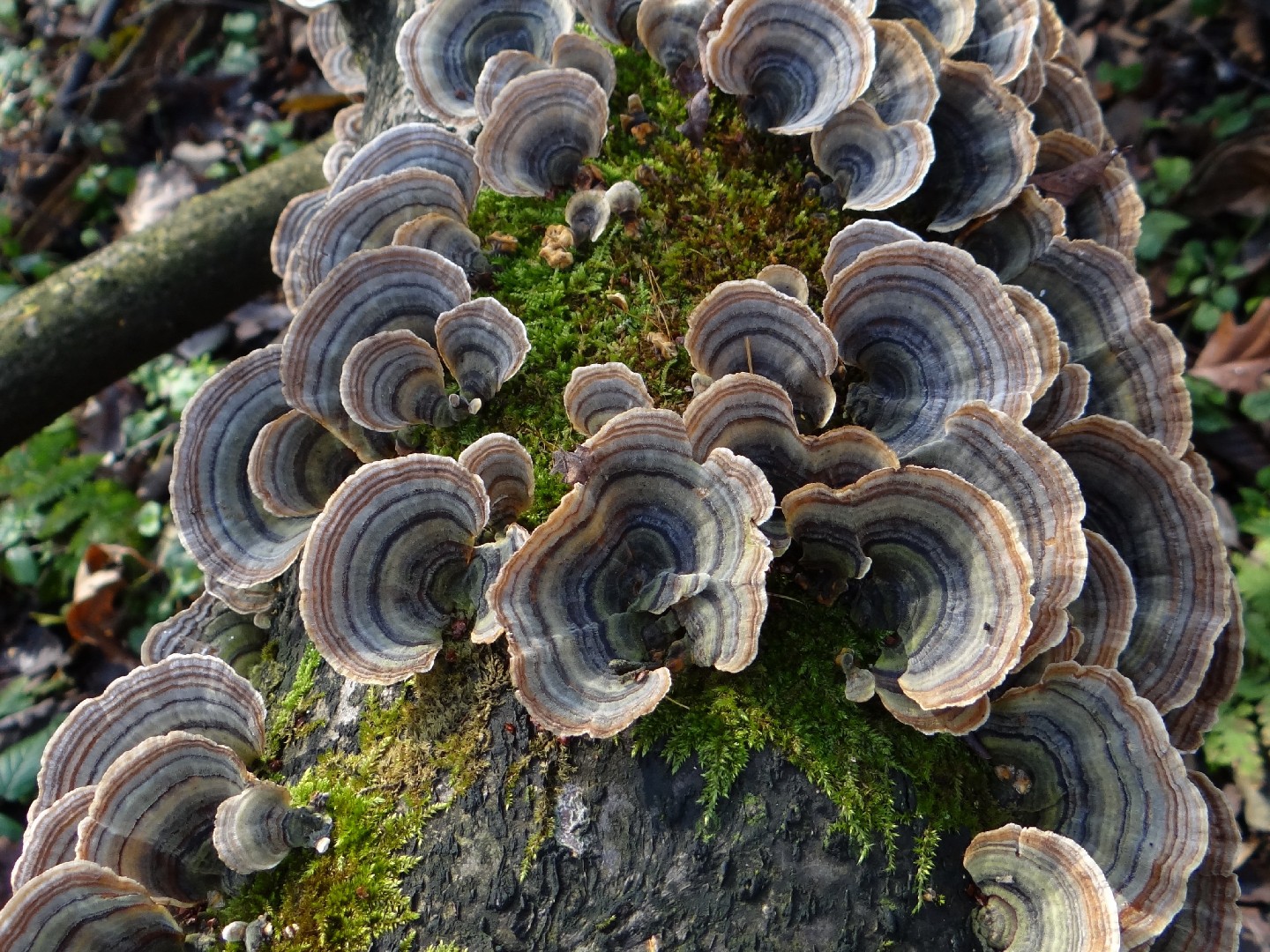
5. Turkey tail
The distinctively-striped turkey tail fungus grows on stumps and logs all over the forests of the northern hemisphere. It is, in fact, probably the most common species you will find. That doesn't mean this mushroom is plain, however; each cap is uniquely patterned. Look for bands of alternating textures as well as color.
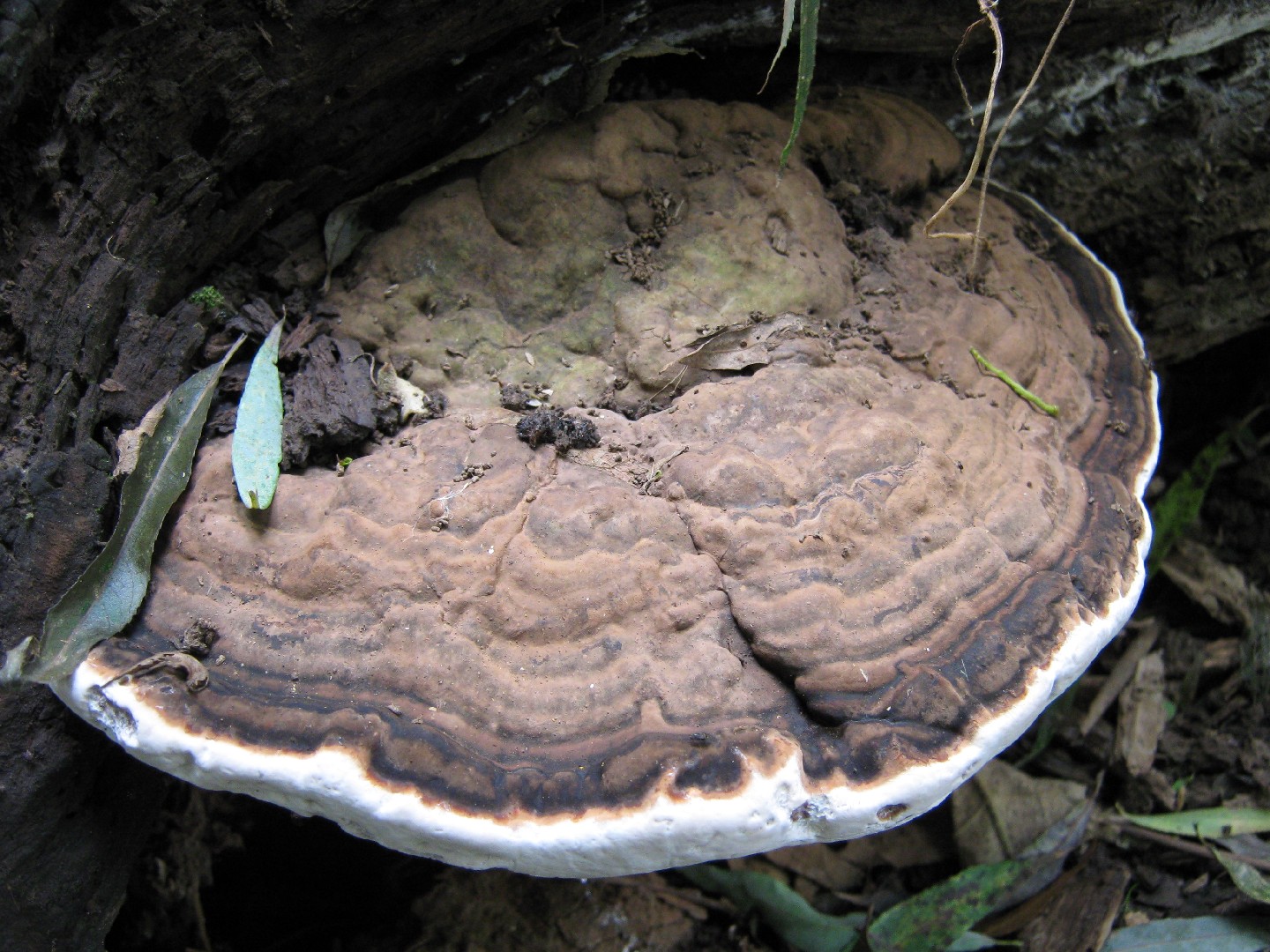
6. Southern bracket
The beaded Lackporling (Ganoderma adspersum, also Ganoderma australe or Ganoderma europaeum) is a fungus of the genus of Lackporlinge (Ganoderma) in the order of the pore fungi.
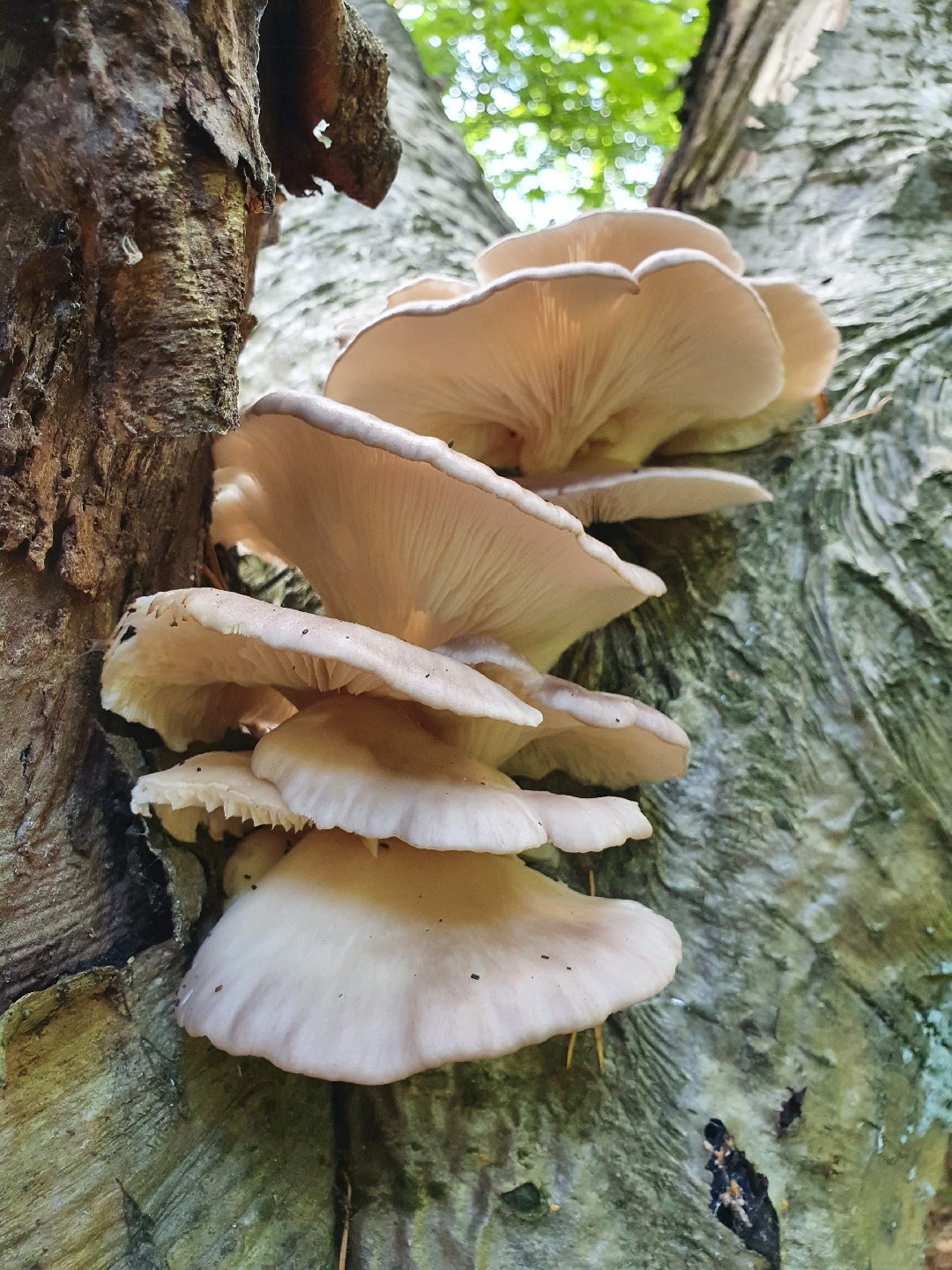
7. Oyster mushroom
Oyster mushrooms grow wild but are also cultivated for sale in supermarkets. They can even be cultivated at home. They will grow on coffee grounds and spent grain, and are occasionally even fashioned into an environmentally-friendly substitute for styrofoam. There are several toxic look-alike species, so it is best to buy these mushrooms at the store.
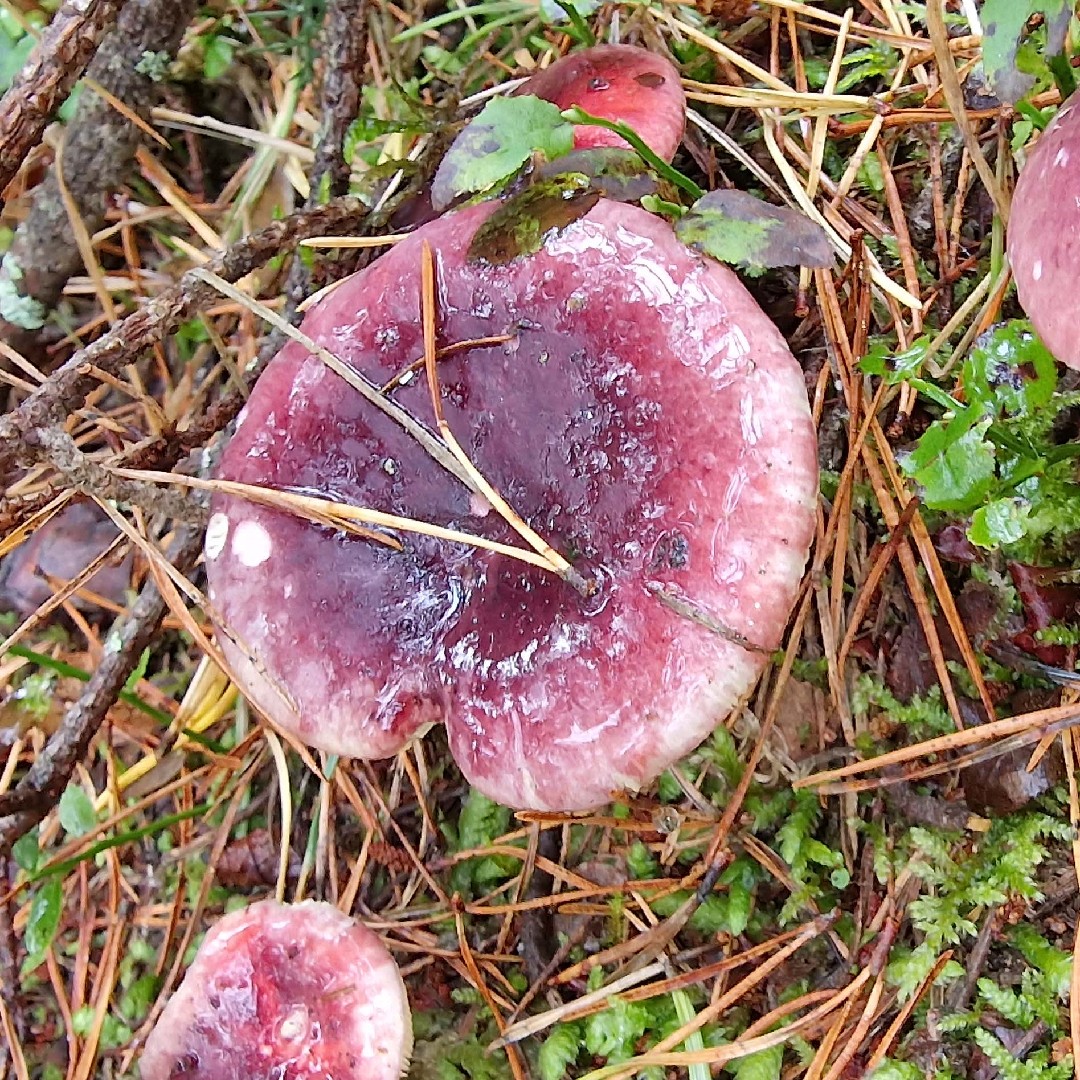
8. Primrose brittlegill
The cap grows to around 10 cm (4 in) in diameter. It is commonly purplish-red, but brownish, and greenish forms have been recorded. Usually it is darker in colour towards the middle, which is convex when young, but becomes depressed in the centre with age. The stem is occasionally white, but more commonly is flushed with pale purple-red, and has a grape-like; easily removed bloom. It is 3–8 cm tall and 1–1.5 cm in diameter. The adnexed to slightly decurrent gills are pale primrose yellow, and they darken with age. They are narrow, and exude water droplets when young.(see photograph left) They also turn slowly pink when ammonia is dropped onto them. This identifies the mushroom to species level, and is a ‘must do’ test for the rarer colour forms. The spore print is cream. The flesh is firm, and has a very hot taste, making the mushroom inedible. 
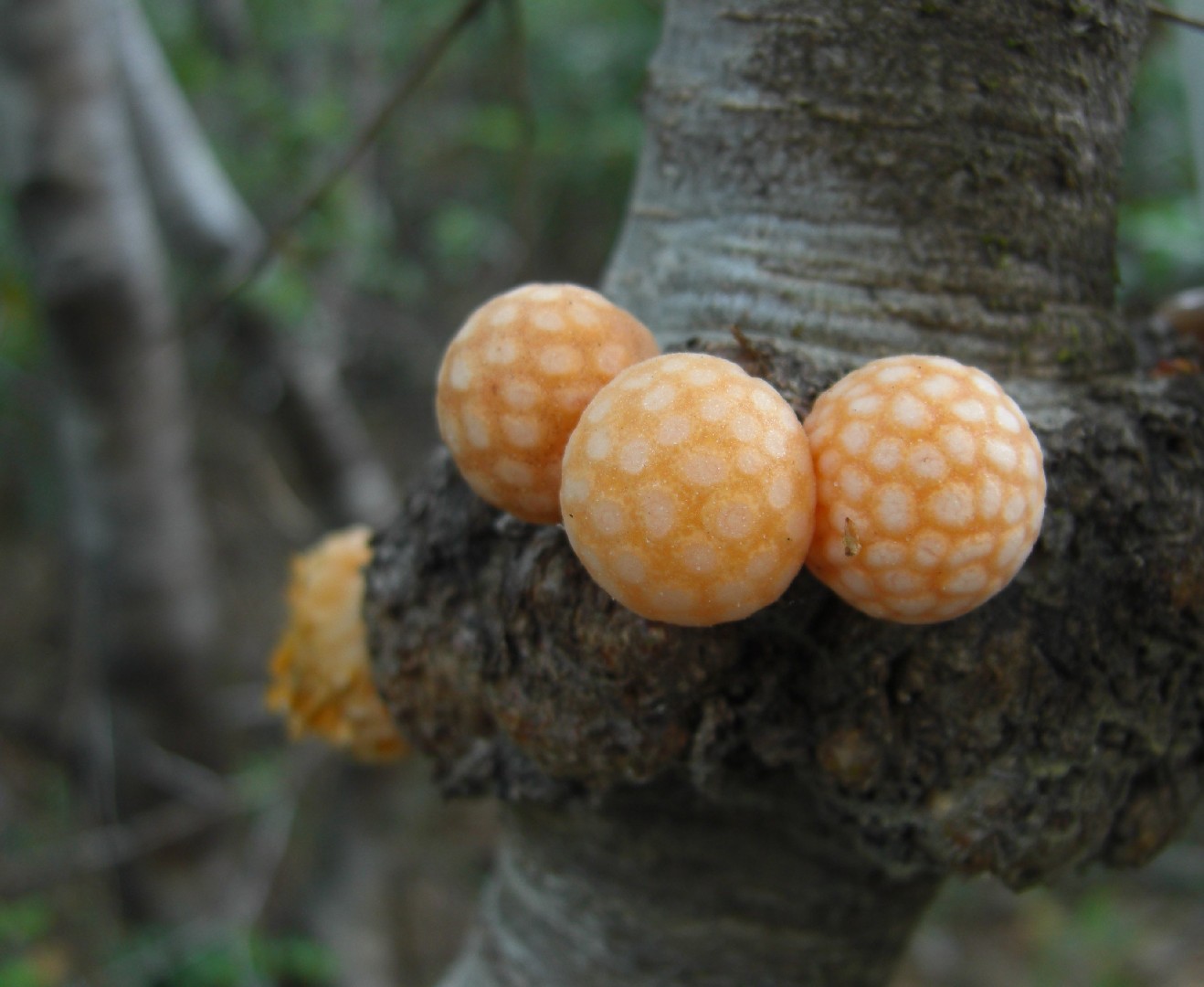
9. Cyttaria espinosae
The Cyttaria espinosae has a globose structure of white color and sticky surface, a thin white membrane covers the mushroom; This membrane is broken at the moment when the mushroom grows, revealing the apotheciae, which correspond to circular orange cavities on the surface of the mushroom in which the ascaspores and ascospores develop. The digüeñe is a strict and specific parasite of Nothofagus, mainly of Nothofagus obliqua and causes cancerous gills in the branches, from which the fruiting bodies emerge from spring to early summer. The rough surfaces of the fungus favor air movements in turbulence, which facilitates the dispersion of the spores by the wind.
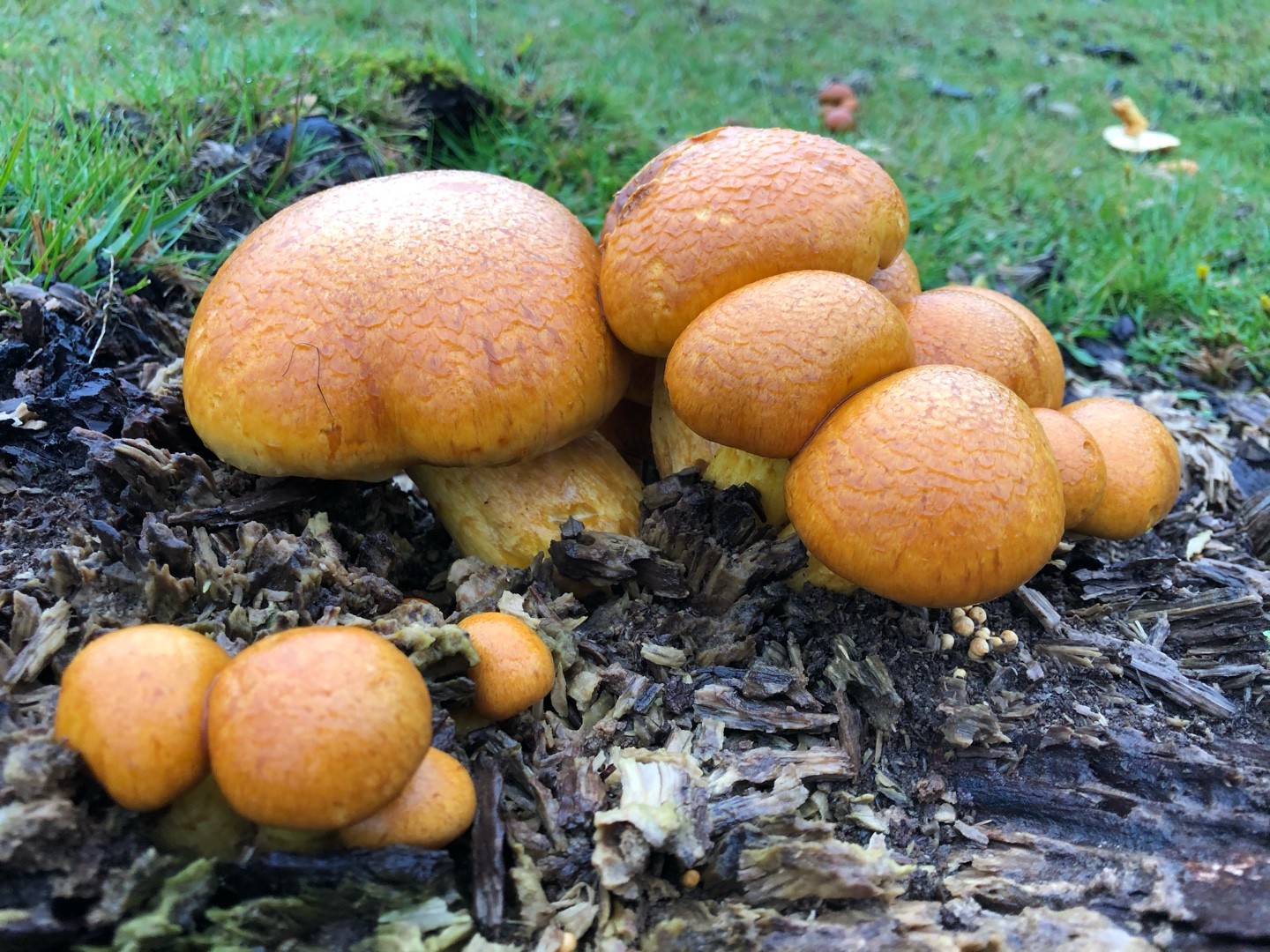
10. Laughing gym
Found in many countries around the northern hemisphere, the laughing gym grows on stumps of deciduous trees, and occasionally under conifers. This mushroom is large, firm, and colorful, and appears in small groups. Its scientific name, Gymnopilus junonius, means “naked cap sacred to Juno,” a reference to its distinctive and beautiful appearance. This mushroom is inedible and possibly toxic.
More







