




Top 20 Most Common Mushrooms in Alberta

Most Common Mushrooms
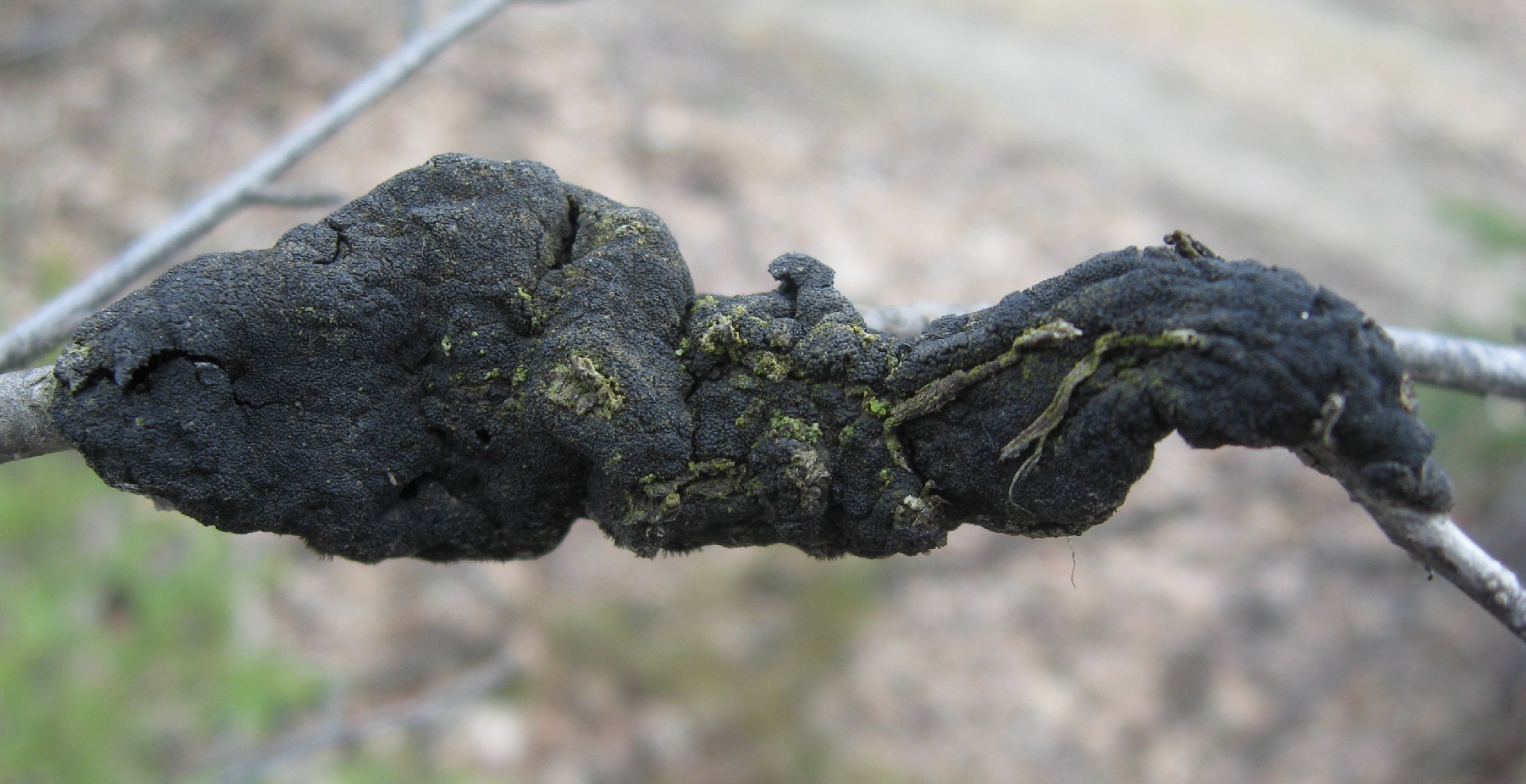
1. Black knot
The appearance of black knot (Apiosporina morbosa) is commonly found on various fruit-bearing trees and looks more like abnormally growing bark than it does a fungus. In youth, this bulbous growth is a lighter green but rapidly turns to dark brown and black. Black knot can kill trees and is not easily controllable using fungicides.

2. Shaggy mane
The shaggy mane mushroom is commonly found in North American and European grasslands. Some peoples foraged for its young egg-shaped caps, but it has more recently been found to be a bioaccumulator of heavy metals, meaning it pulls toxic metals up from the soil where it grows. As a result, shaggy manes should not be eaten. The mushrooms usually appear in clusters or “fairy rings.”
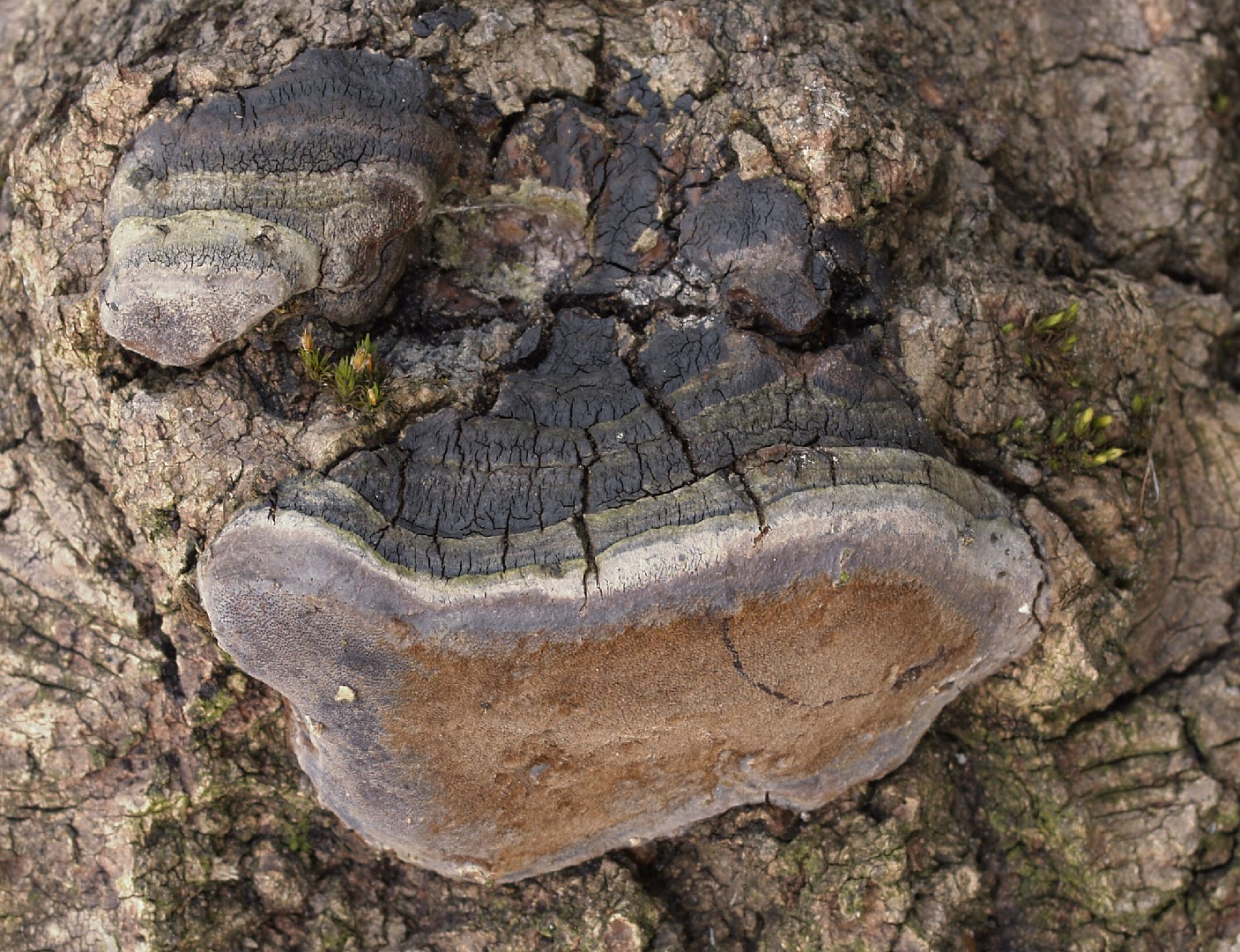
3. Aspen bracket
As hinted by its name, aspen bracket only grows on live aspen trees, causing trunk rot. Despite its negative reputation with aspen trees, this mushroom serves as nesting sites for some birds. The fruiting bodies of aspen bracket add on a new layer each growing season and can persist for several years.
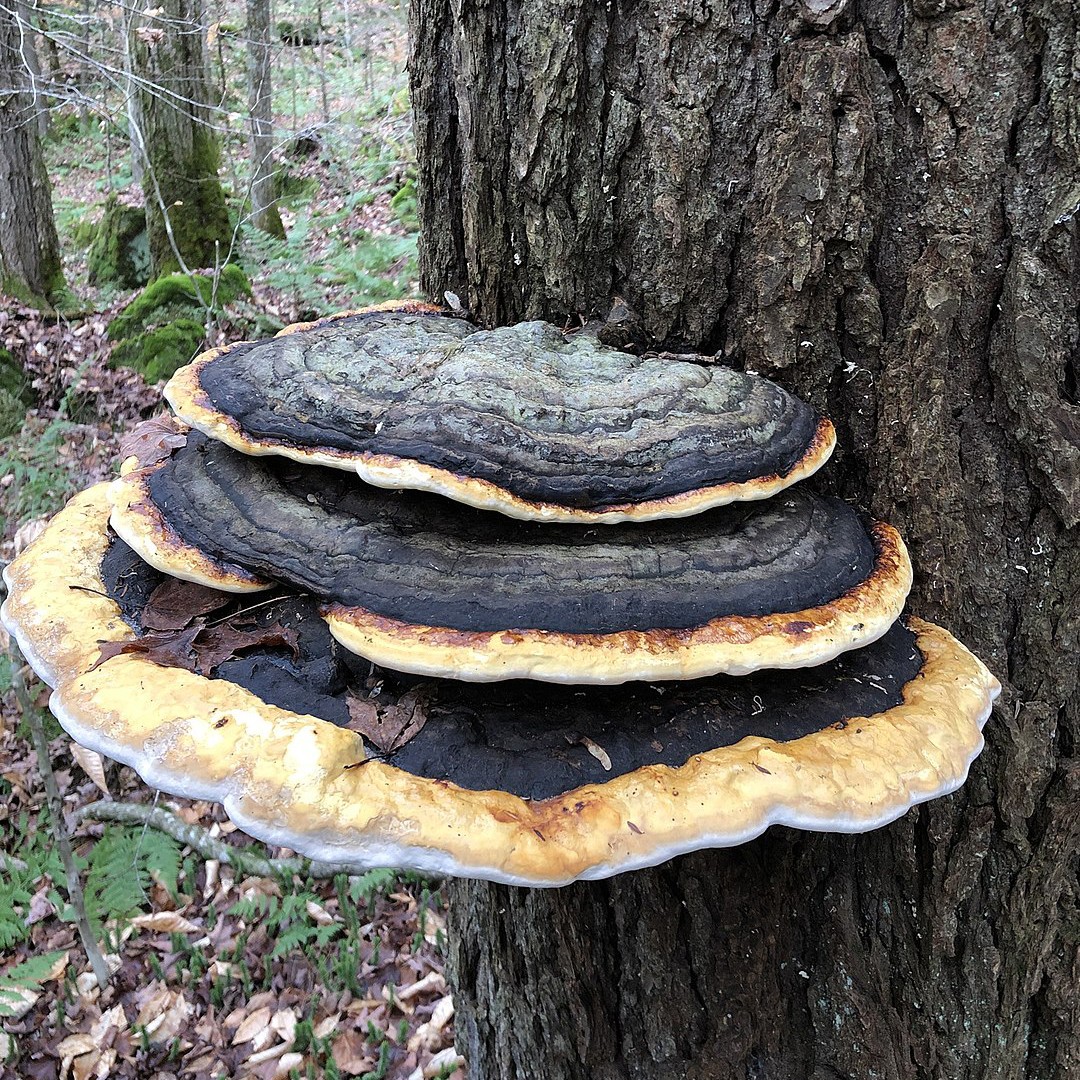
4. Red-belted polypore
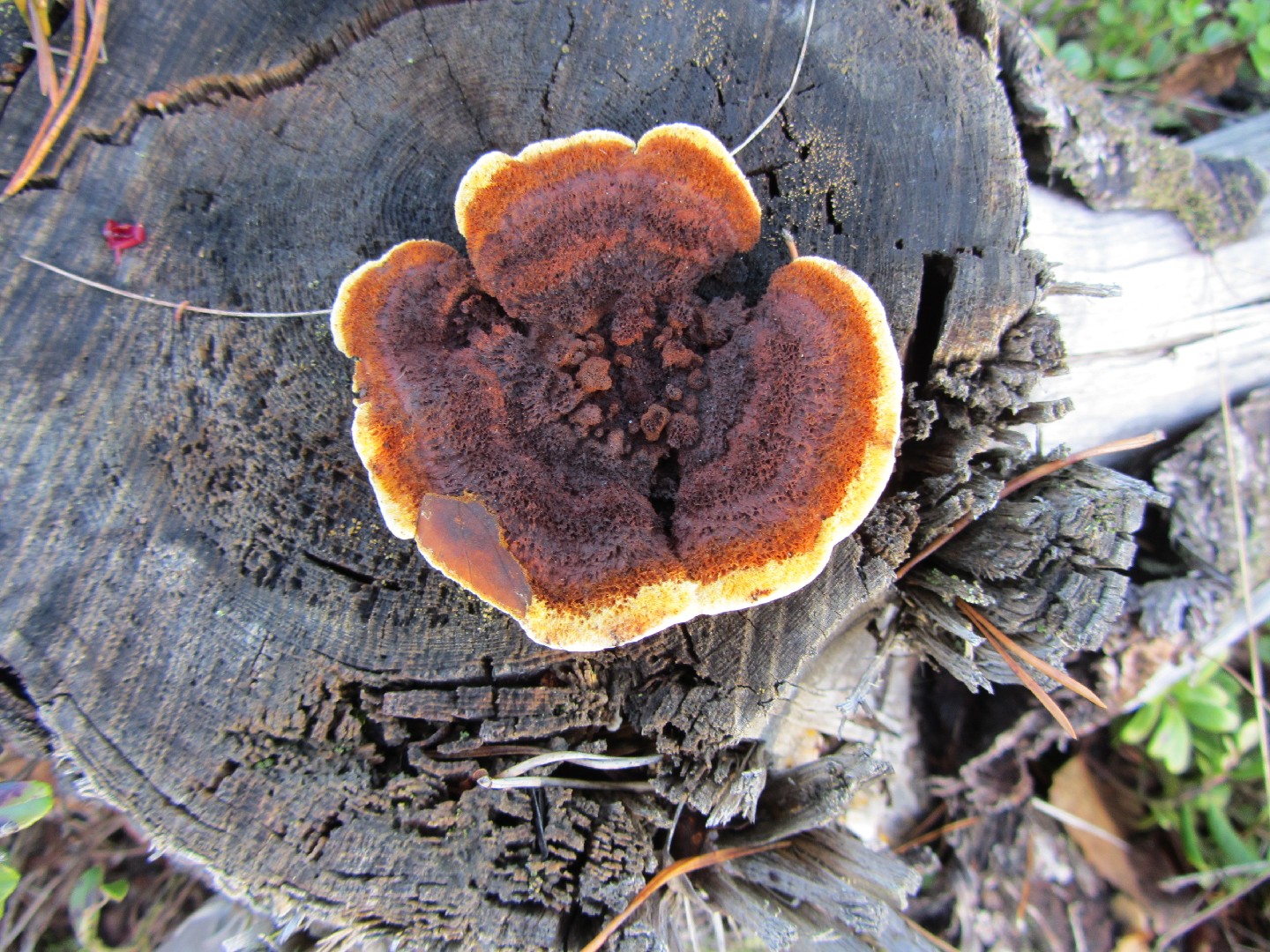
Red-belted polypore is a shelf fungus that's usually seen on aspen, birch, and various conifer trees. This perennial mushroom is known to cause the cubical brown rot in host trees. A species new to science, it was named in honor of Irene Mounce, a Canadian mycologist. 
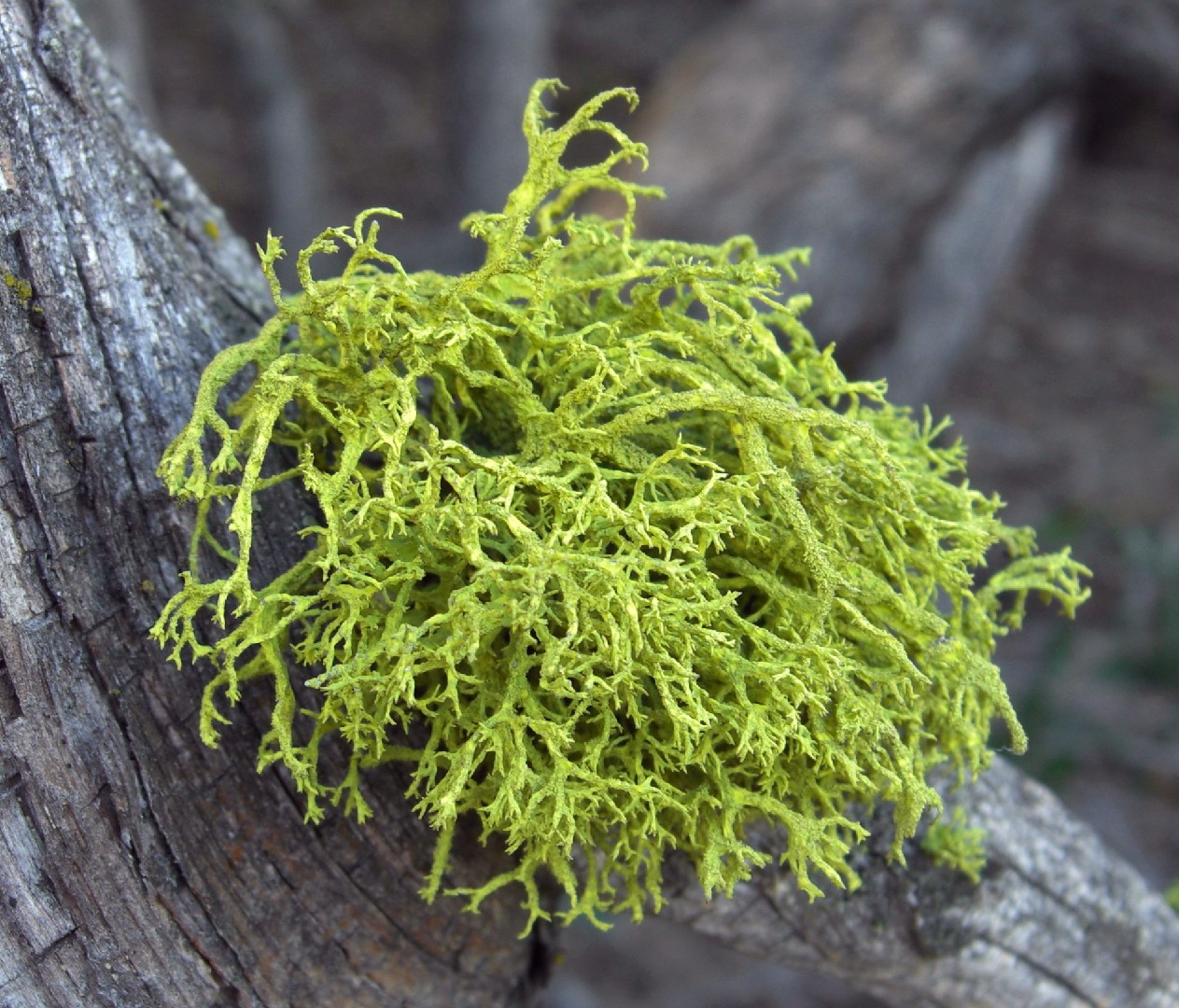
5. Wolf lichen
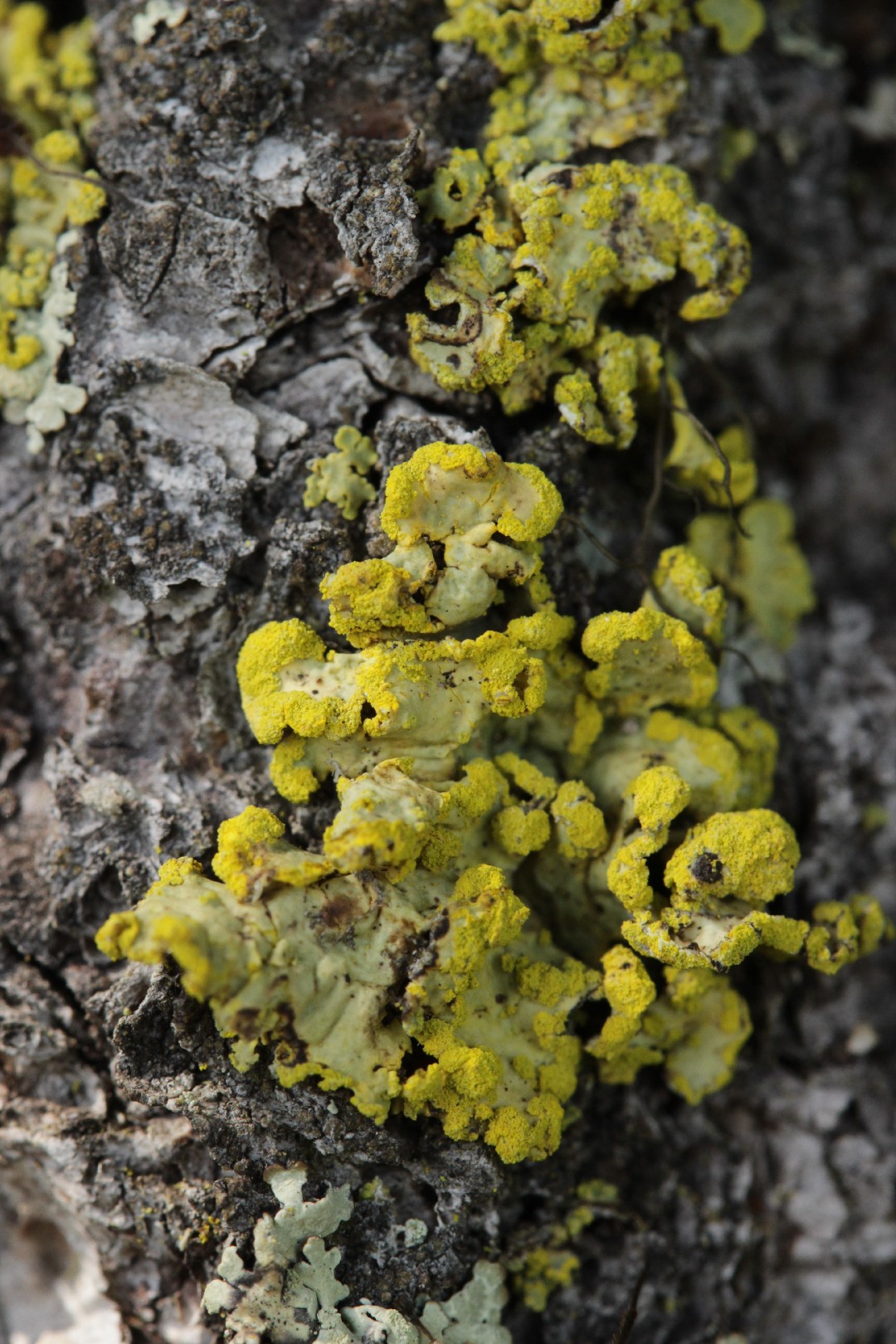
The thallus, or vegetative body, has a fructicose shape — that is, shrubby and densely branched — and a bright yellow to yellow-green, or chartreuse color, although the color will fade in drier specimens. Its dimensions are typically 2 to 7 cm (0.8 to 3 in) in diameter. The vegetative reproductive structures soredia and isidia are present on the surface of the thalli, often abundantly.
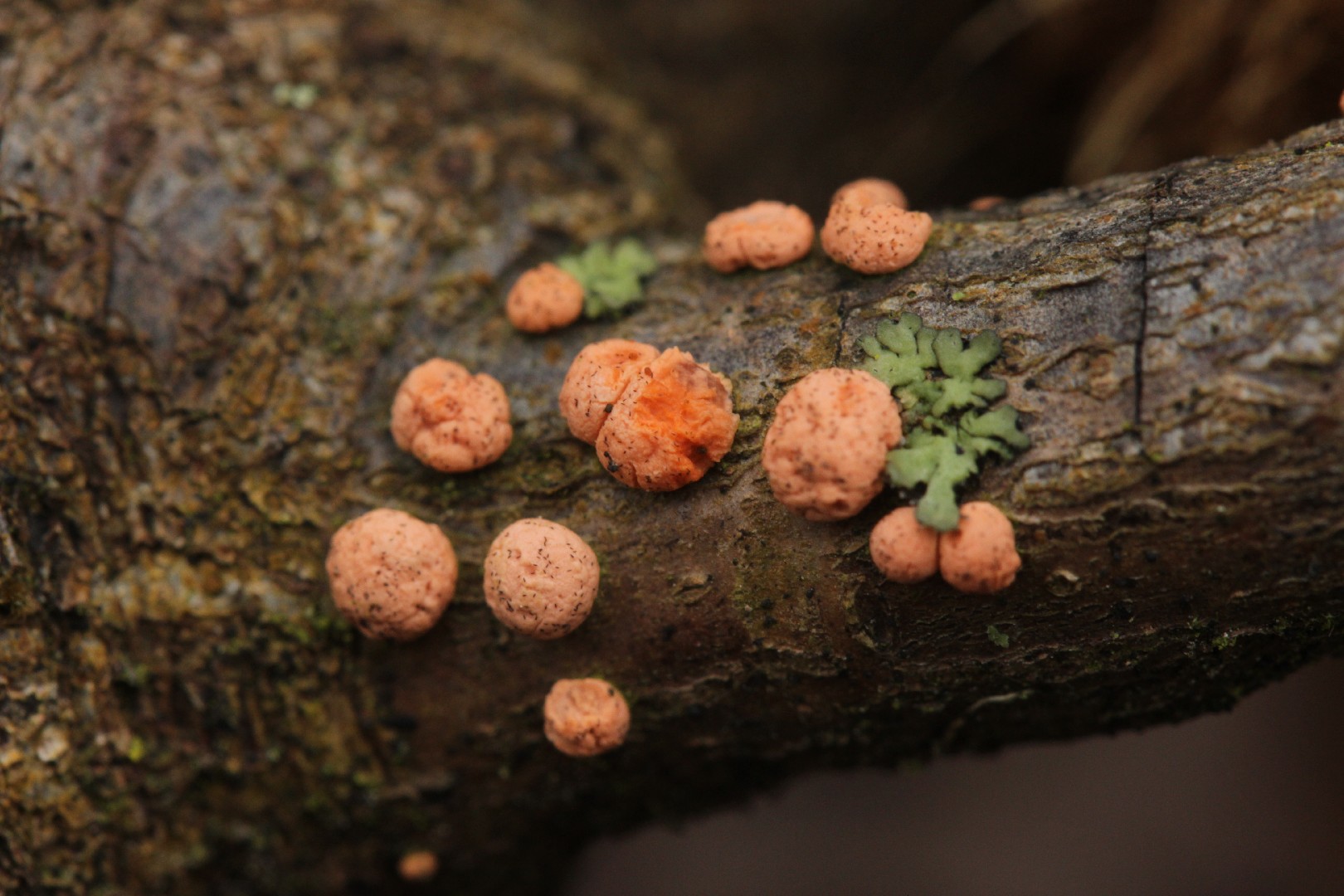
6. Coral spot
Coral spot(Nectria cinnabarina) is a mild pathogen of various broadleaf species that causes cankers, or spots of dead tissue, on its host. While it does not actively encourage rot, its presence may weaken the host's resistance to other, decay-causing pathogens. This species' bright fruiting spores tend to contrast with the subdued tones of the host's bark, accounting for its common name.
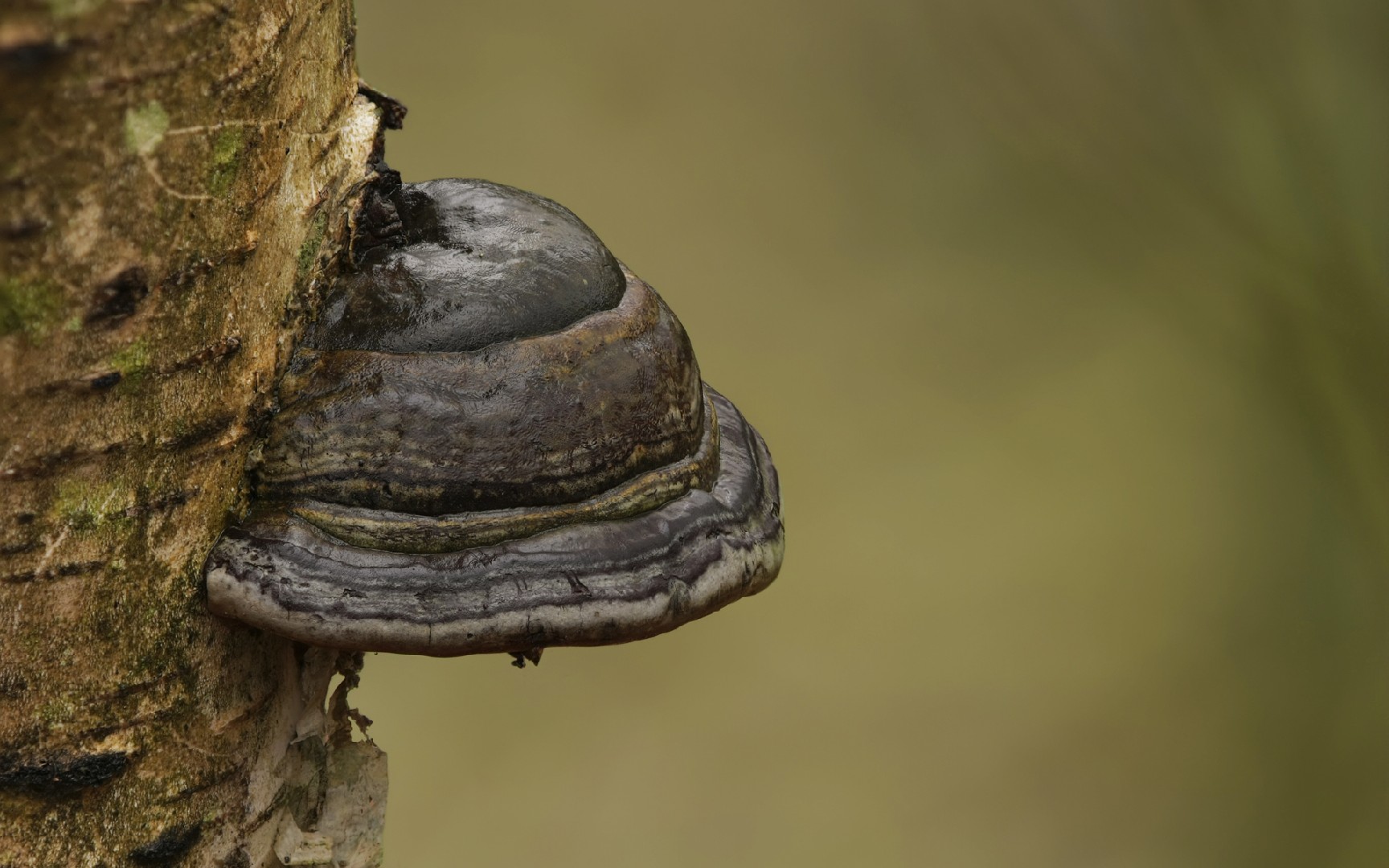
7. Tinder fungus
This large, tough shelf fungus can be found attached to birch, beech, and sycamore trees. It gets its common name, tinder fungus, from the fact that it burns quite slowly and can thus be used effectively for lighting fires. Dried pieces can also be a useful desiccant. A piece of this fungus was found in the possession of Otzi the Iceman, indicating that its usefulness has been known for millenia.
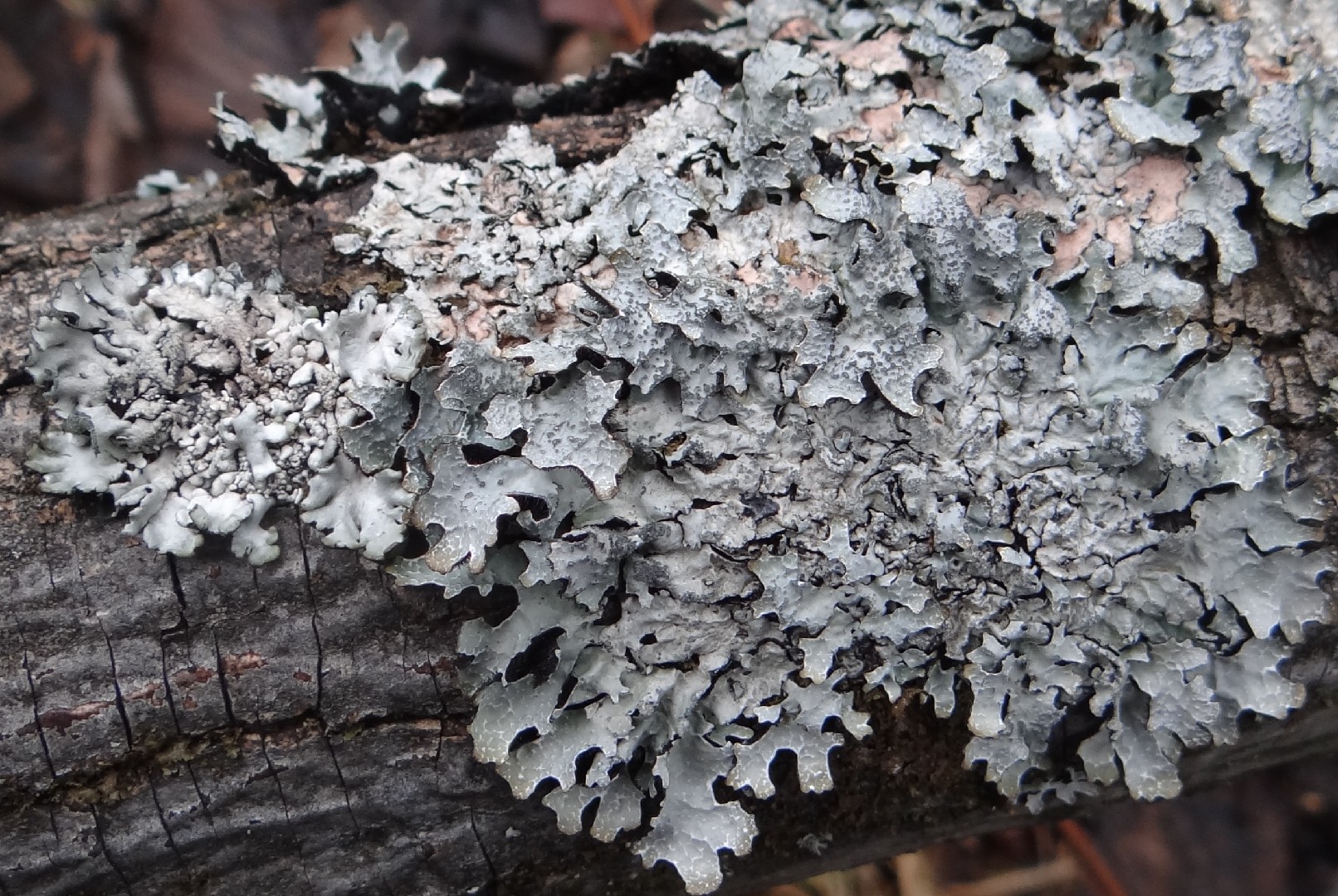
8. Hammered shield lichen
Hammered shield lichen is noted for its pollution tolerance. It is a widespread grey flat lichen that is mostly found upon tree bark and occasionally rocks. Hammered shield lichen is named for the depressions within the lobe which give it a hammered appearance.
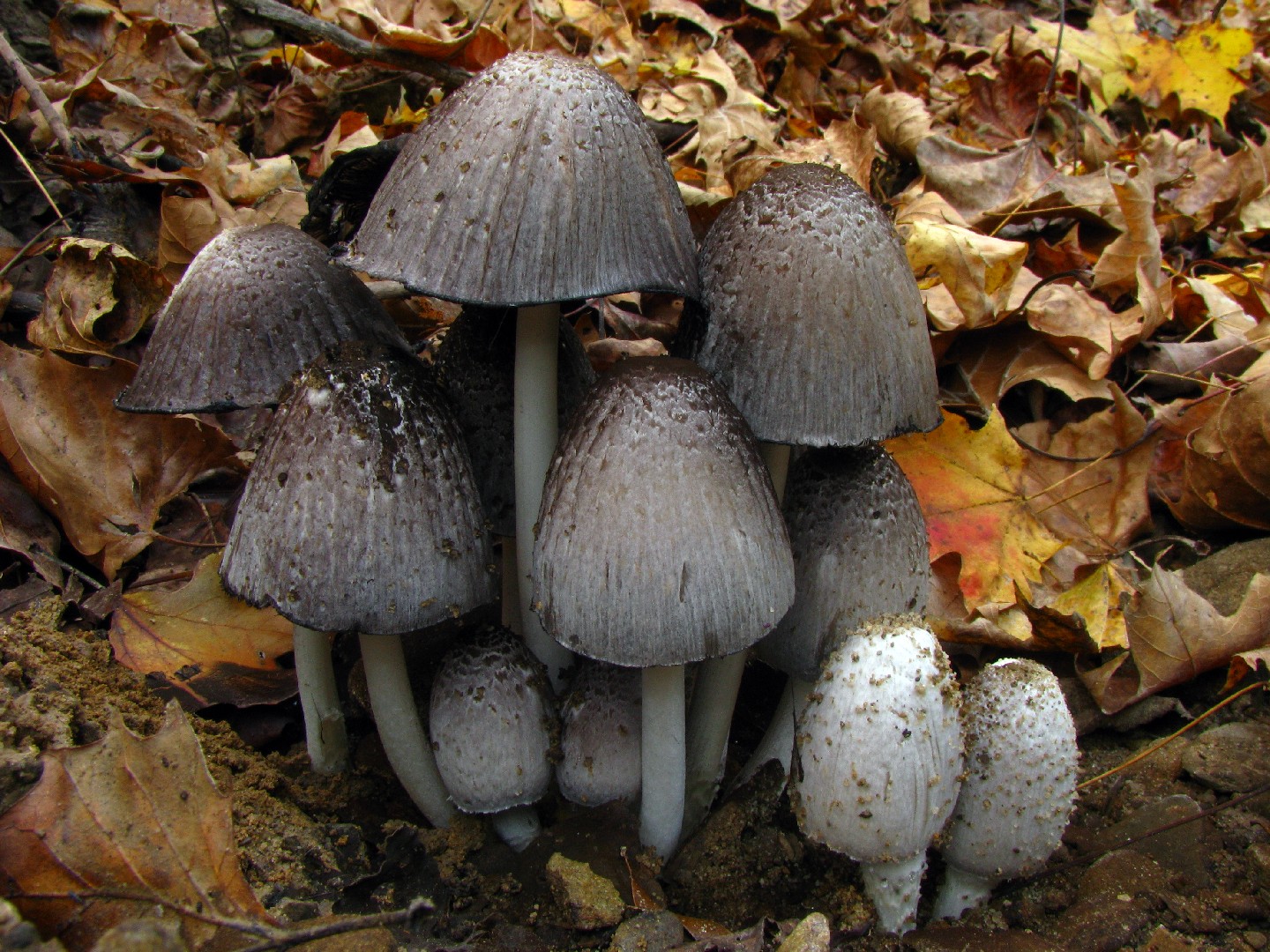
9. Common ink cap
Common ink cap mushrooms grow in clumps from buried wood or tree stumps. They come up with such strength that they have been known to lift pavement or break through asphalt. As they age, their gills will turn black and liquefy, creating the "inky" substance for which they are named.
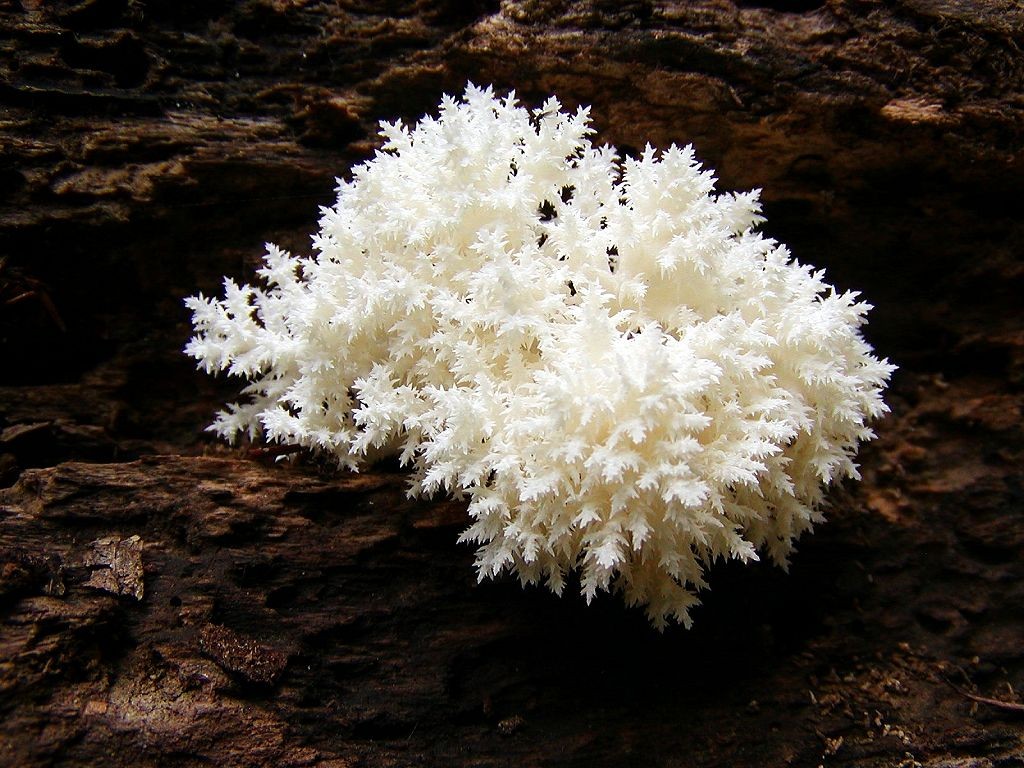
10. Coral tooth fungus
Coral tooth fungus (Hericium coralloides) is a species of coral mushroom most frequently sighted on dead or decaying hardwoods. Generally, younger specimens are white and become increasingly yellowish as they mature. Found around the world, the Māori refer to this species as pekepekekiore.
More







