




Top 20 Most Common Mushrooms in Victoria

Most Common Mushrooms
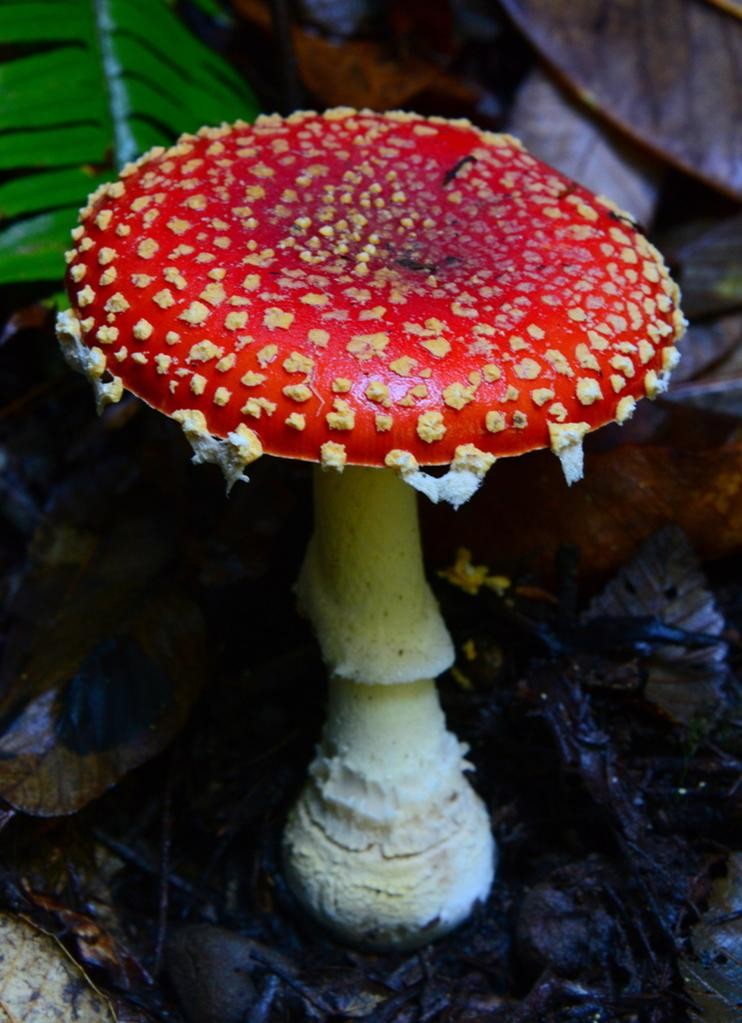
1. Fly agaric
In Northern Asia and Europe, fly agaric grows under trees near the winter solstice and is collected for ritual use tied to the season. Its characteristic shape and coloring are still ubiquitous in many European fairy tale illustrations and Christmas traditions. It is highly toxic.
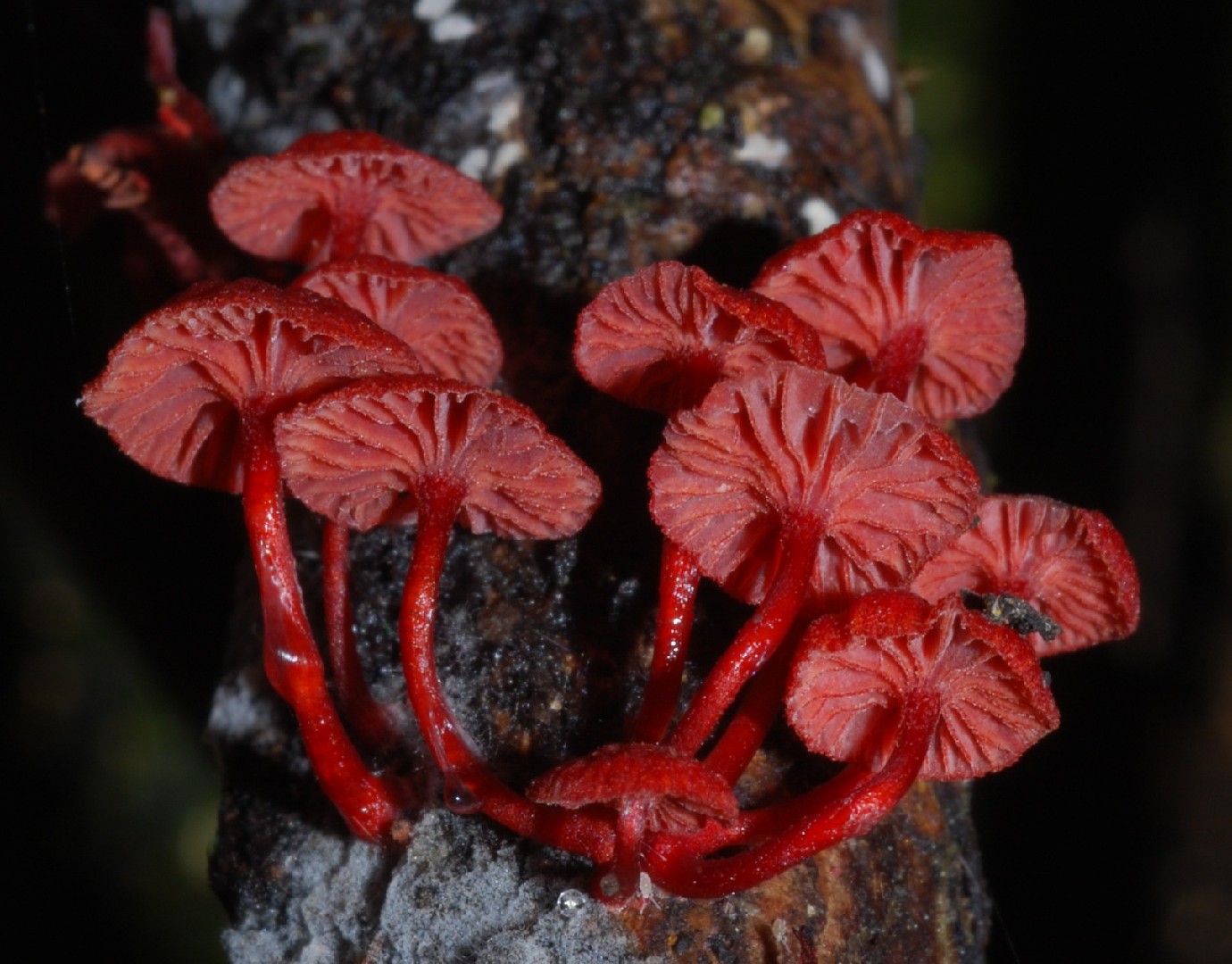
2. Ruby bonnet
A native of Australia and New Zealand, the vividly colored, deep red ruby bonnet (Cruentomycena viscidocruenta) appears in small groups on woody debris in autumn and winter. Its scientific name means “sticky-bloody” and this is a good description of how the fruitbodies appear when wet.
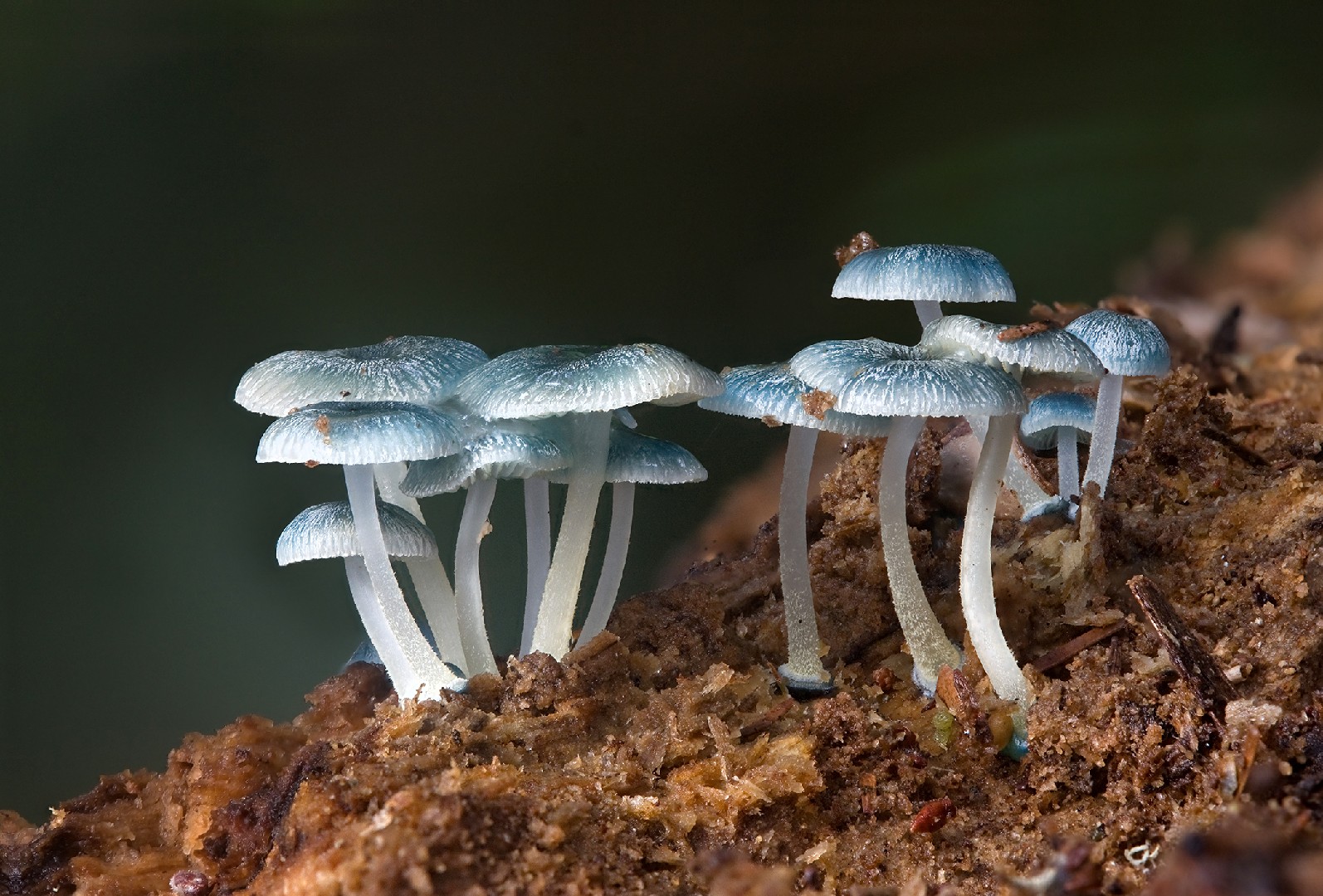
3. Pixie's parasol
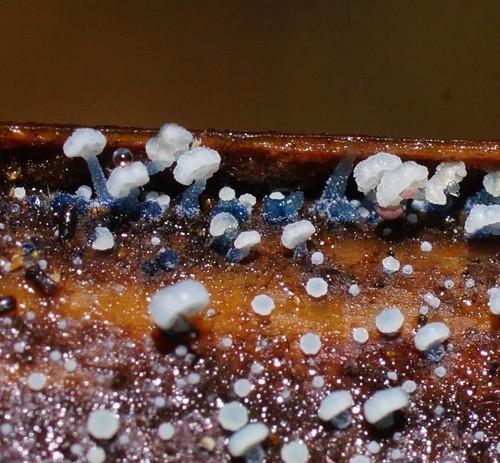
The caps of Mycena interrupta range from 0.8 to 2 cm, and they are a brilliant cyan blue colour. They are globose when emergent and then become a broad convex as they mature, with the centre of the cap slightly depressed. The caps are often sticky and appear slimy looking, particularly in moist weather. The length of the stipe typically ranges from 1 to 2 cm long and 0.1 to 0.2 cm thick. It is white, smooth and the base of the stipe is attached to the wood substrate by a flat white disk, similar to Mycena austrororida, which, unlike M. interrupta is attached to the wood substrate by a mass of clumped fine hairs. The gills are white, adnexed, with blue margins. The spores are white, smooth, ellipsoid and have dimensions of 7-10×4-6 µm. Unlike some other Mycena species, Mycena interrupta is not bioluminescent. 
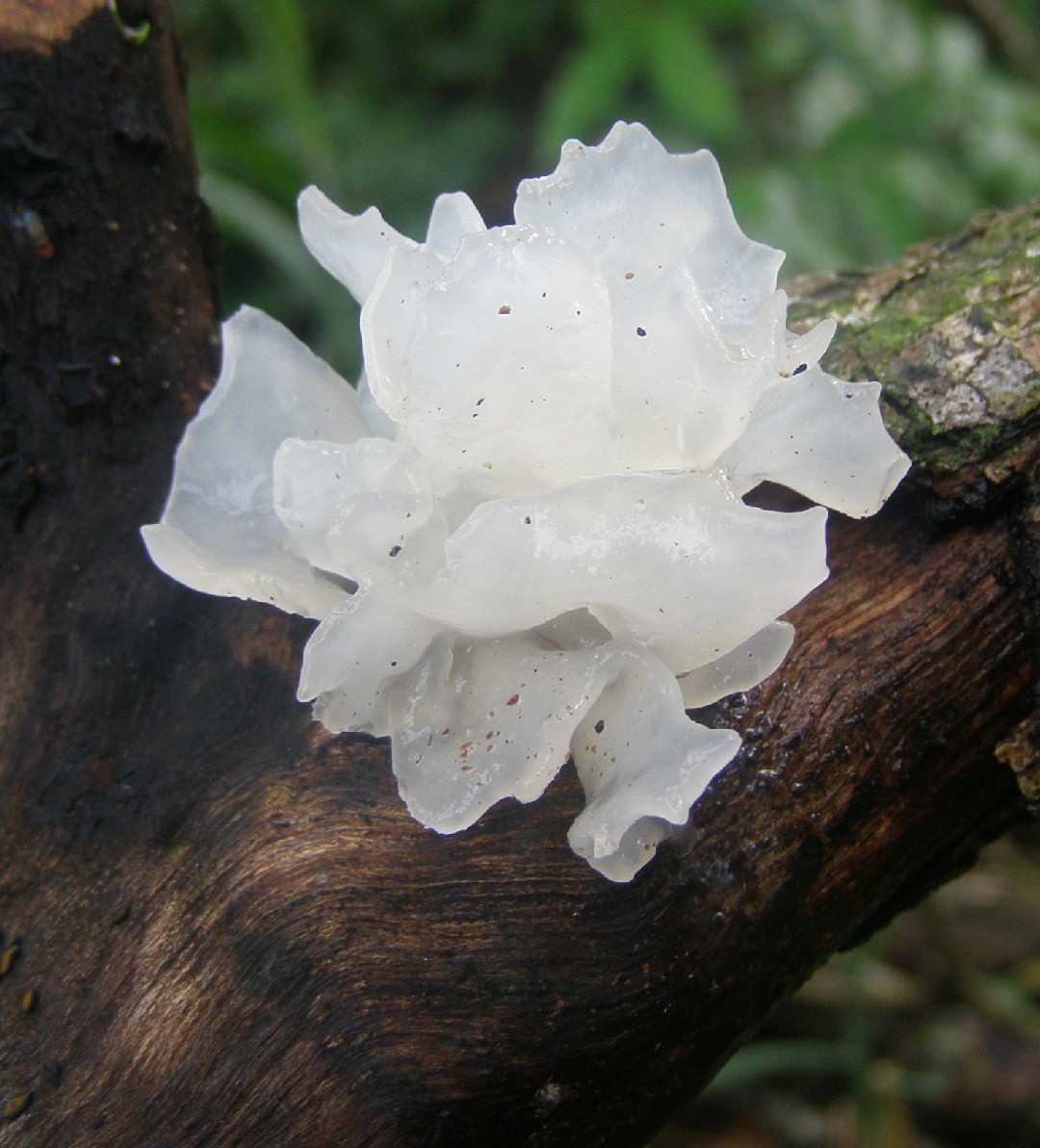
4. Snow fungus
Snow fungus (Tremella fuciformis) is so-named not because it is associated with winter, but, rather, because its fruitbodies look like little piles of snow fungus on the ground. This fungus actually inhabits very warm - tropical and subtropical - locations around the globe. Snow fungus does not have much taste, but it is cultivated for culinary use across East Asia, where it is often added to thicken soups and desserts.
5. Vermilion grisette
6. Southern cinnabar polypore
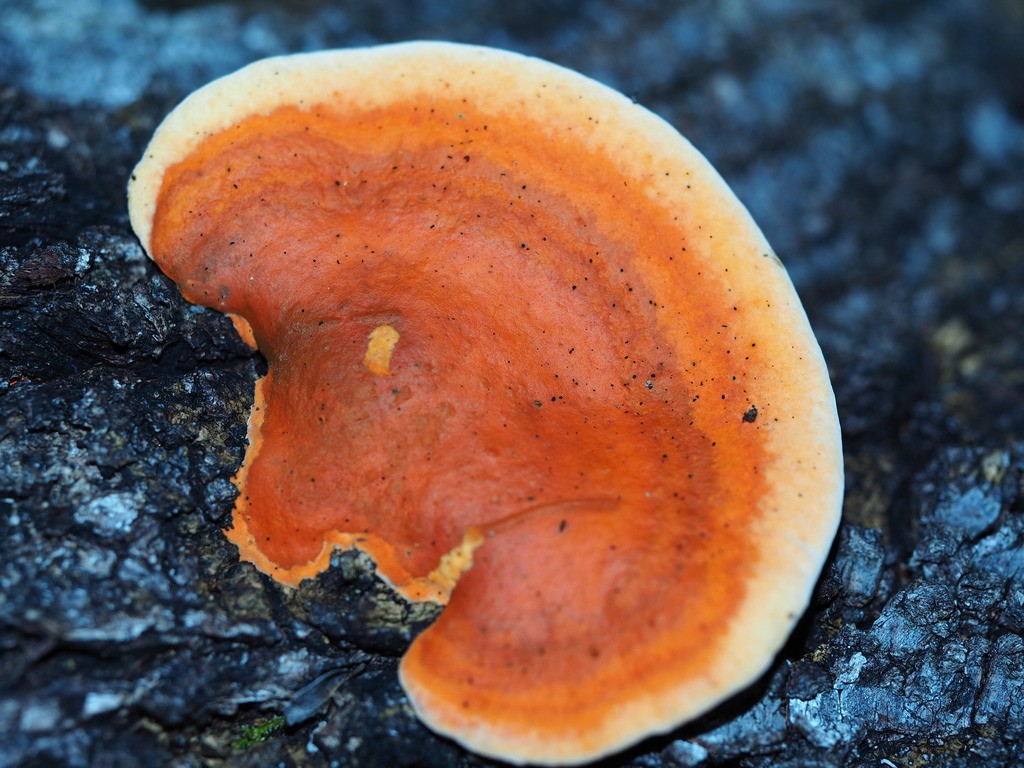
Southern cinnabar polypore grows in a variety of contexts, though it prefers to grow on deadwood near open water sources. This mushroom fruits from the late summer to early winter. True to its name, young southern cinnabar polypore has a bright orange color that's similar to cinnabar but may fade in older age.
7. Ghost fungus
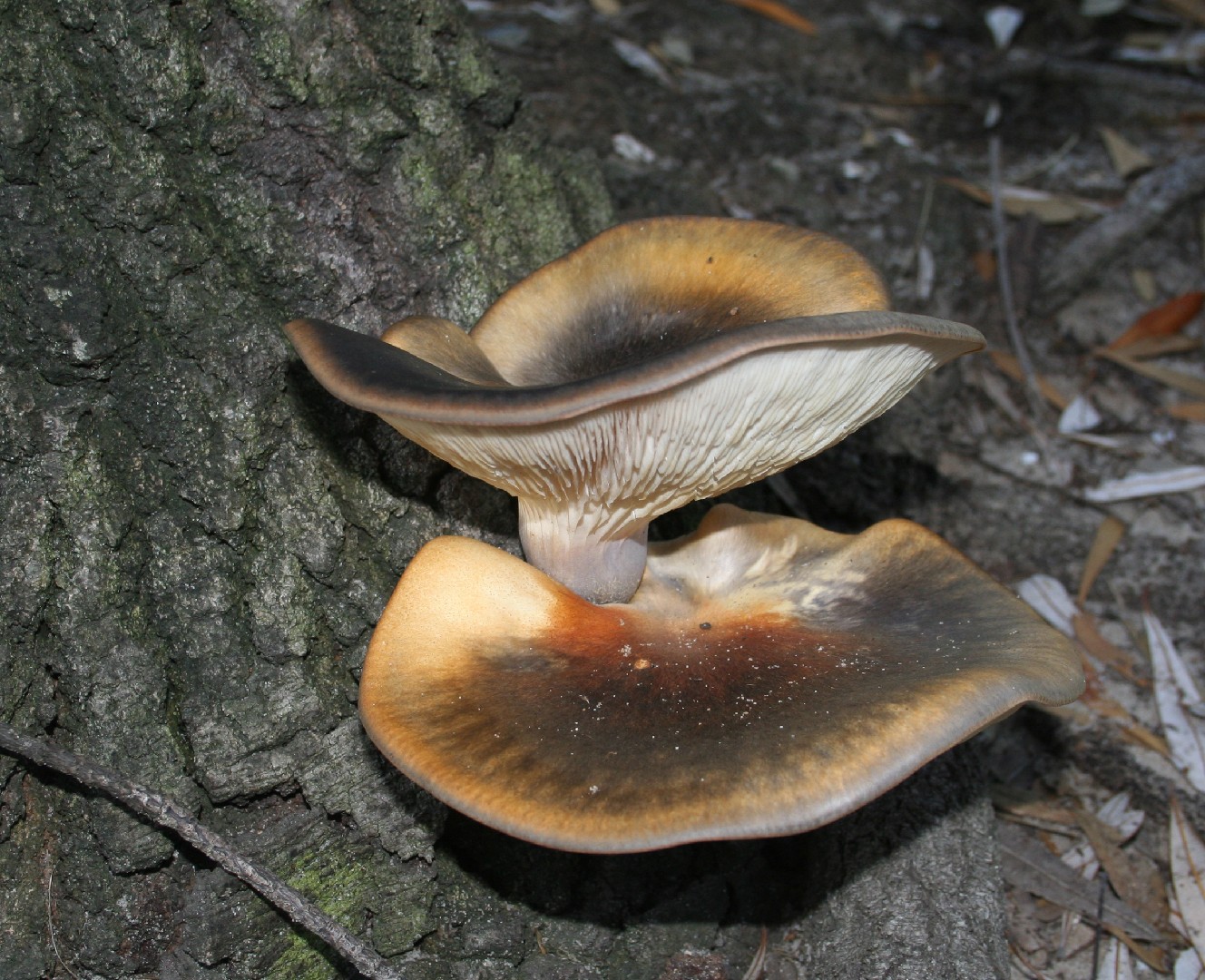
The ghost fungus is an Australian mushroom, similar in appearance to the well-known Pleurotus ostreatus (the Oyster mushroom). So similar, in fact, that it was even once considered a member of the same genus. But unlike the oyster mushroom, the ghost fungus is not edible, but mildly poisonous instead.
8. Split gill
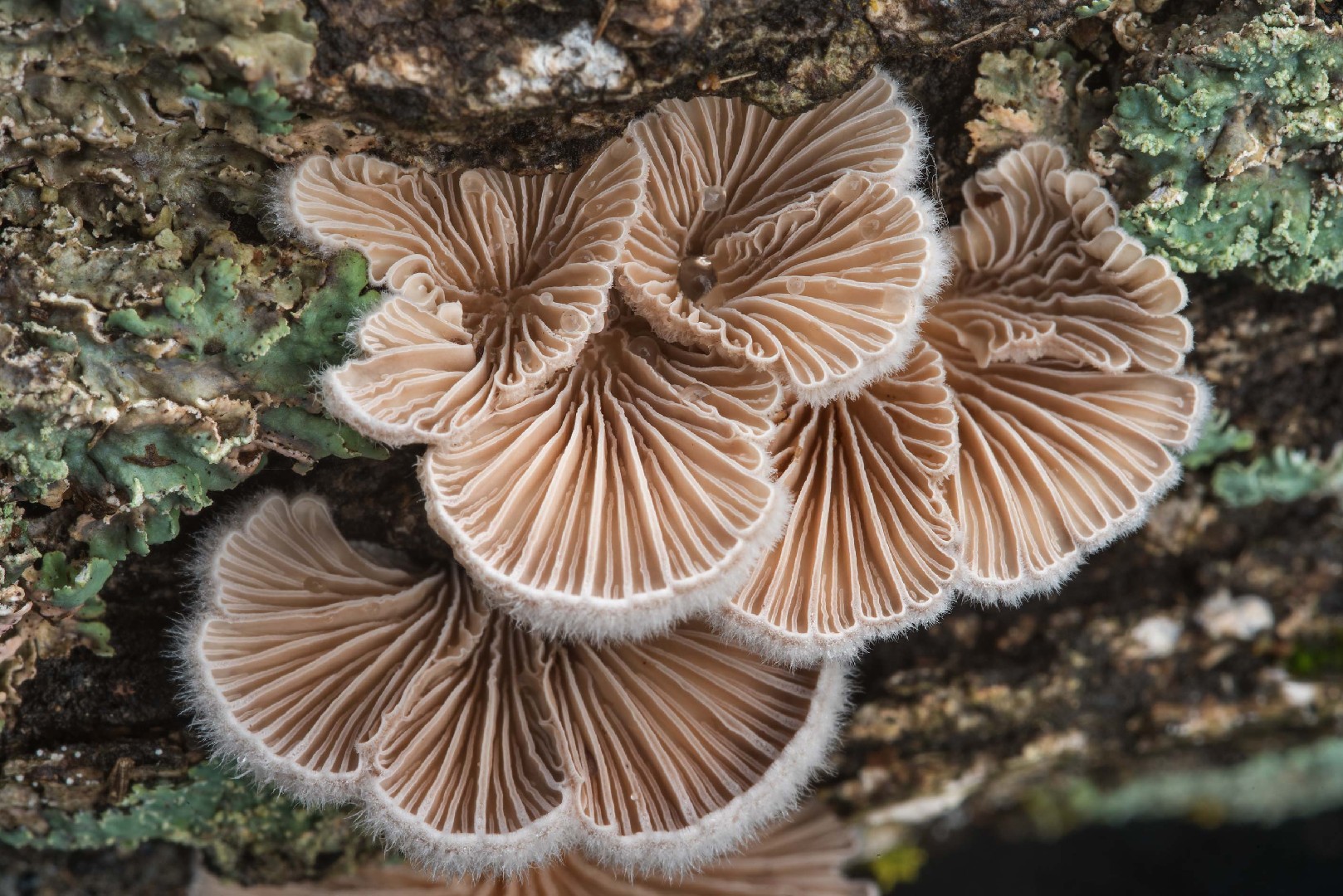
Split gill(Schizophyllum commune) can be found across the globe. Uniquely, it is the only mushroom species known to display the capability to retract by movement. It is considered inedible, although not necessarily toxic. Furthermore, it is not recommended to smell this species, as the spores are capable of sprouting and growing in nasal passages.
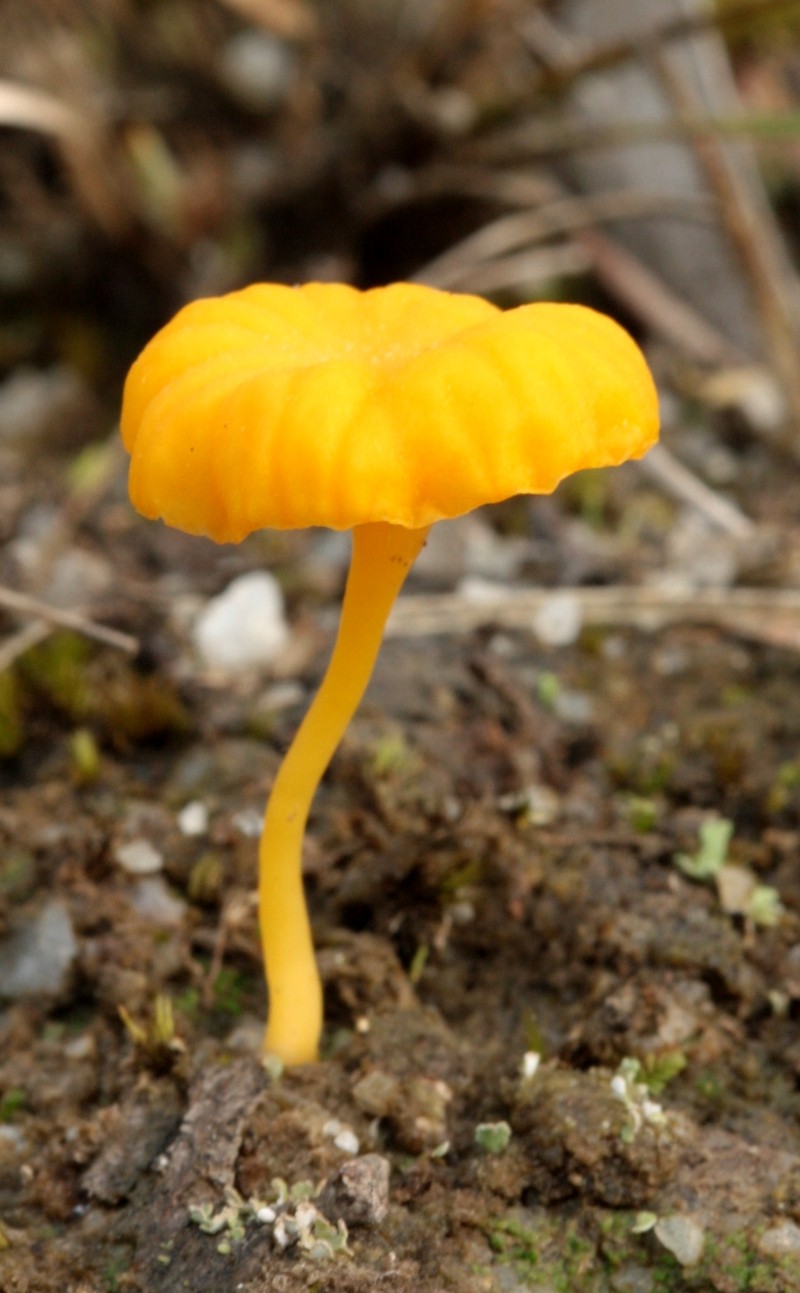
9. Lichenomphalia chromacea
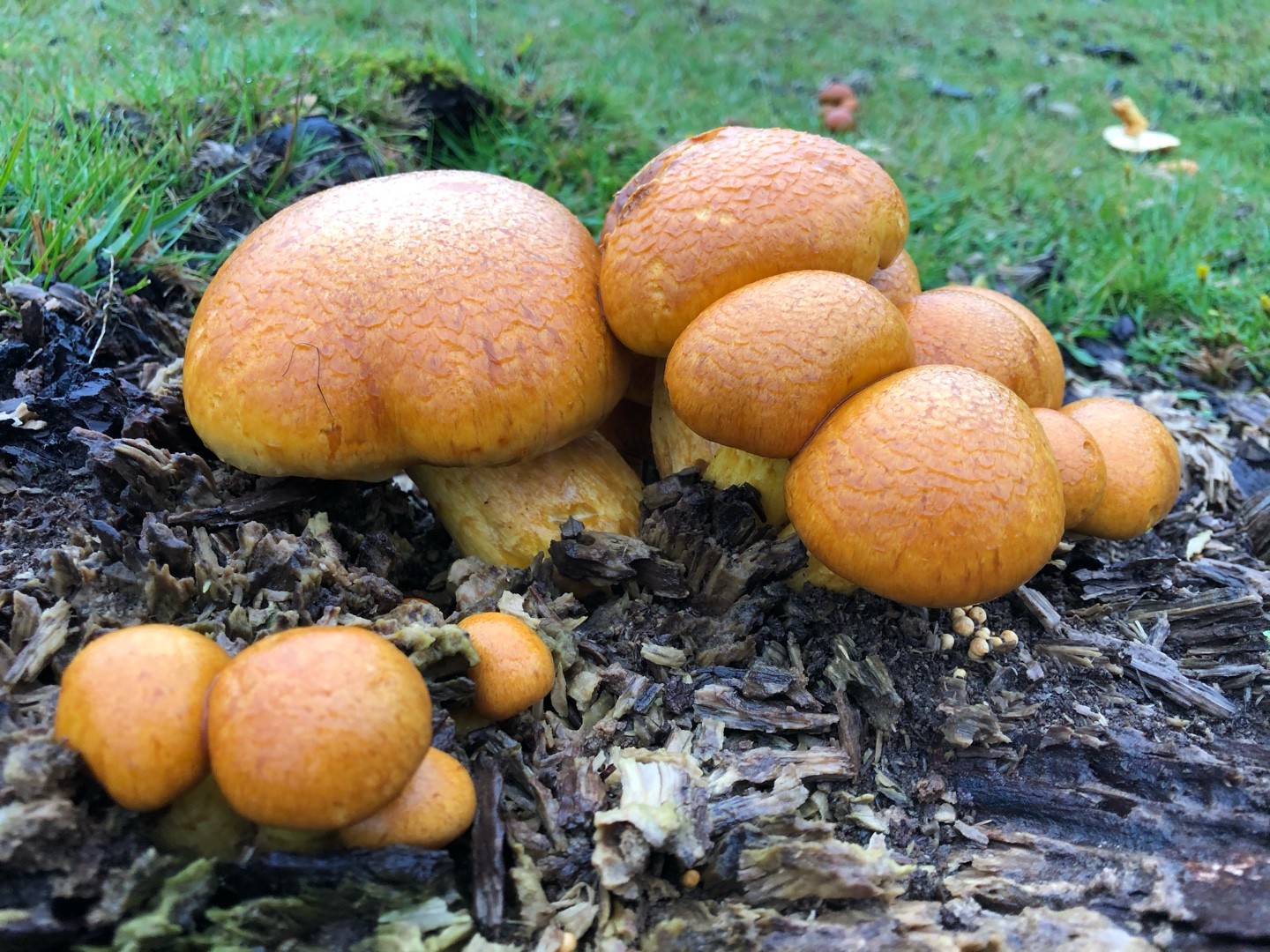
10. Laughing gym
Found in many countries around the northern hemisphere, the laughing gym grows on stumps of deciduous trees, and occasionally under conifers. This mushroom is large, firm, and colorful, and appears in small groups. Its scientific name, Gymnopilus junonius, means “naked cap sacred to Juno,” a reference to its distinctive and beautiful appearance. This mushroom is inedible and possibly toxic.



More







