




Top 17 Most Common Mushrooms in Hobart

Most Common Mushrooms
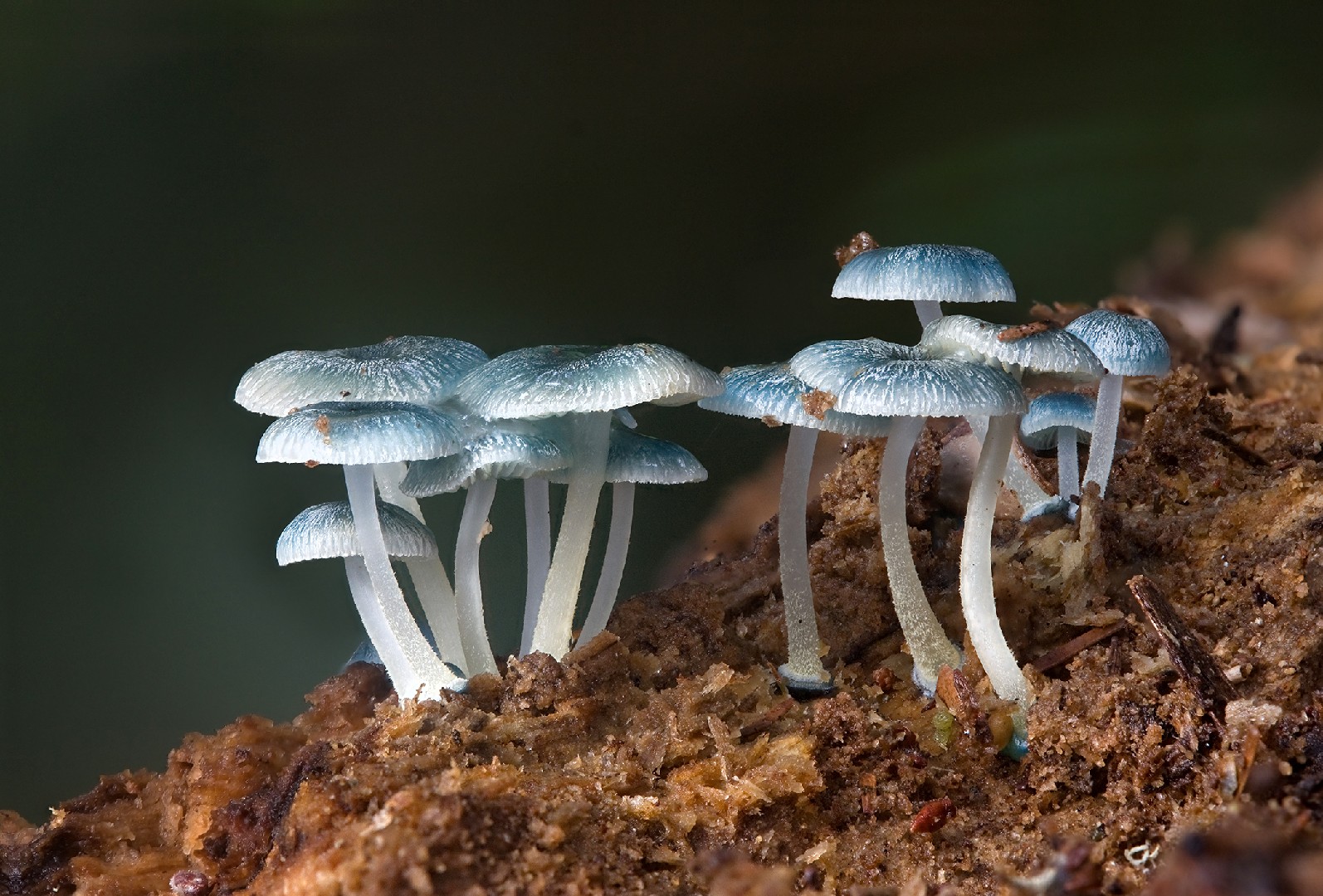
1. Pixie's parasol
The caps of Mycena interrupta range from 0.8 to 2 cm, and they are a brilliant cyan blue colour. They are globose when emergent and then become a broad convex as they mature, with the centre of the cap slightly depressed. The caps are often sticky and appear slimy looking, particularly in moist weather. The length of the stipe typically ranges from 1 to 2 cm long and 0.1 to 0.2 cm thick. It is white, smooth and the base of the stipe is attached to the wood substrate by a flat white disk, similar to Mycena austrororida, which, unlike M. interrupta is attached to the wood substrate by a mass of clumped fine hairs. The gills are white, adnexed, with blue margins. The spores are white, smooth, ellipsoid and have dimensions of 7-10×4-6 µm. Unlike some other Mycena species, Mycena interrupta is not bioluminescent. 
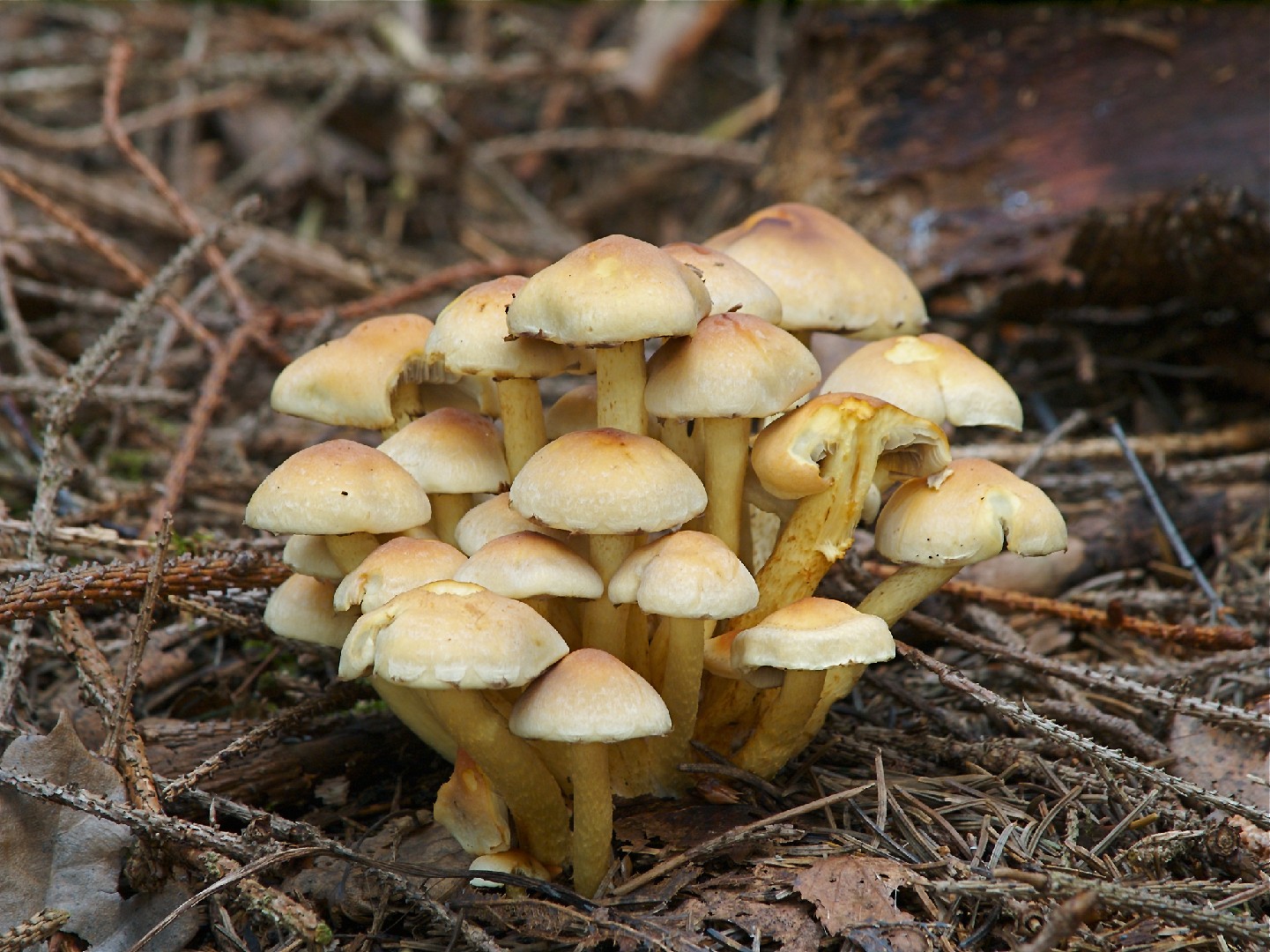
2. Sulphur tuft
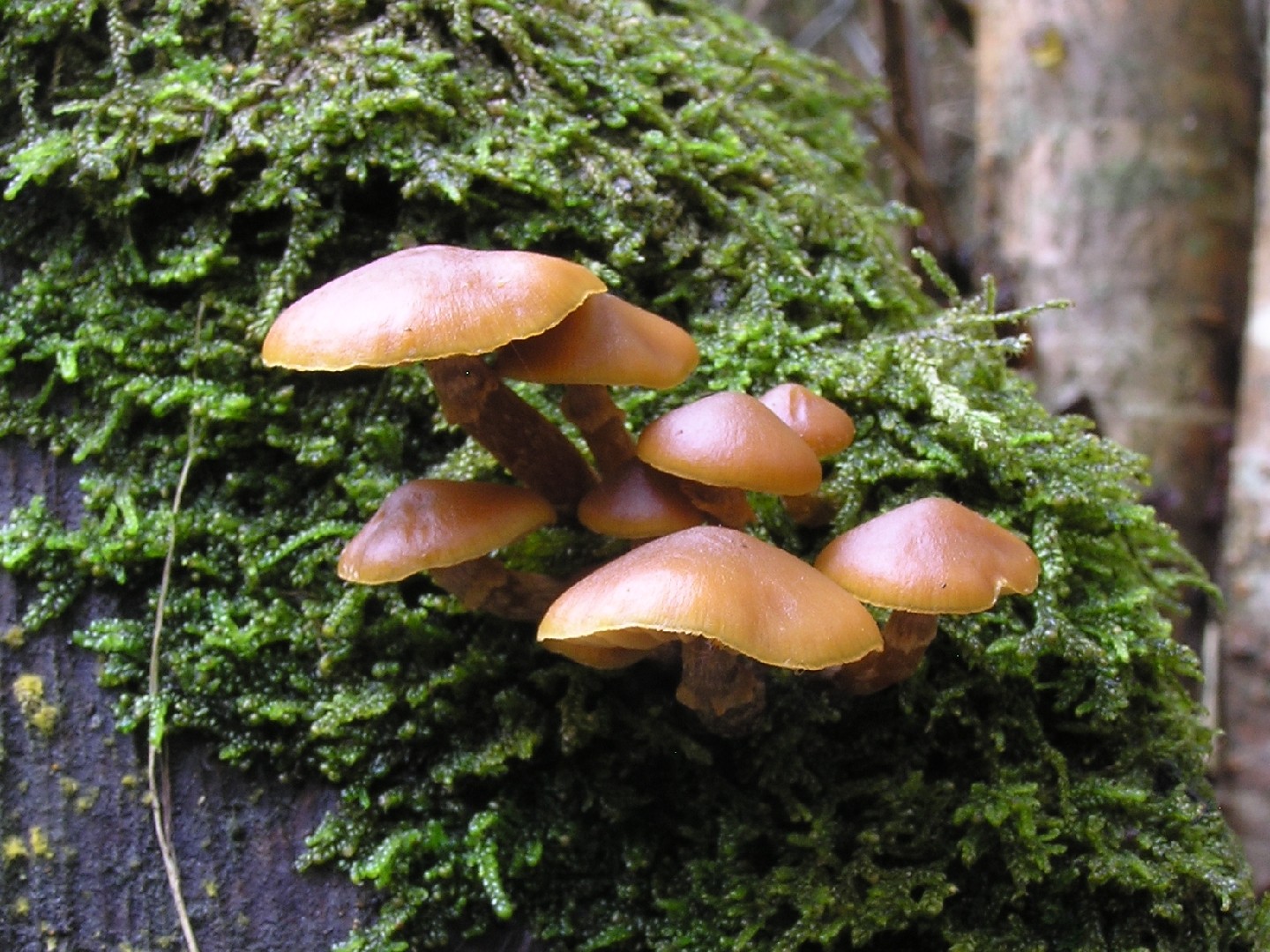
The sulphur tuft grows on rotting wood of all types of trees; it is a particularly efficient decomposer of hardwoods. The mushrooms appear from spring to autumn and are often so tightly packed that they interfere with each other’s shape. This poisonous mushroom can cause temporary paralysis, distorted vision, and stomach pain if consumed.
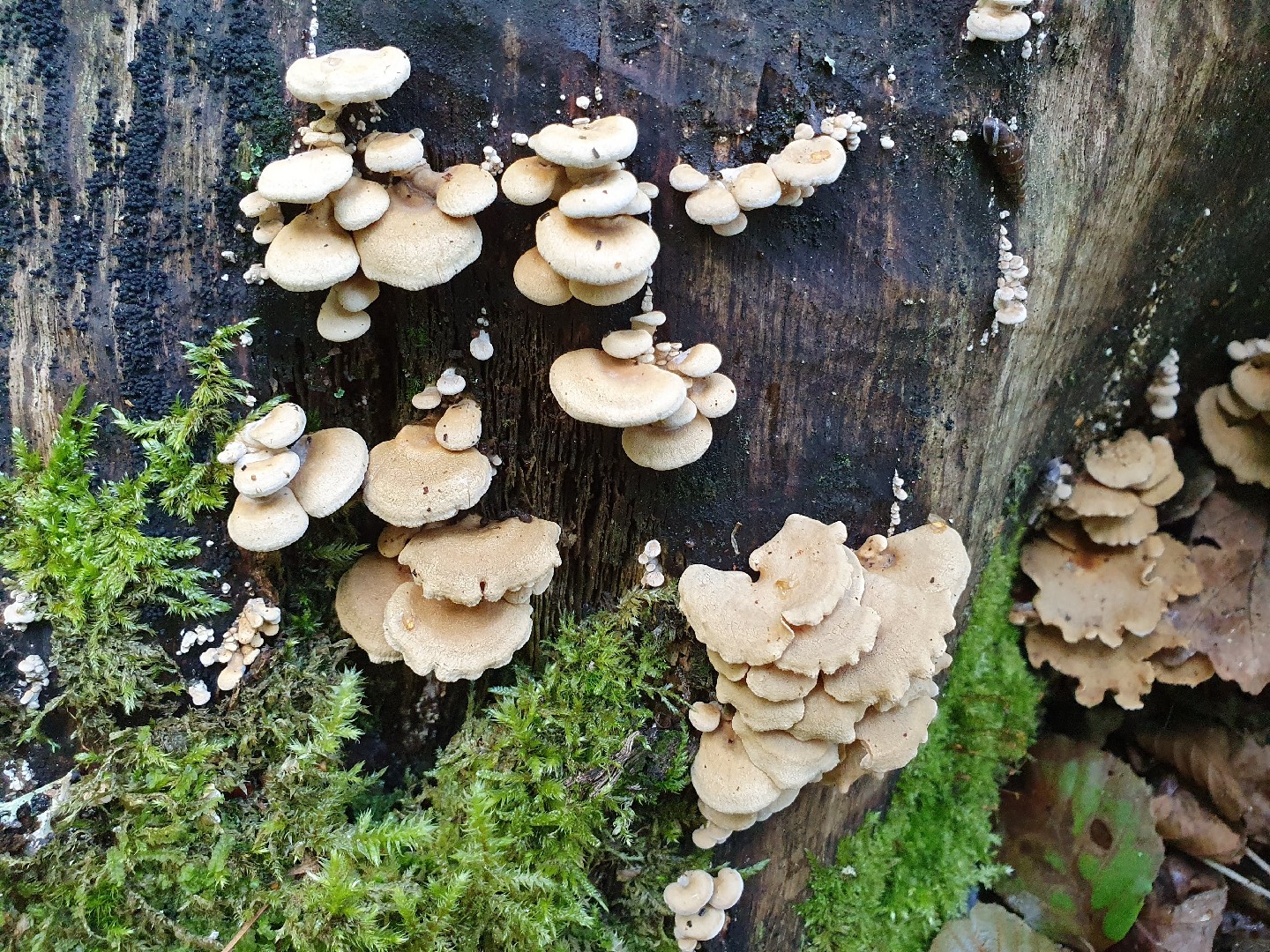
3. Bitter oysterling
Bitter oysterling(Panellus stipticus) is most often found growing on pieces of dead or decaying wood. Certain strands of this species are particularly notable for their bioluminescence, which is a rare but not unknown trait among the various species of fungi. Because it is small and bitter, this species is generally considered inedible.
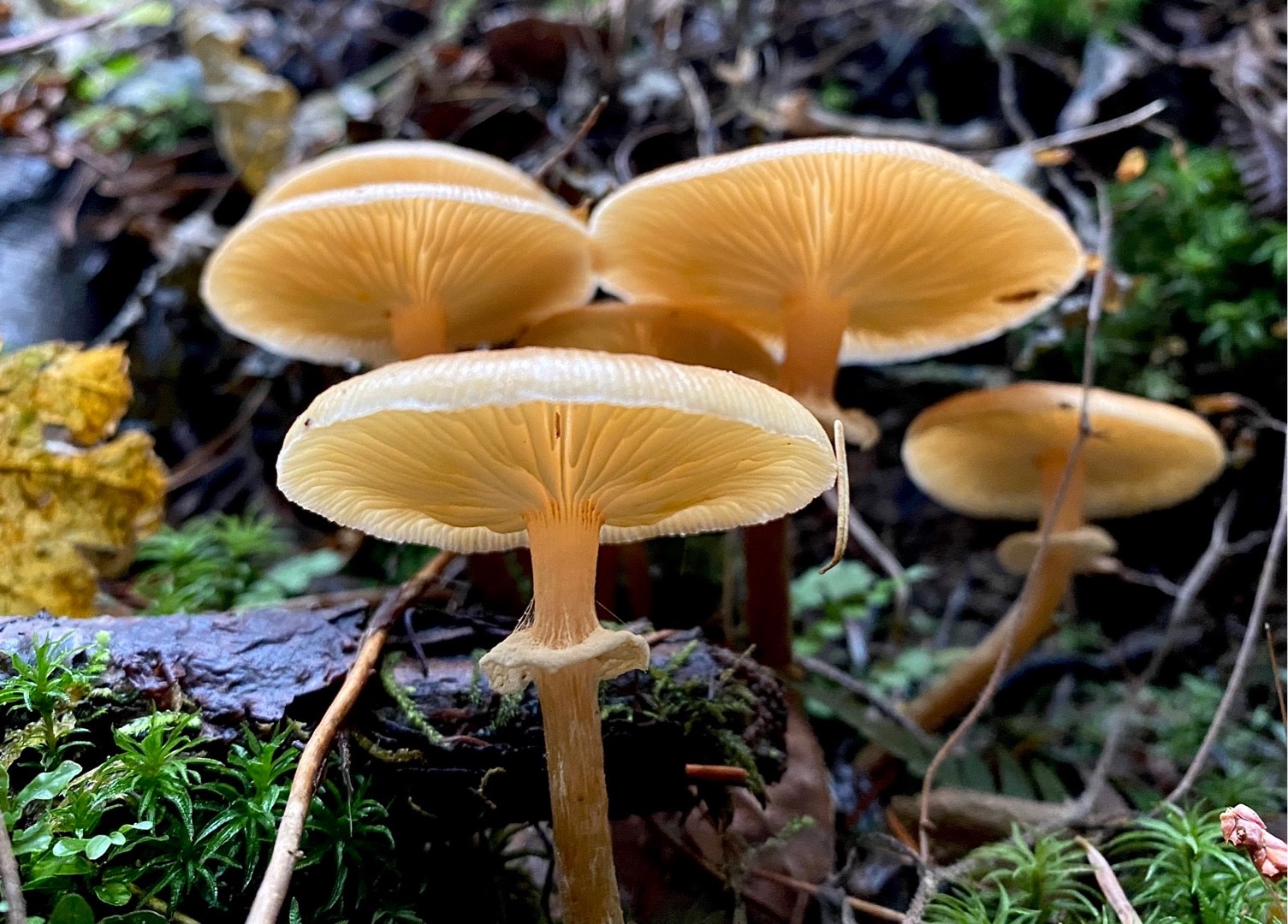
4. Armillaria root disease
Armillaria root disease (Armillaria novae-zelandiae) is a pathogen fungus of trees that causes great damage to forests of New Zealand. The species is also found in South America and DNA data suggest that the armillaria root disease was initially a Gondwana species.

5. Rooting shank
Rooting shank has been known by over a dozen names throughout the years. Despite this identity crisis, this rooting shank is not difficult to recognize due to its distinctive long stem, much of which is often hiding in the soil. This mushroom can most frequently be found on stumps or deadwood beneath the ground.
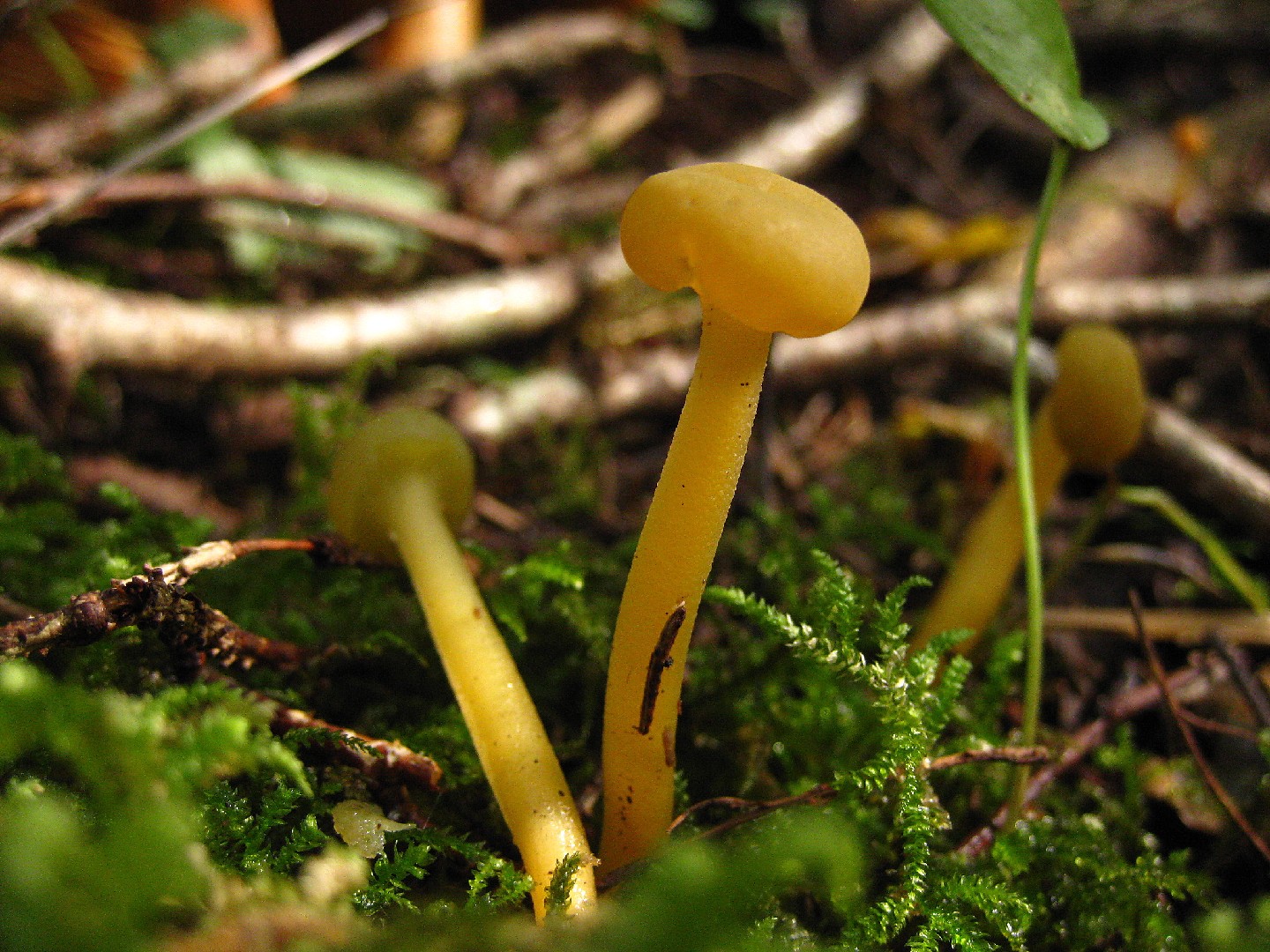
6. Jelly baby
The jelly baby (Leotia lubrica) has a very disgusting appearance, complete with a gooey cap of yellow or black and a slimy yellow stem. The cap is irregular in shape and is usually bulbous. The gelatinous texture and lack of flavor make this mushroom less than desirable for gathering; it is considered inedible.
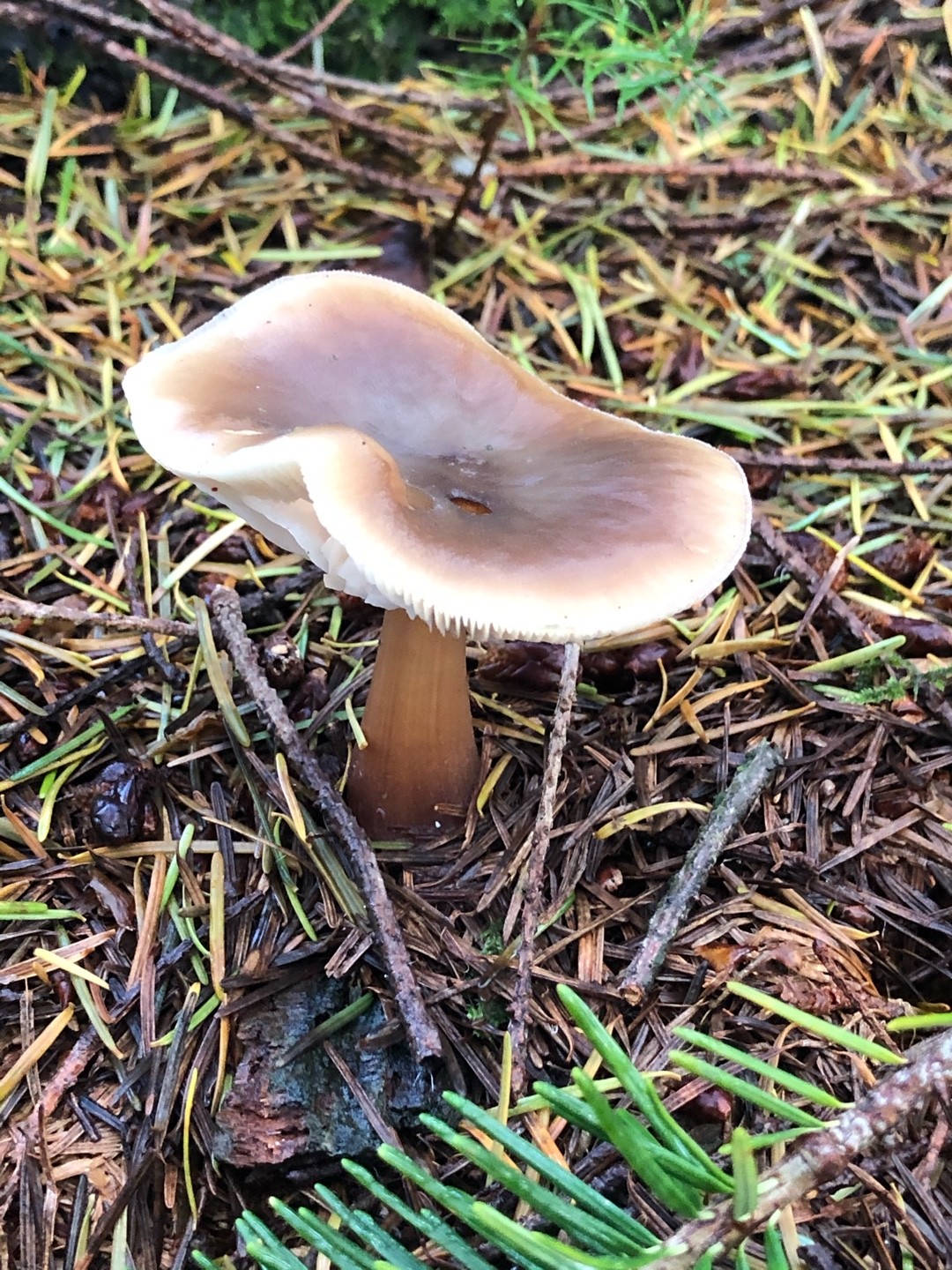
7. Buttery collybia
Buttery collybia mushrooms grow mainly on the floors of coniferous forests, from summer to winter across Europe and North America. This mushroom is called “buttery” not for its flavor, but rather the greasy texture of its surface. In the genus name, “rhodo” means pink, a reference to the shade of the gills beneath its cap.
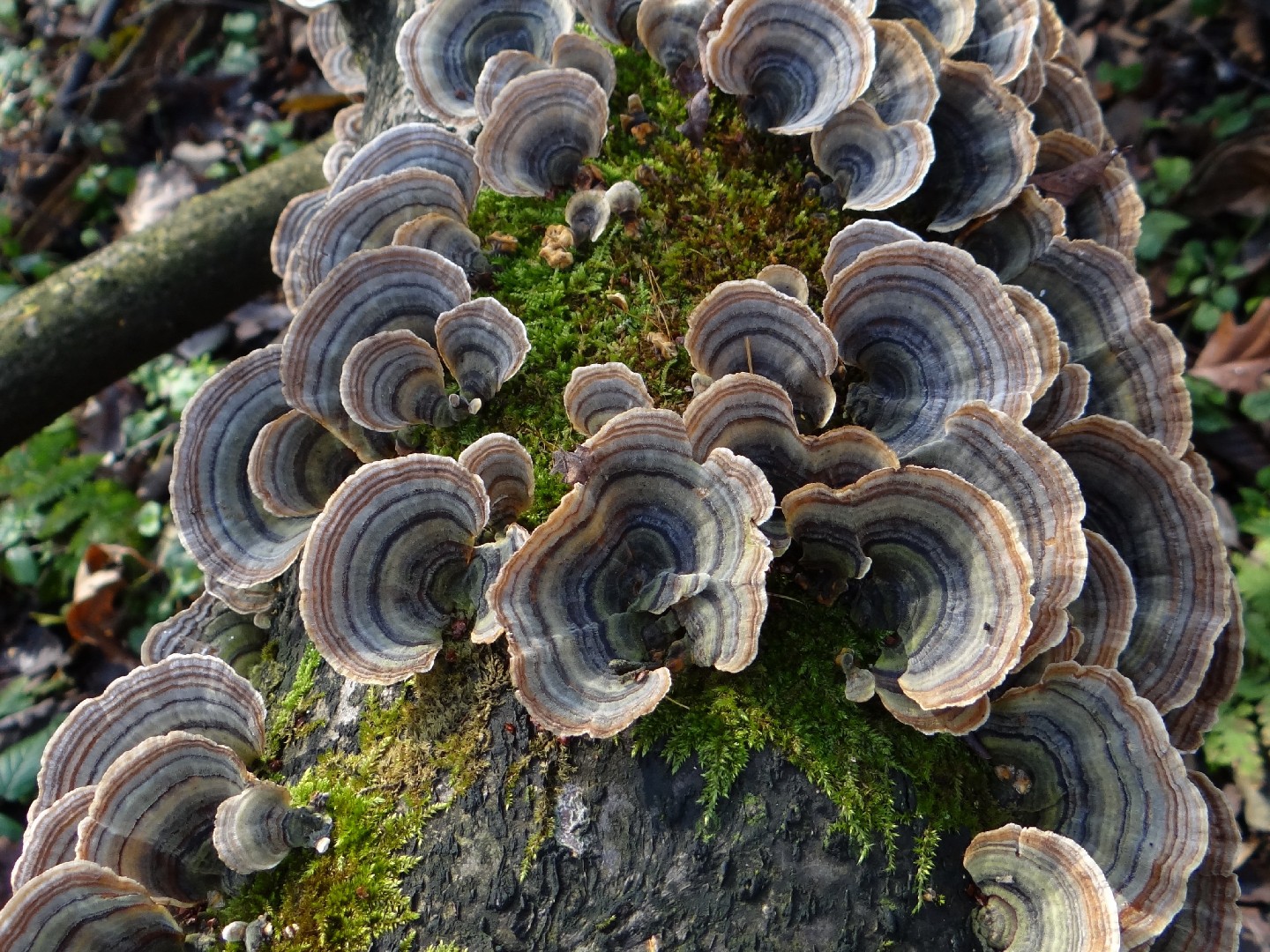
8. Turkey tail
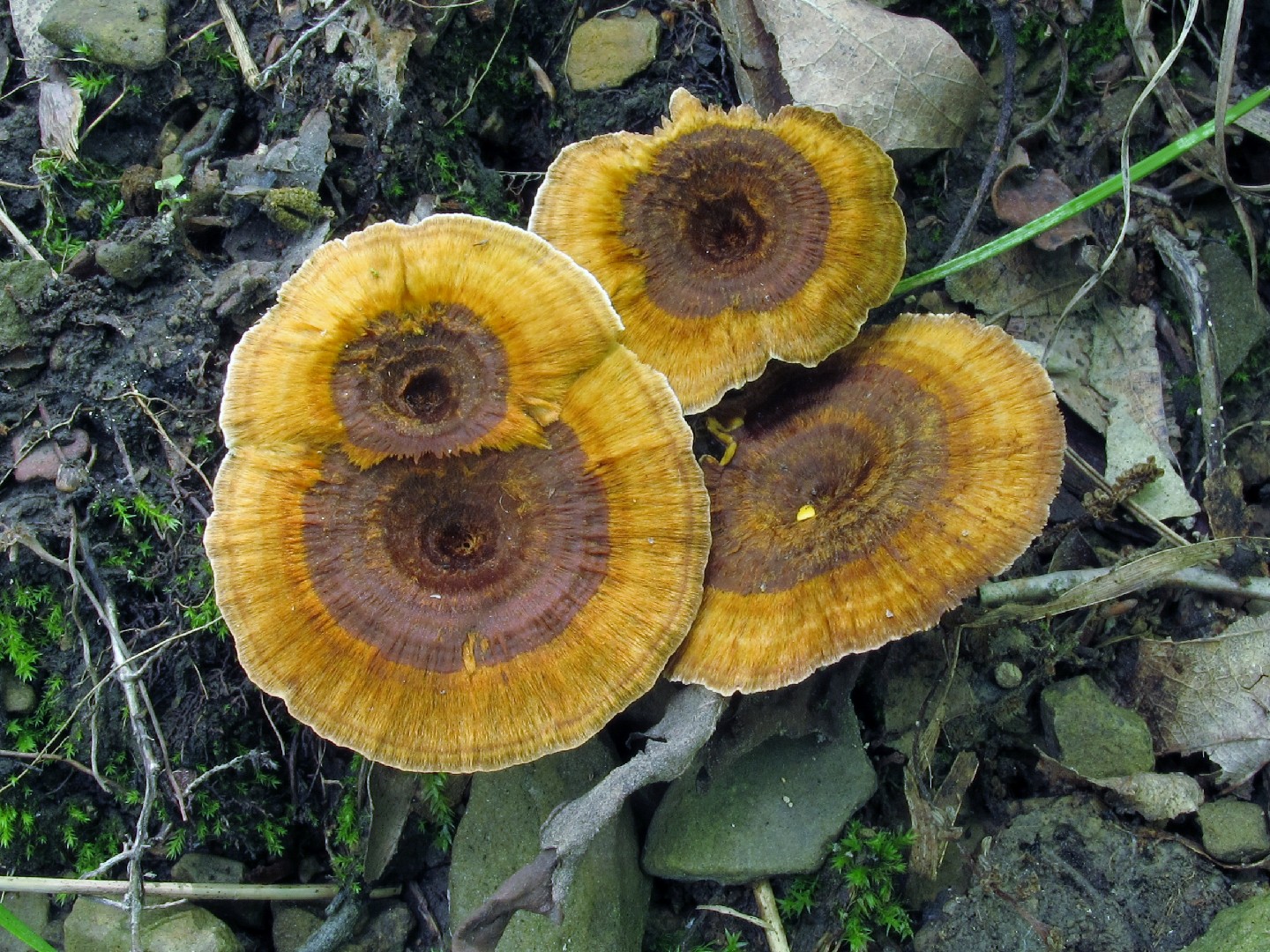
The distinctively-striped turkey tail fungus grows on stumps and logs all over the forests of the northern hemisphere. It is, in fact, probably the most common species you will find. That doesn't mean this mushroom is plain, however; each cap is uniquely patterned. Look for bands of alternating textures as well as color.
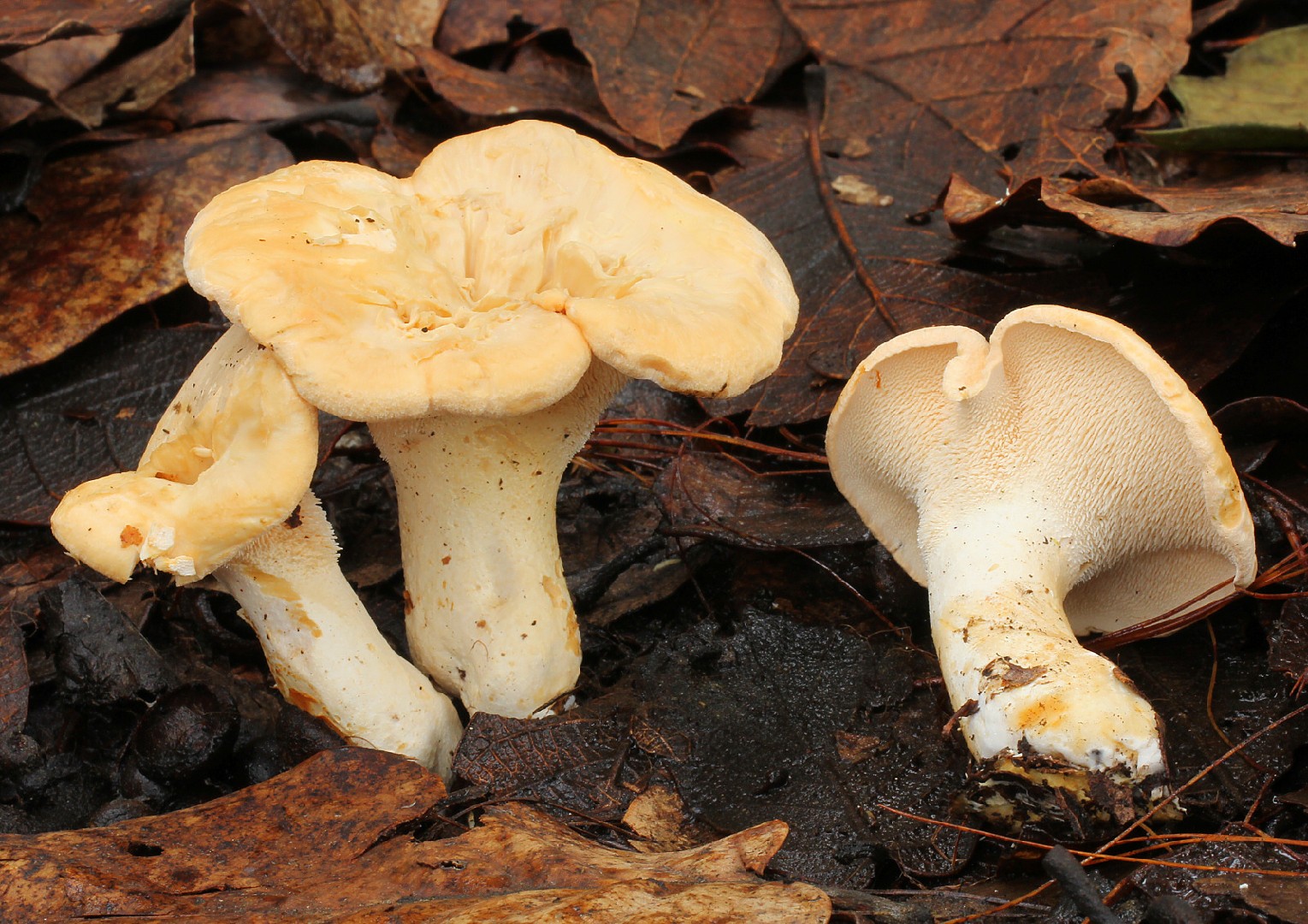
9. Sweet tooth
This mushroom is distinctive for the spines, or teeth, that hang down from the underside of its cap. It can be found on forest floors singly or in groups. In spite of the name, sweet tooth, it has a slightly spicy bite and bitter aftertaste. This wild mushroom needs to be cooked before it is truly edible, and only young, parasite-free mushrooms should be harvested.
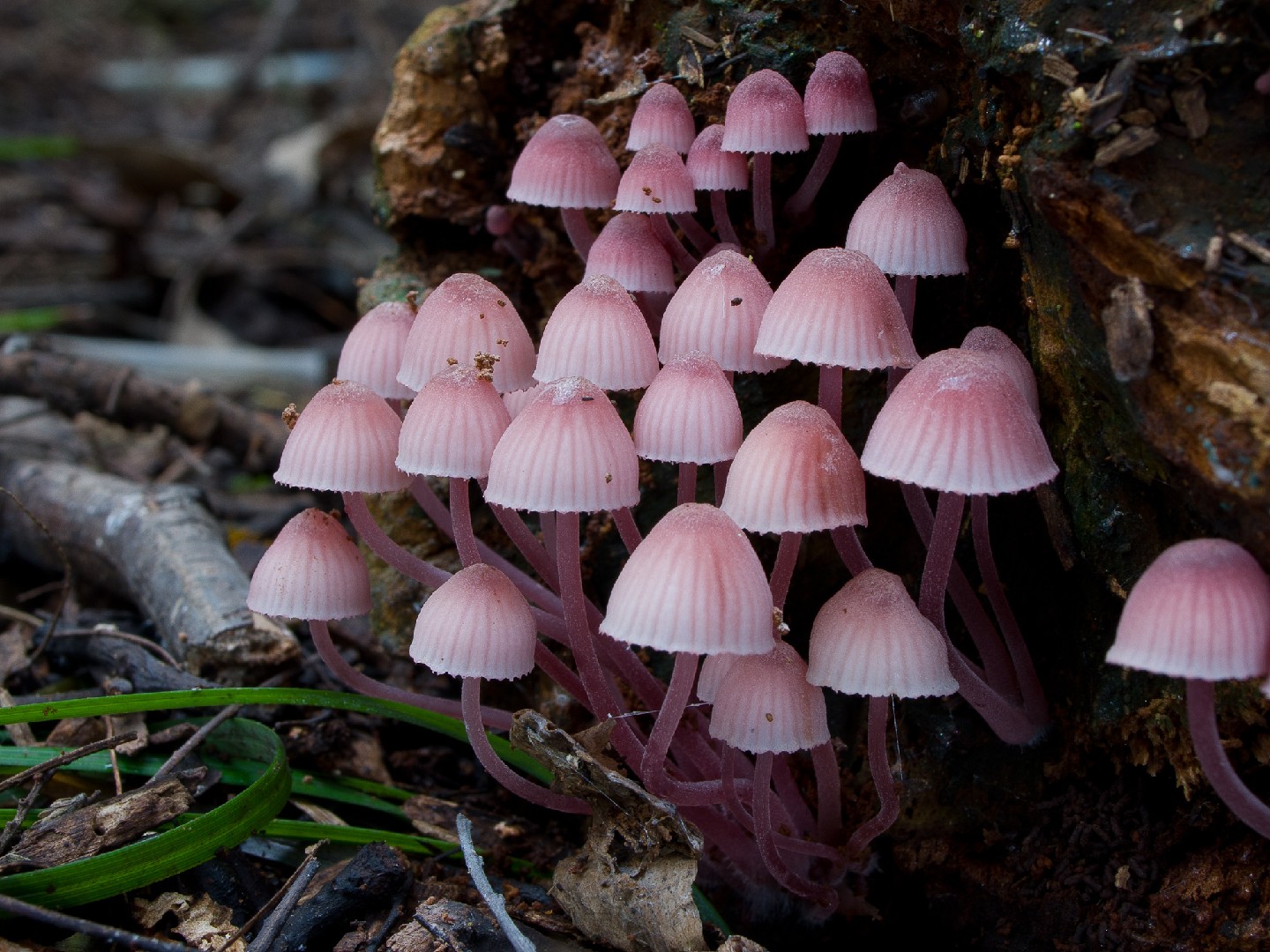
10. Mycena kuurkacea
It was first described in 2003 by the Australian mycologist Cheryl A. Grgurinovic, based on specimens found in New South Wales, Australia. The shape of the hat (pyro) is flared and brown, just like the stem. They are grouped between the litter and remains of dead wood of eucalyptus.
More







