




Top 20 Most Common Mushrooms in Wollongong

Most Common Mushrooms
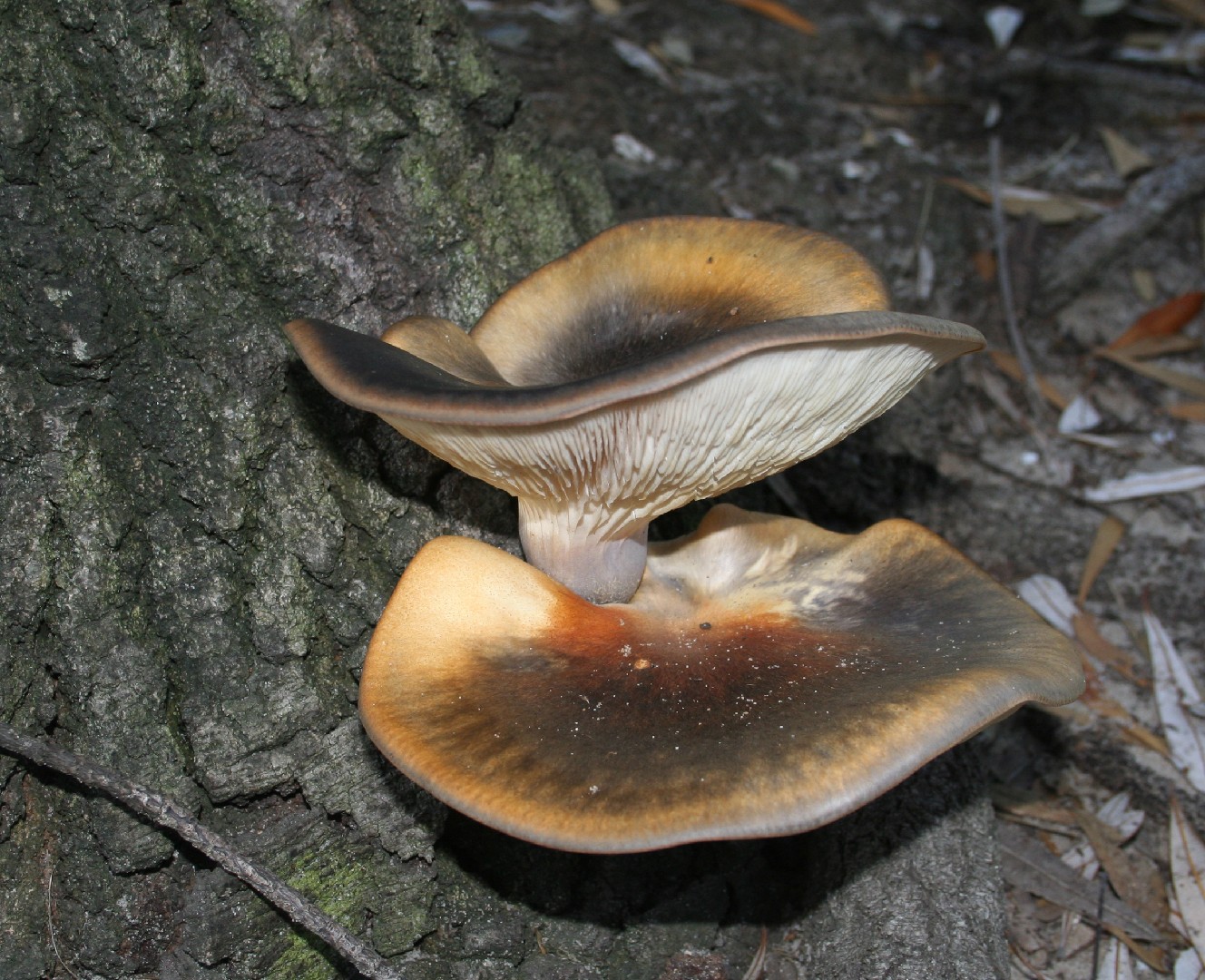
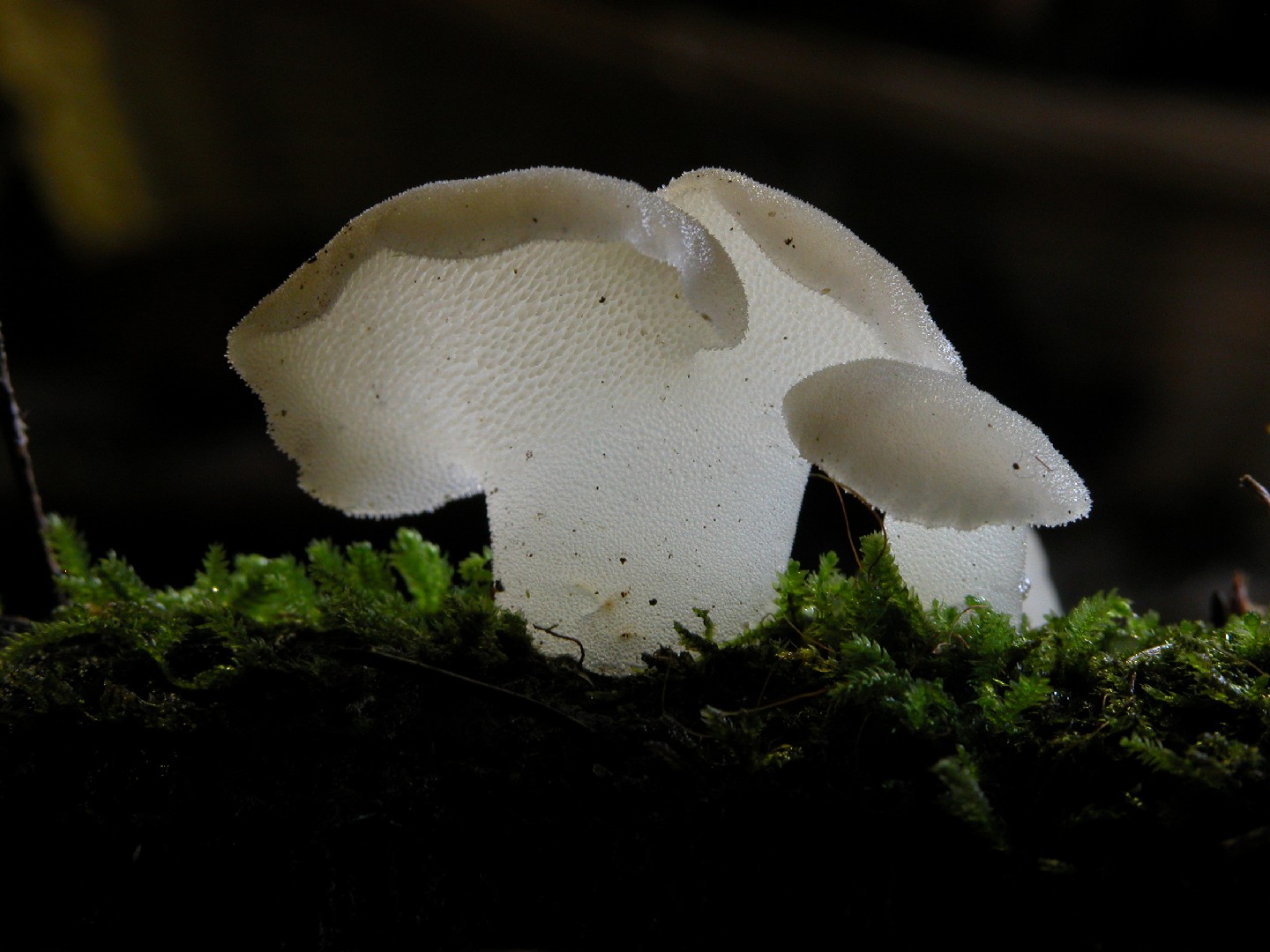
1. Ghost fungus
The ghost fungus is an Australian mushroom, similar in appearance to the well-known Pleurotus ostreatus (the Oyster mushroom). So similar, in fact, that it was even once considered a member of the same genus. But unlike the oyster mushroom, the ghost fungus is not edible, but mildly poisonous instead.
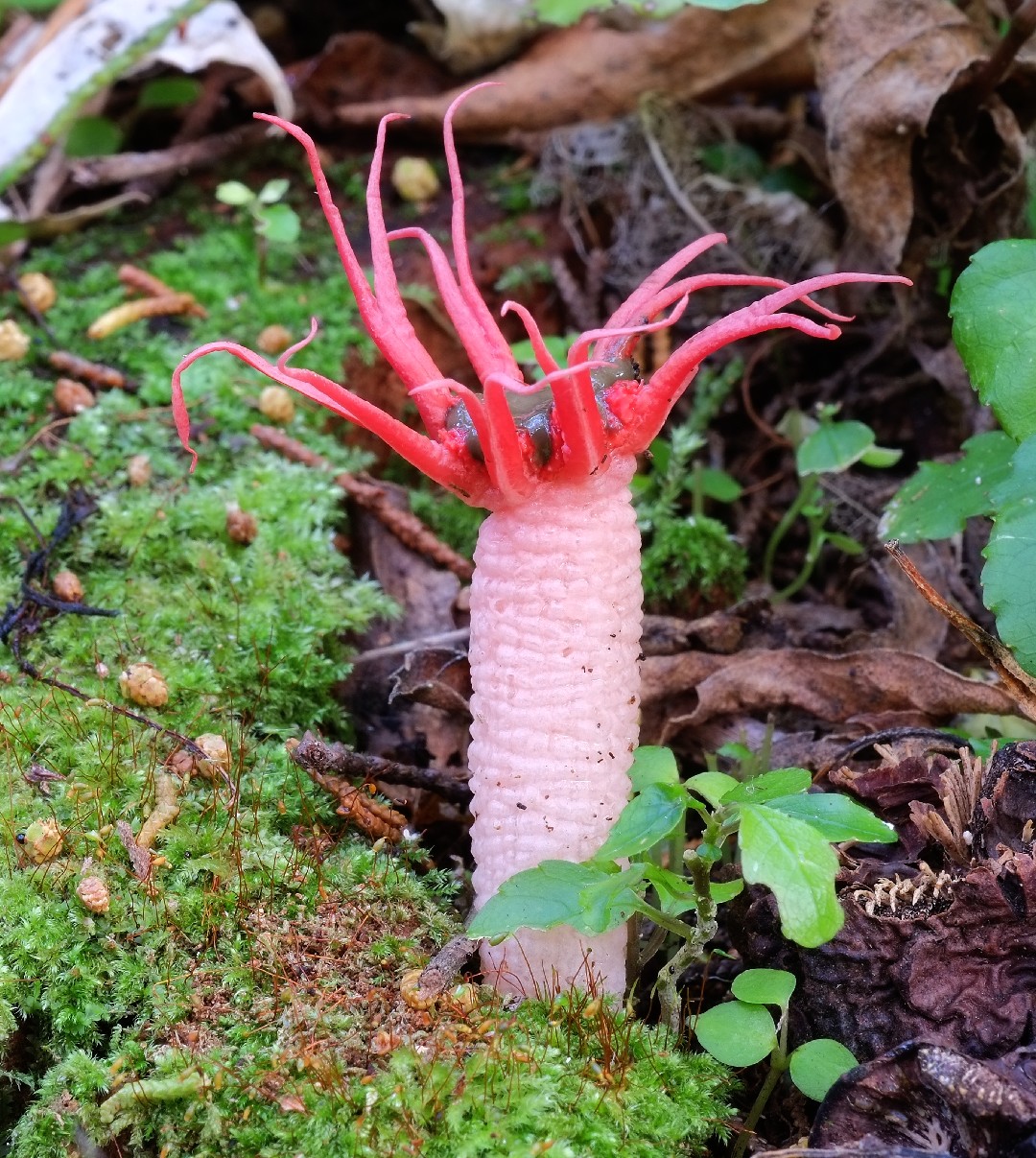
2. Anemone stinkhorn
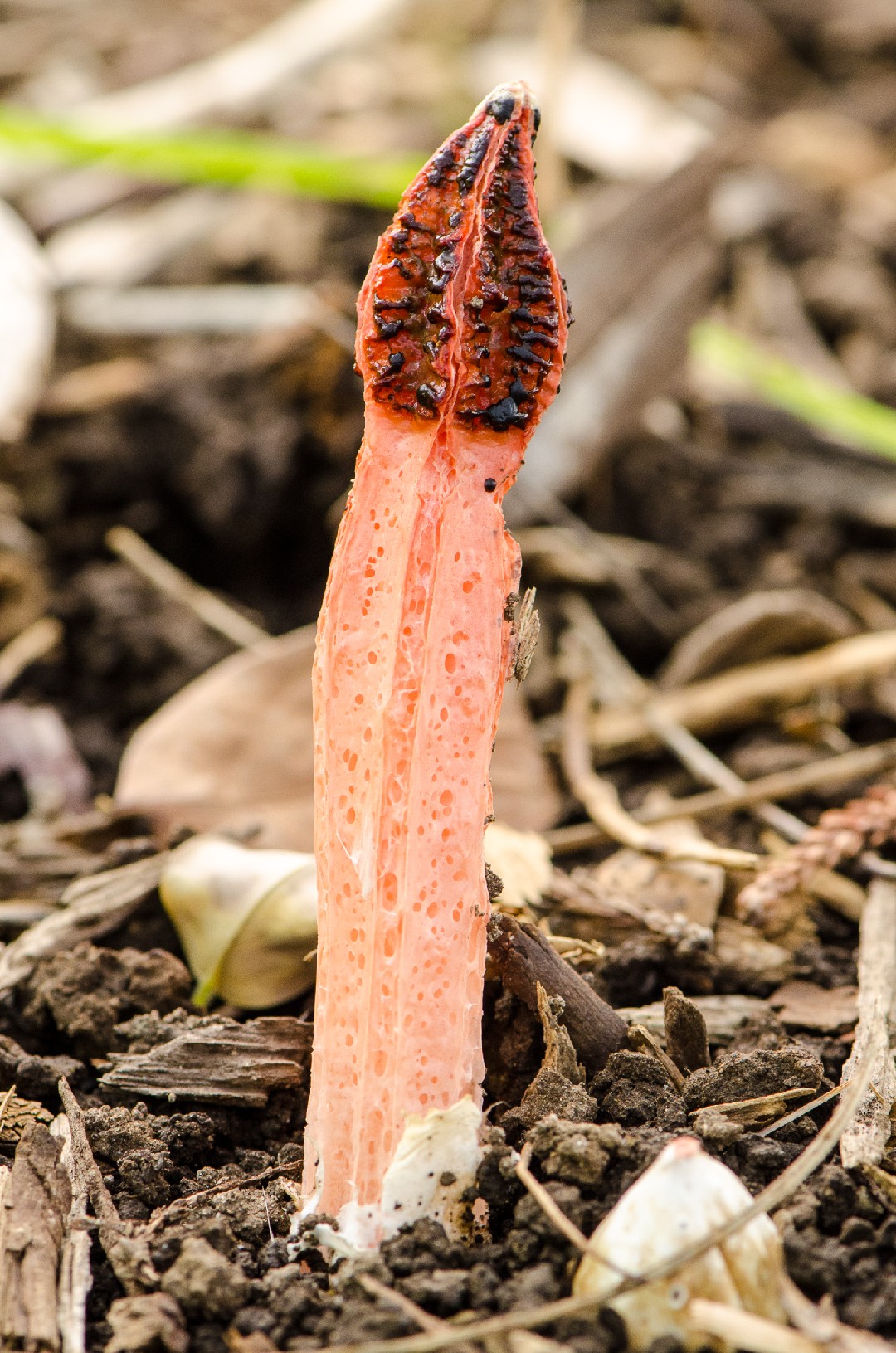
The anemone stinkhorn (Aseroe rubra) looks like a creature straight from the depths of the ocean…or perhaps a horror movie! This Australian native starts fruiting with a white, egg-like ball that breaks open to reveal bright red tentacle-like fingers that spread toward the sky with radial symmetry and the odor of rotting meat. It has spread to tropical and sub-tropical areas around the world and is potentially poisonous.
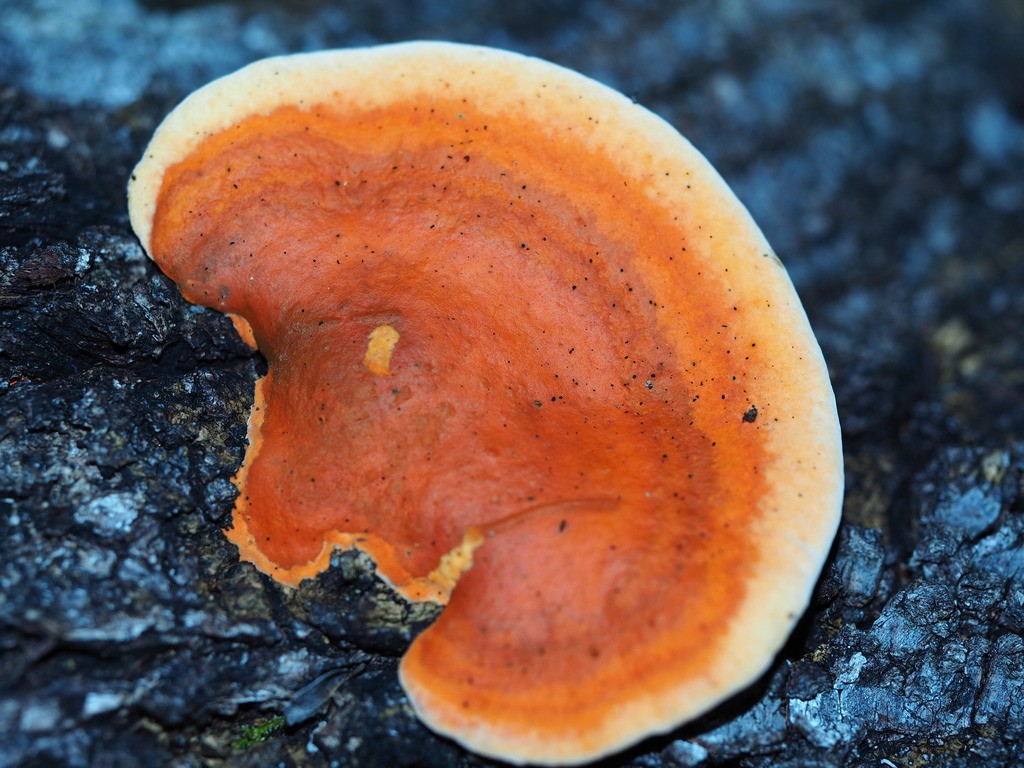
3. Southern cinnabar polypore
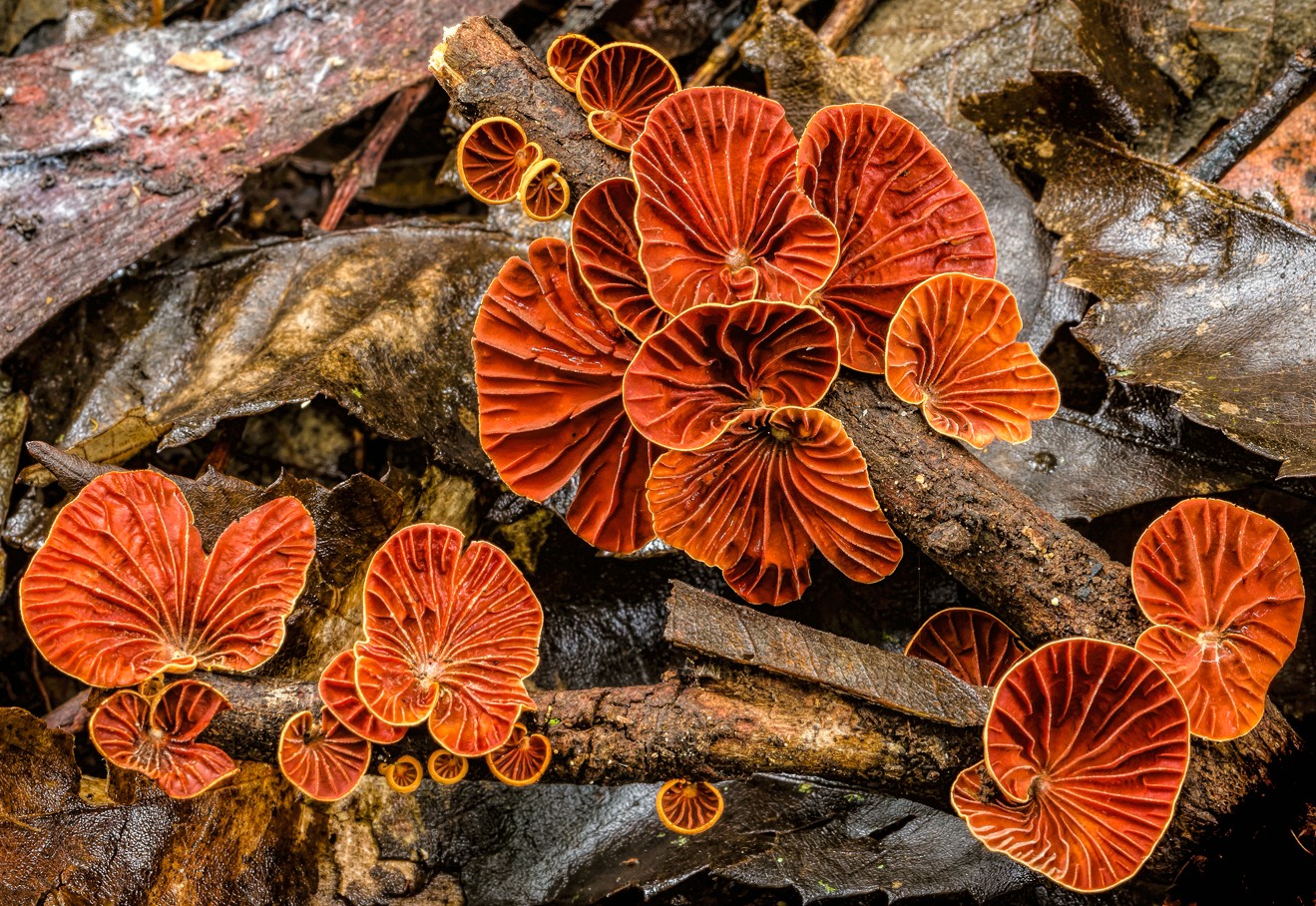
Southern cinnabar polypore grows in a variety of contexts, though it prefers to grow on deadwood near open water sources. This mushroom fruits from the late summer to early winter. True to its name, young southern cinnabar polypore has a bright orange color that's similar to cinnabar but may fade in older age.
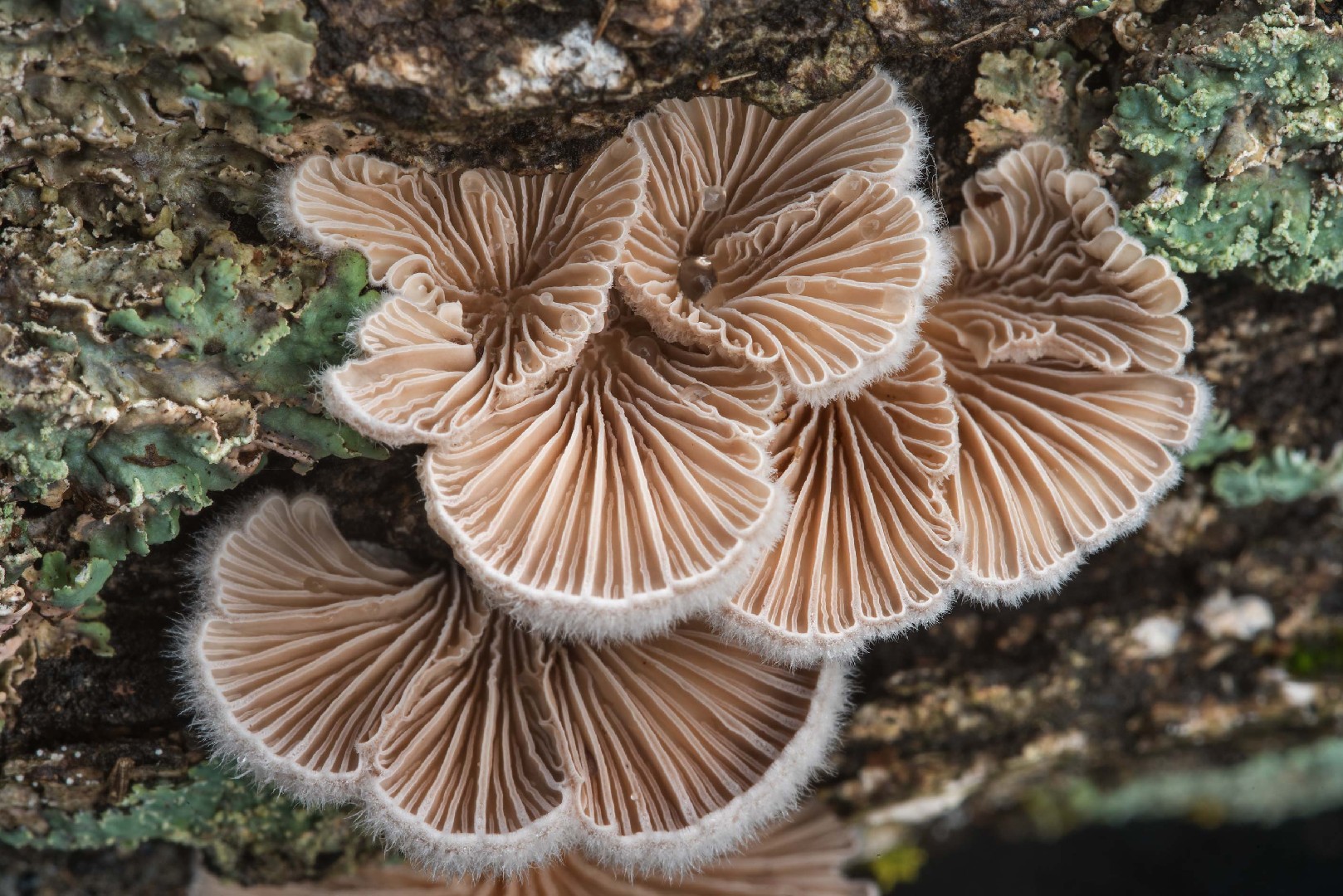
4. Split gill
Split gill(Schizophyllum commune) can be found across the globe. Uniquely, it is the only mushroom species known to display the capability to retract by movement. It is considered inedible, although not necessarily toxic. Furthermore, it is not recommended to smell this species, as the spores are capable of sprouting and growing in nasal passages.
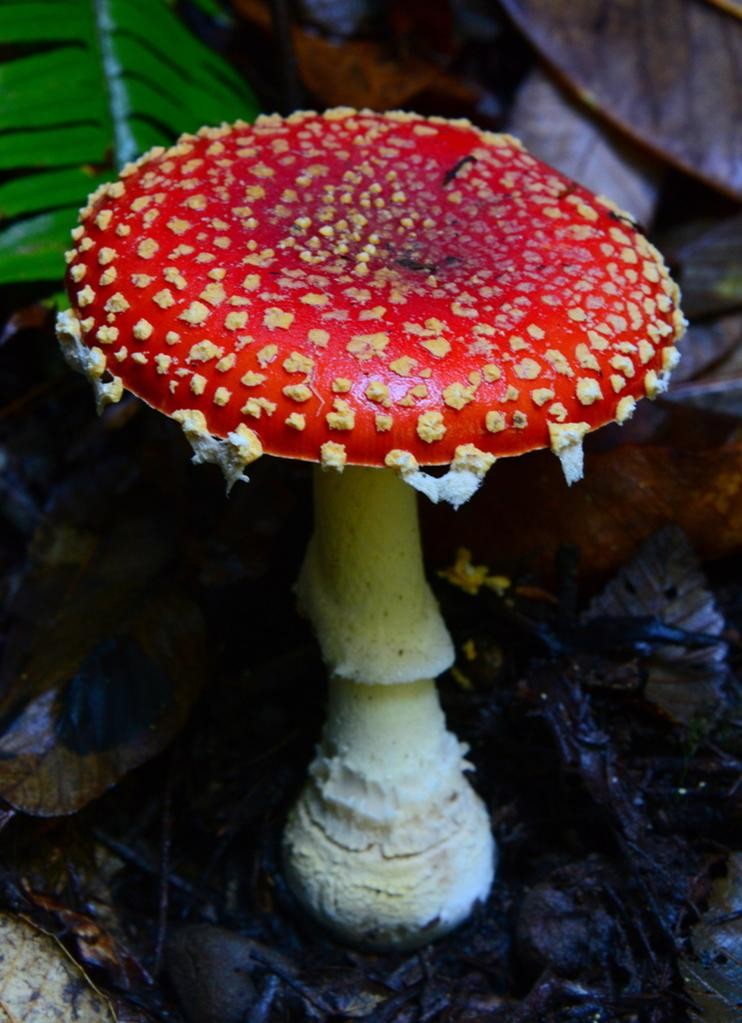
5. Fly agaric
In Northern Asia and Europe, fly agaric grows under trees near the winter solstice and is collected for ritual use tied to the season. Its characteristic shape and coloring are still ubiquitous in many European fairy tale illustrations and Christmas traditions. It is highly toxic.
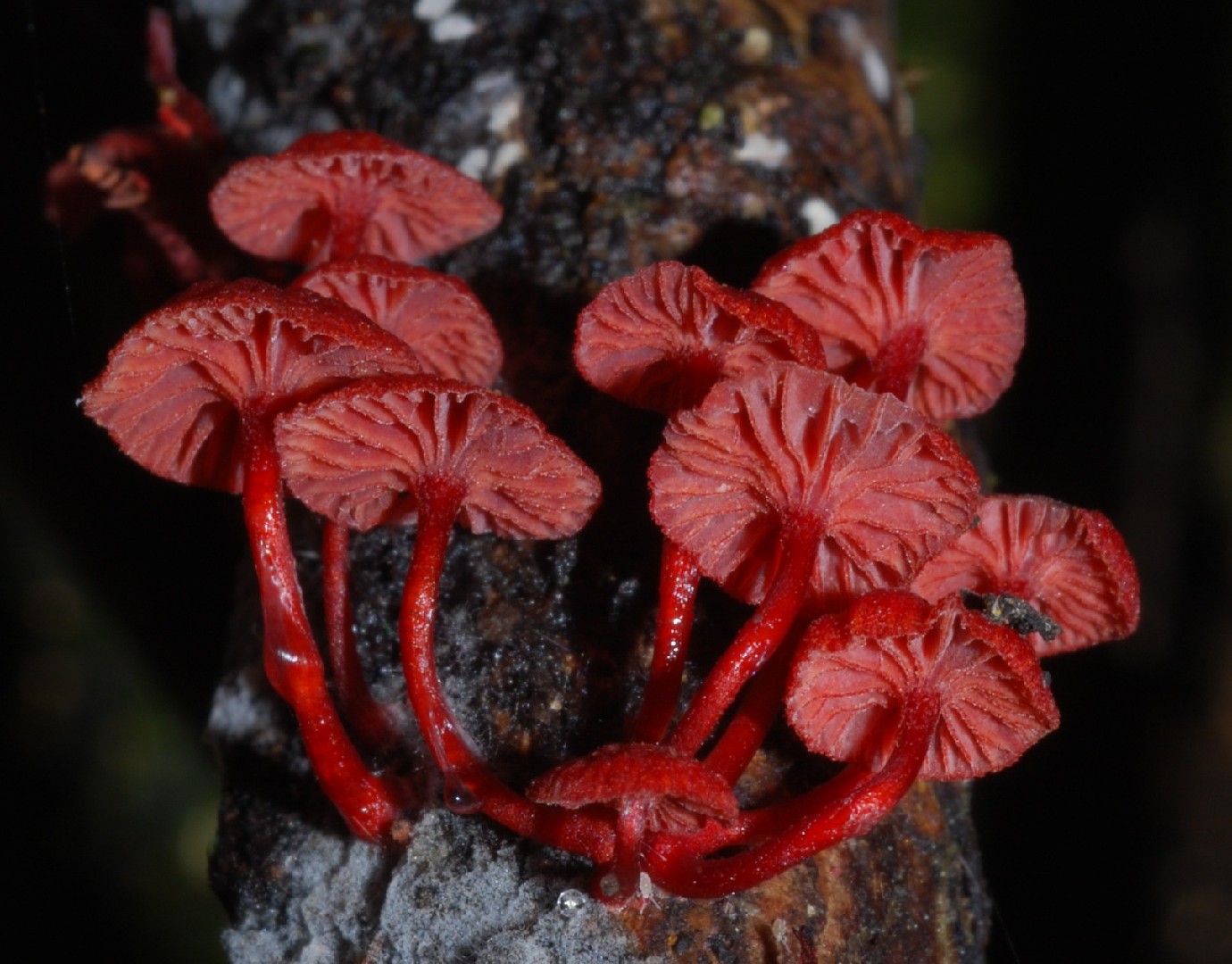
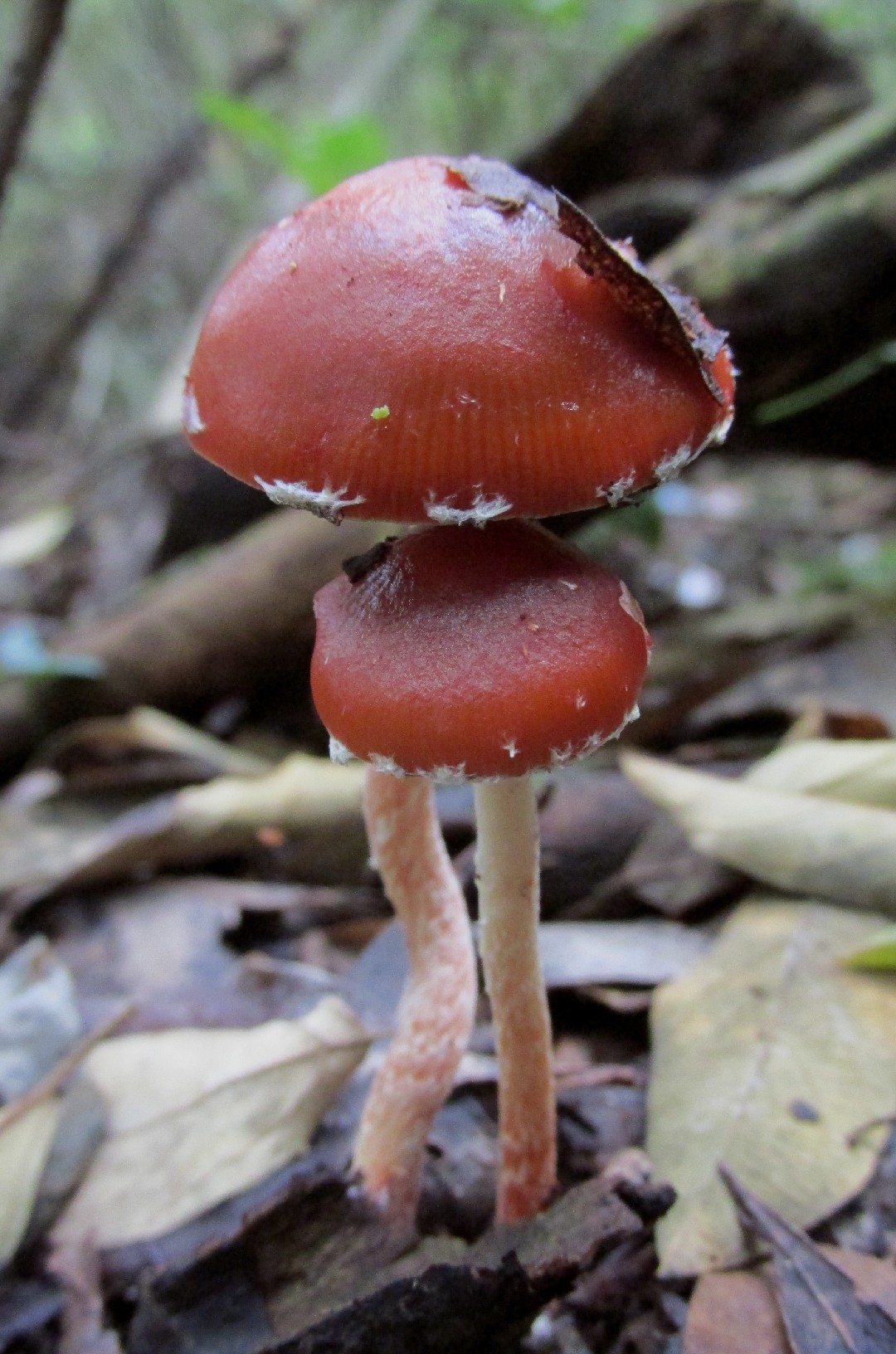
6. Ruby bonnet
A native of Australia and New Zealand, the vividly colored, deep red ruby bonnet (Cruentomycena viscidocruenta) appears in small groups on woody debris in autumn and winter. Its scientific name means “sticky-bloody” and this is a good description of how the fruitbodies appear when wet.
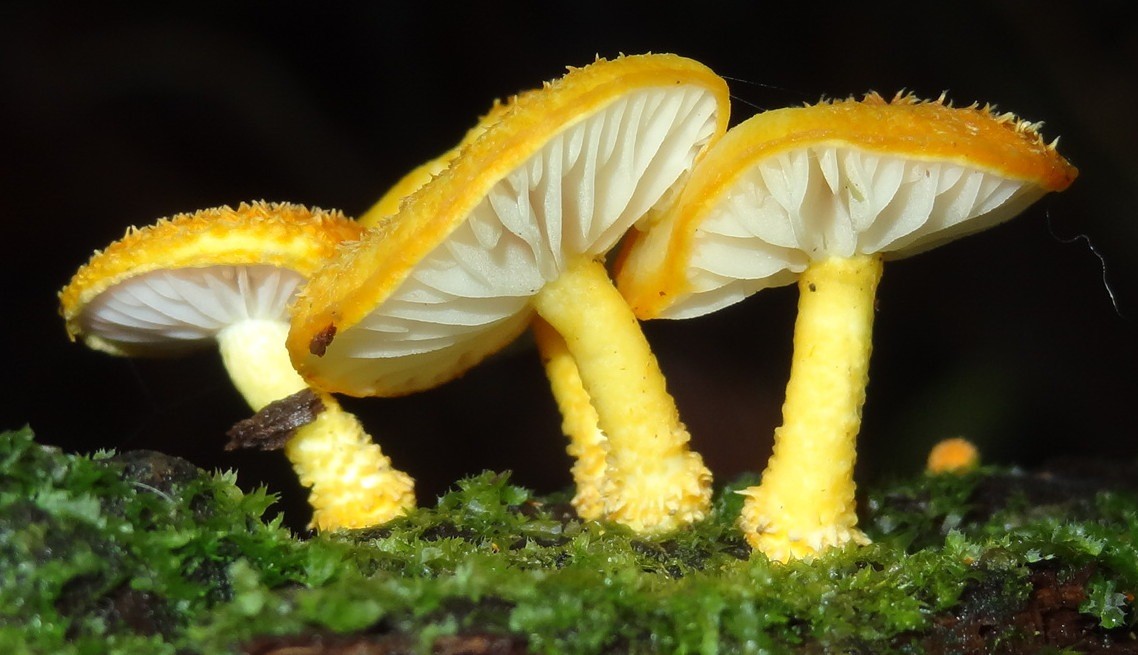
7. Golden scruffy collybia
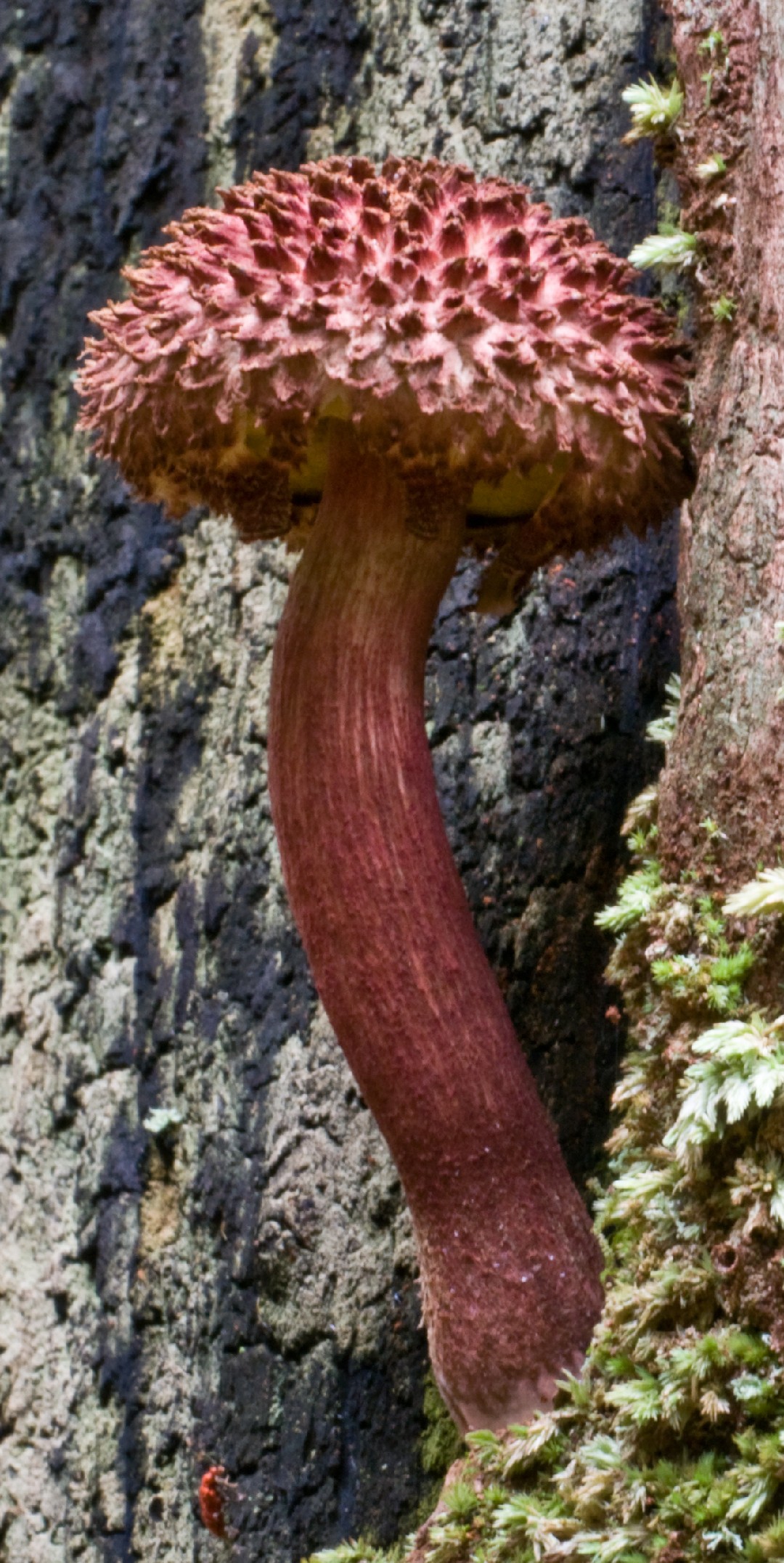
The golden scruffy collybia (Cyptotrama asprata) produces tiny, picturesque mushrooms with caps and stems covered in even tinier bright orange spikes. The cap surface below is commonly a shade of yellow. These mushrooms smell faintly of artichokes.
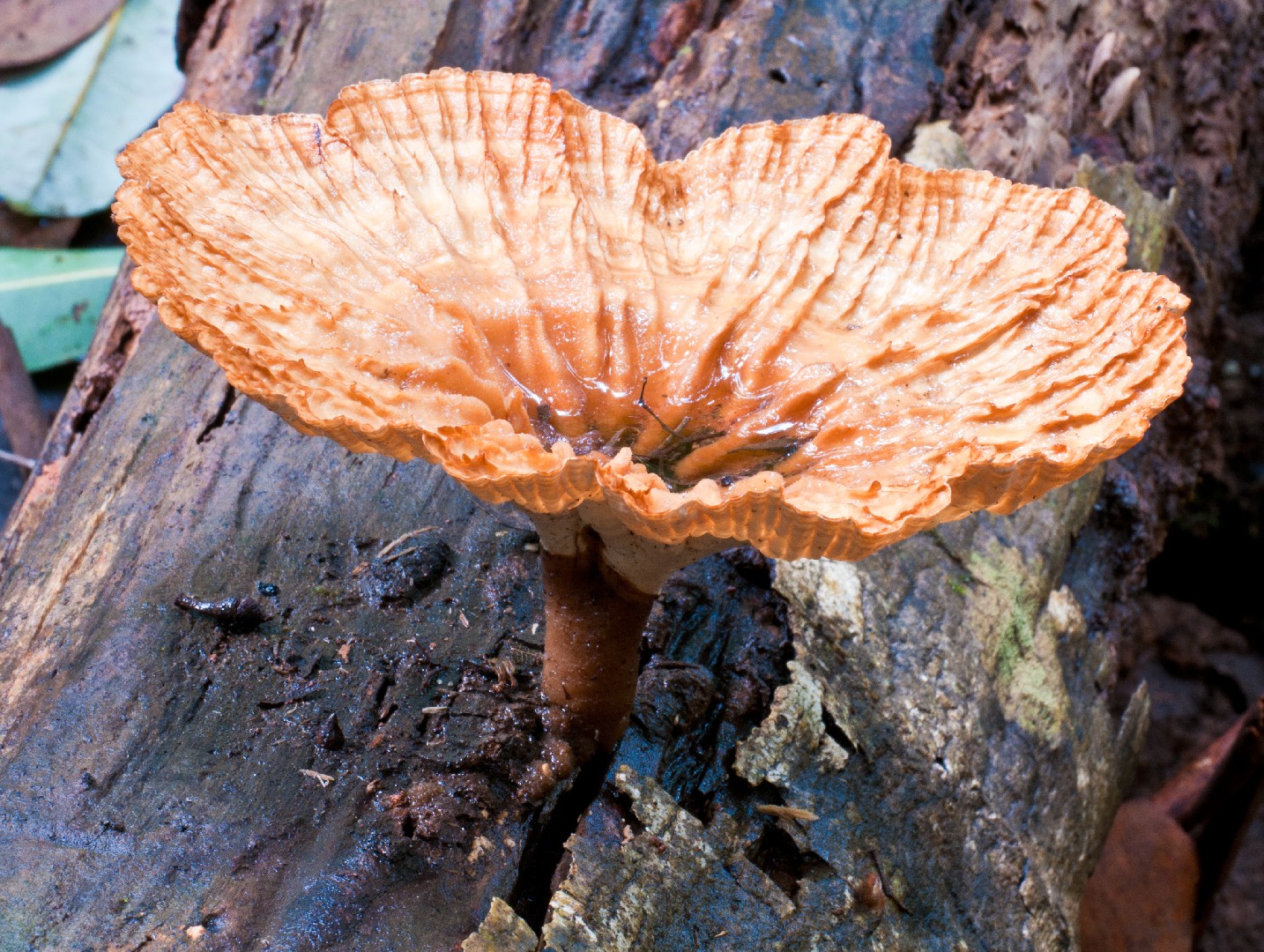
8. Cymatoderma elegans
9. Orange fan
10. Panellus pusillus
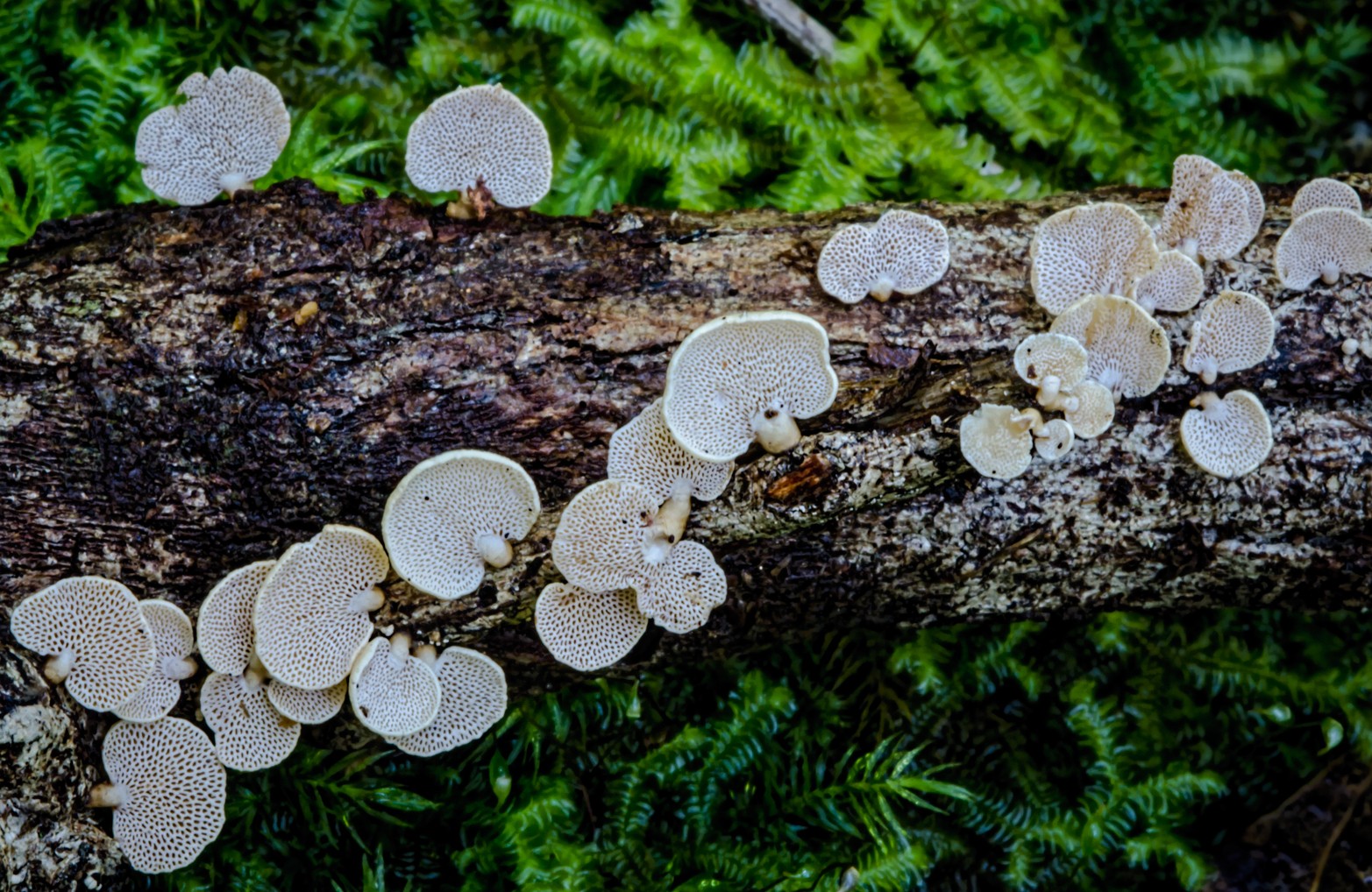
Panellus pusillus is a species of fungus in the Mycenaceae family. A species with a wide distribution, of which there are records in Australia, Asia, Europe, North America, and South America.


More







