




Top 20 Most Common Mushrooms in Albania
Nestled in southeastern Europe, Albania offers a variety of landscapes from mountains to coastal regions, providing a vibrant habitat for mushrooms. This range of climates, coupled with diverse flora and fauna, has led to a rich spectrum of mushroom species. In this captivating world of fungiculture, we explore the top 20 most common mushrooms in Albania, unveiling their unique traits and adaptations. So, delve into the intriguing world of these fungi that demonstrate Albania's natural diversity in the most extraordinary way.

Most Common Mushrooms
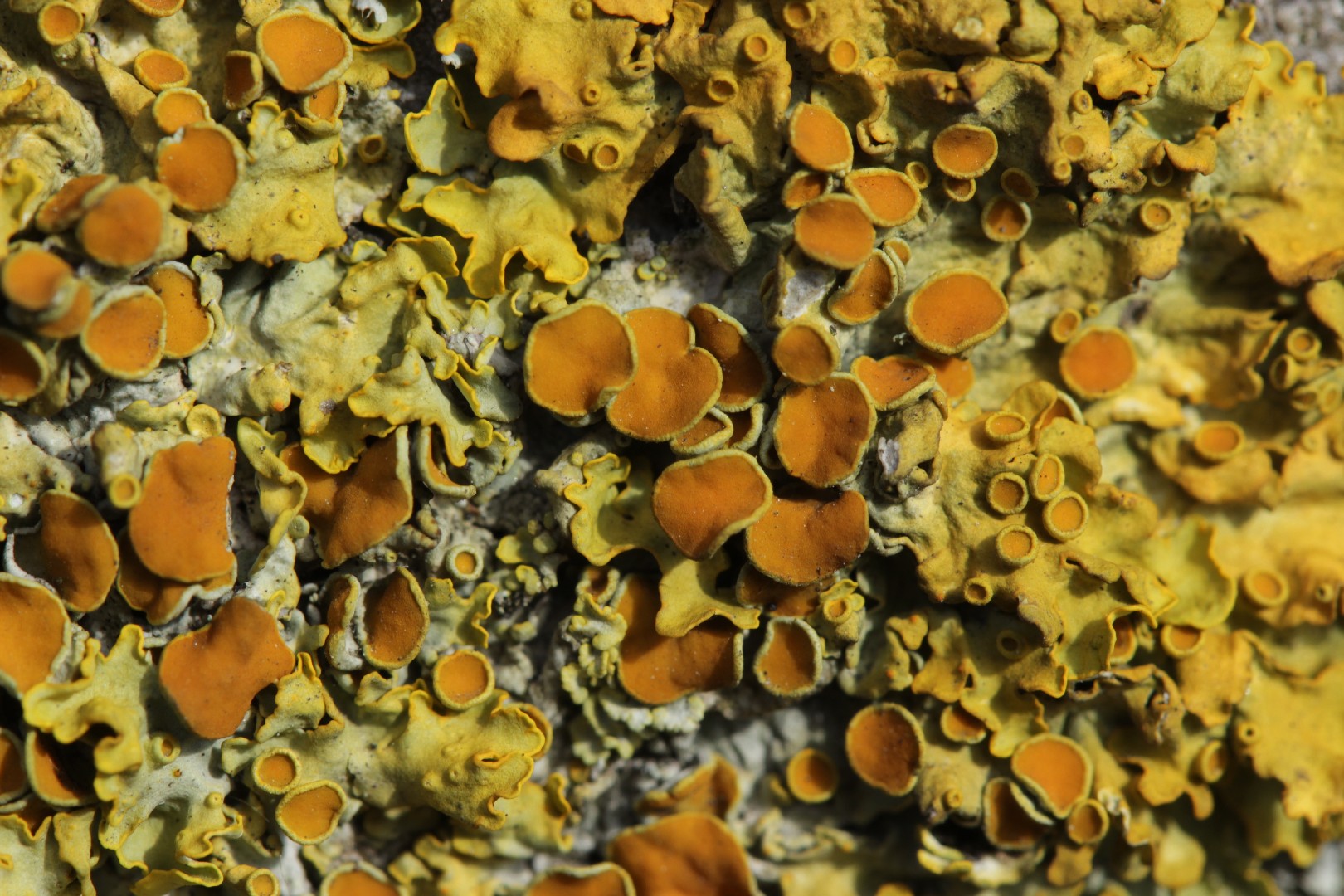
1. Common orange lichen
Common orange lichen was selected in 2006 by the United States Department of Energy as a model for genomic sequencing. Its widespread dispersal and bright yellow-orange color give the lichen its common name. It is primarily found growing on rocks, walls, and tree bark.
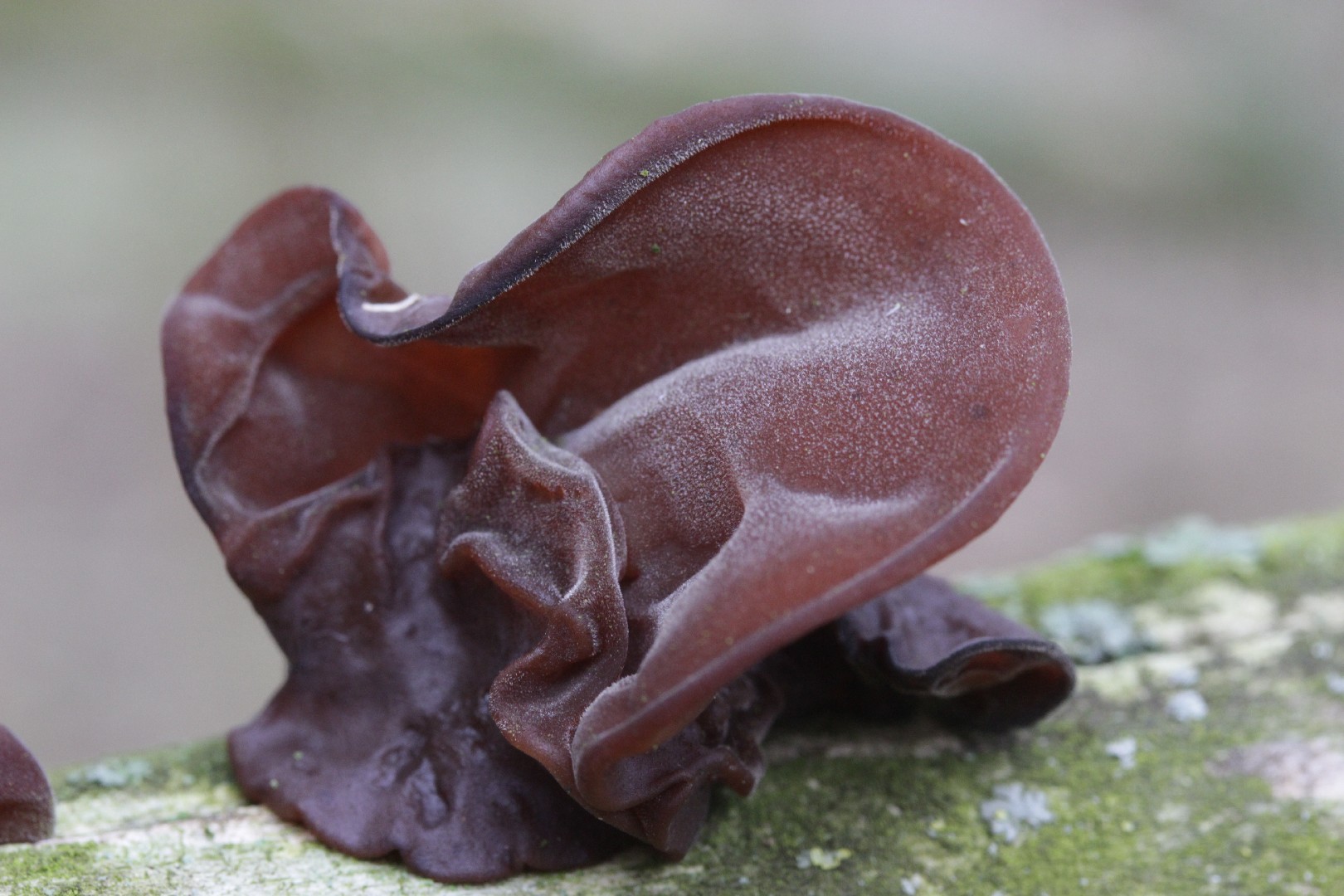
2. Jelly ear
The distinctive jelly ear grows mainly through winter and spring, mostly on the dead trunks and branches of elder trees. It occurs around the world and is often cooked into dishes in Asian countries. This ear-shaped jelly mushroom is often available in stores both fresh and dried.

3. Shaggy mane
The shaggy mane mushroom is commonly found in North American and European grasslands. Some peoples foraged for its young egg-shaped caps, but it has more recently been found to be a bioaccumulator of heavy metals, meaning it pulls toxic metals up from the soil where it grows. As a result, shaggy manes should not be eaten. The mushrooms usually appear in clusters or “fairy rings.”
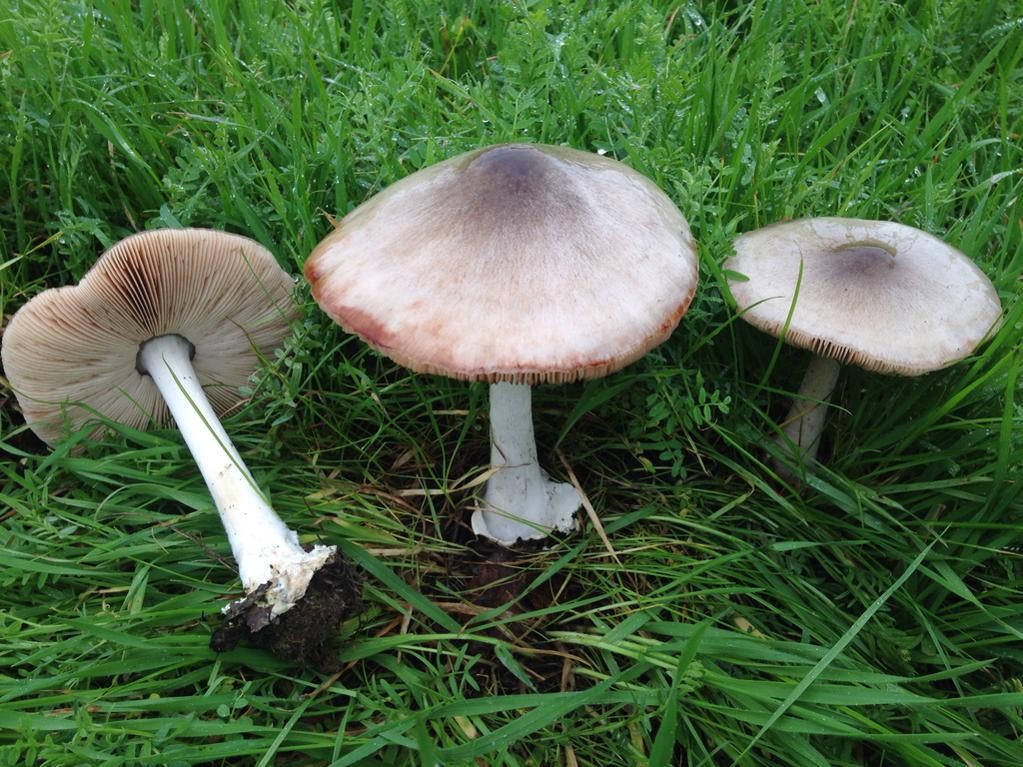
4. Big sheath mushroom
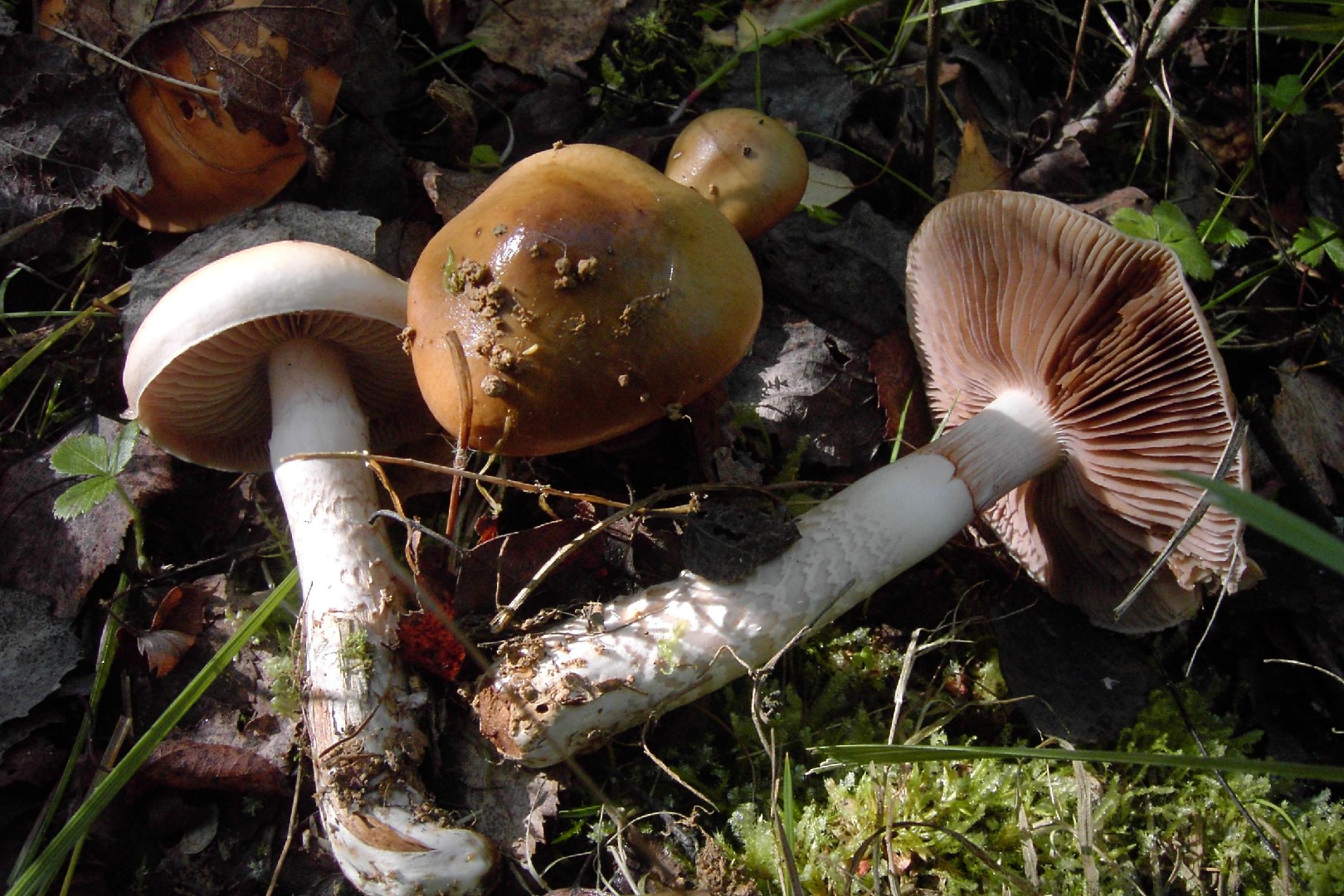
These large white mushrooms bloom all over cleared, harvested fields, as well as pastures and roadsides. The scientific species name comes from Greek words meaning “glue” (glioio) and “head” (cephalus), in reference to the sticky surface of this mushroom’s cap. The big sheath mushroom looks so similar to the poisonous Deathcap and Destroying Angel mushrooms that it should always be left alone.
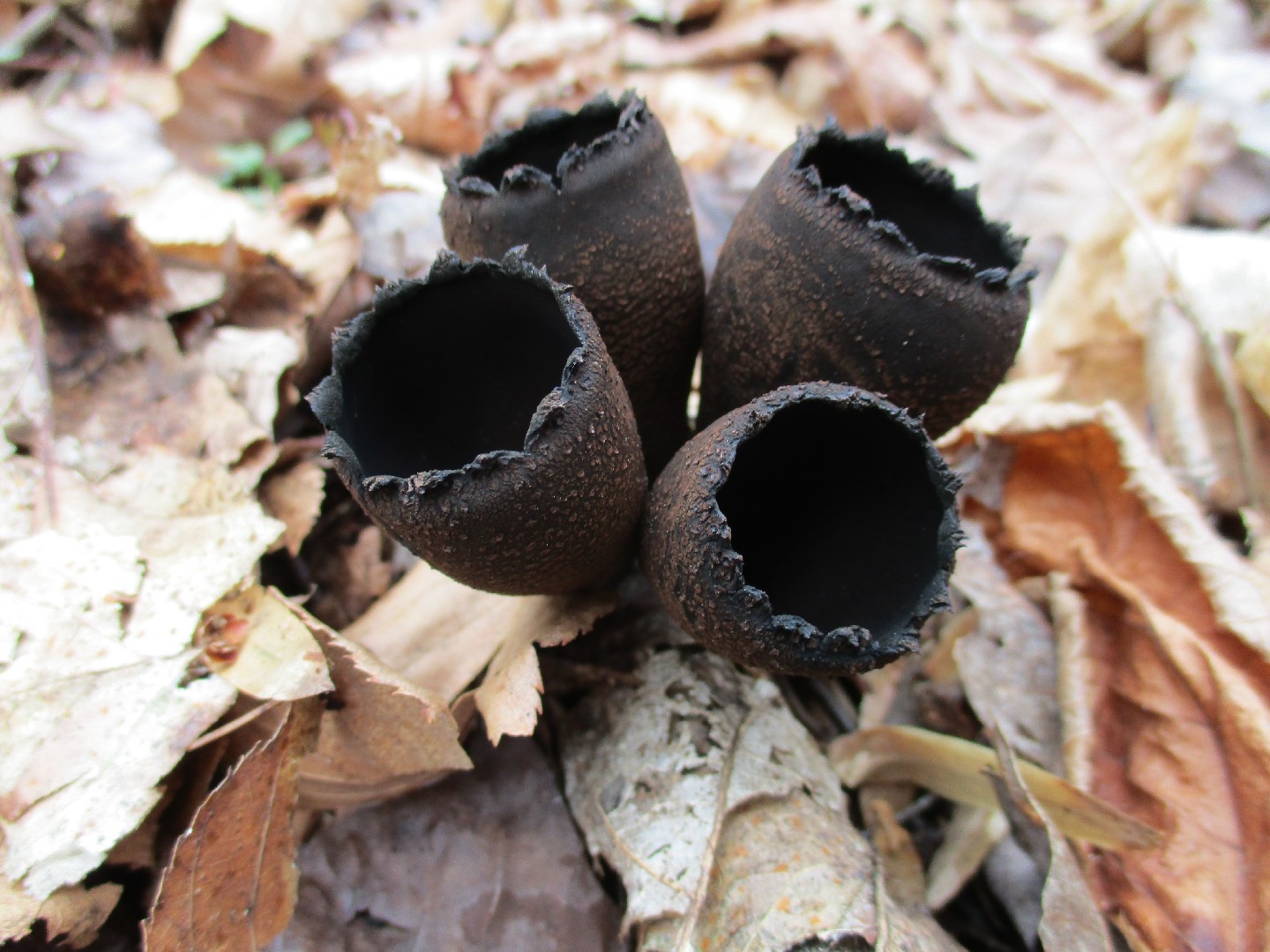
5. Devil's urn
The devil's urn (Urnula craterium) is a black or brown cup-shaped fungus. The species' tough, cracked outer layer and dark coloration may give it a scorched appearance. Devil's urns tend to grow in clusters and are usually found adorning fallen branches and rotting logs. Though the species is not edible itself, gatherers keep an eye out for it, as it usually fruits at about the same time as morels.
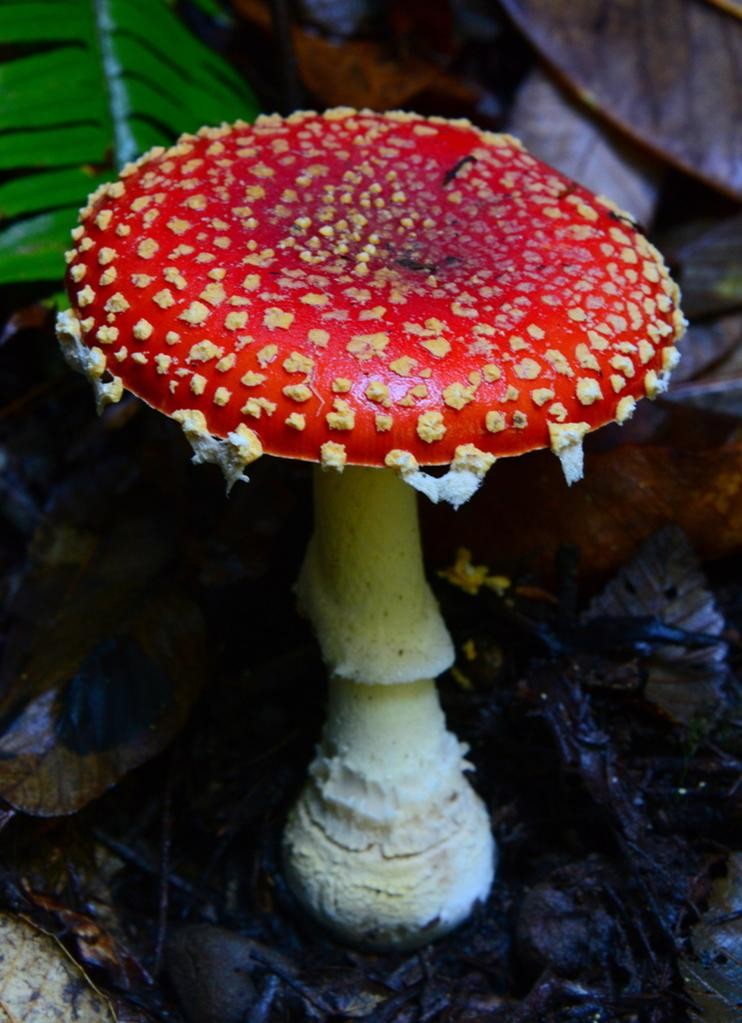
6. Fly agaric
In Northern Asia and Europe, fly agaric grows under trees near the winter solstice and is collected for ritual use tied to the season. Its characteristic shape and coloring are still ubiquitous in many European fairy tale illustrations and Christmas traditions. It is highly toxic.
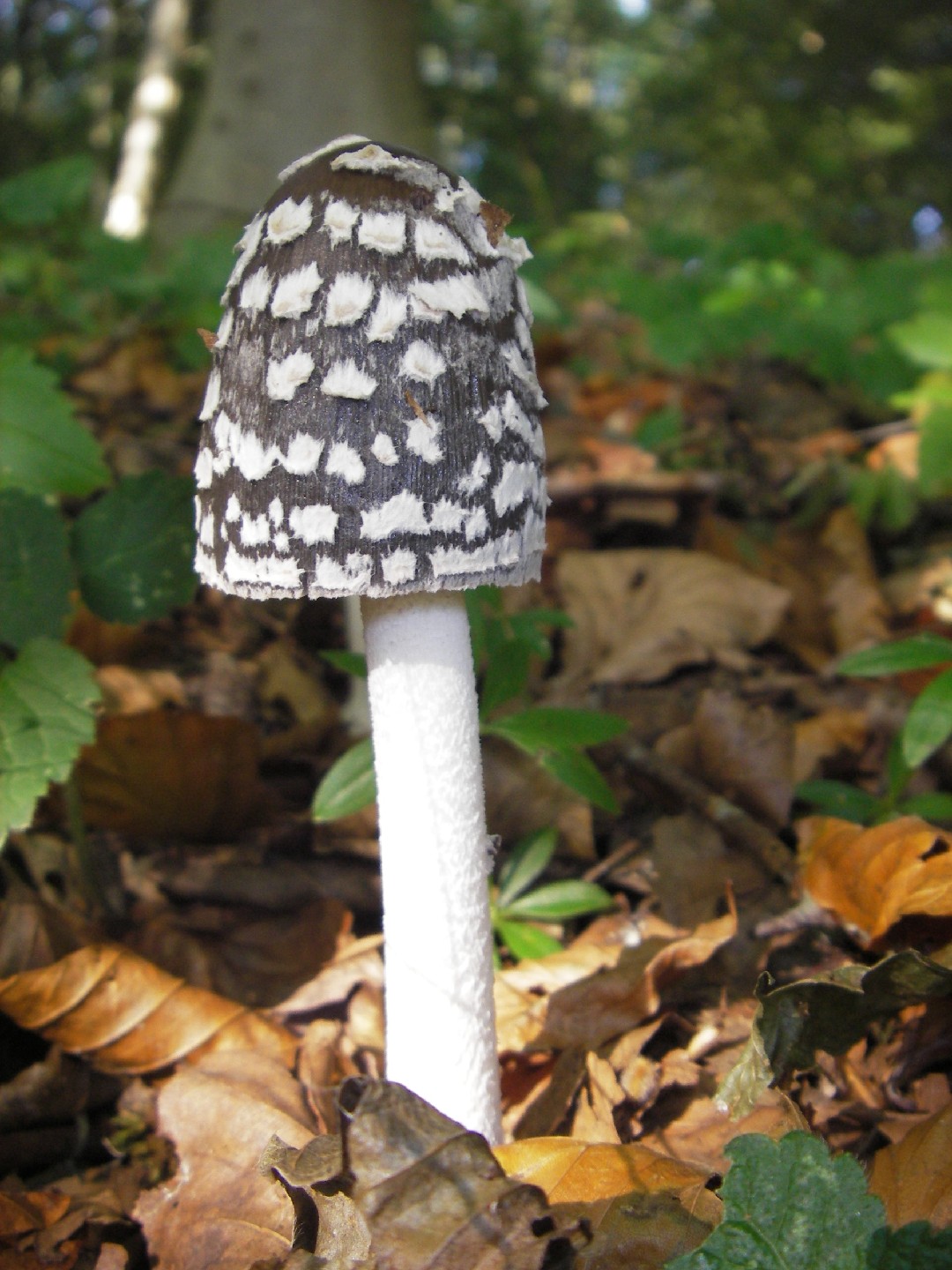
7. Magpie inkcap
The magpie inkcap is a striking and poisonous species of inkcap that can be found in Europe, Australia, and North America. The species has an egg-shaped cap that is typical to inkcaps, but its coloration sets it apart; white spots or splotches adorn a solid, dark brown or black background, reminiscent of the coloration of a magpie.
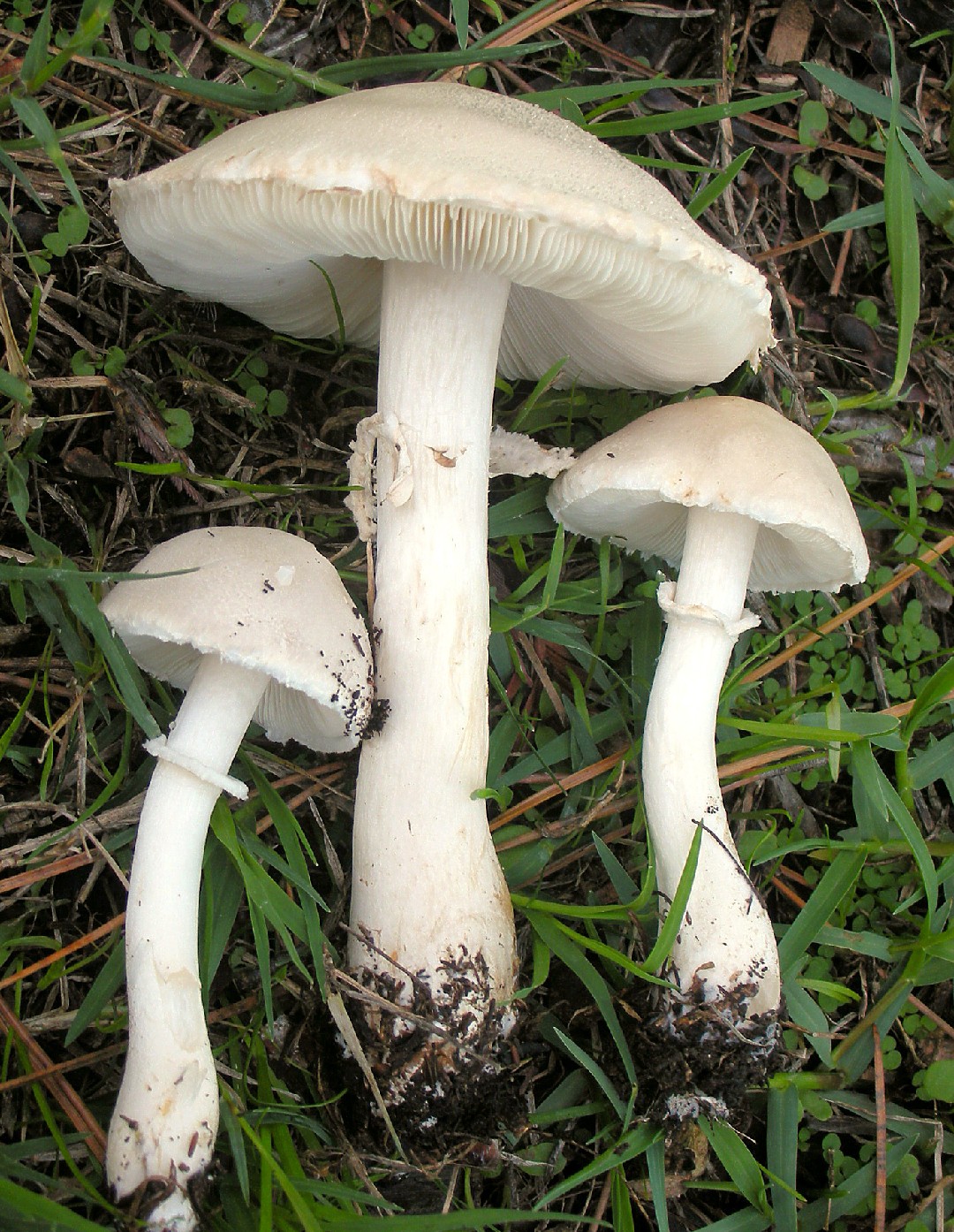
8. White dapperling
White dapperling mushrooms grow in scattered groups across open fields in the northern hemisphere. They can occasionally cause toxic reactions in humans, and their similarity to extremely poisonous lookalikes like Deathcap and Destroying Angel make them hazardous to handle.
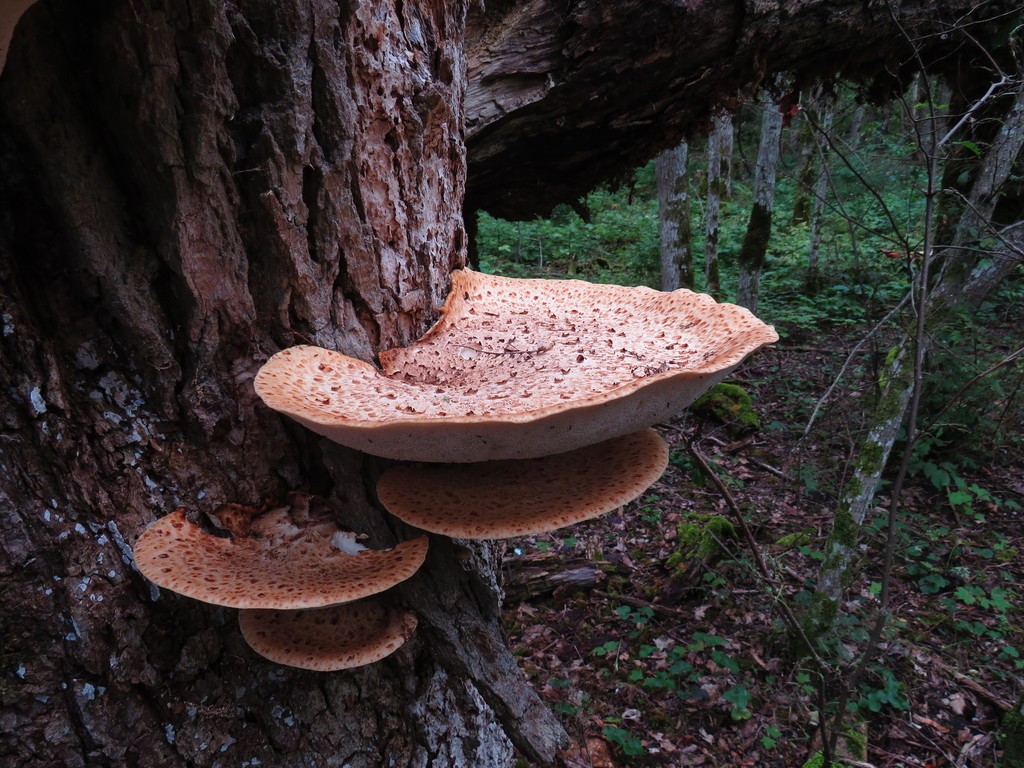
9. Dryad's saddle
A familiar sight to spring morel hunters, dryad's saddle is noteworthy for its large size, striking scales, and watermelon-like smell. Similar to other mushrooms in the bracket fungi family, dryad's saddle can be used to make paper. Younger mushrooms are better suited for this purpose due to their smaller and more consistent fibers.
10. Cobalt crust
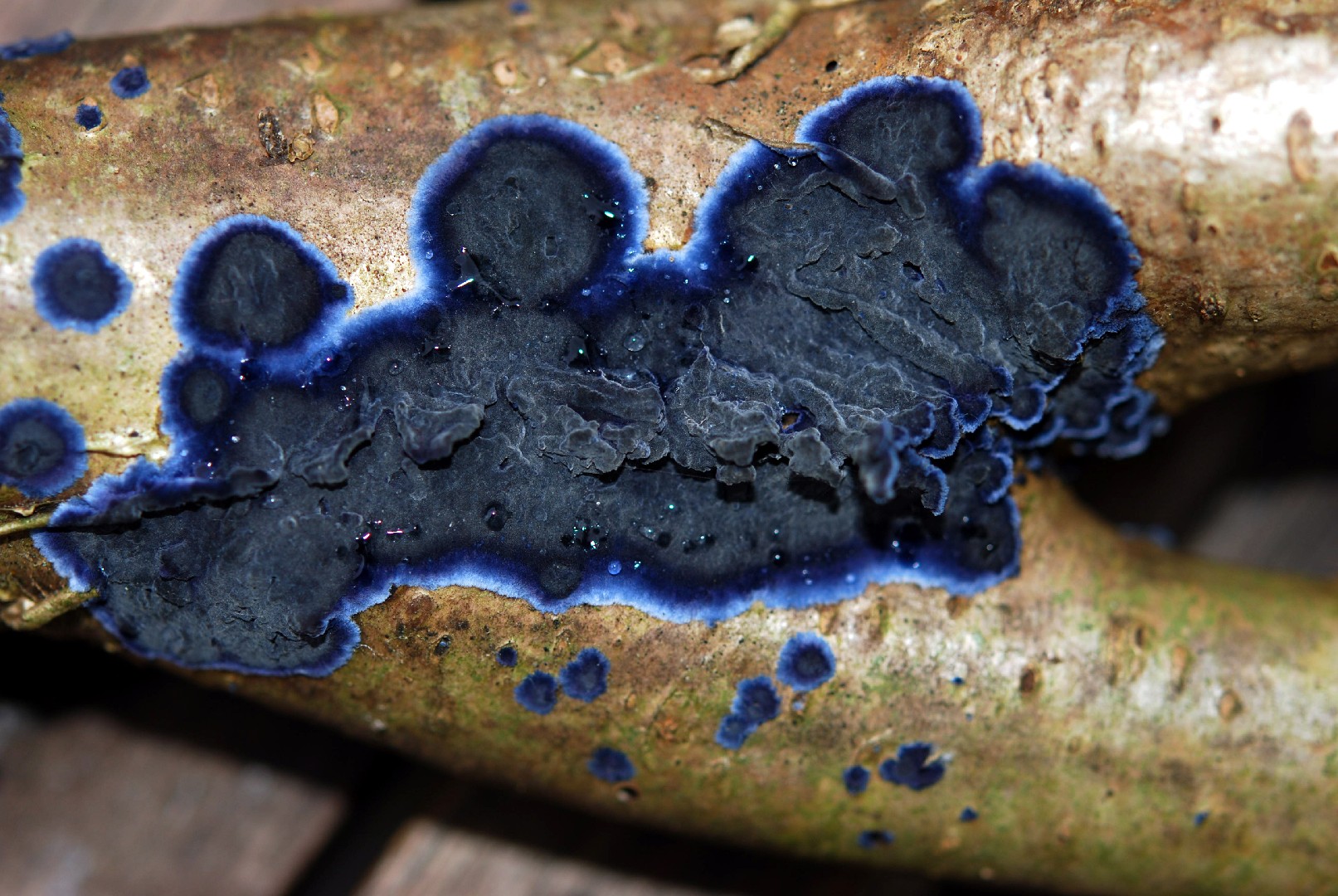
Cobalt crust is located year-round on dead hardwood trees. It is a very thin crust fungus that has a waxy effect when wet. Cobalt crust is immediately identified by its brilliant cobalt blue hue, giving rise to its common name. As the fungi age, the color turns to a near-black shade.
More







