




Top 20 Most Common Toxic or Poisonous Mushrooms in San Antonio
Imagine, stepping into the balmy, semi-arid climate of San Antonio, with its charming rolling plains, rich in both human history and natural wonders. The locale offers an ideal mushroom habitat, teeming with an assortment of vibrant fungi. Among these, however, lurk the top 20 most common poisonous mushrooms. As fungal enthusiasts, safety is our priority when hunting for wild mushrooms. Our intention is to navigate you through the world of mycology in San Antonio and equip you with crucial knowledge to steer clear of these toxic varieties. Let the foraging adventures begin, armed with discernment and caution.
* Disclaimer: Content feedback CAN NOT be used as any basis for EATING ANY PLANTS. Some plants can be VERY POISONOUS, please purchase edible plants through regular channels.

Most Common Toxic or Poisonous Mushrooms
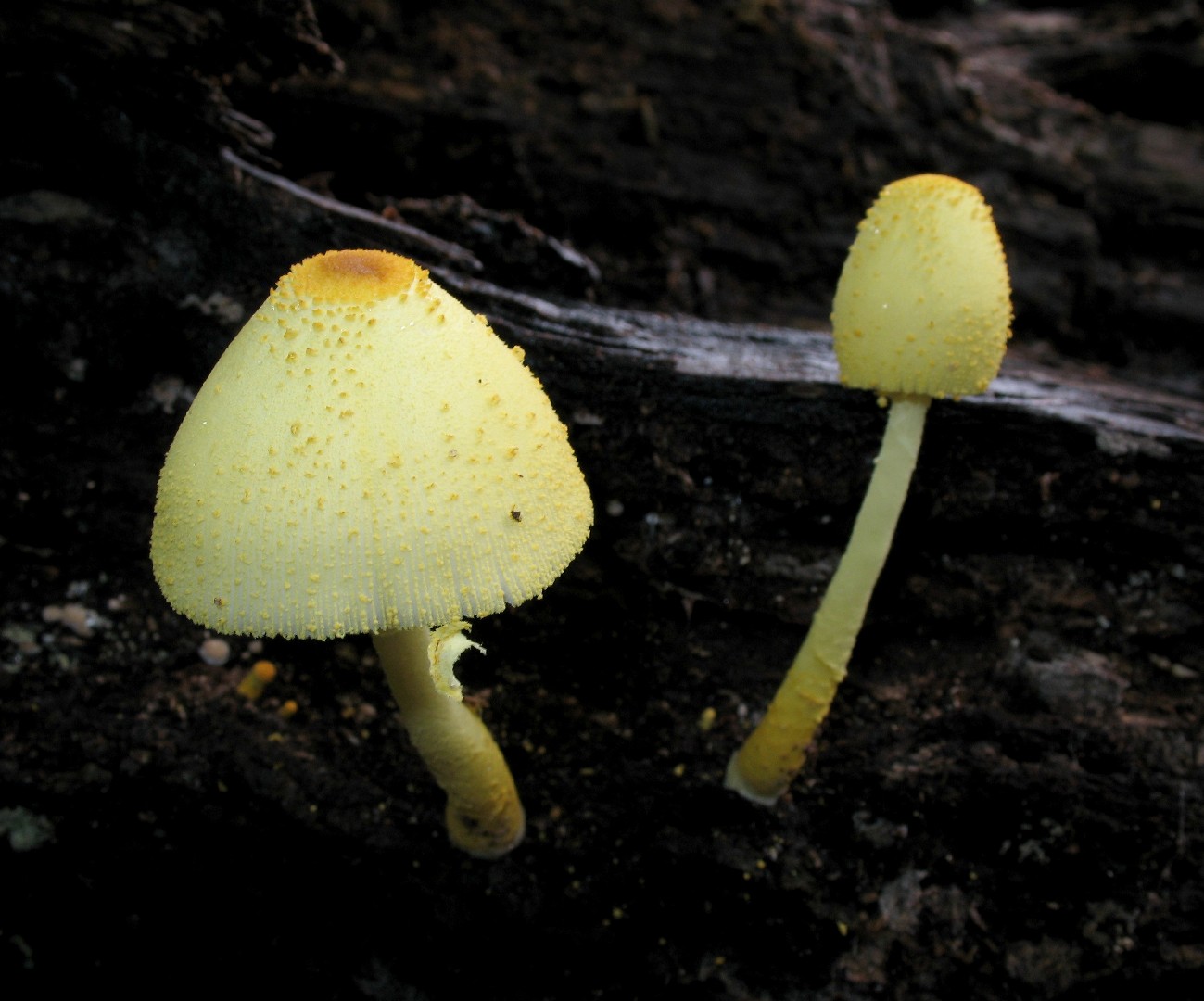
1. Flowerpot parasol
This tropical/subtropical mushroom is known to be toxic. If eaten it causes a very unpleasant stomachache with the risk of fatal complications. In temperate zones, flowerpot parasol is only found in hothouses and greenhouses, so the risk of accidental foraging is low, but it may occur with potted plants and indoor landscaping and pose a risk to curious children.
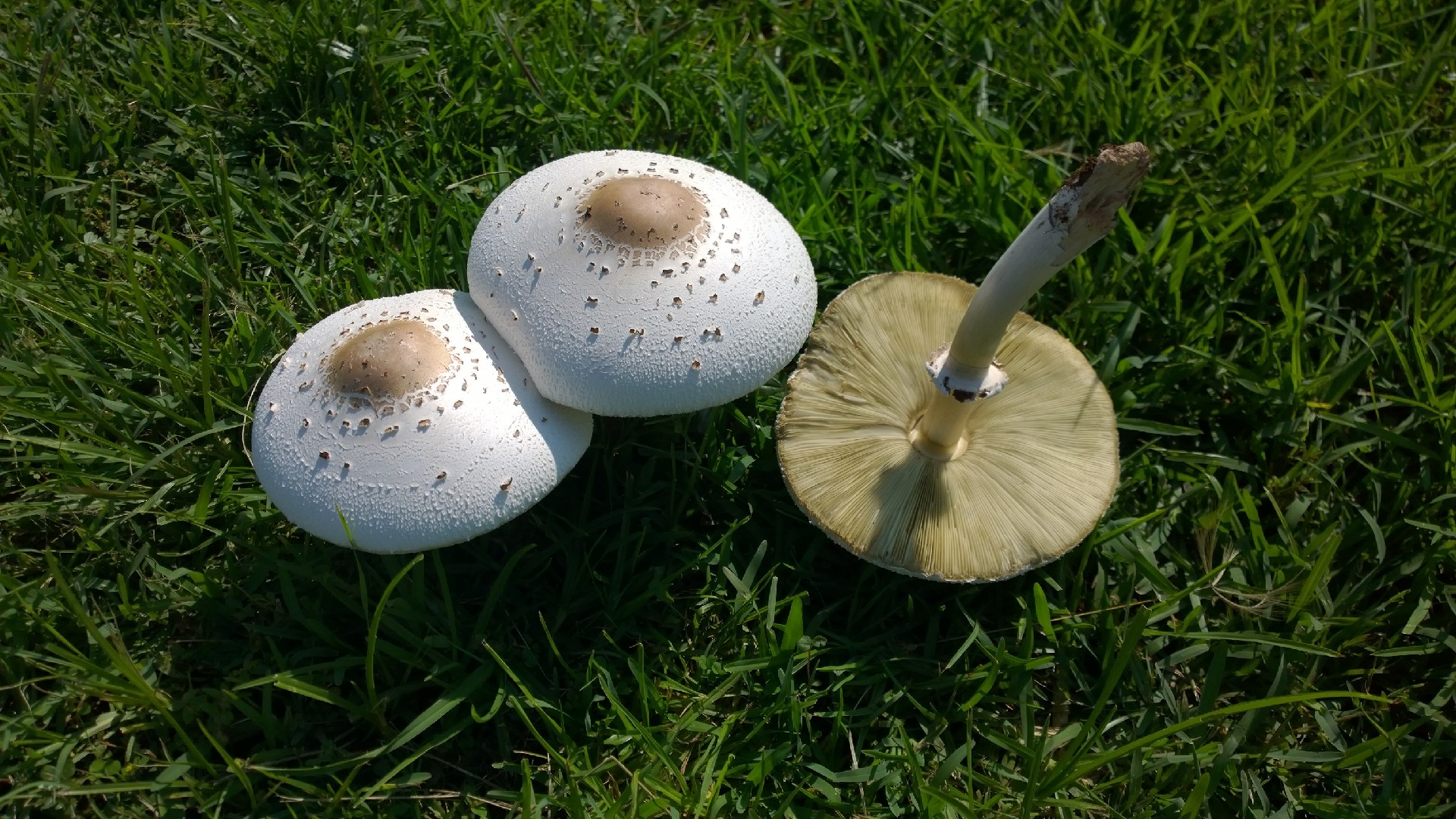
2. False parasol
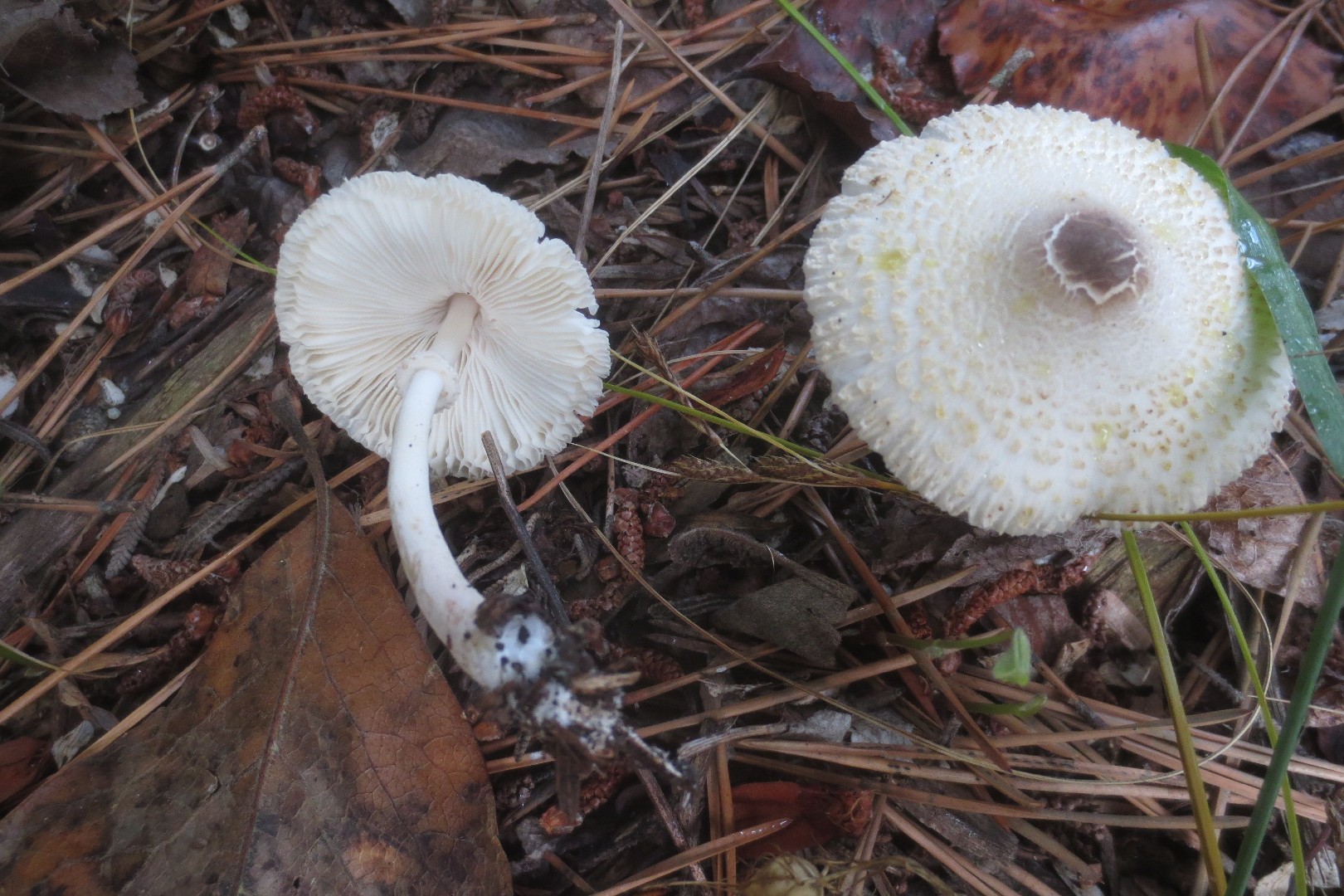
Though the false parasol appears unassuming, the species is famous—or, infamous—for its toxicity. It looks unfortunately similar to Agericus campestrus, a commonly eaten mushroom, but the false parasol can be distinguished by its highly unusual green spore print. Although they are no good to eat, they can be pretty to look at. The species may grow in ring-shaped groups in meadows and on forest floors in what are sometimes called "fairy circles."
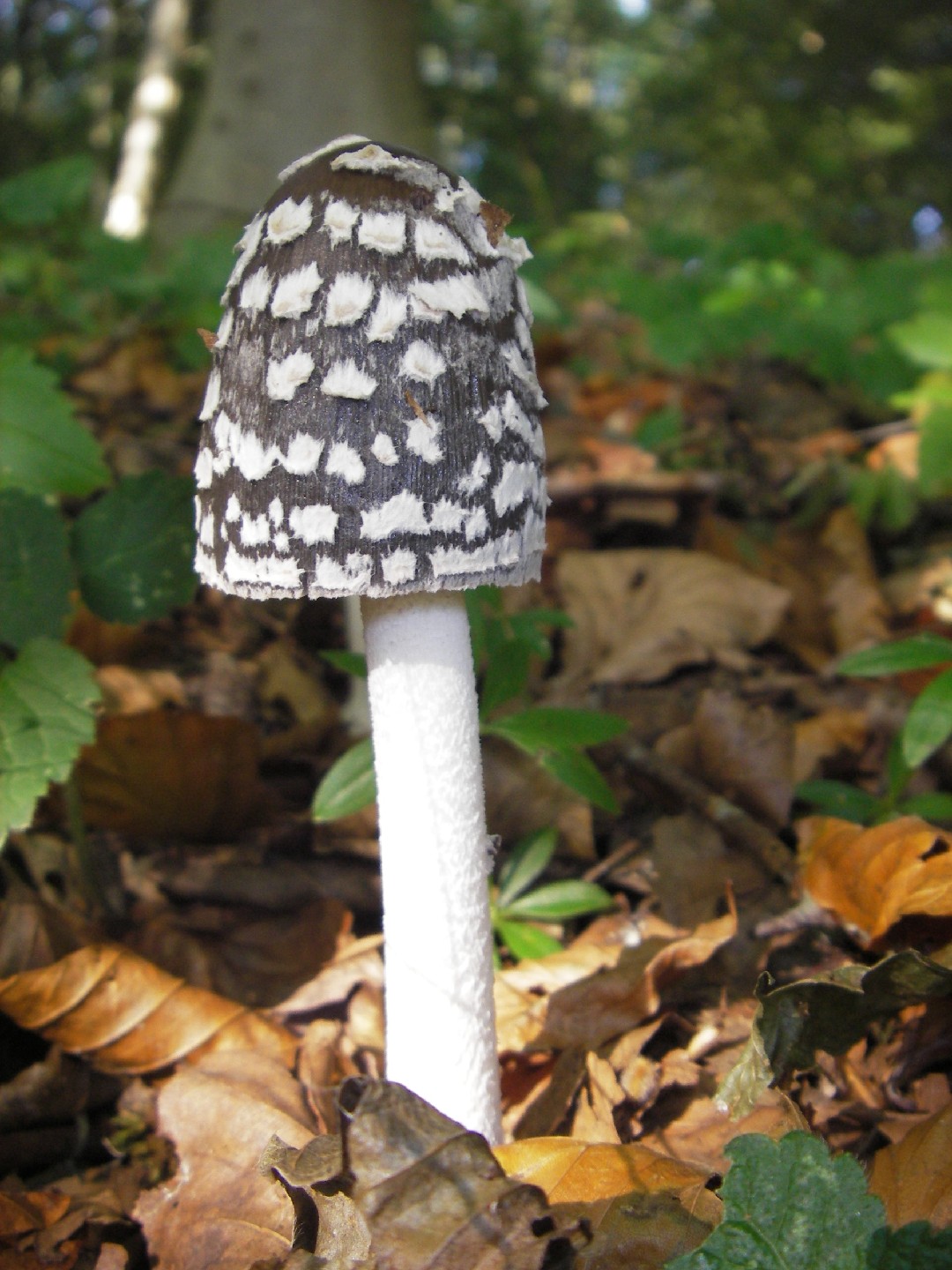
3. Magpie inkcap
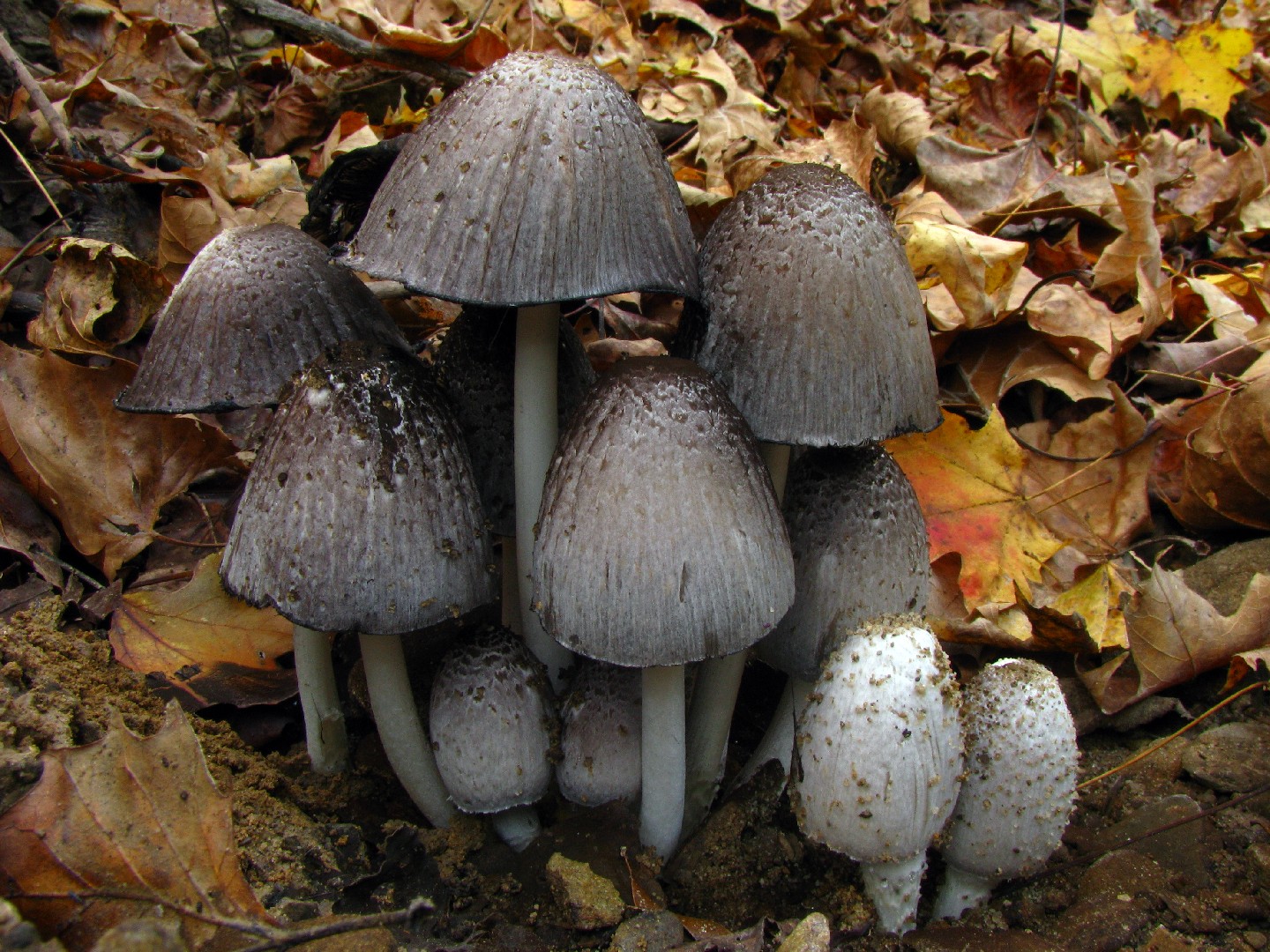
The magpie inkcap is a striking and poisonous species of inkcap that can be found in Europe, Australia, and North America. The species has an egg-shaped cap that is typical to inkcaps, but its coloration sets it apart; white spots or splotches adorn a solid, dark brown or black background, reminiscent of the coloration of a magpie.
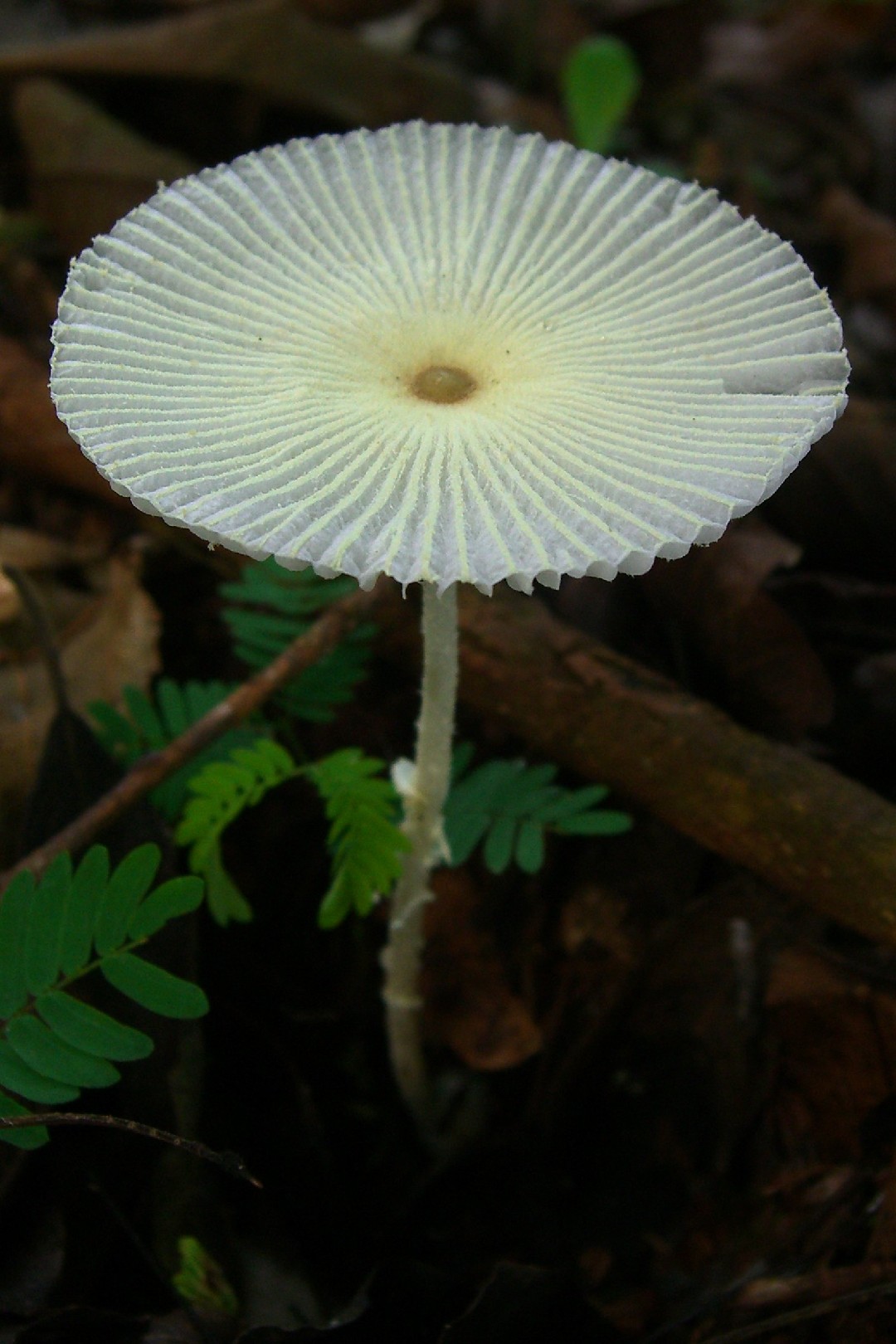
4. Fragile dapperling
The fragile dapperling is a tropical and subtropical woodland species. As its name suggests, this mushroom is so tender and fragile that picking it becomes a real challenge. The stem is very thin and it easily snaps. The edibility of the fragile dapperling is unknown, but the mushroom is probably insufficient for any kind of meal.
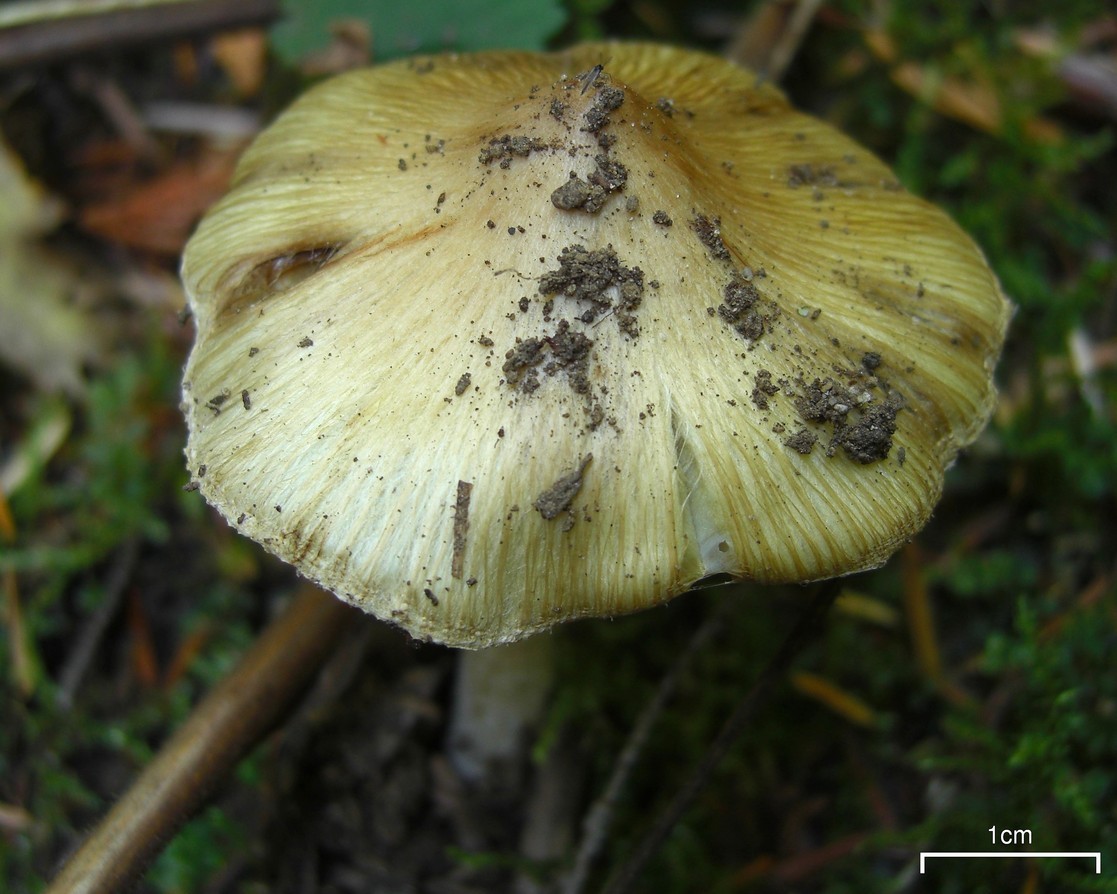
5. Corn-silk Inocybe
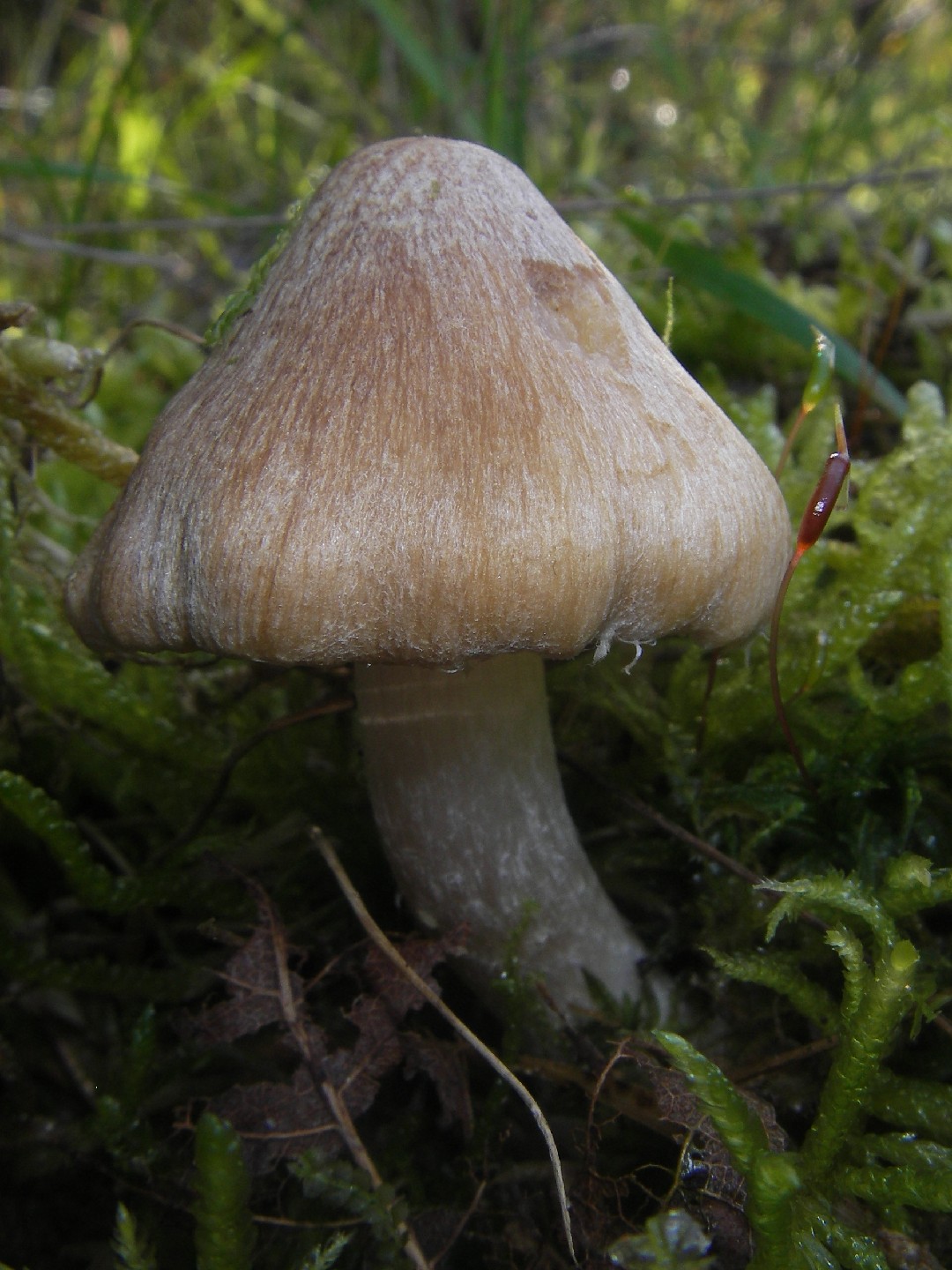
The corn-silk Inocybe (Inocybe sororia) has caps that mature to about twice the size of a dandelion flower with a semi-flat structure that can evolve to slightly ruffled edges in appearance. The color is generally off-white and grows to a golden brown. None of the Inocybe family can be consumed due to relative toxicity to both humans and animals.
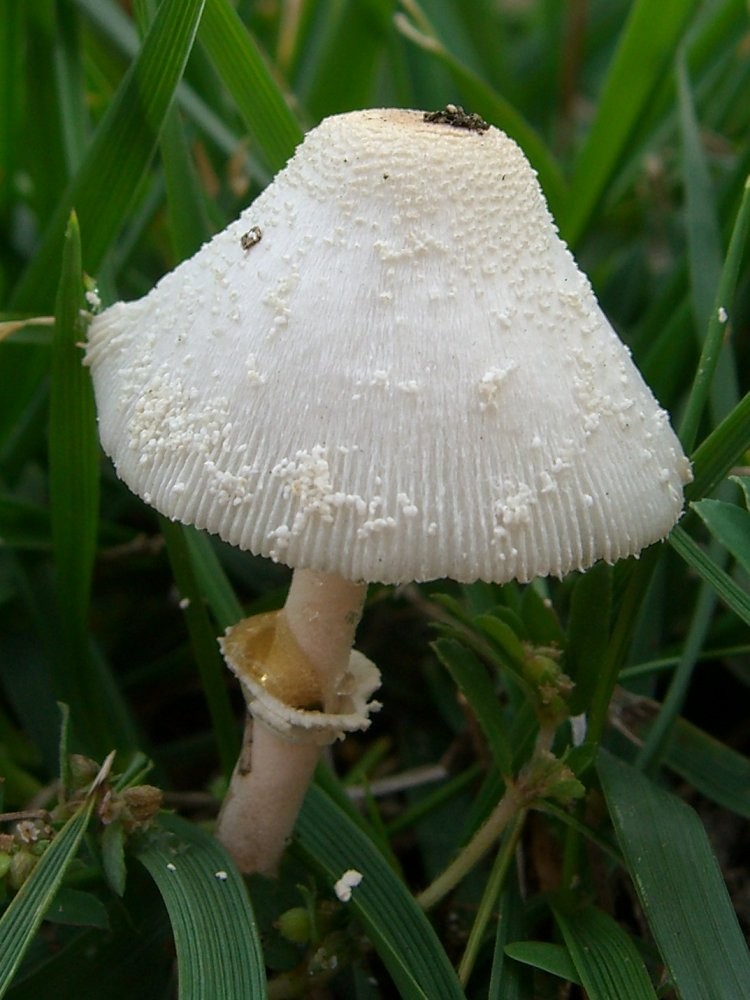
6. Onion-stalk parasol mushroom
This generalist mushroom, found across North America, can be found in all sorts of moist woodland settings. The species appears to be particularly fond of wood chips or mulch, and so it is often found in garden or park settings. The onion-stalk parasol mushroom, despite the word "onion" in its name, is inedible.
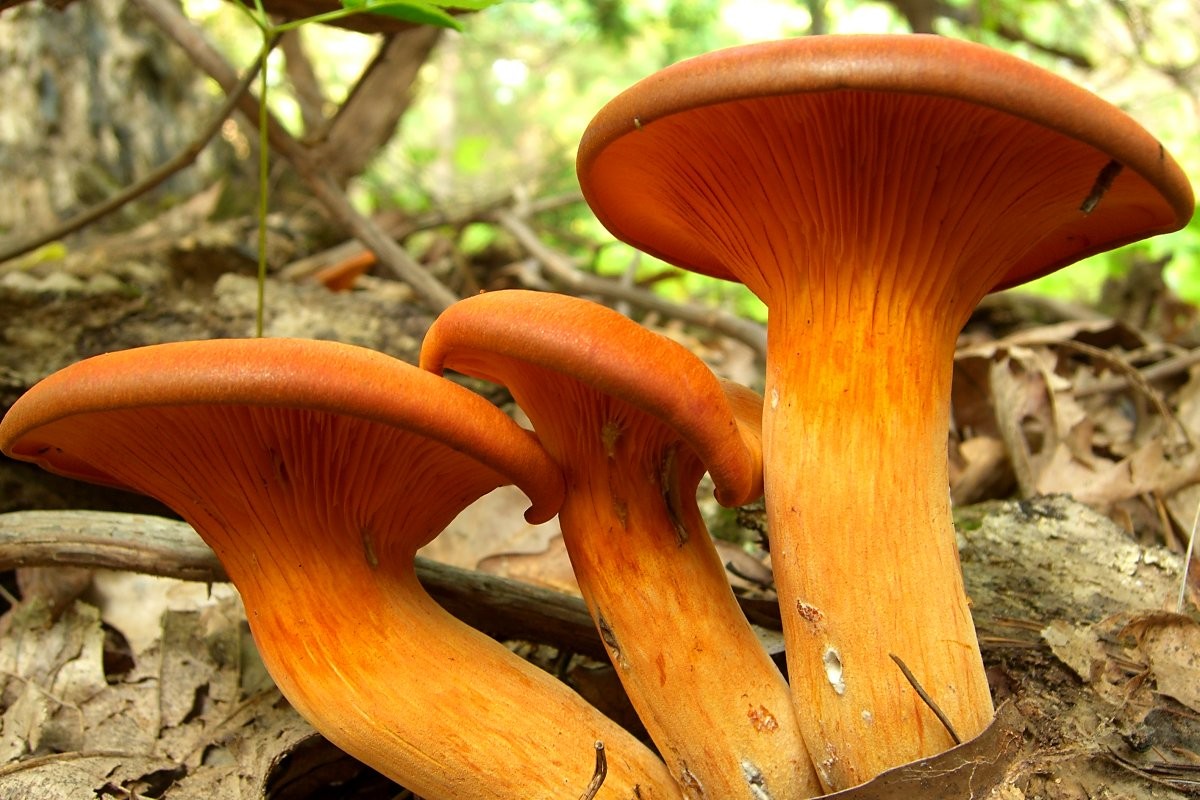
7. Jack-o'lantern mushroom
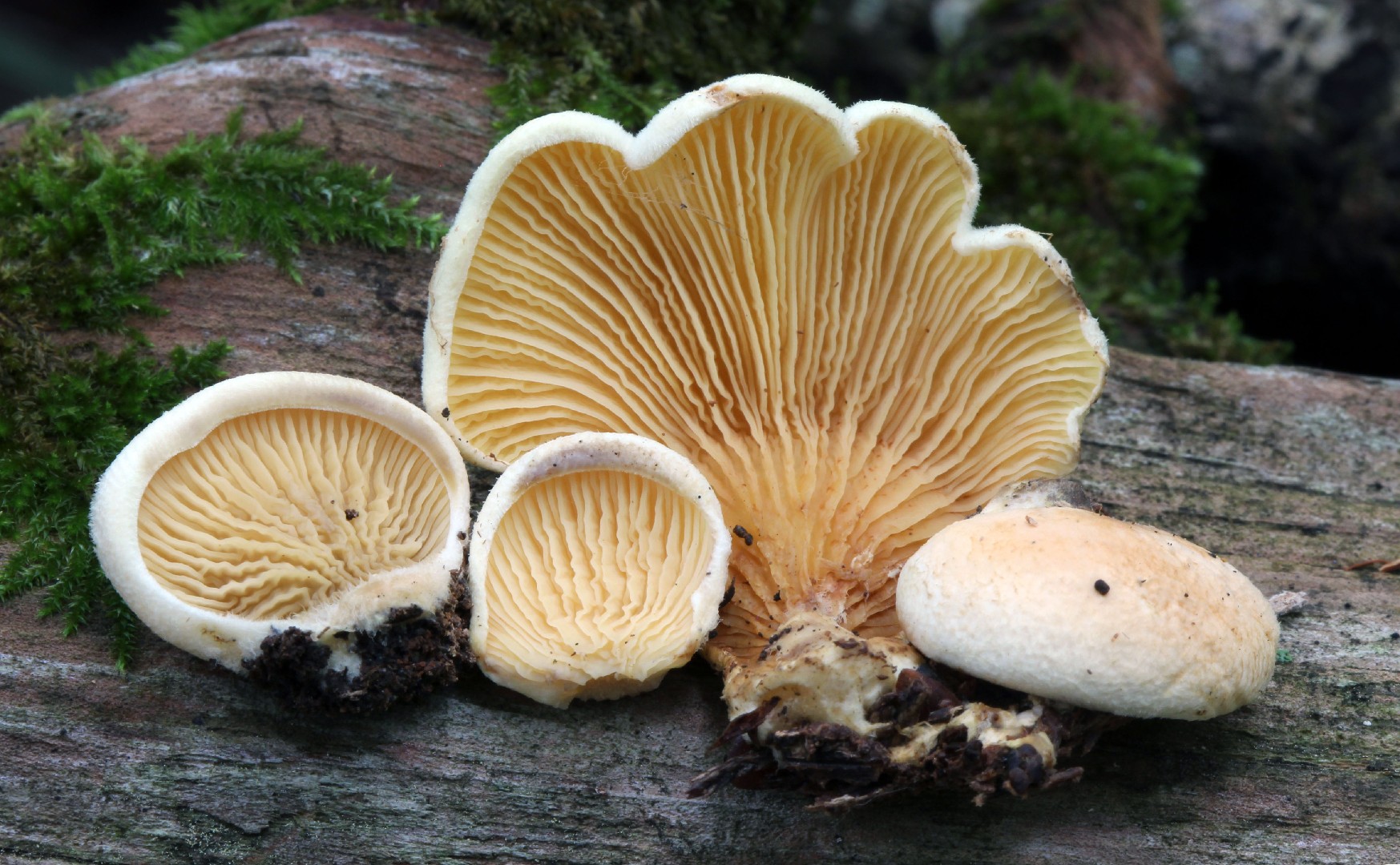
The jack-o'lantern mushroom is so-called because of its bright orange color, and because it often appears in the fall (usually before Halloween, though). This vibrant little mushroom can be found growing on decaying hardwood stumps and logs. The species does have some superficial resemblances to the highly edible chanterelle (Cantharellus cibarius), but it is toxic and should be avoided!
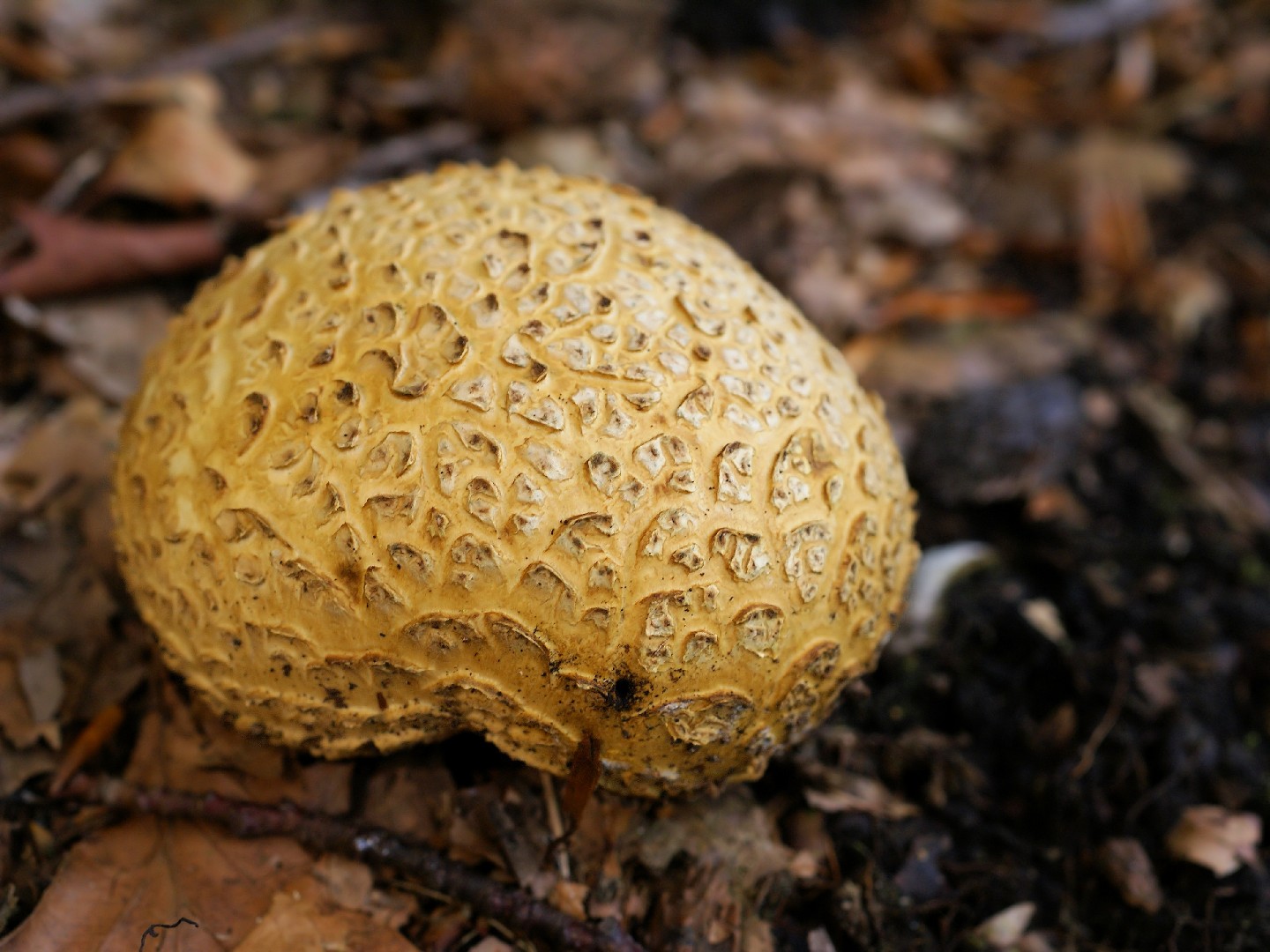
8. Common earthball
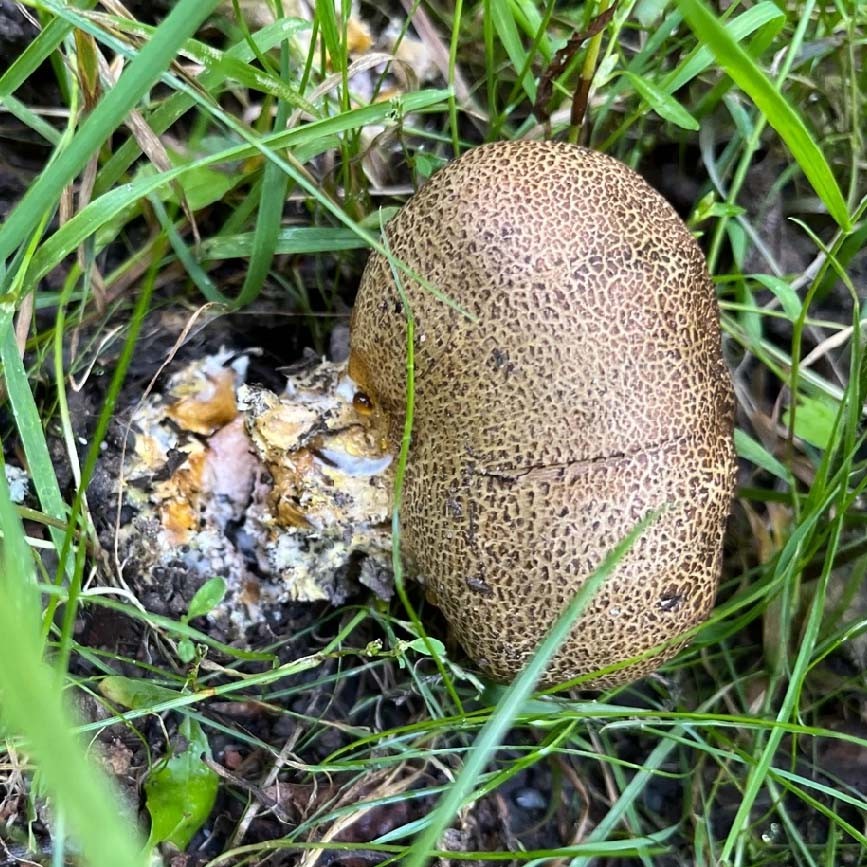
With an appearance similar to a crusty potato, the common earthball blooms from acidic soils, including compacted paths on the forest floor. It matures to a yellowish tinge and is found across the northern hemisphere. It is a close cousin to bolete mushrooms but is considered to be poisonous and is never eaten.
9. Petticoat mottlegill
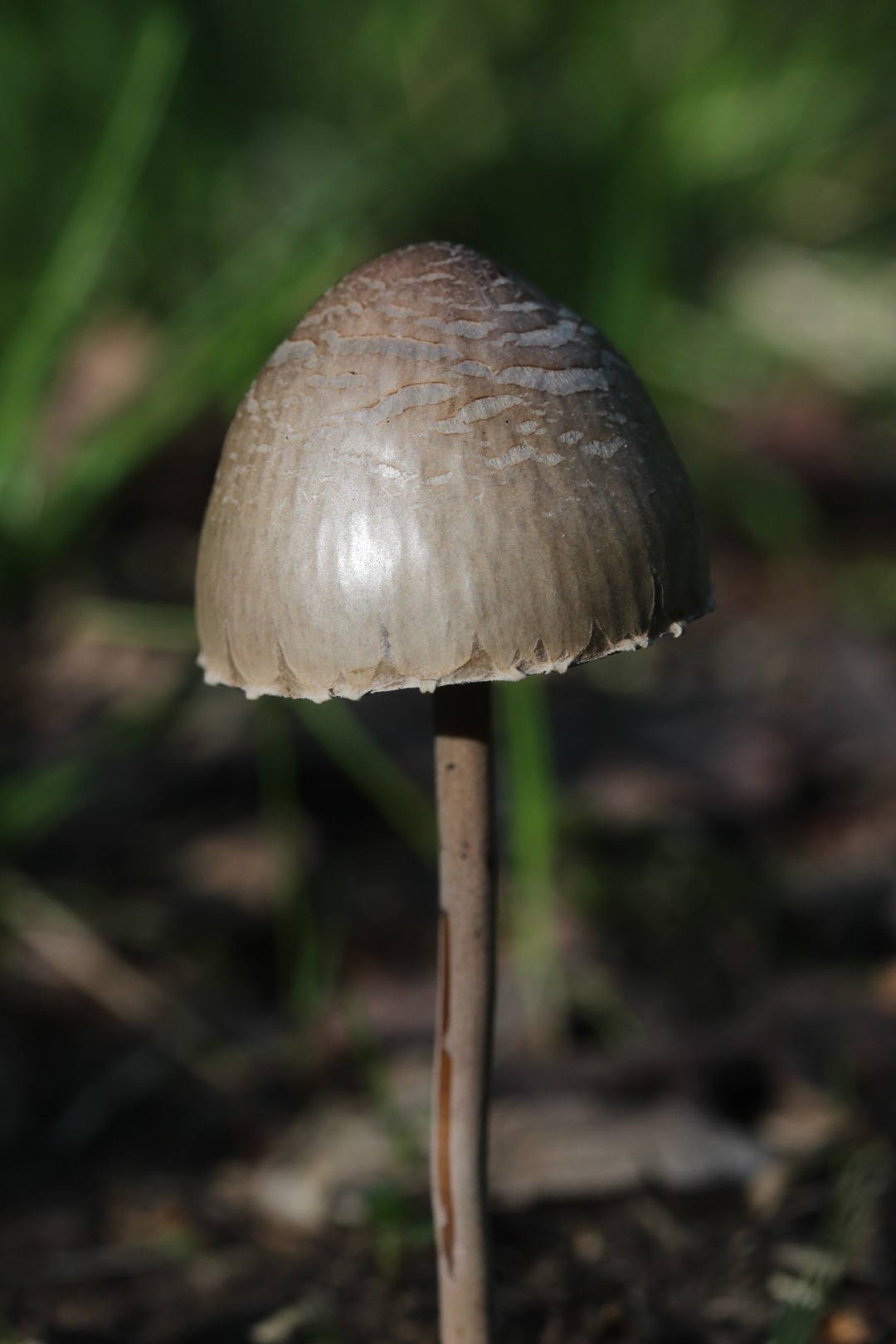
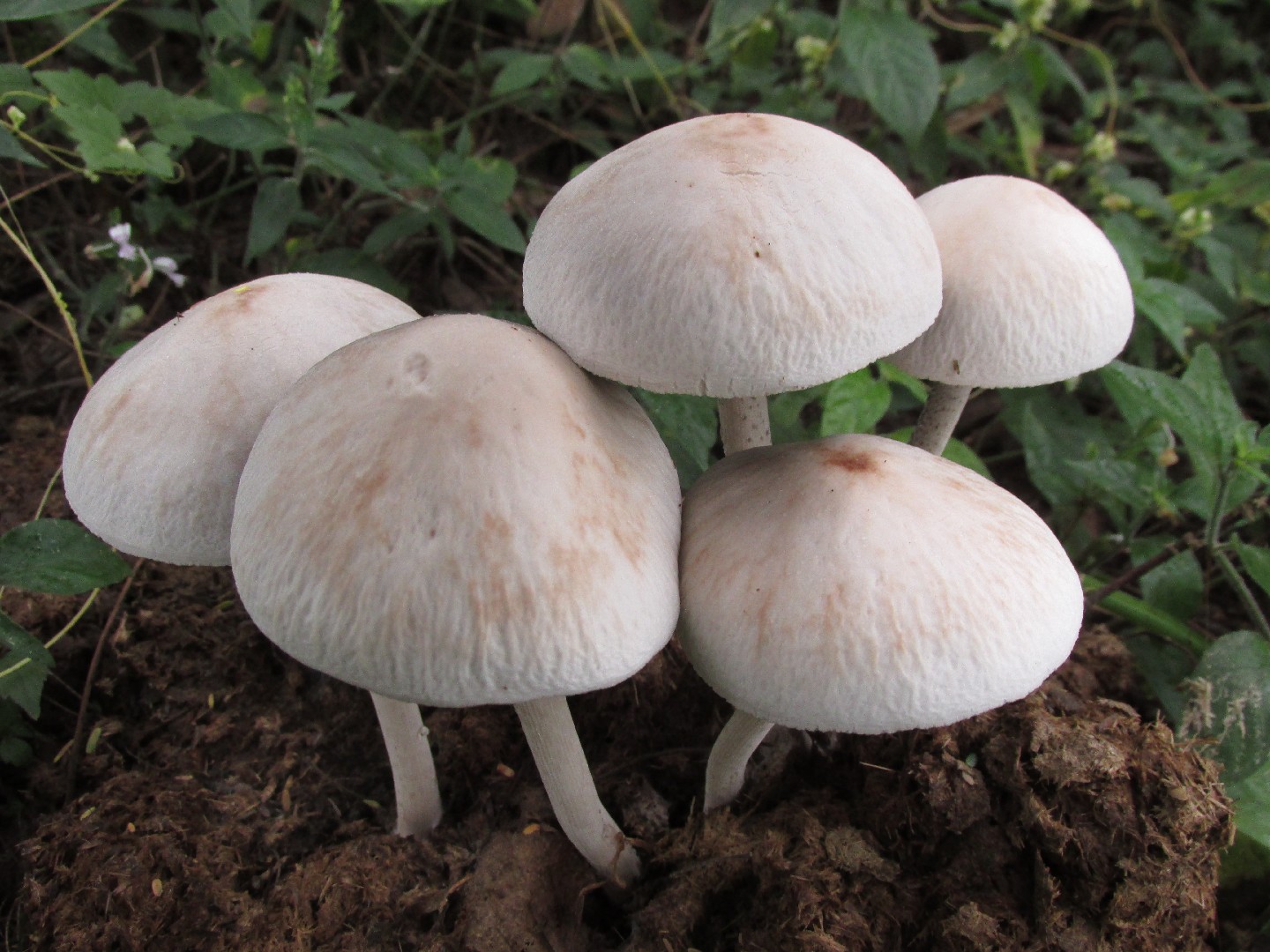
The petticoat mottlegill is a little brown mushroom (LBM) with a truly global distribution; this mushroom is found on every continent save Antarctica. While relatively nondescript in appearance, it can be recognized by its preferred microhabitat - dung. Petticoat mottlegills are commonly found growing out of cow or horse dung, or they may be seen in open fields that are rich with animal manure.
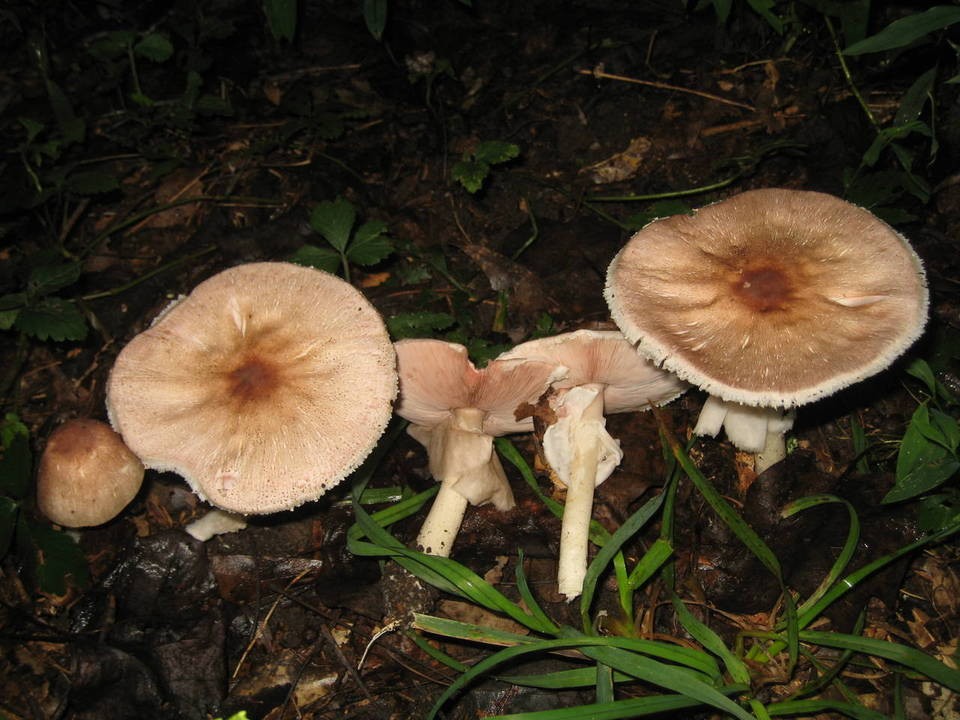
10. Chlorophyllum hortense

More







