




Top 20 Most Common Toxic or Poisonous Mushrooms in Livonia
In the diverse landscape of Livonia, an abundant population of mushrooms thrives. The climate and terrain create a suitable habitat for fungi - a fact that entices mycologists and foragers alike. However, amidst the edible delights, 20 poisonous variants lurk. Gathering mushrooms in this idyllic locale presents an exhilarating challenge for the mycophagists -- know your quarry or risk your health. Our guide will provide invaluable insights into identifying these risky species, helping you to enjoy a safe foraging experience in Livonia.
* Disclaimer: Content feedback CAN NOT be used as any basis for EATING ANY PLANTS. Some plants can be VERY POISONOUS, please purchase edible plants through regular channels.

Most Common Toxic or Poisonous Mushrooms
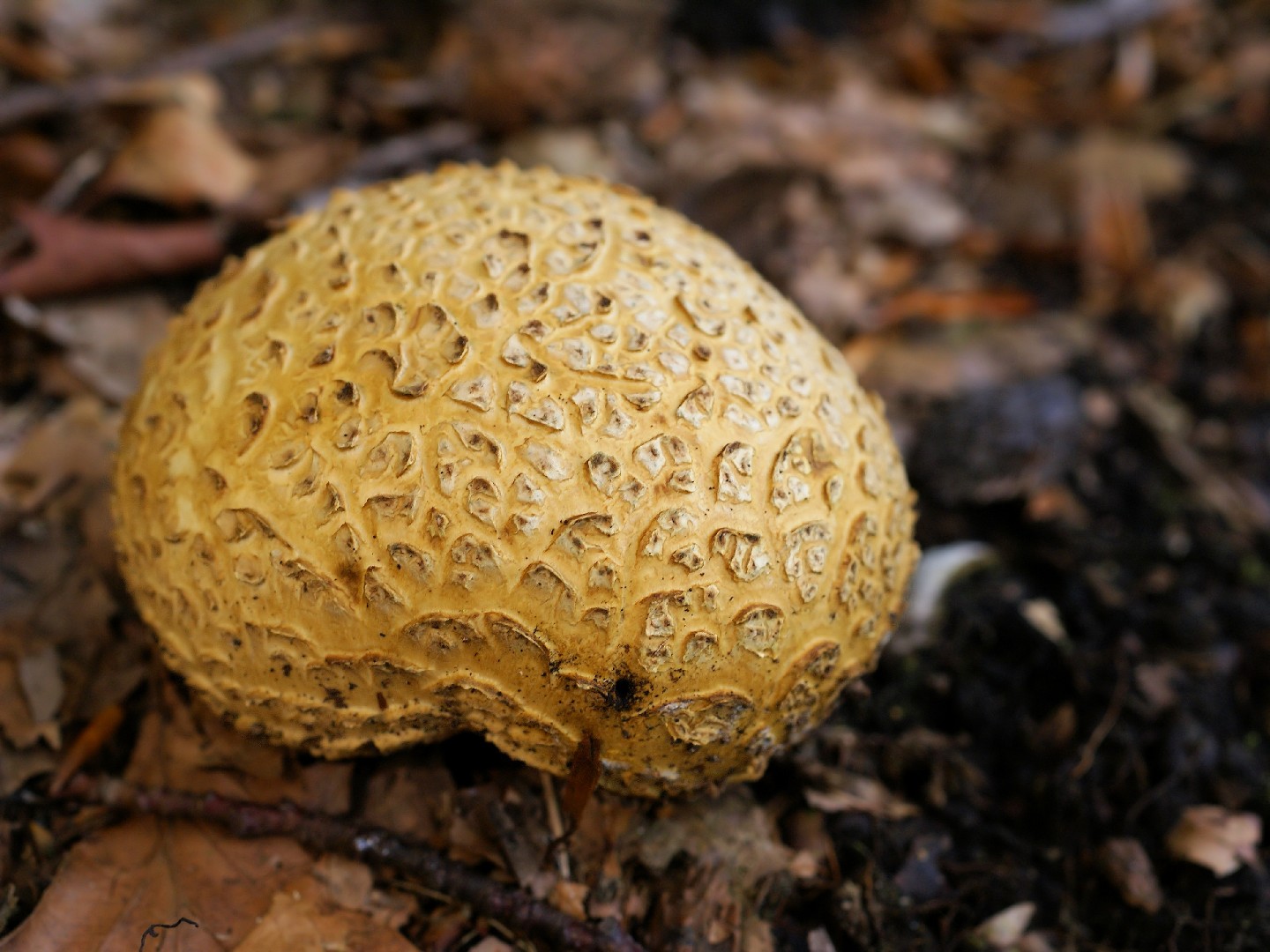
1. Common earthball
With an appearance similar to a crusty potato, the common earthball blooms from acidic soils, including compacted paths on the forest floor. It matures to a yellowish tinge and is found across the northern hemisphere. It is a close cousin to bolete mushrooms but is considered to be poisonous and is never eaten.
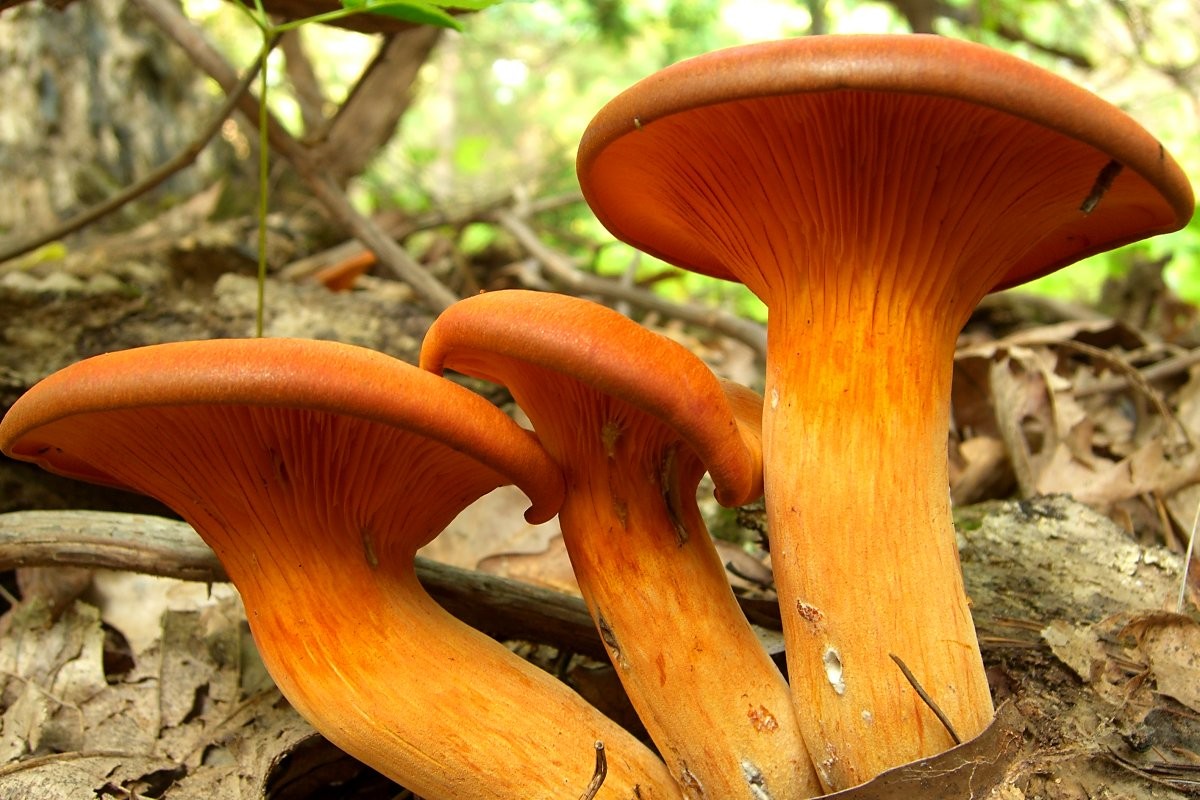
2. Jack-o'lantern mushroom
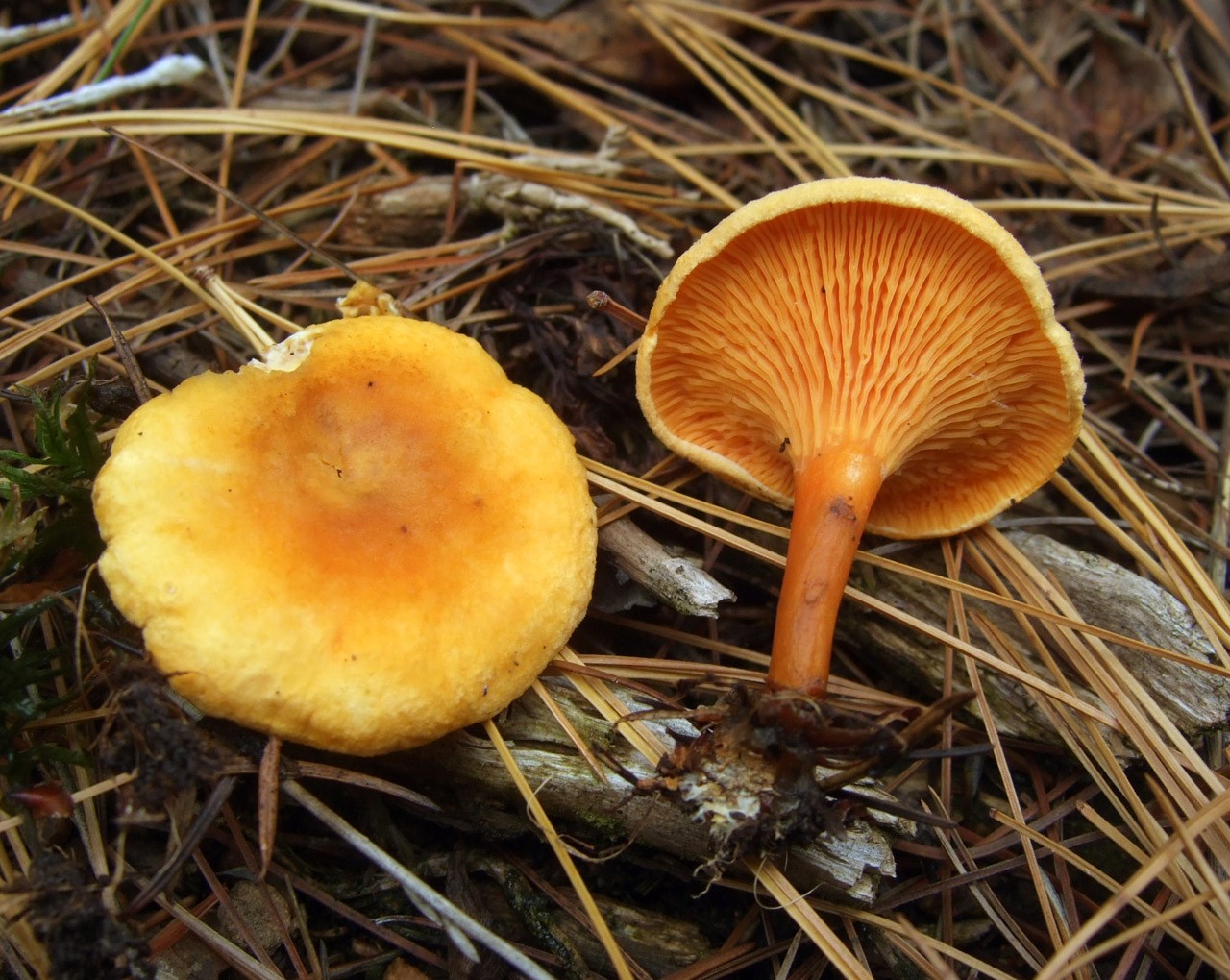
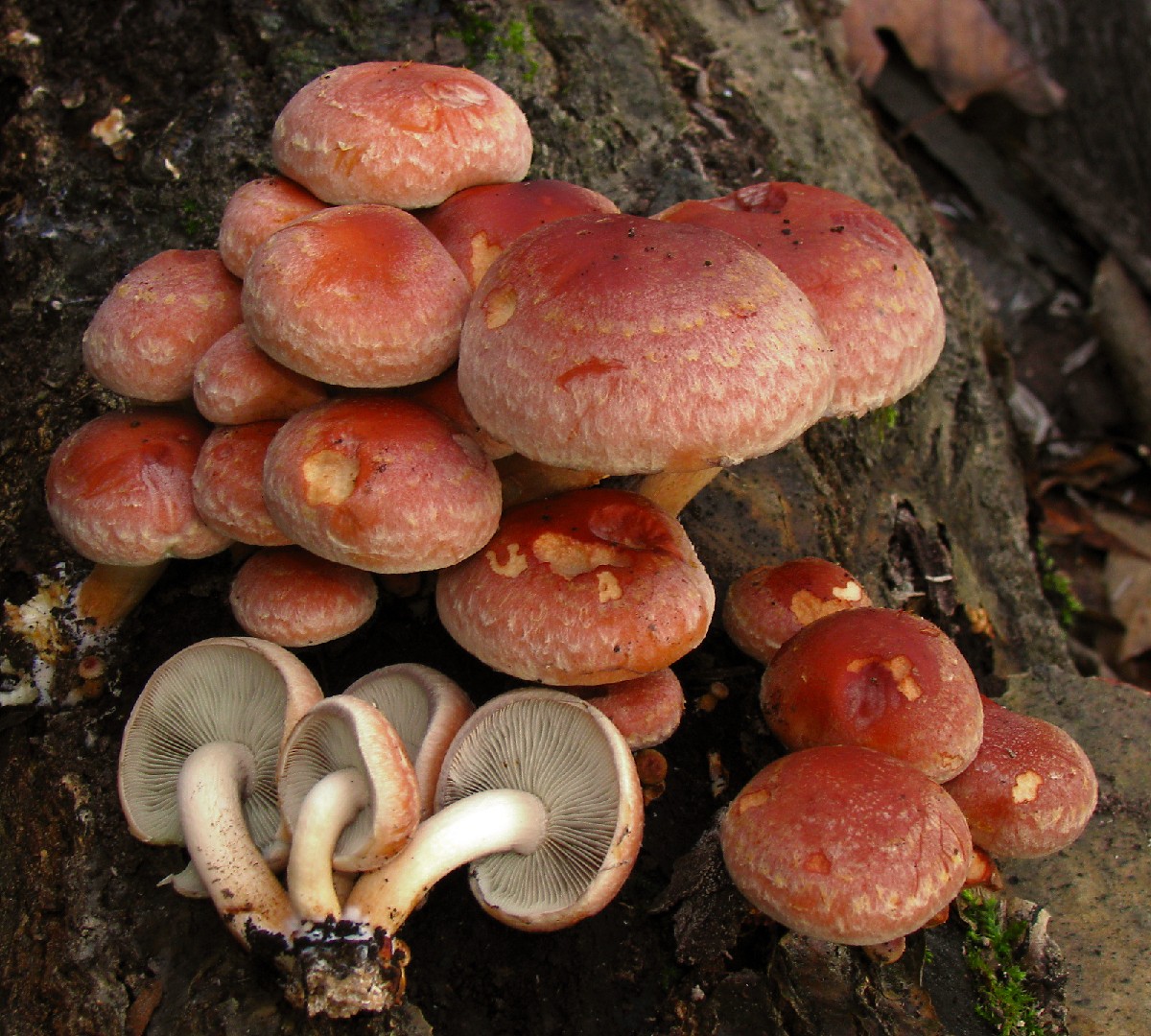
The jack-o'lantern mushroom is so-called because of its bright orange color, and because it often appears in the fall (usually before Halloween, though). This vibrant little mushroom can be found growing on decaying hardwood stumps and logs. The species does have some superficial resemblances to the highly edible chanterelle (Cantharellus cibarius), but it is toxic and should be avoided!
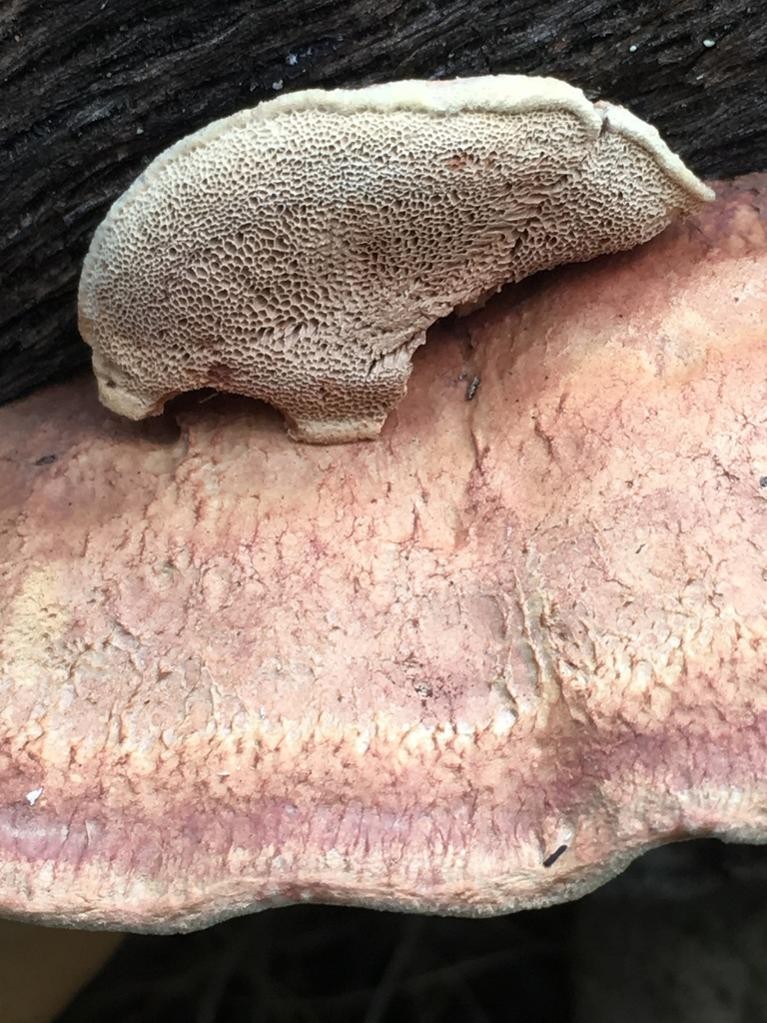
3. Cinnamon bracket
The cinnamon bracket (Hapalopilus rutilans) is a fungus that causes a white rot on dead wood. Its poisonous fruit bodies appear as brackets, and tend to grow in a dull orangish shade. A chemical reaction with ammonia, however, turns it purple. This fact can be exploited for the creation of wool dyes, with colors ranging from light lavender to deep purple.
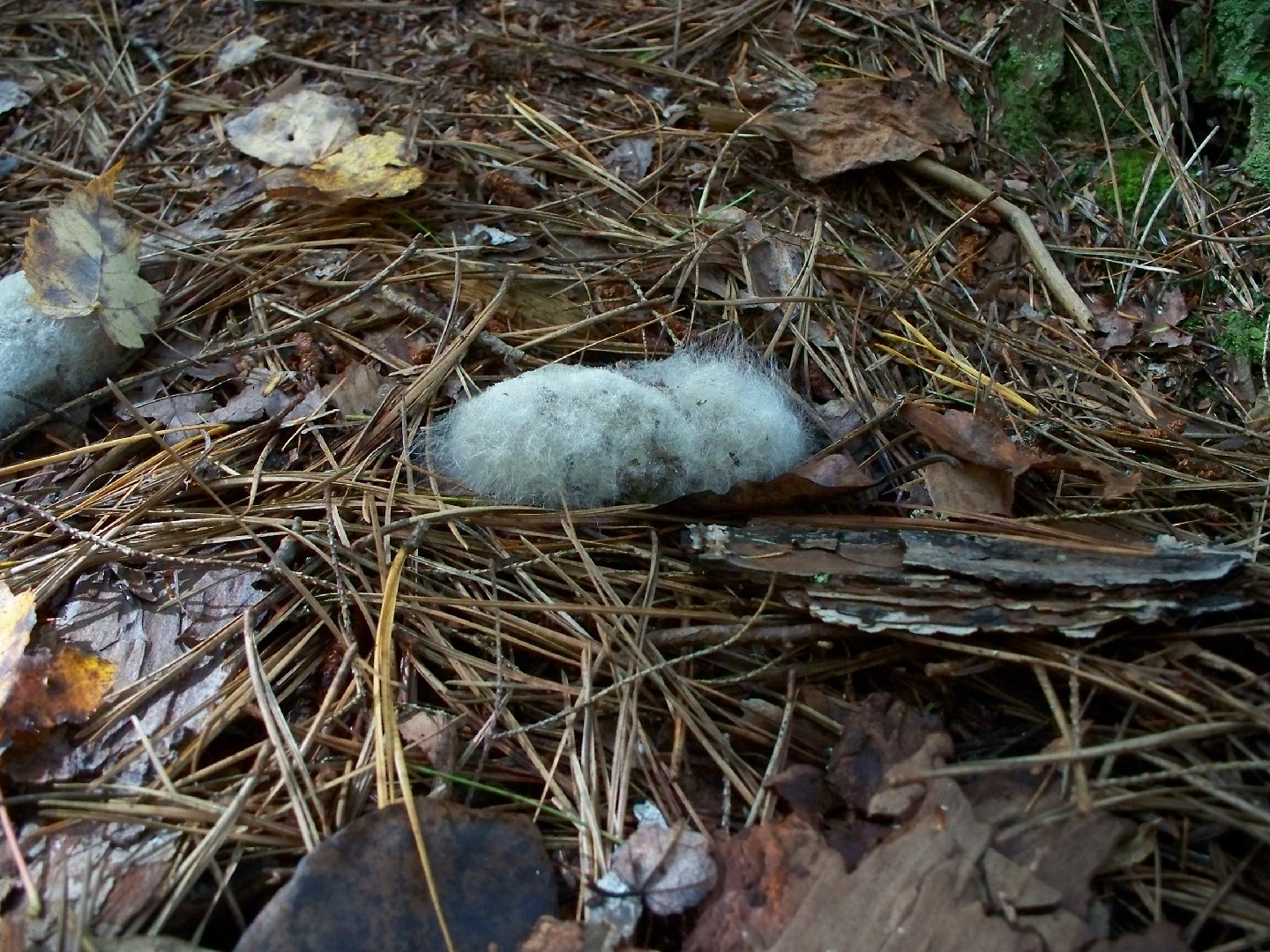
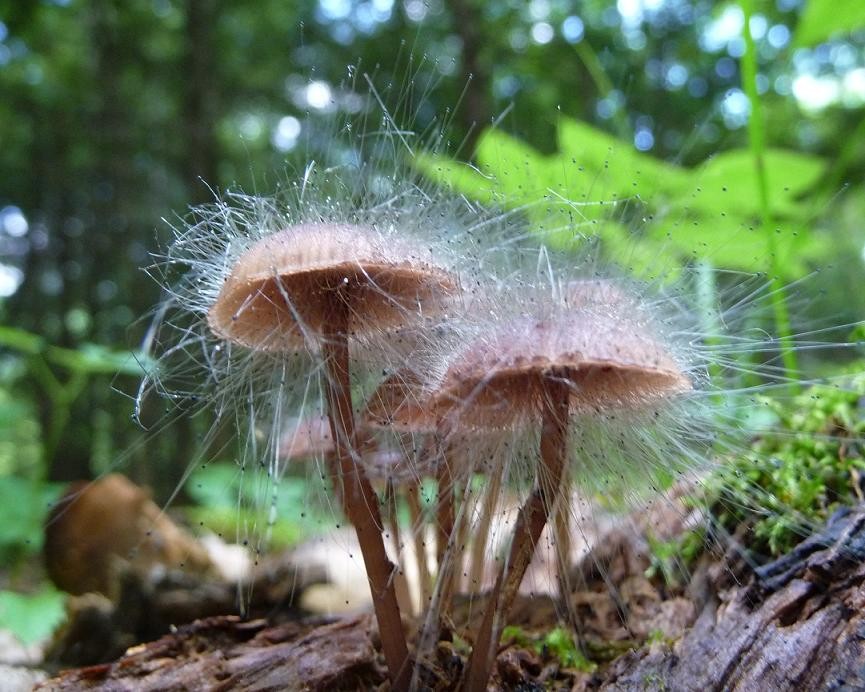
4. Syzygites megalocarpus
5. False parasol
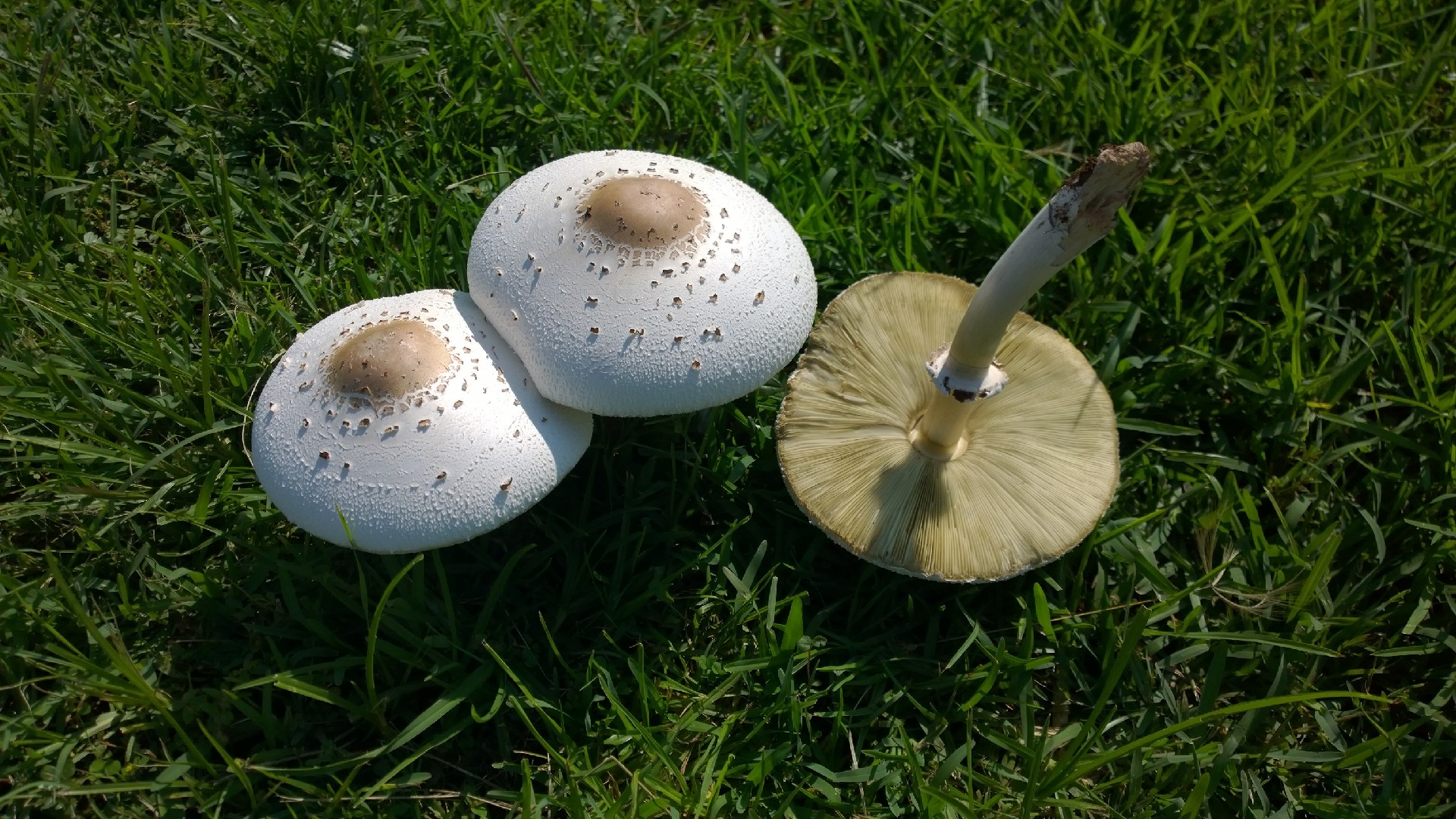
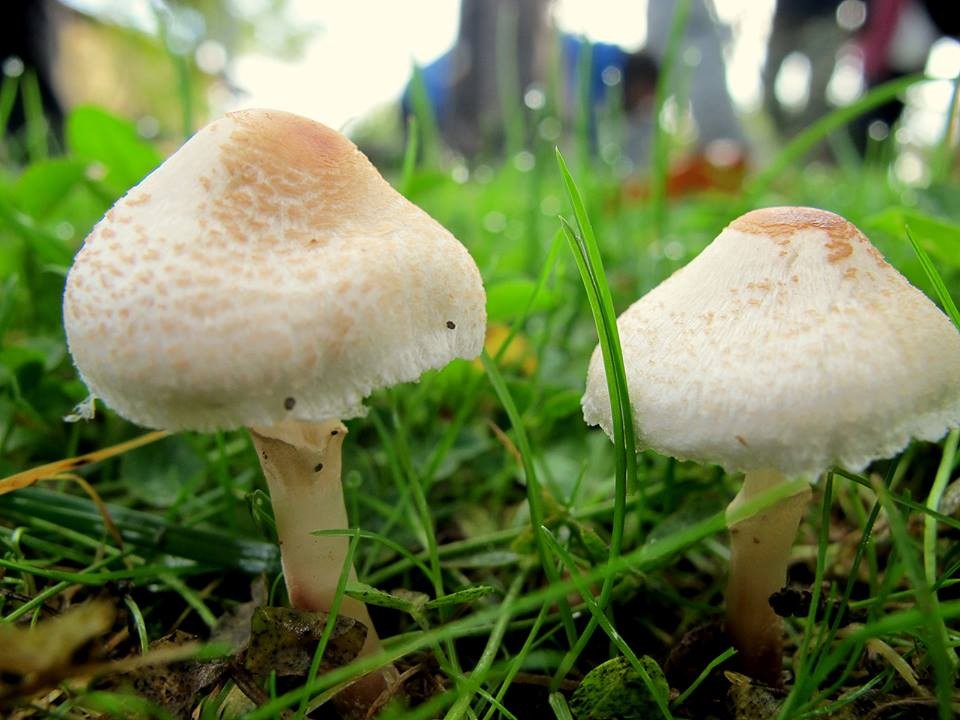
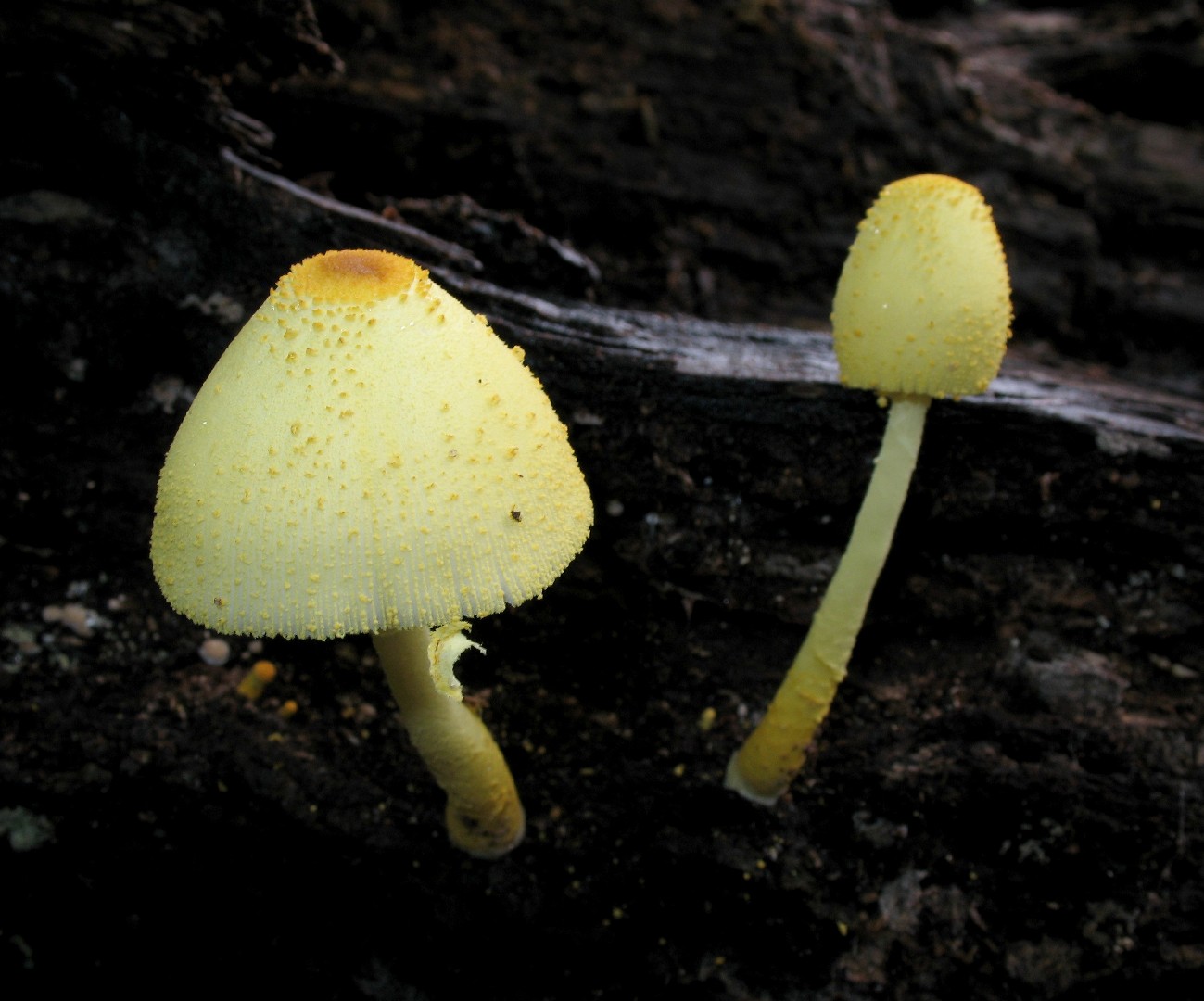
Though the false parasol appears unassuming, the species is famous—or, infamous—for its toxicity. It looks unfortunately similar to Agericus campestrus, a commonly eaten mushroom, but the false parasol can be distinguished by its highly unusual green spore print. Although they are no good to eat, they can be pretty to look at. The species may grow in ring-shaped groups in meadows and on forest floors in what are sometimes called "fairy circles."
6. Mower's mushroom
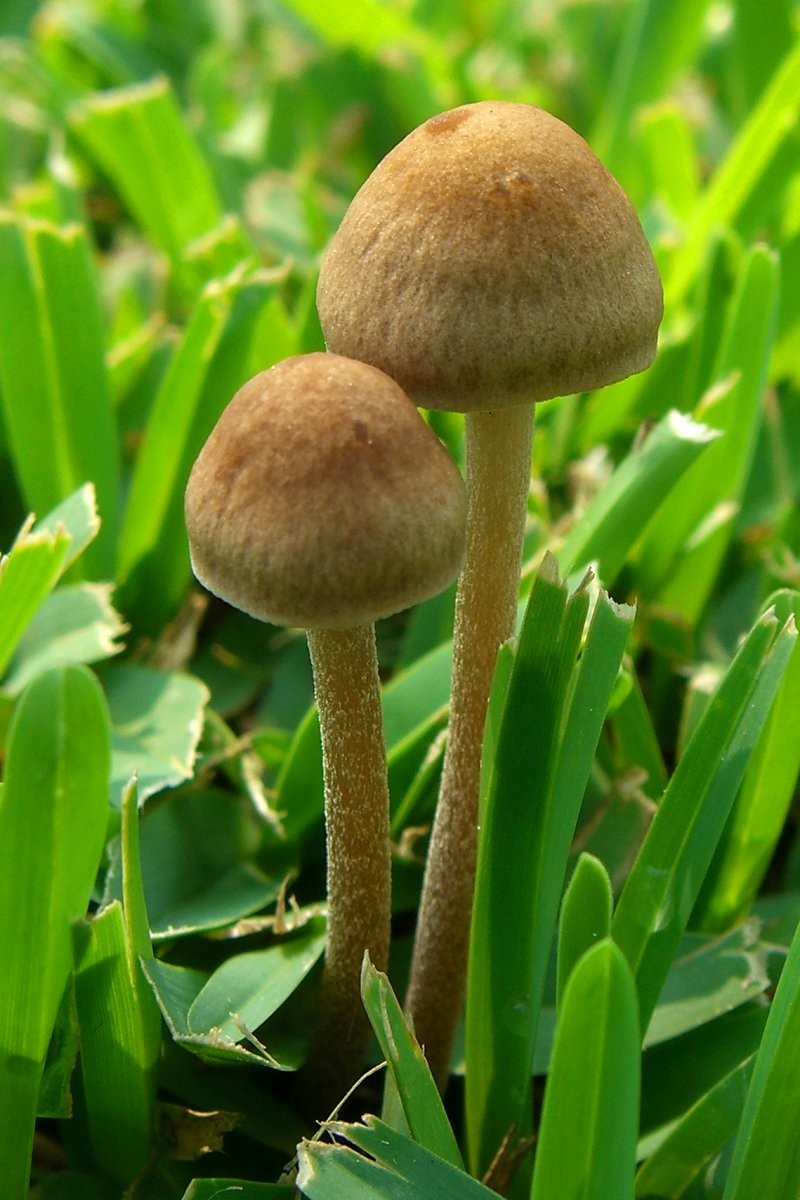
The mower's mushroom, also referred to as the lawnmower's mushroom, is so named because it frequently crops up in lawns. The species is rather nondescript, and it is considered a member of the infamously hard-to-distinguish "Little Brown Mushroom" (LBM) family. While the mower's mushroom is not known to be toxic to humans or dogs, several of these close look-alikes are.
7. Rufous rubber cup
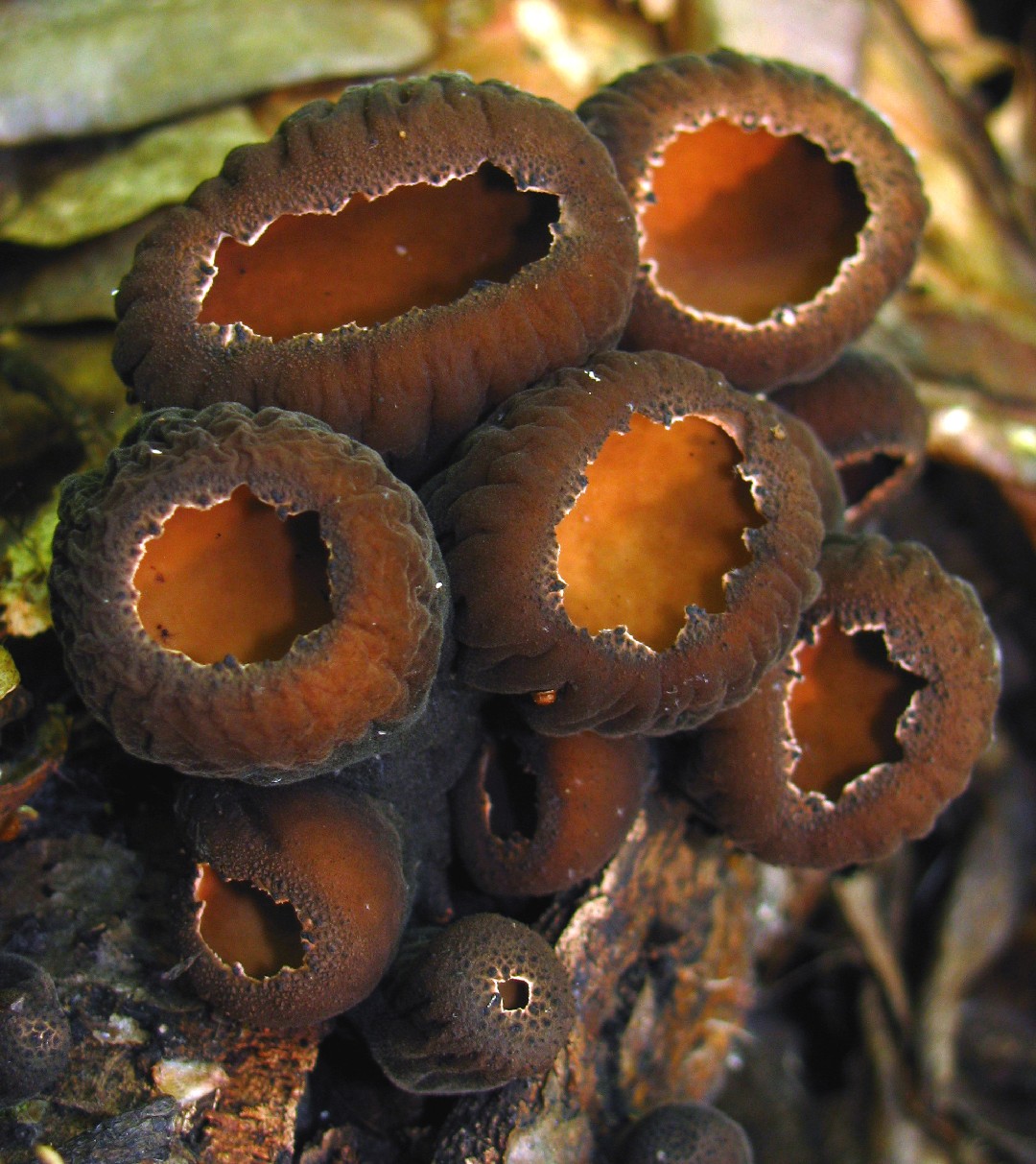
The rufous rubber cup is a tiny, cup-shaped, reddish-brown mushroom that commonly grows on twigs and fallen branches. The species is considered inedible, and its modest look almost certainly wouldn't attract anyone to consume it.
8. Oyster rollrim
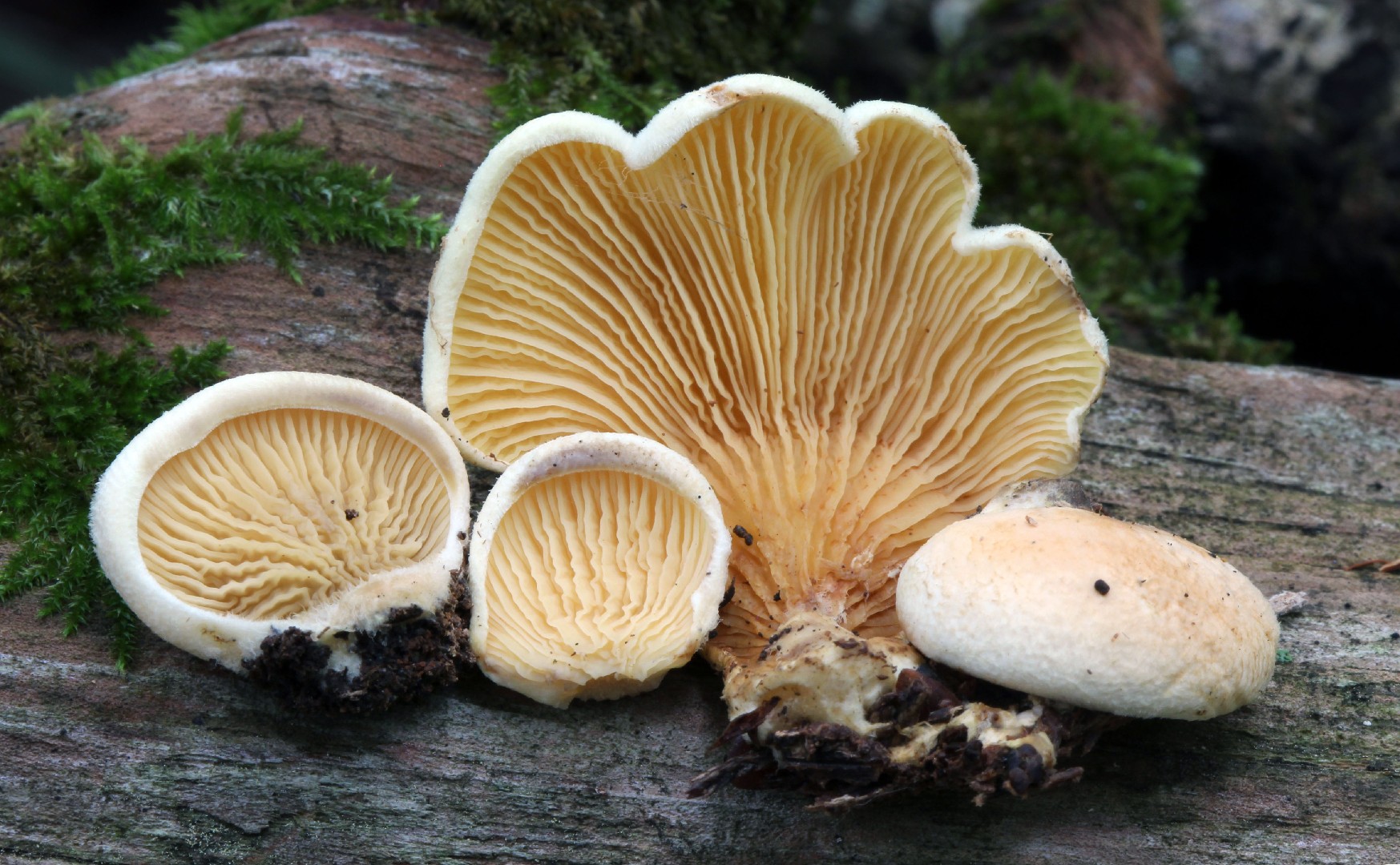
The oyster rollrim lacks a stem, and its lightly fuzzy orange cap, which can grow to a width of 8 cm, will bald with age. This fungus grows in conifer woodlands throughout North America and Europe, from spring to late fall. It has no odor and is poisonous.
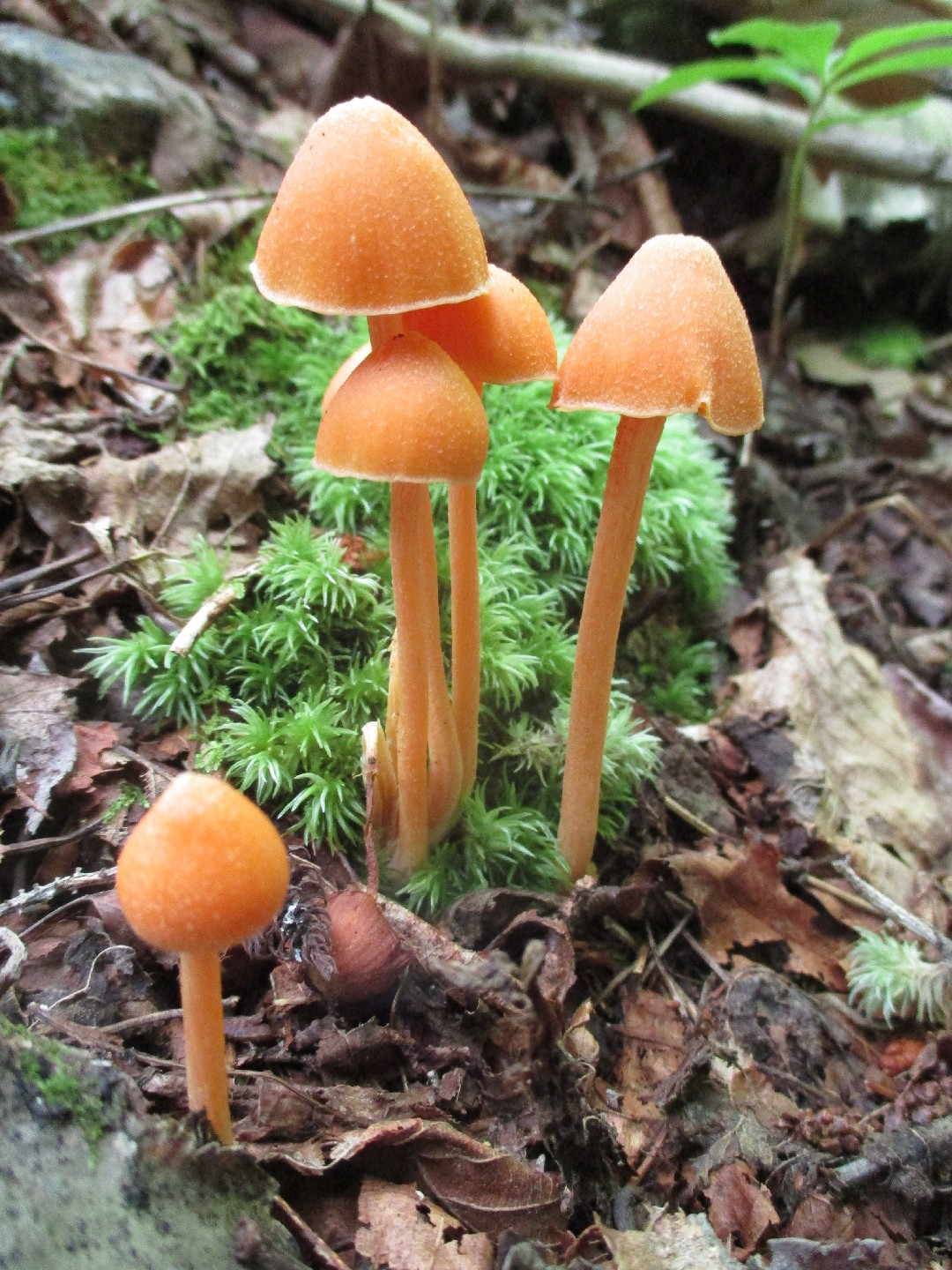
9. Salmon pinkgill
Entoloma quadratum is easily recognized by its pointed salmon pink cap. As the mushroom matures, the color fades. Despite its attractive look, the salmon pinkgill is considered a toxic species and should not be collected and consumed.
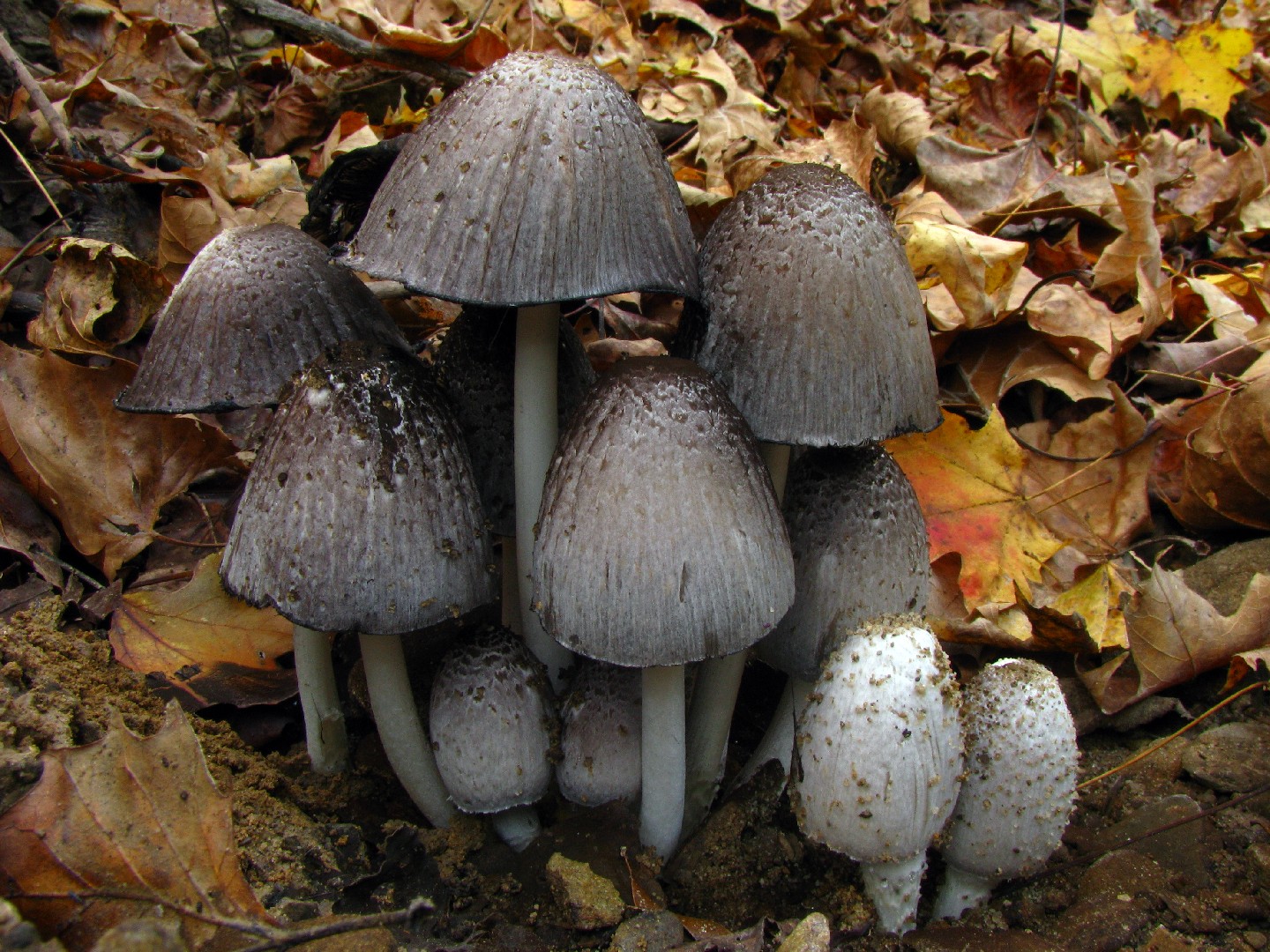
10. Common ink cap
Common ink cap mushrooms grow in clumps from buried wood or tree stumps. They come up with such strength that they have been known to lift pavement or break through asphalt. As they age, their gills will turn black and liquefy, creating the "inky" substance for which they are named.

More







