




Top 9 Most Common Toxic or Poisonous Mushrooms in Panama City
With the subtropical climate and stunning coastal terrain of Panama City, the locale provides a thriving habitat for a variety of fungi, including 9 hazardous mushroom species. This website is your guide to practicing safe foraging habits in Panama City, equipping you with essential knowledge to identify and avoid these poisonous mushrooms. Start your fungi adventure safely with us, and discover the tantalizing world of mushrooms minus the perils.
* Disclaimer: Content feedback CAN NOT be used as any basis for EATING ANY PLANTS. Some plants can be VERY POISONOUS, please purchase edible plants through regular channels.

Most Common Toxic or Poisonous Mushrooms
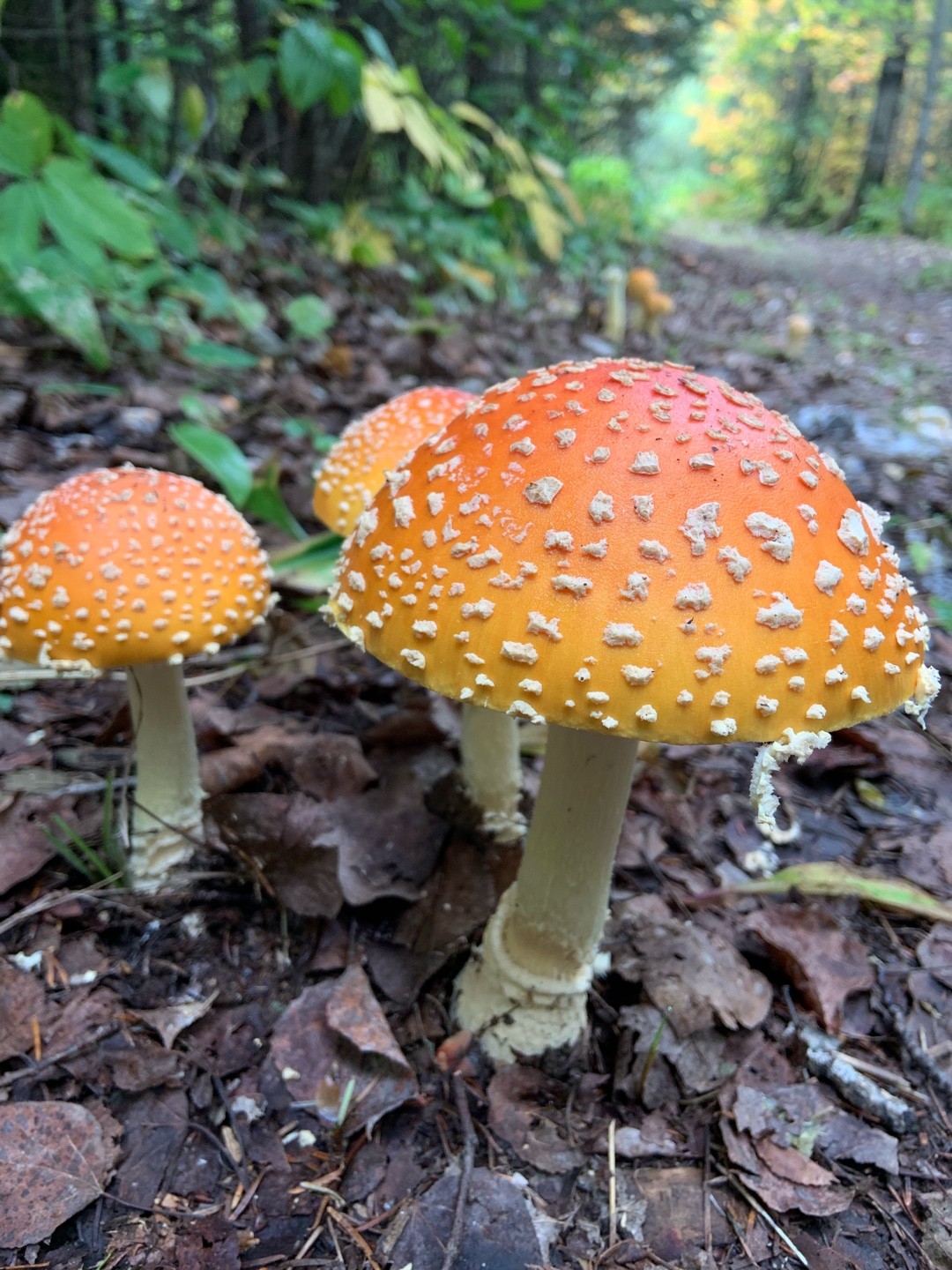
1. Peach-colored fly agaric
If you're looking for peach-colored fly agaric (Amanita persicina), start by hunting around in the leaf litter of hemlock, pine, and oak trees on the eastern coast of North America. Their rotund cap can commonly be overlooked, but well worth seeking out just to view the freckles and color. This species is poisonous, so take nothing but a photograph.
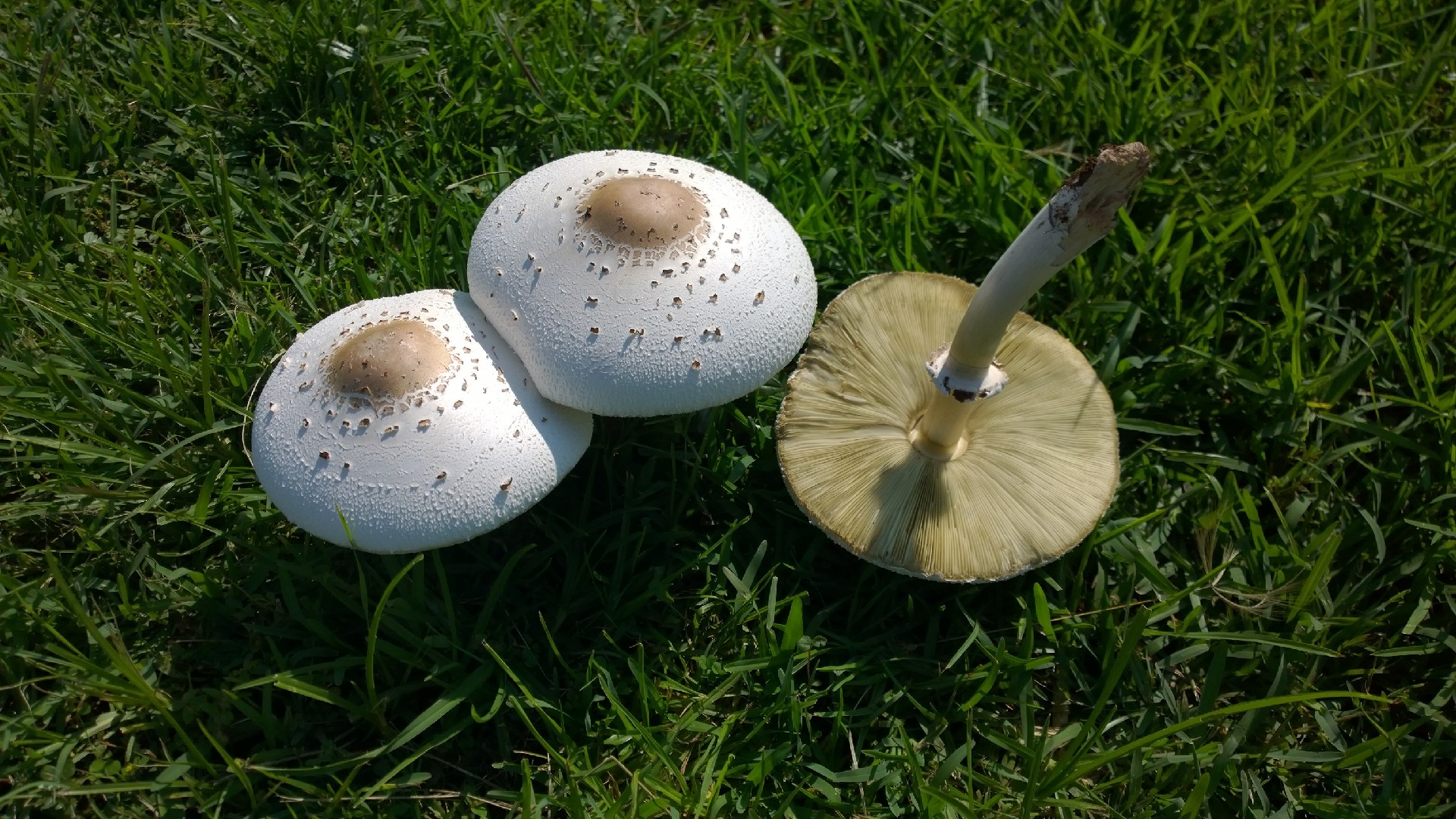
2. False parasol
Though the false parasol appears unassuming, the species is famous—or, infamous—for its toxicity. It looks unfortunately similar to Agericus campestrus, a commonly eaten mushroom, but the false parasol can be distinguished by its highly unusual green spore print. Although they are no good to eat, they can be pretty to look at. The species may grow in ring-shaped groups in meadows and on forest floors in what are sometimes called "fairy circles."
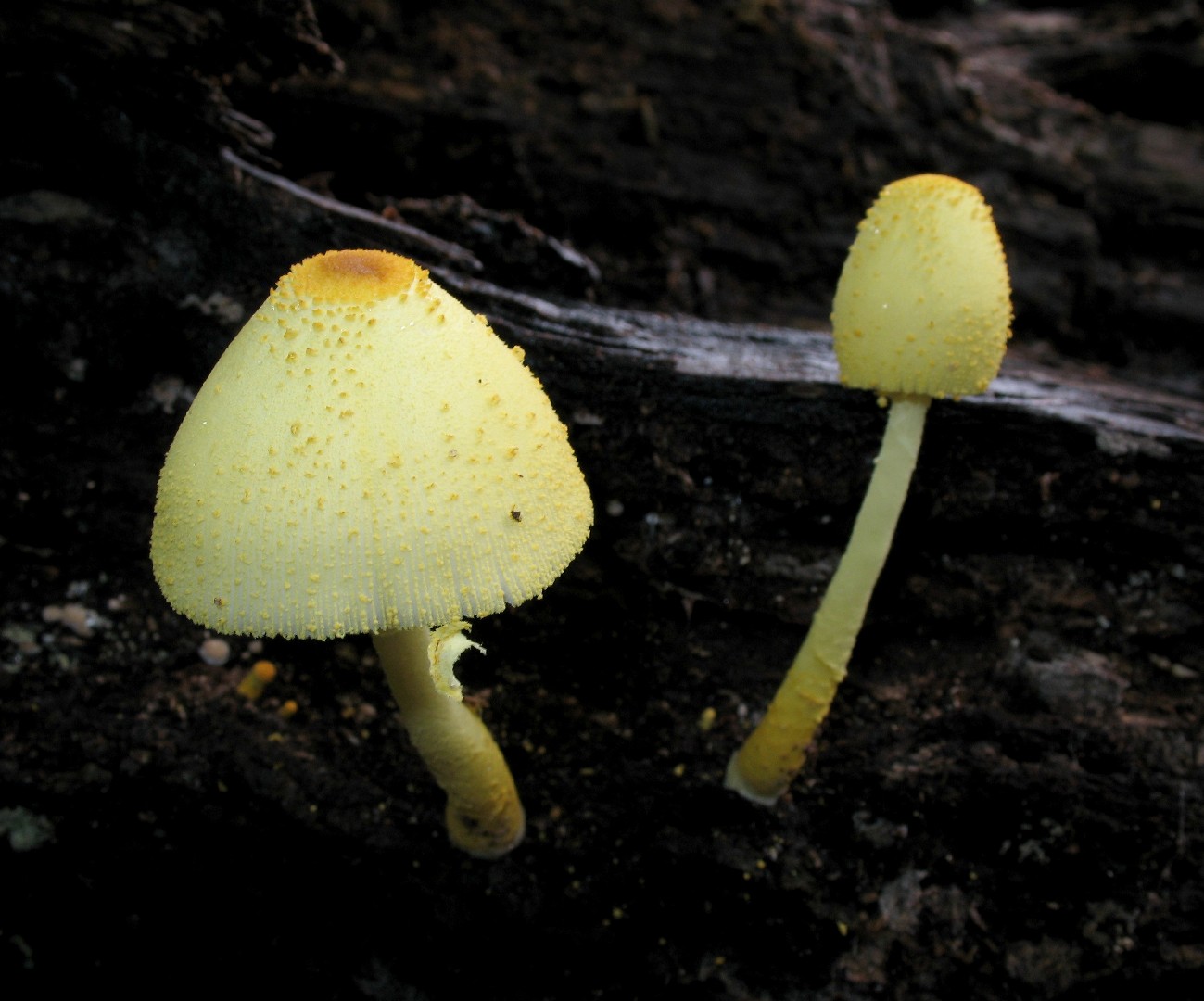
3. Flowerpot parasol
This tropical/subtropical mushroom is known to be toxic. If eaten it causes a very unpleasant stomachache with the risk of fatal complications. In temperate zones, flowerpot parasol is only found in hothouses and greenhouses, so the risk of accidental foraging is low, but it may occur with potted plants and indoor landscaping and pose a risk to curious children.
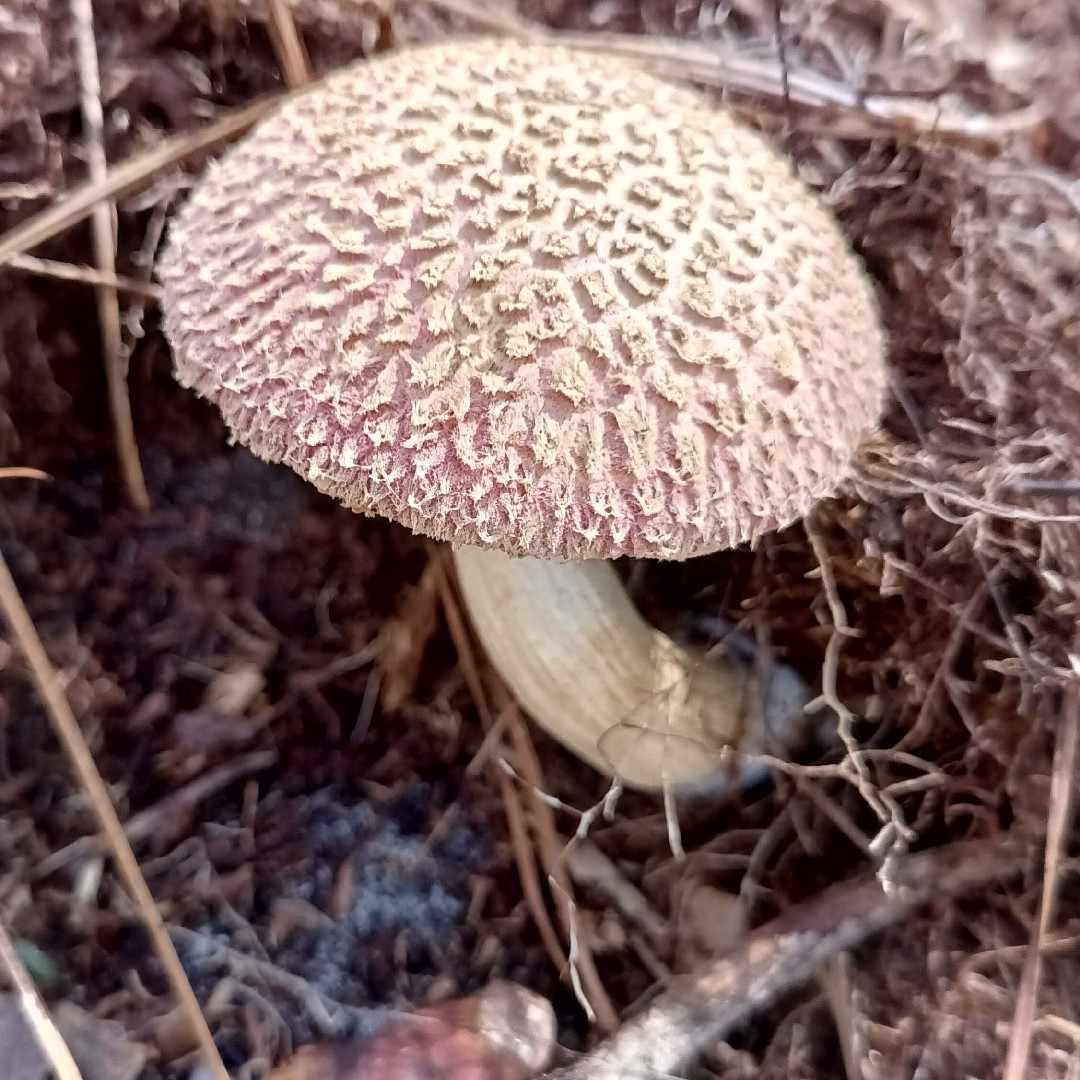
4. Pineapple bolete
One of the most distinctive boletes, the pineapple bolete features an unusual coarse, shaggy, and scaly cap that gets purplish hues as the mushroom matures. When young, the pineapple bolete is covered in a whitish veil, which also creates a unique distinction for this mushroom.
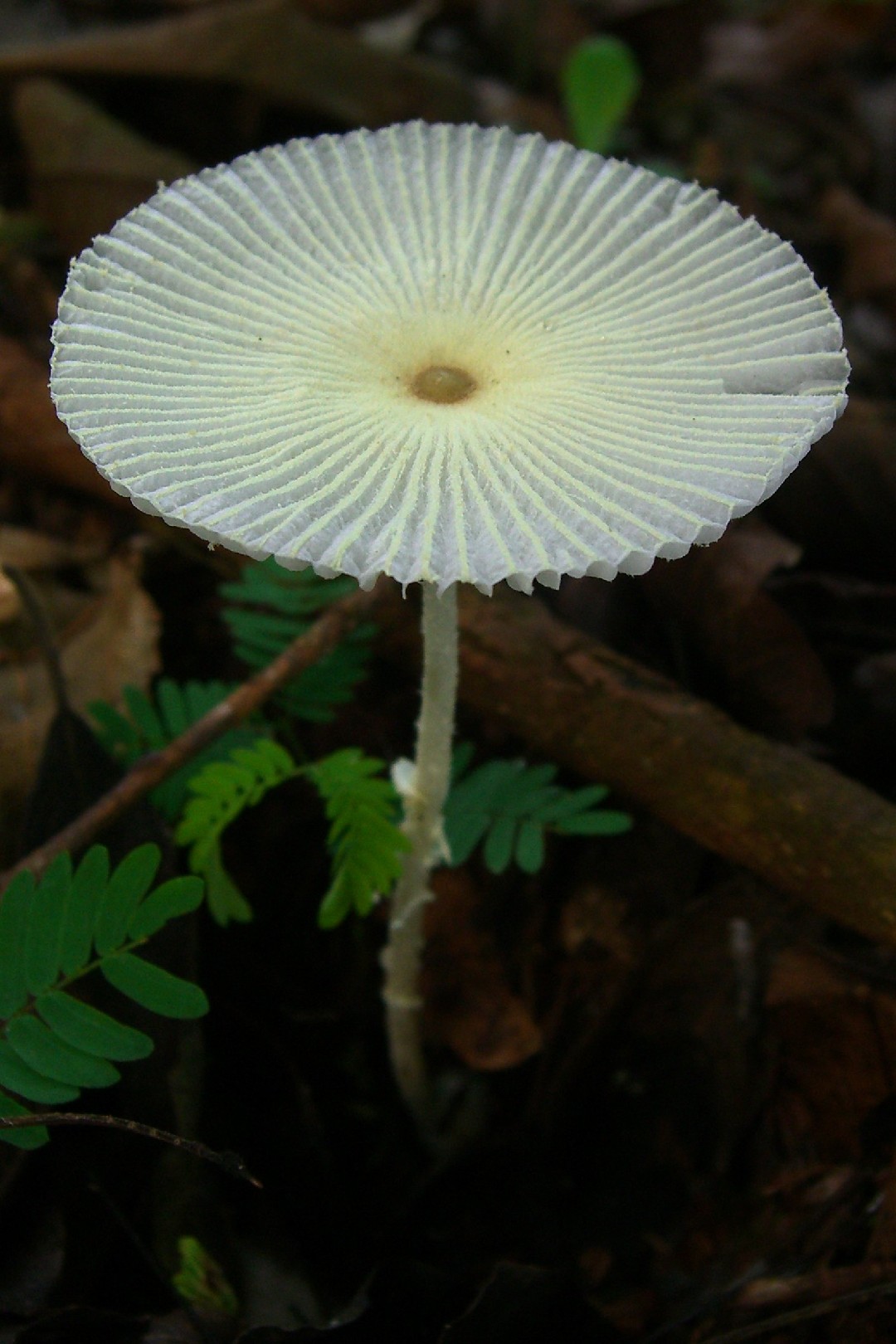
5. Fragile dapperling
The fragile dapperling is a tropical and subtropical woodland species. As its name suggests, this mushroom is so tender and fragile that picking it becomes a real challenge. The stem is very thin and it easily snaps. The edibility of the fragile dapperling is unknown, but the mushroom is probably insufficient for any kind of meal.
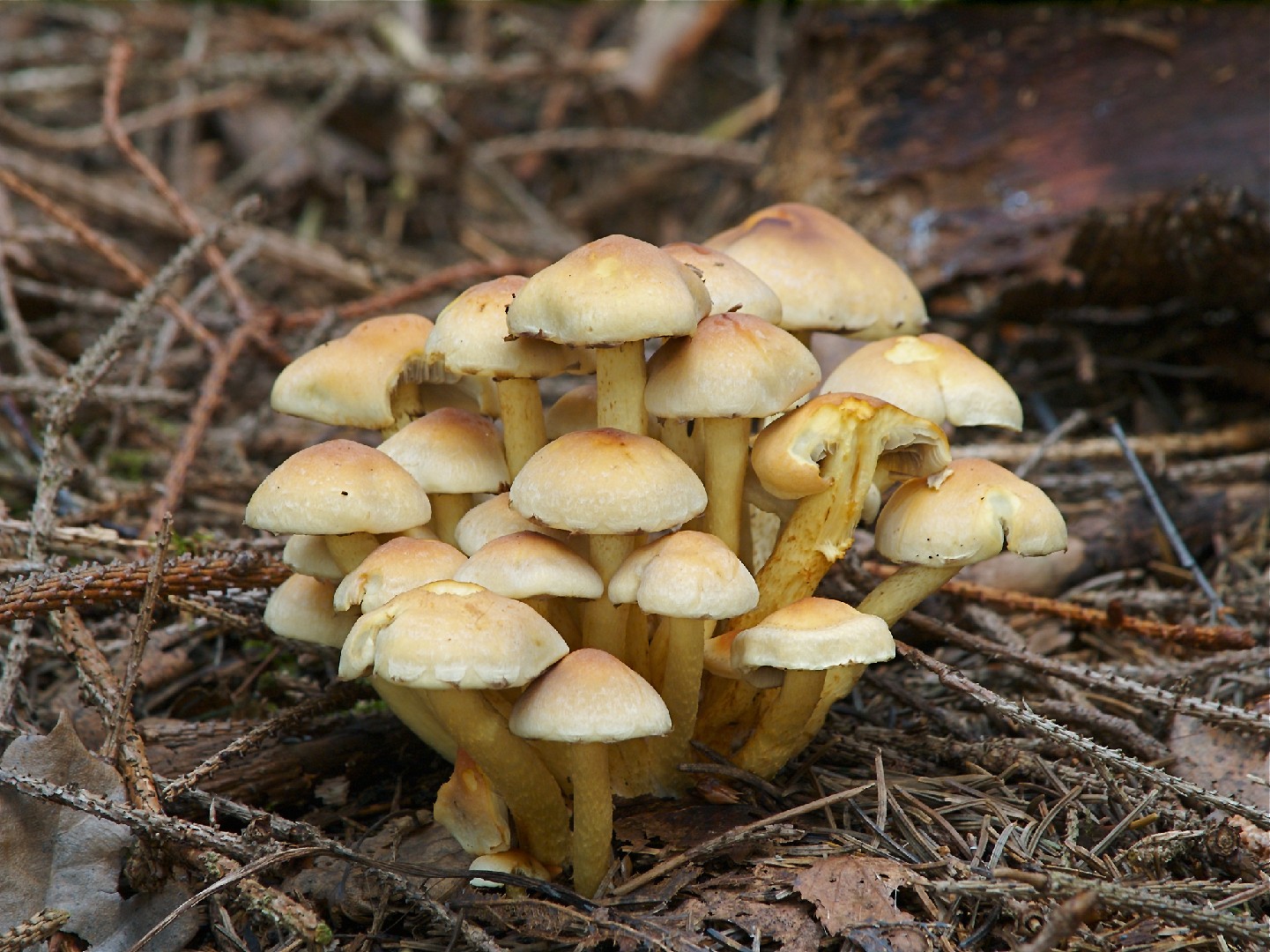
6. Sulphur tuft
The sulphur tuft grows on rotting wood of all types of trees; it is a particularly efficient decomposer of hardwoods. The mushrooms appear from spring to autumn and are often so tightly packed that they interfere with each other’s shape. This poisonous mushroom can cause temporary paralysis, distorted vision, and stomach pain if consumed.
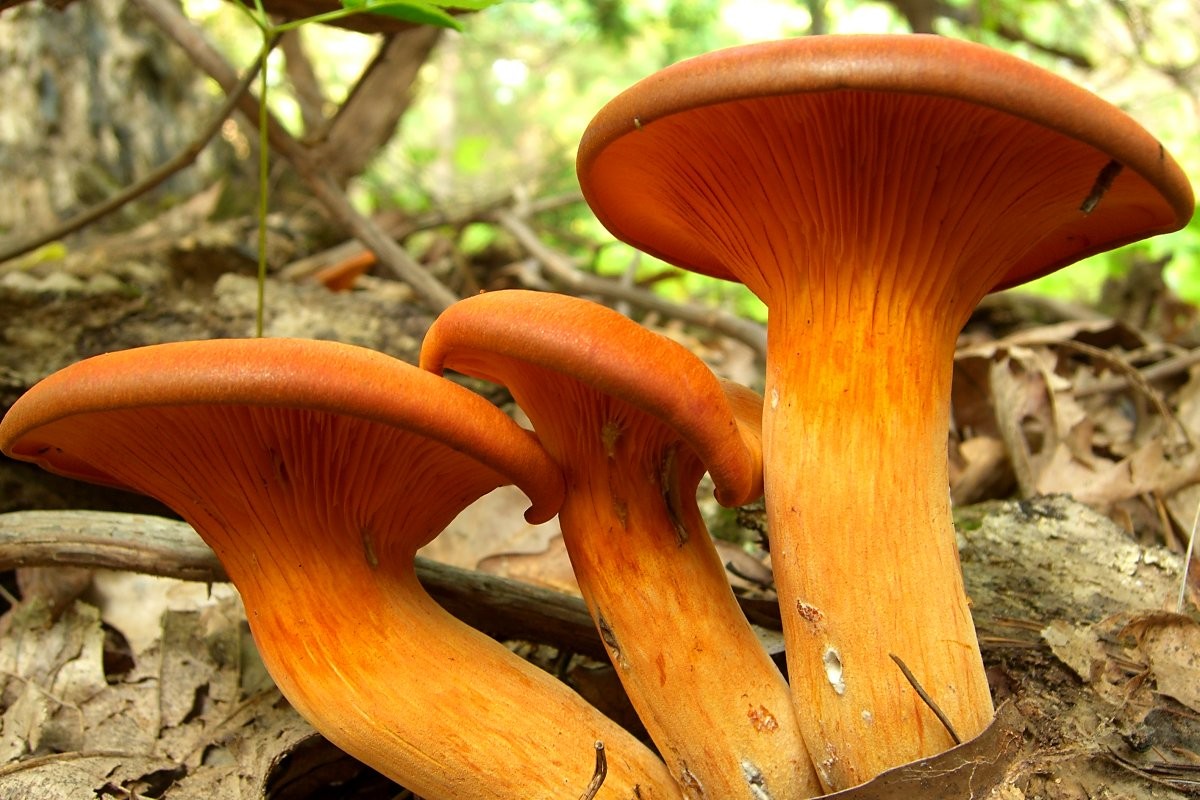
7. Jack-o'lantern mushroom
The jack-o'lantern mushroom is so-called because of its bright orange color, and because it often appears in the fall (usually before Halloween, though). This vibrant little mushroom can be found growing on decaying hardwood stumps and logs. The species does have some superficial resemblances to the highly edible chanterelle (Cantharellus cibarius), but it is toxic and should be avoided!
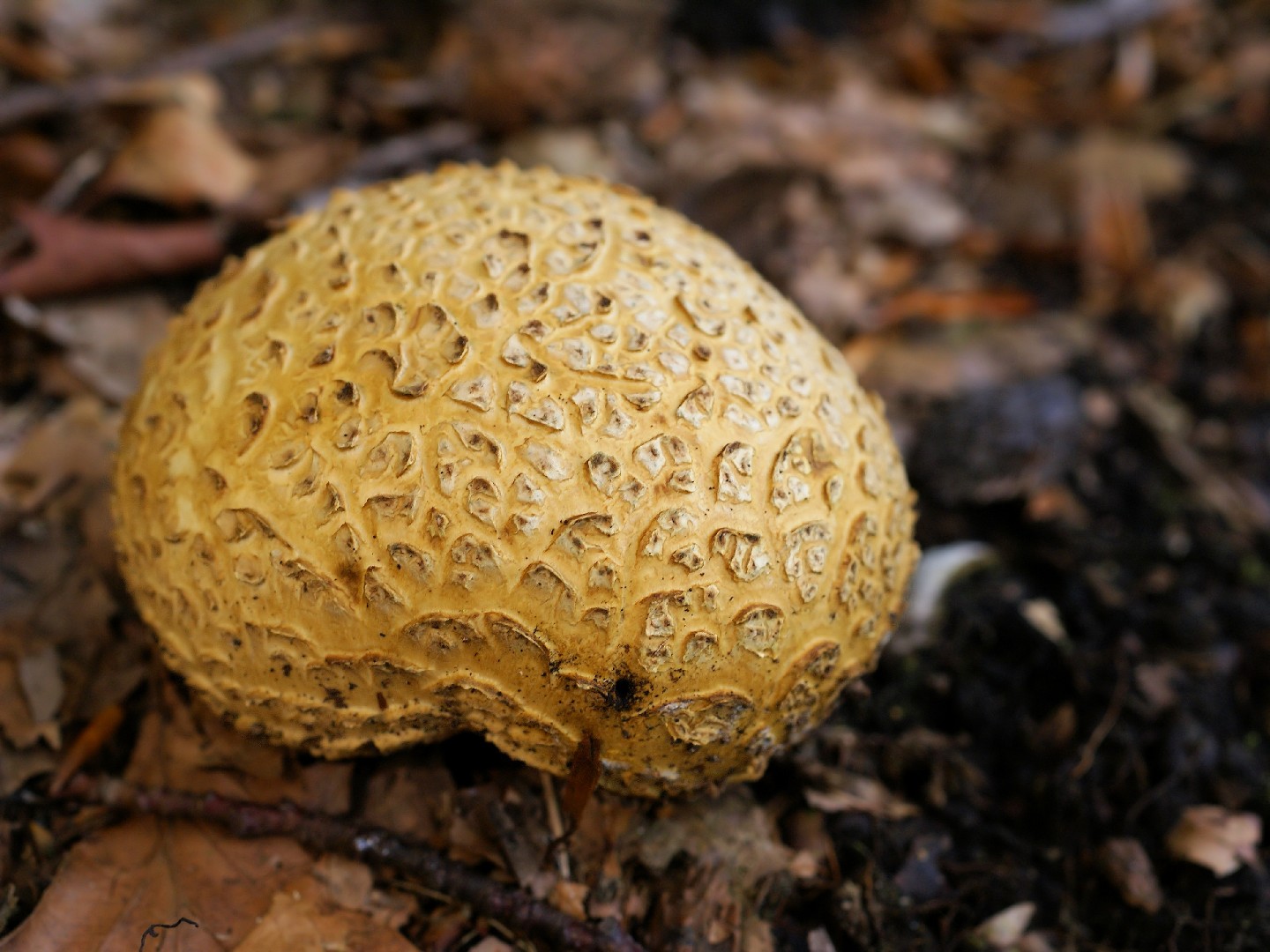
8. Common earthball
With an appearance similar to a crusty potato, the common earthball blooms from acidic soils, including compacted paths on the forest floor. It matures to a yellowish tinge and is found across the northern hemisphere. It is a close cousin to bolete mushrooms but is considered to be poisonous and is never eaten.
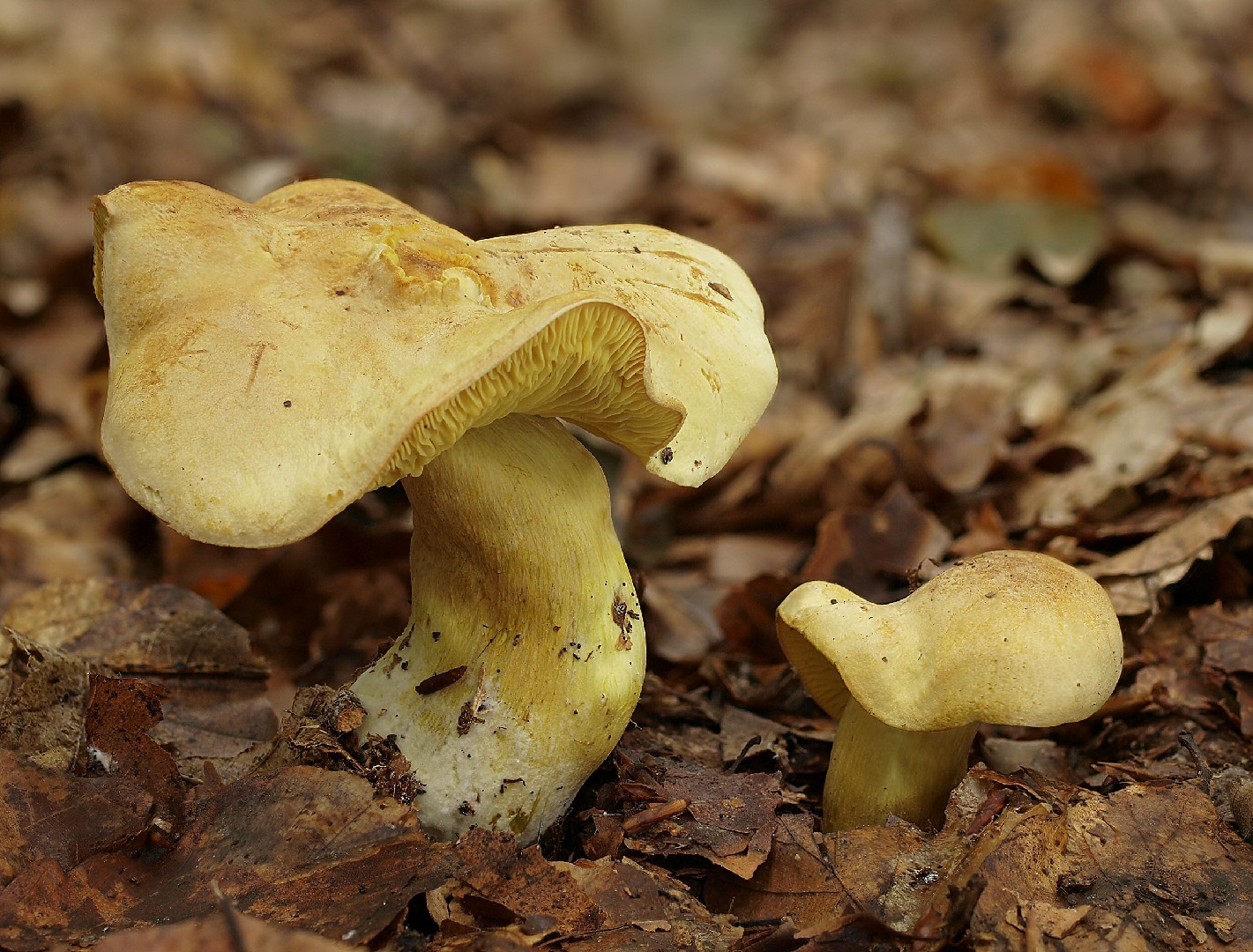
9. Sulphur knight
As its name suggests, the sulphur knight is known for its distinctive, obnoxious smell. Thankfully, this repulsive odor implies its toxicity - the sulphur knight is known to cause severe gastrointestinal problems, and therefore should not be consumed.







