




Top 20 Most Common Toxic or Poisonous Mushrooms in Orlando
Embarking on a fascinating journey through Orlando's humid subtropical terrain, we delve into the hidden world of fungi. Thanks to Orlando's year-round warm temperature and abundant rainfall, it serves as a fertile playground for several kinds of mushrooms. But, not all of them are friendly. Within the myriad of species dotting this vibrant landscape, there lurks a sinister crop of '20' most common poisonous mushrooms. Equipped with this guide, your mushroom hunting will become safer and more enjoyable as you learn to sidestep these dangerous species. Always remember, safety first!
* Disclaimer: Content feedback CAN NOT be used as any basis for EATING ANY PLANTS. Some plants can be VERY POISONOUS, please purchase edible plants through regular channels.

Most Common Toxic or Poisonous Mushrooms
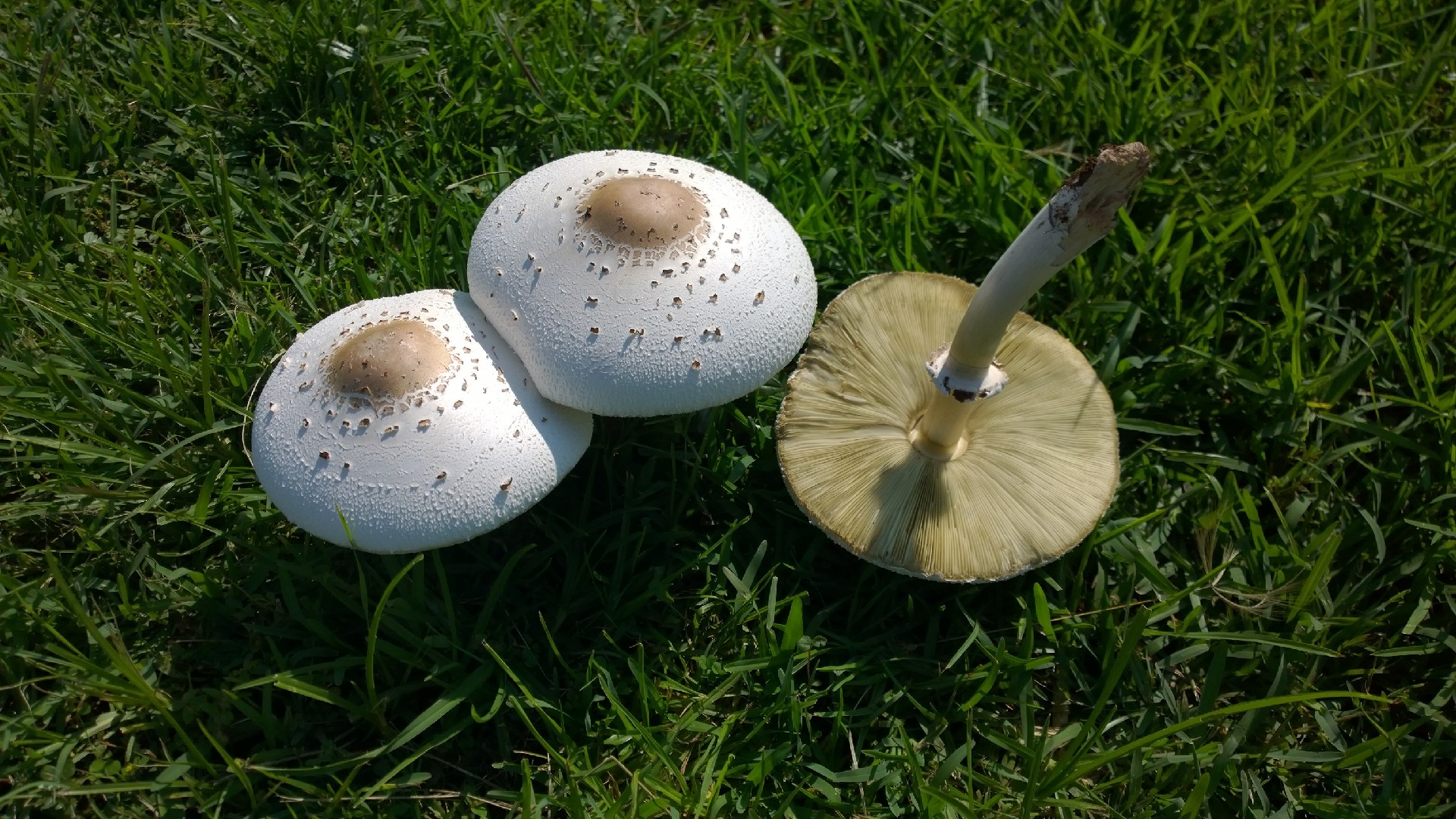
1. False parasol
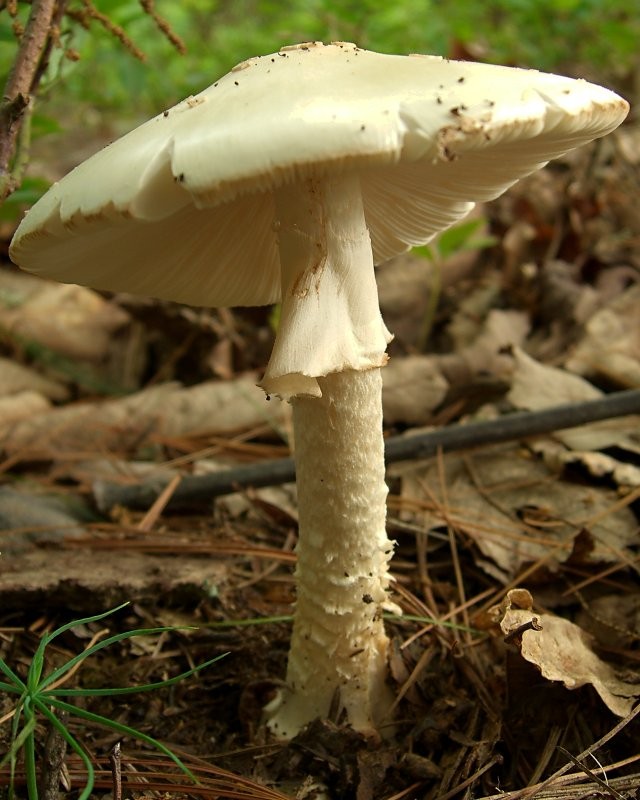
Though the false parasol appears unassuming, the species is famous—or, infamous—for its toxicity. It looks unfortunately similar to Agericus campestrus, a commonly eaten mushroom, but the false parasol can be distinguished by its highly unusual green spore print. Although they are no good to eat, they can be pretty to look at. The species may grow in ring-shaped groups in meadows and on forest floors in what are sometimes called "fairy circles."
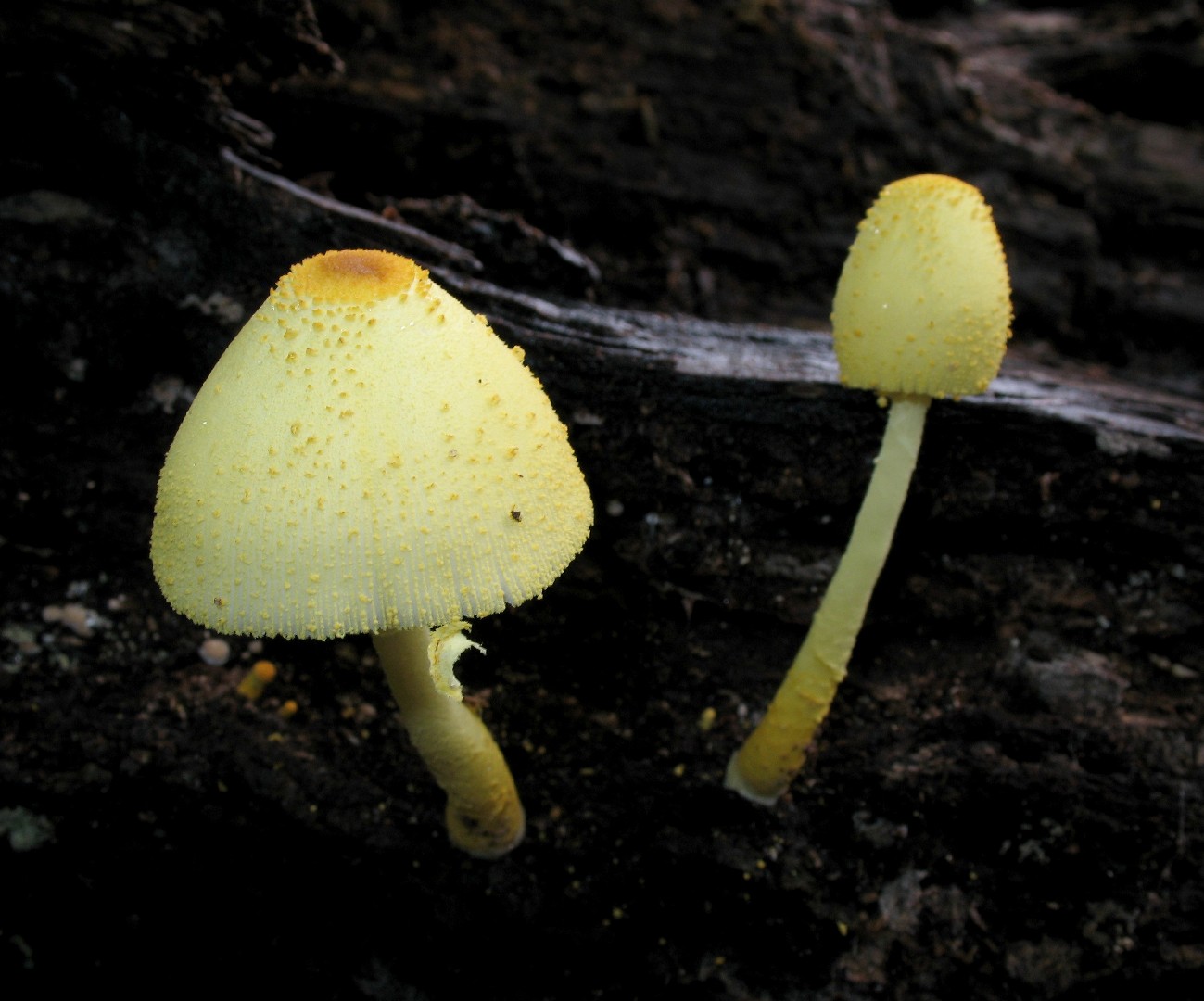
2. Flowerpot parasol
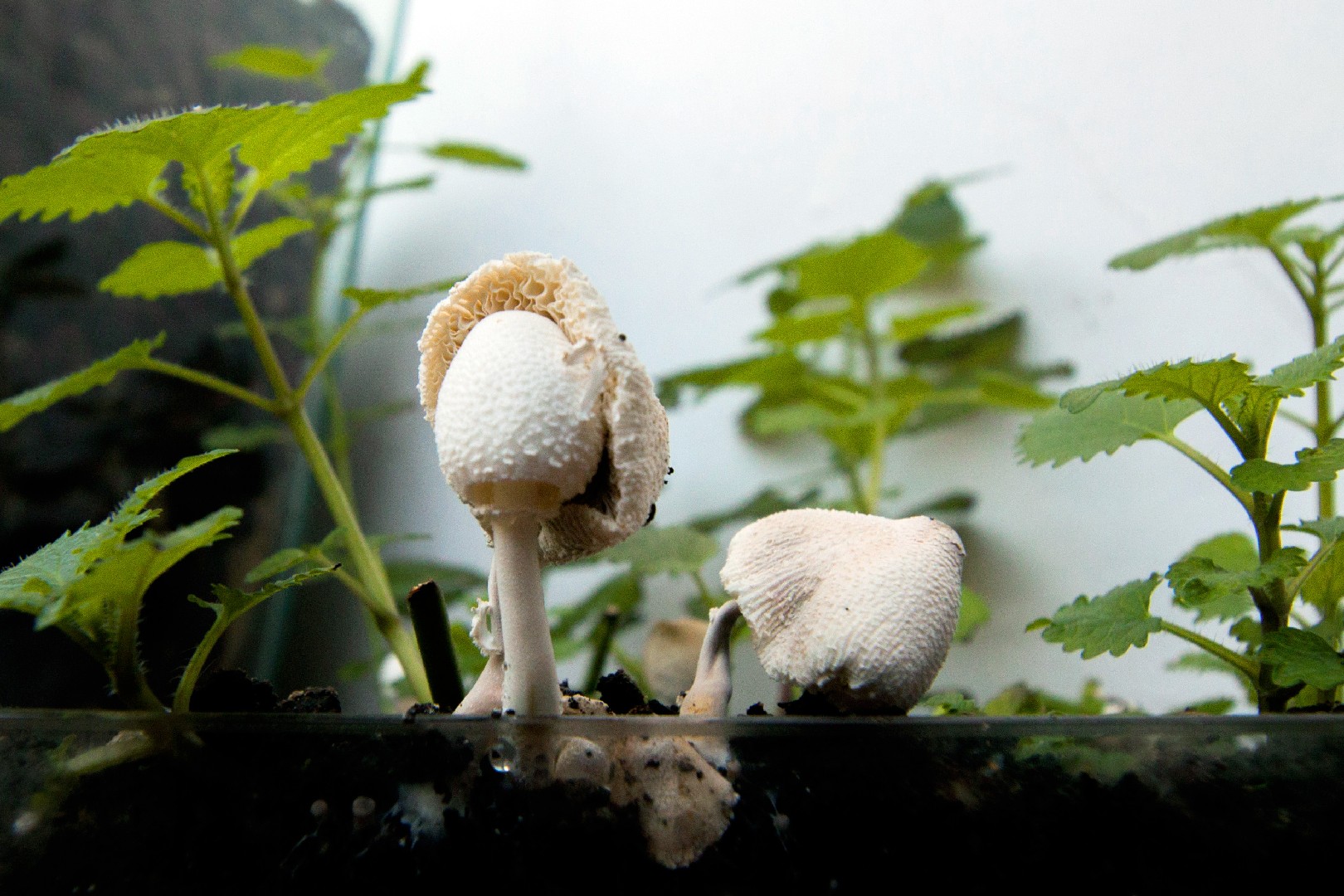
This tropical/subtropical mushroom is known to be toxic. If eaten it causes a very unpleasant stomachache with the risk of fatal complications. In temperate zones, flowerpot parasol is only found in hothouses and greenhouses, so the risk of accidental foraging is low, but it may occur with potted plants and indoor landscaping and pose a risk to curious children.
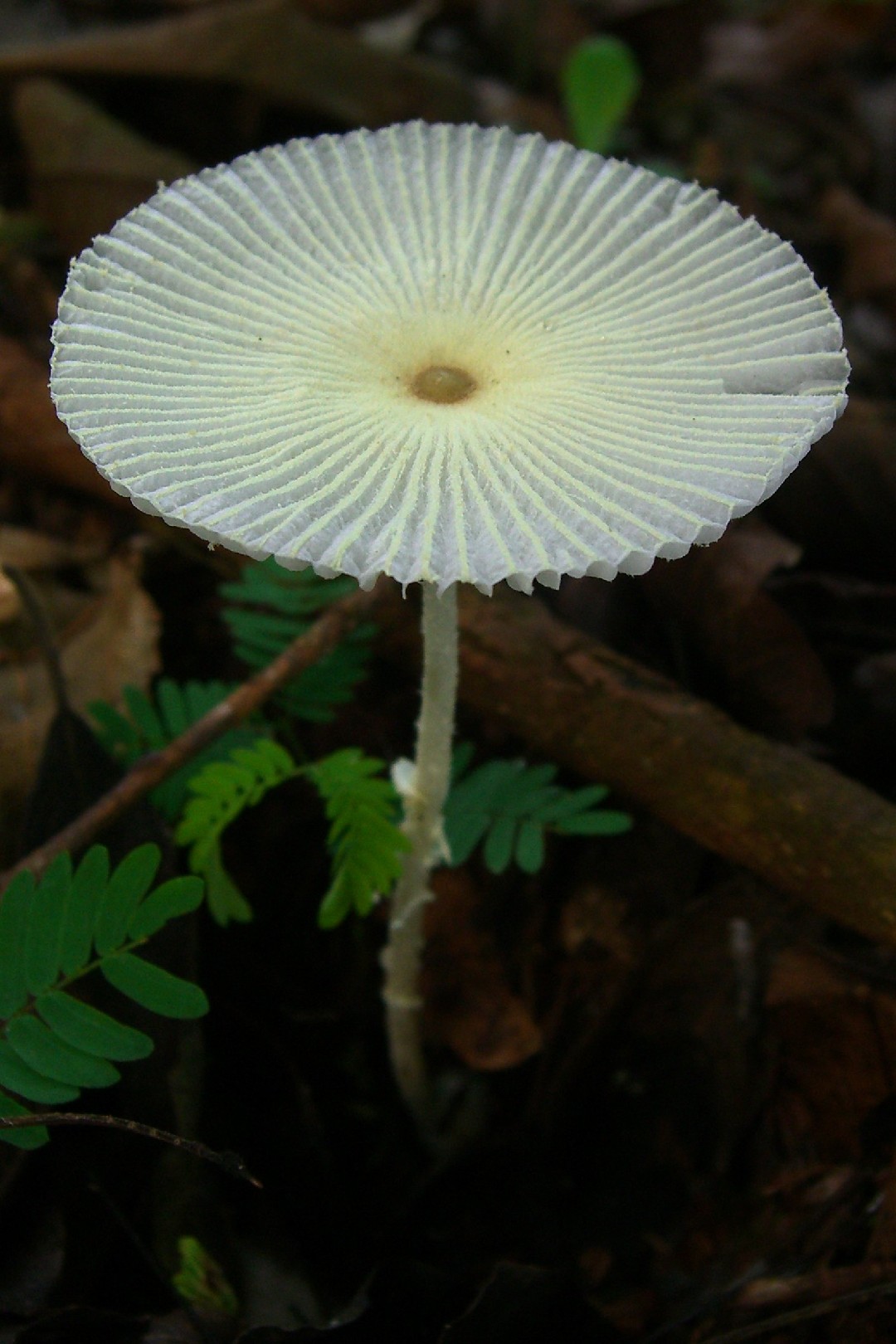
3. Fragile dapperling
The fragile dapperling is a tropical and subtropical woodland species. As its name suggests, this mushroom is so tender and fragile that picking it becomes a real challenge. The stem is very thin and it easily snaps. The edibility of the fragile dapperling is unknown, but the mushroom is probably insufficient for any kind of meal.
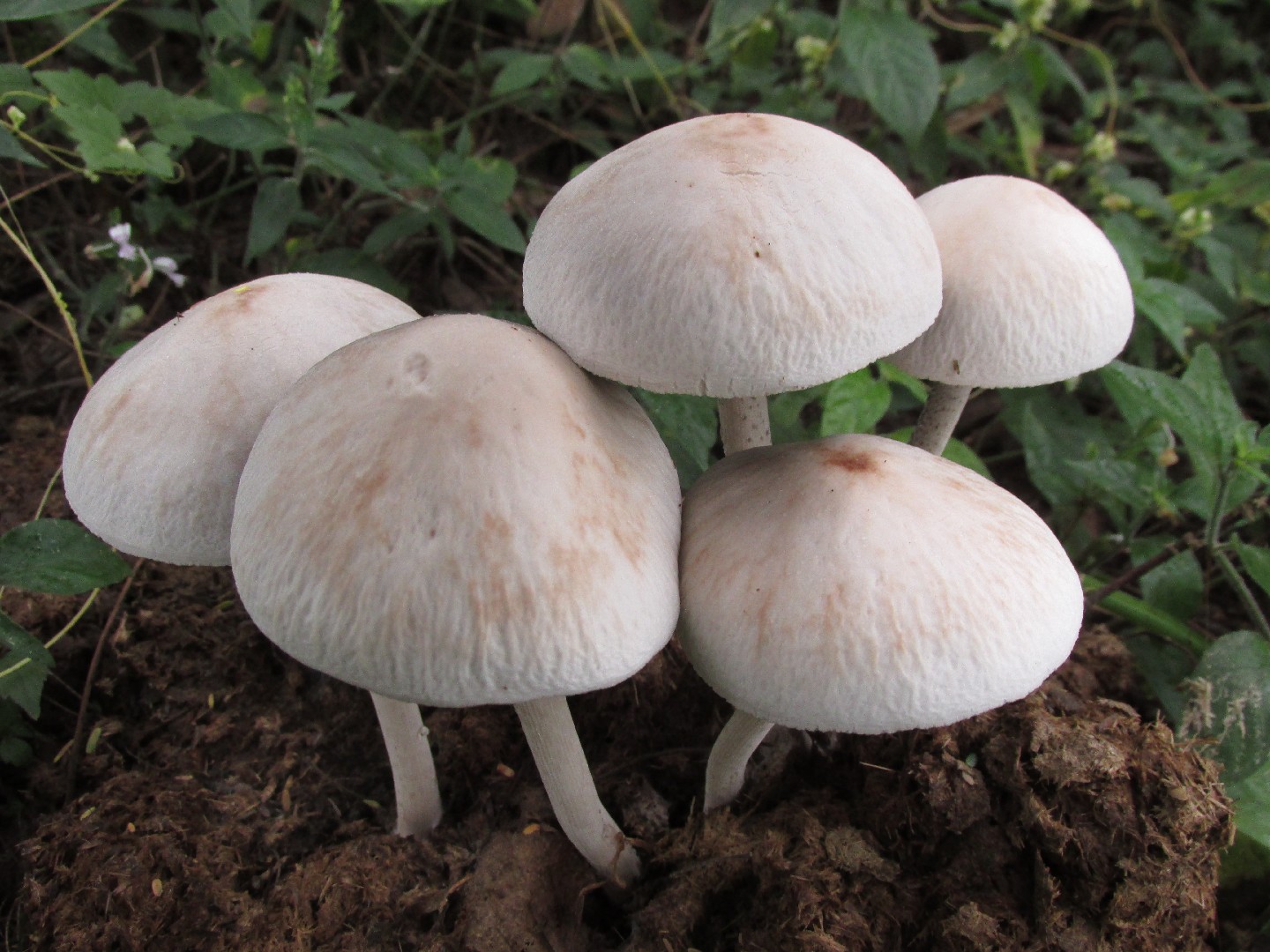
4. Panaeolus antillarum
The panaeolus antillarum is a small, nondescript mushroom that, like other members of the Panaeolus genus, favors fruiting in animal dung, though it may also be found in wet meadows or even lawns. Though its stalk and cap don't offer any quick or easy identifying characteristics, one distinguishing feature of this species is its spore print, which is jet black.
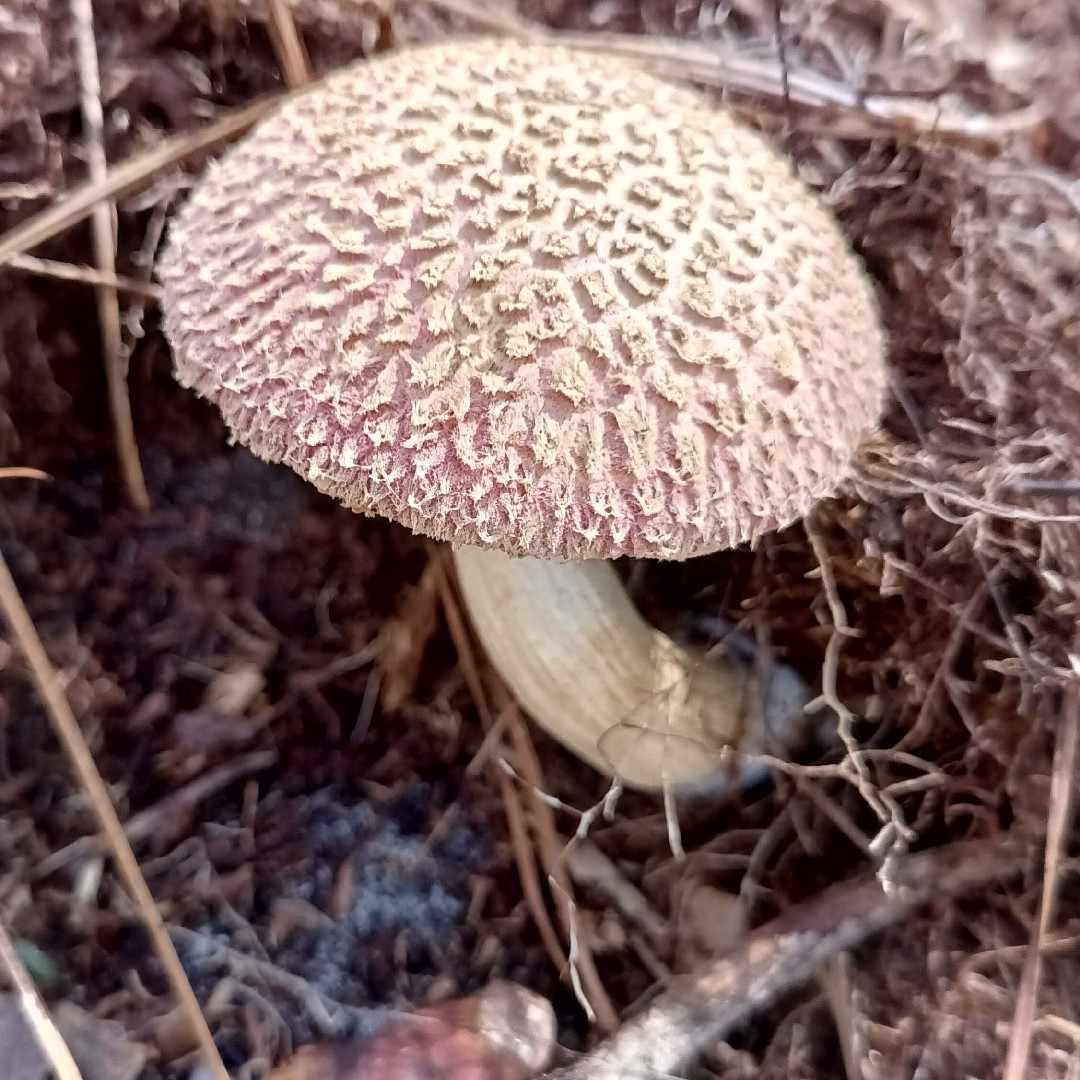
5. Pineapple bolete
One of the most distinctive boletes, the pineapple bolete features an unusual coarse, shaggy, and scaly cap that gets purplish hues as the mushroom matures. When young, the pineapple bolete is covered in a whitish veil, which also creates a unique distinction for this mushroom.
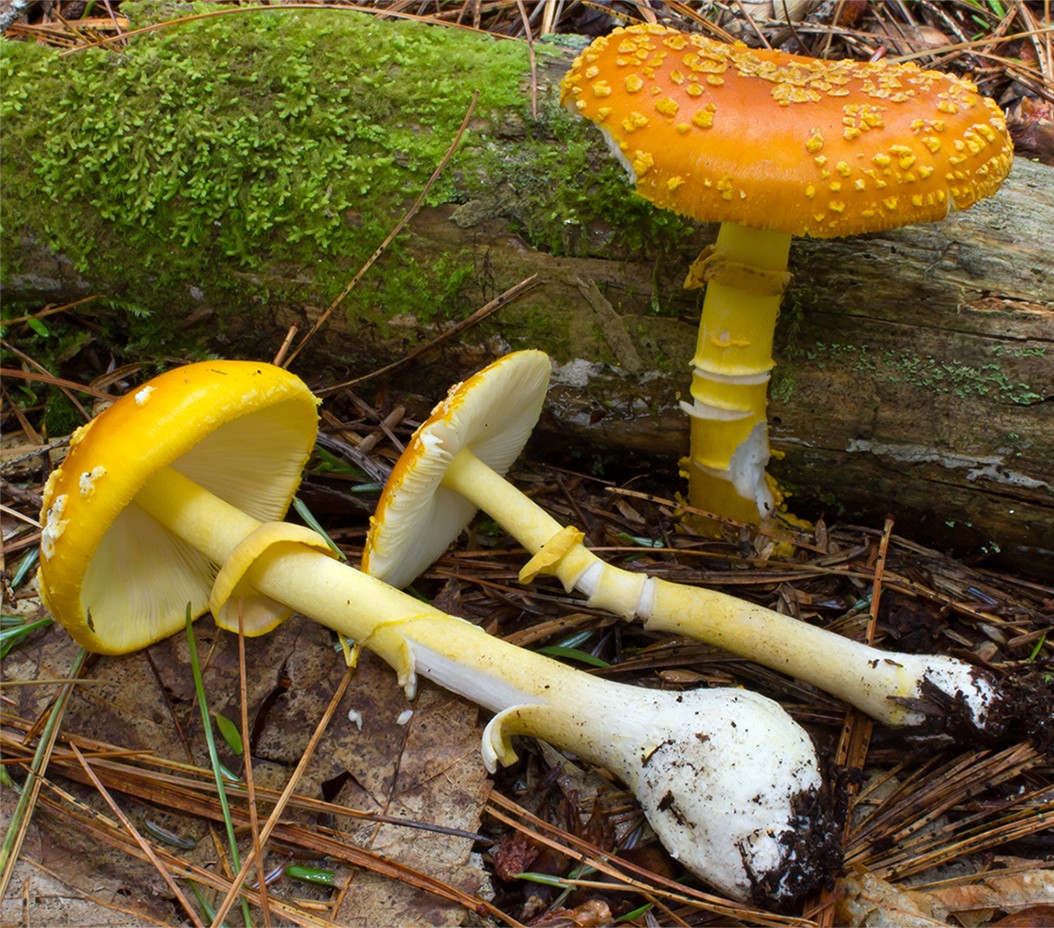
6. Yellow patches
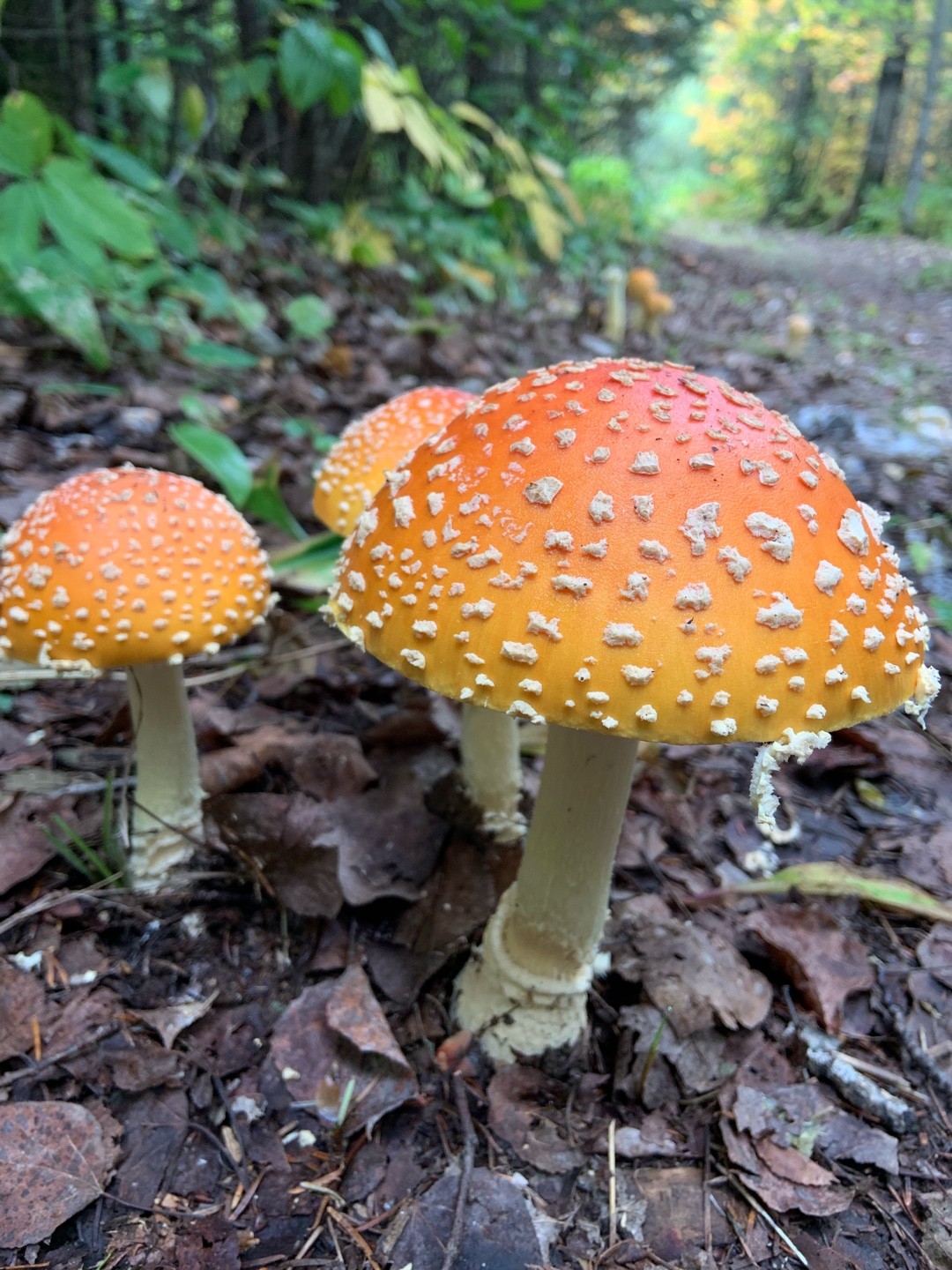
The yellow patches is a gorgeous, striking species with a deep marigold or vermillion cap that sometimes appears as a blend of the two. Like some other members of the Amanita genus, it also sports patchy white worts - when it's cap is still very convex, it somewhat resembles the famous white and red mushrooms from the Mario Bros video games. While beautiful to look at, this species is toxic and should not be harvested.
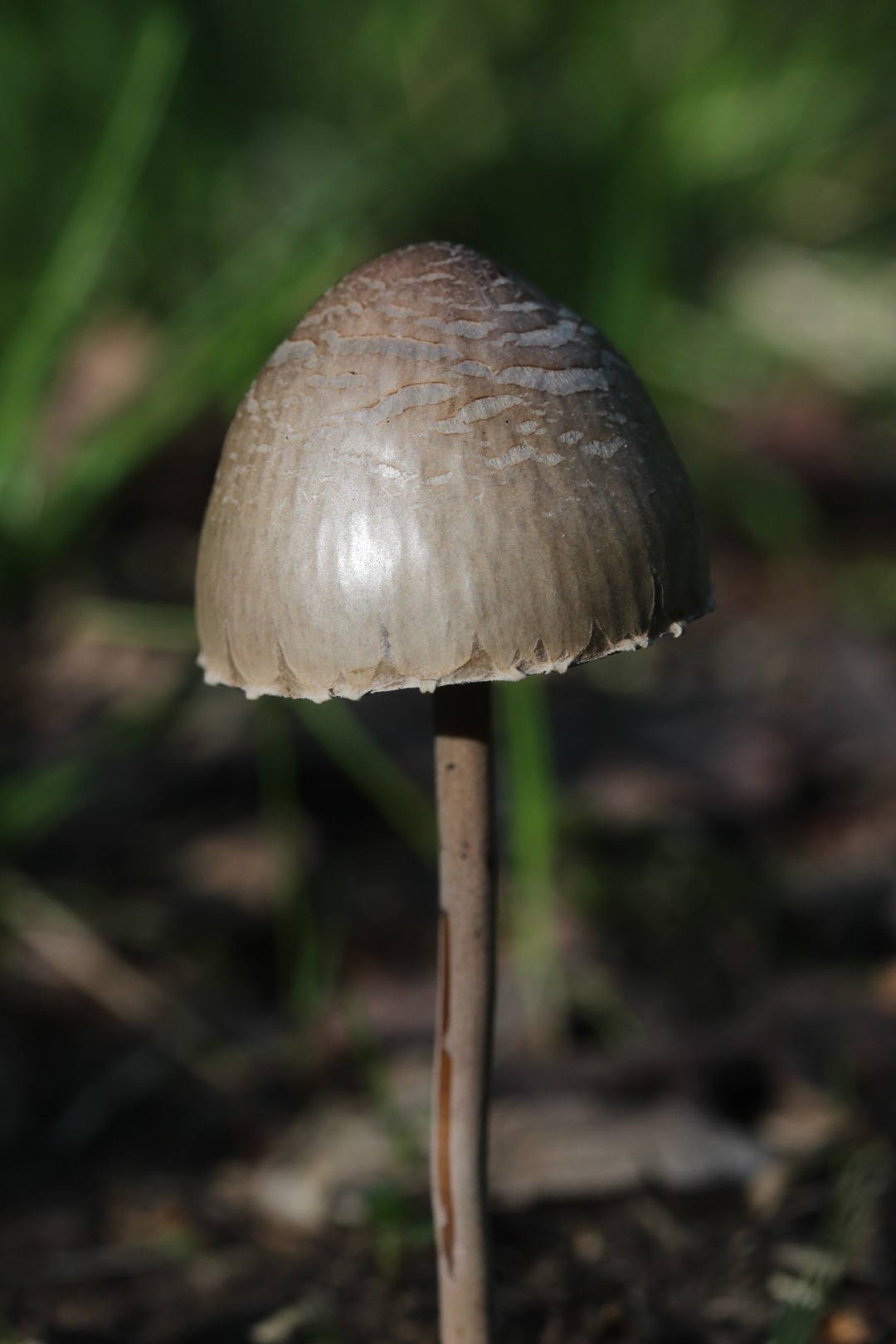
7. Petticoat mottlegill
The petticoat mottlegill is a little brown mushroom (LBM) with a truly global distribution; this mushroom is found on every continent save Antarctica. While relatively nondescript in appearance, it can be recognized by its preferred microhabitat - dung. Petticoat mottlegills are commonly found growing out of cow or horse dung, or they may be seen in open fields that are rich with animal manure.
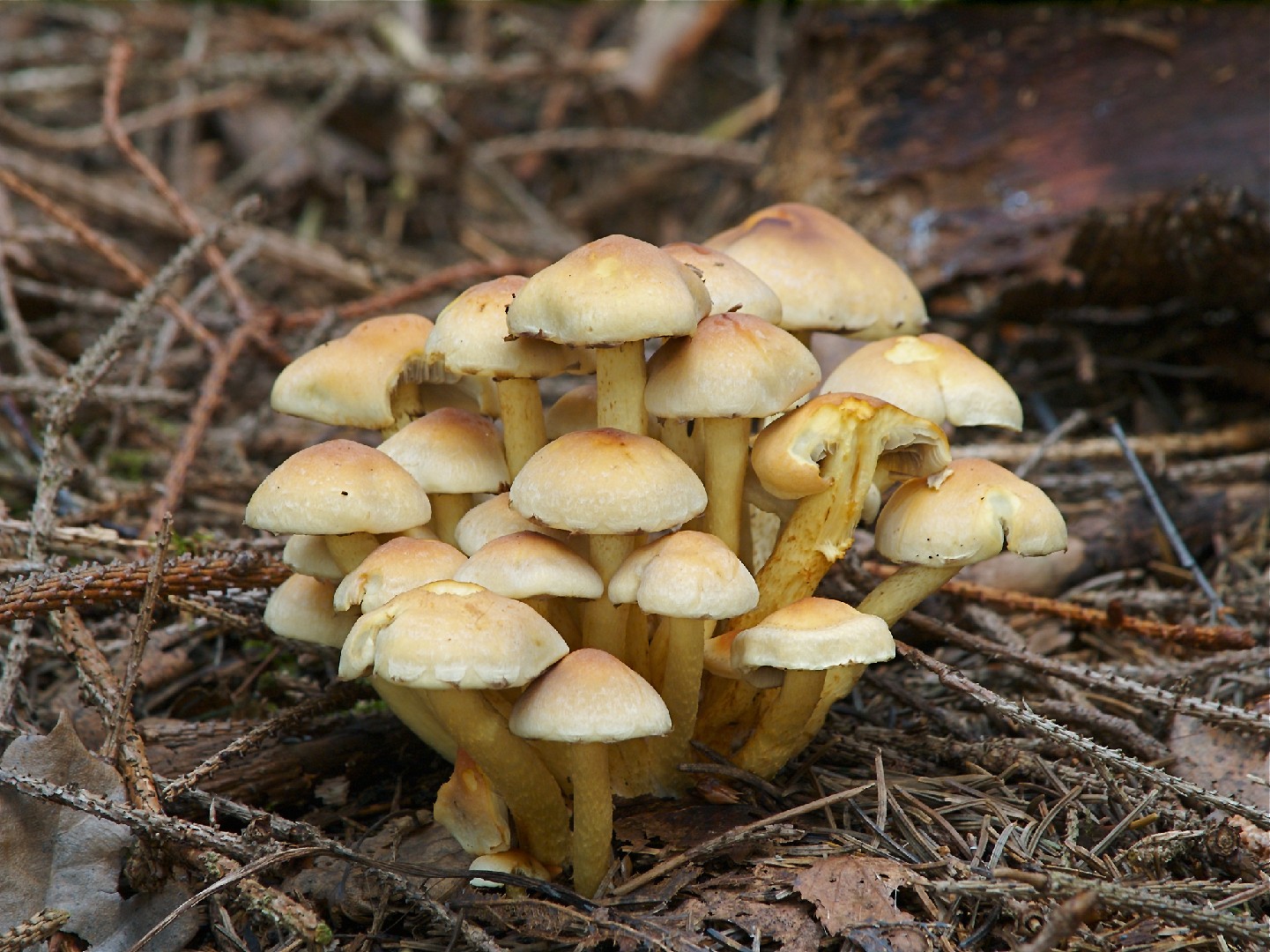
8. Sulphur tuft
The sulphur tuft grows on rotting wood of all types of trees; it is a particularly efficient decomposer of hardwoods. The mushrooms appear from spring to autumn and are often so tightly packed that they interfere with each other’s shape. This poisonous mushroom can cause temporary paralysis, distorted vision, and stomach pain if consumed.
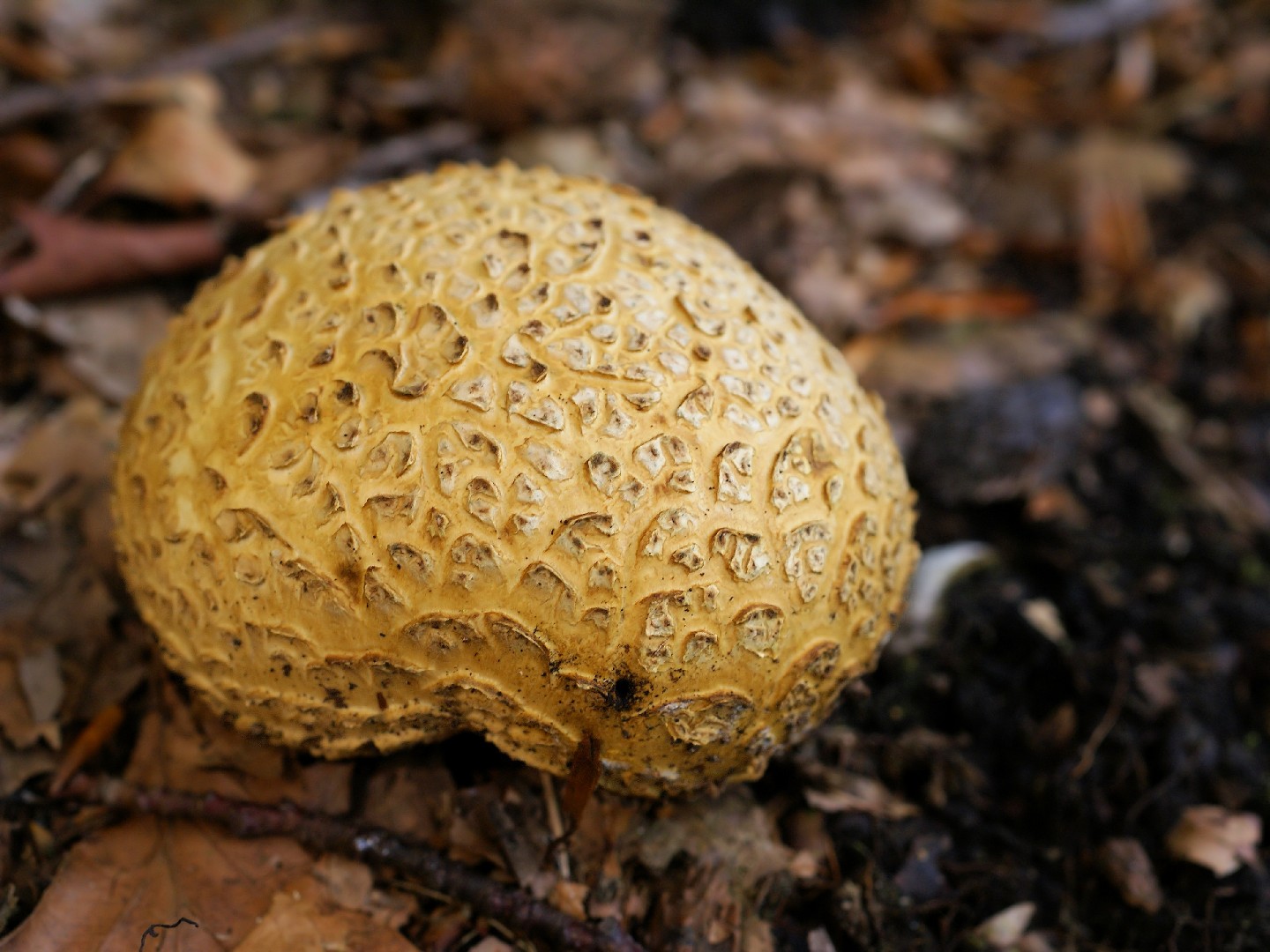
9. Common earthball
With an appearance similar to a crusty potato, the common earthball blooms from acidic soils, including compacted paths on the forest floor. It matures to a yellowish tinge and is found across the northern hemisphere. It is a close cousin to bolete mushrooms but is considered to be poisonous and is never eaten.
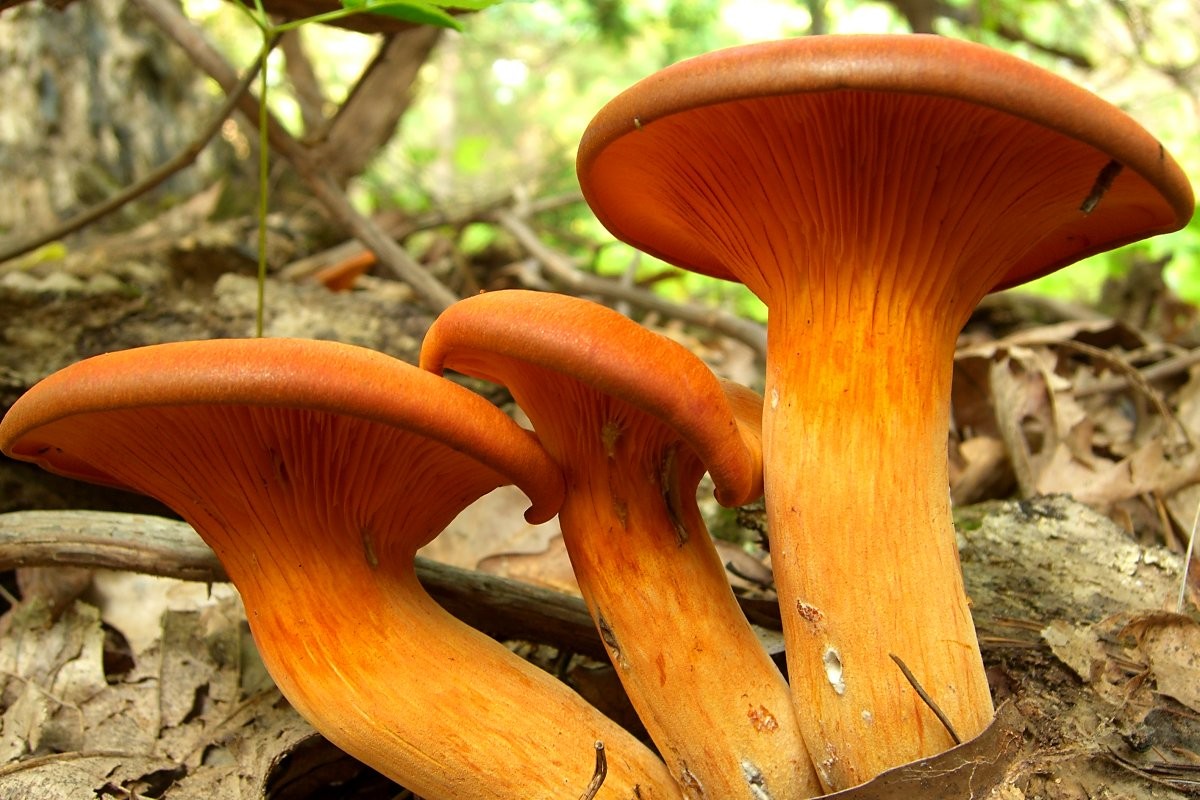
10. Jack-o'lantern mushroom
The jack-o'lantern mushroom is so-called because of its bright orange color, and because it often appears in the fall (usually before Halloween, though). This vibrant little mushroom can be found growing on decaying hardwood stumps and logs. The species does have some superficial resemblances to the highly edible chanterelle (Cantharellus cibarius), but it is toxic and should be avoided!

More







