




Top 12 Most Common Toxic or Poisonous Mushrooms in Castle Rock
Enticed by the vibrant mushroom biodiversity in Castle Rock? Prepare for your fungal foraging by diving into our guide on the top 12 most common poisonous mushrooms in Castle Rock. This region's unique climatic conditions and assorted terrains provide an ideal habitat for diverse mycelium varieties. Whether you're a seasoned forager or a curious novice, our comprehensive guide seeks to enhance your mushroom hunting skills while prioritizing your safety by helping you avoid harmful species. This isn't fiction, it's founded on thorough research, and designed for you to navigate Castle Rock's fungal landscape responsibly.
* Disclaimer: Content feedback CAN NOT be used as any basis for EATING ANY PLANTS. Some plants can be VERY POISONOUS, please purchase edible plants through regular channels.

Most Common Toxic or Poisonous Mushrooms

1. Yellow stainer
The yellow stainer grows across North America and Europe and has been imported to Australia. It can be distinguished from other common white mushrooms by the bright chrome yellow color it turns when bruised. It is known to be poisonous, causing cramps, nausea, and purging. Unfortunately, it often gets accidentally eaten as it looks similar to several edible white mushrooms.
2. Mower's mushroom
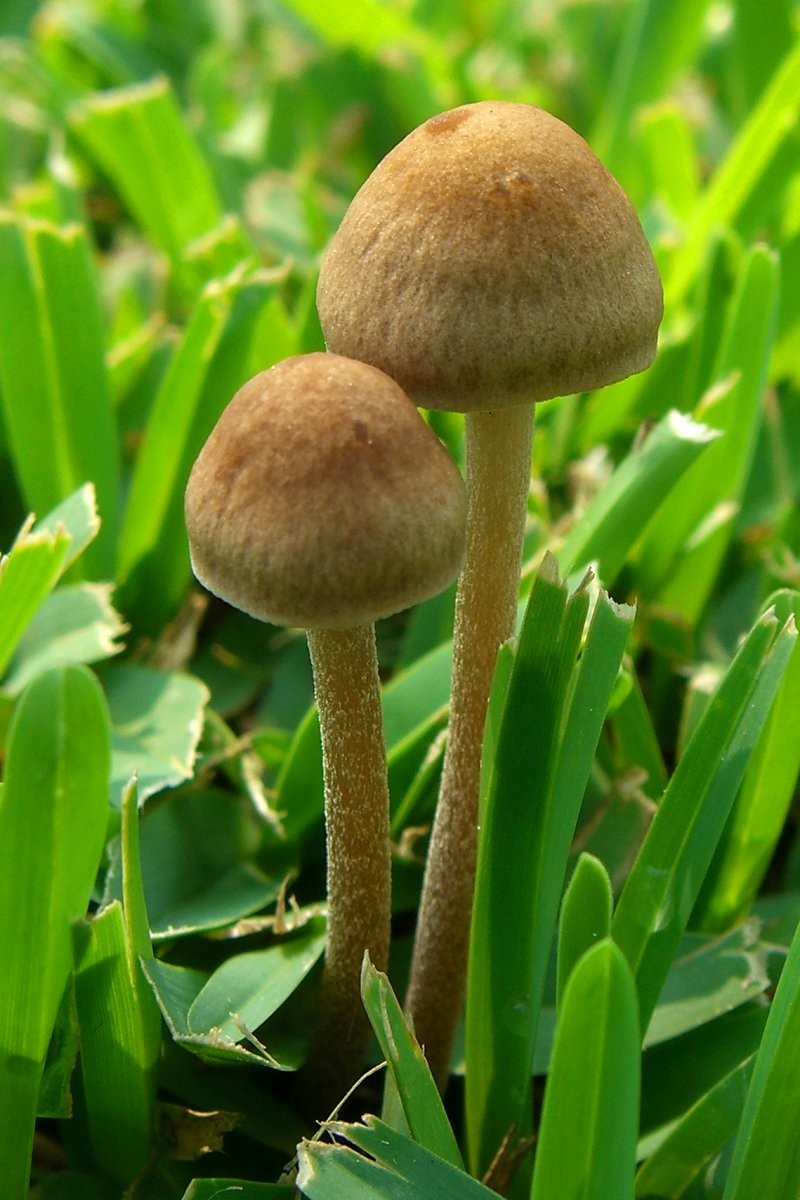
The mower's mushroom, also referred to as the lawnmower's mushroom, is so named because it frequently crops up in lawns. The species is rather nondescript, and it is considered a member of the infamously hard-to-distinguish "Little Brown Mushroom" (LBM) family. While the mower's mushroom is not known to be toxic to humans or dogs, several of these close look-alikes are.
3. Small funnel-veil amanita
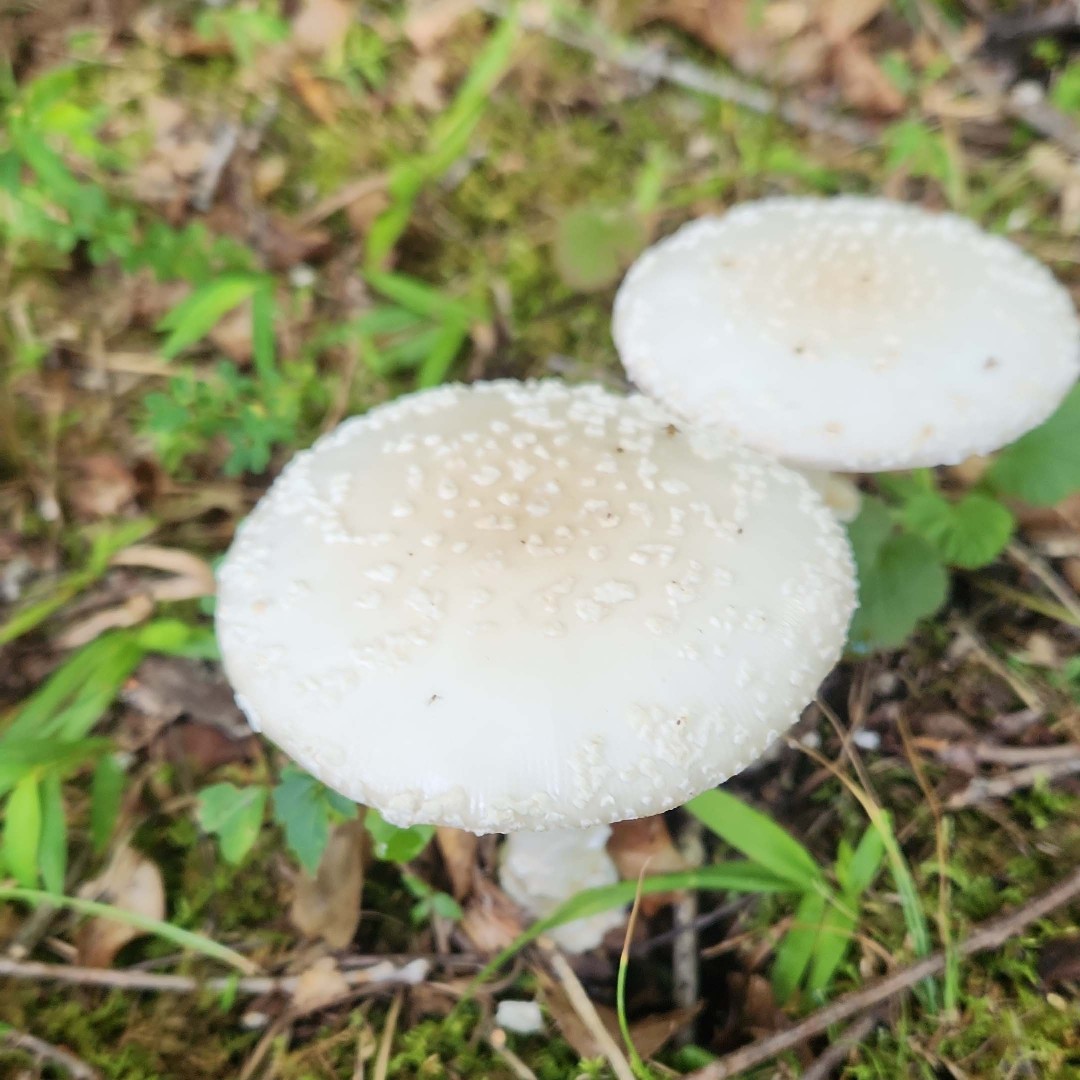
Small funnel-veil amanita thrives primarily in deciduous forests but is also found growing underneath conifers. Its umbrella-shaped cap covered with small warts makes it easy to spot, along with its cream-colored stem.
4. Wolf lichen
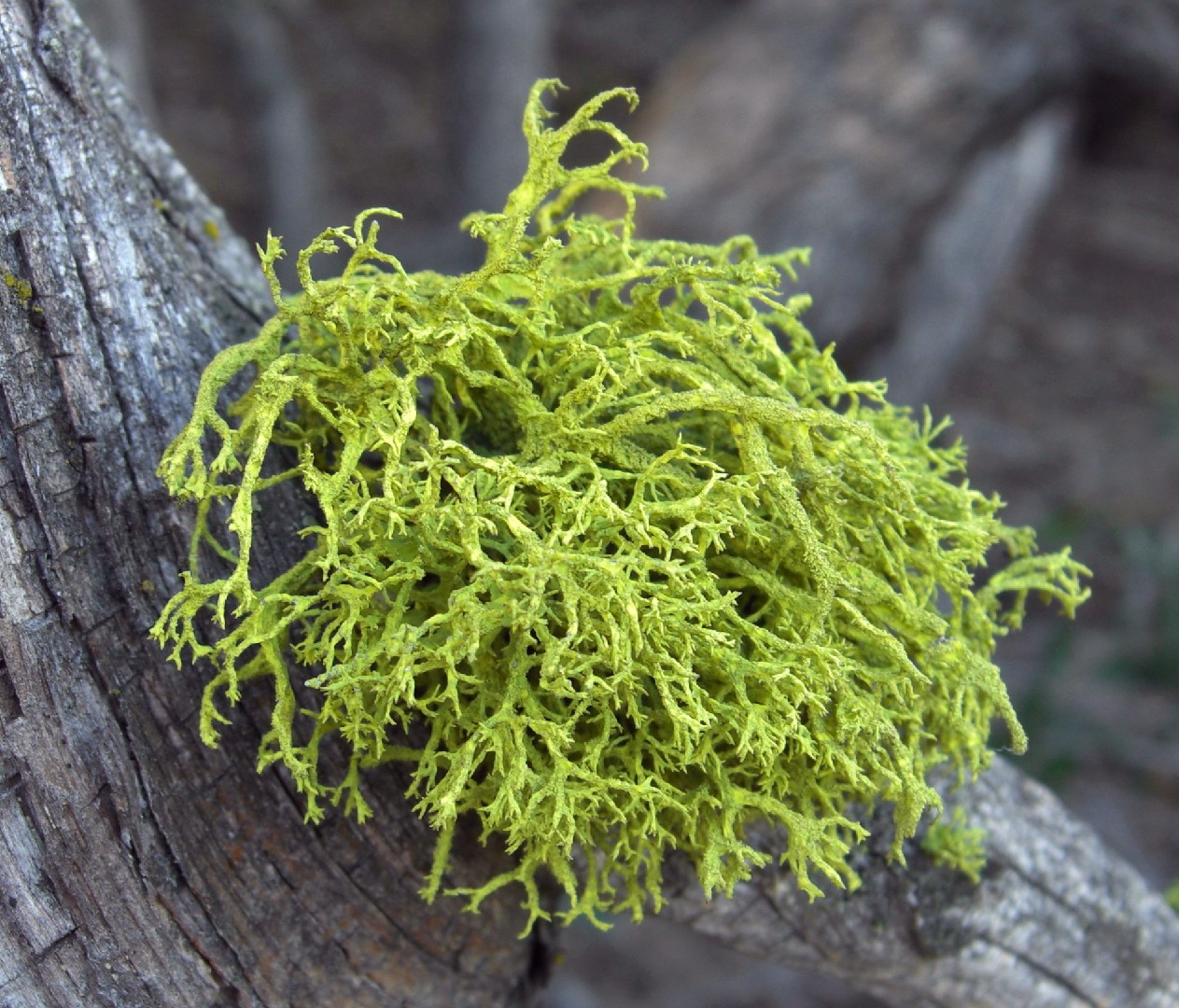
The thallus, or vegetative body, has a fructicose shape — that is, shrubby and densely branched — and a bright yellow to yellow-green, or chartreuse color, although the color will fade in drier specimens. Its dimensions are typically 2 to 7 cm (0.8 to 3 in) in diameter. The vegetative reproductive structures soredia and isidia are present on the surface of the thalli, often abundantly. 
5. Panther cap
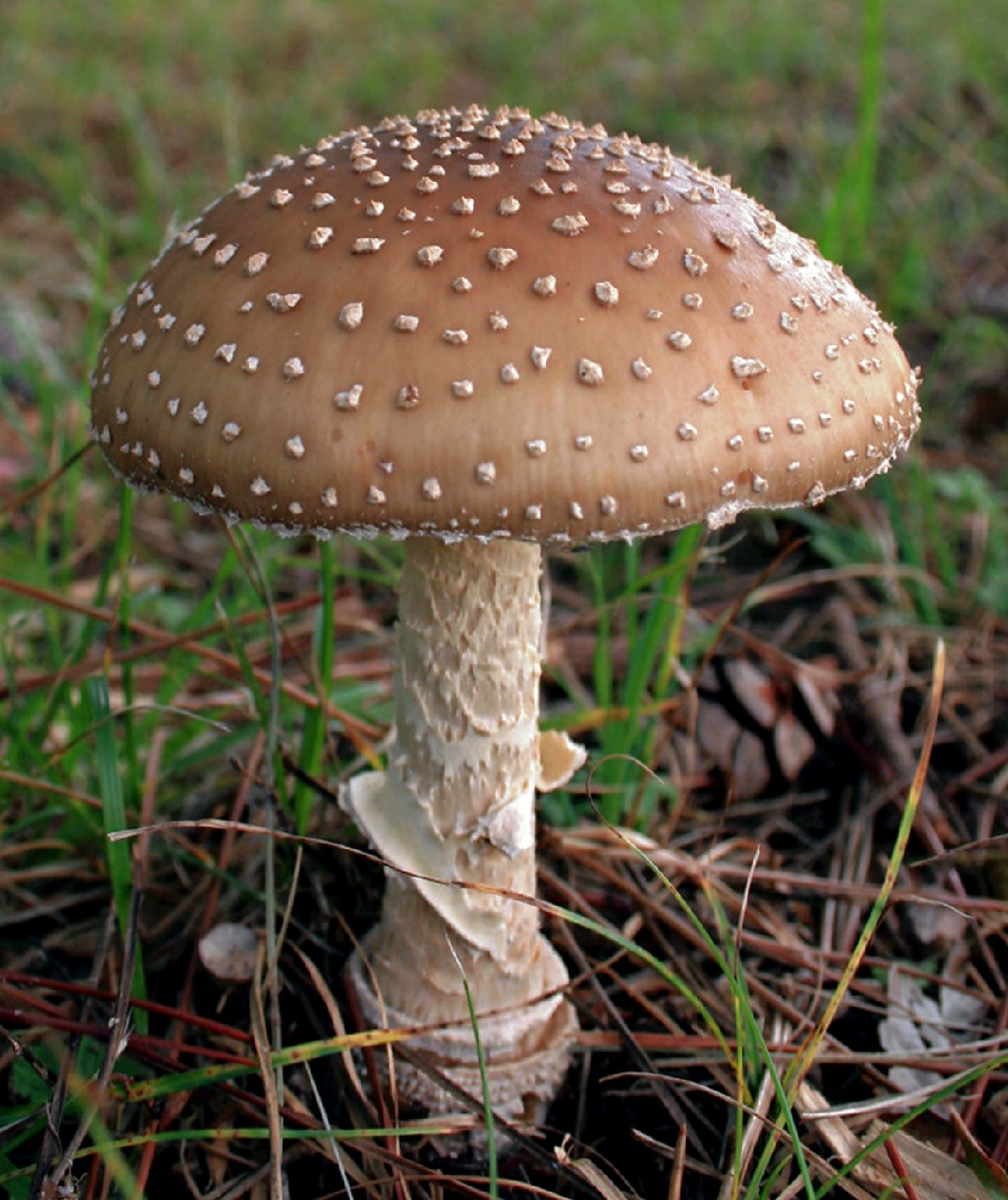
Named for the brown-and-white spotted pattern on its upper surface, the distinctive panther cap grows under hardwood trees, particularly oak and beech, and also under Monterey pine in urban areas or forests. It contains a cocktail of poisonous toxins with the potential to be deadly.
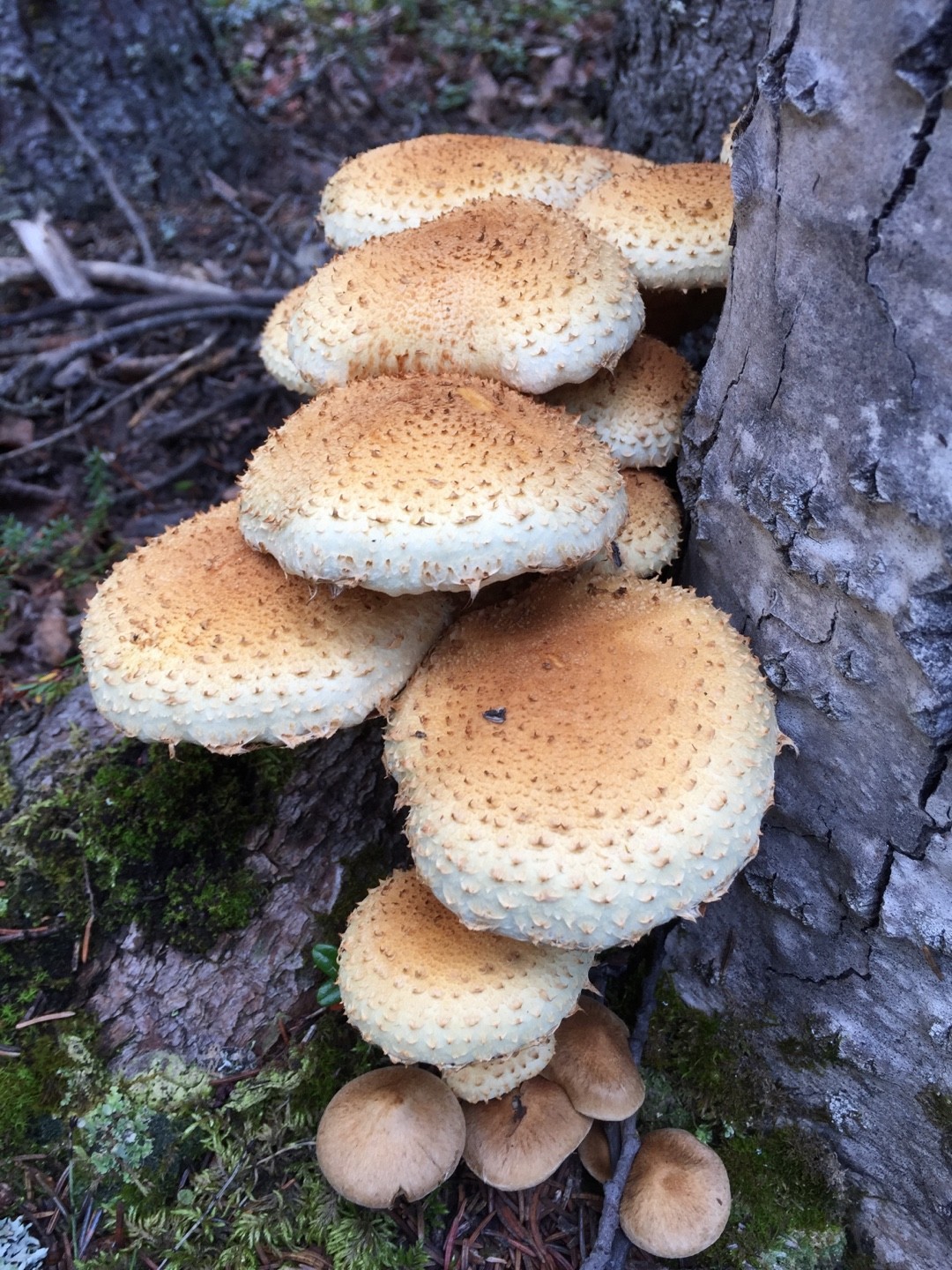
6. Shaggy scalycap
These mushrooms are most commonly found in clusters underneath old broadleaf trees and on their stumps. Their scientific name, Pholiota squarrosa, means “scaly with upright scales,” and that is exactly how the surface of the mushrooms appears. They are sometimes mistaken for honey fungus, as they share the same color, but the shaggy scalycap is definitely not edible.
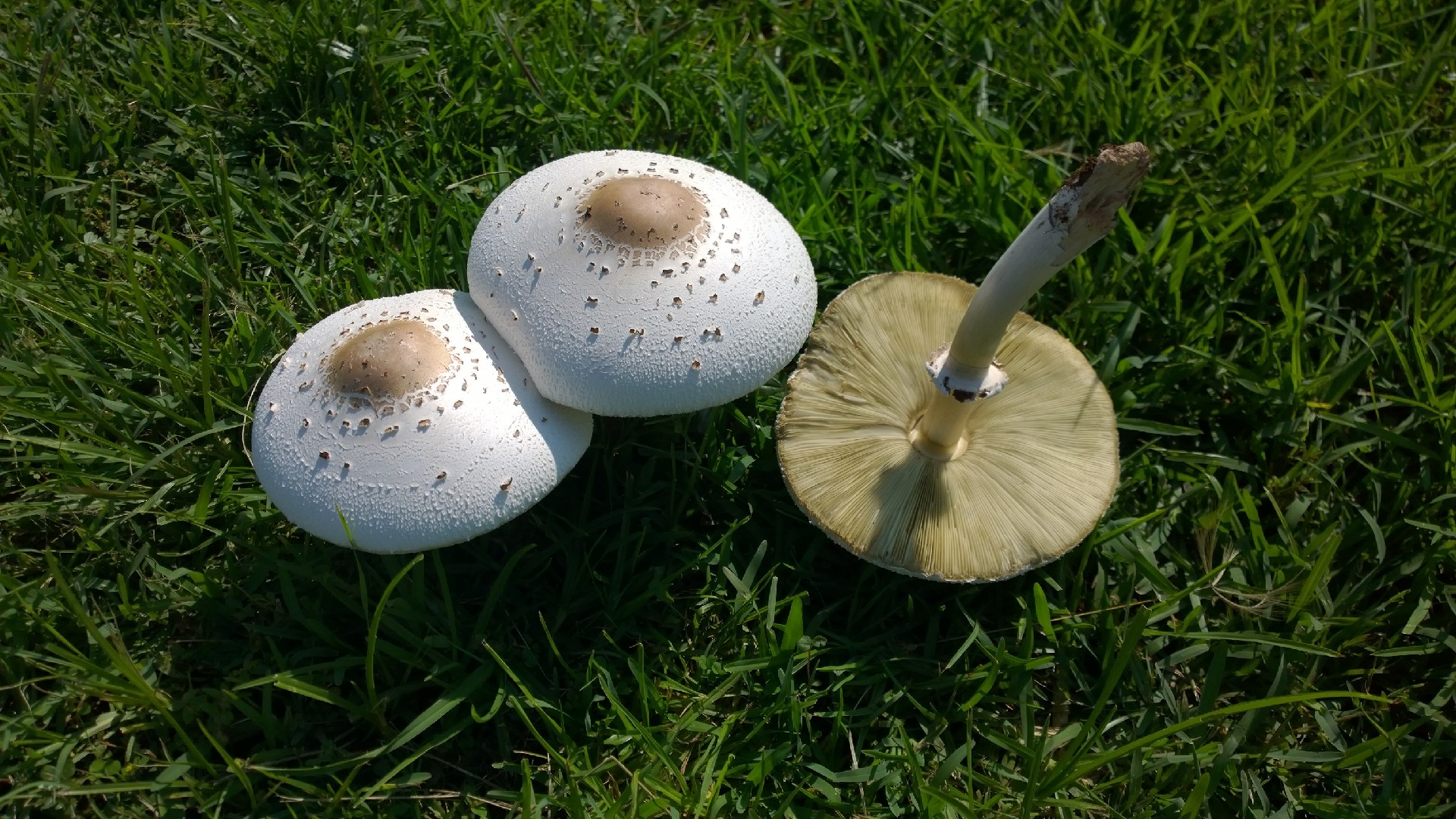
7. False parasol
Though the false parasol appears unassuming, the species is famous—or, infamous—for its toxicity. It looks unfortunately similar to Agericus campestrus, a commonly eaten mushroom, but the false parasol can be distinguished by its highly unusual green spore print. Although they are no good to eat, they can be pretty to look at. The species may grow in ring-shaped groups in meadows and on forest floors in what are sometimes called "fairy circles."
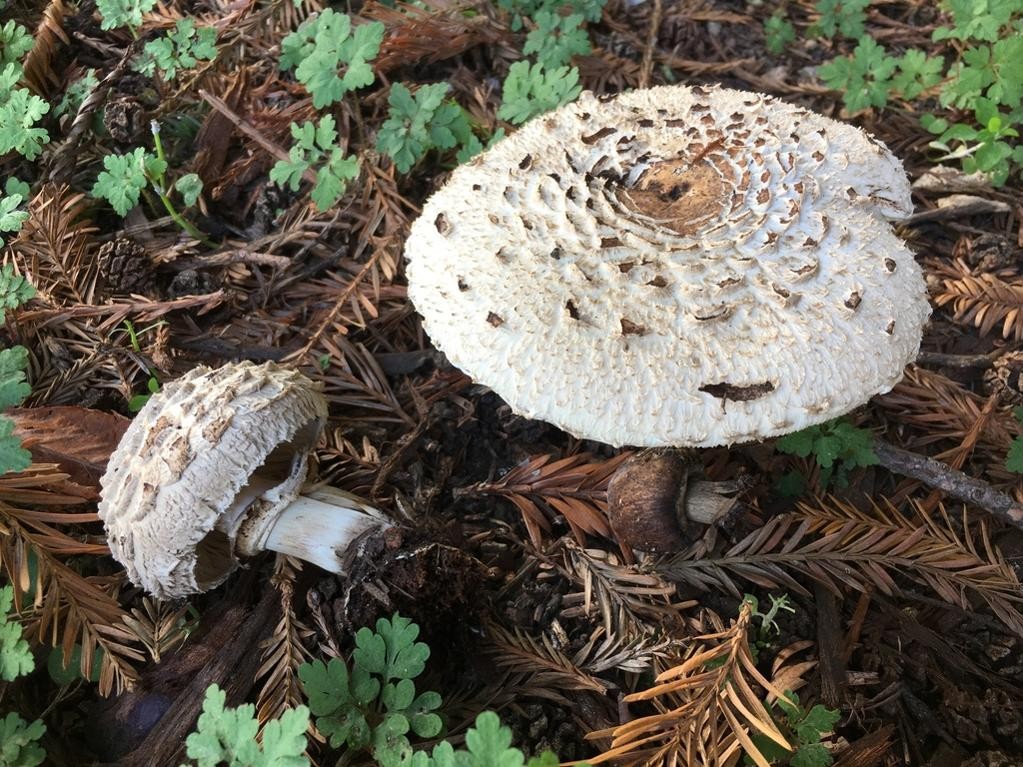
8. Shaggy parasol
The shaggy parasol grows singly or in groups from spring to fall. It can be found in lawns and gardens as well as the forest. It has a tendency to cause allergic reactions. Take care with identification as it is difficult to distinguish from the more deadly Amanitas.
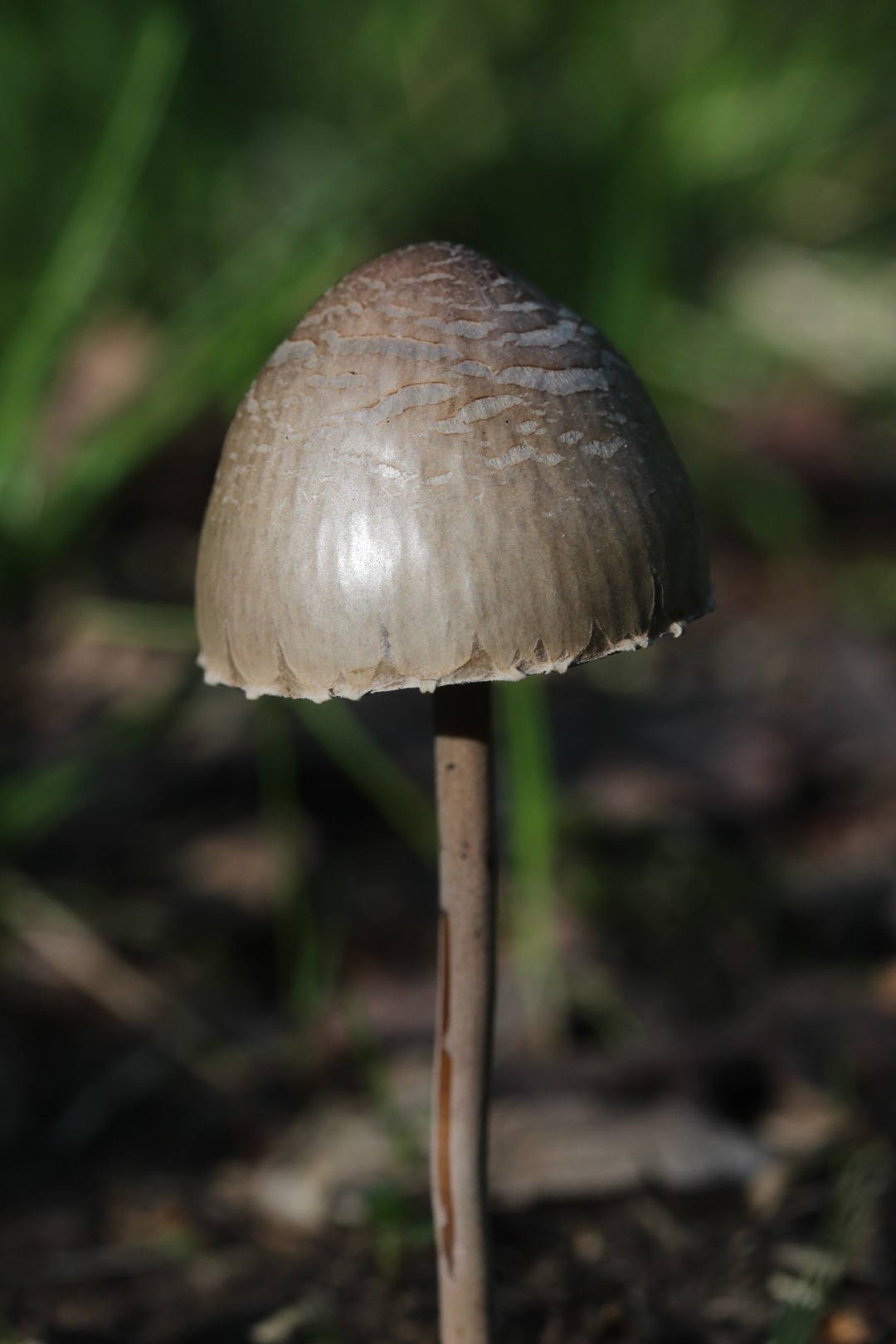
9. Petticoat mottlegill
The petticoat mottlegill is a little brown mushroom (LBM) with a truly global distribution; this mushroom is found on every continent save Antarctica. While relatively nondescript in appearance, it can be recognized by its preferred microhabitat - dung. Petticoat mottlegills are commonly found growing out of cow or horse dung, or they may be seen in open fields that are rich with animal manure.
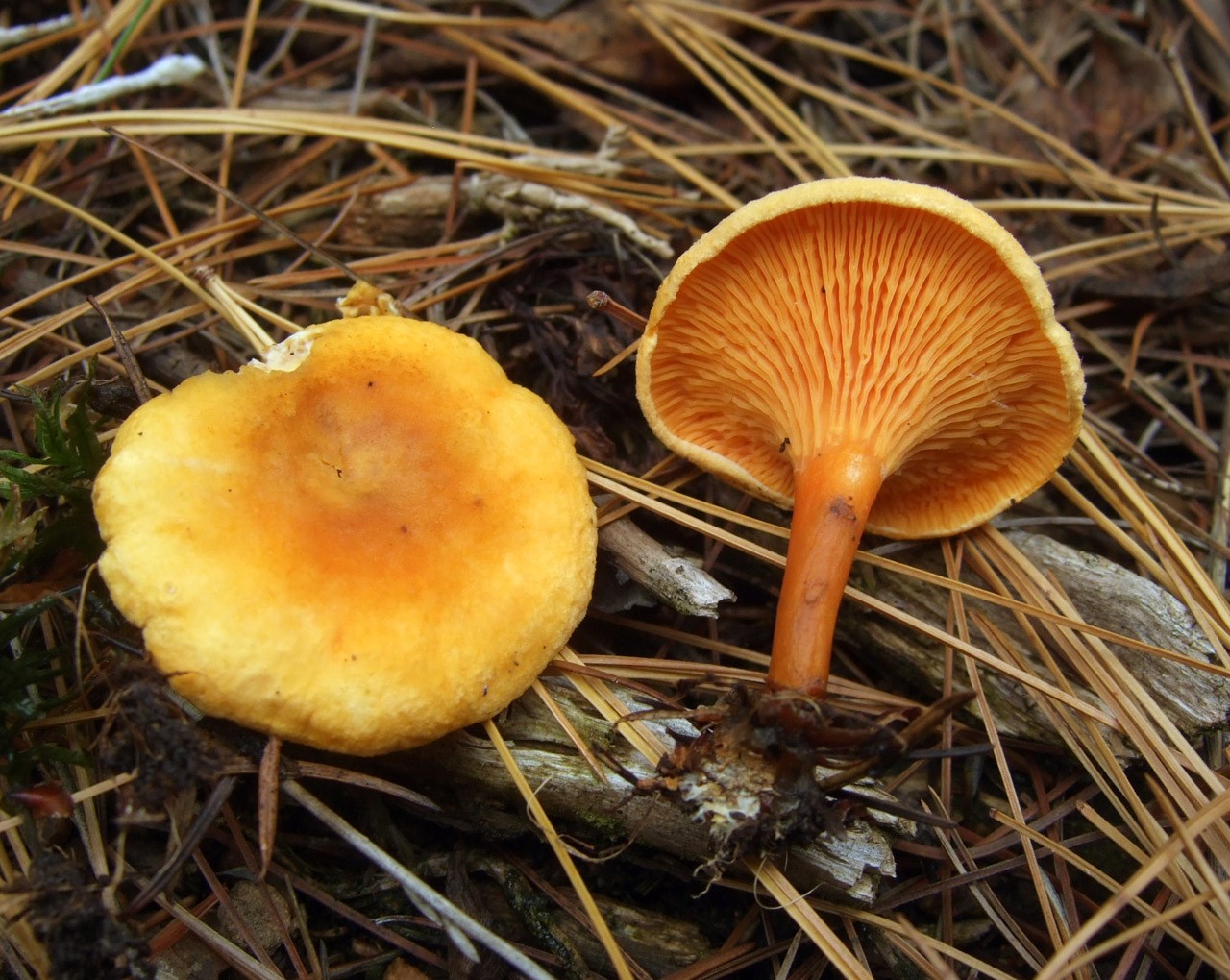
10. False chanterelle
The common name of this mushroom refers to the fact that it looks very similar to the edible and highly prized Chanterelle. This species, however, tastes bitter and may cause poisoning symptoms. False chanterelle occurs around the northern hemisphere in autumn and winter, growing on coniferous detritus, and is more likely to fruit in dry conditions rather than the usual wet.

More







