




Top 20 Most Common Toxic or Poisonous Mushrooms in Orange
In the unique climate and terrain of Orange, a diverse medley of fungi flourishes, including intriguing yet potentially lethal mushrooms. This ecosystem proves a haven for these fascinating organisms, where damp earth and abundant foliage encourage their growth. Our guide identifies the top 20 most common poisonous mushrooms located here. As you explore the rewarding pastime of mushroom hunting, this essential guide equips you with the knowledge to distinguish these toxic varieties, ensuring your safety and enhancing your mycological adventures.
* Disclaimer: Content feedback CAN NOT be used as any basis for EATING ANY PLANTS. Some plants can be VERY POISONOUS, please purchase edible plants through regular channels.

Most Common Toxic or Poisonous Mushrooms
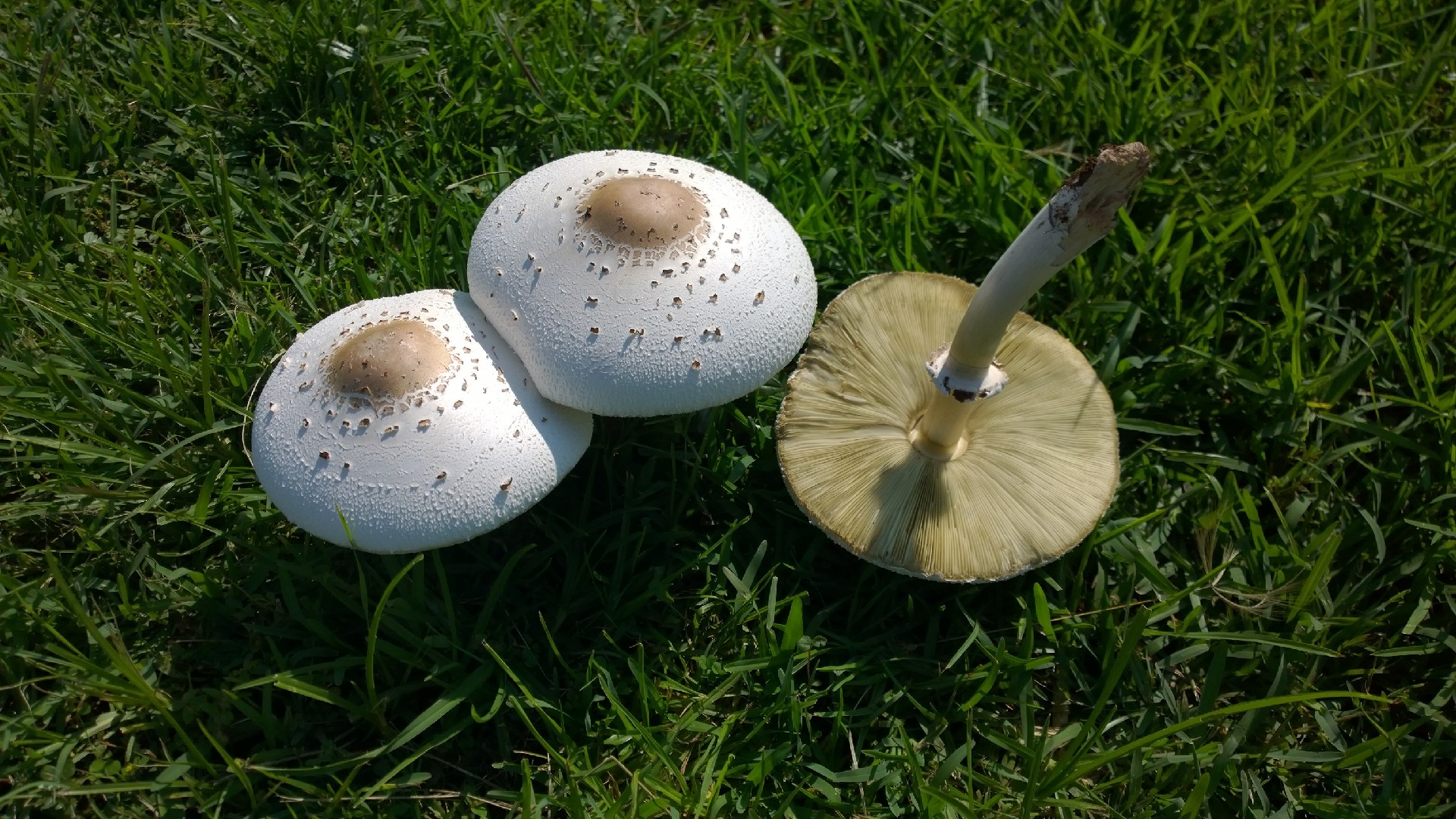
1. False parasol
Though the false parasol appears unassuming, the species is famous—or, infamous—for its toxicity. It looks unfortunately similar to Agericus campestrus, a commonly eaten mushroom, but the false parasol can be distinguished by its highly unusual green spore print. Although they are no good to eat, they can be pretty to look at. The species may grow in ring-shaped groups in meadows and on forest floors in what are sometimes called "fairy circles."
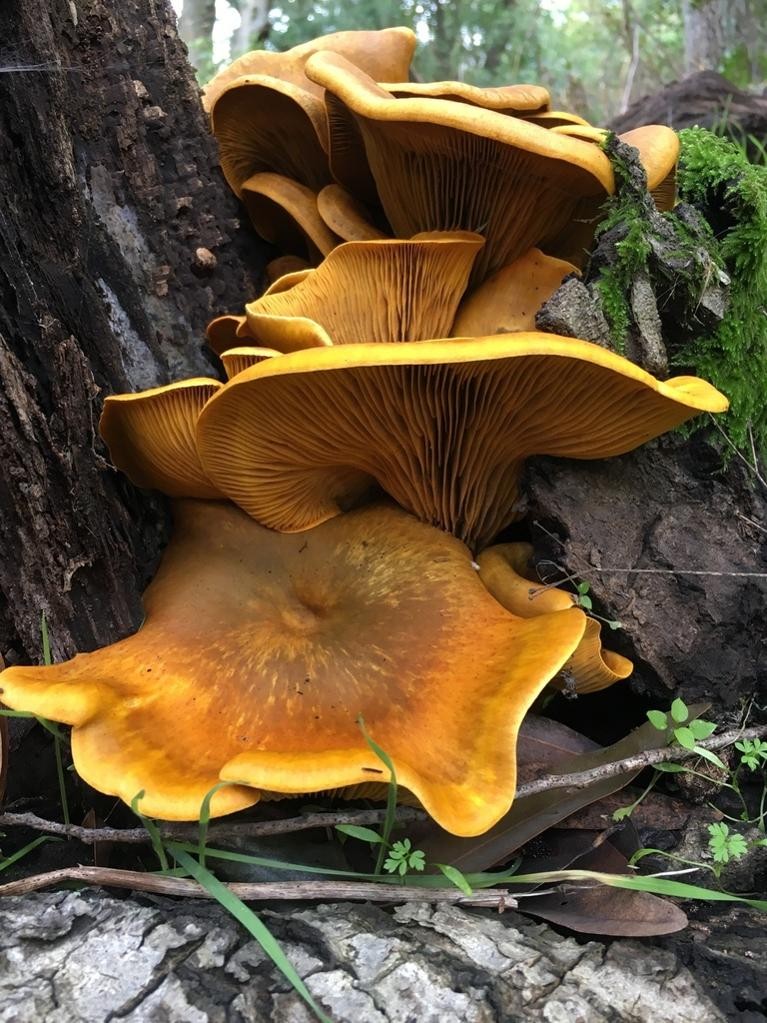
2. Western jack-o'-lantern mushroom
The western jack-o'-lantern mushroom (Omphalotus olivascens) may be the most visually striking mushroom of the forest during day and night. During the day, brilliant large orange flat caps grow from both the ground and decaying stumps. At night, these mushrooms may glow in the dark, depending on location and maturity.
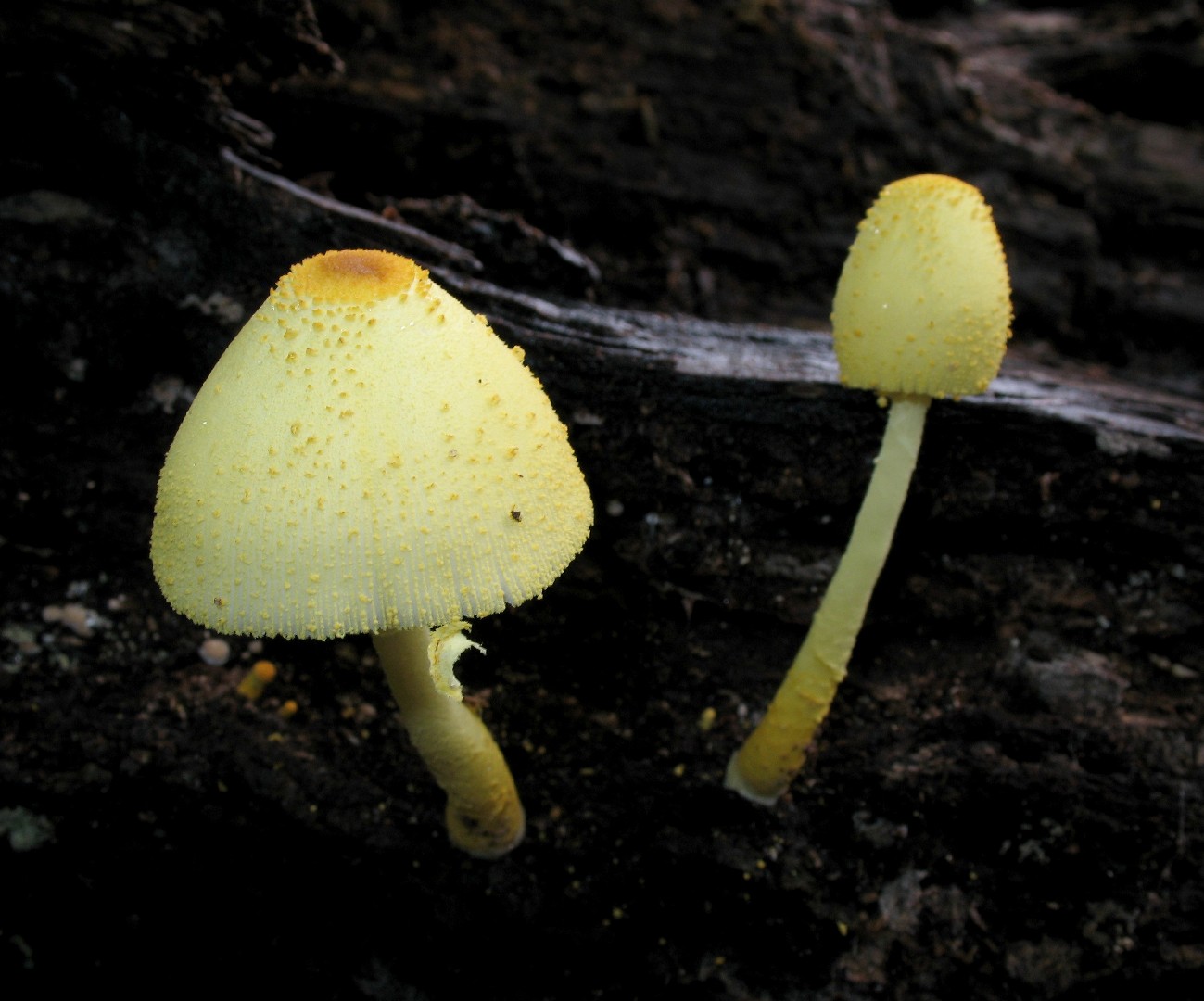
3. Flowerpot parasol
This tropical/subtropical mushroom is known to be toxic. If eaten it causes a very unpleasant stomachache with the risk of fatal complications. In temperate zones, flowerpot parasol is only found in hothouses and greenhouses, so the risk of accidental foraging is low, but it may occur with potted plants and indoor landscaping and pose a risk to curious children.
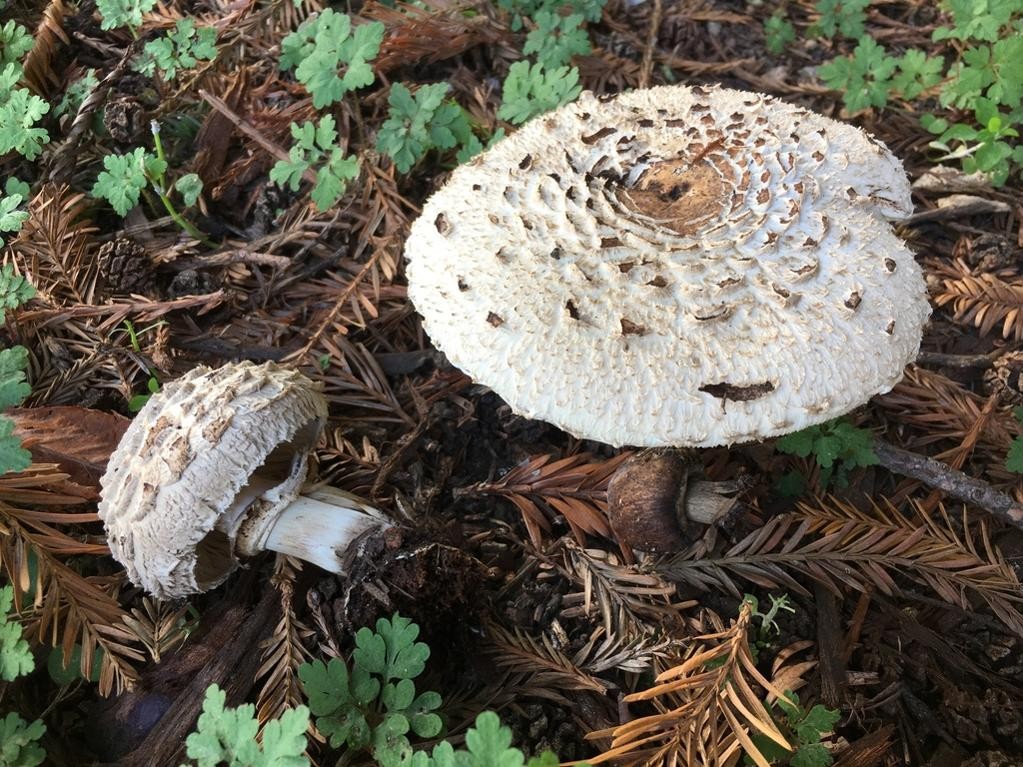
4. Shaggy parasol
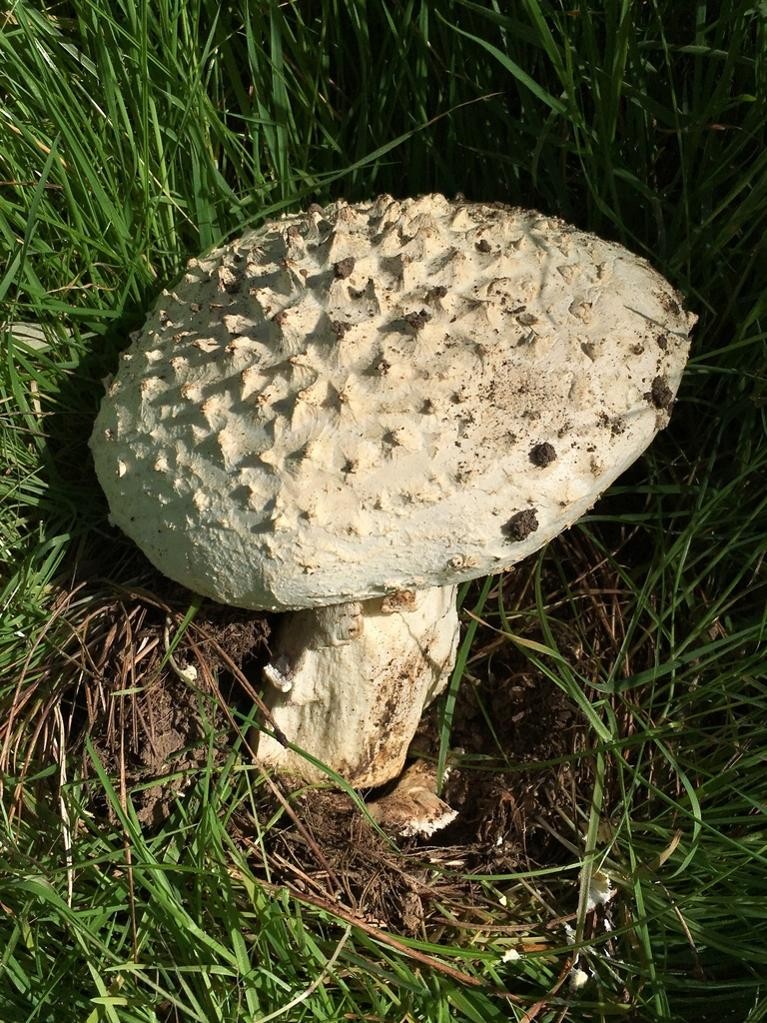
The shaggy parasol grows singly or in groups from spring to fall. It can be found in lawns and gardens as well as the forest. It has a tendency to cause allergic reactions. Take care with identification as it is difficult to distinguish from the more deadly Amanitas.
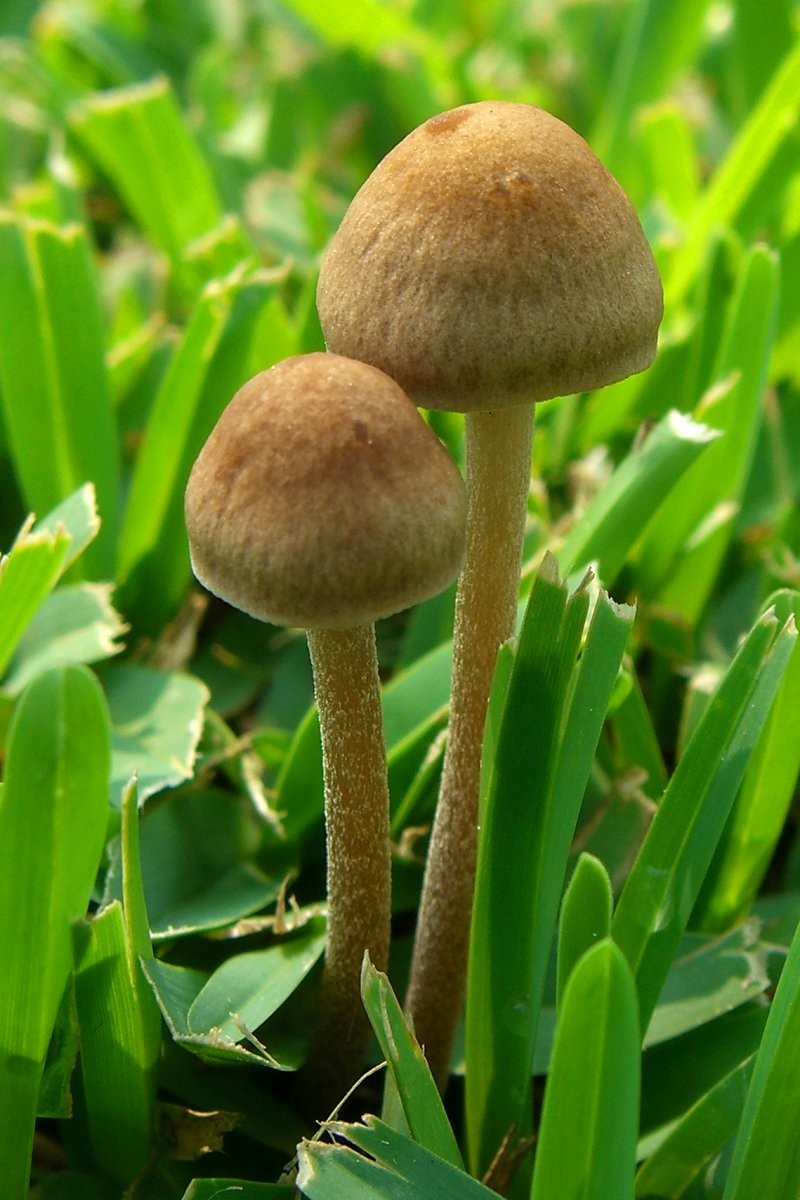
5. Mower's mushroom
The mower's mushroom, also referred to as the lawnmower's mushroom, is so named because it frequently crops up in lawns. The species is rather nondescript, and it is considered a member of the infamously hard-to-distinguish "Little Brown Mushroom" (LBM) family. While the mower's mushroom is not known to be toxic to humans or dogs, several of these close look-alikes are.

6. Yellow stainer
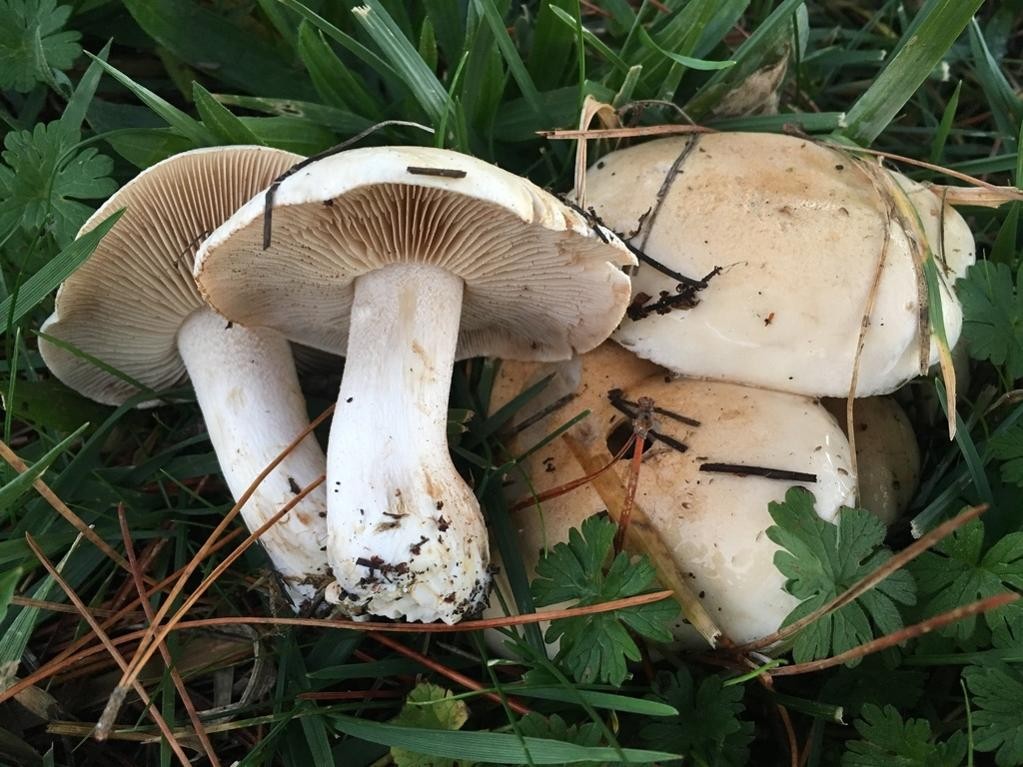
The yellow stainer grows across North America and Europe and has been imported to Australia. It can be distinguished from other common white mushrooms by the bright chrome yellow color it turns when bruised. It is known to be poisonous, causing cramps, nausea, and purging. Unfortunately, it often gets accidentally eaten as it looks similar to several edible white mushrooms.
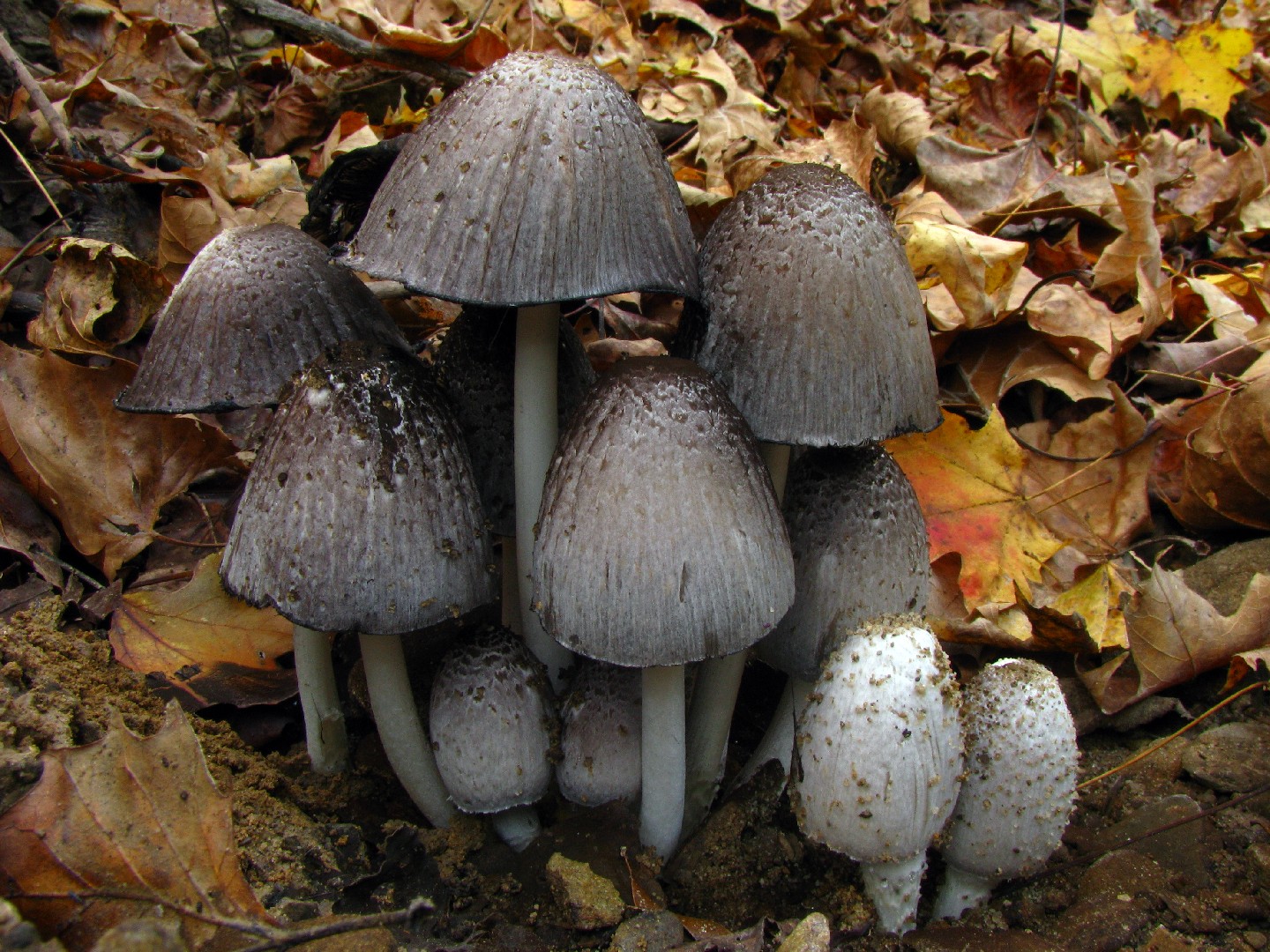
7. Common ink cap
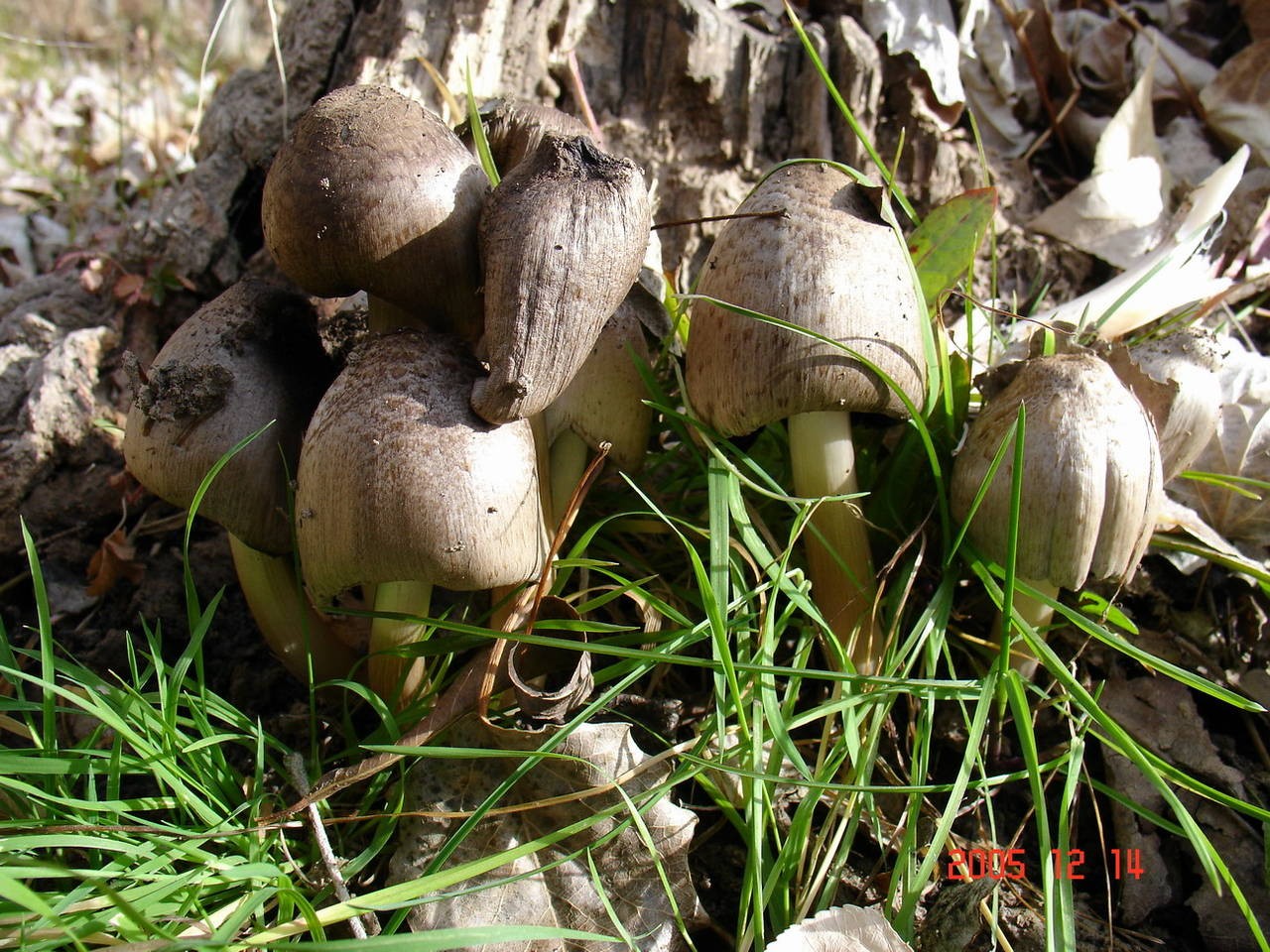
Common ink cap mushrooms grow in clumps from buried wood or tree stumps. They come up with such strength that they have been known to lift pavement or break through asphalt. As they age, their gills will turn black and liquefy, creating the "inky" substance for which they are named.
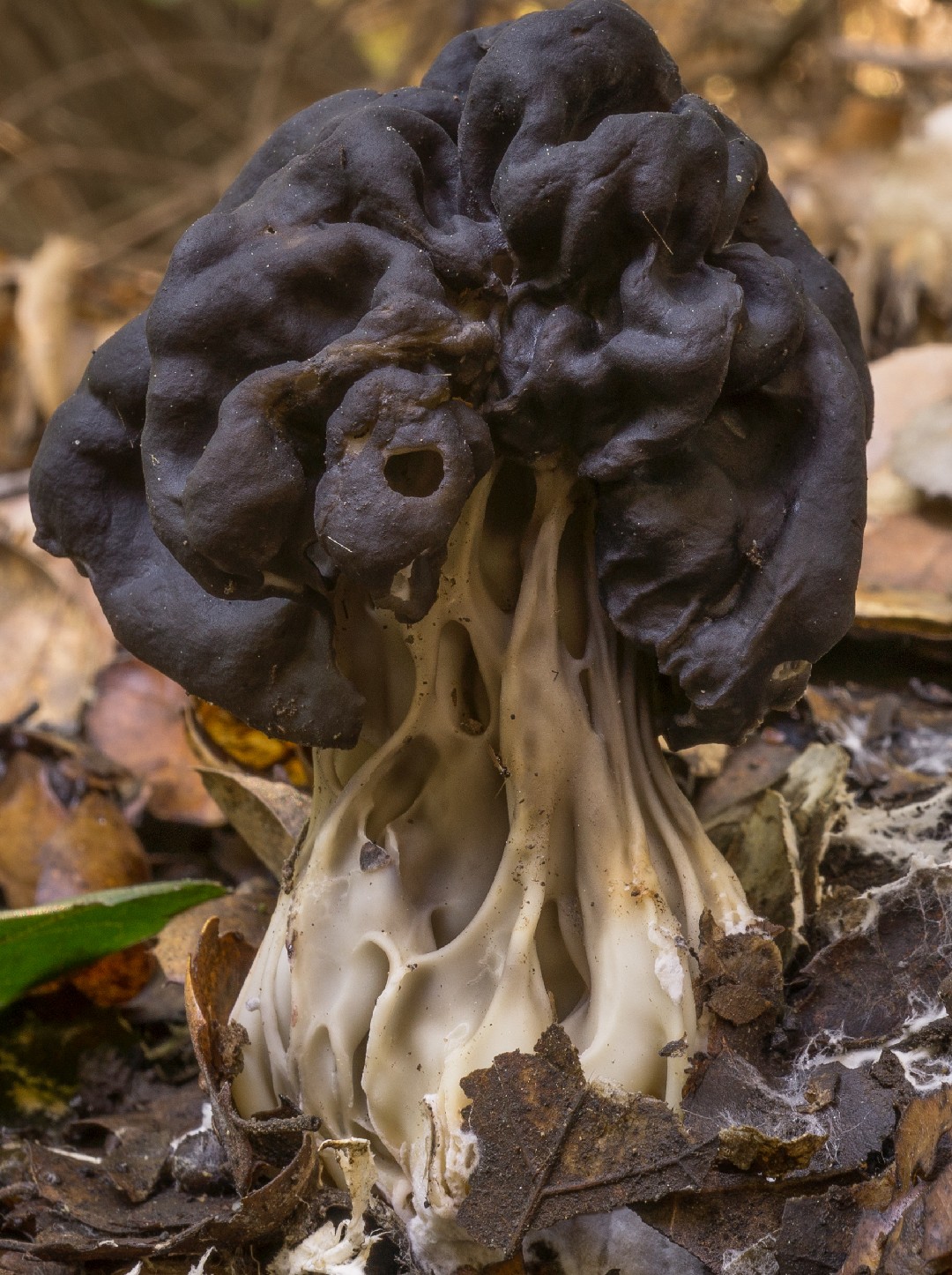
8. Oak-loving elfin saddle
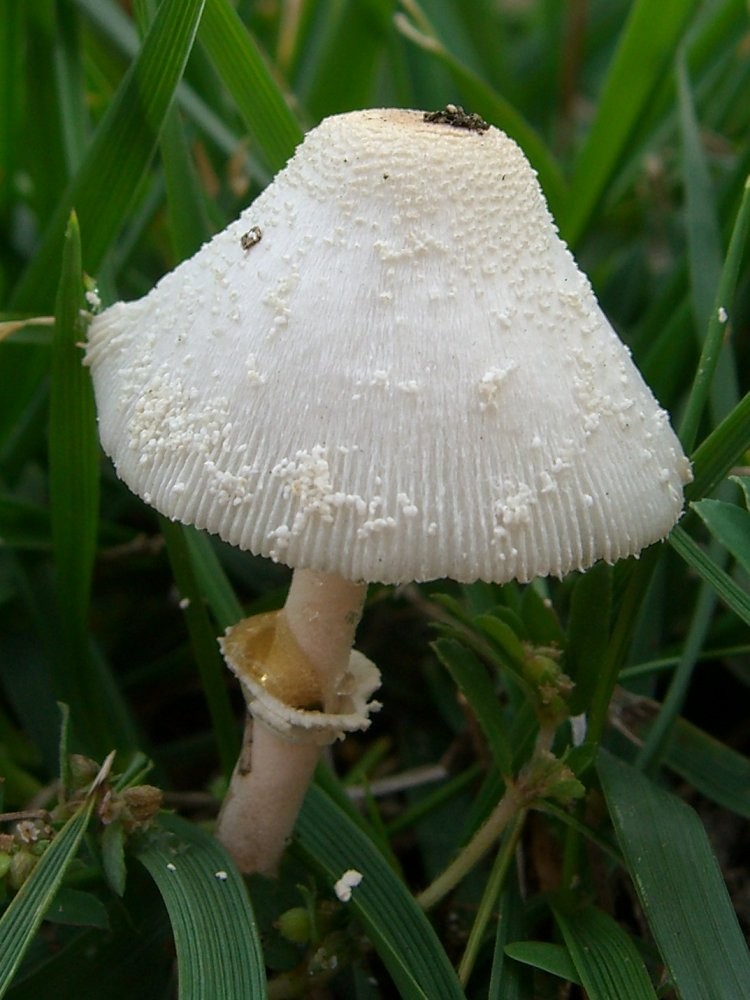
9. Onion-stalk parasol mushroom
This generalist mushroom, found across North America, can be found in all sorts of moist woodland settings. The species appears to be particularly fond of wood chips or mulch, and so it is often found in garden or park settings. The onion-stalk parasol mushroom, despite the word "onion" in its name, is inedible.
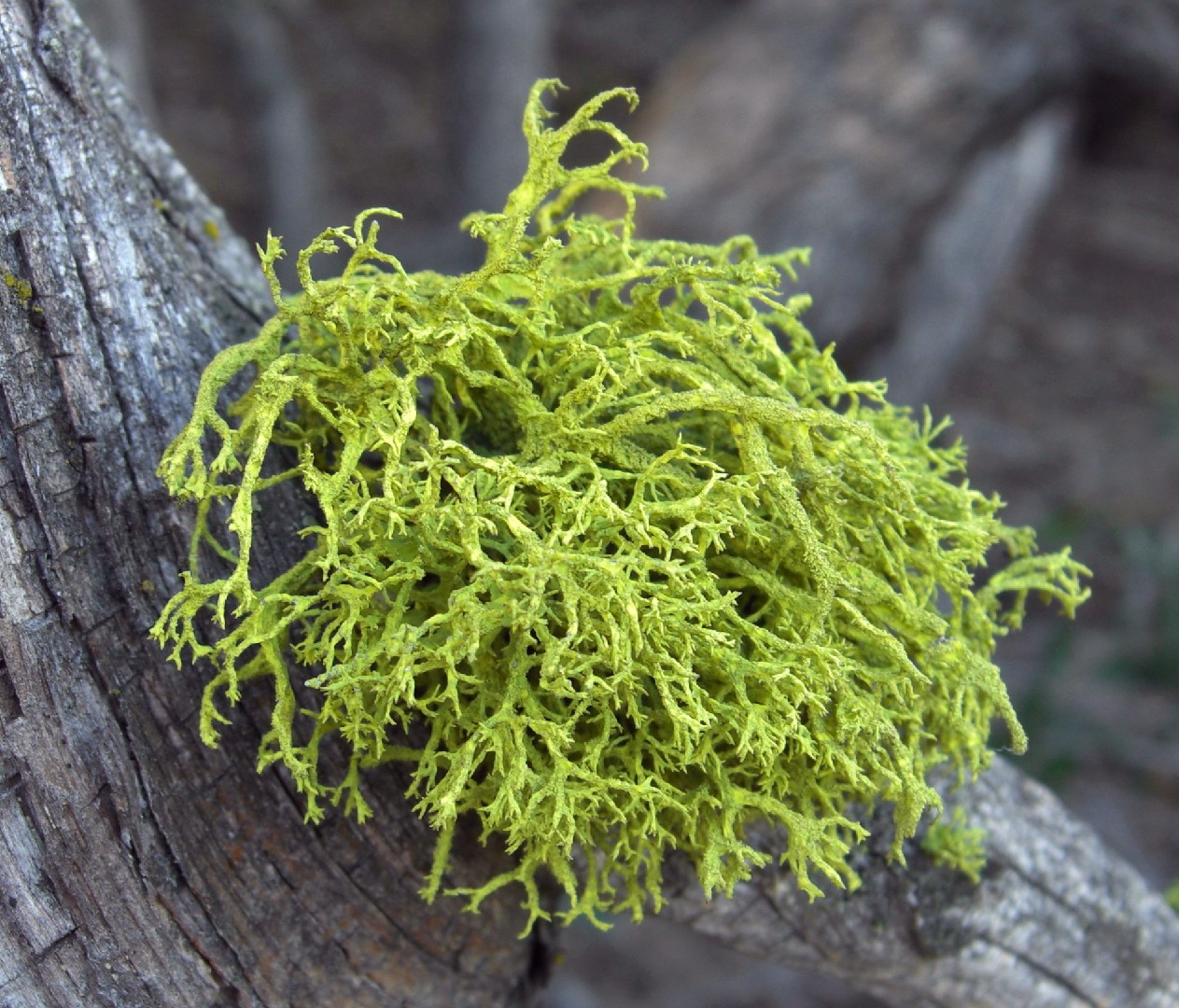
10. Wolf lichen
The thallus, or vegetative body, has a fructicose shape — that is, shrubby and densely branched — and a bright yellow to yellow-green, or chartreuse color, although the color will fade in drier specimens. Its dimensions are typically 2 to 7 cm (0.8 to 3 in) in diameter. The vegetative reproductive structures soredia and isidia are present on the surface of the thalli, often abundantly. 

More







