




Top 20 Most Common Toxic or Poisonous Mushrooms in Manteca
Unveiling the 'Top 20 most common poisonous mushrooms in Manteca!', an essential read for every forager. Manteca, with its unique warm climate and vast expanses of fertile land, offers an ideal terrain for a broad spectrum of fungi, including some fatal guests. Your health and safety are paramount, hence,, understand the necessity of being able to distinguish between harmless and toxic species as you embark on your mushroom hunting journey. A comprehensive guide backed by credibly sourced information awaits.
* Disclaimer: Content feedback CAN NOT be used as any basis for EATING ANY PLANTS. Some plants can be VERY POISONOUS, please purchase edible plants through regular channels.

Most Common Toxic or Poisonous Mushrooms
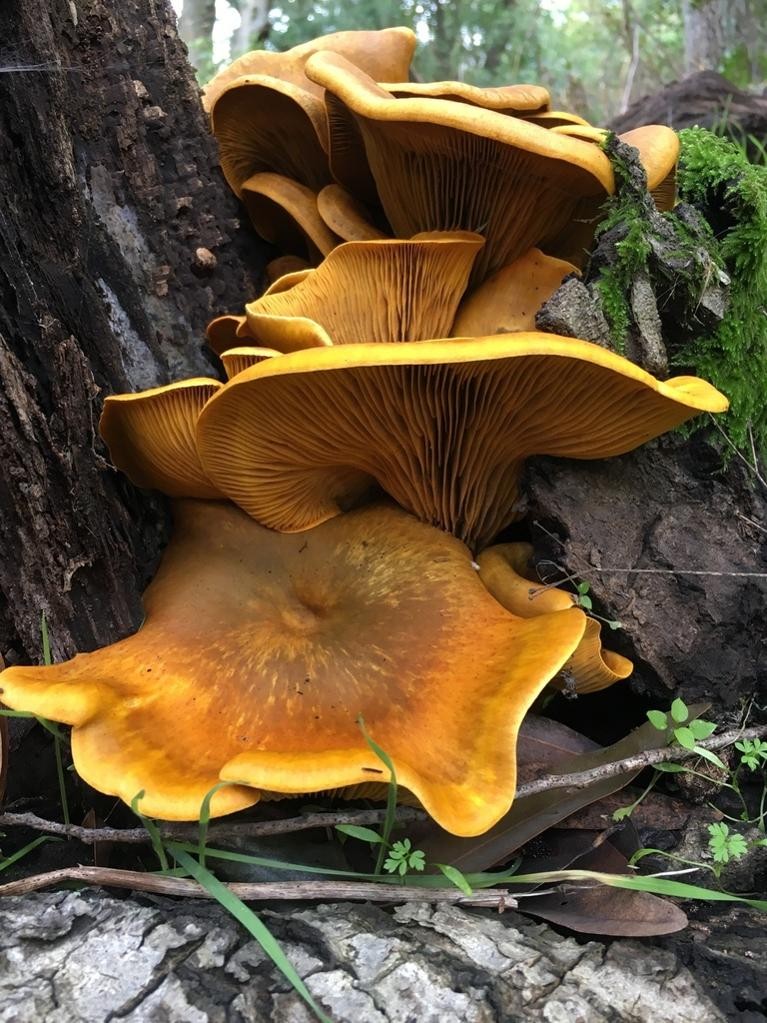
1. Western jack-o'-lantern mushroom
The western jack-o'-lantern mushroom (Omphalotus olivascens) may be the most visually striking mushroom of the forest during day and night. During the day, brilliant large orange flat caps grow from both the ground and decaying stumps. At night, these mushrooms may glow in the dark, depending on location and maturity.
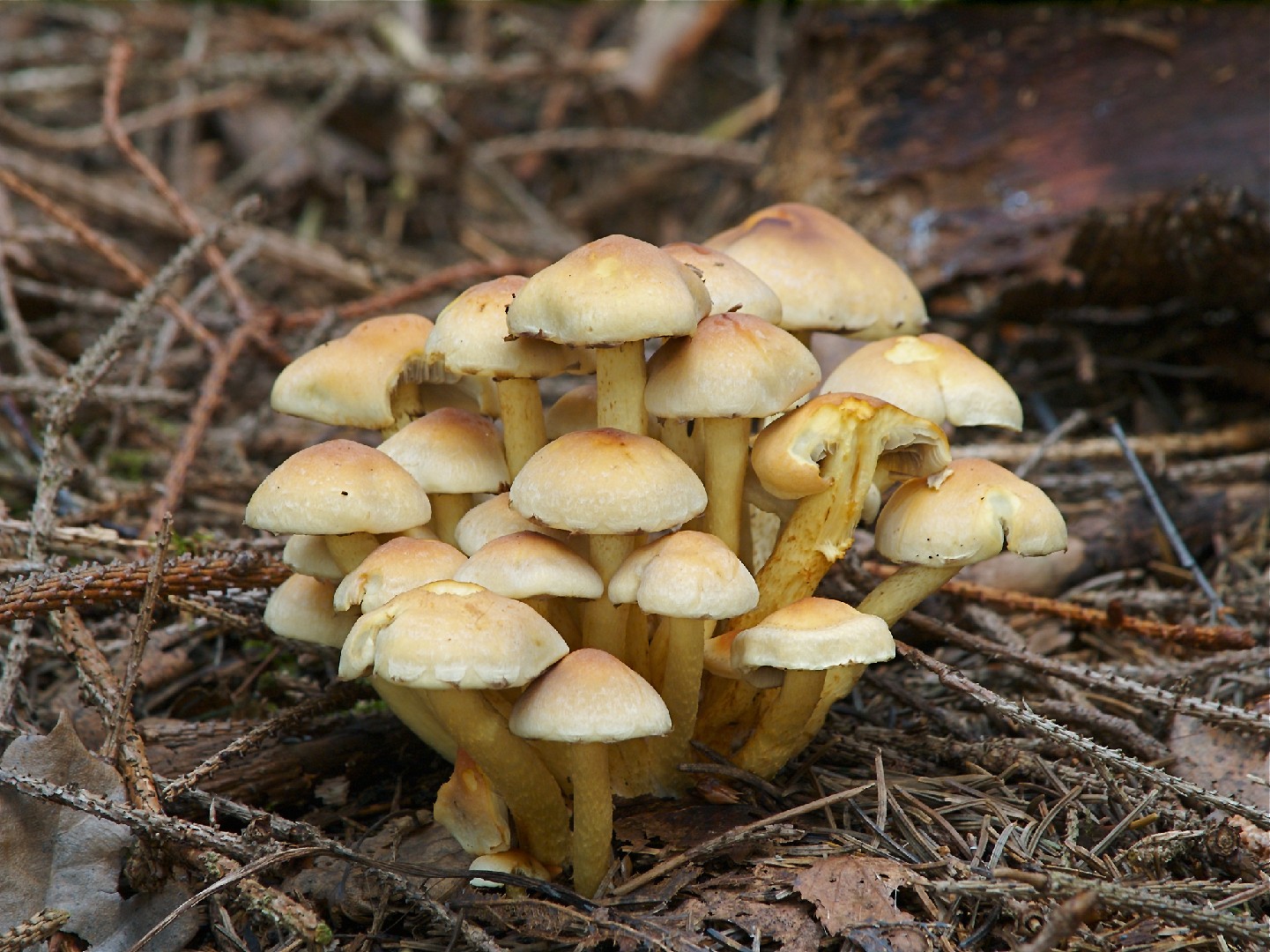
2. Sulphur tuft
The sulphur tuft grows on rotting wood of all types of trees; it is a particularly efficient decomposer of hardwoods. The mushrooms appear from spring to autumn and are often so tightly packed that they interfere with each other’s shape. This poisonous mushroom can cause temporary paralysis, distorted vision, and stomach pain if consumed.

3. Yellow stainer
The yellow stainer grows across North America and Europe and has been imported to Australia. It can be distinguished from other common white mushrooms by the bright chrome yellow color it turns when bruised. It is known to be poisonous, causing cramps, nausea, and purging. Unfortunately, it often gets accidentally eaten as it looks similar to several edible white mushrooms.
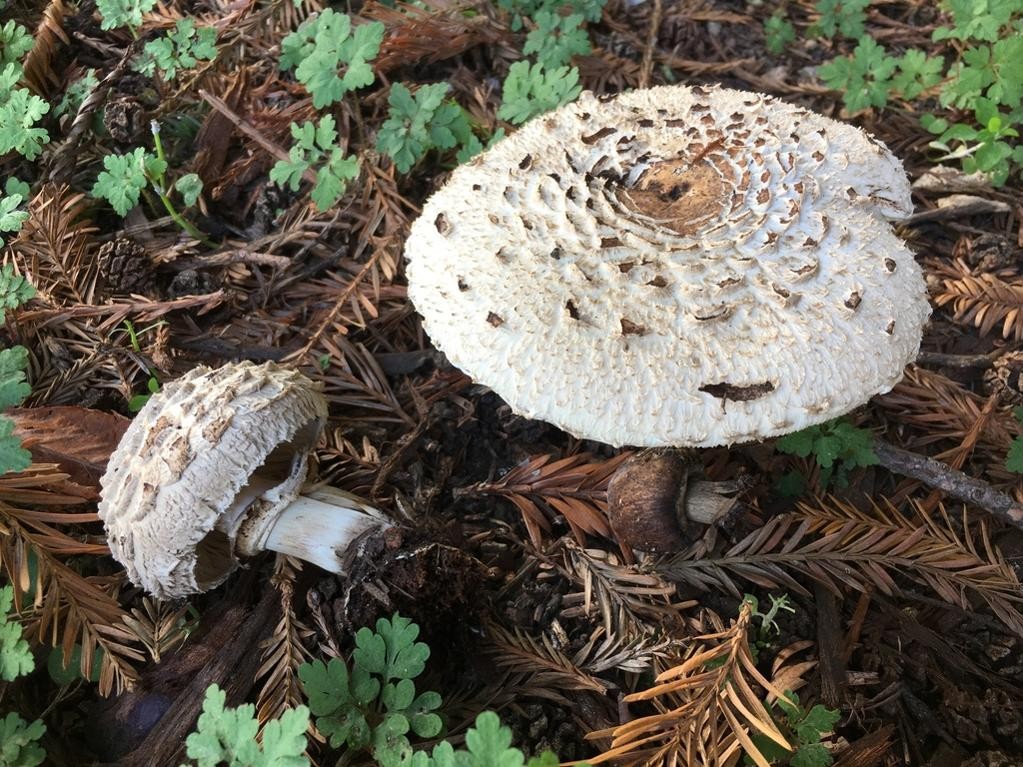
4. Shaggy parasol
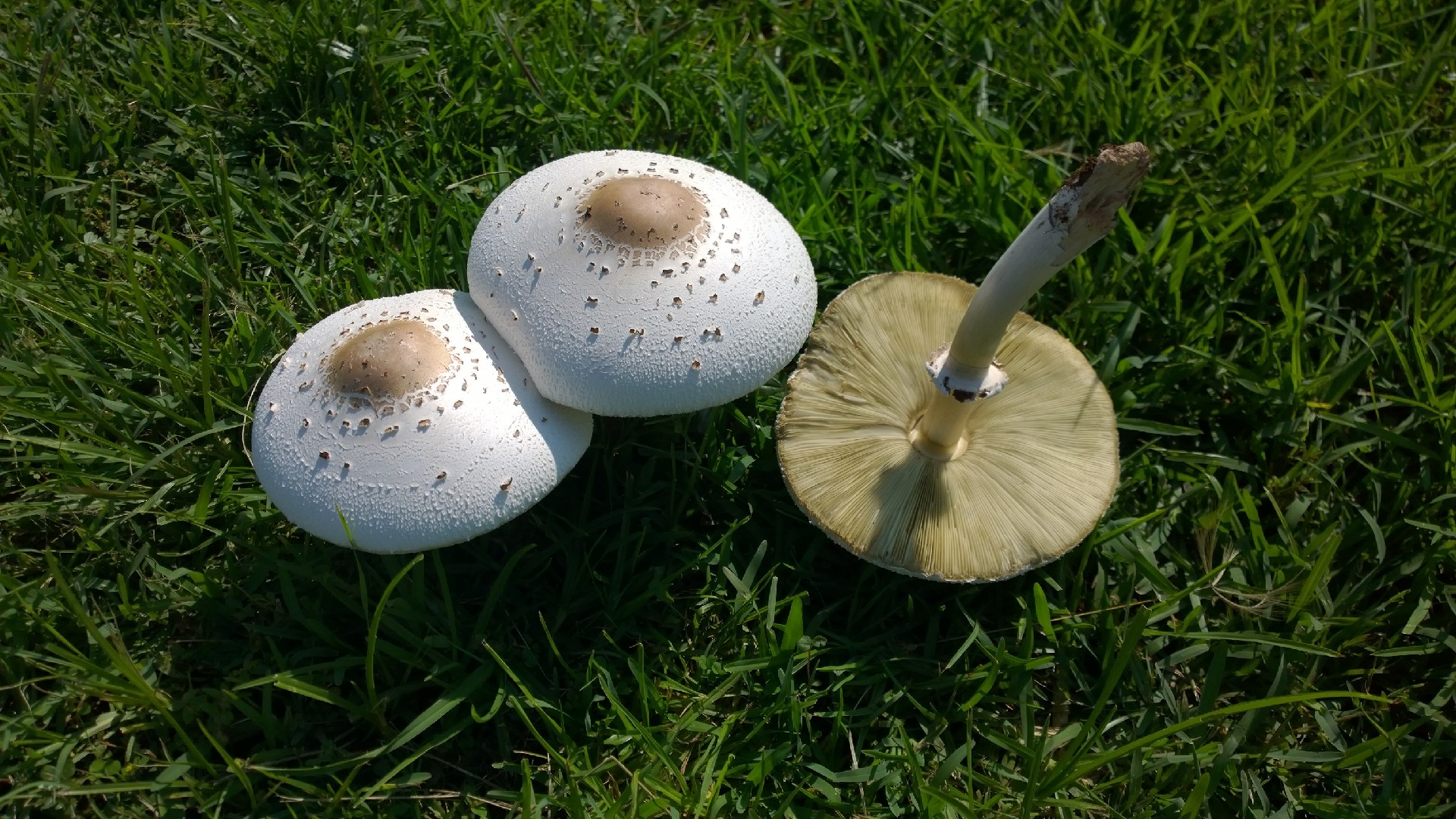
The shaggy parasol grows singly or in groups from spring to fall. It can be found in lawns and gardens as well as the forest. It has a tendency to cause allergic reactions. Take care with identification as it is difficult to distinguish from the more deadly Amanitas.
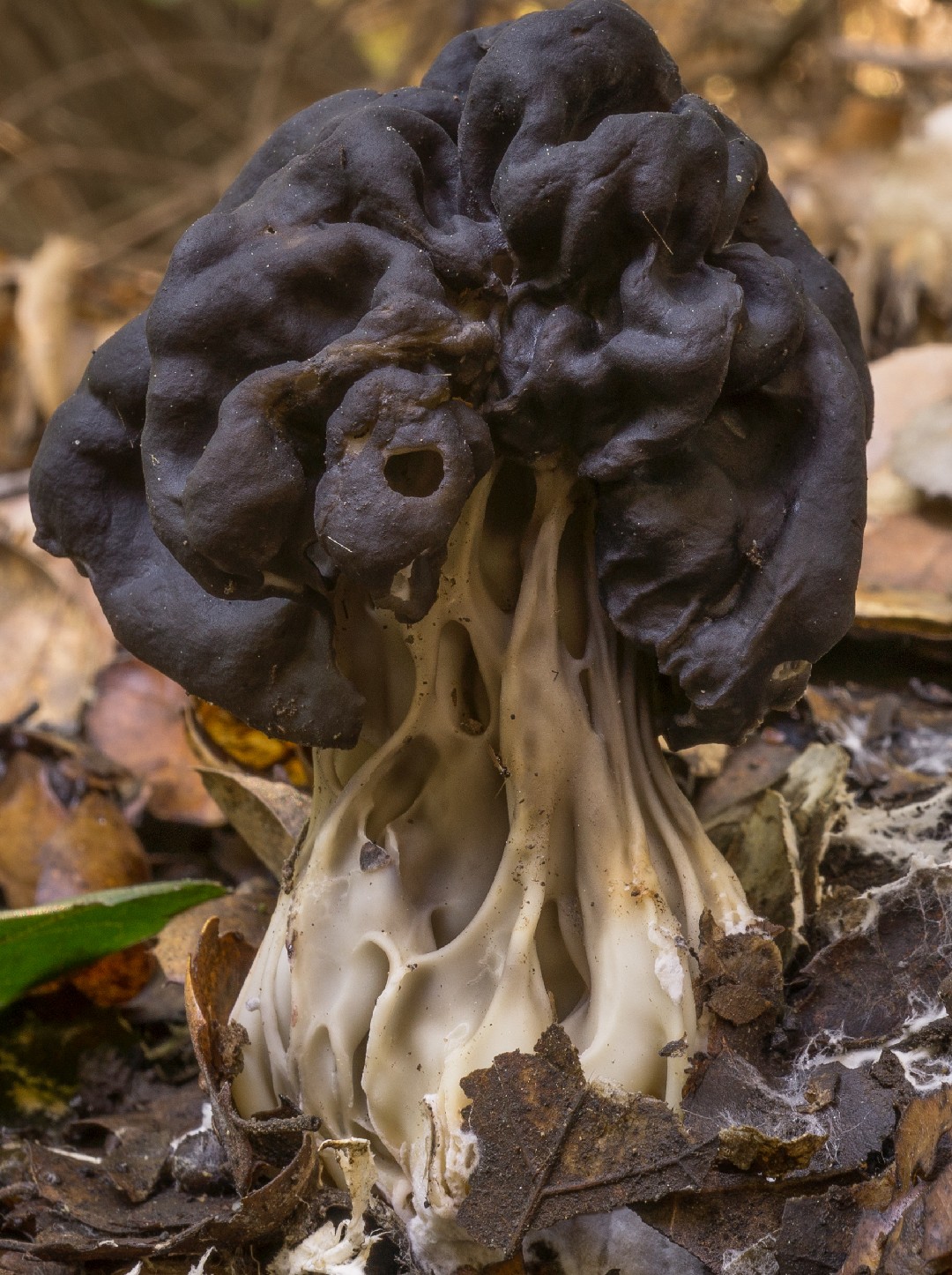
5. Oak-loving elfin saddle
6. Mower's mushroom
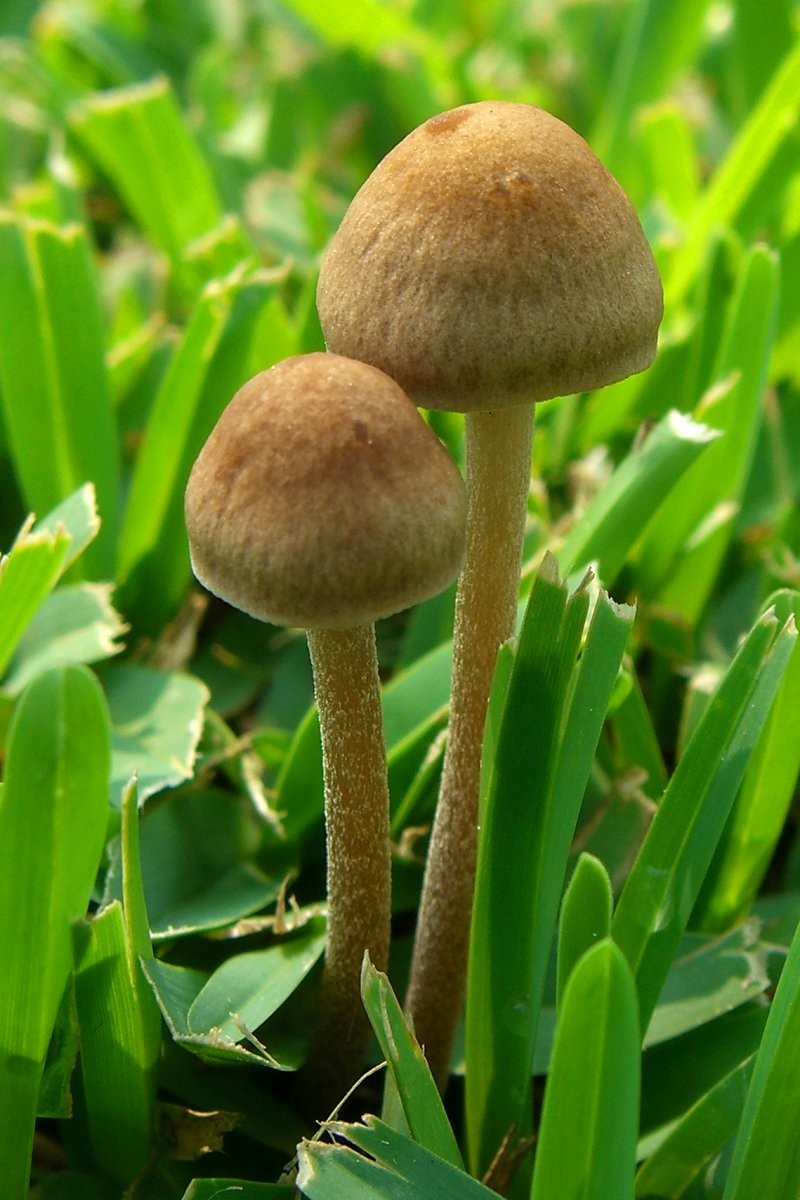
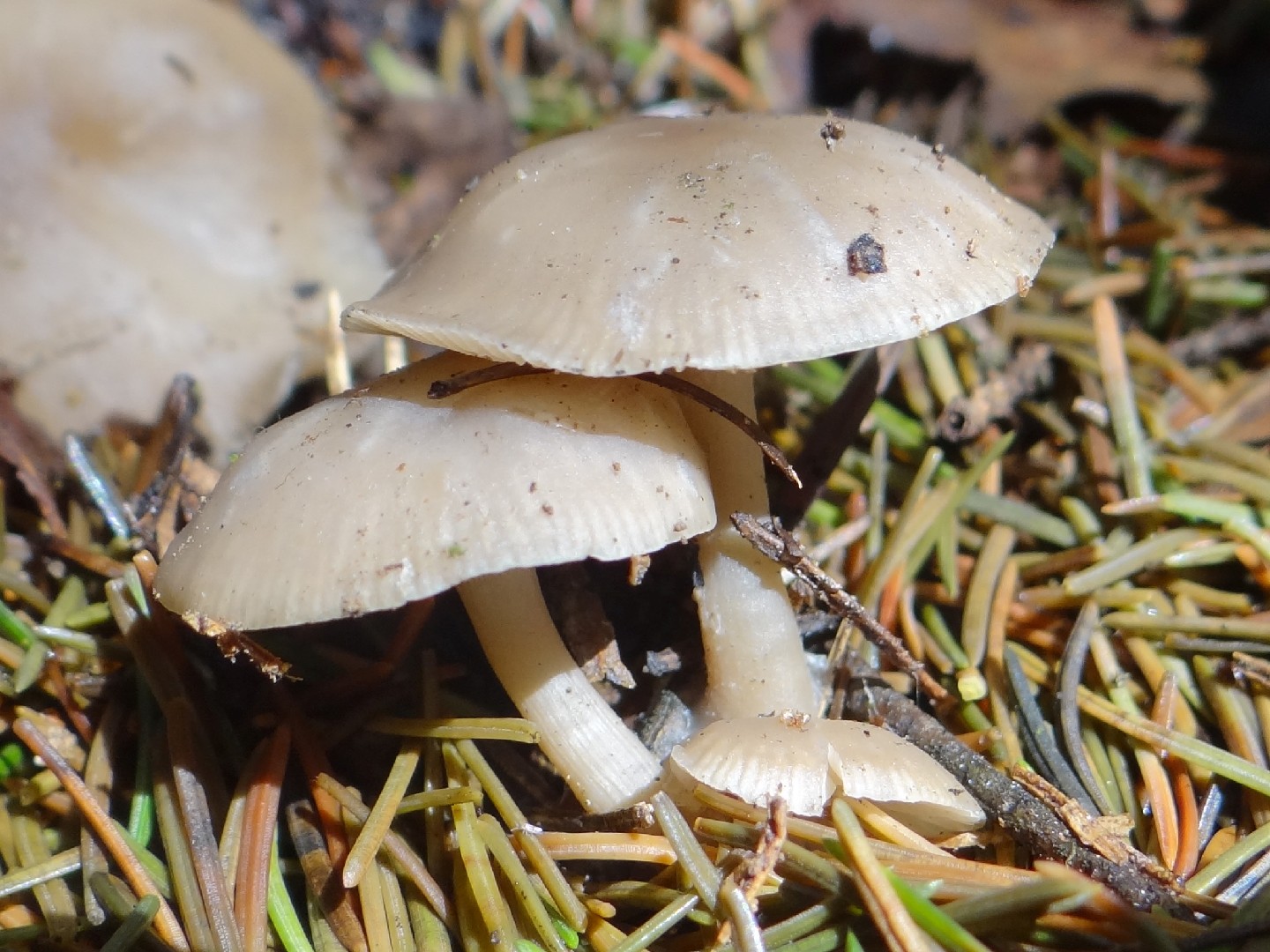
The mower's mushroom, also referred to as the lawnmower's mushroom, is so named because it frequently crops up in lawns. The species is rather nondescript, and it is considered a member of the infamously hard-to-distinguish "Little Brown Mushroom" (LBM) family. While the mower's mushroom is not known to be toxic to humans or dogs, several of these close look-alikes are.
7. Yellow-staining milkcap
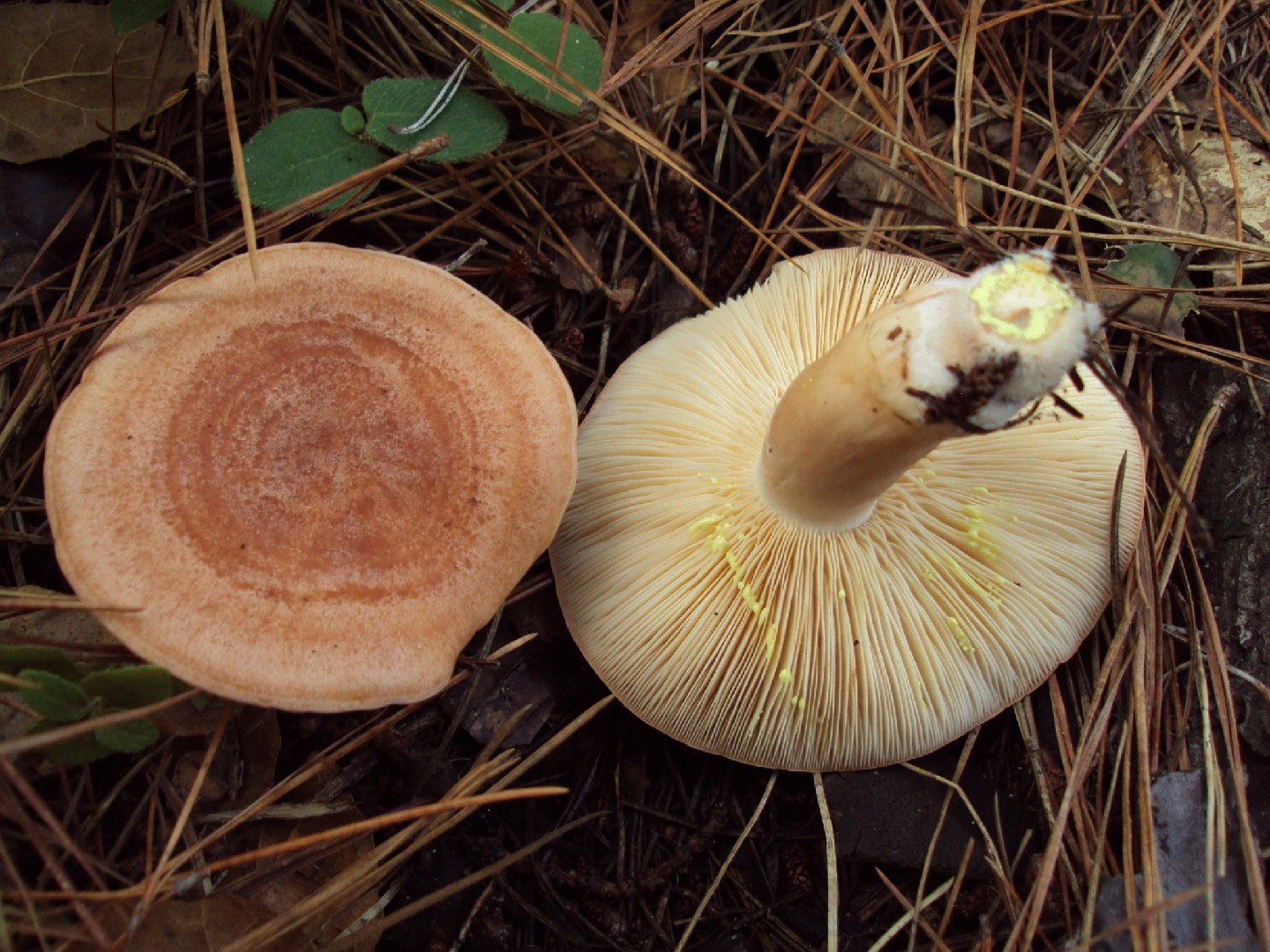
Like most other milkcaps, the yellow-staining milkcap will ooze a white, latex-like substance when cut or otherwise damaged, but, unlike closely related species, the latex of this mushroom will quickly turn canary-yellow when exposed to the air. Go ahead and try it out for yourself, but don't take this one home to the kitchen! The yellow-staining milkcap is toxic.
8. California agaricus
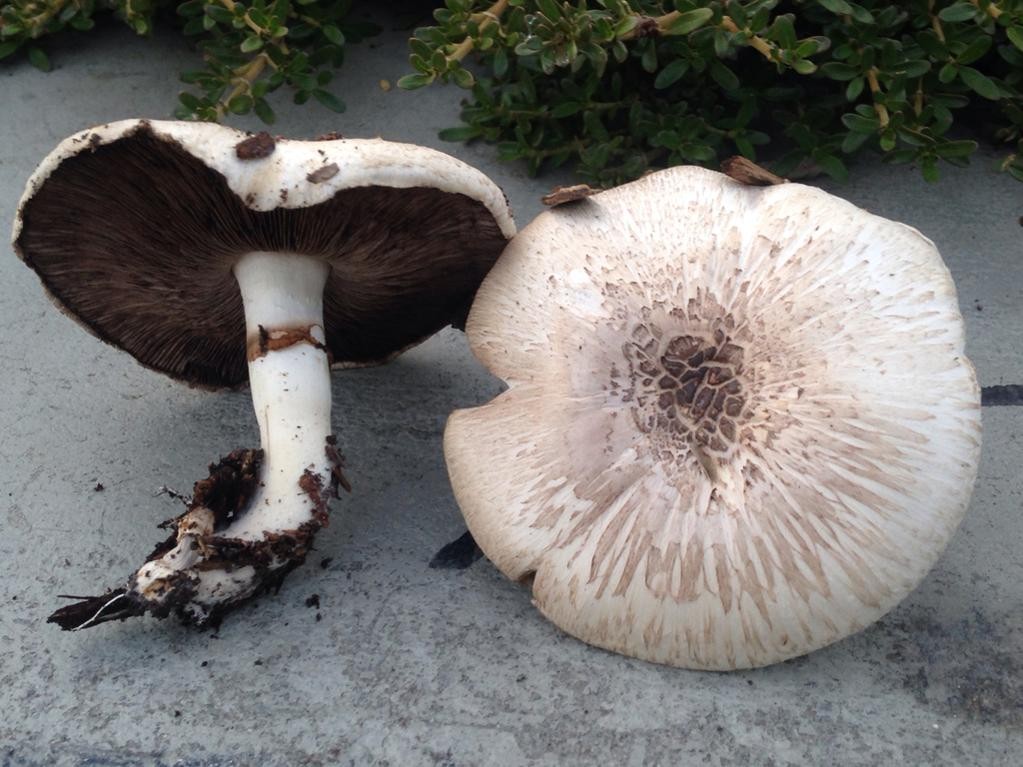
The california agaricus, found along portions of coastal California, is a toxic mushroom that is closely related to (and closely resembles) several sought-after, edible species, such as button mushrooms and white and brown field mushrooms. One distinguishing characteristic of california agaricus is that its flesh will begin to yellow when cut or bruised; unfortunately, this reaction is not always obvious. It is not deadly poisonous, but ingestion can cause gastrointestinal distress.
9. Wolf lichen
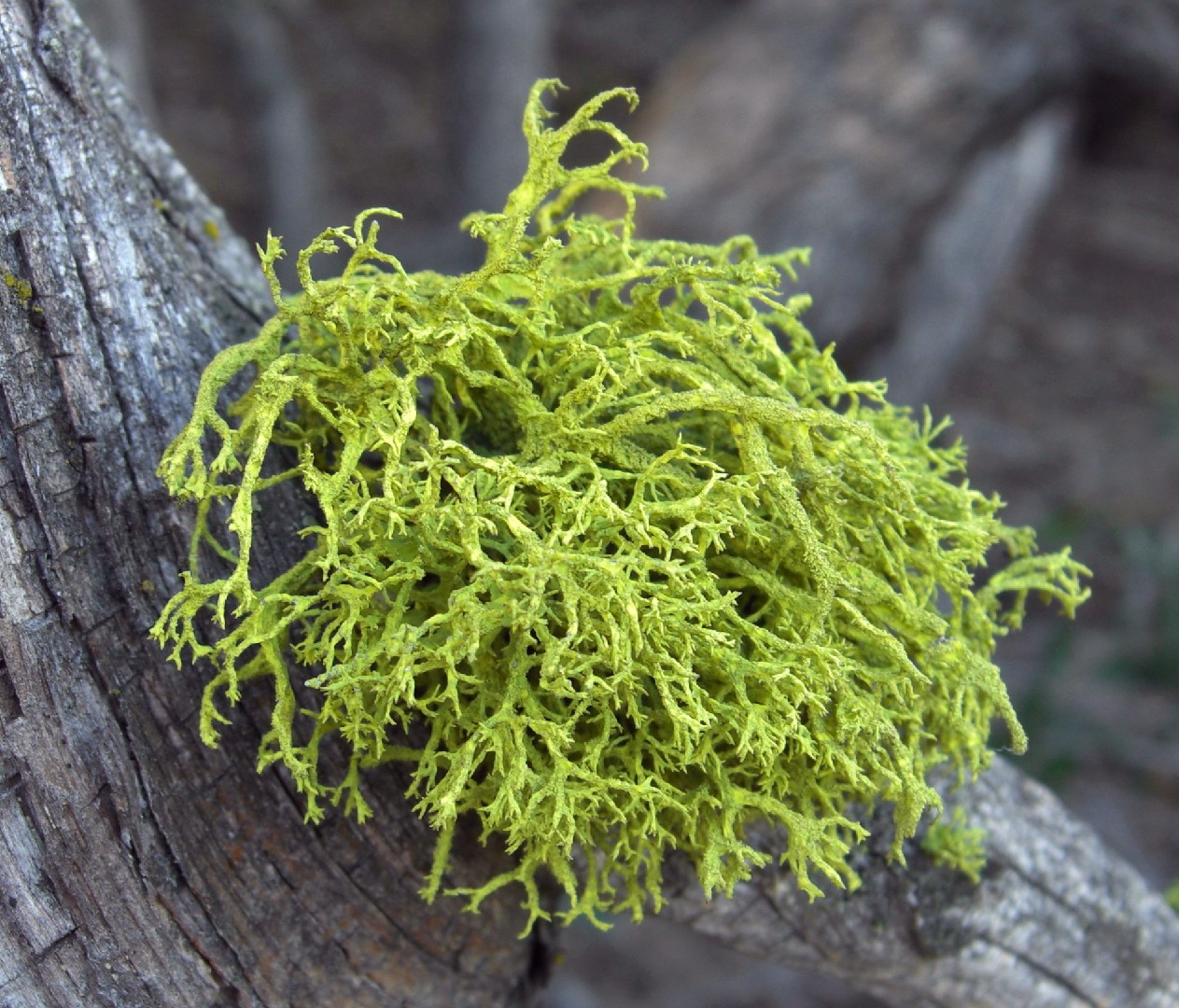
The thallus, or vegetative body, has a fructicose shape — that is, shrubby and densely branched — and a bright yellow to yellow-green, or chartreuse color, although the color will fade in drier specimens. Its dimensions are typically 2 to 7 cm (0.8 to 3 in) in diameter. The vegetative reproductive structures soredia and isidia are present on the surface of the thalli, often abundantly. 
10. False chanterelle
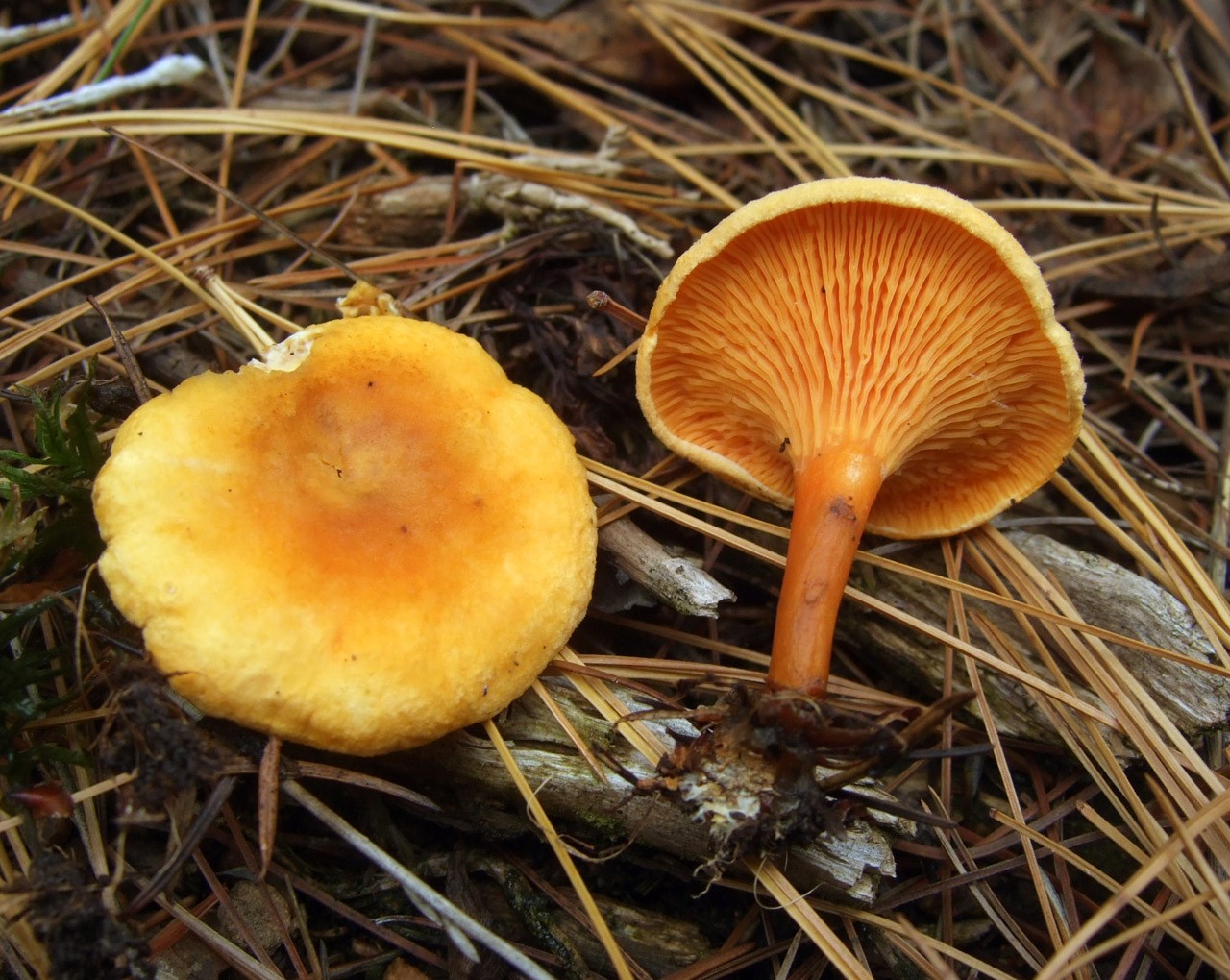
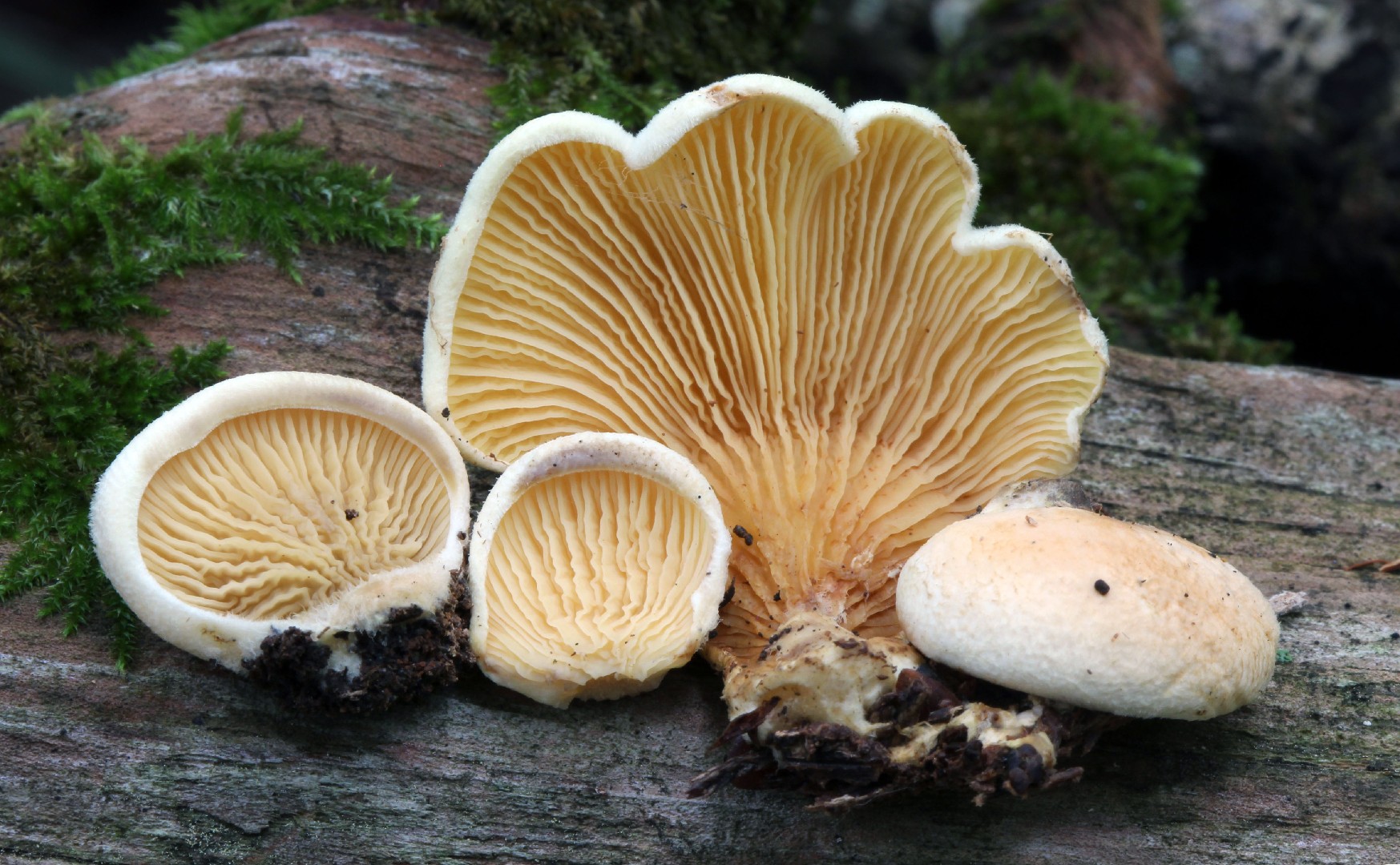
The common name of this mushroom refers to the fact that it looks very similar to the edible and highly prized Chanterelle. This species, however, tastes bitter and may cause poisoning symptoms. False chanterelle occurs around the northern hemisphere in autumn and winter, growing on coniferous detritus, and is more likely to fruit in dry conditions rather than the usual wet.
More







