




Top 20 Edible Mushrooms Popular in Ontario
Surrounded by diverse ecosystems, Ontario provides a unique blend of habitats ideal for flourishing fungi. This webpage will unveil the top 20 most sought-after edible mushrooms that Ontario's varied terrain has to offer. Each variety will be discussed in terms of their distinct features, taste profiles, growth conditions and culinary versatility, enabling you to fully appreciate the richness and variety of mushrooms in Ontario. Embrace mother nature's bounty as we explore Ontario's edible fungi kingdom.
* Disclaimer: Content feedback CAN NOT be used as any basis for EATING ANY PLANTS. Some plants can be VERY POISONOUS, please purchase edible plants through regular channels.

Most Popular Edible Mushrooms
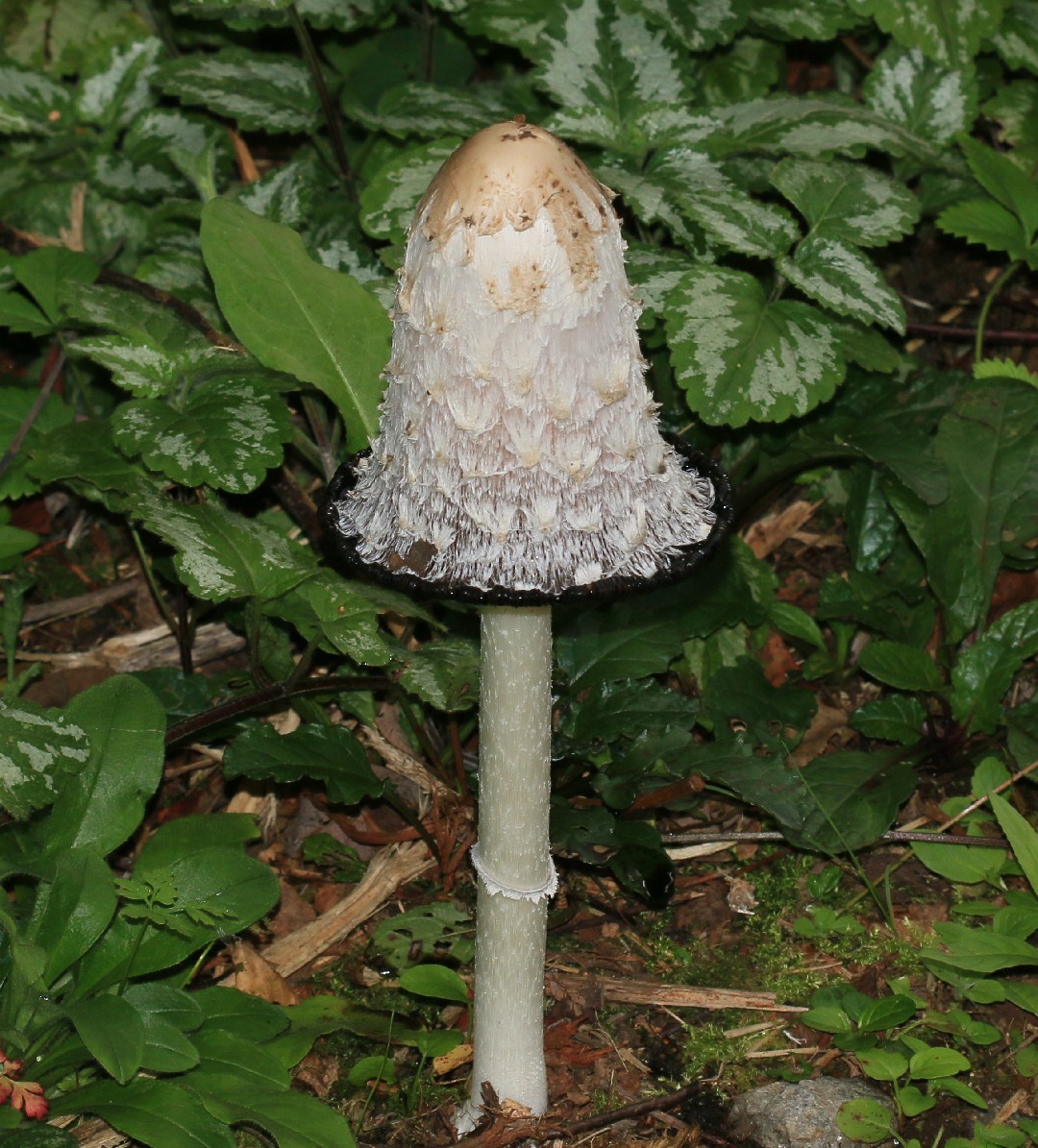
1. Shaggy mane
The shaggy mane mushroom is commonly found in North American and European grasslands. Some peoples foraged for its young egg-shaped caps, but it has more recently been found to be a bioaccumulator of heavy metals, meaning it pulls toxic metals up from the soil where it grows. As a result, shaggy manes should not be eaten. The mushrooms usually appear in clusters or “fairy rings.”
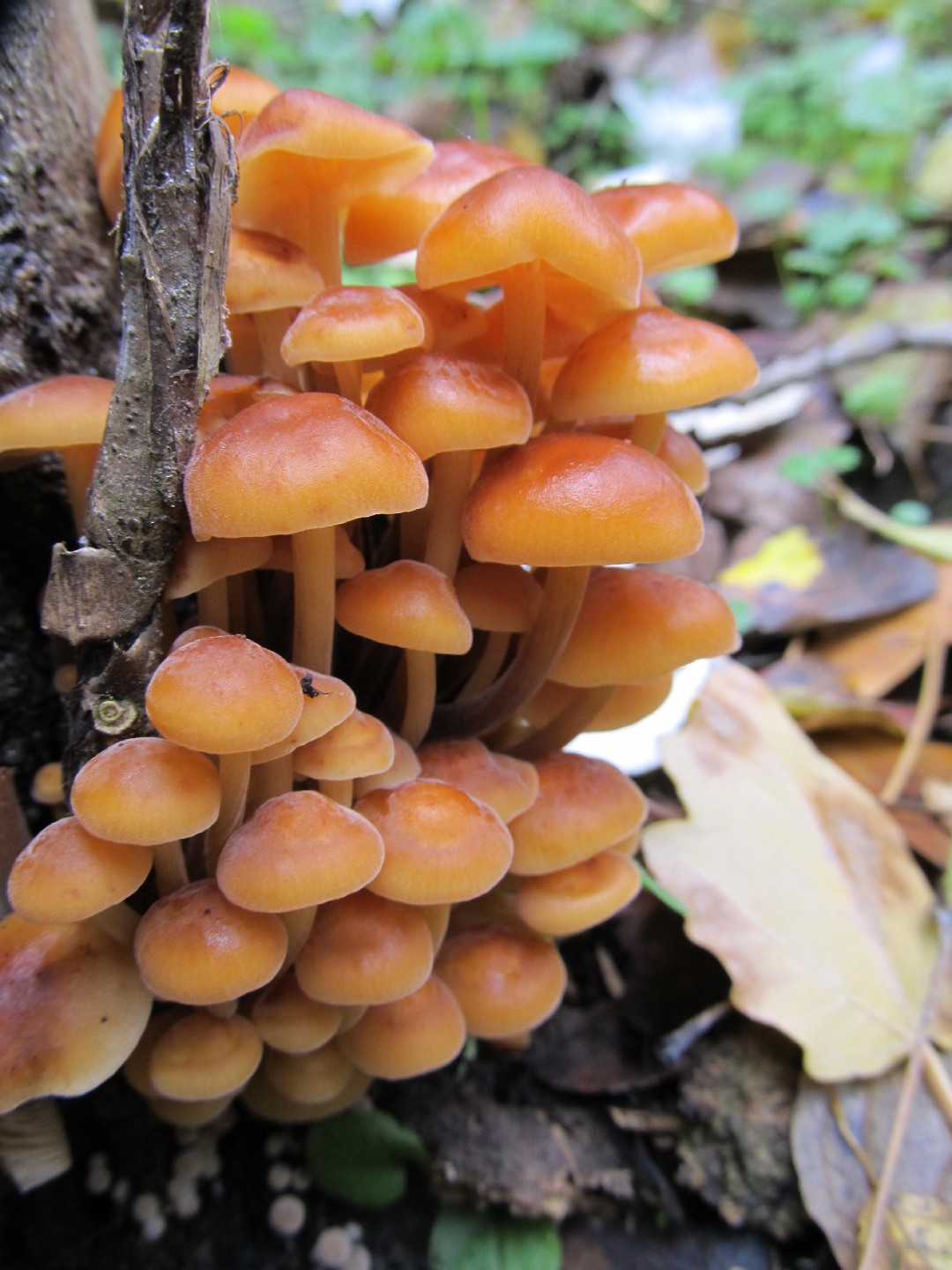
2. Enoki
The enoki grows wild on dead elm trees, and is also cultivated for human use. This flavorful species (Flammulina velutipes) has been used in dishes around the world for generations, being particularly high in nutrients. Though store-bought enoki are often plain white, wild ones can be found in a range of colors.
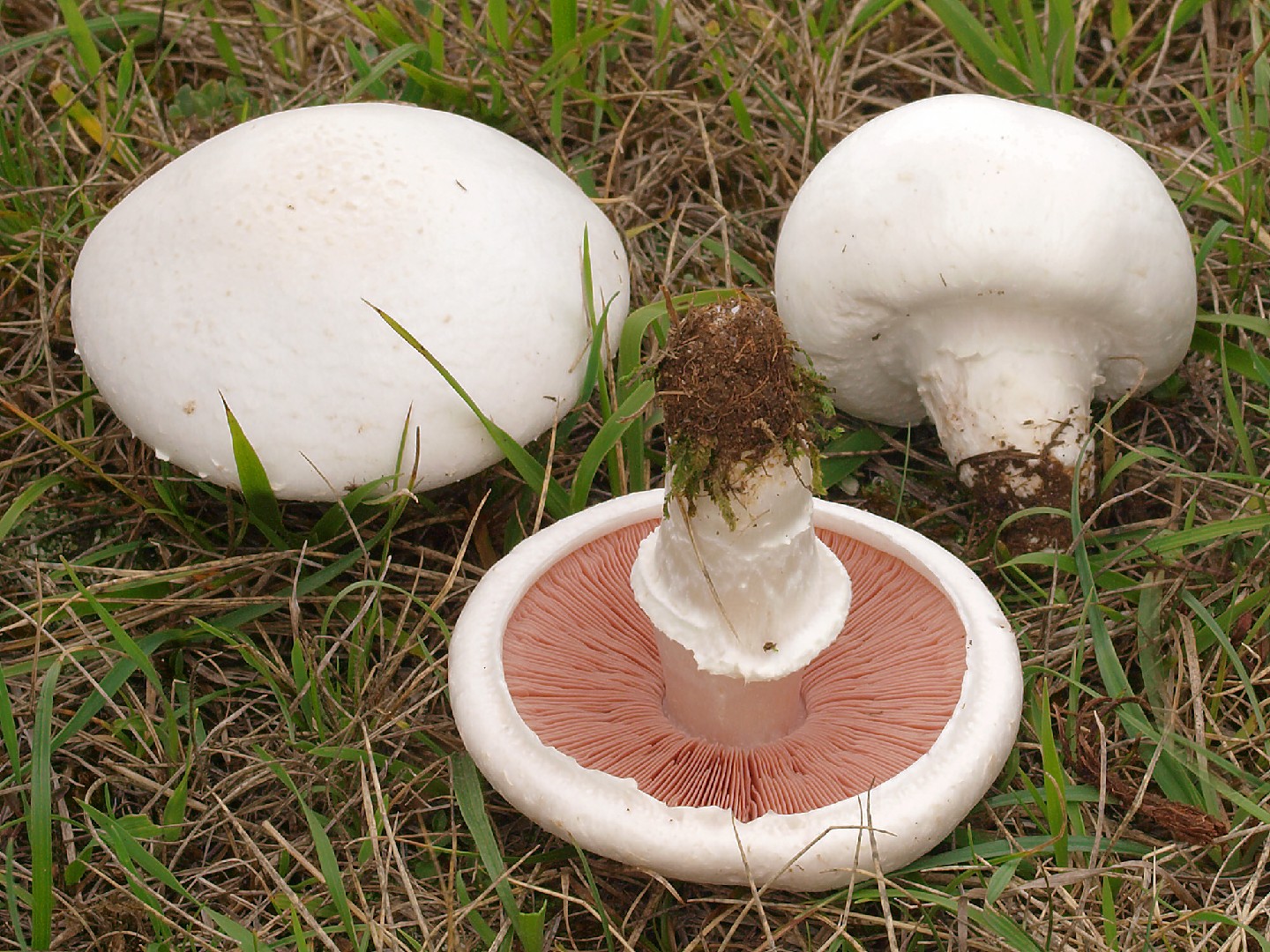
3. Meadow mushroom
The meadow mushroom grows in meadows and pastures around the world—especially those rich in manure—when the weather is warm and wet. They are known to appear in “fairy ring” shapes. Originally identified in Europe, it is possible that North American specimens identified as meadow mushrooms may genetically belong to other species.
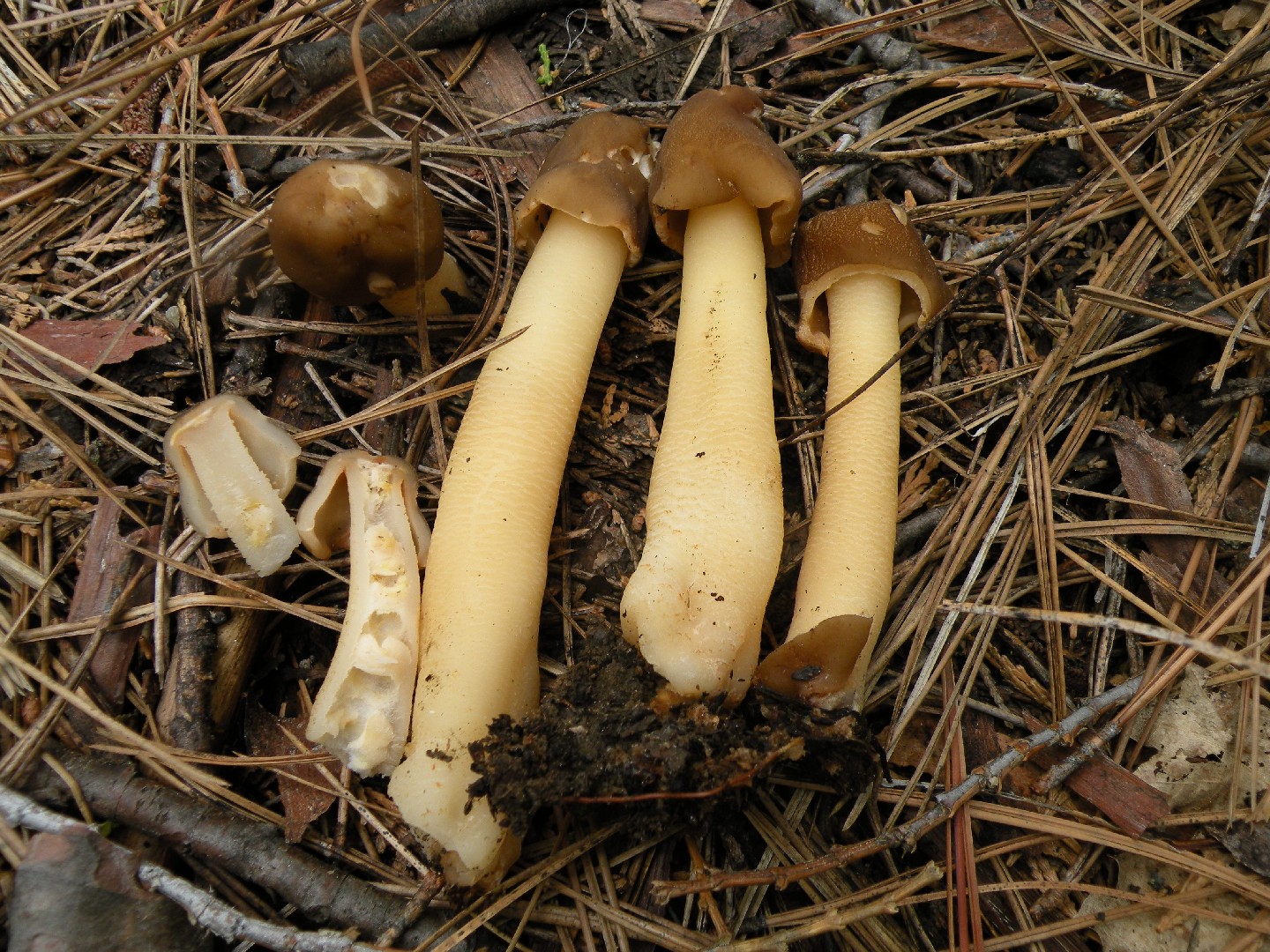
4. Bell morel
The bell morel can break easily to reveal a cotton-like pith inside. It forms mutually beneficial relationships with the roots of certain trees and is thus found primarily in forests. This species is sometimes known as an "early morel" because it appears in springtime.
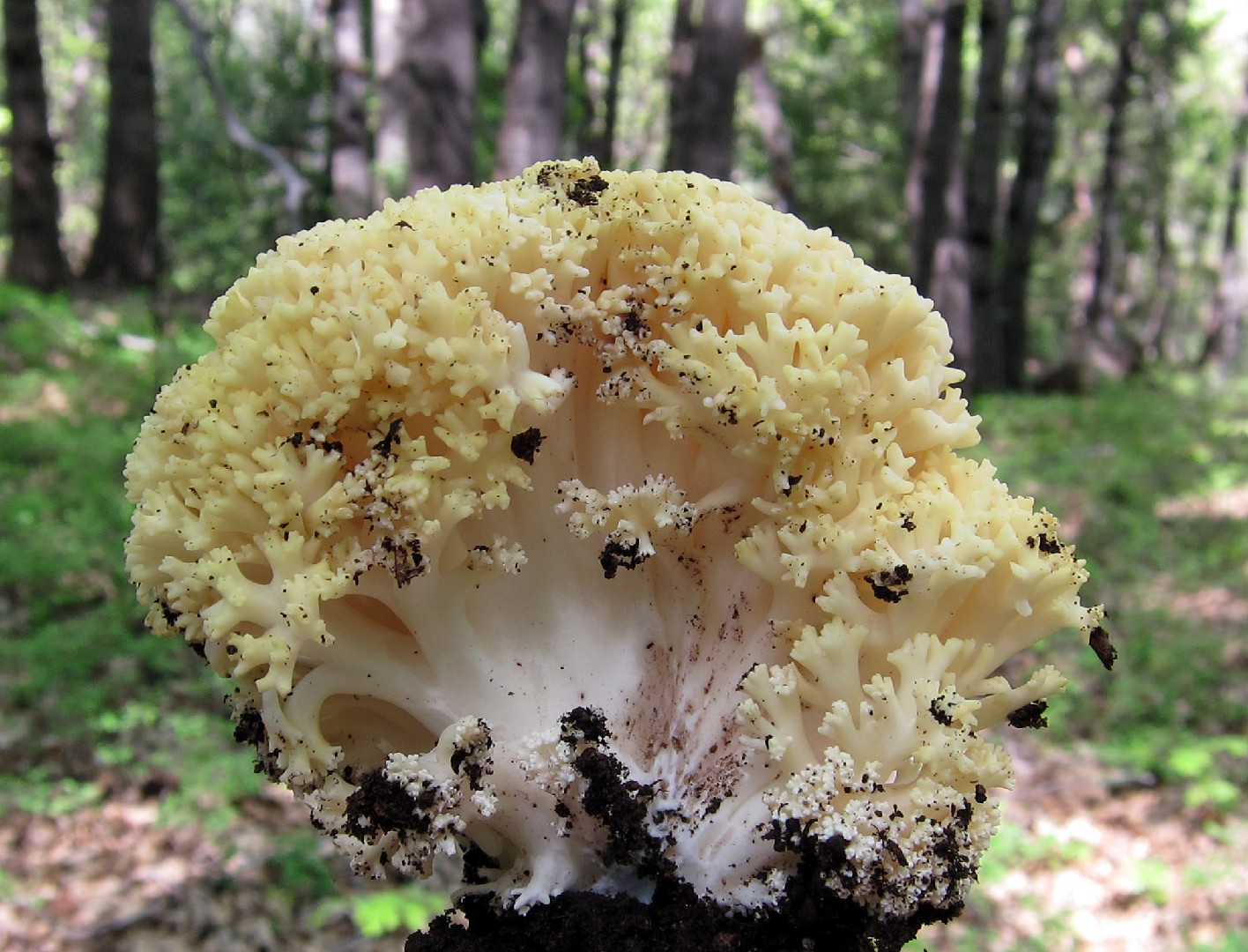
5. Yellow coral
In North America, yellow coral grows throughout conifer forests while in the Himalayas it is found in deciduous forests. It's often found in arcing formations and sometimes it even grows in the canopy. The specific epithet, rasilispora, translates roughly to "smooth-worn spore."
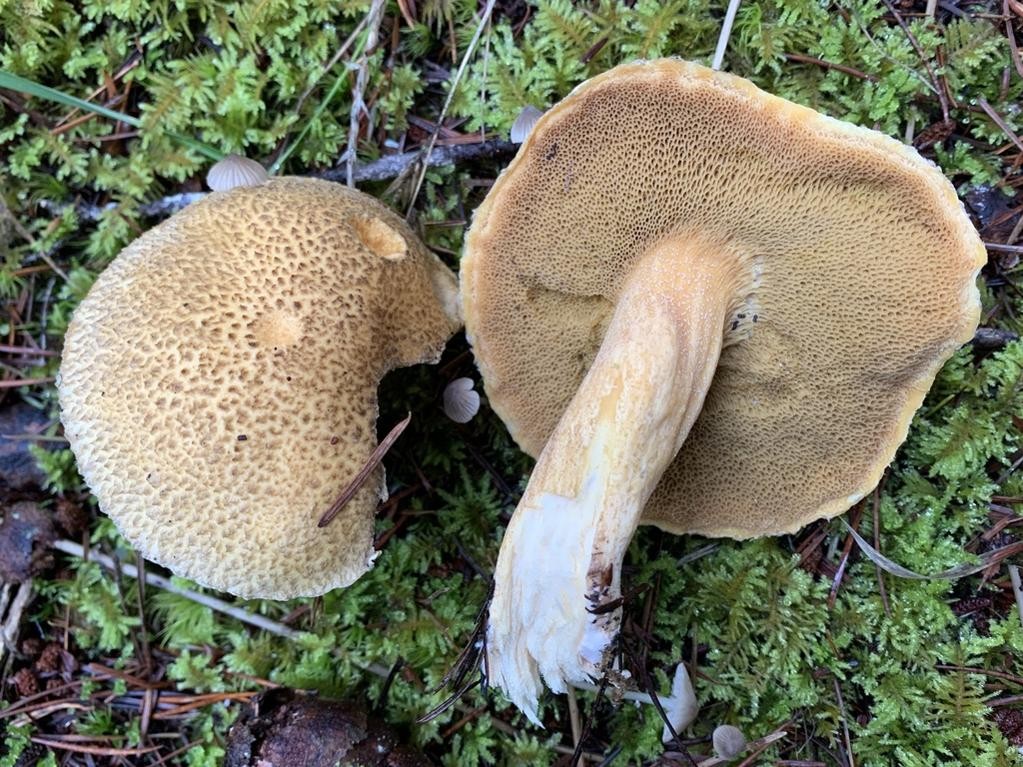
6. Blue-staining slippery jack
If you come across a blue-staining slippery jack (Suillus tomentosus) in the wilderness, chances are you're adventuring through a conifer forest after heavy rain. True to the common name, the caps can stain your hands a brownish-blue color. The surface area of the cap has a velvety texture when young.
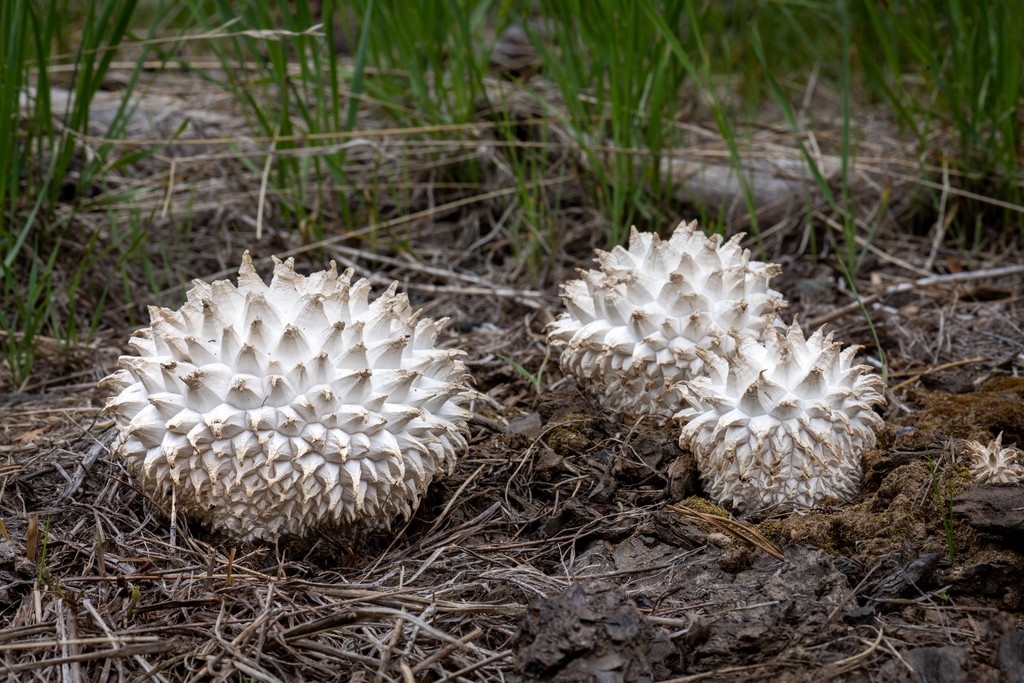
7. Sculpted puffball
Sculpted puffball is an eye-catching and unique puffball that appears to have been sculpted with pyramidal warts, giving rise to its name. Sculpted puffball fruits during the late spring/early summer in the soil of conifer forests at altitude. It can be mistaken for the larger C. subsculpta.
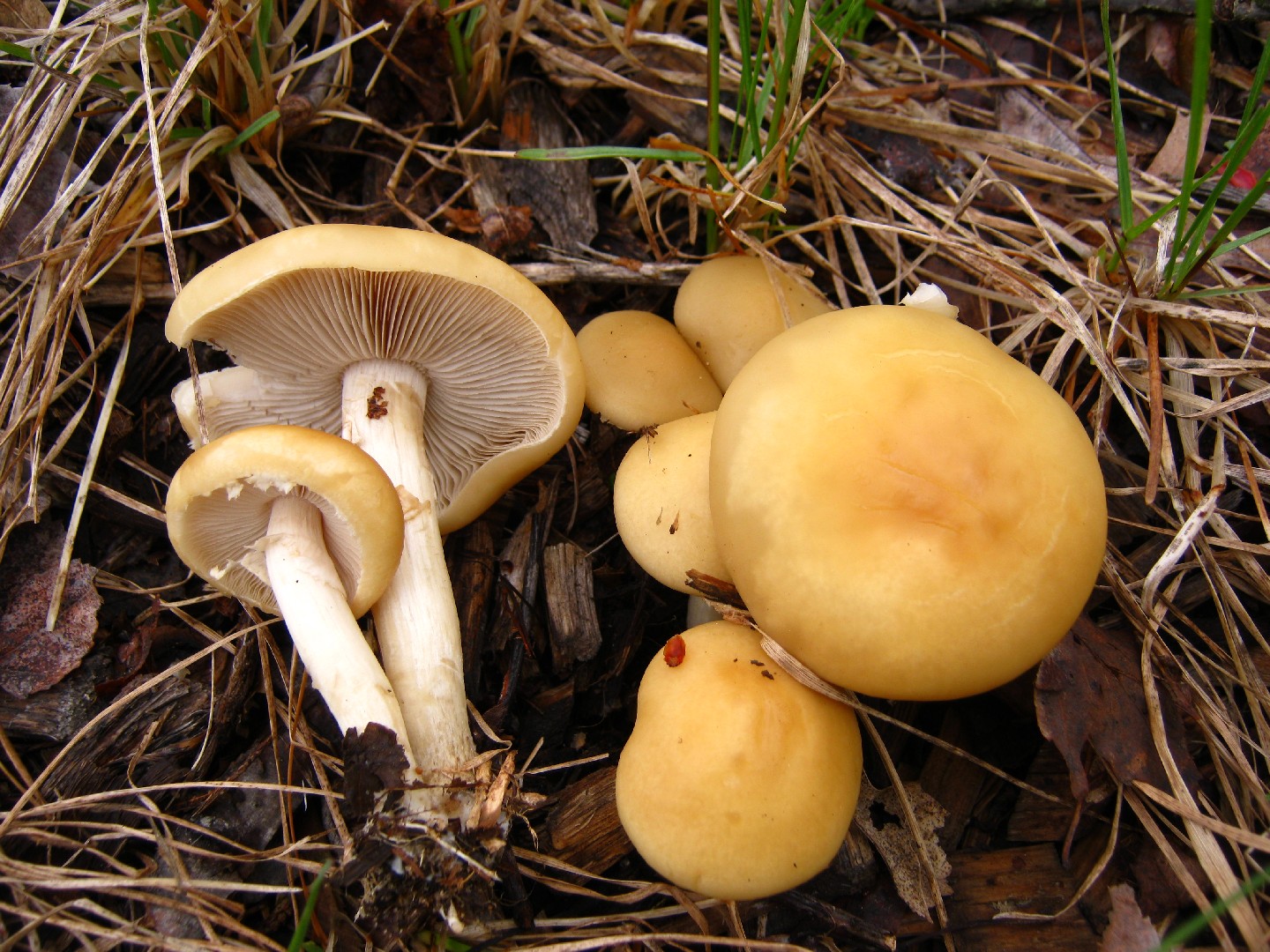
8. Spring fieldcap
The spring fieldcap (Agrocybe praecox) appears in spring and early summer, in scattered groups or in tufts across the edges of woodland paths. They may be a common sight in urban areas with wood chip mulch or compost piles. The species' scientific name comes from the same Latin root as the word "precocious," giving another clue regarding the early appearance one can expect from these little mushrooms.
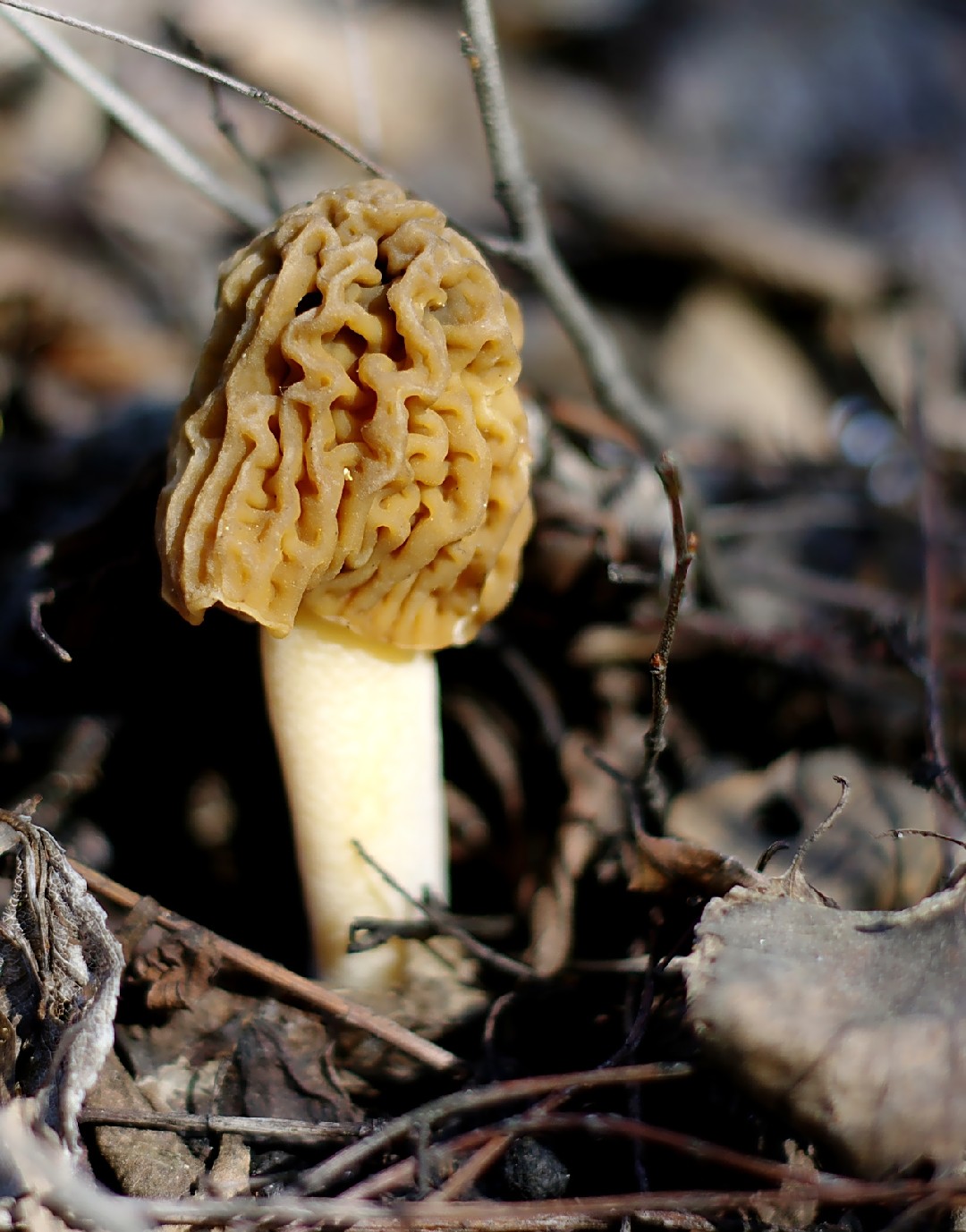
9. Early morel
The early morel can be found in wooded areas of North America, Asia, and Europe. It is called the Early morel because it is one of the first mushrooms to emerge early in spring. It is distinctive for its wrinkled and thimble-like cap.
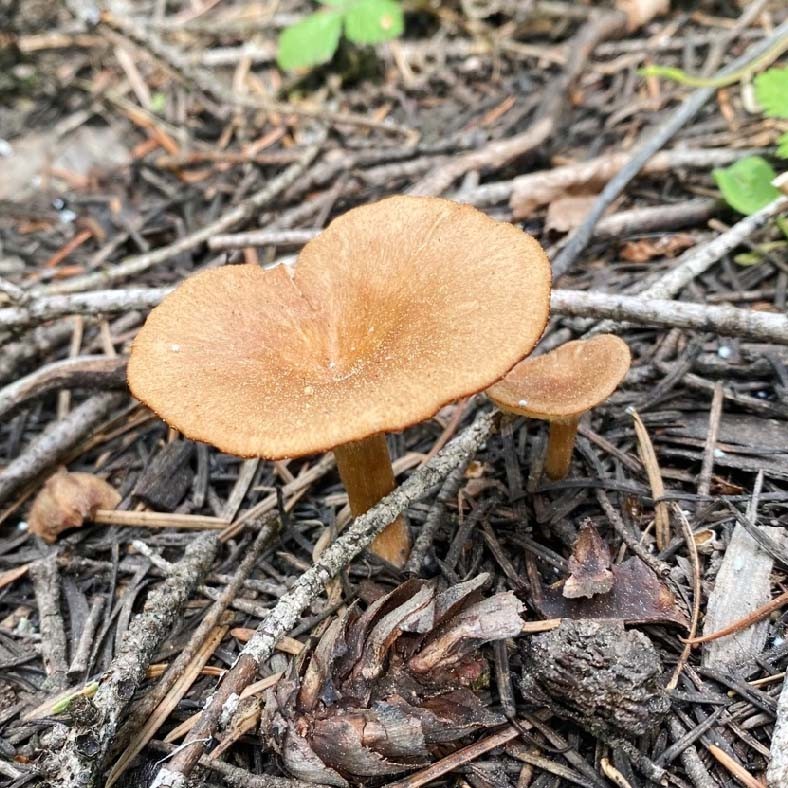
10. Clitocybe squamulosa
Clitocybe squamulosa shows up in conifer and mixed forests, but can also sometimes be found in open areas. It's not uncommon to see these mushrooms in snowbanks in the mountains. The specific name, squamulosa, references the scale-like structures that appear on the cap's center.
More







