




Top 10 Edible Mushrooms Popular in La Grande
In the verdant landscape of La Grande, a diverse variety of edible fungi flourish abundantly. This list explores the 10 most prevalent, each unique in appearance, flavor, habitat, and culinary uses. The state's lush forests and abundant rainfall create ideal conditions, allowing these incredible organisms to thrive. Knowledge of these delicious edibles can deepen your mycological understanding, elevate your next foraging venture and impress at the dining table.
* Disclaimer: Content feedback CAN NOT be used as any basis for EATING ANY PLANTS. Some plants can be VERY POISONOUS, please purchase edible plants through regular channels.

Most Popular Edible Mushrooms
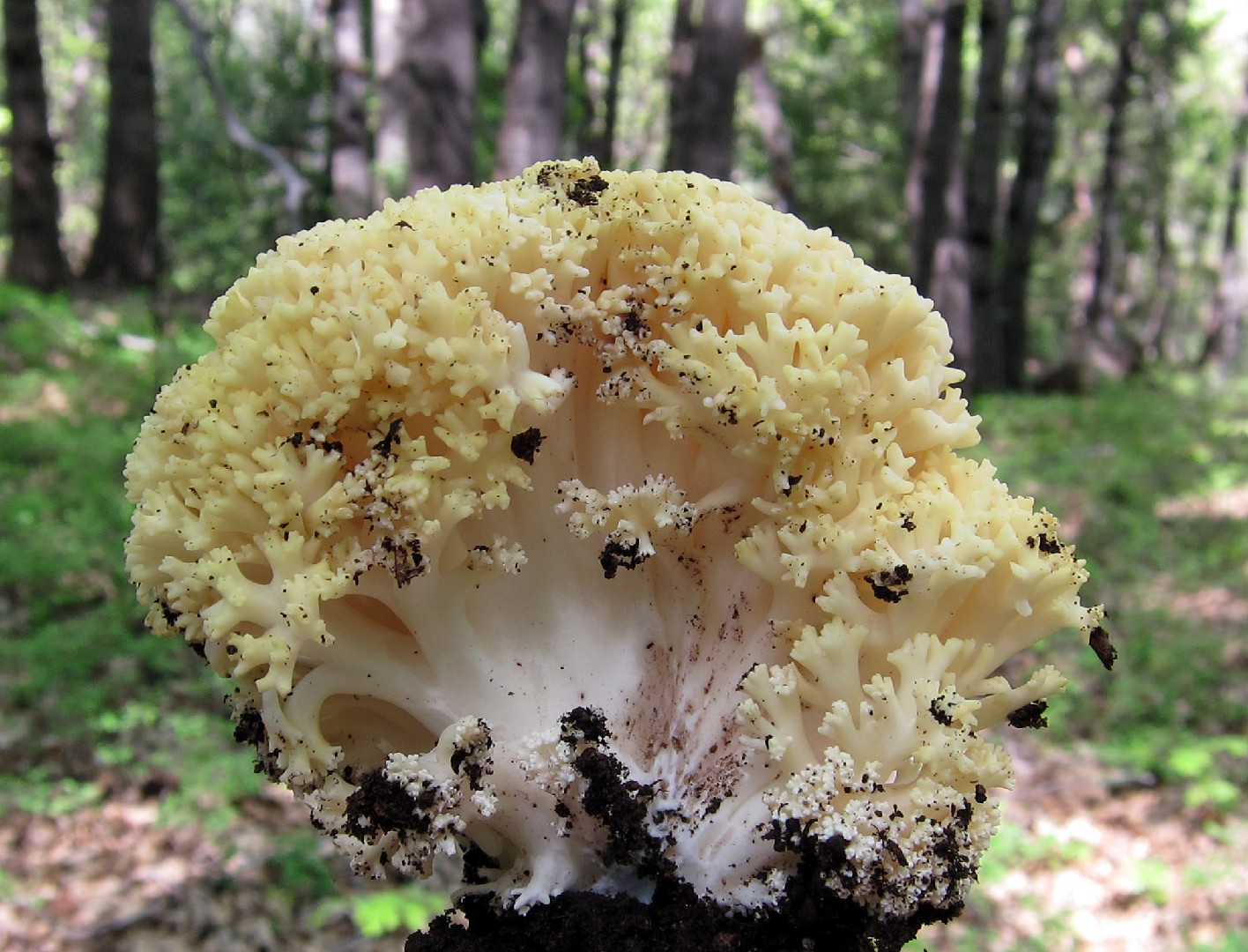
1. Yellow coral
In North America, yellow coral grows throughout conifer forests while in the Himalayas it is found in deciduous forests. It's often found in arcing formations and sometimes it even grows in the canopy. The specific epithet, rasilispora, translates roughly to "smooth-worn spore."
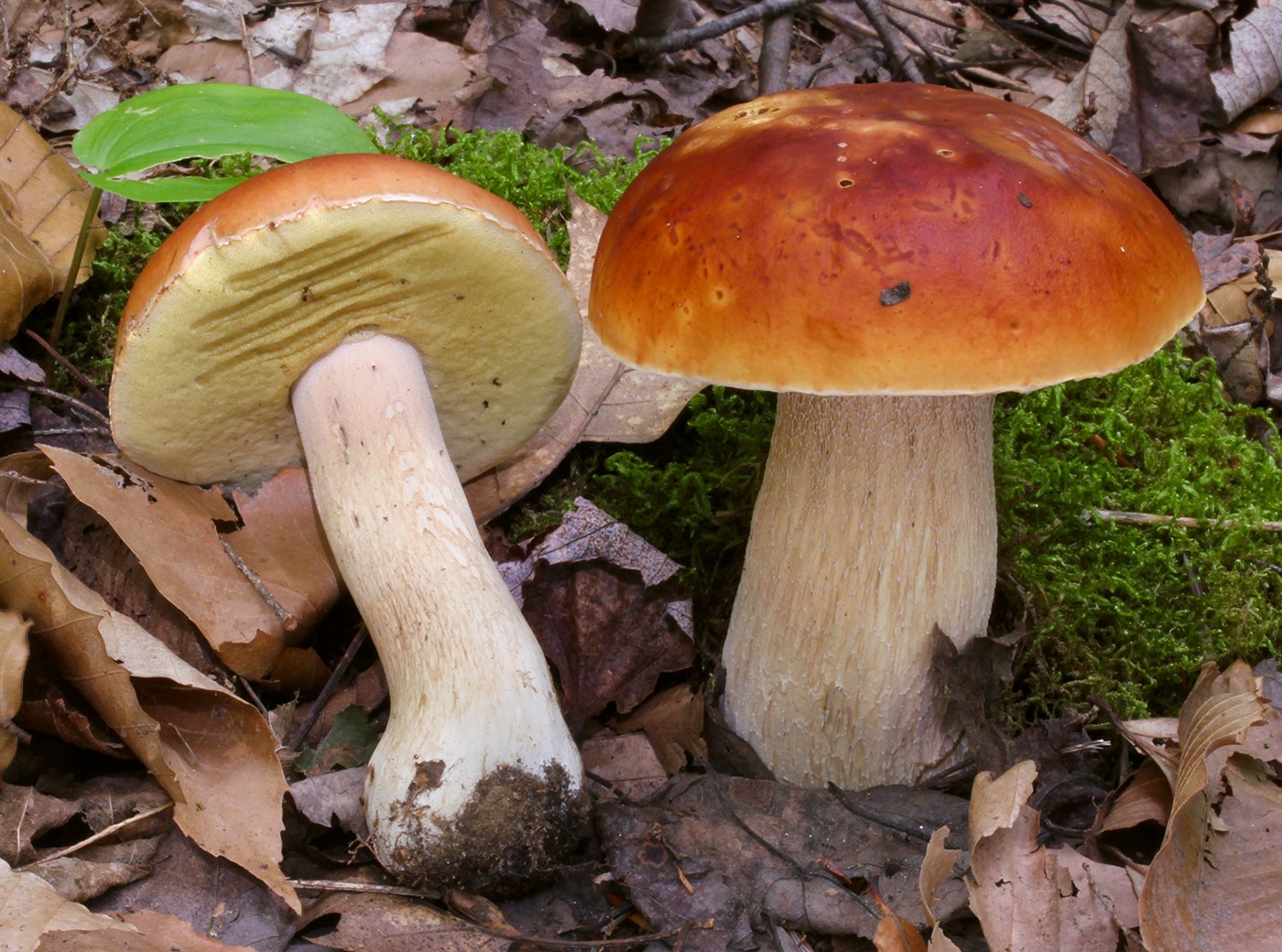
2. King bolete
Extremely popular in many cuisines, this edible wild mushroom grows around the world near the roots of forest trees. In some regions, king bolete mushrooms are collected in great enough volumes that their sale can support entire families during the harvest season. King boletes are reported to be high in fiber, vitamins B and C, calcium, potassium, magnesium, zinc, and several antioxidants.
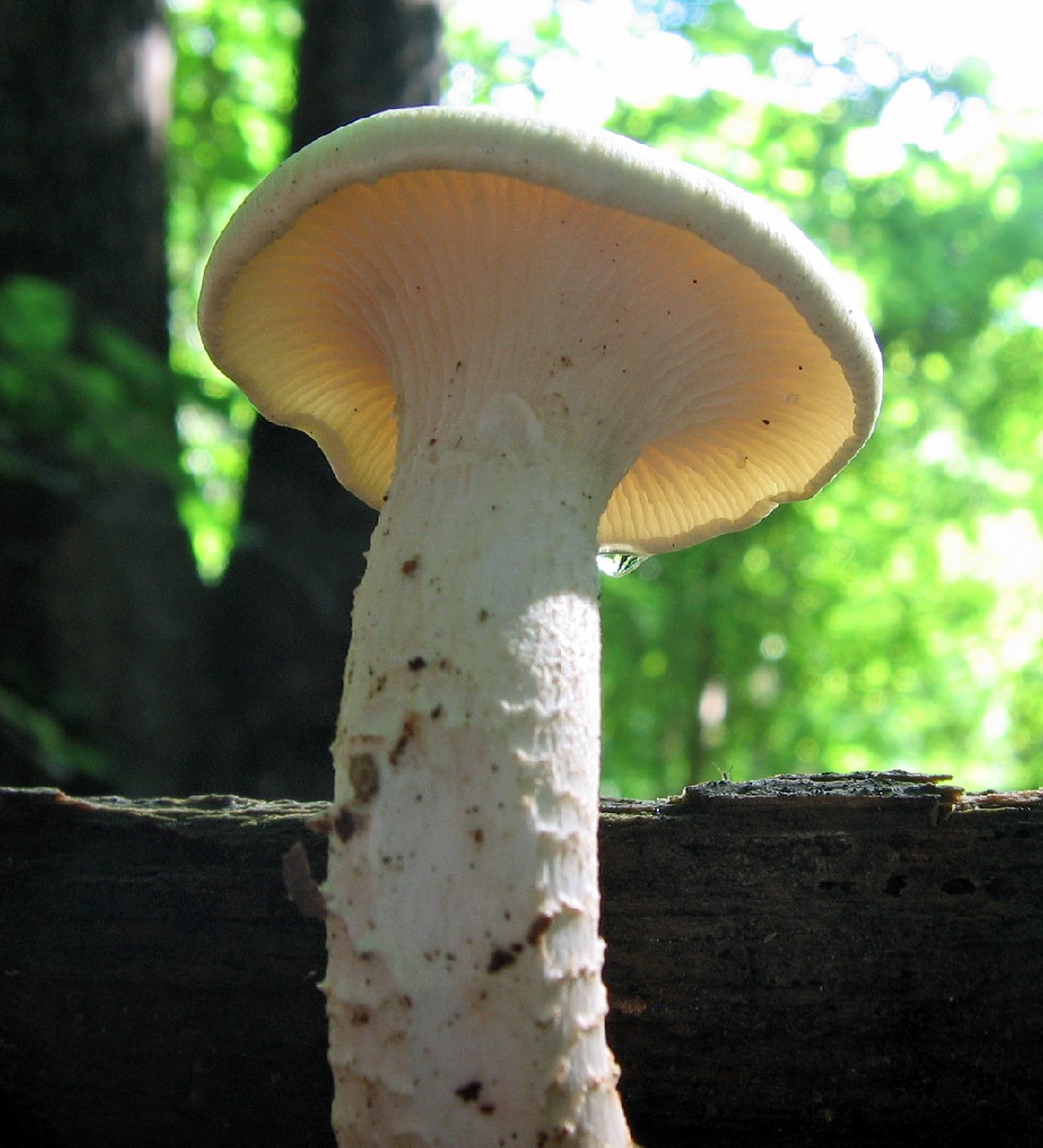
3. Scaly lentinus
Scaly lentinus(Neolentinus lepideus) may be found alone or in groups along dead or decaying pieces of timber. Due to its ability to colonize even chemically treated wood, including railroad tracks, it has been given the nickname "train wrecker." Due to inconsistent reports of safety, consumption is discouraged.
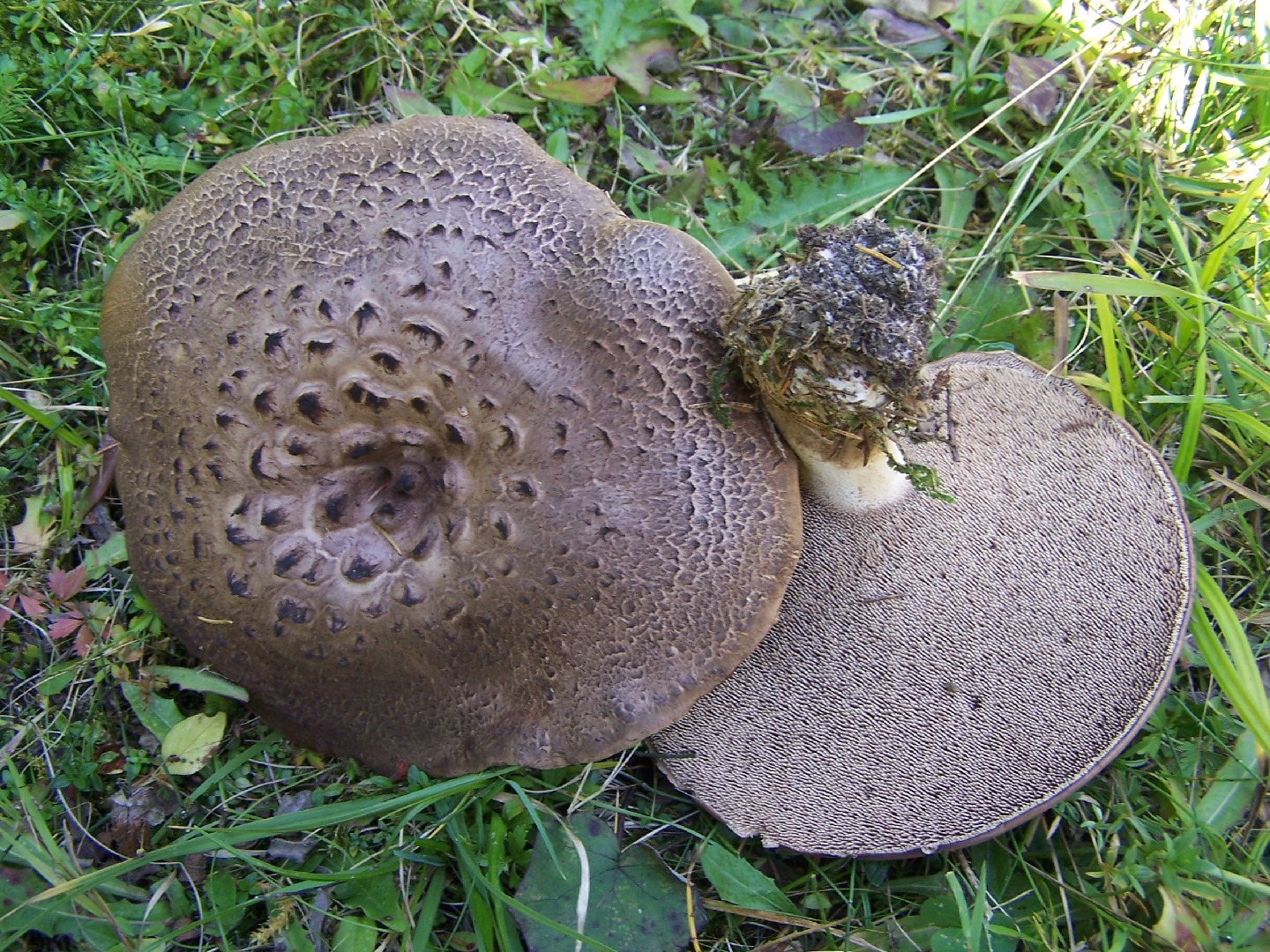
4. Shingled hedgehog
Shingled hedgehog(Sarcodon imbricatus) is often found in the company of fir trees, and it is therefore partial to mountainous or hilly regions. Endemic to Europe and North America, the species is prone to forming fairy rings. It fruits in early autumn.
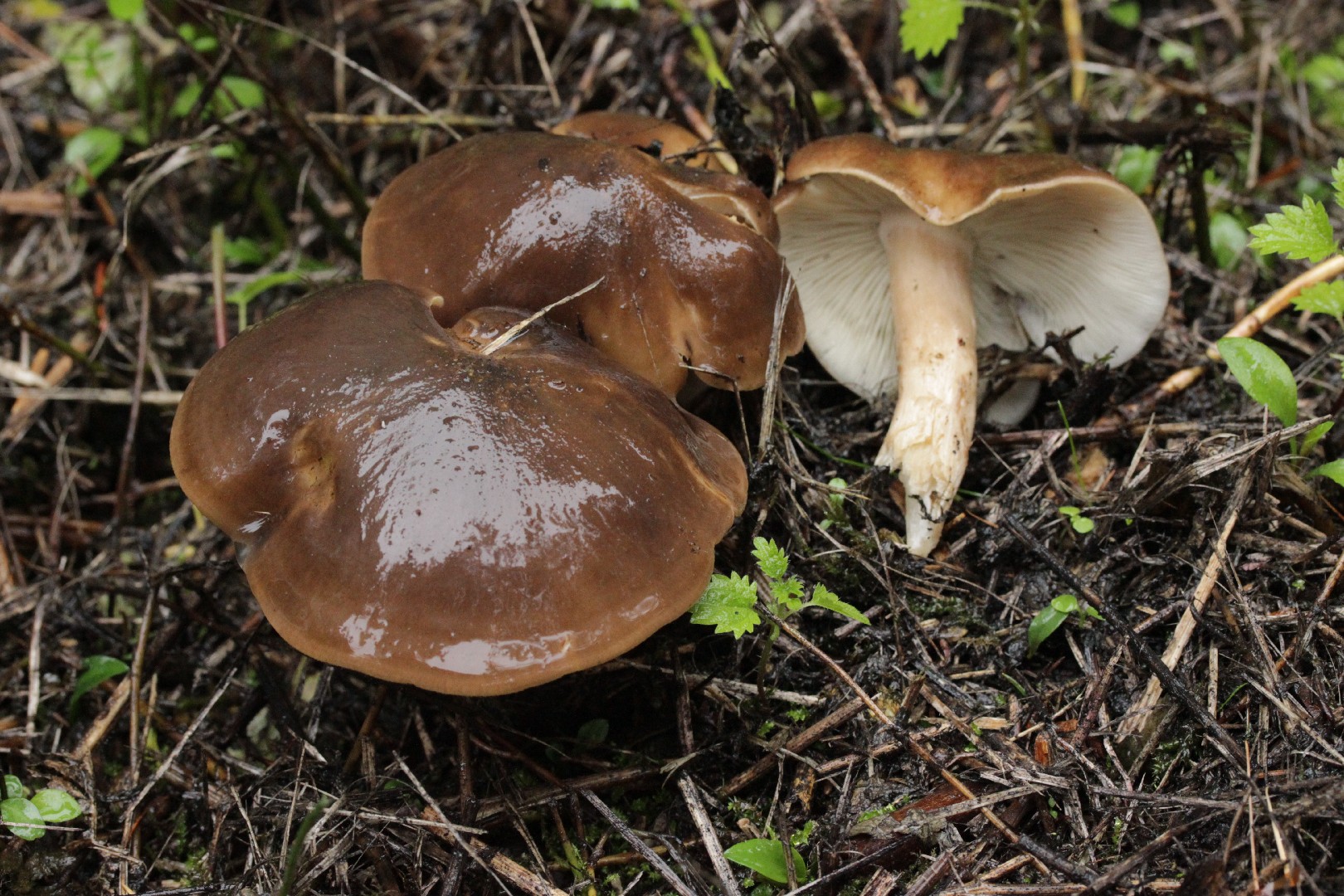
5. Fried chicken mushroom
Lyophyllum decastes, often referred to as the fried chicken mushroom, is a gregarious species of mushroom found across North America that is particularly prevalent along the west coast. Though the species' dull brown cap and whitish stalk are rather unremarkable, it does have the tendency to grow in very large clusters, which may help to distinguish it from similar-looking species, some of which are quite toxic.
6. Yellow coral
In North America, yellow coral grows throughout conifer forests while in the Himalayas it is found in deciduous forests. It's often found in arcing formations and sometimes it even grows in the canopy. The specific epithet, rasilispora, translates roughly to "smooth-worn spore."
7. King bolete
Extremely popular in many cuisines, this edible wild mushroom grows around the world near the roots of forest trees. In some regions, king bolete mushrooms are collected in great enough volumes that their sale can support entire families during the harvest season. King boletes are reported to be high in fiber, vitamins B and C, calcium, potassium, magnesium, zinc, and several antioxidants.
8. Scaly lentinus
Scaly lentinus(Neolentinus lepideus) may be found alone or in groups along dead or decaying pieces of timber. Due to its ability to colonize even chemically treated wood, including railroad tracks, it has been given the nickname "train wrecker." Due to inconsistent reports of safety, consumption is discouraged.
9. Shingled hedgehog
Shingled hedgehog(Sarcodon imbricatus) is often found in the company of fir trees, and it is therefore partial to mountainous or hilly regions. Endemic to Europe and North America, the species is prone to forming fairy rings. It fruits in early autumn.
10. Fried chicken mushroom
Lyophyllum decastes, often referred to as the fried chicken mushroom, is a gregarious species of mushroom found across North America that is particularly prevalent along the west coast. Though the species' dull brown cap and whitish stalk are rather unremarkable, it does have the tendency to grow in very large clusters, which may help to distinguish it from similar-looking species, some of which are quite toxic.







