




Top 20 Edible Mushrooms Popular in North Valley
Nestled amidst nature's bounty, North Valley is a haven for fungal enthusiasts. The climactic diversity in this region provides an ideal habitat for a plethora of edible mushrooms. This space enlightens readers about the 20 most frequently spotted edible mushrooms and details their unique features, from aesthetic appeal to flavor profile, preferred growth conditions to their culinary significance. Learn and savor the richness of North Valley's local mushroom fauna in your gastronomic adventures!
* Disclaimer: Content feedback CAN NOT be used as any basis for EATING ANY PLANTS. Some plants can be VERY POISONOUS, please purchase edible plants through regular channels.

Most Popular Edible Mushrooms
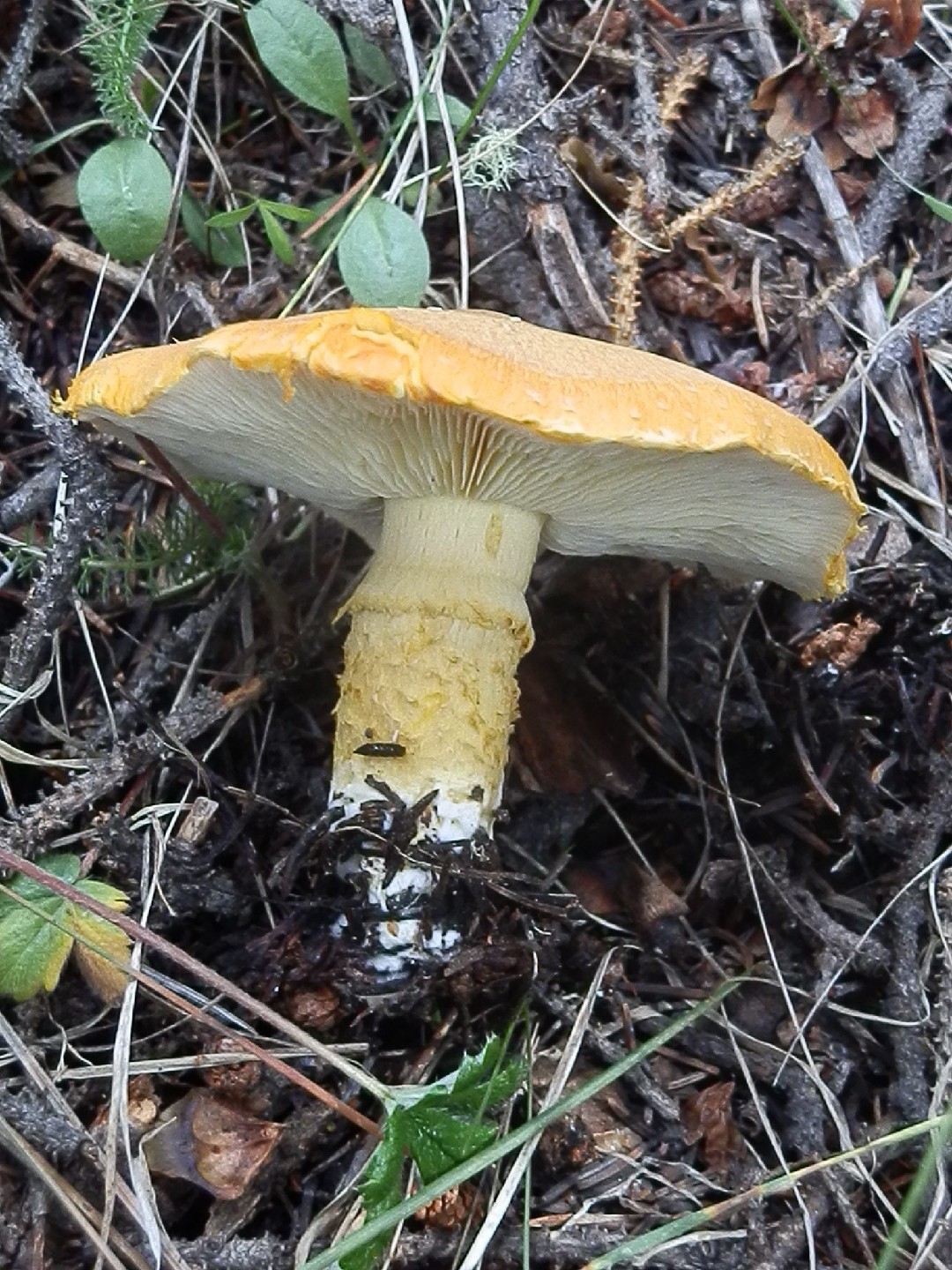
1. Floccularia Albolanaripes
Associated with conifers of the Rocky Mountains, the floccularia Albolanaripes can be found prominently during fall rains from fall to winter. It has a vibrant yellow orange-brown cap when young, developing into a drab yellowish-brown in its maturity.
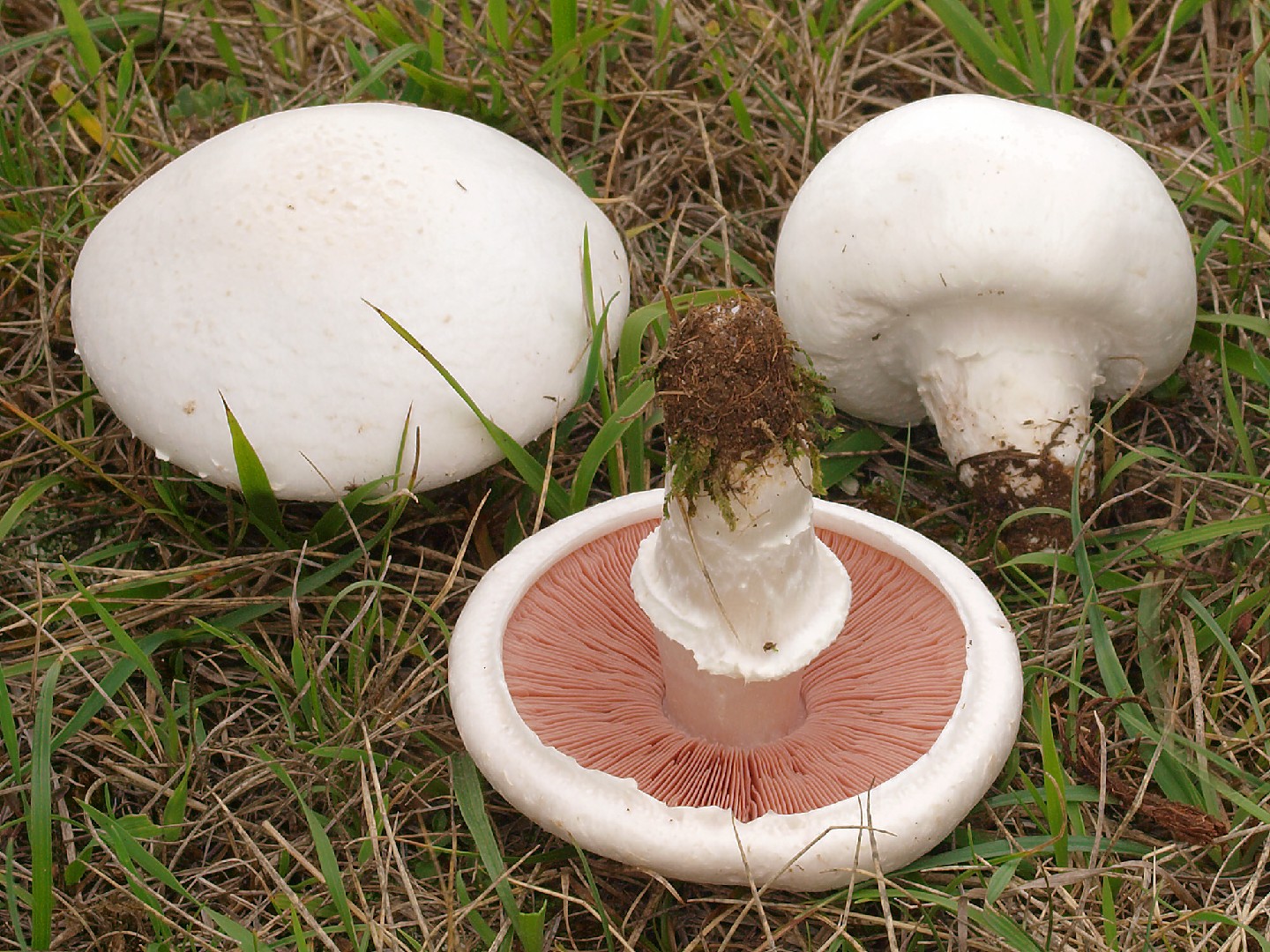
2. Meadow mushroom
The meadow mushroom grows in meadows and pastures around the world—especially those rich in manure—when the weather is warm and wet. They are known to appear in “fairy ring” shapes. Originally identified in Europe, it is possible that North American specimens identified as meadow mushrooms may genetically belong to other species.
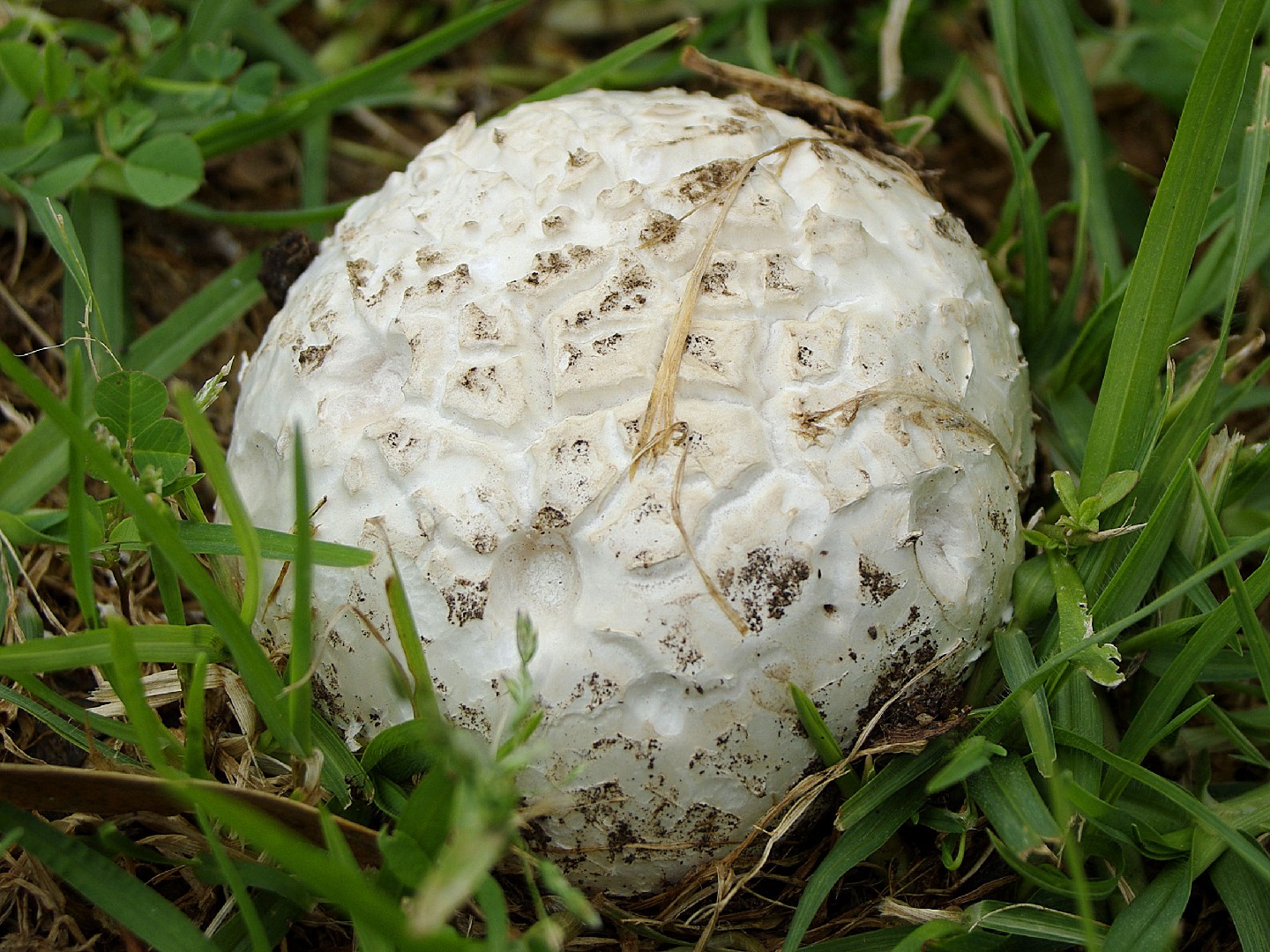
3. Western giant puffball
The western giant puffball is the largest puffball in North America, reaching up to 70 cm in diameter. It is as large as its European counterpart the Giant puffball (Calvatia gigantea), although it features a more irregular shape than its European cousin.

4. Orange-capped bolete
Orange-capped bolete (Leccinum aurantiacum) is easily recognizable for its thick stalk and colorful red-orange cap. Bruised skin may turn burgundy before becoming gray. It sprouts in summer and autumn throughout North America and Europe, where it is particularly associated with the poplar tree.
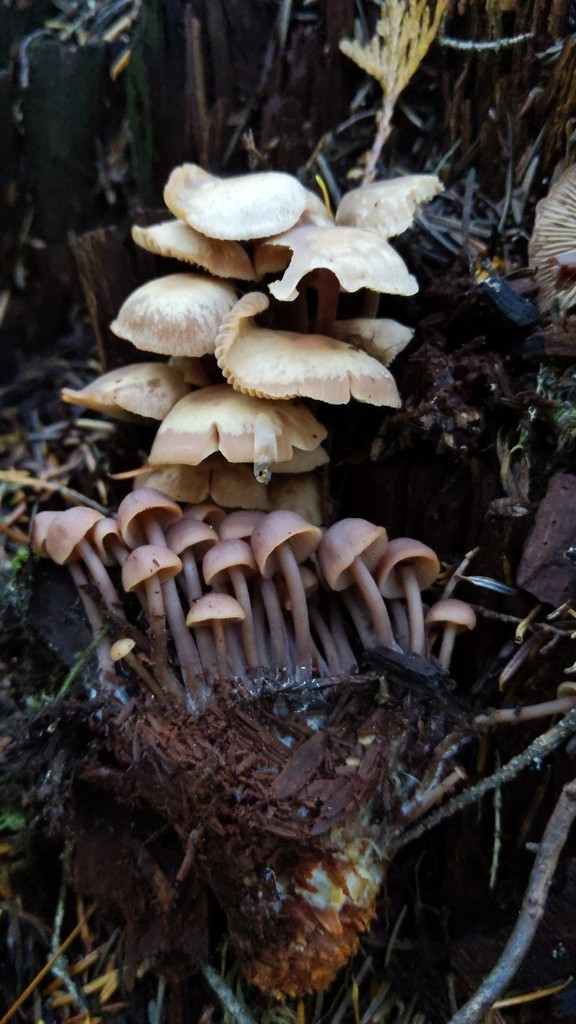
5. Clustered collybia
Clustered collybia is the only species within the Connopus genus. As its name implies, the Clustered collybia grows in remarkably dense clusters on rotting conifer logs and stumps. The cap is somewhat slippery, and it fades from reddish-brown to greyish-tan.
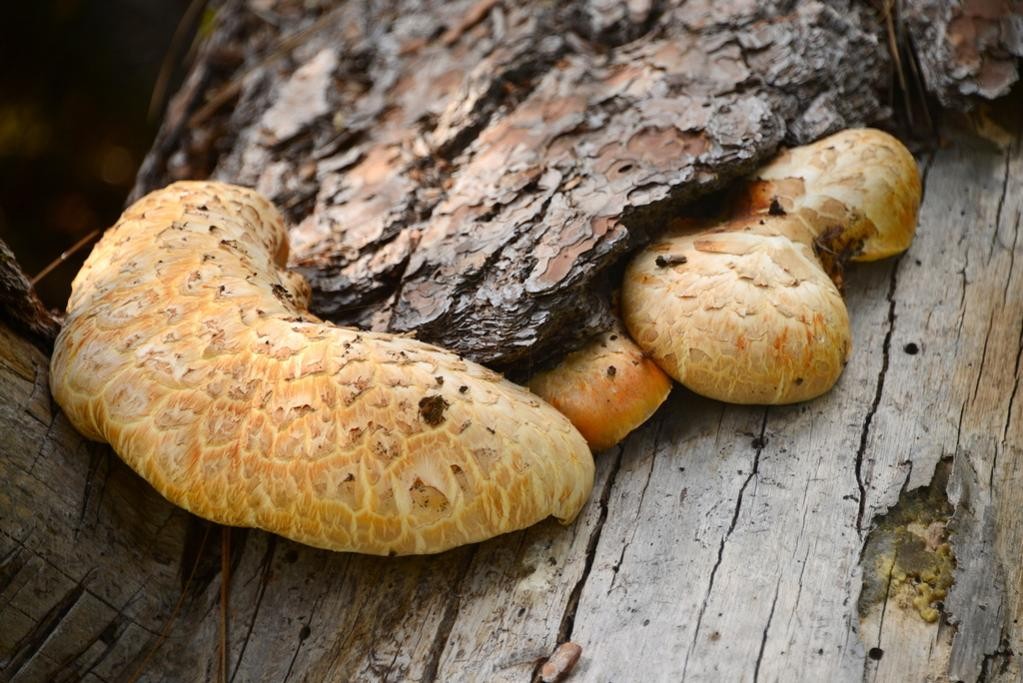
6. Giant sawgill
The impressively large caps of the giant sawgill (Neolentinus ponderosus) can spread up 30 cm across and encompass entire decaying stumps and logs. Unlike other mushrooms, the giant sawgill thrives in the hotter, drier months. Look for them near Ponderosa Pines.
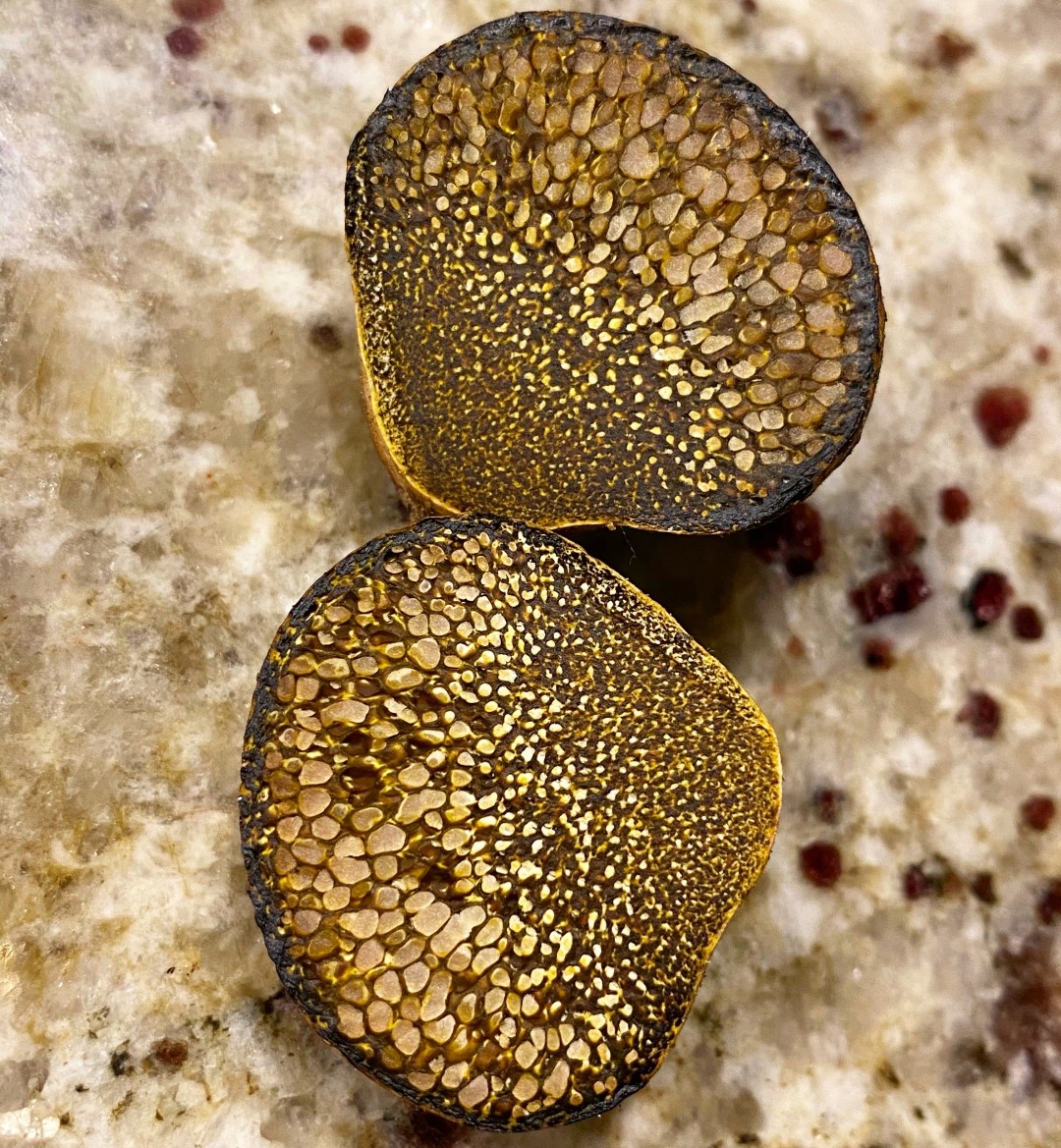
7. Dead man's foot
Dead man's foot (Pisolithus arhizus) actually bears a number of colorful names stemming from its unusual appearance, such as the horse dung fungus (Australia). It can be distilled into a viscous black gel, which is then used as a natural dye for clothing. It is considered to be inedible.
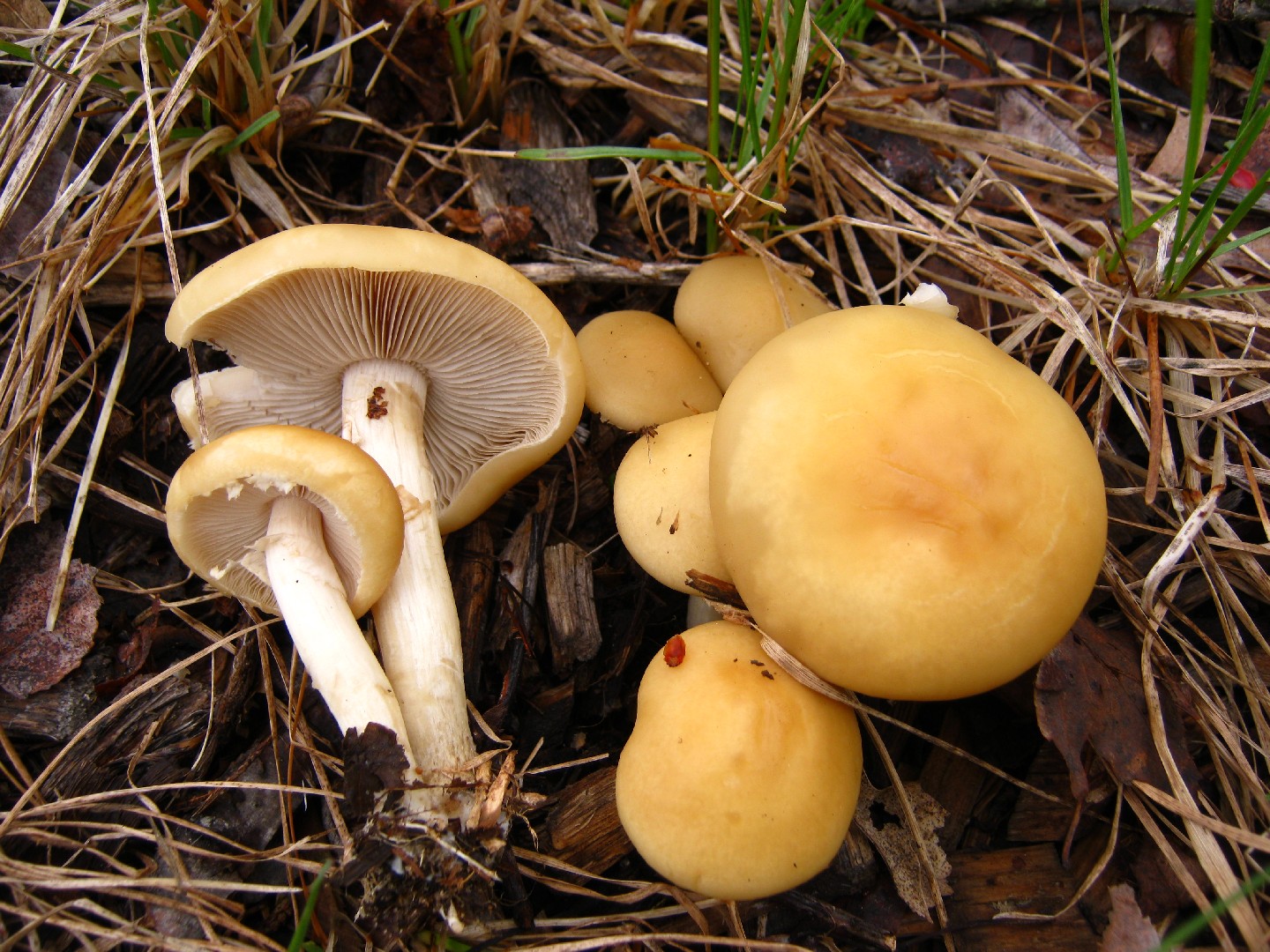
8. Spring fieldcap
The spring fieldcap (Agrocybe praecox) appears in spring and early summer, in scattered groups or in tufts across the edges of woodland paths. They may be a common sight in urban areas with wood chip mulch or compost piles. The species' scientific name comes from the same Latin root as the word "precocious," giving another clue regarding the early appearance one can expect from these little mushrooms.

9. Torq
The torq (Agaricus bitorquis) is a white-capped agaric that bears a resemblance to, and is closely related to, the commonly-eaten button mushroom (Agaricus bisporus). This hardy, generalist species does well even in urban environments - their white fruiting bodies can be seen poking up through woodchips, mulch, sidewalk cracks, and even asphalt.

10. Armillaria solidipes
More







