




Top 20 Edible Mushrooms Popular in Iron Mountain
Nestled amidst captivating scenery, Iron Mountain fondly named 'Iron Mountain' cradles a diverse mushroom blend. Its varied climate and terrain set a generous table for fungi, showcasing a fascinating array of 20 common edible expedition finds. Spanning from unique visuals to nuanced tastes, culinary wonders to a thrive in distinct habitats, each mushroom species presents a compelling saga of nature's bounty. As you delve into this guide, discover a vibrant mycological panorama, deciphering what sets these 20 gems apart on your next forest stroll.
* Disclaimer: Content feedback CAN NOT be used as any basis for EATING ANY PLANTS. Some plants can be VERY POISONOUS, please purchase edible plants through regular channels.

Most Popular Edible Mushrooms
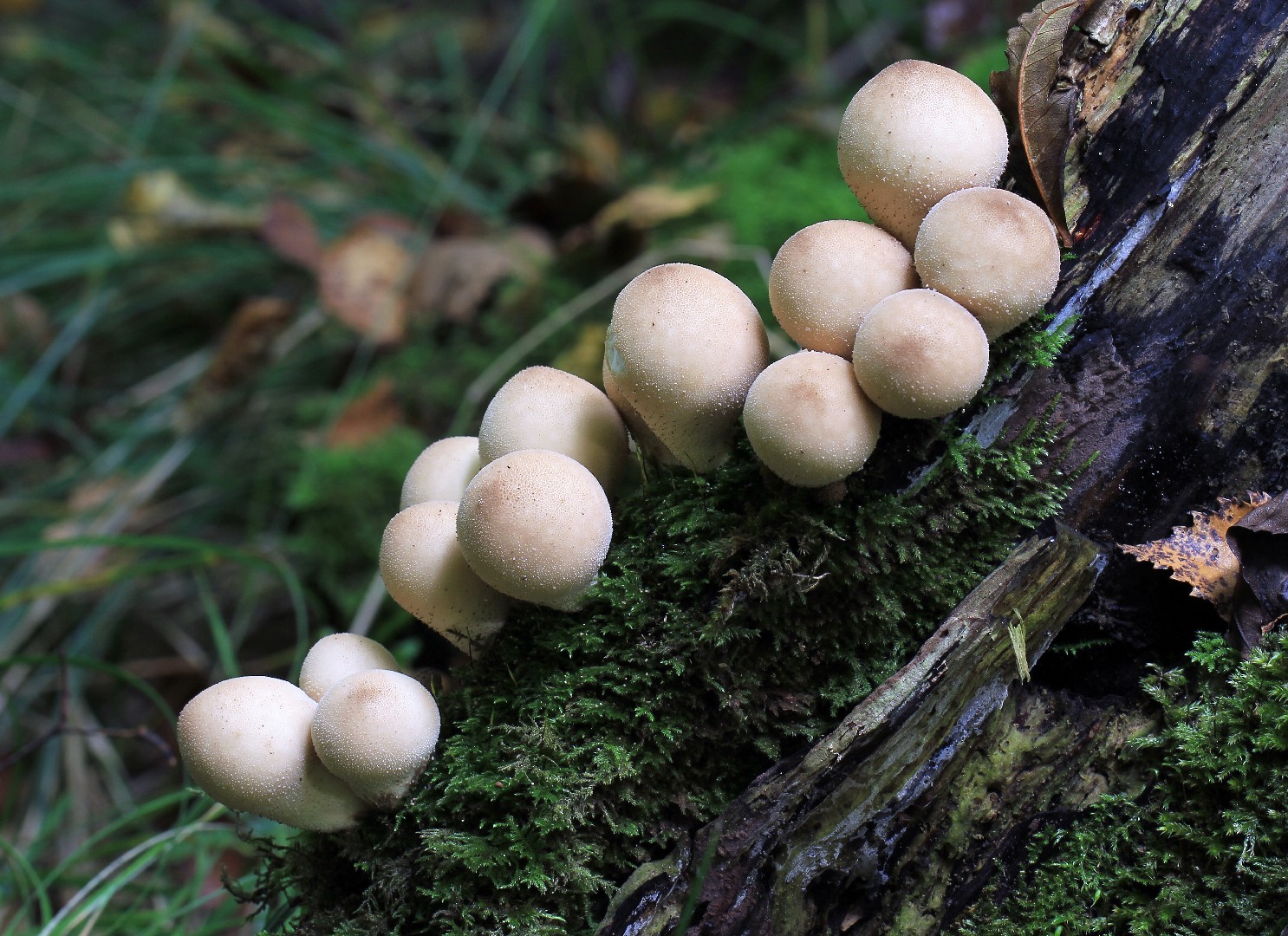
1. Pear-shaped puffball
The mushrooms of this species grow in such tight clusters that they may cover fallen trees and stumps almost entirely in a brownish, puffy coat. Pear-shaped puffballs appear all around the northern hemisphere on decaying hardwoods from fall through winter.
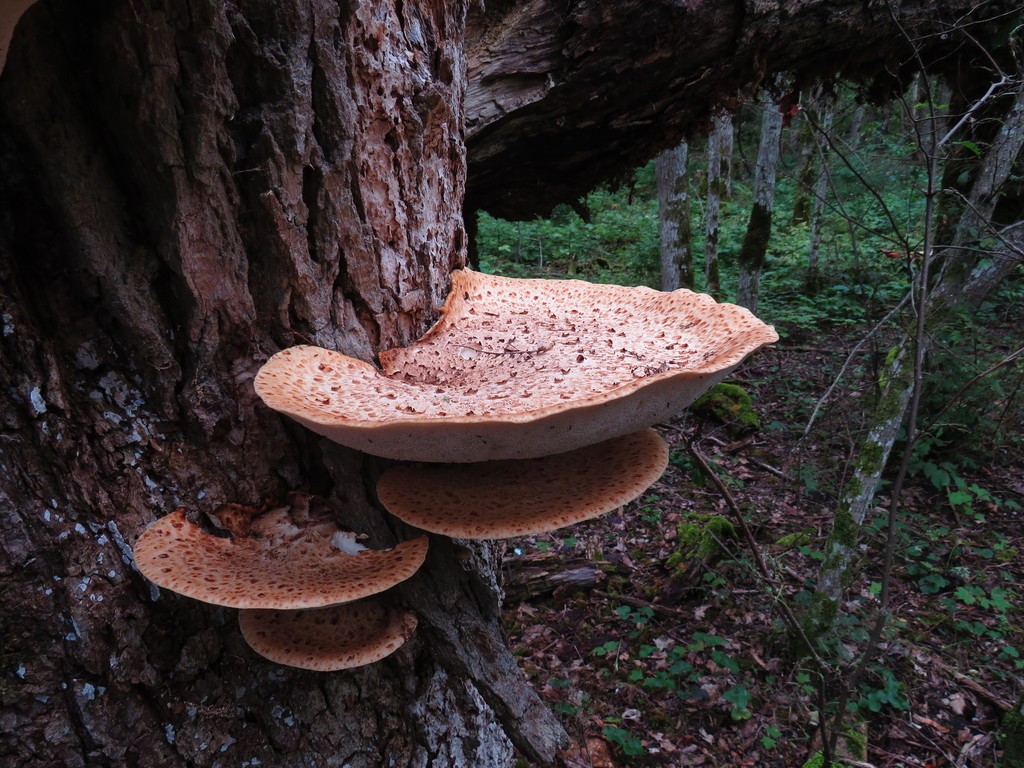
2. Dryad's saddle
A familiar sight to spring morel hunters, dryad's saddle is noteworthy for its large size, striking scales, and watermelon-like smell. Similar to other mushrooms in the bracket fungi family, dryad's saddle can be used to make paper. Younger mushrooms are better suited for this purpose due to their smaller and more consistent fibers.
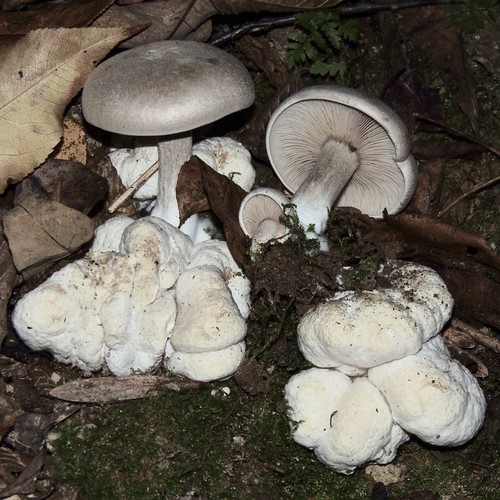
3. Aborted entoloma
The aborted entoloma's name is a bit of a misnomer. Originally, it was thought that this drab mushroom was commonly parasitized by mushrooms in the Amallaria family, which caused "aborted", globular caps to form. However, it turns out that the aborted entoloma is in fact the parasite, and the "aborted" caps are the true victims, the Amallarias!
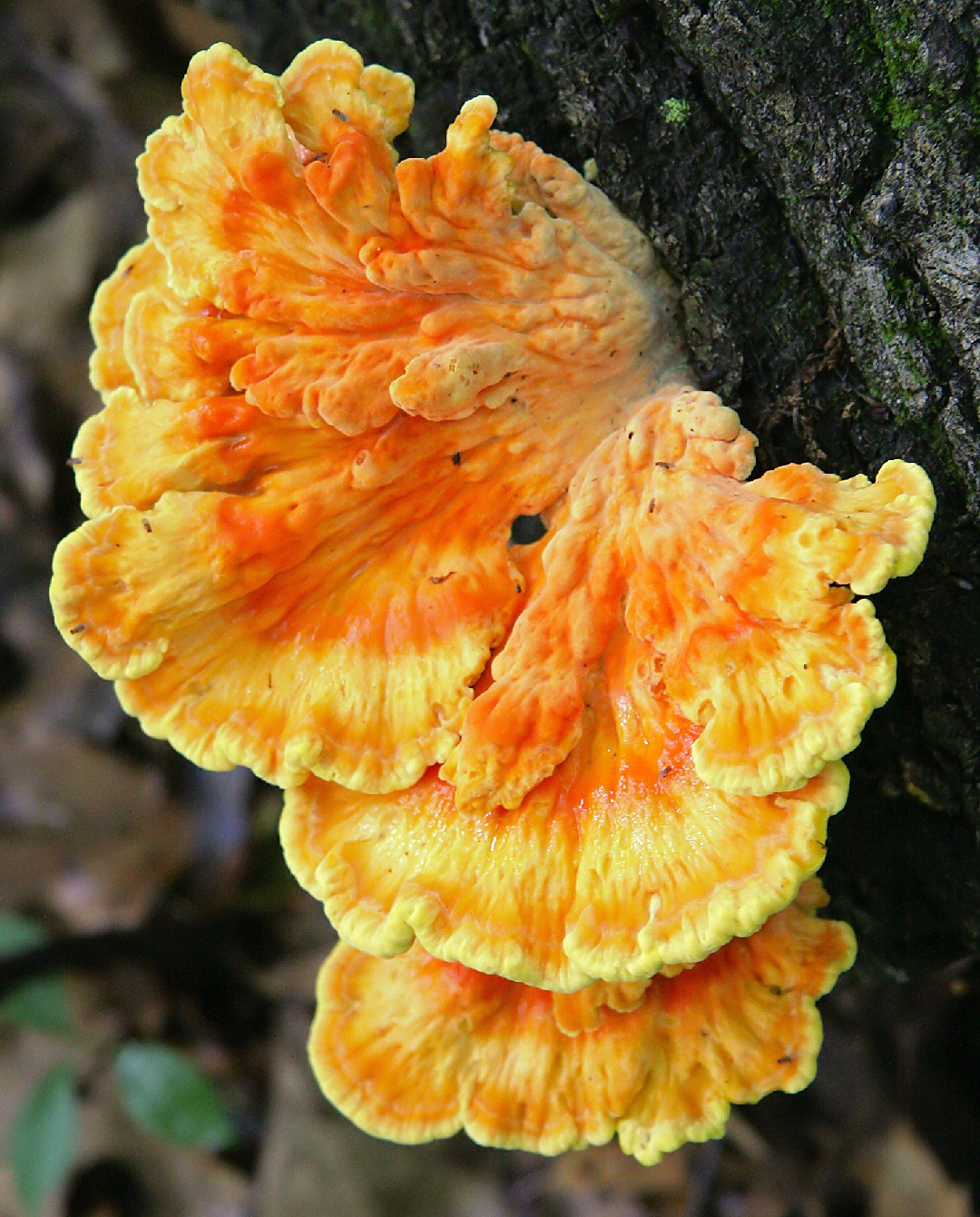
4. Chicken of the woods
Chicken of the woods is very noticeable in hardwood forests, appearing in clusters on standing tree trunks in bright orange and yellow hues that sometimes last through the entire winter. It is a parasite that causes an unfortunate brown heart rot, and is considered a particularly troublesome pest of Yew trees. If the fruitbodies can be seen, the tree is likely already beyond saving.
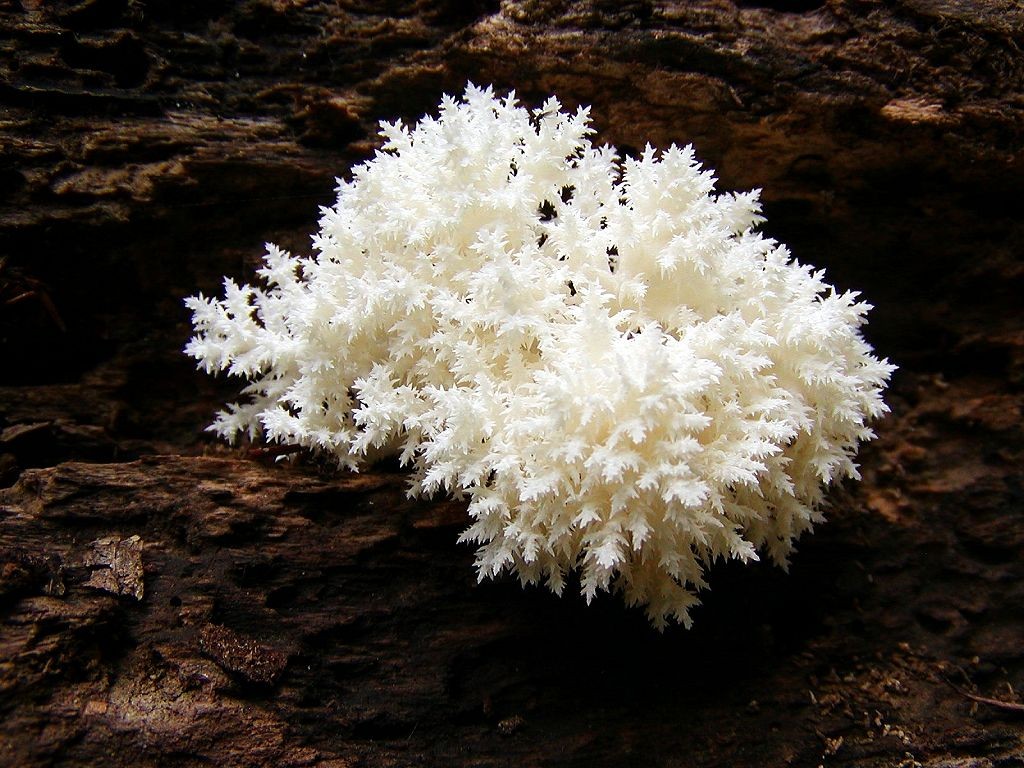
5. Coral tooth fungus
Coral tooth fungus (Hericium coralloides) is a species of coral mushroom most frequently sighted on dead or decaying hardwoods. Generally, younger specimens are white and become increasingly yellowish as they mature. Found around the world, the Māori refer to this species as pekepekekiore.
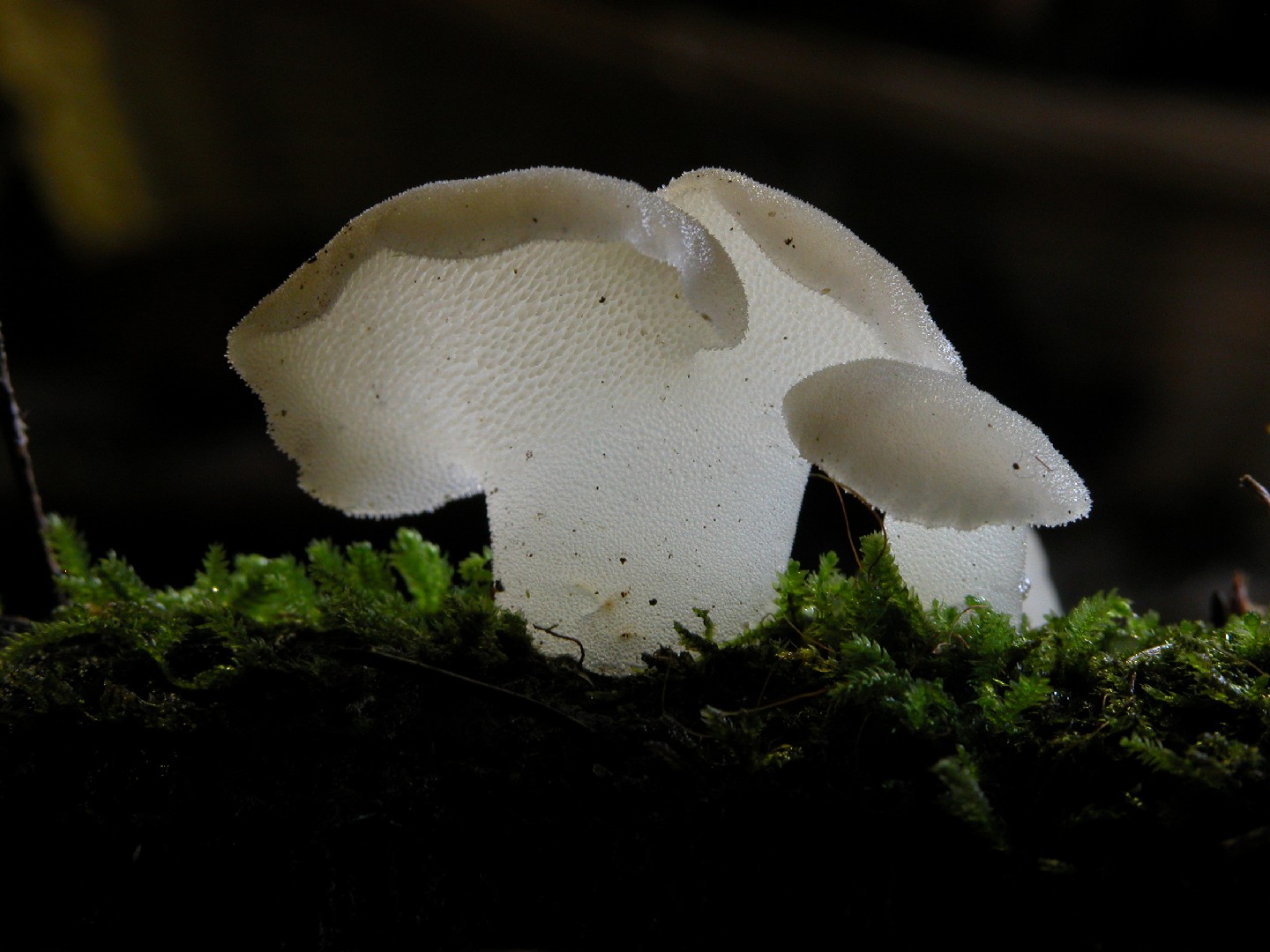
6. Toothed jelly fungus
This whimsically-named mushroom has a global distribution and a unique appearance. Toothed jelly fungus has a white, translucent - almost spectral - coloration and sports little downward pointing "teeth" on the underside of its cap. Although its toothed underside may scream "hedgehog mushroom", it is actually a member of a separate genus (Pseudohydnum, as opposed to Hydnum).
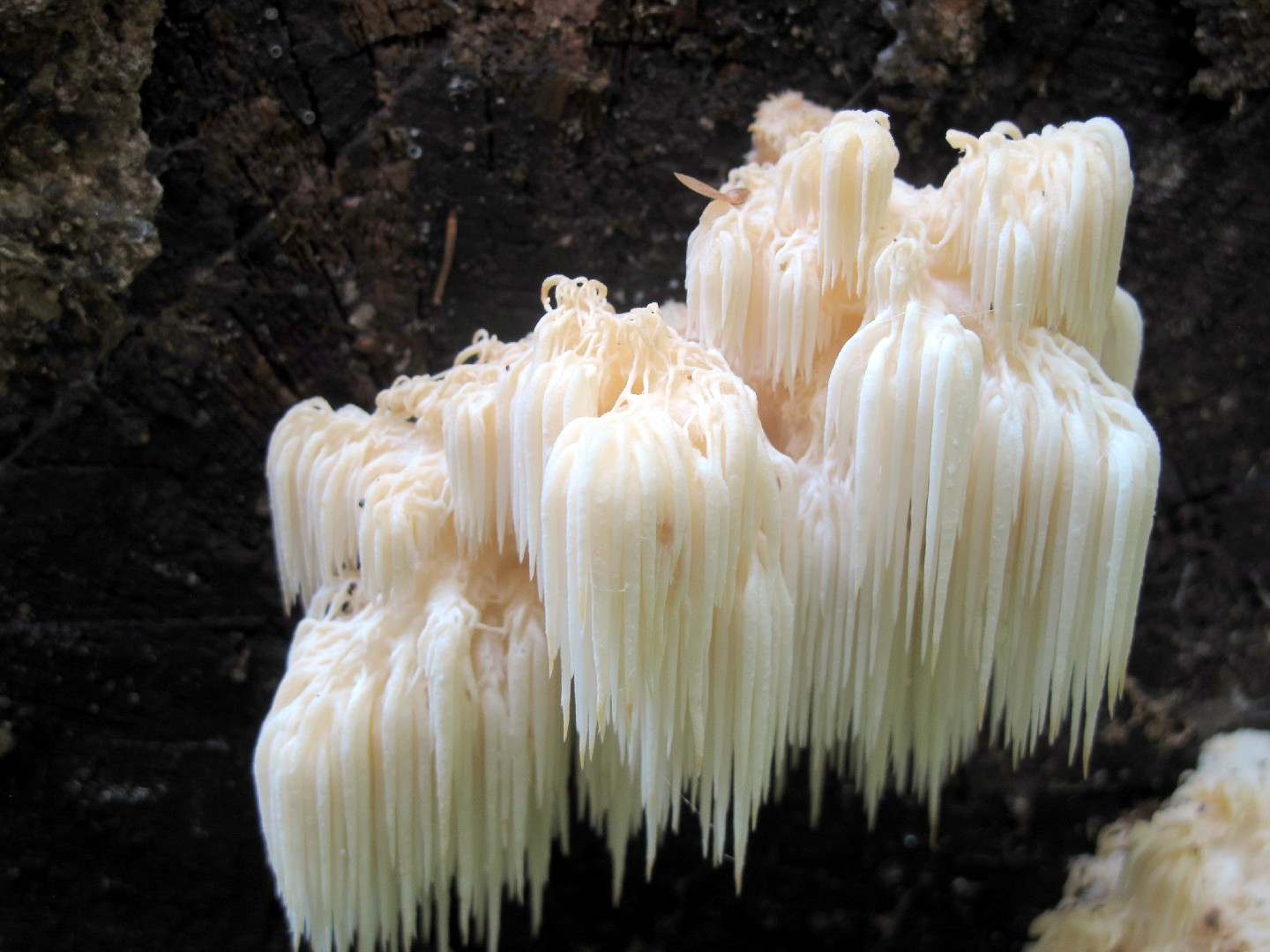
7. Bear's head tooth
The bear's head tooth is a white fungus that is often described as having a "shaggy" or mop-like appearance. It gets its common name from the appendages it grows, which resemble long teeth. The fungus is native to North America and grows on both living and rotting hardwood trees.

8. American slippery jack
A common sight underneath white pines in the summertime, the american slippery jack lives up to its name with its slimy cap, reminiscent of chicken fat's consistency. The subdued, yellow-brown hue is also the same color.
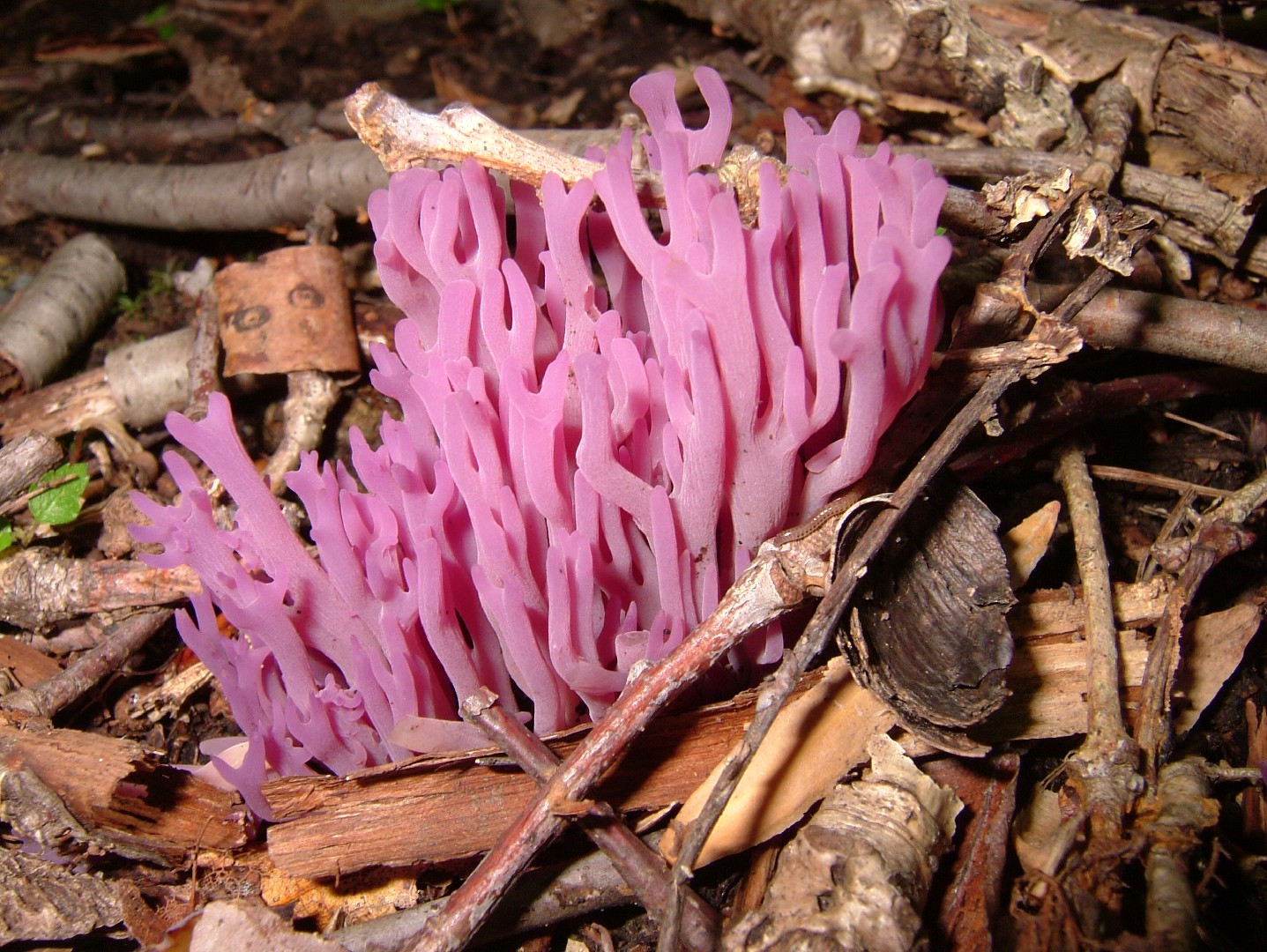
9. Violet coral
The striking violet coral (Clavaria zollingeri) is most common in the eastern part of North America, although it can also be found elsewhere. The clustered, branching fruitbody looks spectacularly similar to an underwater coral, in both shape and color. This species is distinguished by the antler-like pattern with which each frond branches.
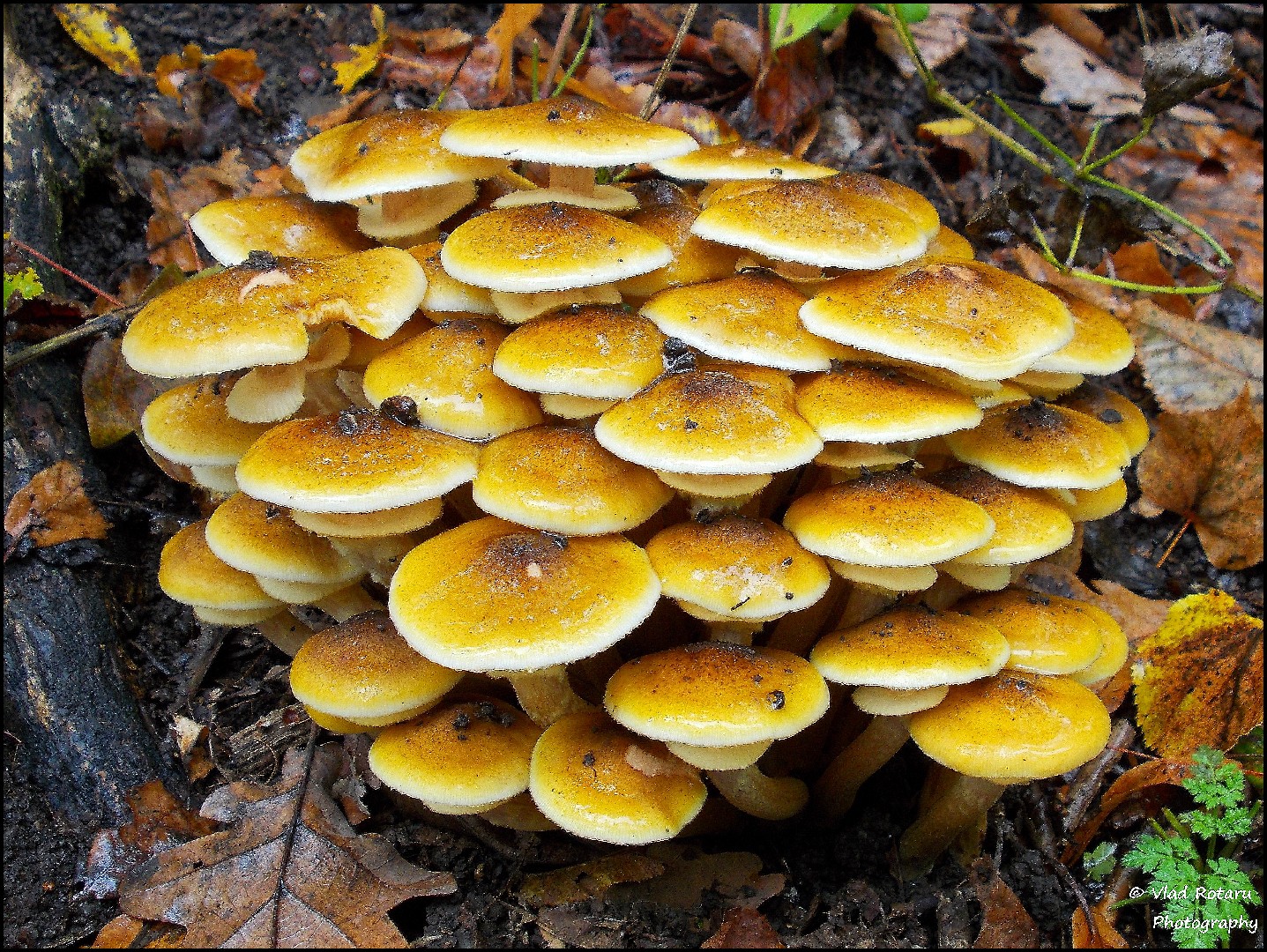
10. Honey fungus
The honey fungus is a parasitic fungus that grows on the roots of many woody and perennial plants, damaging and possibly killing its host. It spreads underground and is considered to be the most damaging fungal disease in gardens across the UK. The appearance of the mushrooms above-ground heralds a much more extensive infection below.

More







