




Top 10 Edible Mushrooms Popular in Johannesburg
Diving into the rich vegetation and fertile soils of Johannesburg, our journey uncovers the fascinating world of fungal flora. In the heart of this vibrant landscape populate the 10 most common edible mushrooms. Valued for their flavors, medicinal properties, and versatility in the culinary arts, these fungi present an exciting exploration. From subtle hues and enchanting tastes to favored habitats, prepare to delve into mycelial diversity and gain valuable knowledge for your next mushroom foraging adventure in Johannesburg.
* Disclaimer: Content feedback CAN NOT be used as any basis for EATING ANY PLANTS. Some plants can be VERY POISONOUS, please purchase edible plants through regular channels.

Most Popular Edible Mushrooms

1. Shaggy mane
The shaggy mane mushroom is commonly found in North American and European grasslands. Some peoples foraged for its young egg-shaped caps, but it has more recently been found to be a bioaccumulator of heavy metals, meaning it pulls toxic metals up from the soil where it grows. As a result, shaggy manes should not be eaten. The mushrooms usually appear in clusters or “fairy rings.”
2. Fan-shaped jelly-fungus
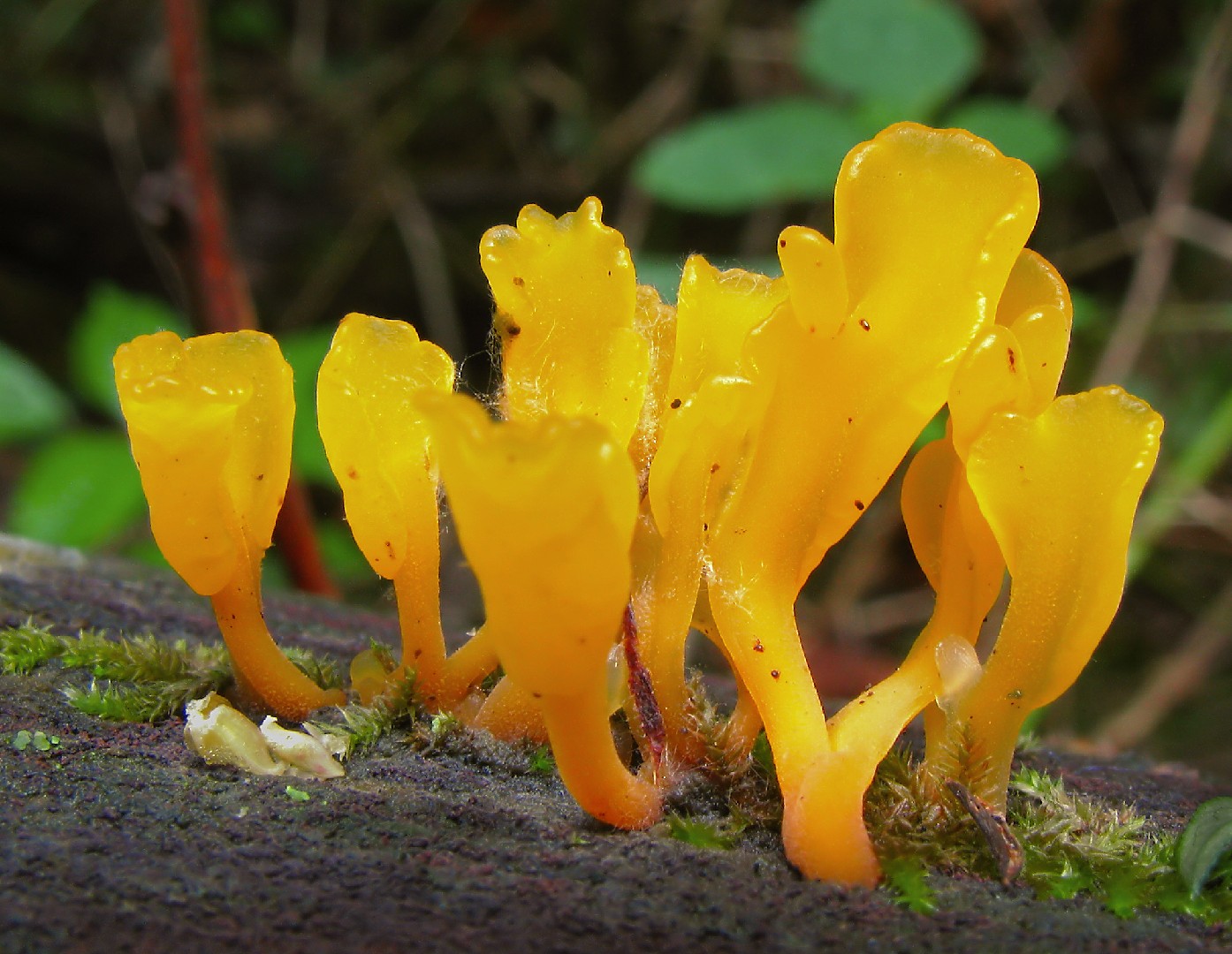
Just as its Latin and the common English names suggest, the fan-shaped jelly-fungus (Dacryopinax spathularia) is a fan-shaped or spatula-shaped jelly-like mushroom. It commonly grows in wood cracks and it sometimes even appears in the cracks of the processed wood and lumber. Despite the word "jelly" in its name, the fan-shaped jelly-fungus is not considered edible.
3. Dead man's foot
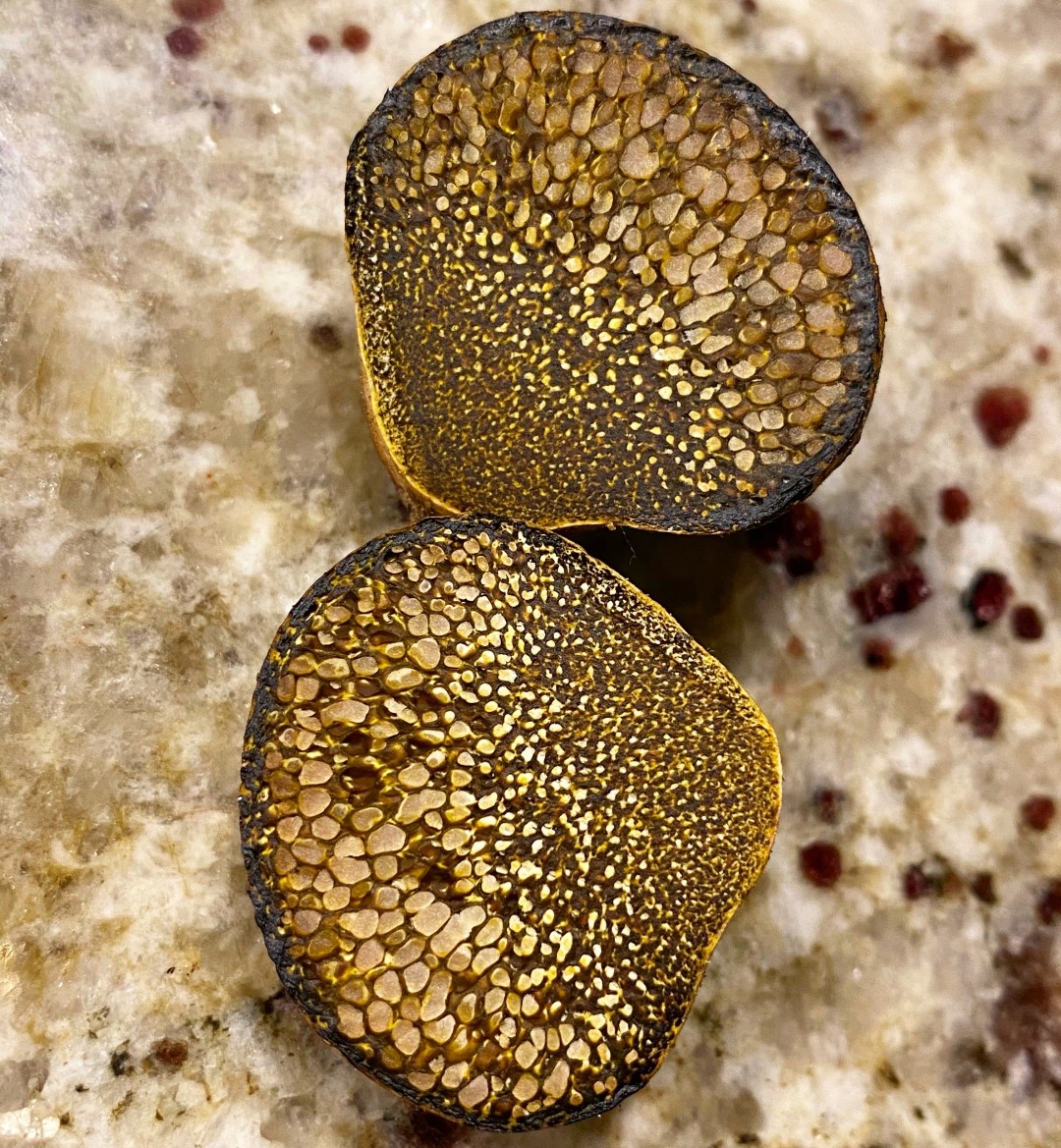
Dead man's foot (Pisolithus arhizus) actually bears a number of colorful names stemming from its unusual appearance, such as the horse dung fungus (Australia). It can be distilled into a viscous black gel, which is then used as a natural dye for clothing. It is considered to be inedible.
4. Meadow mushroom
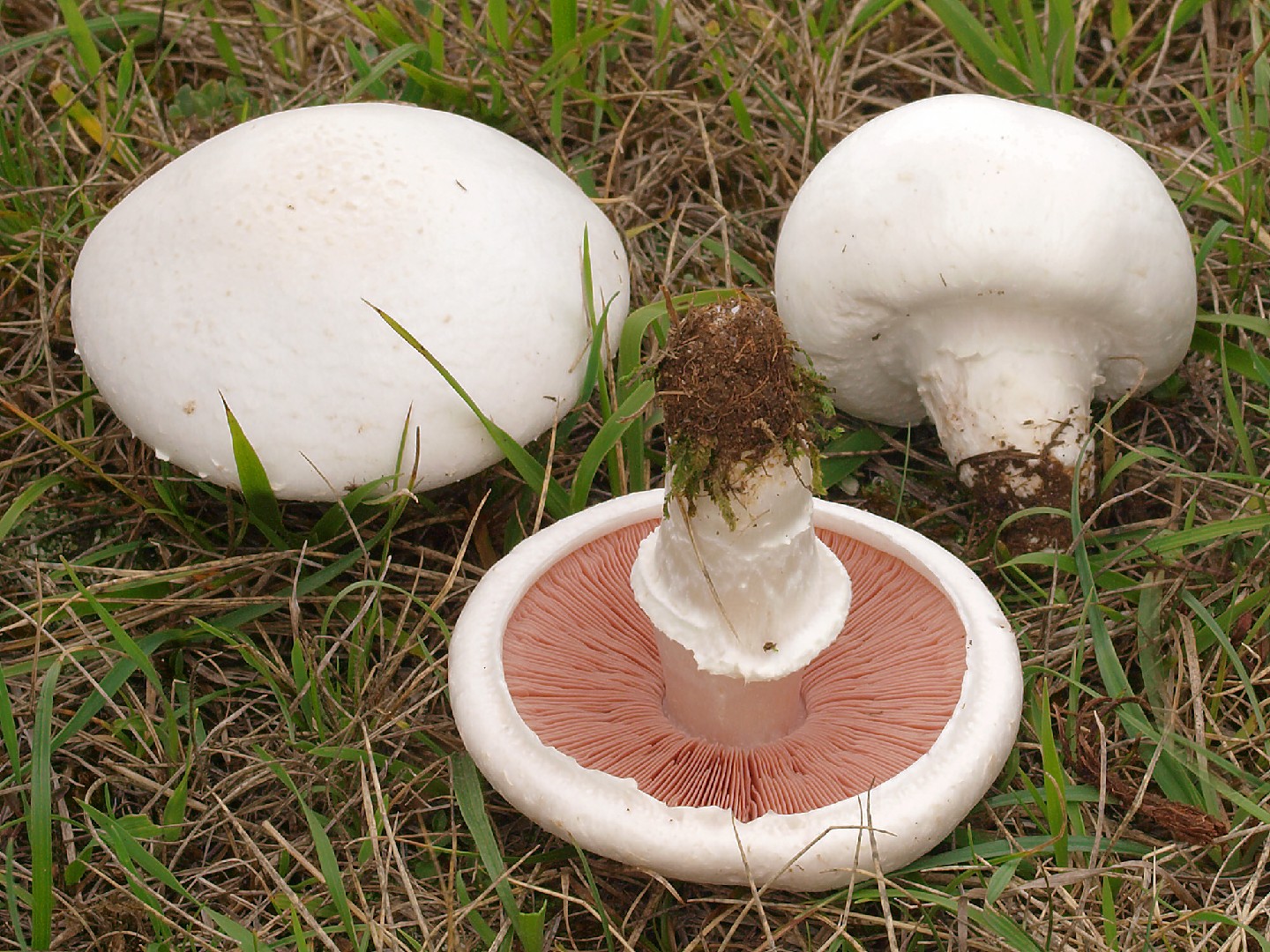
The meadow mushroom grows in meadows and pastures around the world—especially those rich in manure—when the weather is warm and wet. They are known to appear in “fairy ring” shapes. Originally identified in Europe, it is possible that North American specimens identified as meadow mushrooms may genetically belong to other species.
5. Bronze bolete
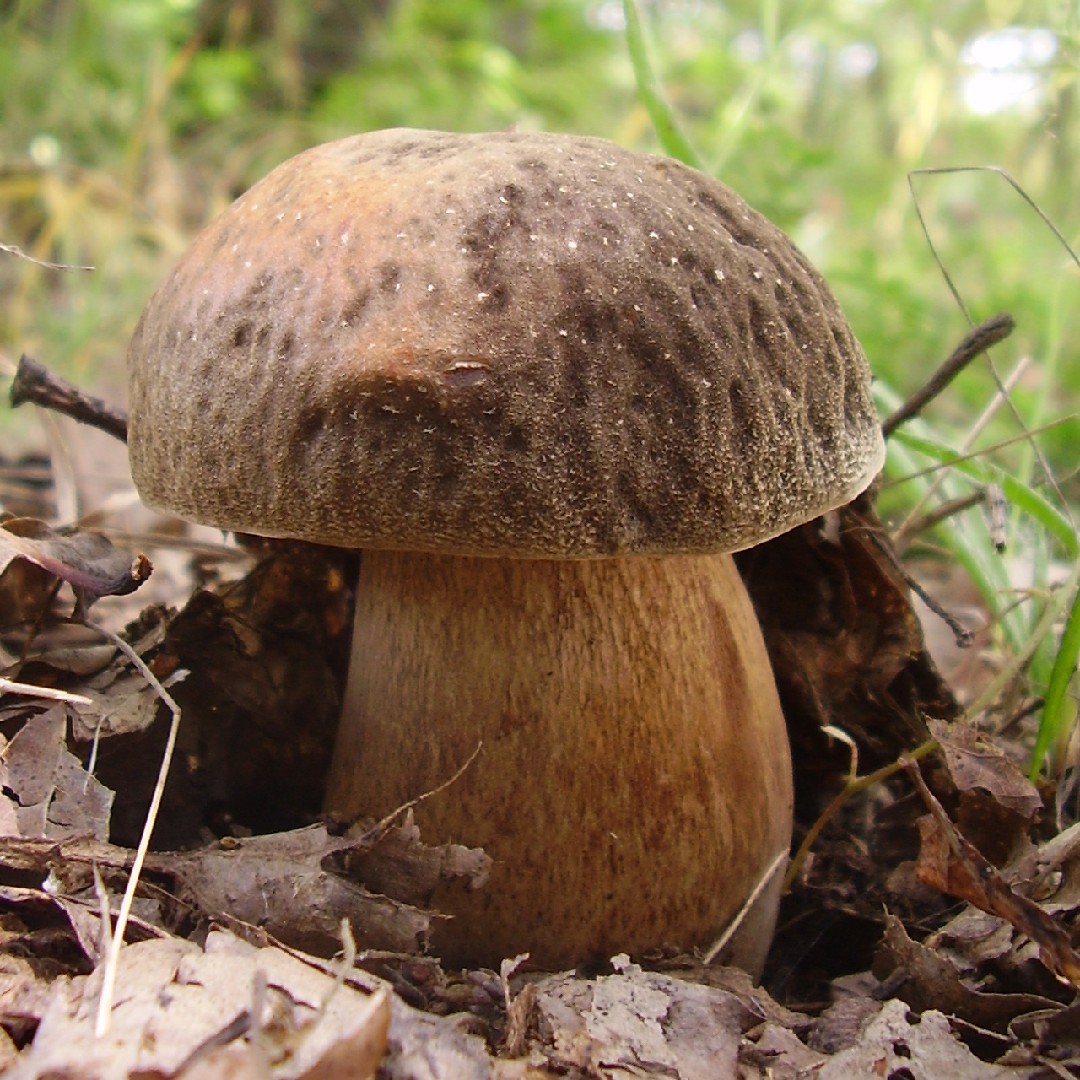
The bronze bolete is originally described from Europe. For many years, the species is thought to be present in North America as well, until molecular studies have shown that the North American counterpart, named Boletus regineus, was actually a different species. The bronze bolete is often found during hot and dry summer days. The specific Latin epithet "aereus" means "fitted with bronze" and it refers to the color of its velvety cap.
6. Shaggy mane
The shaggy mane mushroom is commonly found in North American and European grasslands. Some peoples foraged for its young egg-shaped caps, but it has more recently been found to be a bioaccumulator of heavy metals, meaning it pulls toxic metals up from the soil where it grows. As a result, shaggy manes should not be eaten. The mushrooms usually appear in clusters or “fairy rings.”
7. Fan-shaped jelly-fungus
Just as its Latin and the common English names suggest, the fan-shaped jelly-fungus (Dacryopinax spathularia) is a fan-shaped or spatula-shaped jelly-like mushroom. It commonly grows in wood cracks and it sometimes even appears in the cracks of the processed wood and lumber. Despite the word "jelly" in its name, the fan-shaped jelly-fungus is not considered edible.
8. Dead man's foot
Dead man's foot (Pisolithus arhizus) actually bears a number of colorful names stemming from its unusual appearance, such as the horse dung fungus (Australia). It can be distilled into a viscous black gel, which is then used as a natural dye for clothing. It is considered to be inedible.
9. Meadow mushroom
The meadow mushroom grows in meadows and pastures around the world—especially those rich in manure—when the weather is warm and wet. They are known to appear in “fairy ring” shapes. Originally identified in Europe, it is possible that North American specimens identified as meadow mushrooms may genetically belong to other species.
10. Bronze bolete
The bronze bolete is originally described from Europe. For many years, the species is thought to be present in North America as well, until molecular studies have shown that the North American counterpart, named Boletus regineus, was actually a different species. The bronze bolete is often found during hot and dry summer days. The specific Latin epithet "aereus" means "fitted with bronze" and it refers to the color of its velvety cap.







