




Top 16 Edible Mushrooms Popular in Nadym
Dive into the fascinating world of fungi in Nadym - a region known for cold temperatures and unique ecosystems, a true treasure trove for mushroom enthusiasts. Our guide to the top 16 most common mushrooms in Nadym will highlight key details such as appearance, taste, habitat, and culinary uses. By understanding these earthy delicacies in-depth, you will be able to enhance your foraging skills or culinary pursuits. Let's venture into this fascinating journey of flavors and textures below the canopy of Nadym. Information-packed and enlightening, this guide is perfect for every mushroom lover!
* Disclaimer: Content feedback CAN NOT be used as any basis for EATING ANY PLANTS. Some plants can be VERY POISONOUS, please purchase edible plants through regular channels.

Most Popular Edible Mushrooms
1. Orange birch bolete
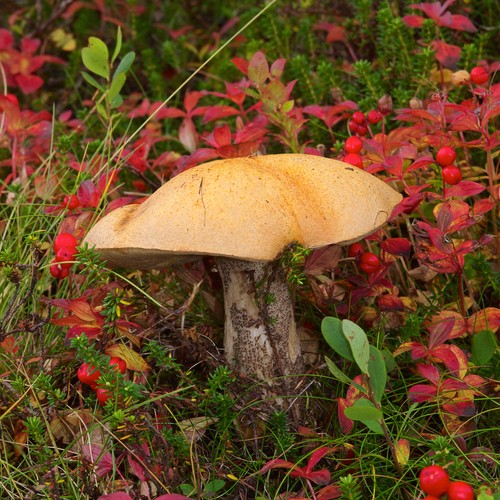
You may not be particularly surprised to learn that the orange birch bolete (Leccinum versipelle) is an orange-capped bolete that commonly associates with birch trees. The species has a classic bolete form, boasting a large, bulbous cap, a thick, shaggy stalk, and a sponge-like pore surface. When cut and exposed to air, the flesh of this mushroom will turn blue.

2. Shaggy mane
The shaggy mane mushroom is commonly found in North American and European grasslands. Some peoples foraged for its young egg-shaped caps, but it has more recently been found to be a bioaccumulator of heavy metals, meaning it pulls toxic metals up from the soil where it grows. As a result, shaggy manes should not be eaten. The mushrooms usually appear in clusters or “fairy rings.”
3. Moor club
4. Larch bolete
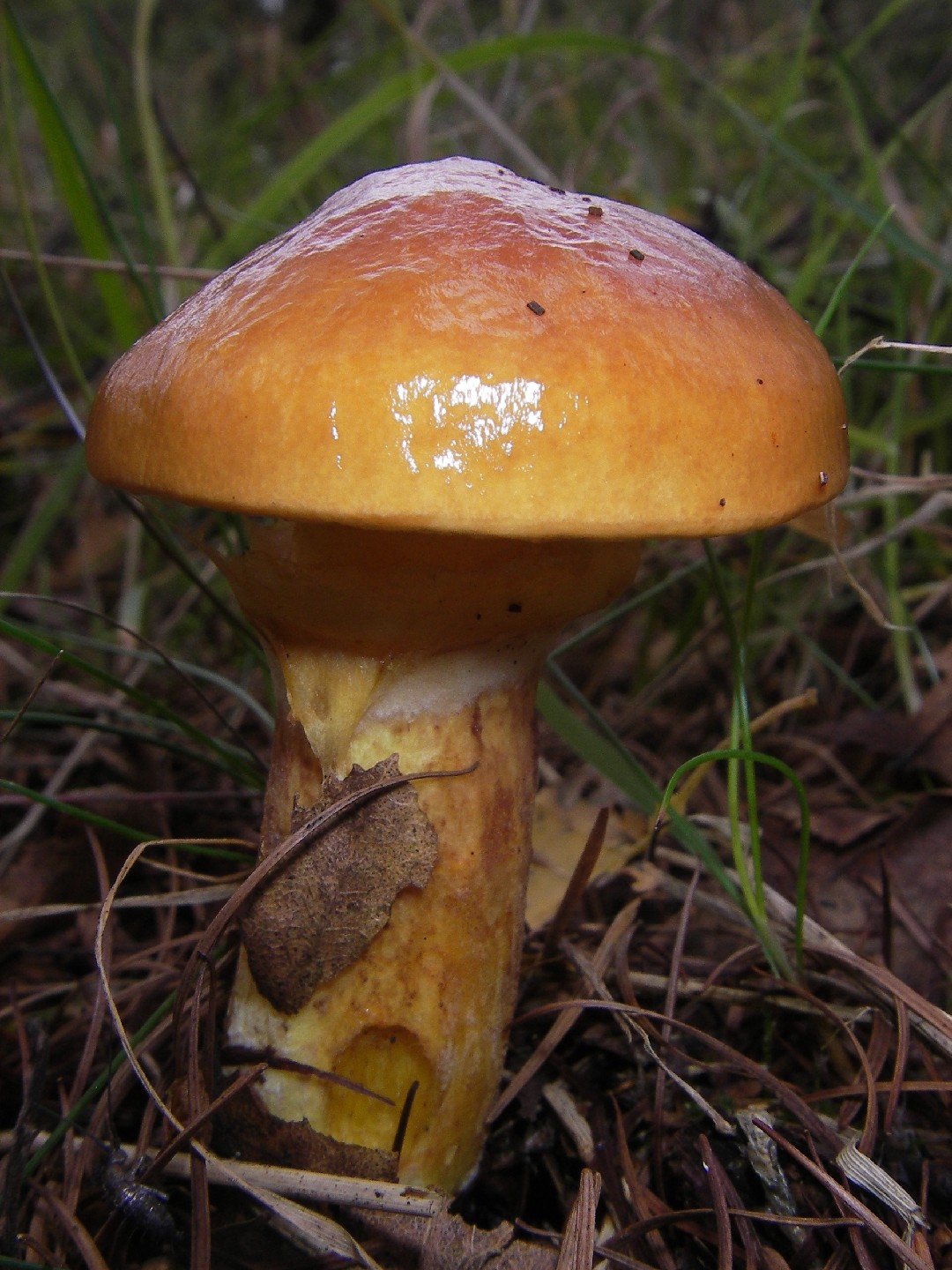
Larch bolete is a vibrant member of the "slippery jack" genus. Like other members of that family, this species sports a slick or slimy cap and has a somewhat bulbous form. Suillus grevillei is also commonly called a "Larch Bolete" because it only associates with larch trees, with which it has a symbiotic relationship.
5. Bovine bolete
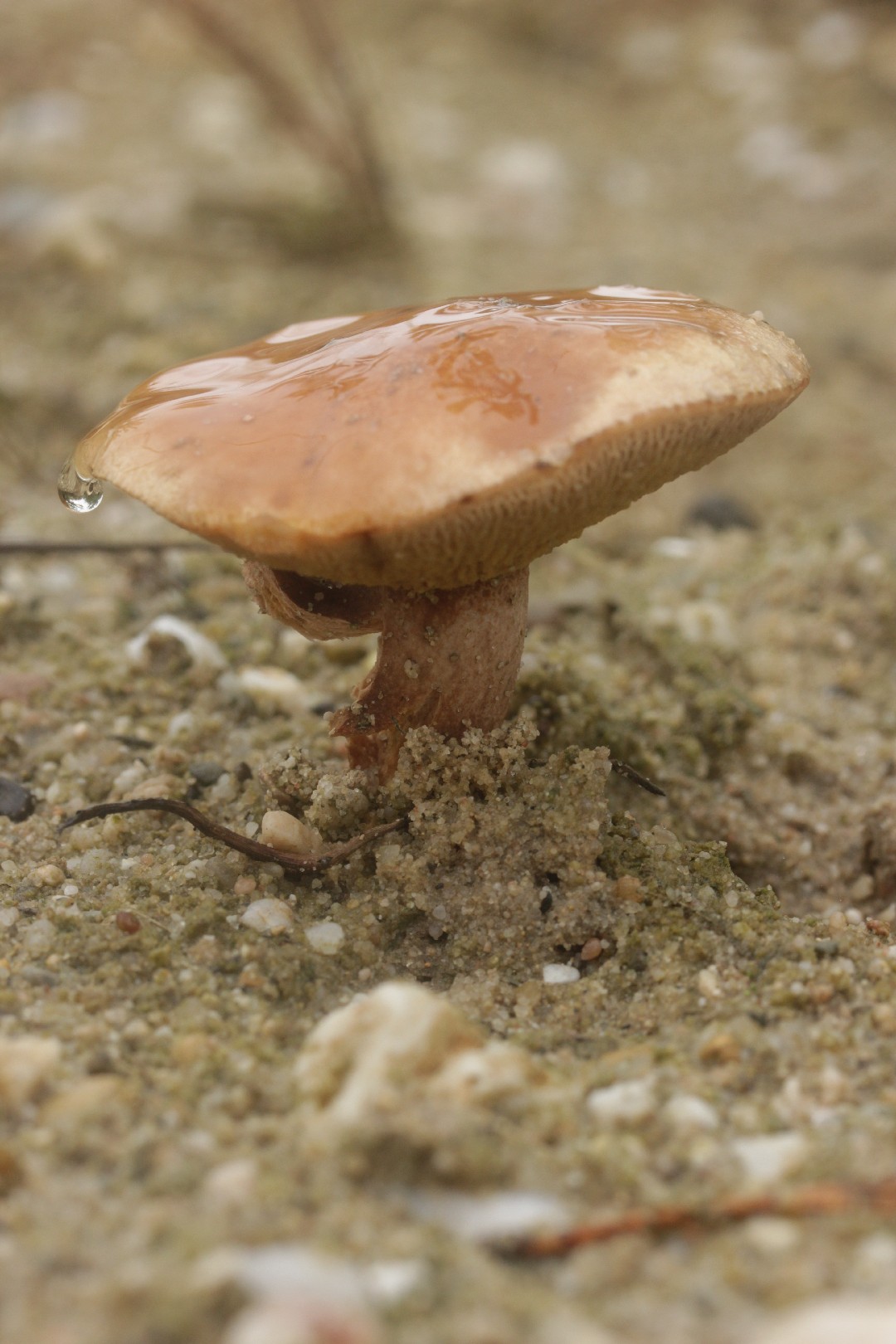
The bovine bolete (Suillus bovinus) often appears in a three-way relationship not only with the roots of pine trees but also with another parasitic mushroom known as the Rosy Spike. This greasy-capped mushroom appears clustered in tight tufts, which is unusual for a bolete. Bovine boletes give off a faint fruity aroma.
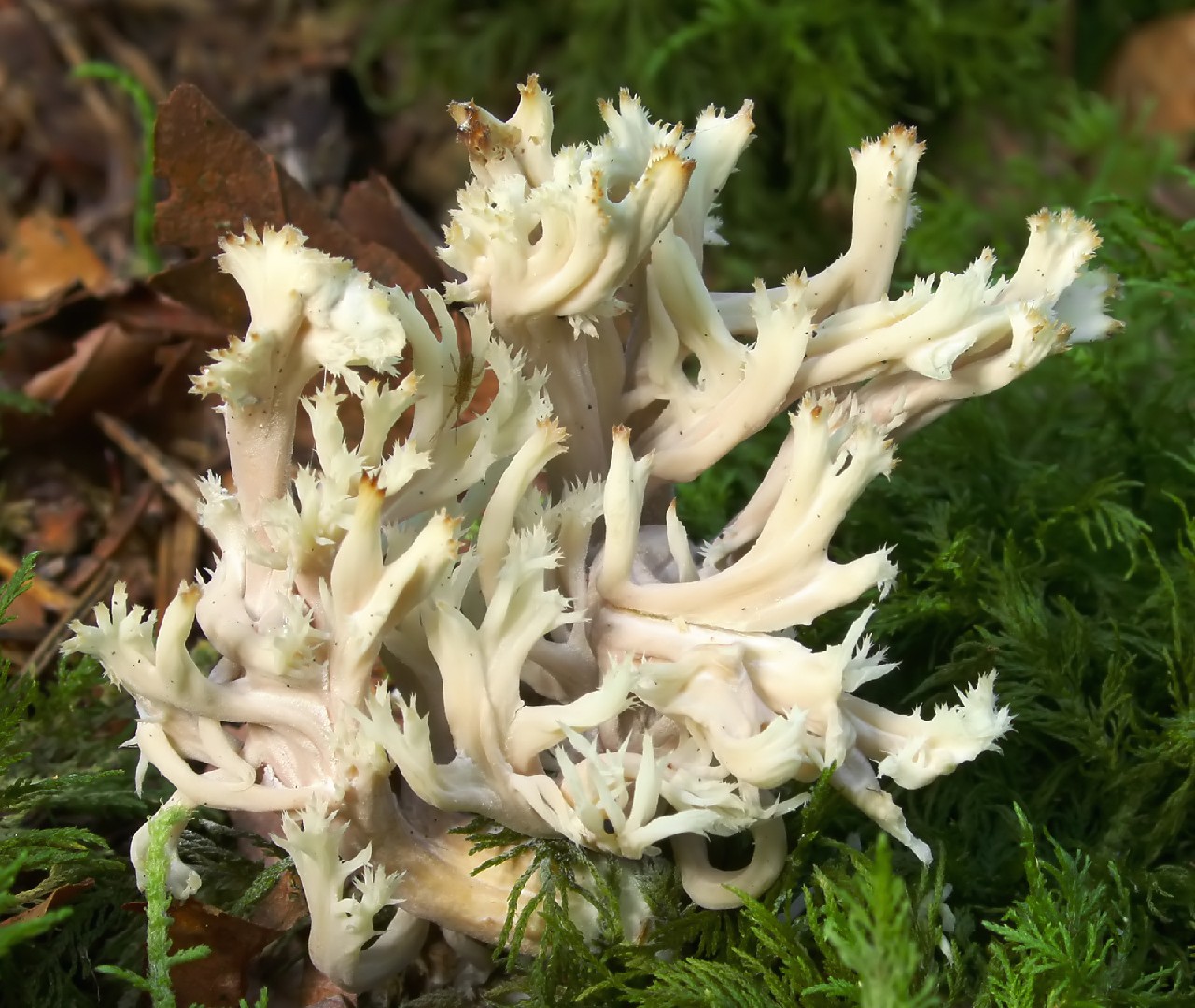
6. Crested coral
Crested coral(Clavulina coralloides) is a distinctive coral mushroom that is widespread in coniferous and hardwood forests, acting as a decomposer of dead and decaying timber. Endemic to the temperate zones of North America and Europe, it sprouts from late summer to winter.
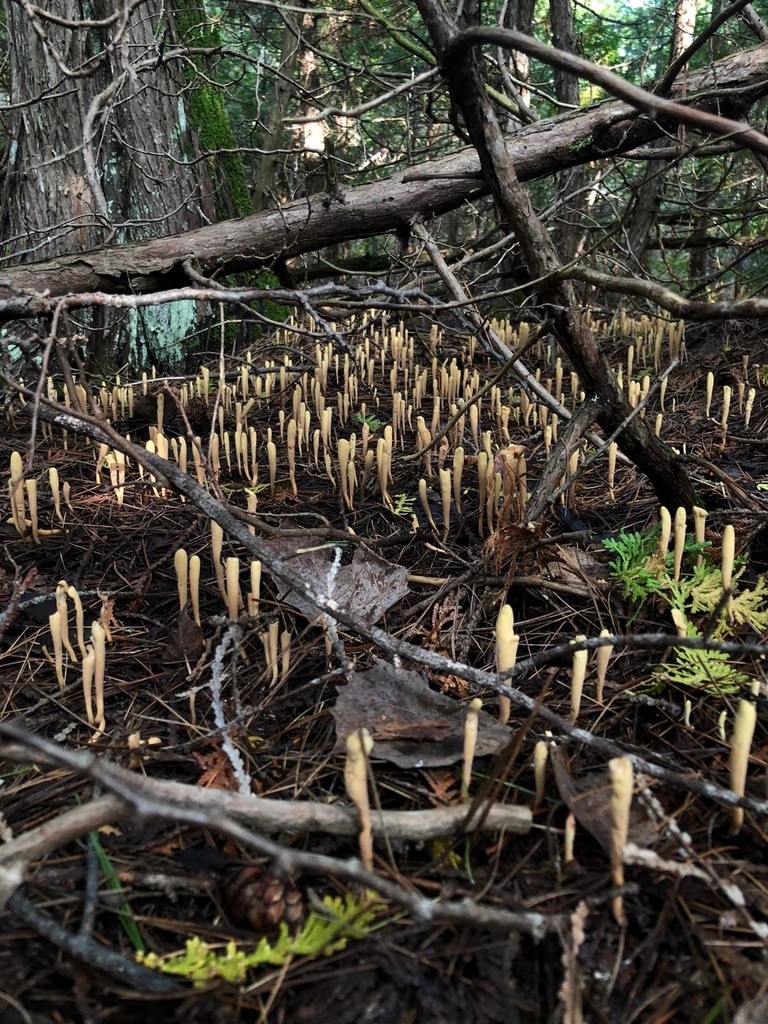
7. Strap coral fungus
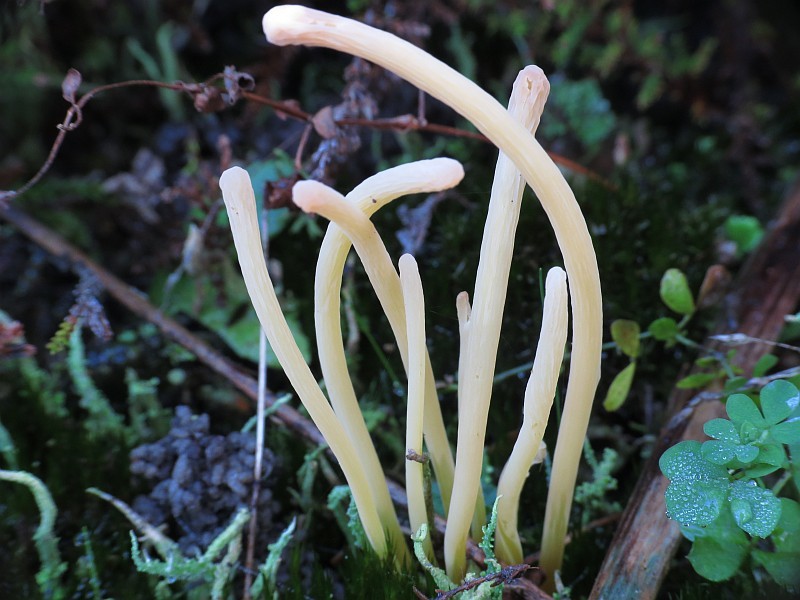
The club portion of the fruit body is pale yellow, whitish sharp, straight, and stiff hairs at its base. The surface is dull, and does not have hairs. It is smooth at first then later becomes somewhat wrinkled. It is club-shaped to spoon-shaped, and up to 12 cm (4.7 in) tall by 2 cm (0.8 in) wide at the thickest part. The stipe is not distinct except for the hairs at the base. The flesh is whitish, and does not change color with bruising. It is somewhat spongy in the upper part, but firm below. The flesh has no odor, and its taste is slightly bitter. The surface tissue turns green upon the application of a solution of ferric sulphate, and yellow with a dilute solution of potassium hydroxide. The spores are pale yellowish orange ("light buff") in print. Additional features may be discerned using light microscopy: they are smooth, narrowly ellipsoid, and measure 8–15 by 3–6 μm. The hyphae are monomitic, and clamp connections are present. Cystidia are absent. 
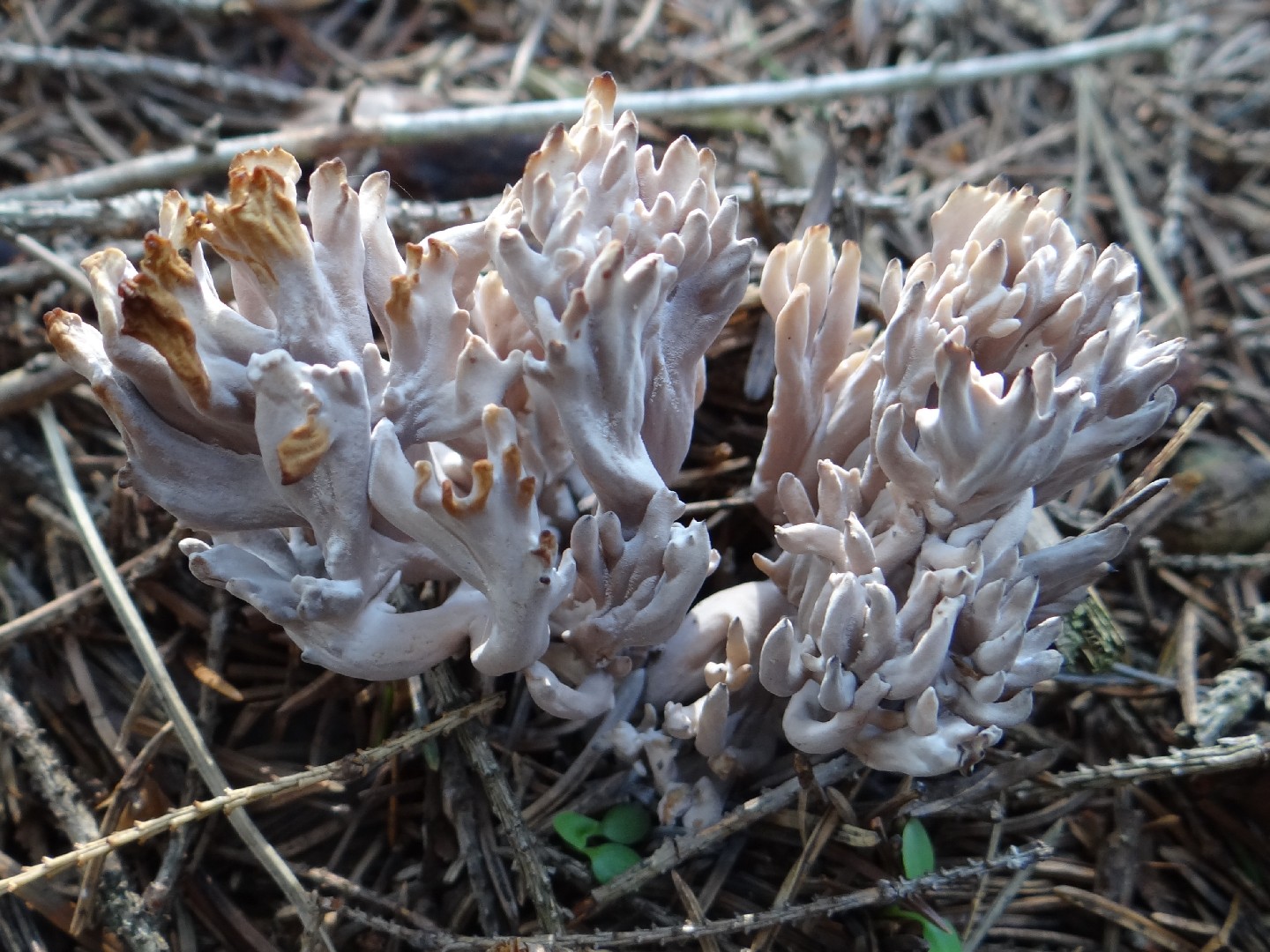
8. Gray coral
Gray coral has an iconic coral-like appearance that grows up to 10 cm tall. Its epithet cinerea denotes its smoky silvery appearance. Its purple and silvery hue is considered rare. This mushroom grows alongside conifer and deciduous trees and has a slightly mouldy odor.
9. Orange birch bolete
You may not be particularly surprised to learn that the orange birch bolete (Leccinum versipelle) is an orange-capped bolete that commonly associates with birch trees. The species has a classic bolete form, boasting a large, bulbous cap, a thick, shaggy stalk, and a sponge-like pore surface. When cut and exposed to air, the flesh of this mushroom will turn blue.
10. Shaggy mane
The shaggy mane mushroom is commonly found in North American and European grasslands. Some peoples foraged for its young egg-shaped caps, but it has more recently been found to be a bioaccumulator of heavy metals, meaning it pulls toxic metals up from the soil where it grows. As a result, shaggy manes should not be eaten. The mushrooms usually appear in clusters or “fairy rings.”
More







