




Top 18 Edible Mushrooms Popular in Madeira
Delighted to have you embark on a foraging journey with us as we explore the '18' most common mushrooms found in the splendid landscape of 'Madeira'. Renowned for its diverse flora and favorable conditions for fungal growth, 'Madeira' hosts a plethora of appetizing fungi. This guide will provide you with comprehensive details on their appearance, taste, habitat, and various culinary uses, ensuring a knowledgeable and enjoyable gastronomic adventure. Stay tuned and unearth the mycological treasures of 'Madeira'.
* Disclaimer: Content feedback CAN NOT be used as any basis for EATING ANY PLANTS. Some plants can be VERY POISONOUS, please purchase edible plants through regular channels.

Most Popular Edible Mushrooms
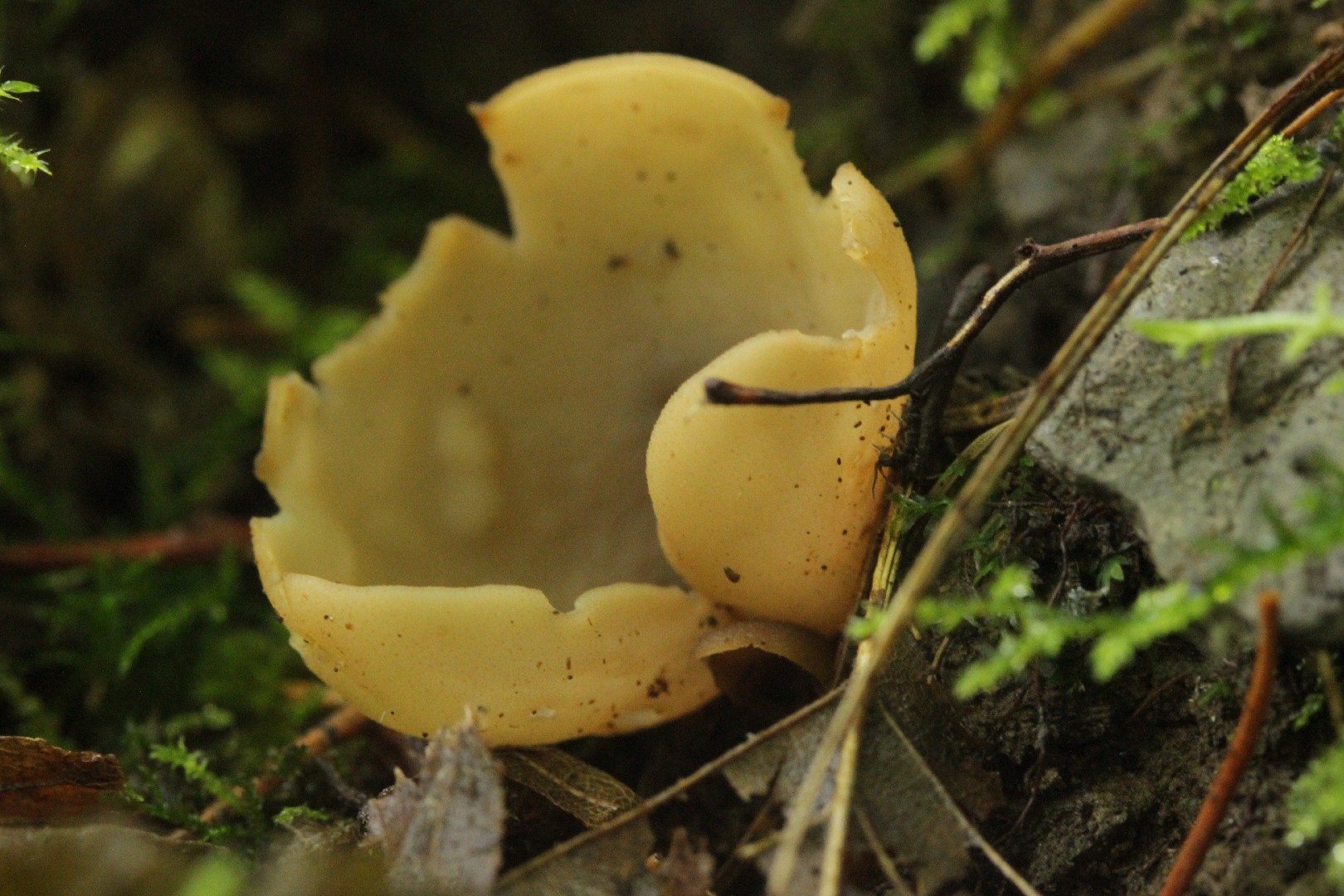
1. Hare's ear
Hare's ear is a fungus most commonly associated with beech forests. Finding them is made easier by their habit of appearing right along the edges of woodland footpaths. The specific epithet, onotica, translates from Greek to mean "Donkey ear," which is another common name for the Hare's ear fungus.
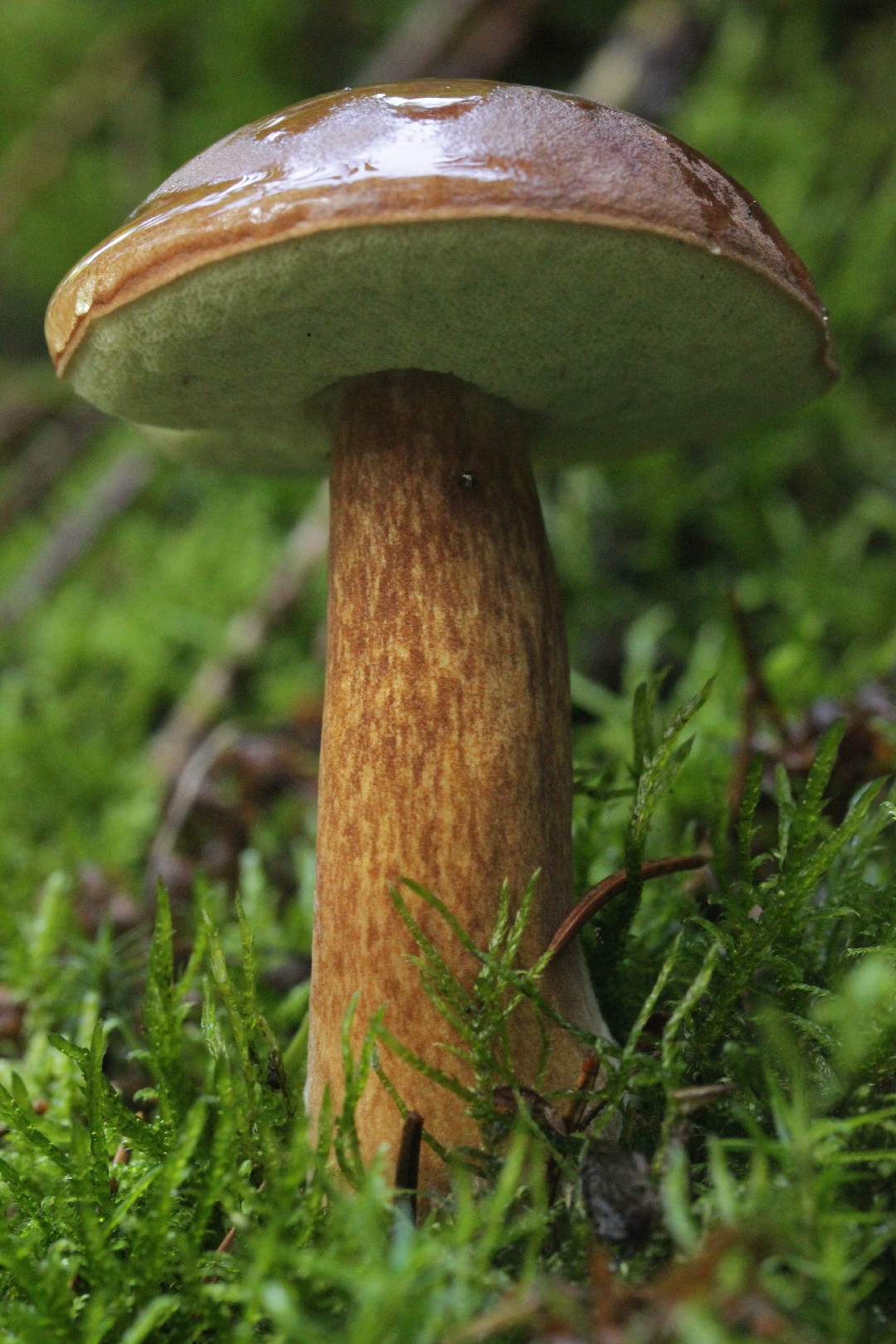
2. Bay bolete
The common bay bolete is found across the northern hemisphere, often in spruce and pine forests and occasionally under deciduous trees. While it lives in a symbiotic relationship with a living tree, the mushrooms are most often found near well-decayed, mossy stumps, usually singly or in very small groups.
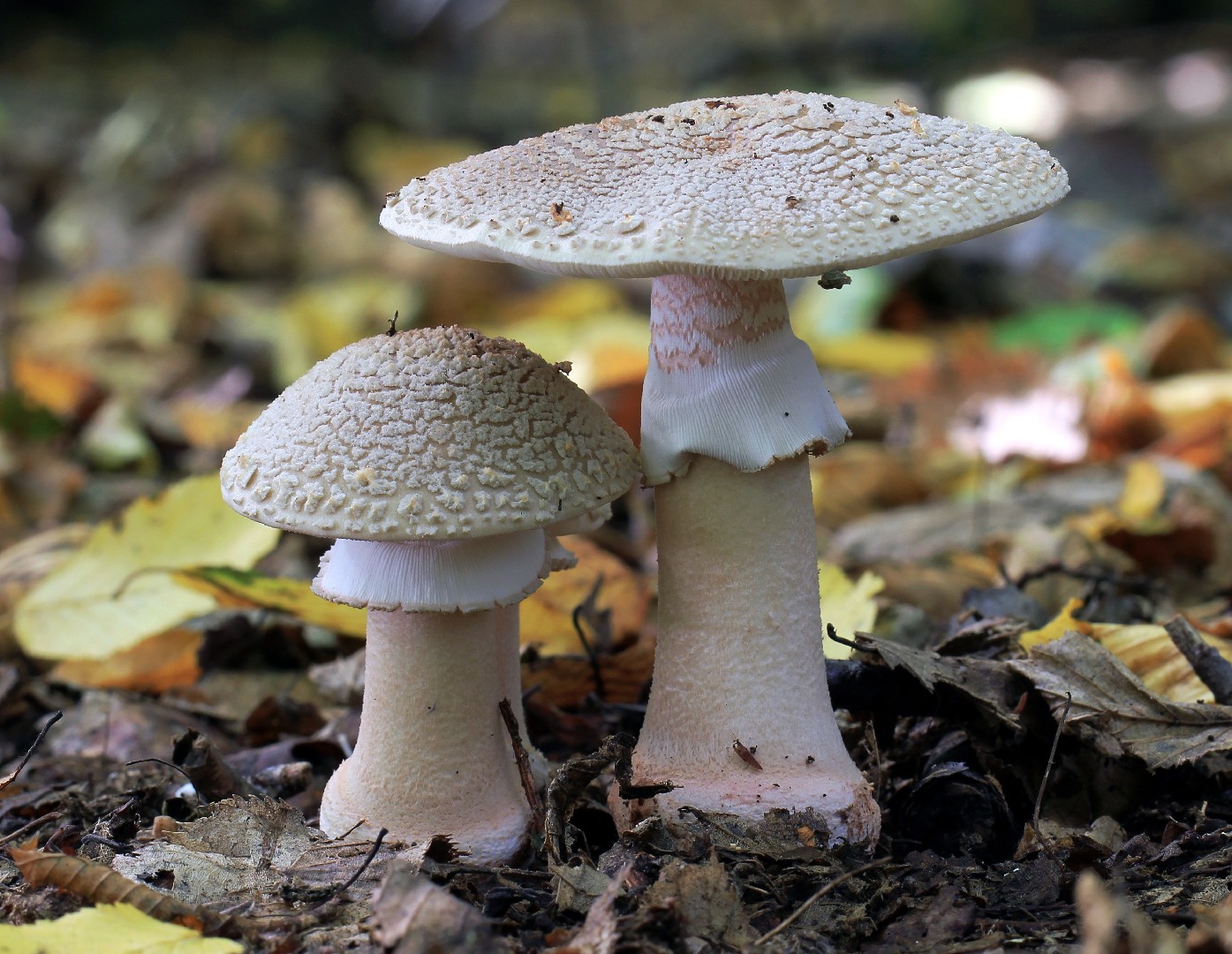
3. Blusher
The blusher mushroom is so named because it “blushes” to a pinkish red color when cut or bruised. It is found in many countries around the world, although it may not be native to the southern hemisphere. It contains a hemolytic toxin that can cause anemia if eaten.
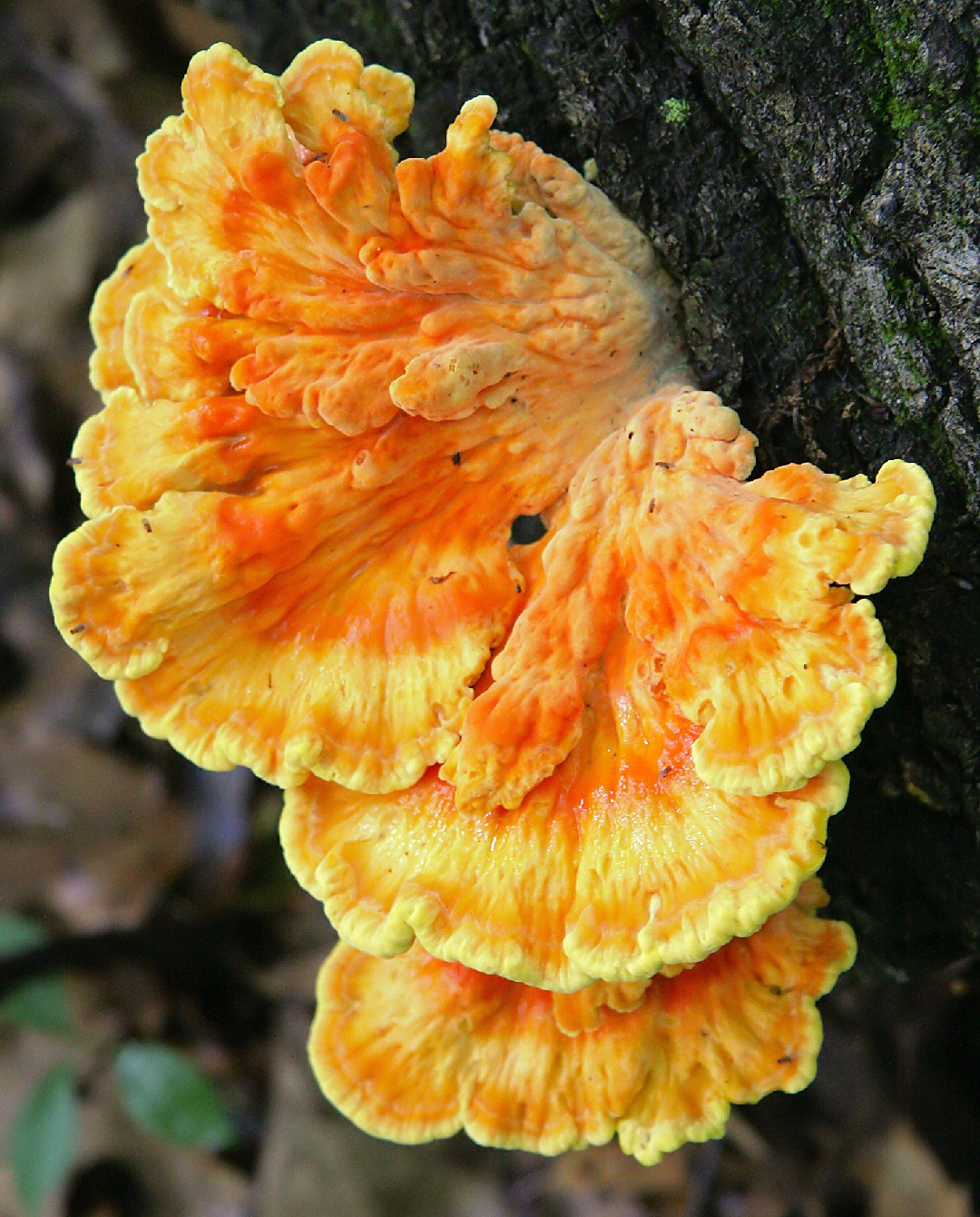
4. Chicken of the woods
Chicken of the woods is very noticeable in hardwood forests, appearing in clusters on standing tree trunks in bright orange and yellow hues that sometimes last through the entire winter. It is a parasite that causes an unfortunate brown heart rot, and is considered a particularly troublesome pest of Yew trees. If the fruitbodies can be seen, the tree is likely already beyond saving.
5. Garlic mushroom
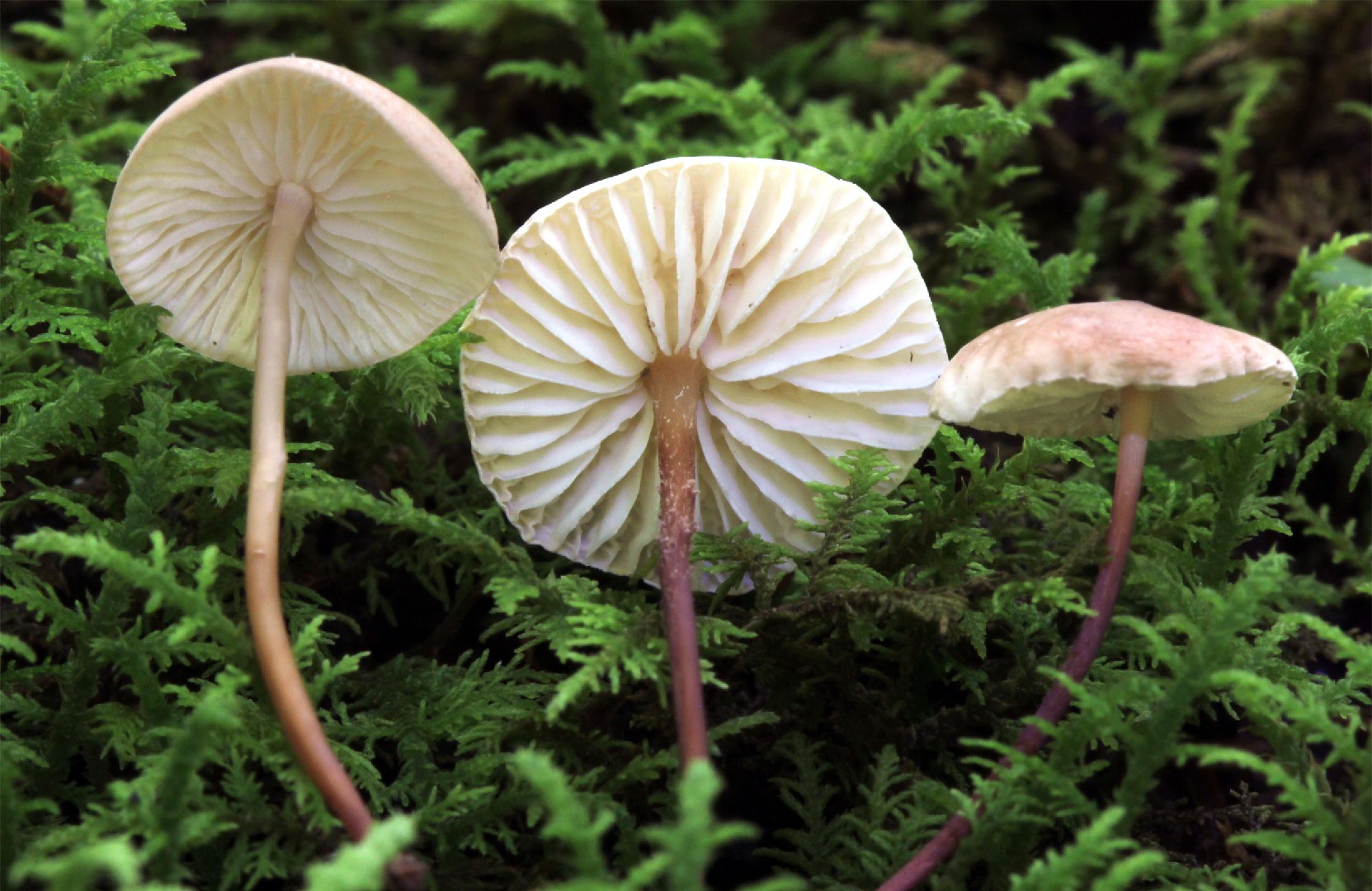
The species can be described as follows: The cap is red brown (or sometimes beige to ocher) and is hygrophanous, drying to a paler colour. It is sometimes slightly wrinkled and grows to 1-3 cm in diameter. The gills are white and fairly crowded, and the attachment to the stem varies from adnate to almost free. The spore powder is white. The stem can grow to 6 cm tall but is only up to 2 mm in diameter. It is bald and pale at the apex, reddish brown lower down, and dark brown or blackish at the base. The smell and taste are strongly of garlic. The spores are roughly ellipsoid and measure 7-11 µm x 3-5 µm. The cheilocystidia (on the gill edge) are of the "broom cell" type, that is, they are club-shaped with a number of finger-like protuberances.
6. Honey fungus
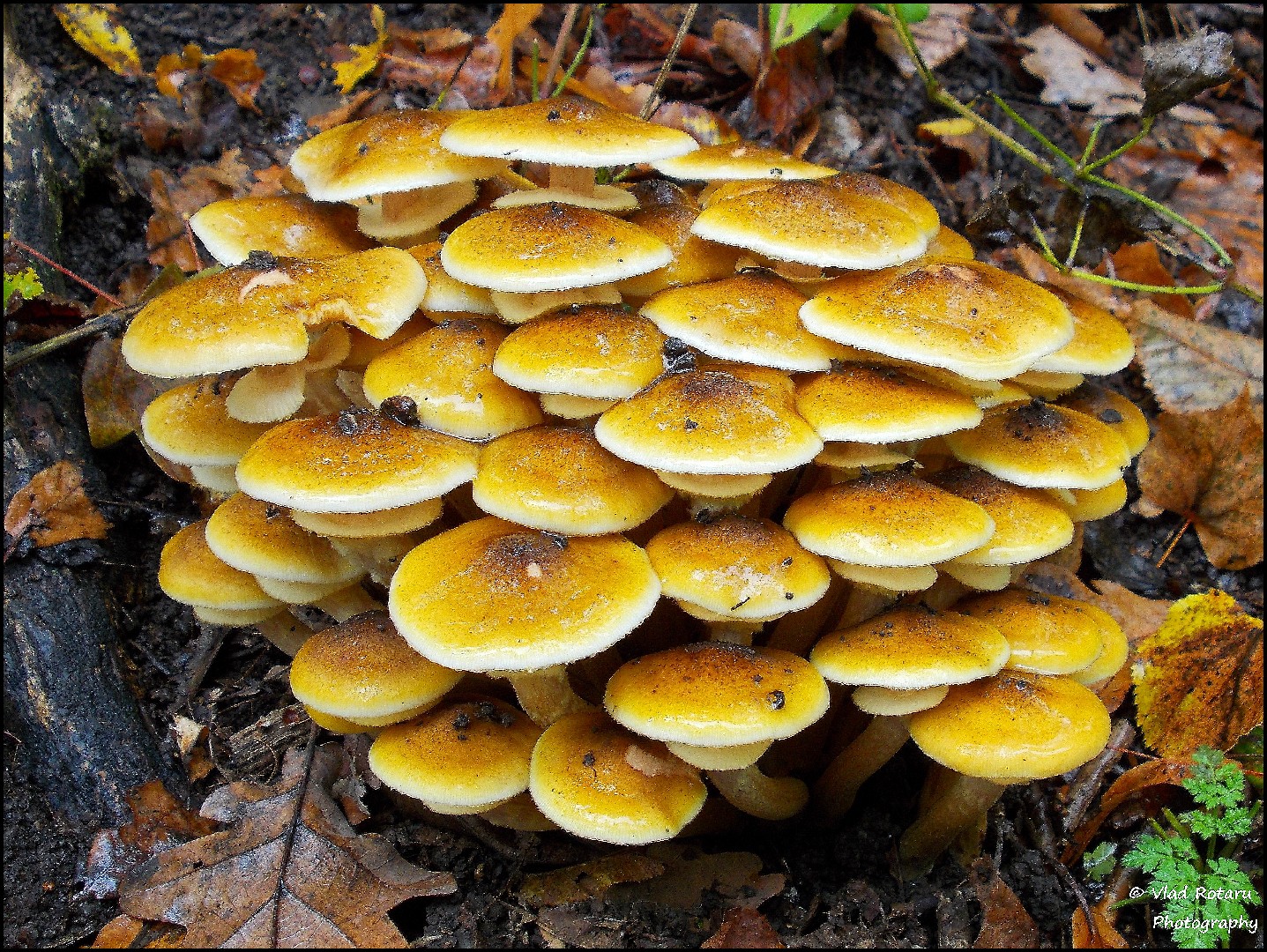
The honey fungus is a parasitic fungus that grows on the roots of many woody and perennial plants, damaging and possibly killing its host. It spreads underground and is considered to be the most damaging fungal disease in gardens across the UK. The appearance of the mushrooms above-ground heralds a much more extensive infection below.
7. Honey fungus
The honey fungus is a parasitic fungus that grows on the roots of many woody and perennial plants, damaging and possibly killing its host. It spreads underground and is considered to be the most damaging fungal disease in gardens across the UK. The appearance of the mushrooms above-ground heralds a much more extensive infection below.
8. Hare's ear
Hare's ear is a fungus most commonly associated with beech forests. Finding them is made easier by their habit of appearing right along the edges of woodland footpaths. The specific epithet, onotica, translates from Greek to mean "Donkey ear," which is another common name for the Hare's ear fungus.
9. Bay bolete
The common bay bolete is found across the northern hemisphere, often in spruce and pine forests and occasionally under deciduous trees. While it lives in a symbiotic relationship with a living tree, the mushrooms are most often found near well-decayed, mossy stumps, usually singly or in very small groups.
10. Blusher
The blusher mushroom is so named because it “blushes” to a pinkish red color when cut or bruised. It is found in many countries around the world, although it may not be native to the southern hemisphere. It contains a hemolytic toxin that can cause anemia if eaten.
More







