




Top 20 Edible Mushrooms Popular in Bari
Experience the fungal splendor of Bari; a region steeped in celestial beauty and enigmatic landscapes, providing a rich habitat for a variety of delectable mushrooms. Our exploration into the top 20 edible mushrooms unveils different species distinct for their taste, culinary uses, and physical appearance. Dive into this absorbing journey and expand your knowledge on these delightful forest treasures native to Bari.
* Disclaimer: Content feedback CAN NOT be used as any basis for EATING ANY PLANTS. Some plants can be VERY POISONOUS, please purchase edible plants through regular channels.

Most Popular Edible Mushrooms
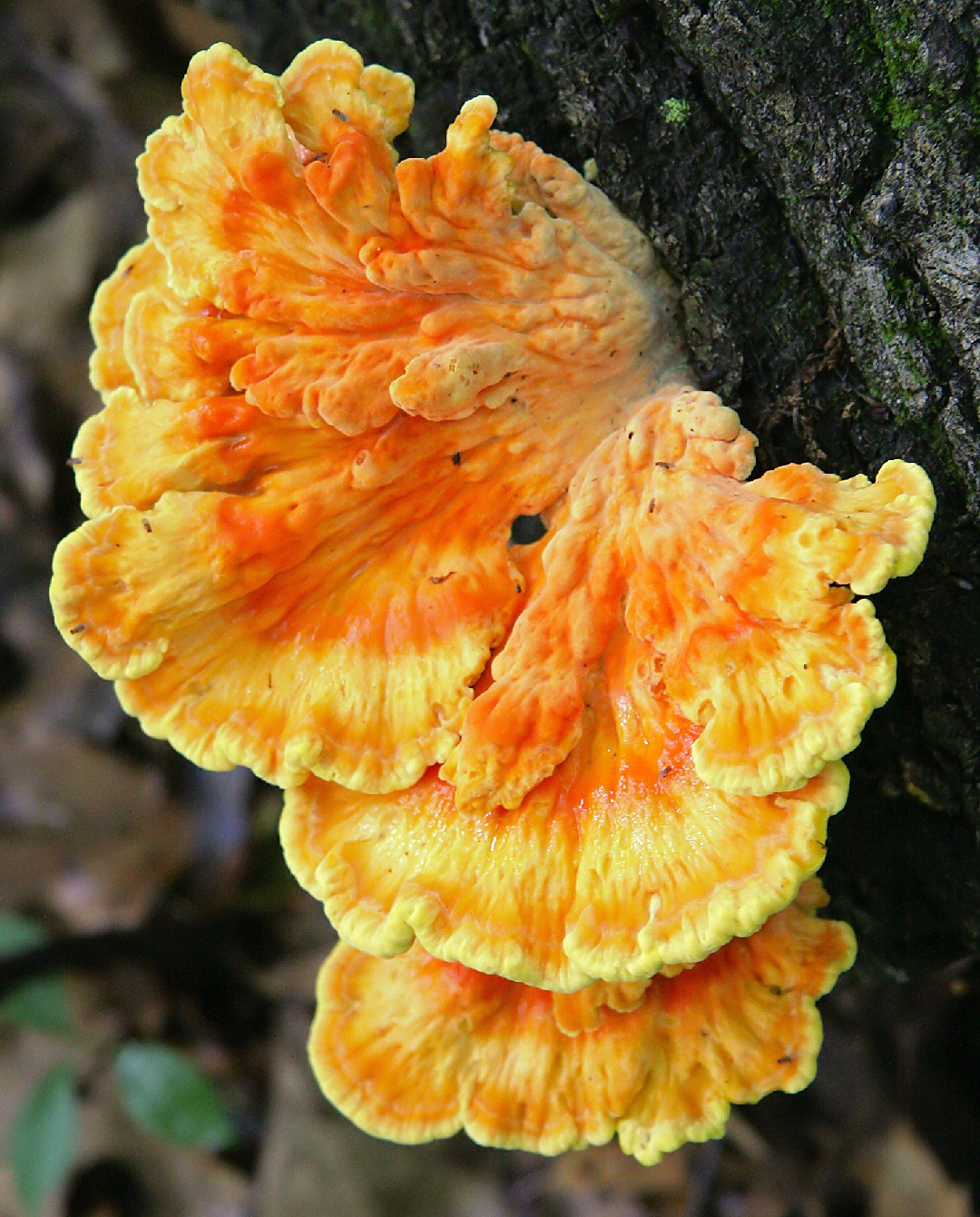
1. Chicken of the woods
Chicken of the woods is very noticeable in hardwood forests, appearing in clusters on standing tree trunks in bright orange and yellow hues that sometimes last through the entire winter. It is a parasite that causes an unfortunate brown heart rot, and is considered a particularly troublesome pest of Yew trees. If the fruitbodies can be seen, the tree is likely already beyond saving.
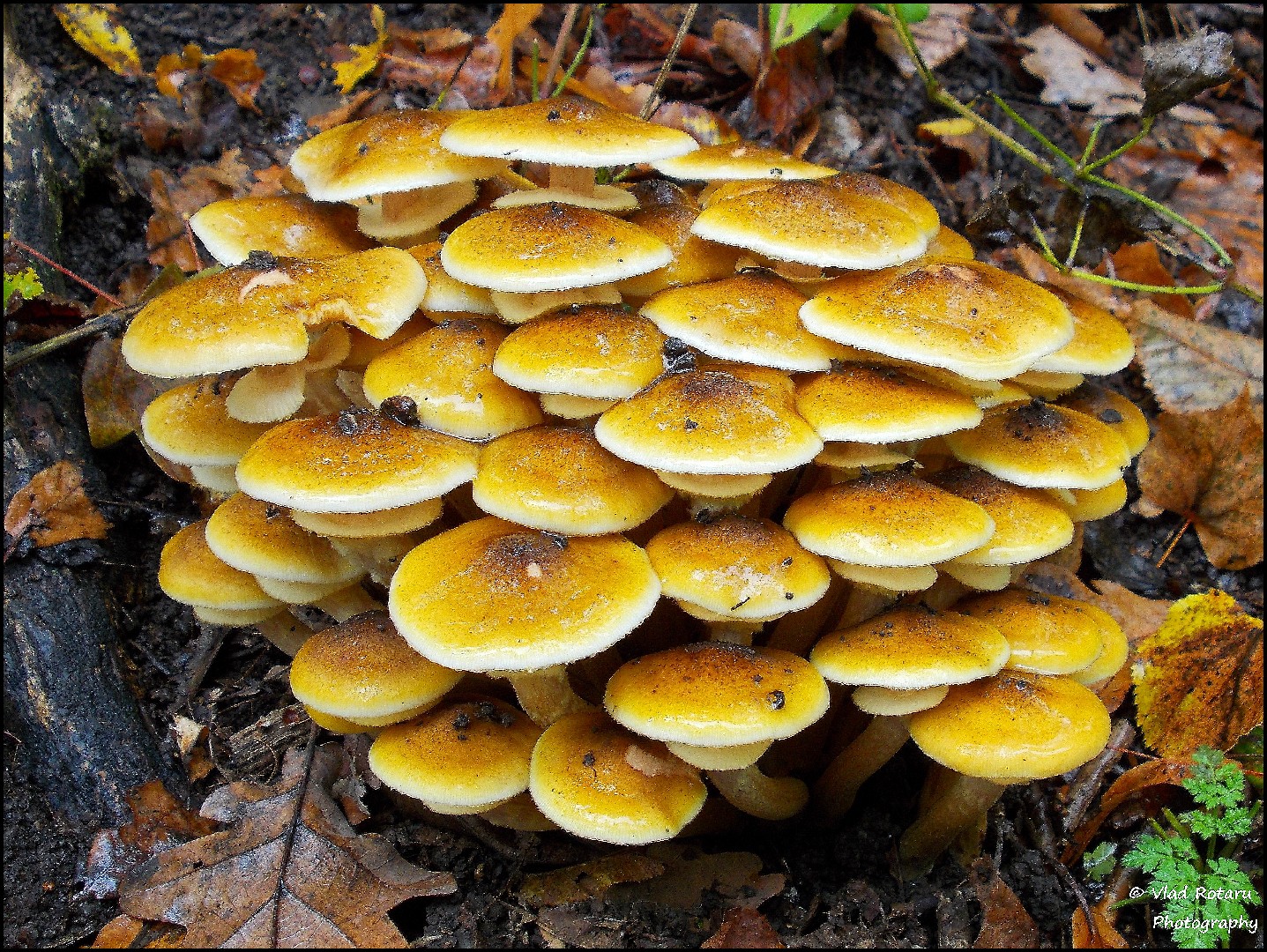
2. Honey fungus
The honey fungus is a parasitic fungus that grows on the roots of many woody and perennial plants, damaging and possibly killing its host. It spreads underground and is considered to be the most damaging fungal disease in gardens across the UK. The appearance of the mushrooms above-ground heralds a much more extensive infection below.

3. Shaggy mane
The shaggy mane mushroom is commonly found in North American and European grasslands. Some peoples foraged for its young egg-shaped caps, but it has more recently been found to be a bioaccumulator of heavy metals, meaning it pulls toxic metals up from the soil where it grows. As a result, shaggy manes should not be eaten. The mushrooms usually appear in clusters or “fairy rings.”
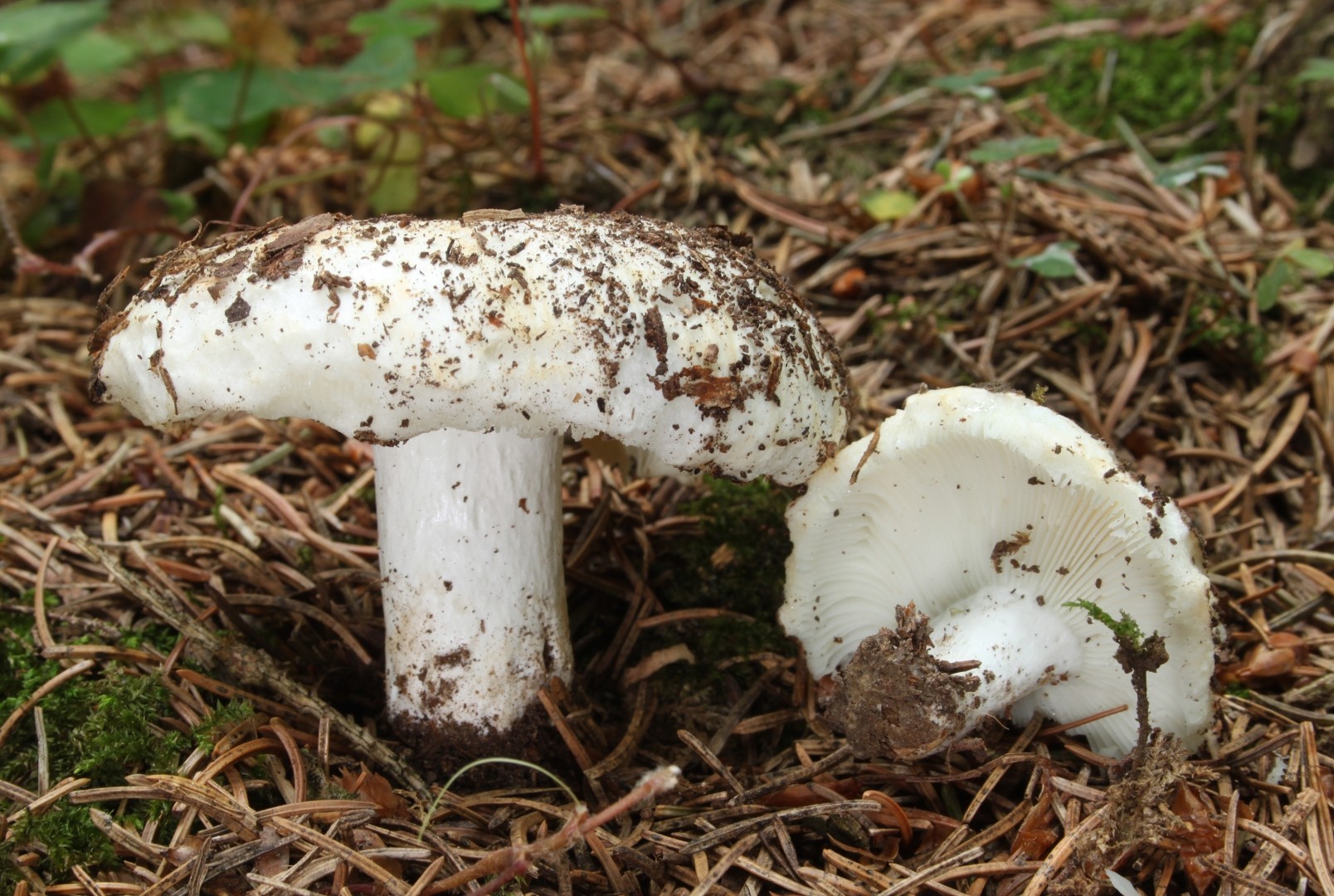
4. Milk-white brittlegill
Fruitbodies of the large milk-white brittlegill (Russula delica) arise from the forest floor already quite formed, a fact which results in dirty and pockmarked caps. “Delica” means “without milk,” and this mushroom can be most readily distinguished from the lookalike Fleecy Milkcap by its lack of milky latex exudate.
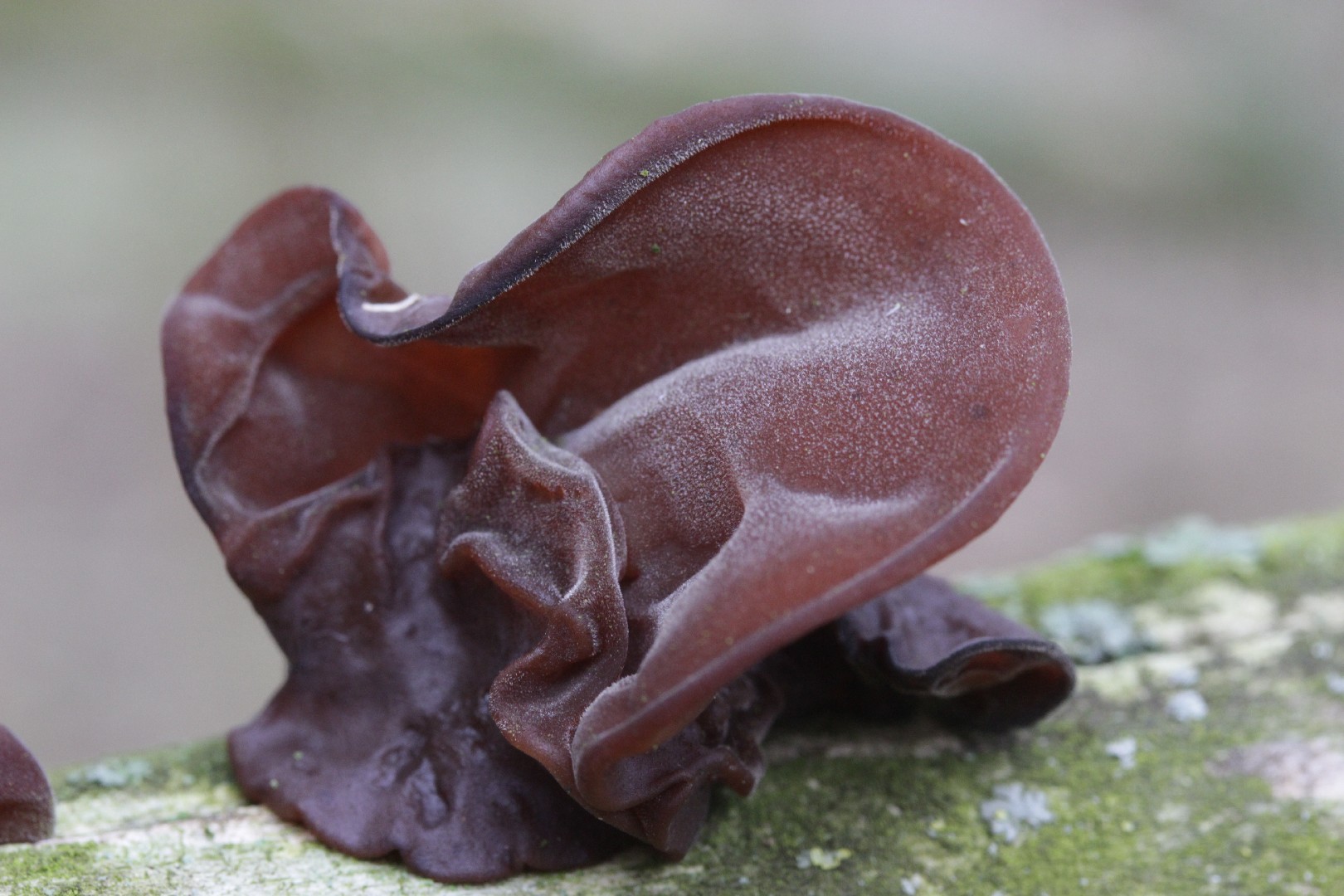
5. Jelly ear
The distinctive jelly ear grows mainly through winter and spring, mostly on the dead trunks and branches of elder trees. It occurs around the world and is often cooked into dishes in Asian countries. This ear-shaped jelly mushroom is often available in stores both fresh and dried.
6. Golden chanterelle
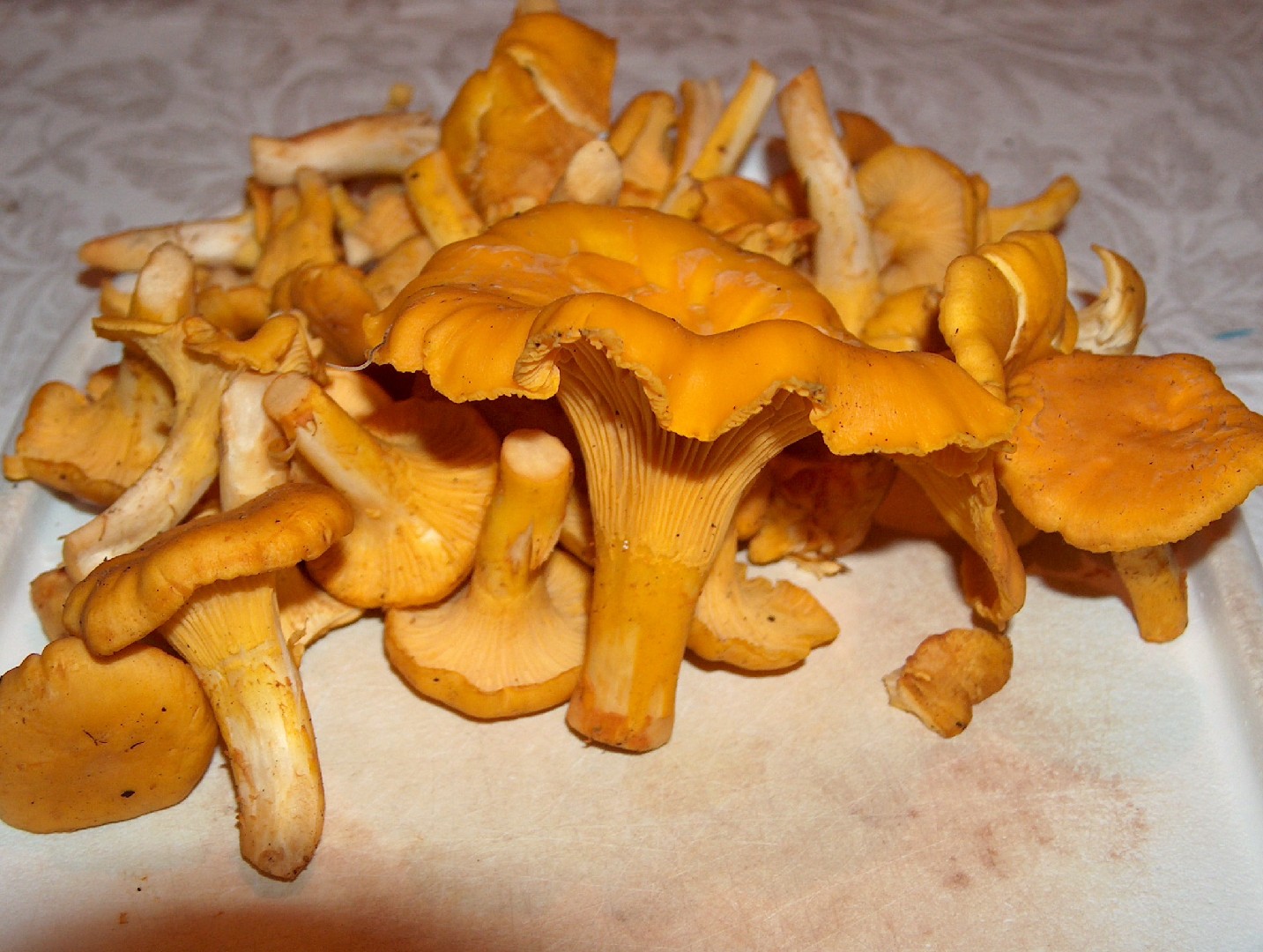
Golden chanterelle mushrooms are popular in gourmet cuisine across Europe, where they grow wild during the warm (but not too hot) months. Similar species grow in other countries. Extremely popular with foragers, the golden chanterelle emits an apricot-like scent and contains an array of nutrients that benefit the human body. Several studies suggest consuming extremely large amounts may have detrimental effects on the eyes and muscles.
7. Yellow morel
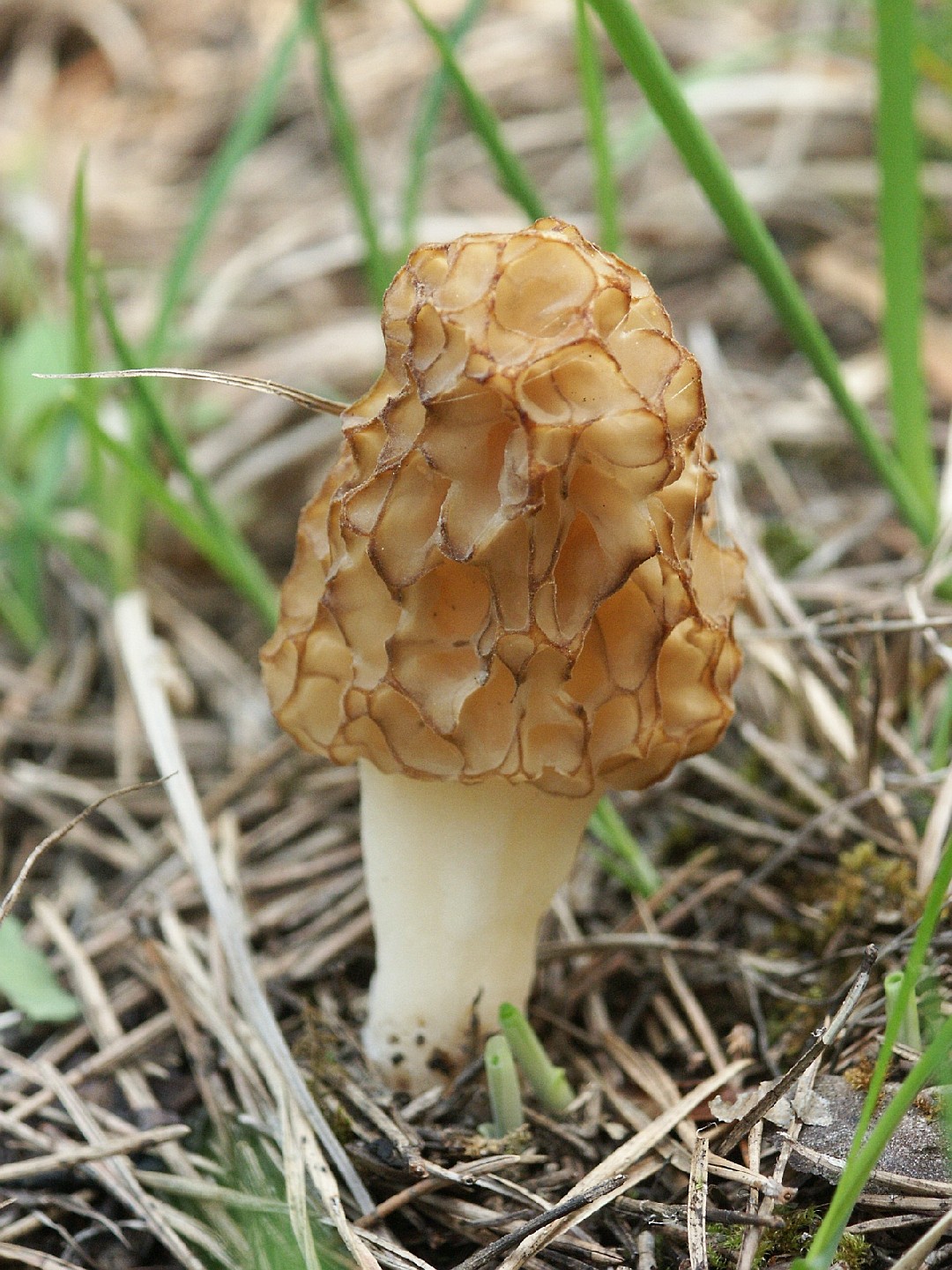
The yellow morel (Morchella esculenta) is one of the most iconic and sought-after species of edible mushrooms. It is often one of the first species that novice mushroom gatherers will hunt for. Yellow morels have elongated caps that are "honeycombed", being filled with roughly polygonal holes. Splitting them down the middle reveals them to be hollow on the inside, a key feature that distinguishes them from toxic false morels. Experts recommend cooking or boiling this mushroom before consumption, as raw morels may cause an upset stomach.
8. Big sheath mushroom
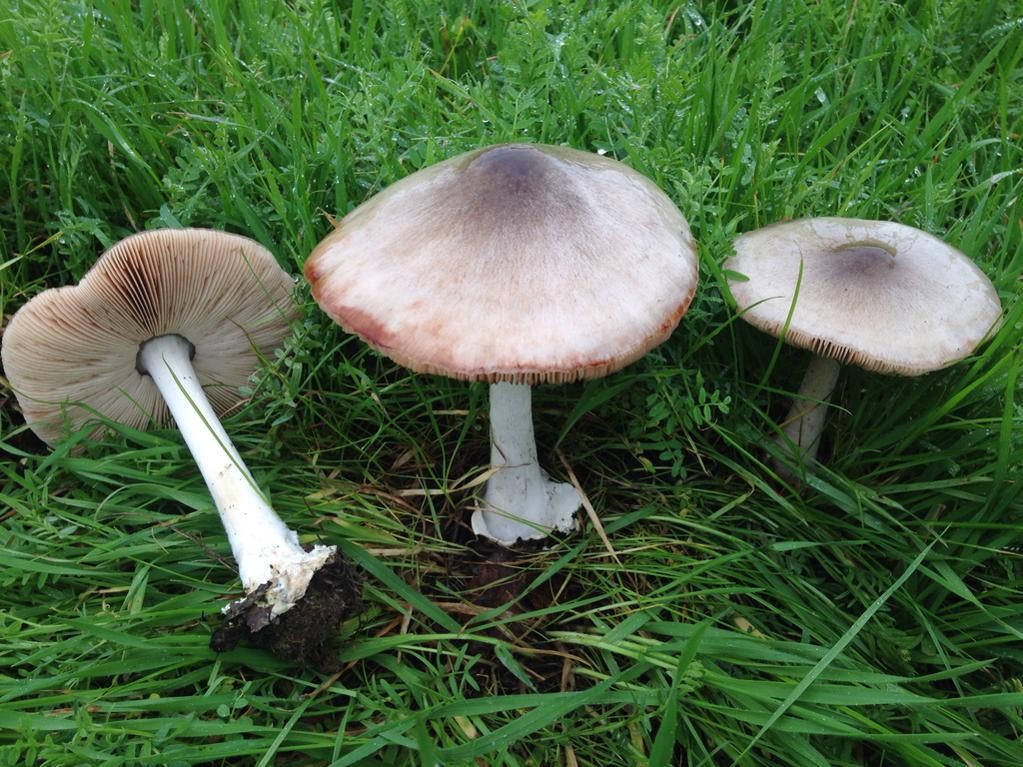
These large white mushrooms bloom all over cleared, harvested fields, as well as pastures and roadsides. The scientific species name comes from Greek words meaning “glue” (glioio) and “head” (cephalus), in reference to the sticky surface of this mushroom’s cap. The big sheath mushroom looks so similar to the poisonous Deathcap and Destroying Angel mushrooms that it should always be left alone.
9. Giant polypore
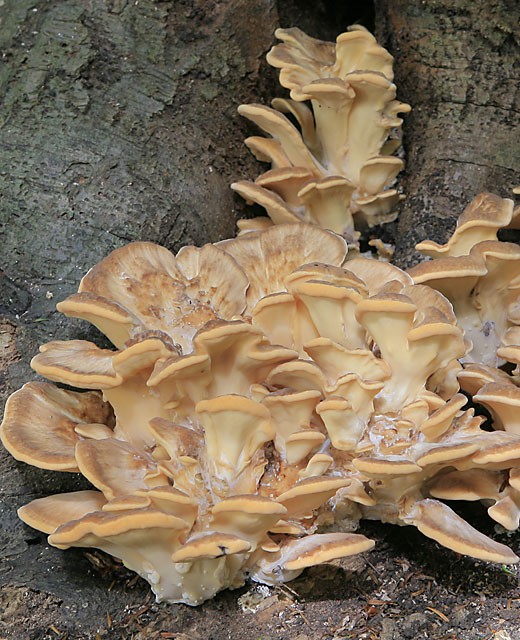
The giant polypore (Meripilus giganteus) is a tough-fleshed shelf or bracket fungus that can be found parasitizing the roots, branches or boles of trees - especially hardwoods - across temperate regions of Europe and Asia (a very closely related species, Meripilus sumstenei, is distributed across North America - some sources list these two species as synonymous).
10. Silky sheath
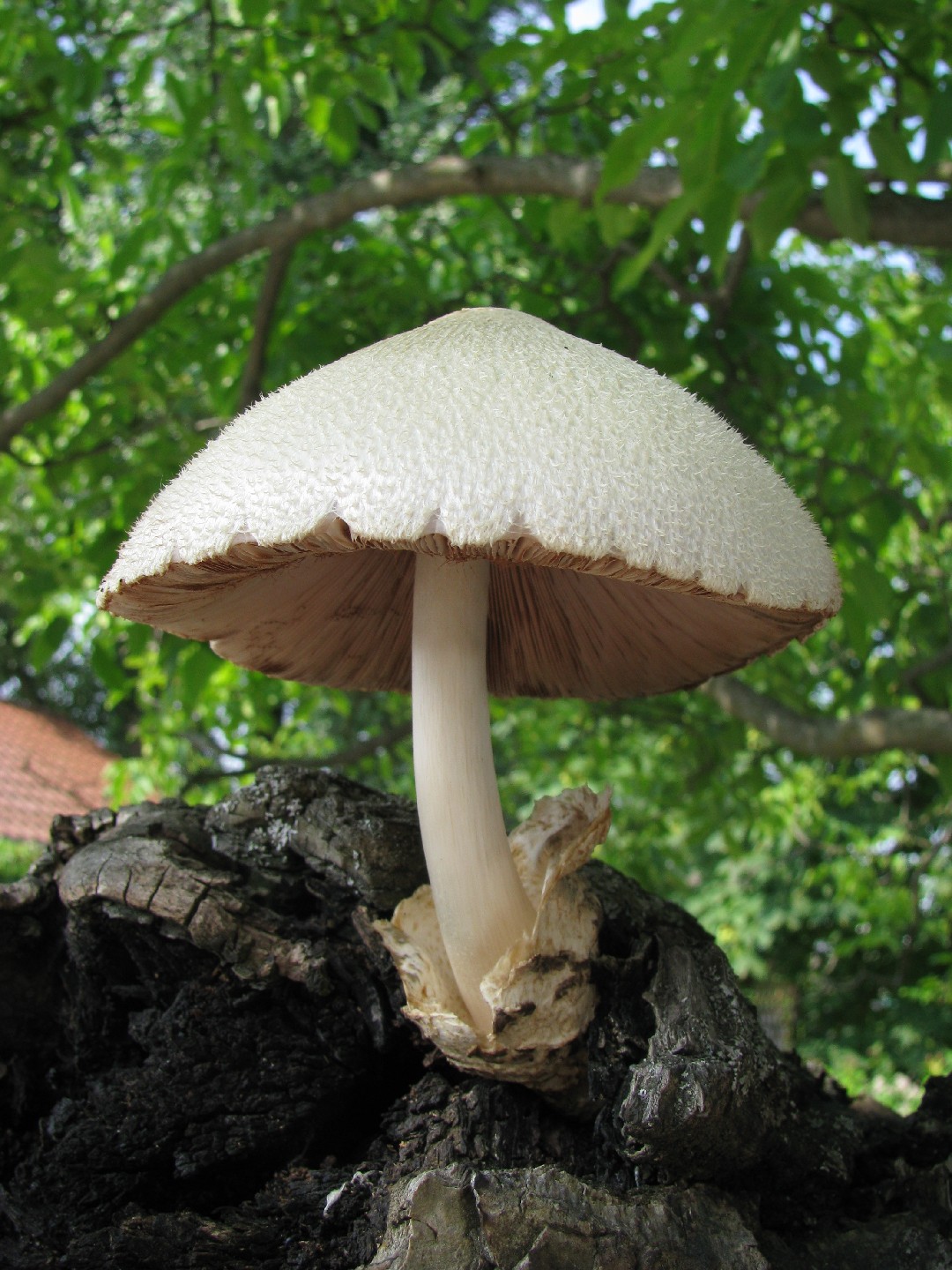
Silky sheaths (Volvariella bombycina) are widely distributed, being found in temperate and sub-tropical forests around the world, but rare. The fruitbody emerges from a silky-textured volva, and the mushroom's white or off-white cap is usually quite smooth as well. One of this species' favored microhabitats is the rotted knotholes of mature maples, elms, oaks, or beeches.
More







