




Top 12 Edible Mushrooms Popular in Greenland
Dive into the mycological treasures that Greenland offers with our informative guide on the 12 most common edible mushrooms found in this prime foraging territory. With Greenland's cool, humid, and mossy landscapes, mushrooms thrive in abundance. From the delicate, woodland flavor of Morels to the meaty texture of the prized Porcini, each mushroom possesses unique attributes. Culturally adored, these fungi are culinary stars in Greenland, taking center stage in many traditional dishes. Discover every mushroom's unique appearance, delectable taste, and favored habitats as we take you on a journey through Greenland's captivating mycoflora.
* Disclaimer: Content feedback CAN NOT be used as any basis for EATING ANY PLANTS. Some plants can be VERY POISONOUS, please purchase edible plants through regular channels.

Most Popular Edible Mushrooms
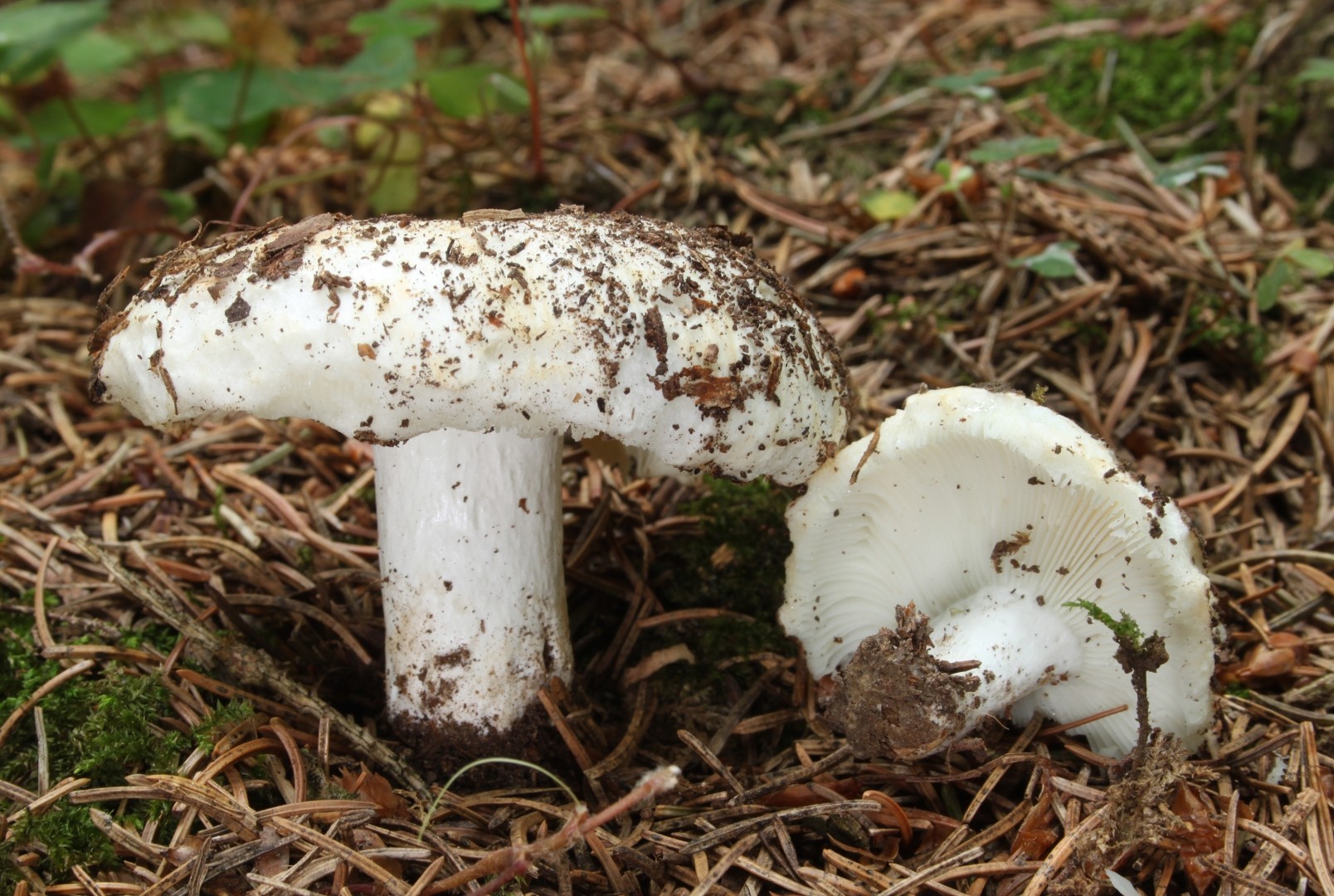
1. Milk-white brittlegill
Fruitbodies of the large milk-white brittlegill (Russula delica) arise from the forest floor already quite formed, a fact which results in dirty and pockmarked caps. “Delica” means “without milk,” and this mushroom can be most readily distinguished from the lookalike Fleecy Milkcap by its lack of milky latex exudate.
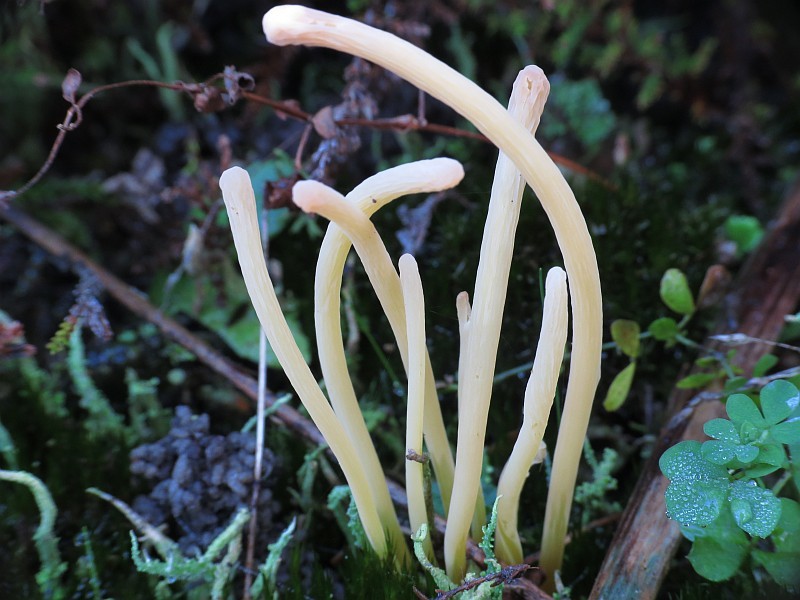
2. Moor club
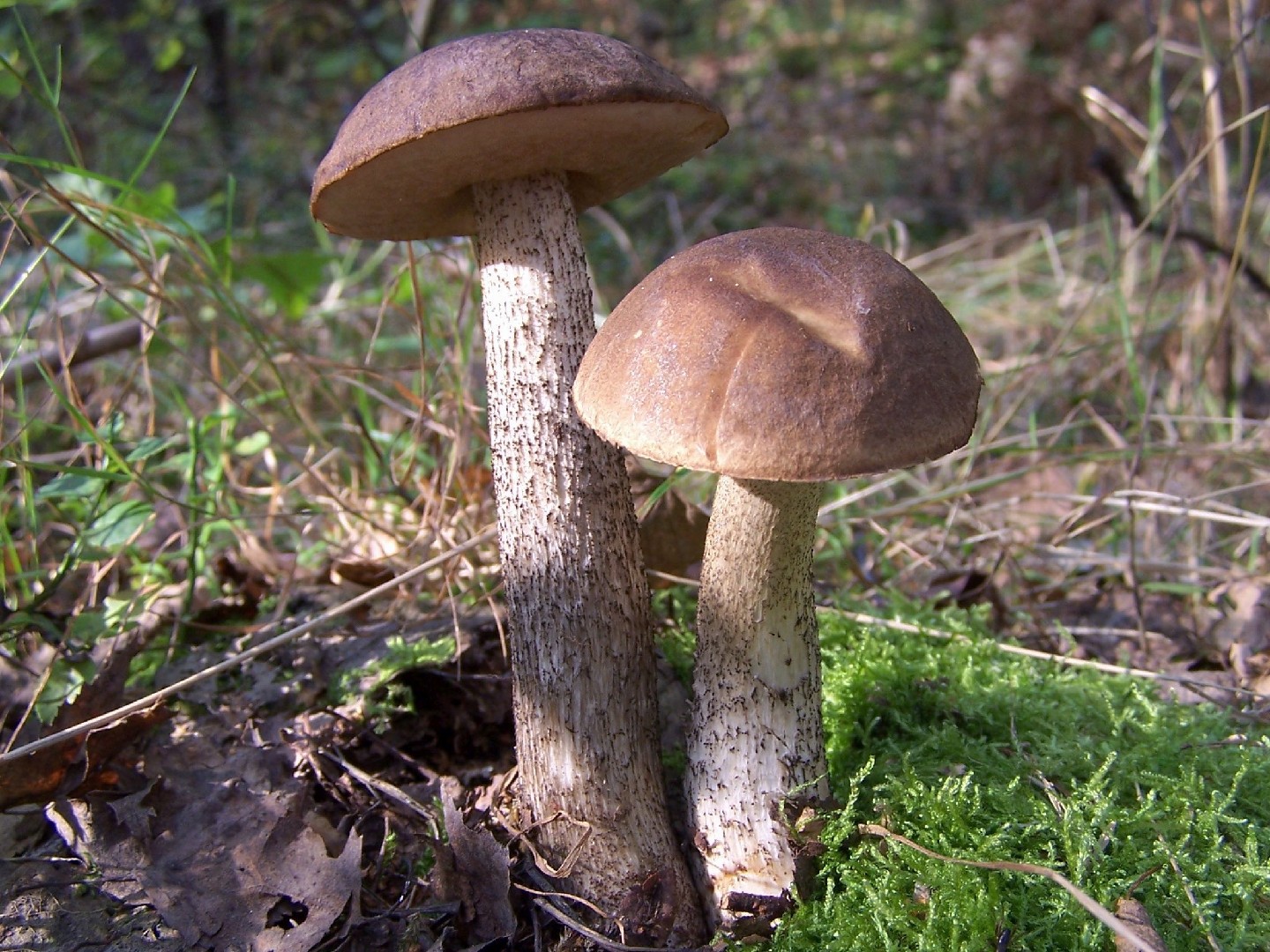
3. Brown birch-bolete
The brown birch-bolete is common around the northern hemisphere. It grows beneath birch trees and is usually easy to identify by its brown cap and scaly stem, the latter of which is referenced in its scientific name Leccinum scabrum. Occasionally, however, it can be found sporting a white cap.
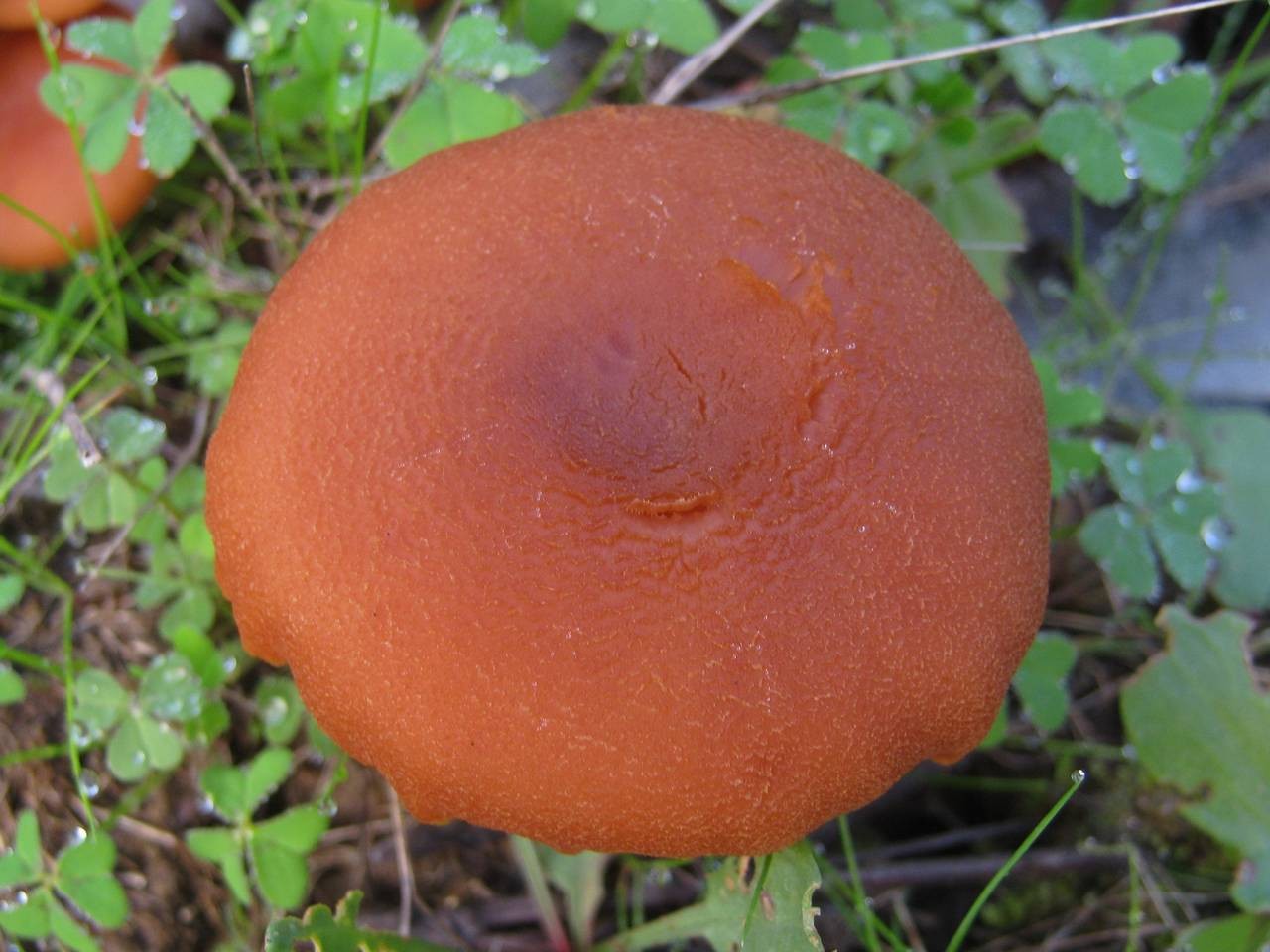
4. Scurfy deceiver
Scurfy deceiver is a small nondescript mushroom with a negligible odor. It is common to the acidic soils of European woodlands and heathlands. The mushroom will often form symbiotic relationships with pine trees. As the mushroom matures, the cap begins to roll up, until it is inverted.
5. Milk-white brittlegill
Fruitbodies of the large milk-white brittlegill (Russula delica) arise from the forest floor already quite formed, a fact which results in dirty and pockmarked caps. “Delica” means “without milk,” and this mushroom can be most readily distinguished from the lookalike Fleecy Milkcap by its lack of milky latex exudate.
6. Brown birch-bolete
The brown birch-bolete is common around the northern hemisphere. It grows beneath birch trees and is usually easy to identify by its brown cap and scaly stem, the latter of which is referenced in its scientific name Leccinum scabrum. Occasionally, however, it can be found sporting a white cap.
7. Moor club
8. Scurfy deceiver
Scurfy deceiver is a small nondescript mushroom with a negligible odor. It is common to the acidic soils of European woodlands and heathlands. The mushroom will often form symbiotic relationships with pine trees. As the mushroom matures, the cap begins to roll up, until it is inverted.
9. Milk-white brittlegill
Fruitbodies of the large milk-white brittlegill (Russula delica) arise from the forest floor already quite formed, a fact which results in dirty and pockmarked caps. “Delica” means “without milk,” and this mushroom can be most readily distinguished from the lookalike Fleecy Milkcap by its lack of milky latex exudate.
10. Brown birch-bolete
The brown birch-bolete is common around the northern hemisphere. It grows beneath birch trees and is usually easy to identify by its brown cap and scaly stem, the latter of which is referenced in its scientific name Leccinum scabrum. Occasionally, however, it can be found sporting a white cap.
More







