




Top 20 Edible Mushrooms Popular in Tizi Ouzou
Dive into the diverse mushroom kingdom of Tizi Ouzou, a region famed for its rich forests and varying elevations favoring fungal growth. This guide presents the 20 most commonly occurring edible mushrooms in Tizi Ouzou, outlining their distinctive features, flavors, and preferred habitats. Glimpse into their fascinating culinary uses, enhancing your mushroom foraging and cooking knowledge. Be prepared to embark on an educational journey into the mesmerizing world of these unique fungi.
* Disclaimer: Content feedback CAN NOT be used as any basis for EATING ANY PLANTS. Some plants can be VERY POISONOUS, please purchase edible plants through regular channels.

Most Popular Edible Mushrooms

1. Shaggy mane
The shaggy mane mushroom is commonly found in North American and European grasslands. Some peoples foraged for its young egg-shaped caps, but it has more recently been found to be a bioaccumulator of heavy metals, meaning it pulls toxic metals up from the soil where it grows. As a result, shaggy manes should not be eaten. The mushrooms usually appear in clusters or “fairy rings.”
2. Parasol
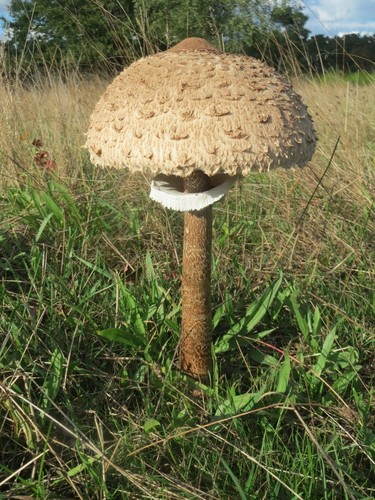
Found in clearings and grassy areas in late summer, the wild parasol mushroom has a snakeskin-patterned stem. The brown spots on its cap make it look a bit shaggy, but that name is reserved for its poisonous counterpart, the Shaggy Parasol (Chlorophyllum rhacodes). You can distinguish the two by the stems: the latter has a smooth stem and red flesh inside.
3. Lanmaoa fragrans

4. Sordid blewit
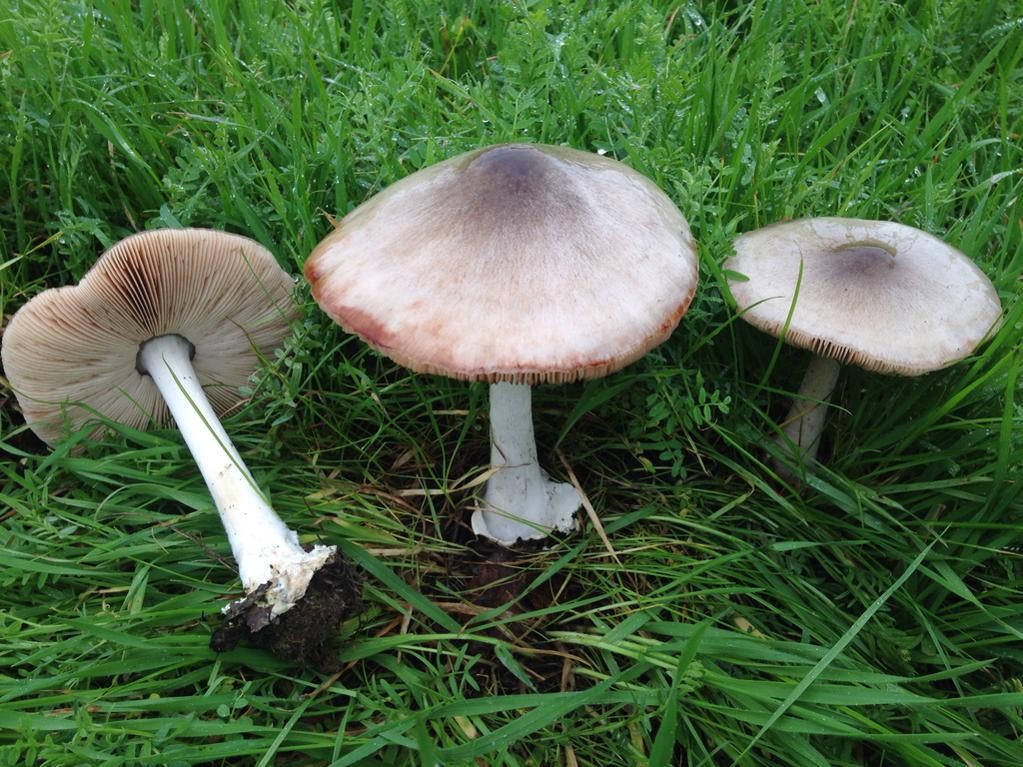
The sordid blewit is a beautiful and attractive mushroom of the northern temperate zones around the world. The flesh is pink or purple when young, and it turns brownish as the mushroom matures. It forms so-called fairy rings. Although the sordid blewit is easily identified, inexperienced mushroom hunters can confuse it for certain Clitocybe species.
5. Big sheath mushroom
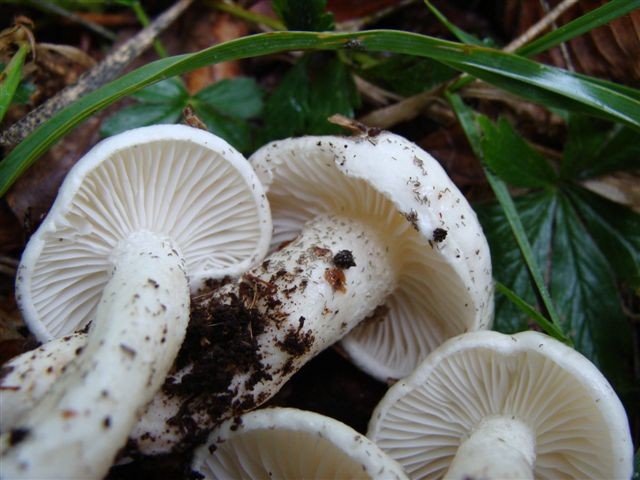
These large white mushrooms bloom all over cleared, harvested fields, as well as pastures and roadsides. The scientific species name comes from Greek words meaning “glue” (glioio) and “head” (cephalus), in reference to the sticky surface of this mushroom’s cap. The big sheath mushroom looks so similar to the poisonous Deathcap and Destroying Angel mushrooms that it should always be left alone.
6. Hygrophorus cossus
7. Conifer tuft
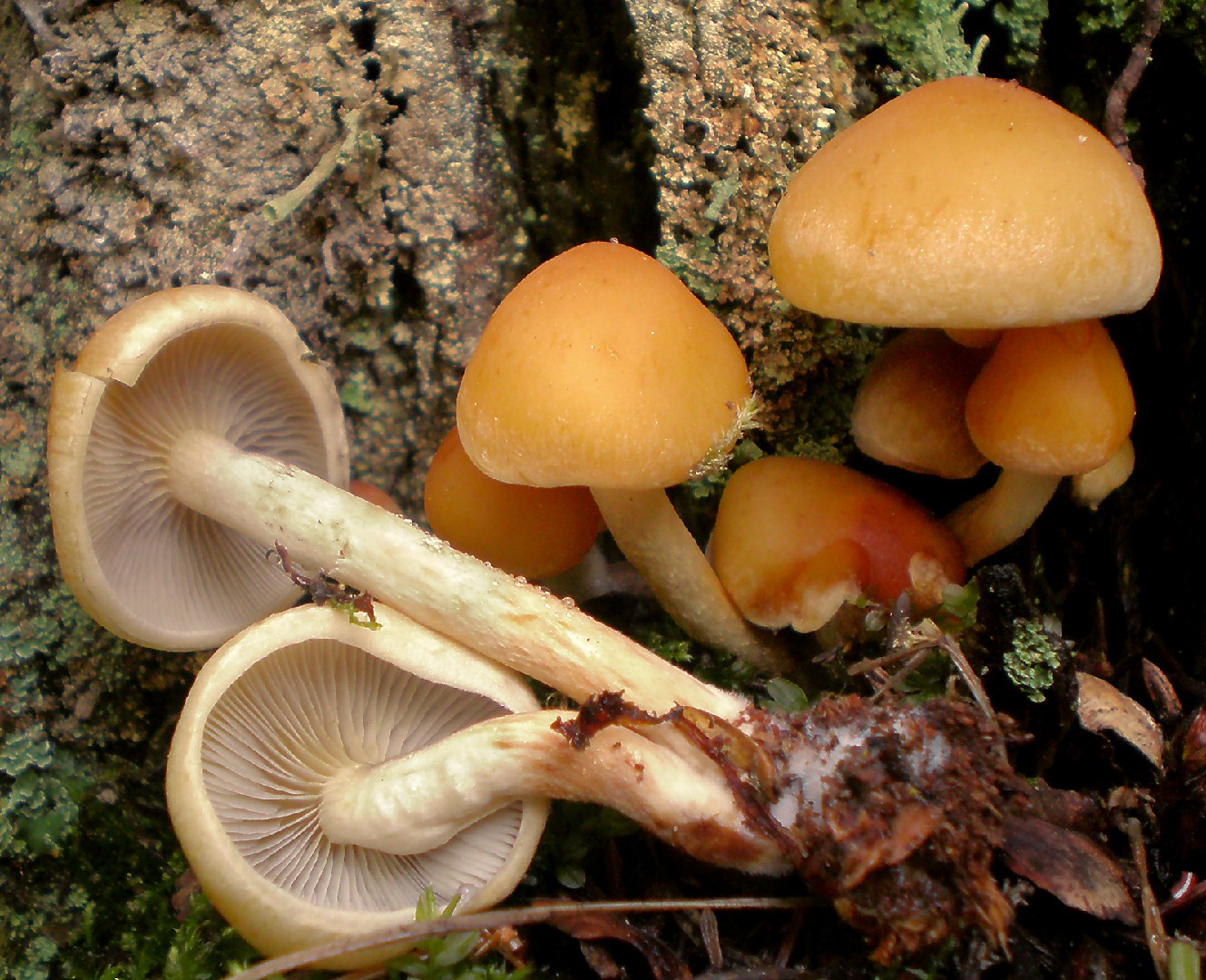
As its common name implies, the conifer tuft grows on dead conifers, either singly or in groups. It can be found around the northern hemisphere in the autumn season. Take care to distinguish this species from the highly toxic Sulphur Tuft. Inspect the gills closely; those of the conifer tuft are pale grey, and never green.
8. Giant puffball
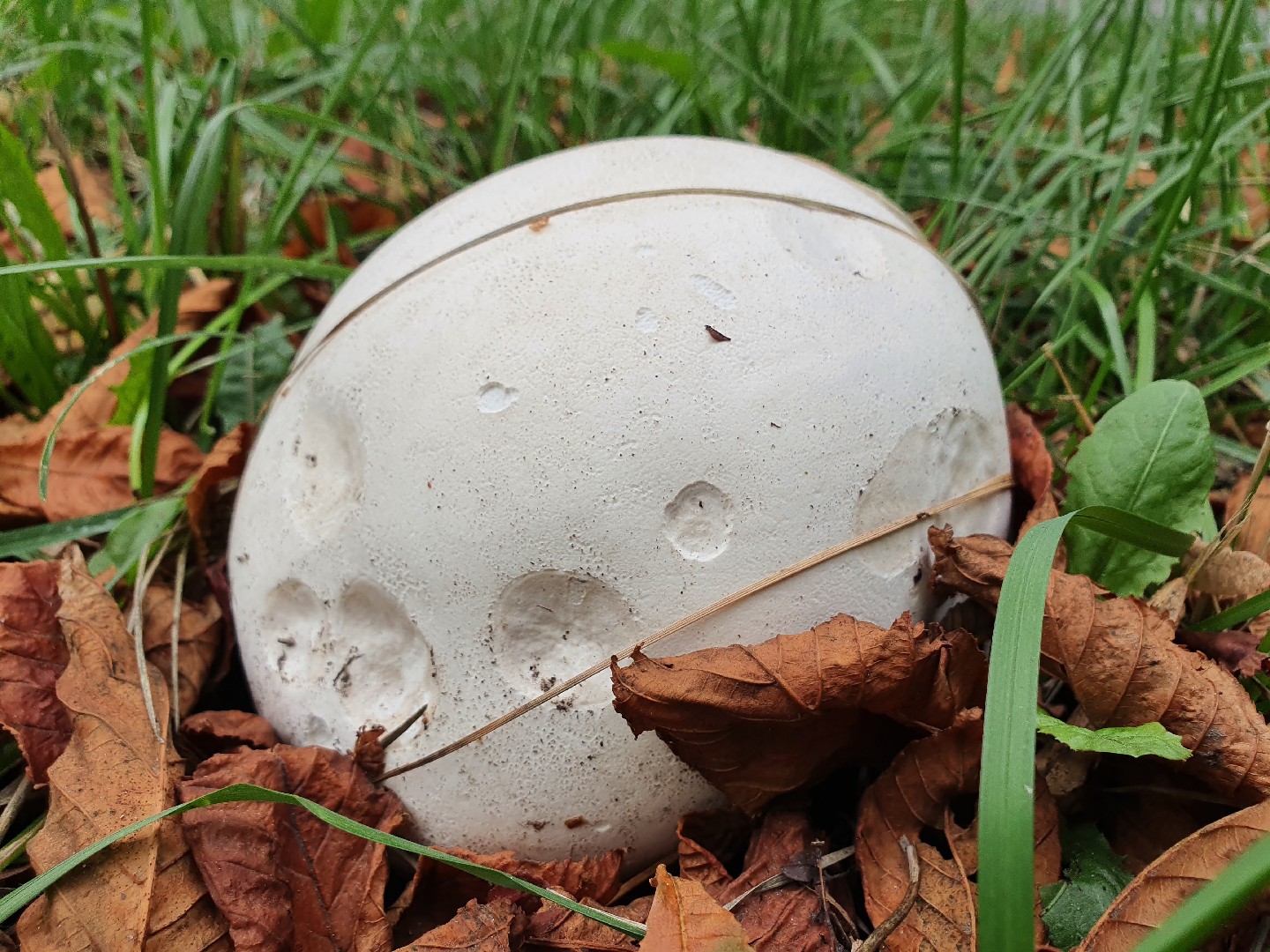
These distinctive round, white fungi appear around the world in fields and at the edges of wooded areas. Living up to its name, a single giant puffball can grow as large as a watermelon. They have no stems, and produce trillions of spores that release into the air through holes in “puffs.” They have been used as slow-burning tinder and produce copious smoke when set aflame. Giant puffballs are technically edible, but should only be consumed when the mushroom is young and firm.
9. Aniseed funnel
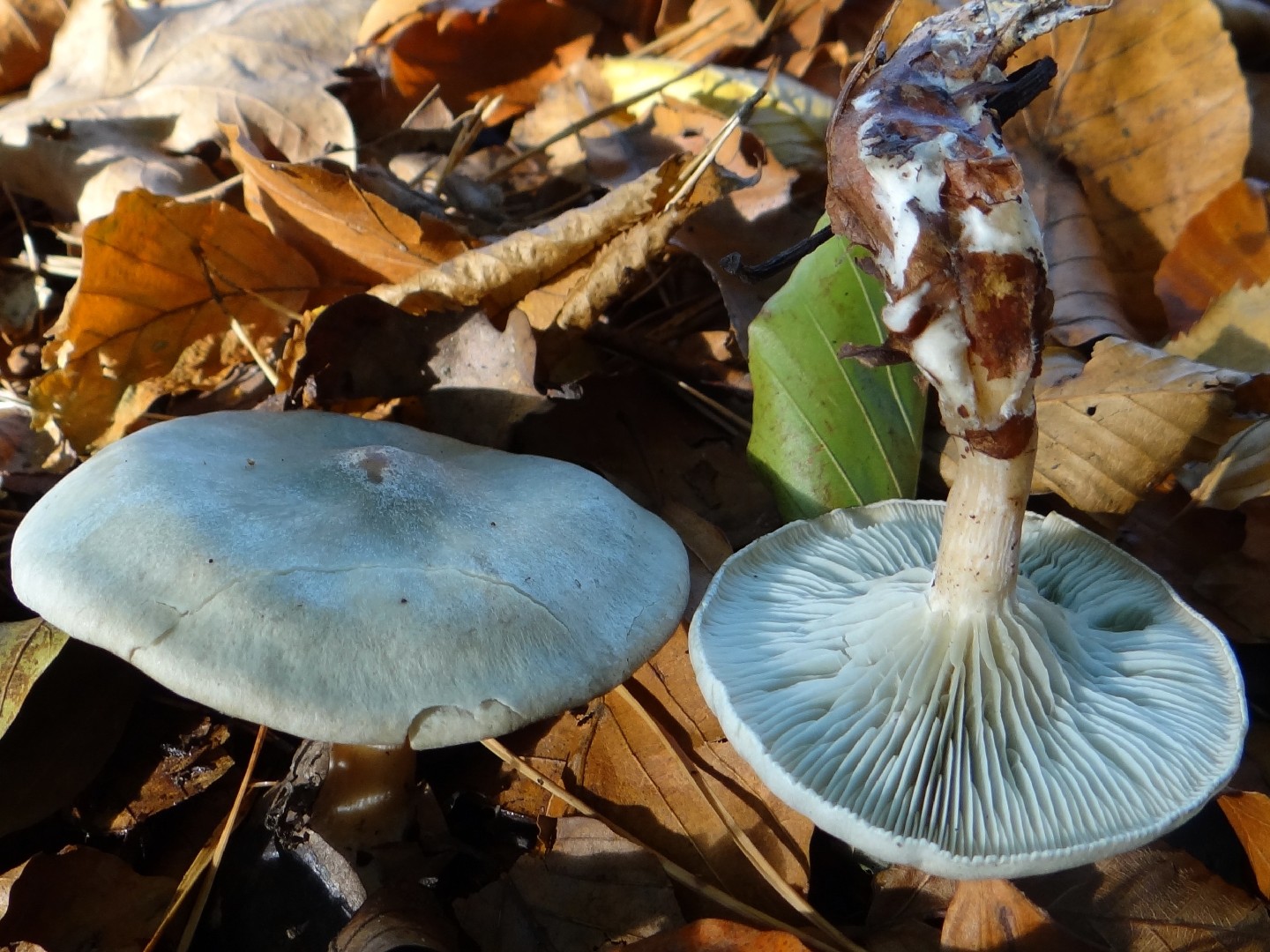
The aniseed funnel (Clitocybe odora) is a distinctive mushroom, boasting an aquamarine or seafoam coloration on its cap, although this may fade to white with age. It's species name, odora, is suggestive of another distinguishing quality - individuals usually give off a strong, star-anise like smell (similar to black licorice).
10. Caesar's mushroom
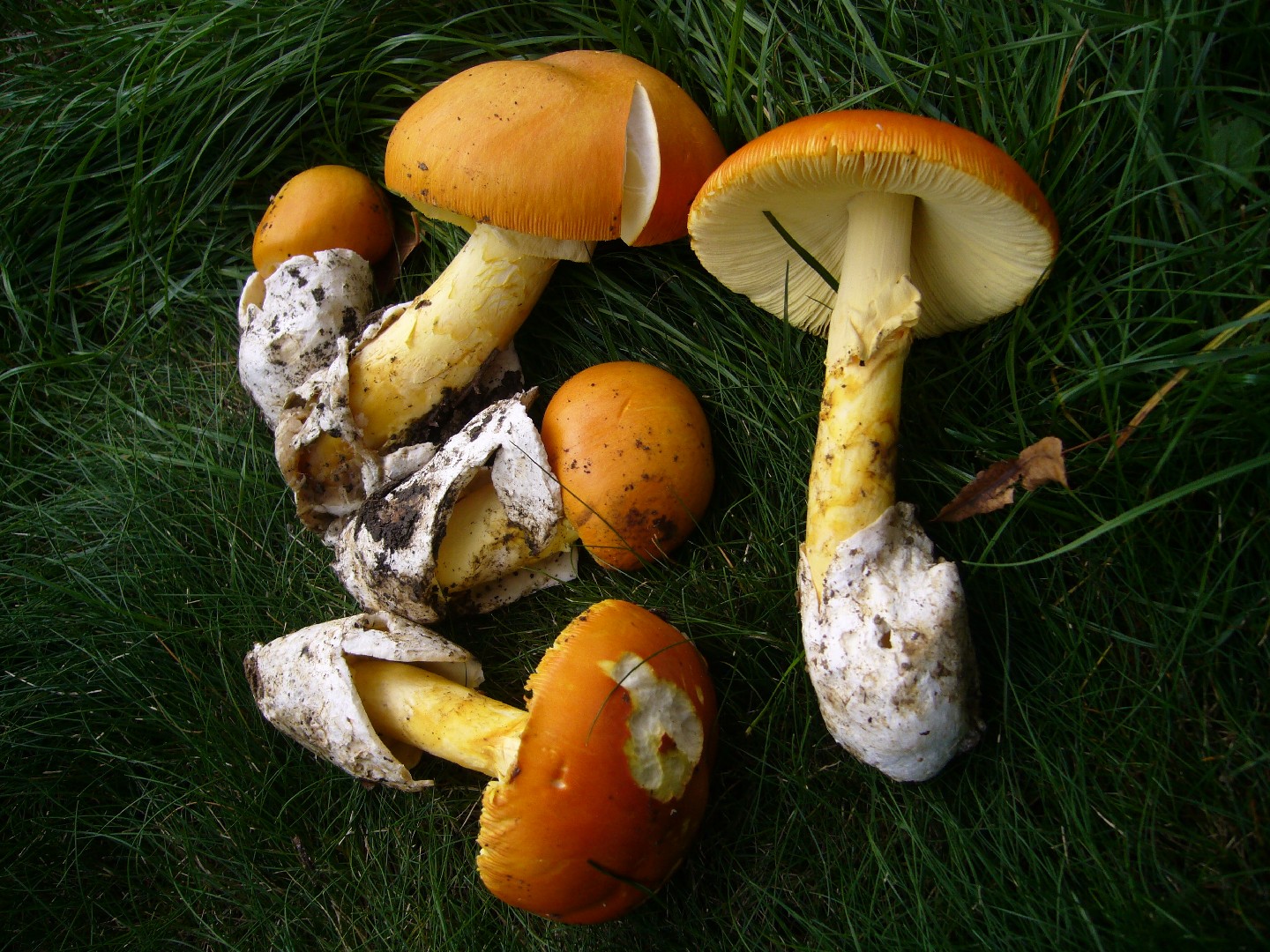
Caesar's mushroom (Amanita caesarea) is a brightly colored Amanita associated with ancient Roman nobility. Sporting a vivid orange cap and a yellow stalk and gills, this mushroom is an exciting find - however, because faded or young individuals may resemble the highly deadly Death Cap, it is recommended that this species be treated with a "look but do not touch" policy.
More







