




Top 20 Most Common Mushrooms in Chantilly
Welcome to our guide on the top 20 ubiquitous mushrooms found in the enchanting region of Chantilly. Known for its lush landscapes, Chantilly teems with an unexpected richness - a thriving fungi population. Here, the Chantilly mushroom, a local favorite, flourishes, showcasing its unique characteristics and hinting at Chantilly's propensity to nurture a multitude of mushroom species. Dive in to acquaint yourself with the Chantilly and why it's one of the most common mushrooms in Chantilly.

Most Common Mushrooms
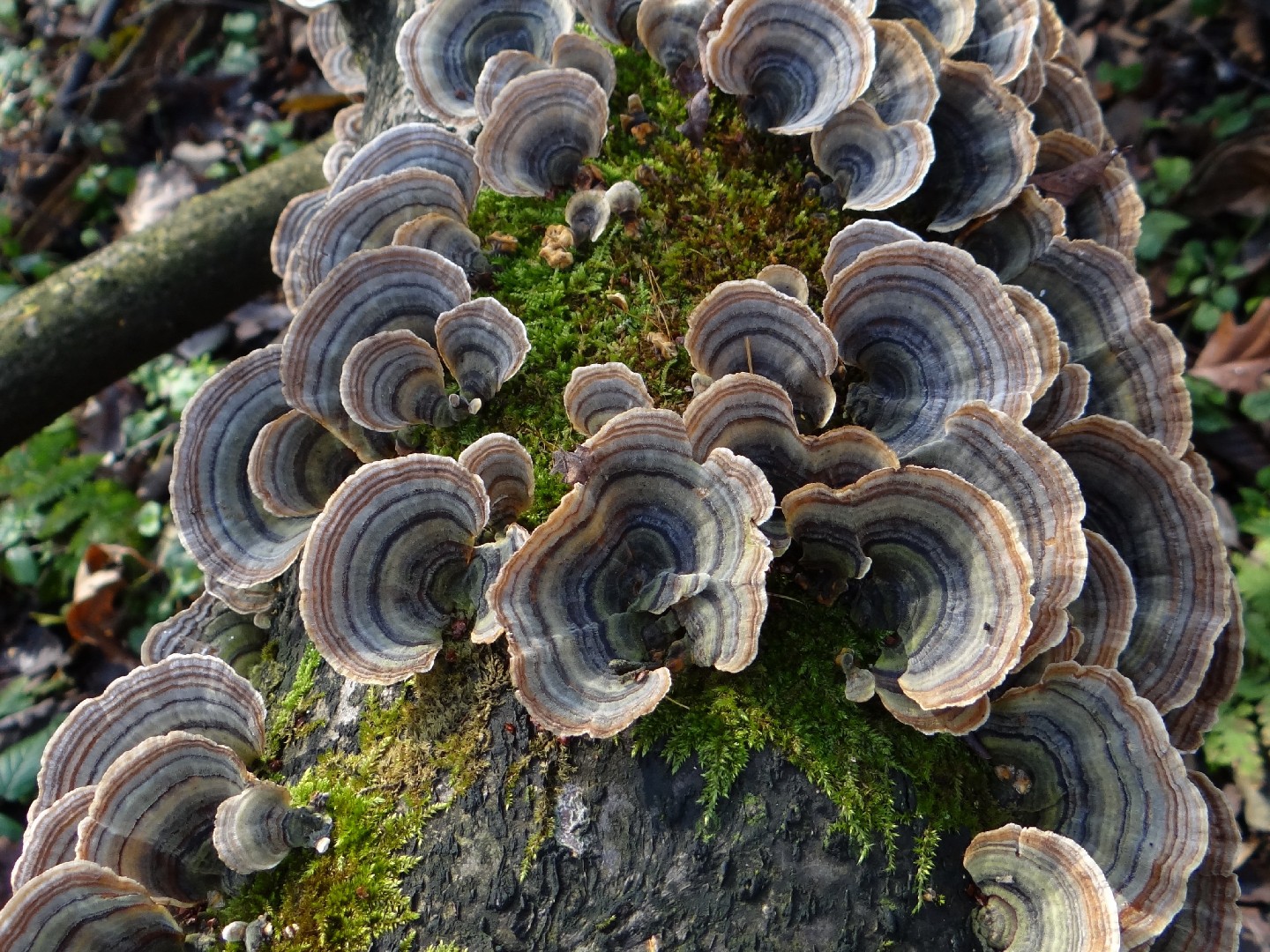
1. Turkey tail
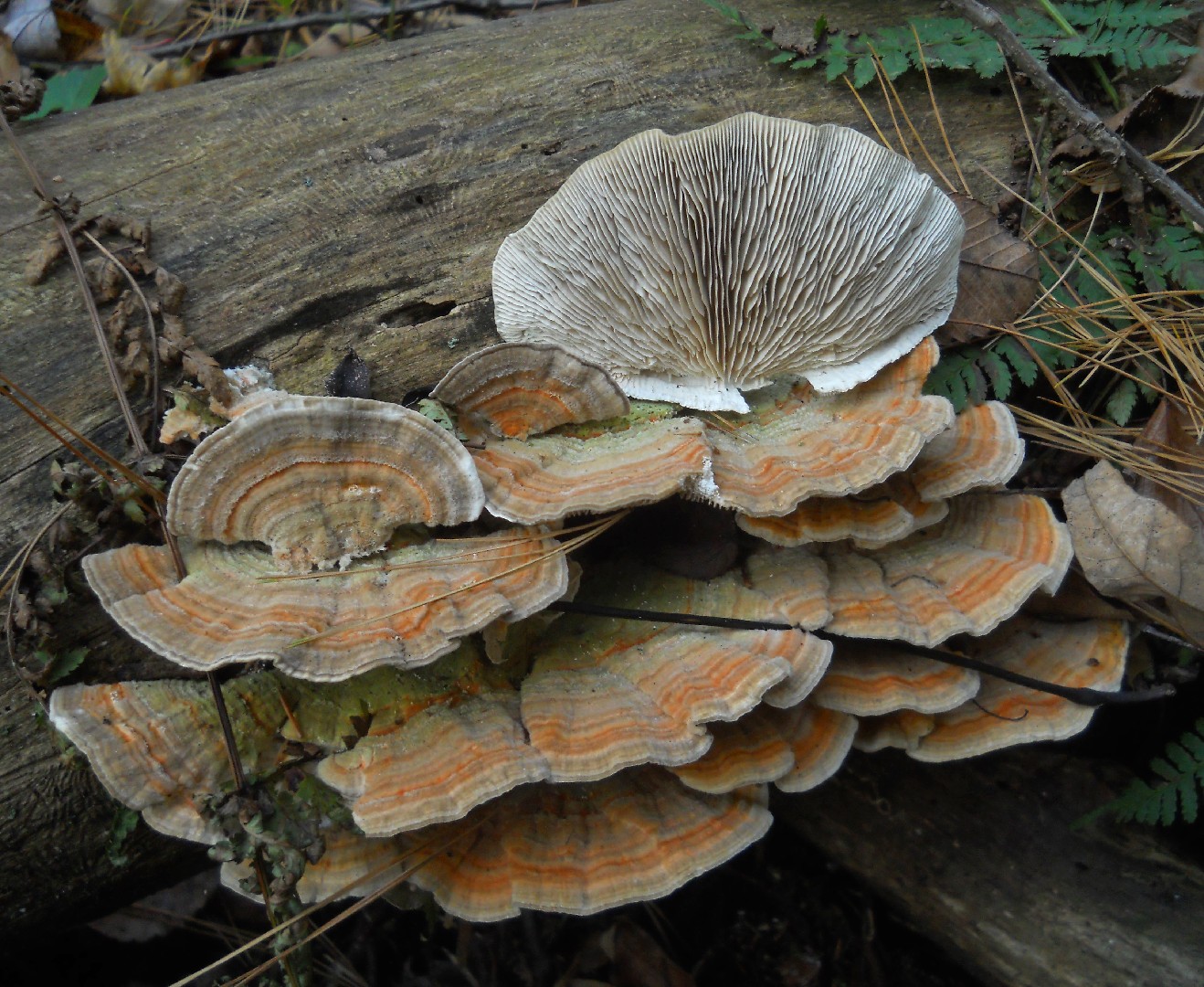
The distinctively-striped turkey tail fungus grows on stumps and logs all over the forests of the northern hemisphere. It is, in fact, probably the most common species you will find. That doesn't mean this mushroom is plain, however; each cap is uniquely patterned. Look for bands of alternating textures as well as color.
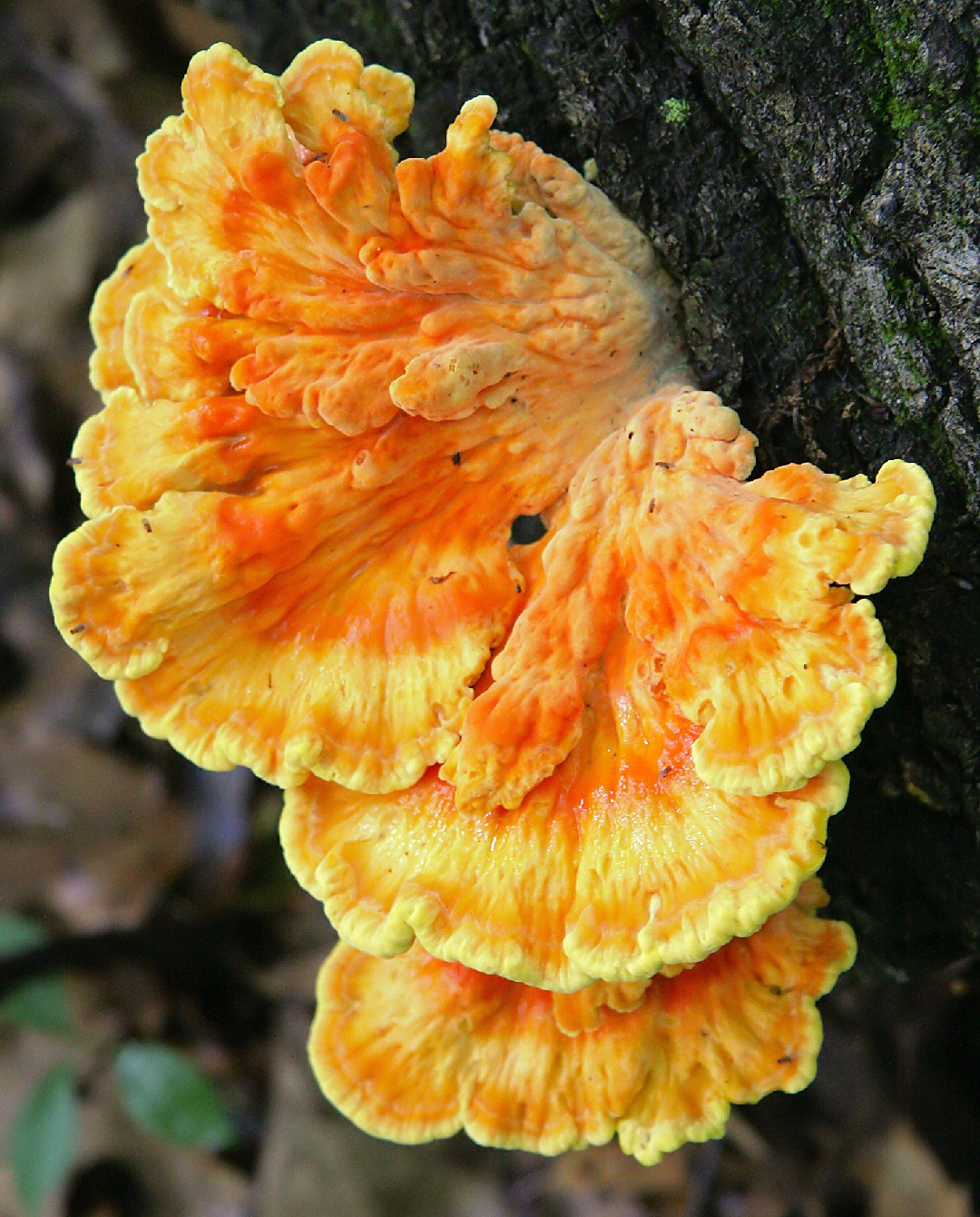
2. Chicken of the woods
Chicken of the woods is very noticeable in hardwood forests, appearing in clusters on standing tree trunks in bright orange and yellow hues that sometimes last through the entire winter. It is a parasite that causes an unfortunate brown heart rot, and is considered a particularly troublesome pest of Yew trees. If the fruitbodies can be seen, the tree is likely already beyond saving.
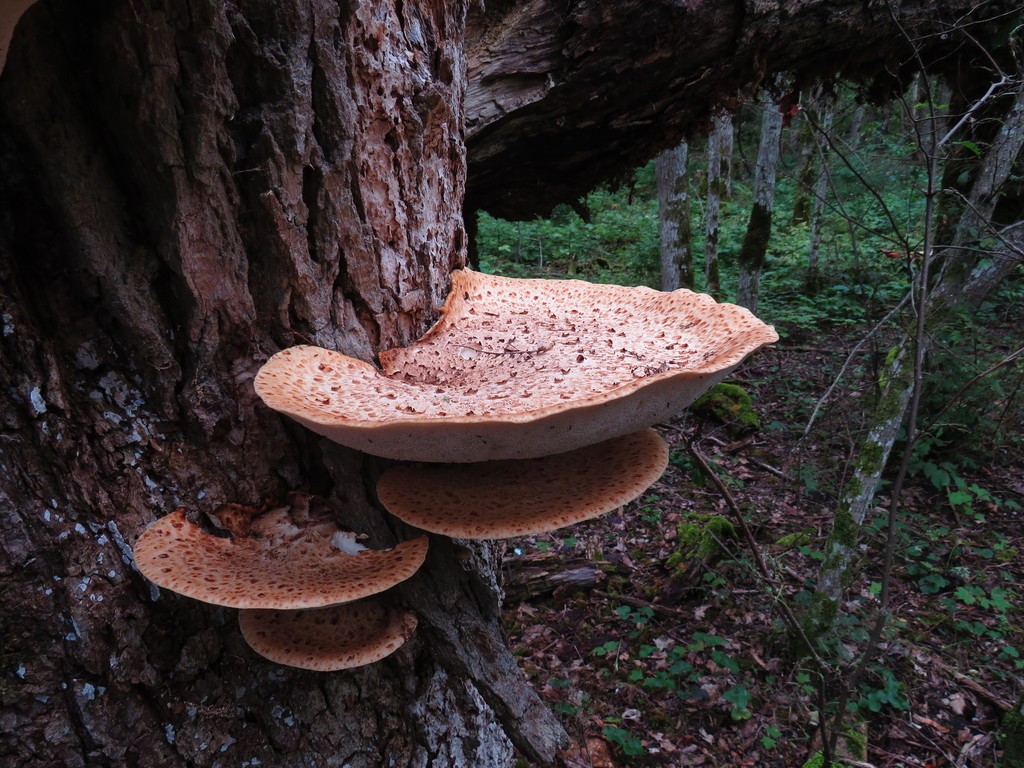
3. Dryad's saddle
A familiar sight to spring morel hunters, dryad's saddle is noteworthy for its large size, striking scales, and watermelon-like smell. Similar to other mushrooms in the bracket fungi family, dryad's saddle can be used to make paper. Younger mushrooms are better suited for this purpose due to their smaller and more consistent fibers.
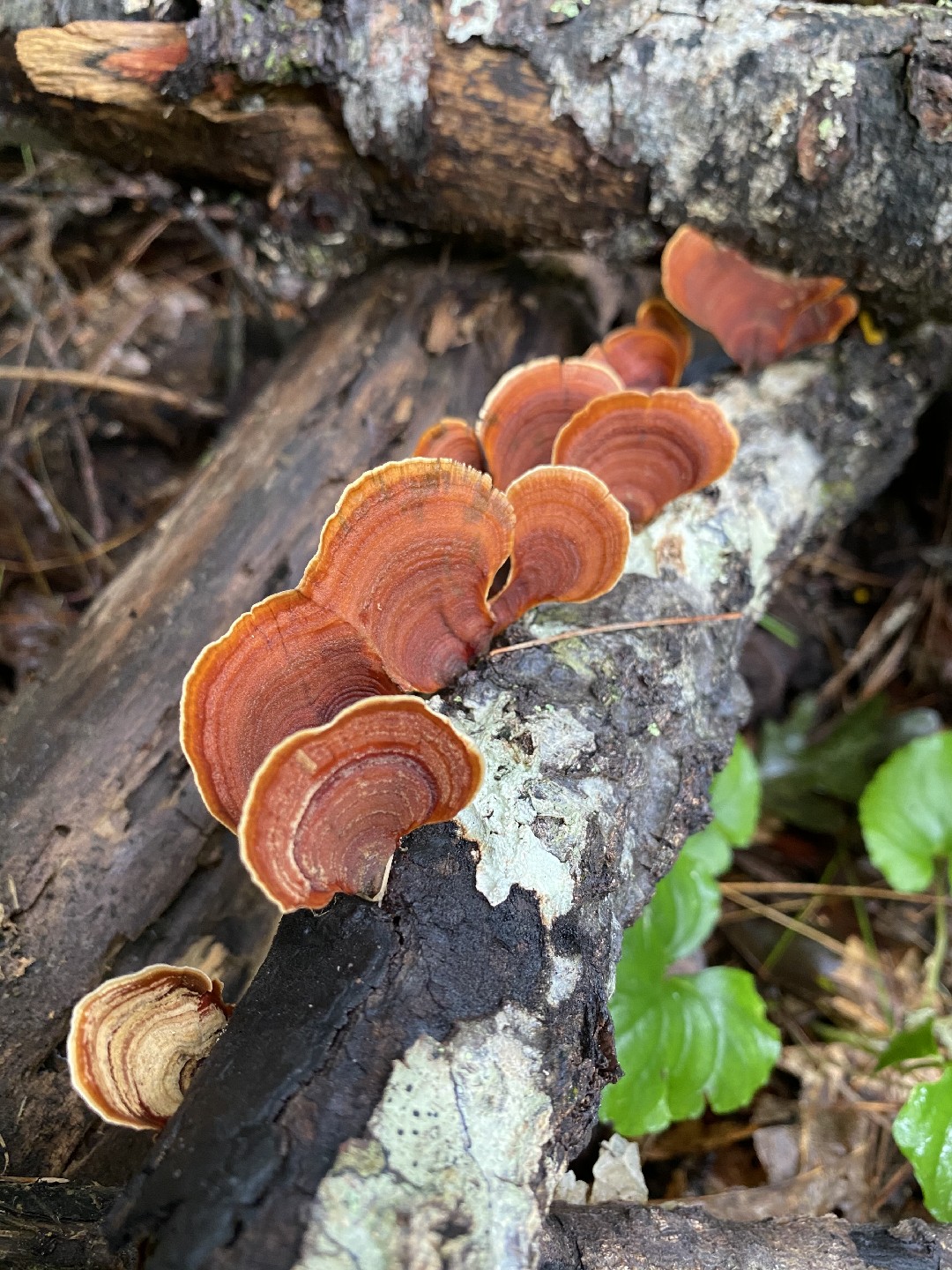
4. False turkey-tail
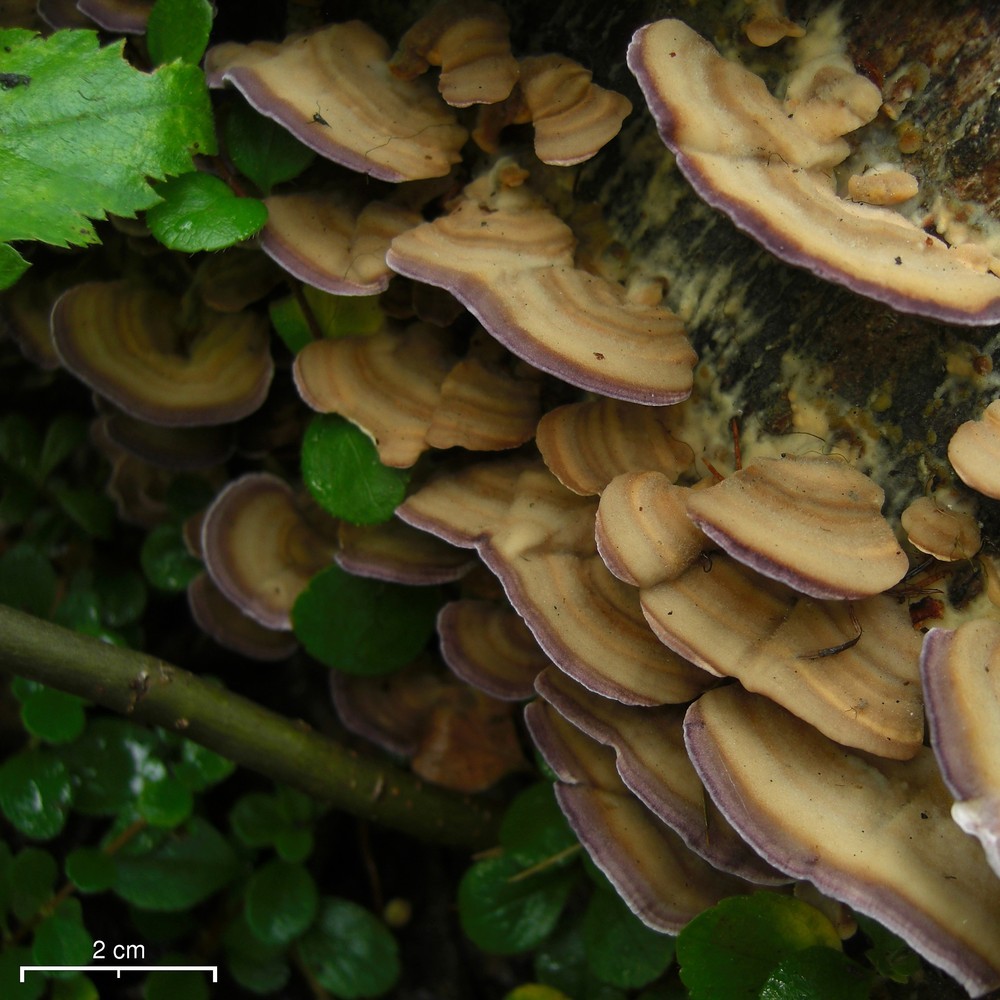
A common woodland fungus found across North America, the false turkey-tail thrives in wet environs and can be found in copious quantities on decaying wood. The species is so-called because it looks similar the also-common Turkey Tail (Tremetes versicolor) - both species grow in thin, roughly semi-circular sheets. False turkey-tails have tough, woody bodies and are considered to be inedible.
5. Cedar-apple rust
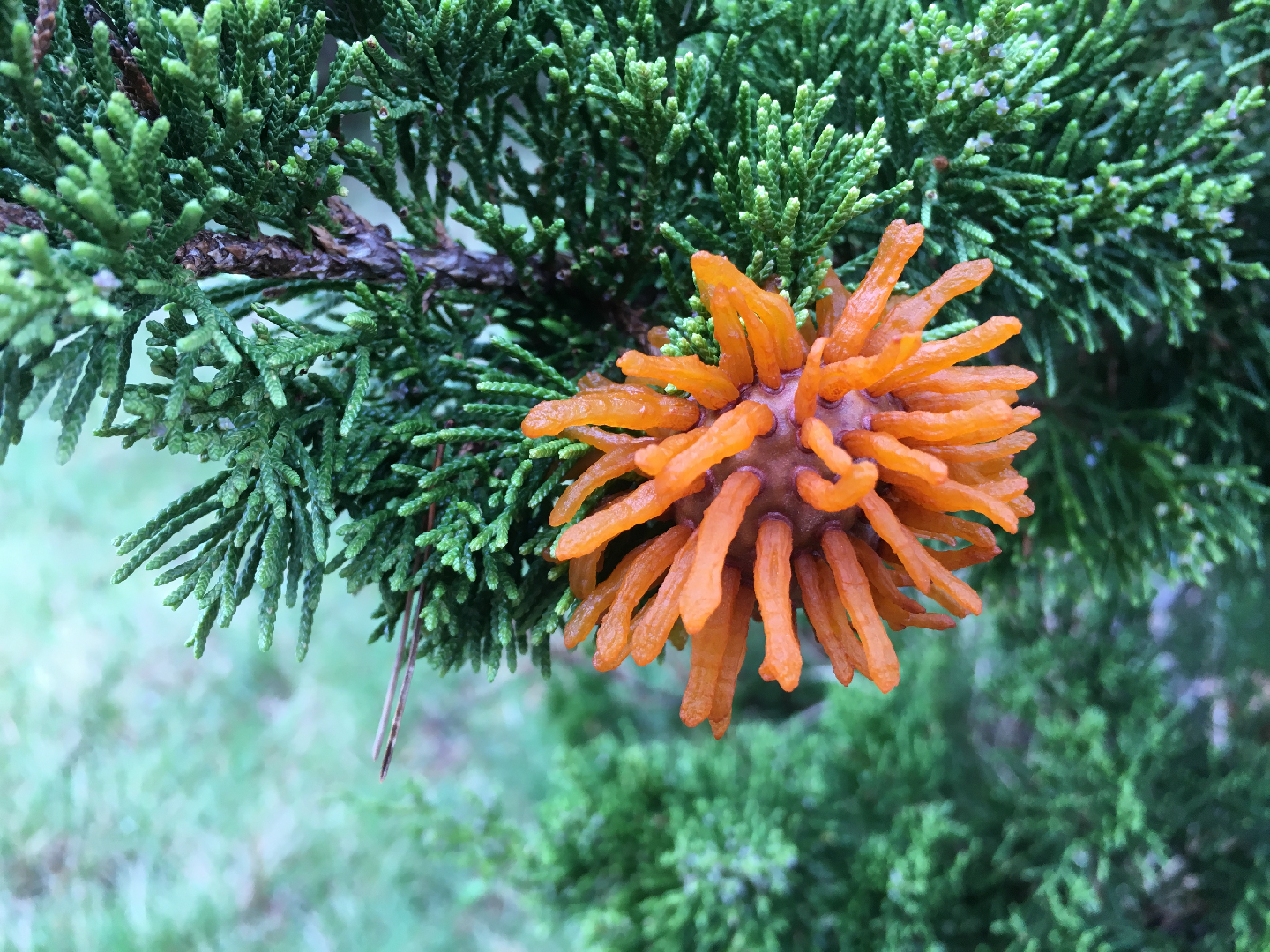
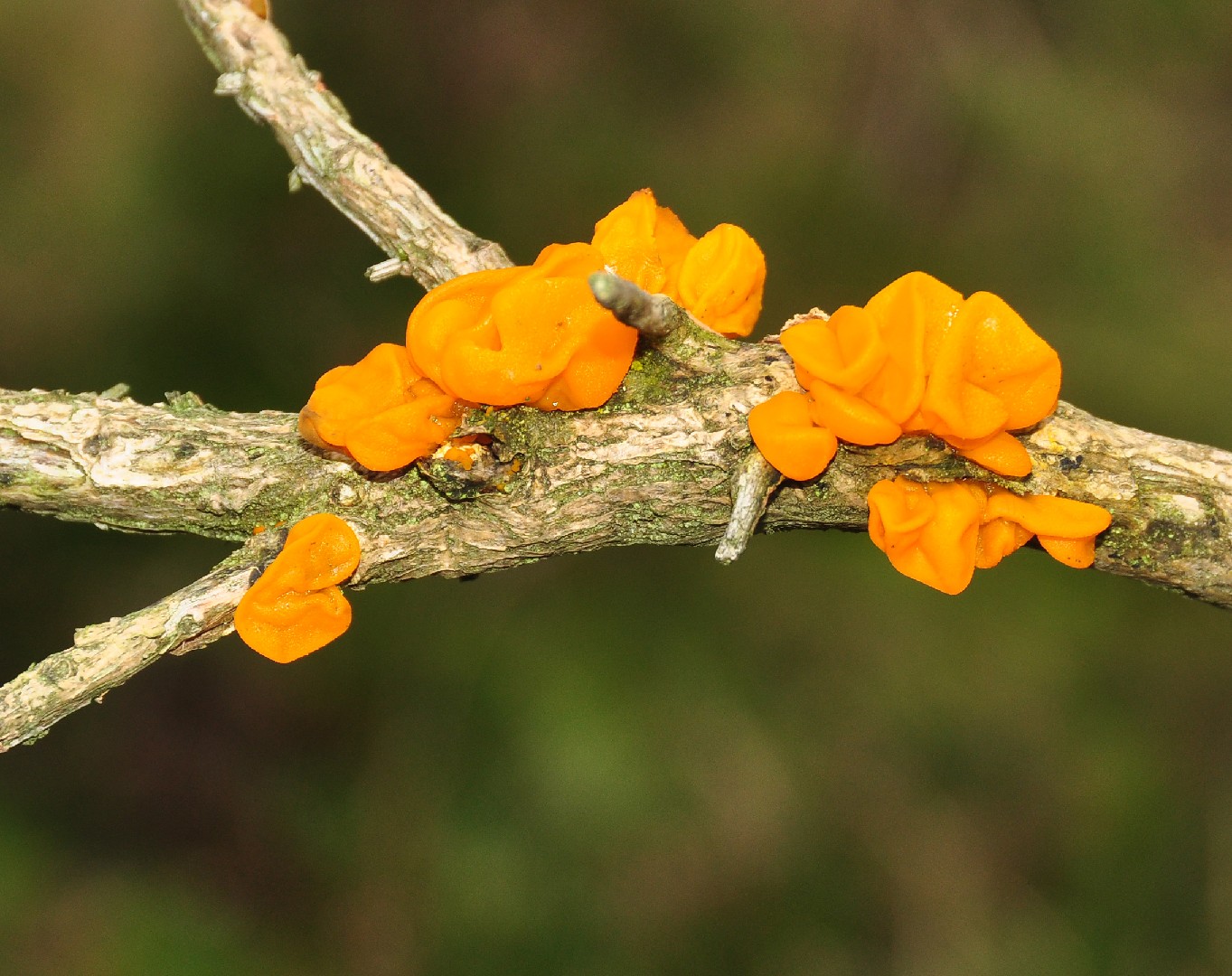
The vividly-colored fruitbodies of cedar-apple rust (Gymnosporangium juniperi-virginianae) might be mistaken for flowers, from a distance. Upon closer inspection they can be identified as fungal growths attacking the fruit of cedar trees. Their microscopic spores can travel up to an astounding 5 miles when carried on the wind and infect cedars quite far away, weakening the trees as they grow.
6. Pear-shaped puffball
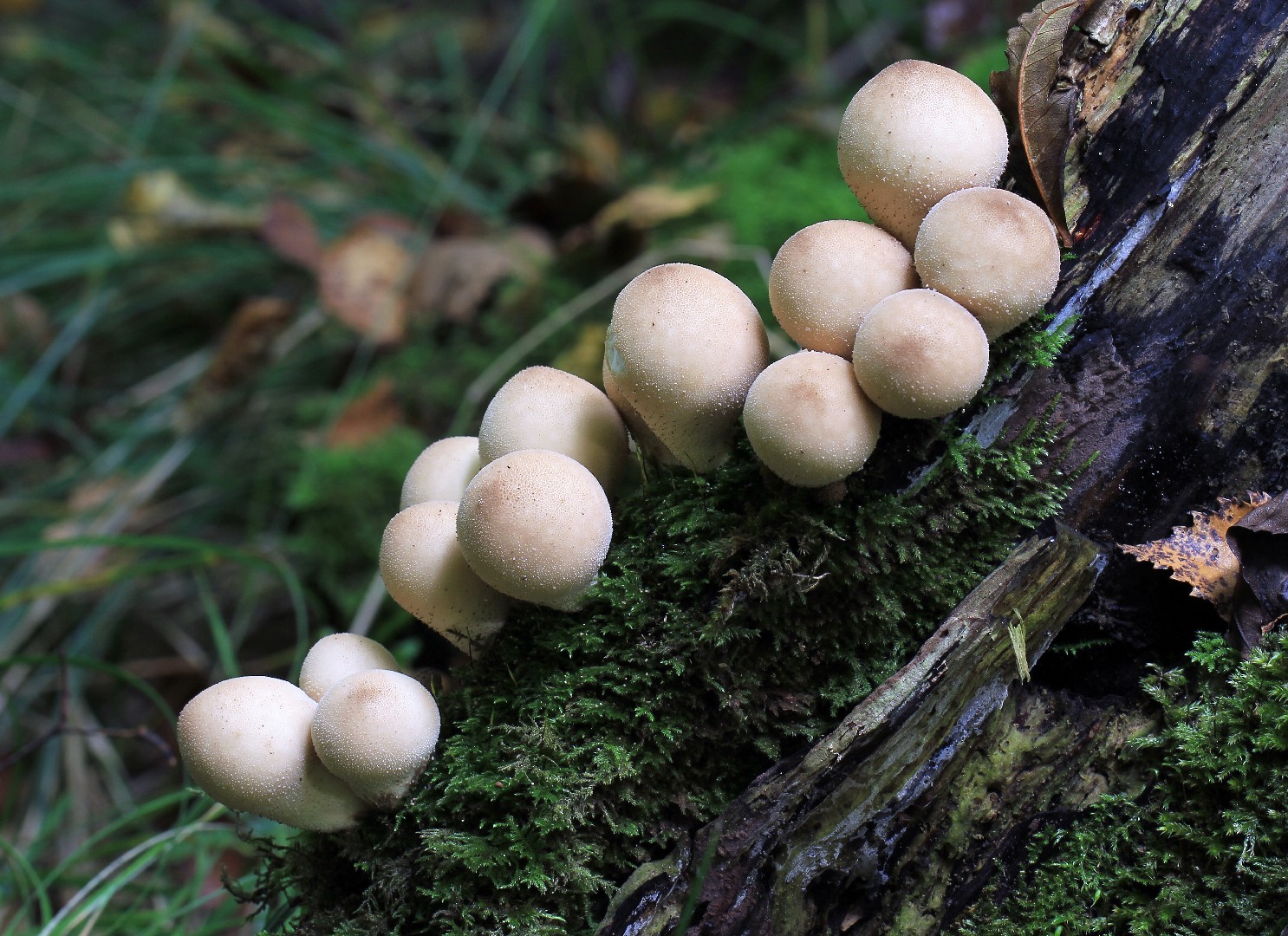
The mushrooms of this species grow in such tight clusters that they may cover fallen trees and stumps almost entirely in a brownish, puffy coat. Pear-shaped puffballs appear all around the northern hemisphere on decaying hardwoods from fall through winter.
7. Black-staining polypore
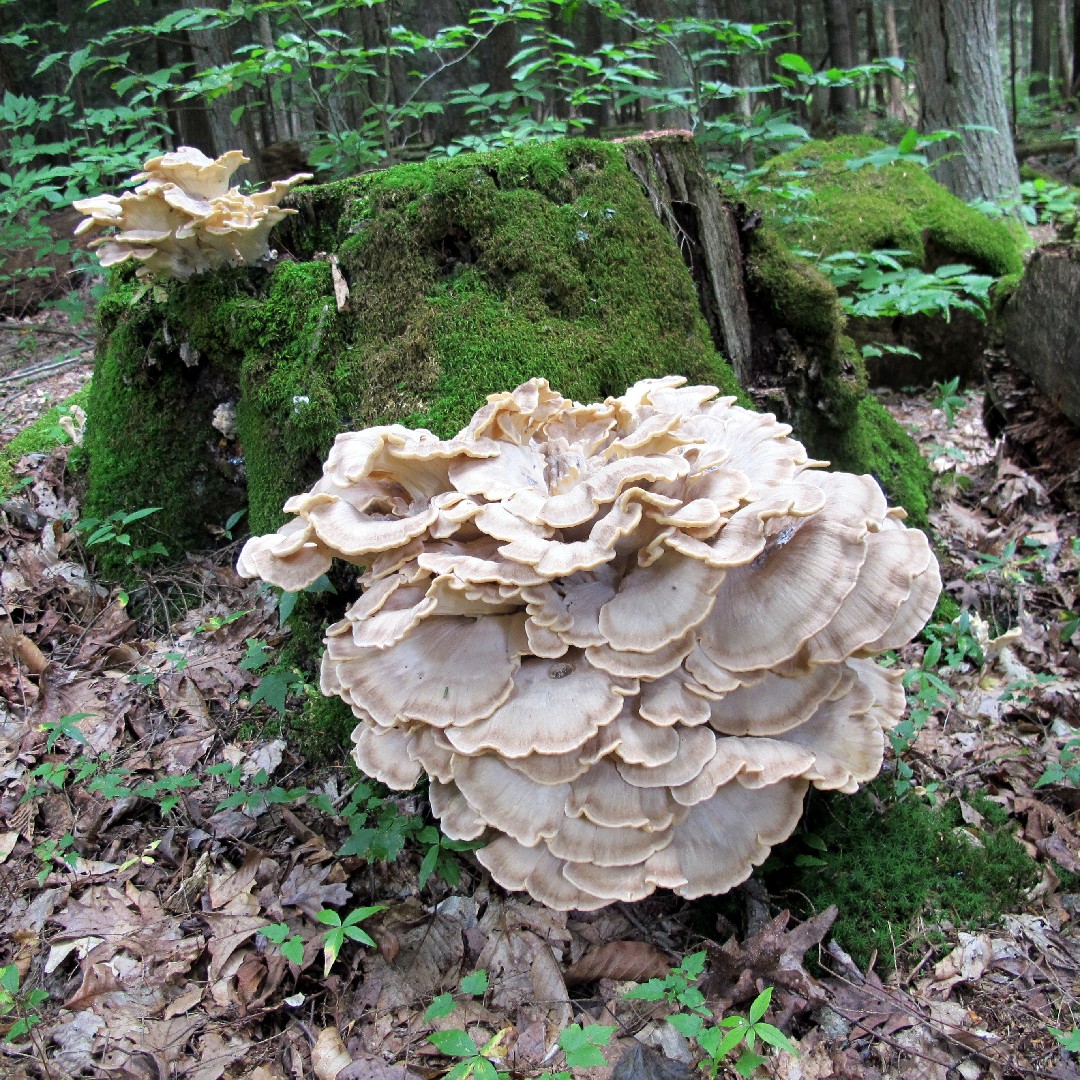
The black-staining polypore (Meripilus sumstinei) is strikingly large. This giant mushroom erupts from decaying tree roots and displays its flat caps in a rosette pattern. They range in color as they mature, starting out a pale yellow and turning dark and smokey looking with occasional black spots.
8. Lion's Mane Mushroom
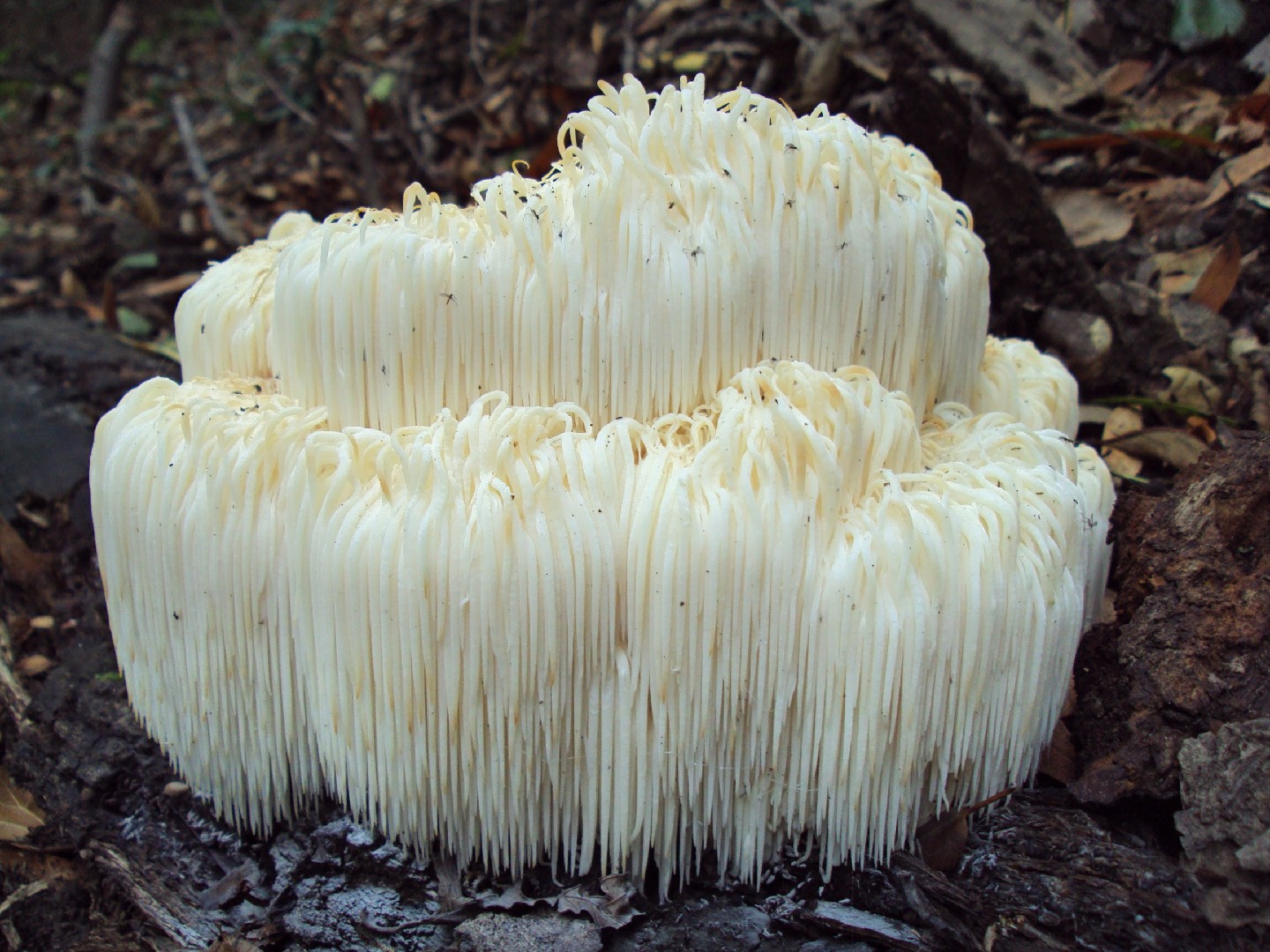
Lion's Mane Mushroom(Hericium erinaceus) is easily identifiable by its characteristic appearance, reminiscent of the majestic mane of a lion. It often sprouts along hardwoods, which may be living or dead. Scientists thus debate whether this species is truly parasitic or merely saprophytic in nature.
9. Split gill
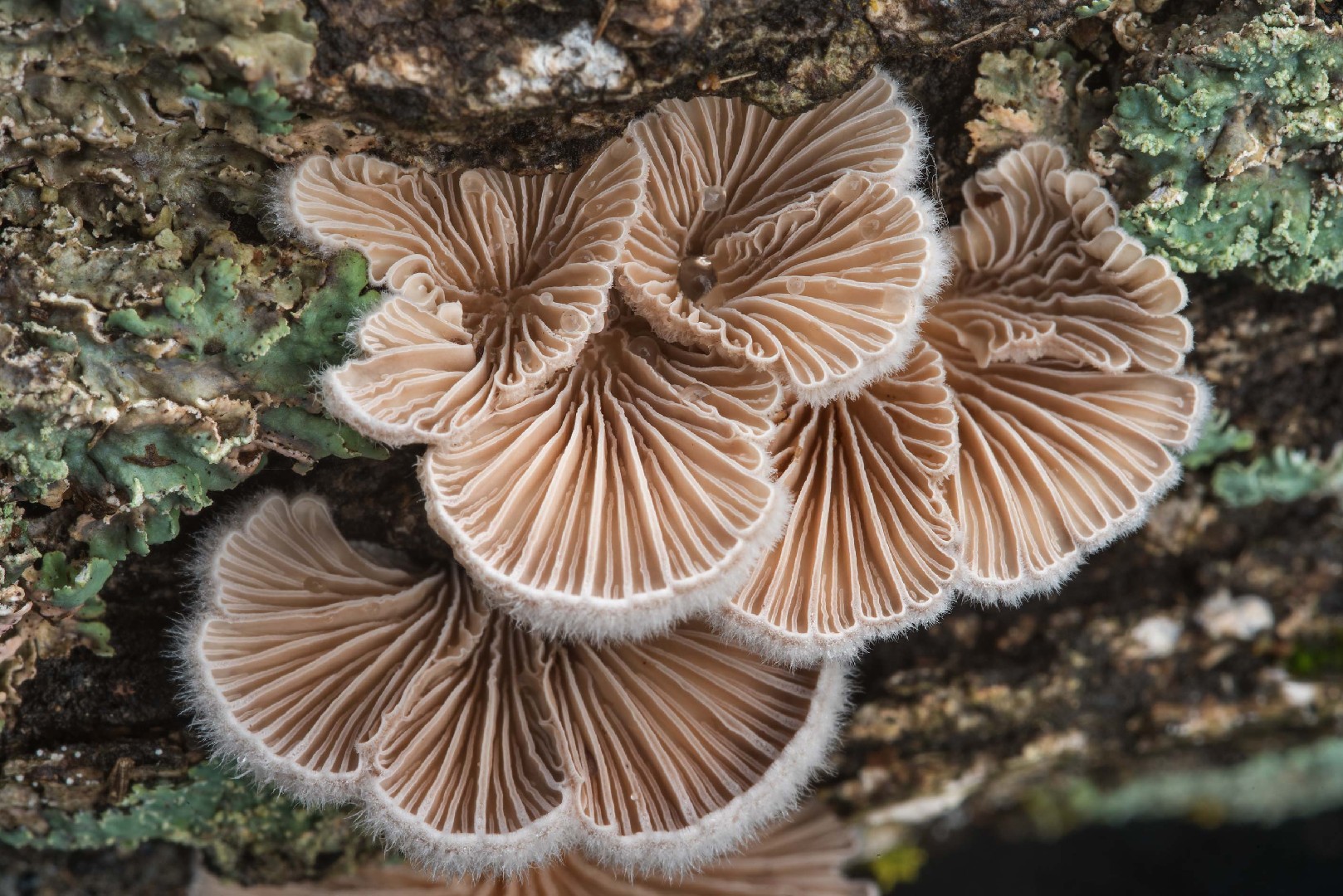
Split gill(Schizophyllum commune) can be found across the globe. Uniquely, it is the only mushroom species known to display the capability to retract by movement. It is considered inedible, although not necessarily toxic. Furthermore, it is not recommended to smell this species, as the spores are capable of sprouting and growing in nasal passages.

10. Ceramic fungus
The fruit body, or crust, of Xylobolus frustulatus has a woody texture and is perennial. It is mostly 1–2 mm thick, although it can be considerably thicker. The crust is frustose (cracking into small, angular polygons), and infrequently curled at the edges. The upper surface is zonate (appearing to have multiple zones of color or texture), and more or less smooth. The hymenial surface is smooth to the naked eye, although long soft hairs can be seen when viewed with a microscope. These 'hairs' are protruding acanthocystidia (cystidia bearing a few projections near the tip) and hyphae. Young layers are pale ochraceous, while older ones dull to deep brown. The fungus is inedible, and lacks any distinctive taste or odor. The hyphal system is monomitic, meaning that there are only generative hyphae (relatively undifferentiated hyphae that can develop reproductive structures) are present. These vertically arranged, short-celled hyphae form transitions to acanthocystidia, and have a diameter of about 3.5–5 µm. They are sparsely branched, and hyaline (translucent) to yellowish-brown, although those in older layers may be more strongly pigmented. Other hyphae (such as in the trama) are few or absent, although they can be most readily observed in very thin sections. Measuring 3–5 µm wide, they are vertically arranged, thin to moderately thick-walled, and form transitions to pseudocystidia. All of the hyphae of X. frustulatus lack clamp connections. Pseudocystidia (sterile structures arising deep in the subhymenium and protruding into the hymenium) are rare. Thin to moderately thick-walled, they rarely project above the basidia and acanthocystidia. The acanthocystidia are numerous, and have dimensions of 25–30 µm long by 4–5 µm wide. The basidia (spore-bearing cells) are shaped like long clubs, four-spored, and measure 25–30 by 4–5 µm. They are smooth or have a few basal protuberances (acanthobasidia). The spores are short-ellipsoid in shape, thin-walled or with a slight wall thickening, smooth, typically measuring 4.5–5 by 3–3.2 µm. They have a distinct amyloid reaction. 
More







