




Top 20 Most Common Mushrooms in Clearfield
Welcome to our exploration of the 'Top 20 most common mushrooms' featuring Clearfield, a haven for fungal enthusiasts! Defined by lush greenery and rich soils, Clearfield is a beacon for diverse mycoflora. In Clearfield, a plethora of mushrooms thrive, thanks to the region's suitable climate and environment that mushroom species find irresistible. Join us to unlock these intriguing fungi's secrets!

Most Common Mushrooms

1. Shaggy mane
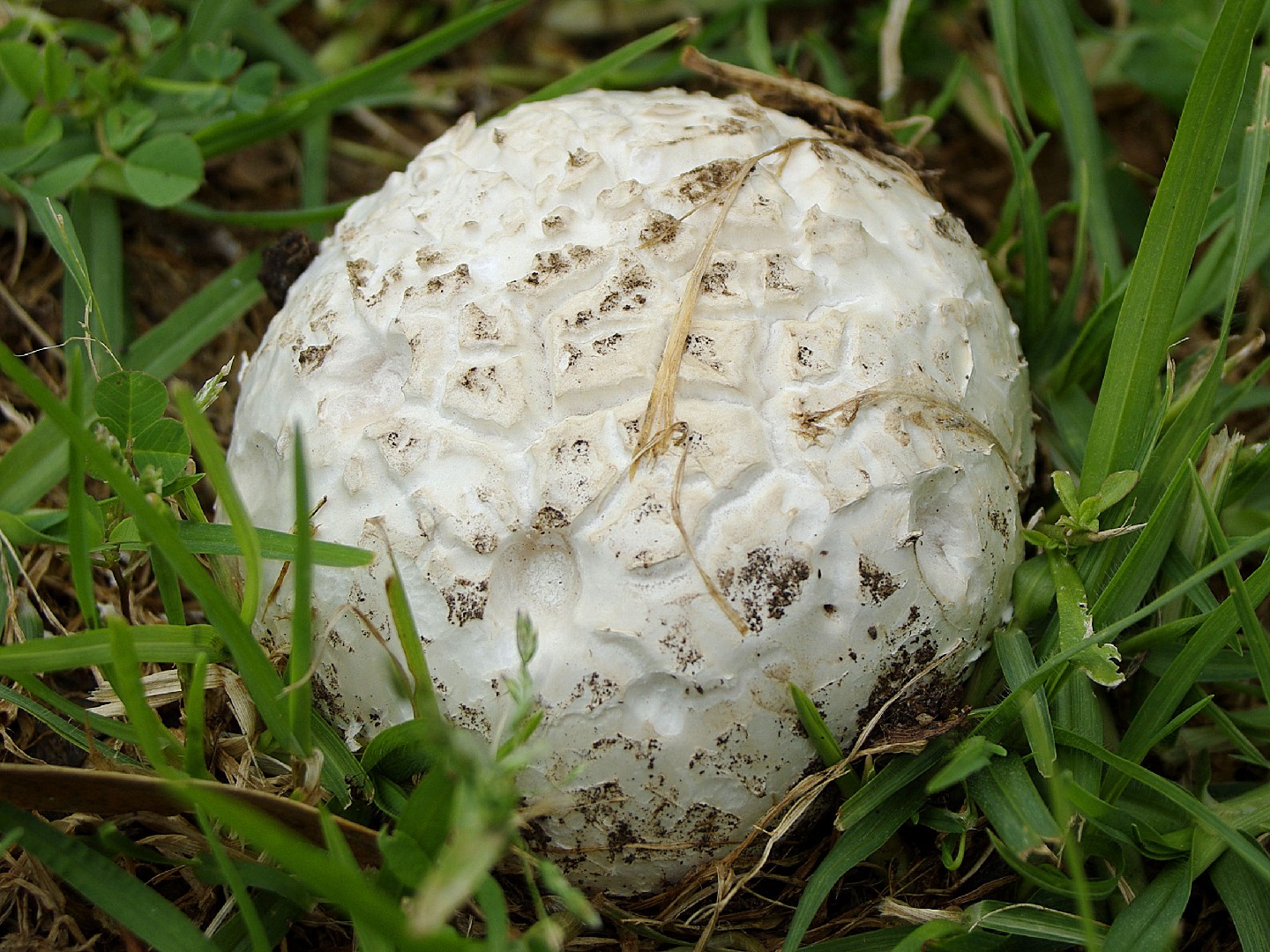
The shaggy mane mushroom is commonly found in North American and European grasslands. Some peoples foraged for its young egg-shaped caps, but it has more recently been found to be a bioaccumulator of heavy metals, meaning it pulls toxic metals up from the soil where it grows. As a result, shaggy manes should not be eaten. The mushrooms usually appear in clusters or “fairy rings.”
2. Common ink cap
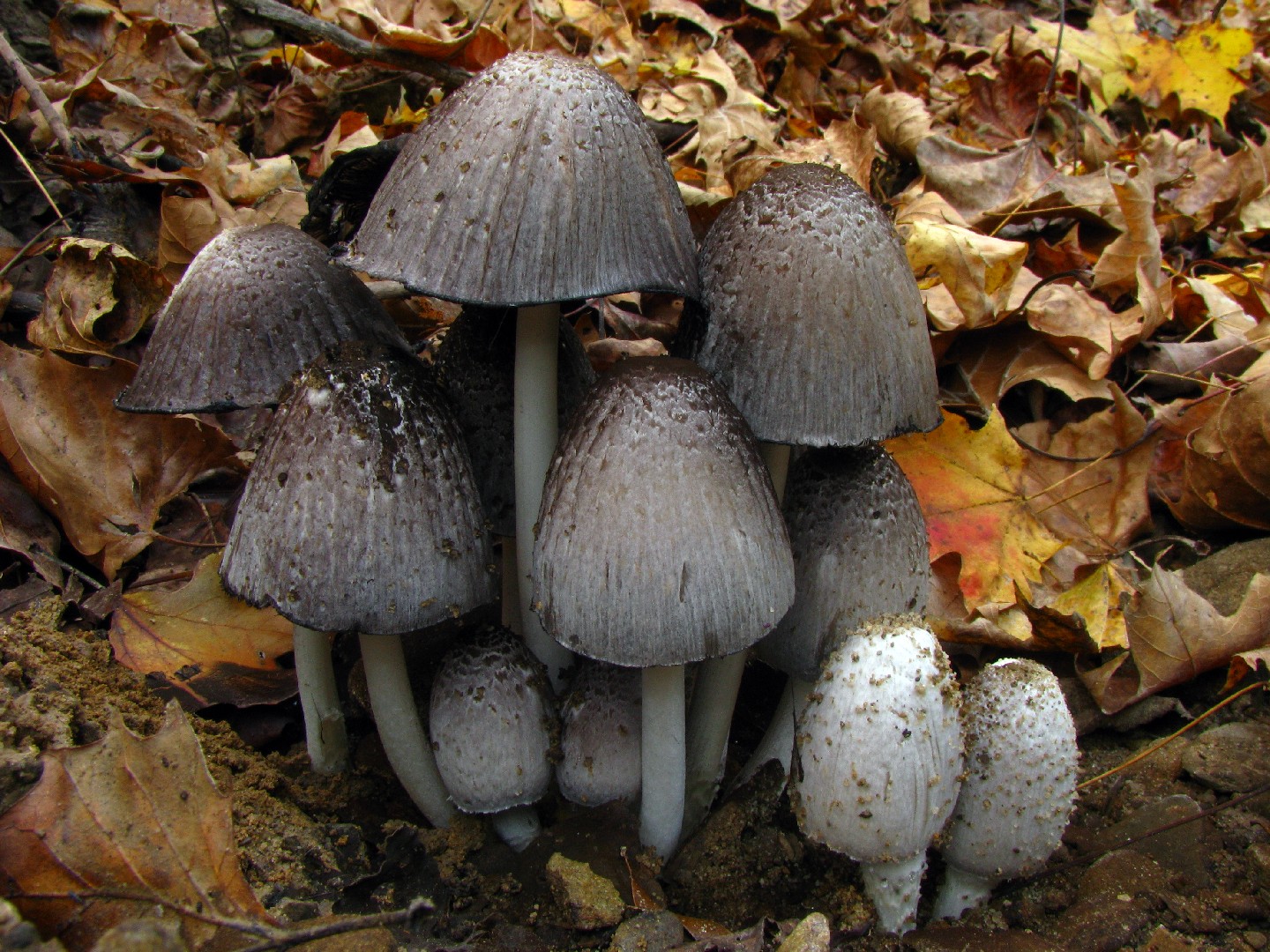
Common ink cap mushrooms grow in clumps from buried wood or tree stumps. They come up with such strength that they have been known to lift pavement or break through asphalt. As they age, their gills will turn black and liquefy, creating the "inky" substance for which they are named.
3. Enoki
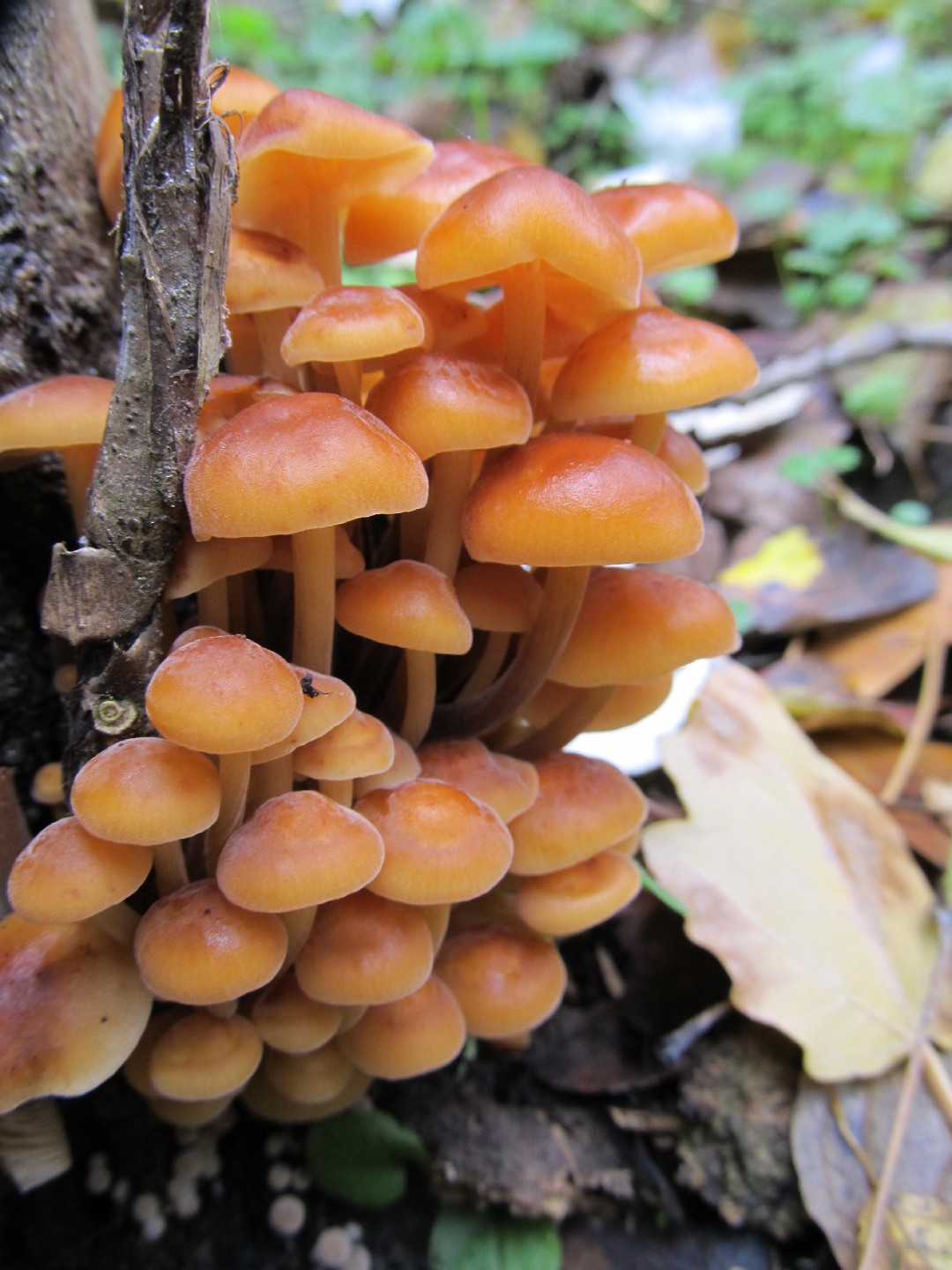
The enoki grows wild on dead elm trees, and is also cultivated for human use. This flavorful species (Flammulina velutipes) has been used in dishes around the world for generations, being particularly high in nutrients. Though store-bought enoki are often plain white, wild ones can be found in a range of colors.
4. Mica cap
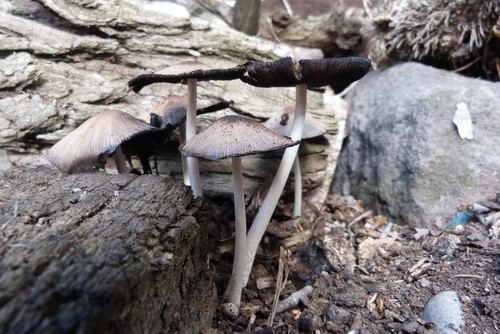
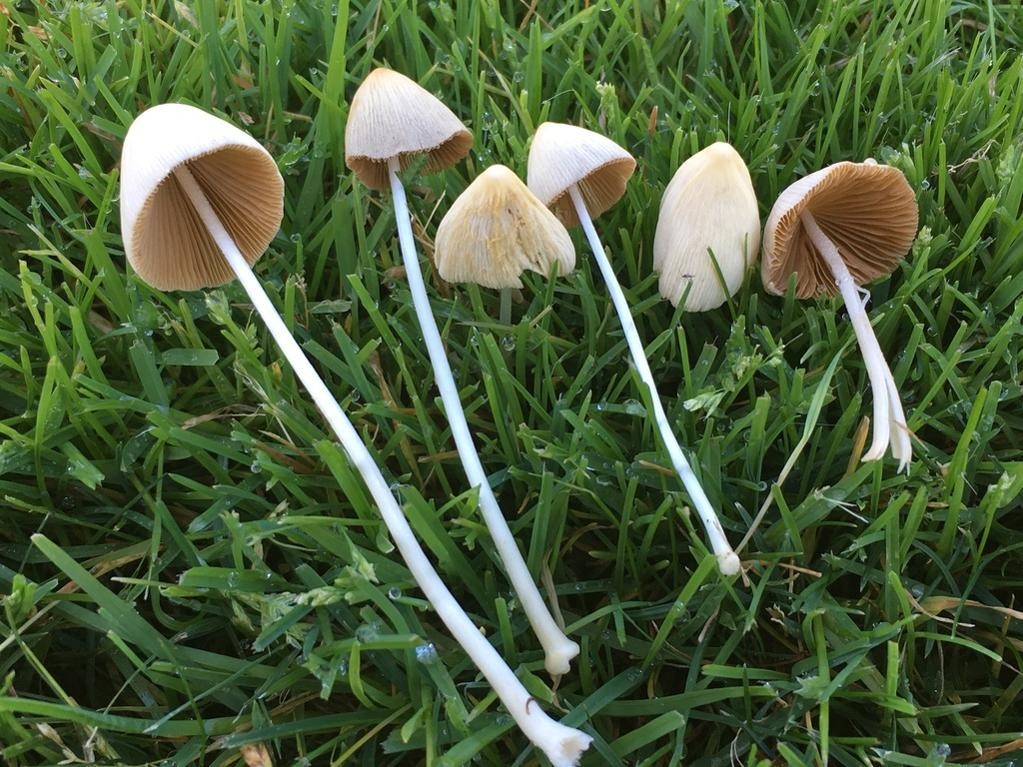
The bell-shaped mica cap mushrooms grow in clusters on wood debris and stumps, from spring to autumn. The caps appear wet and inky once they mature and begin to release spores. At that point, they can be boiled with cloves to create a useful black ink.
5. Spring orange peel fungus
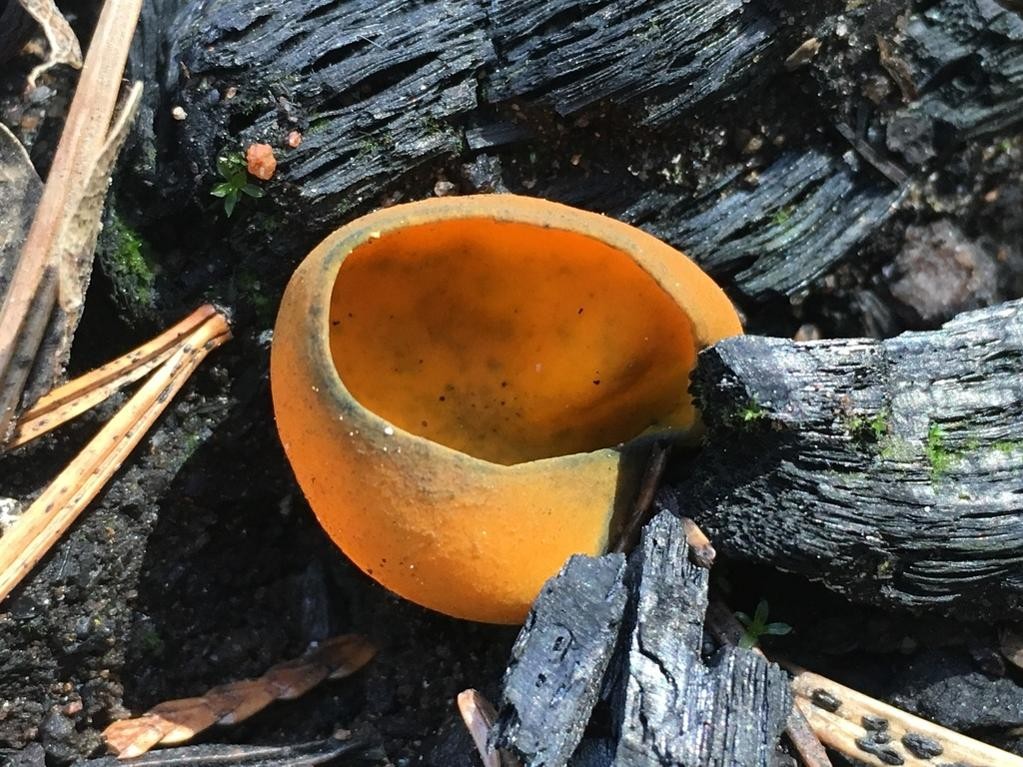
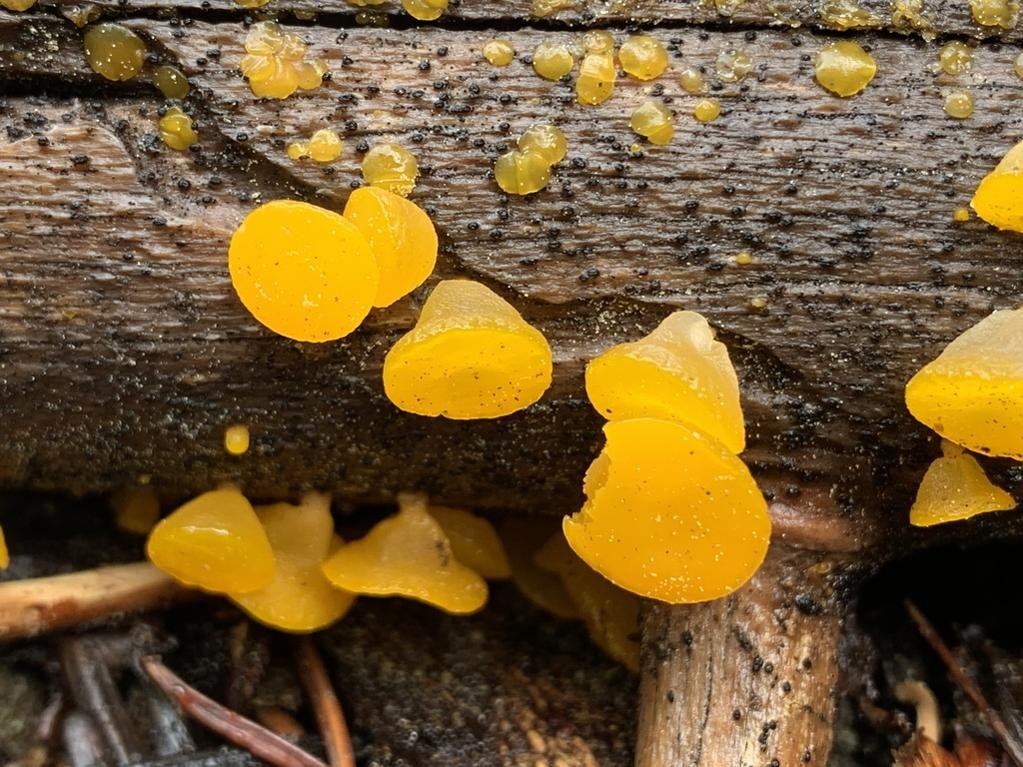
A rare albino mutant lacking orange pigment The fruiting body of C. fulgens is roughly cup-shaped, although the cup may be somewhat flattened, lopsided or split; the size is up to 4 centimetres (1.6 in) in diameter. The inner surface of the cup is orange-yellow, while the external surface is pale yellow. Either the margin around the rim or the entire outer surface may be stained olive-green. The green or bluish staining that occurs upon injury or with age is unique within the Pezizales order. The stem, if present, is rather short. The spore deposit is white. A single specimen of an albino form, 2 centimetres (0.8 in) in diameter, was discovered in Northern Idaho; it was found to be lacking the pigment responsible for staining the outer surface olive-green. The spores are translucent (hyaline), roughly spherical, thin-walled and smooth, with dimensions of 6–8 µm in diameter. The asci, the spore-bearing cells, are cylindrical and 80–100 by 7–8 µm; the paraphyses are thin and filamentous and contain orange granules. Edibility has not been recorded for this fungus. 
6. Dryad's saddle
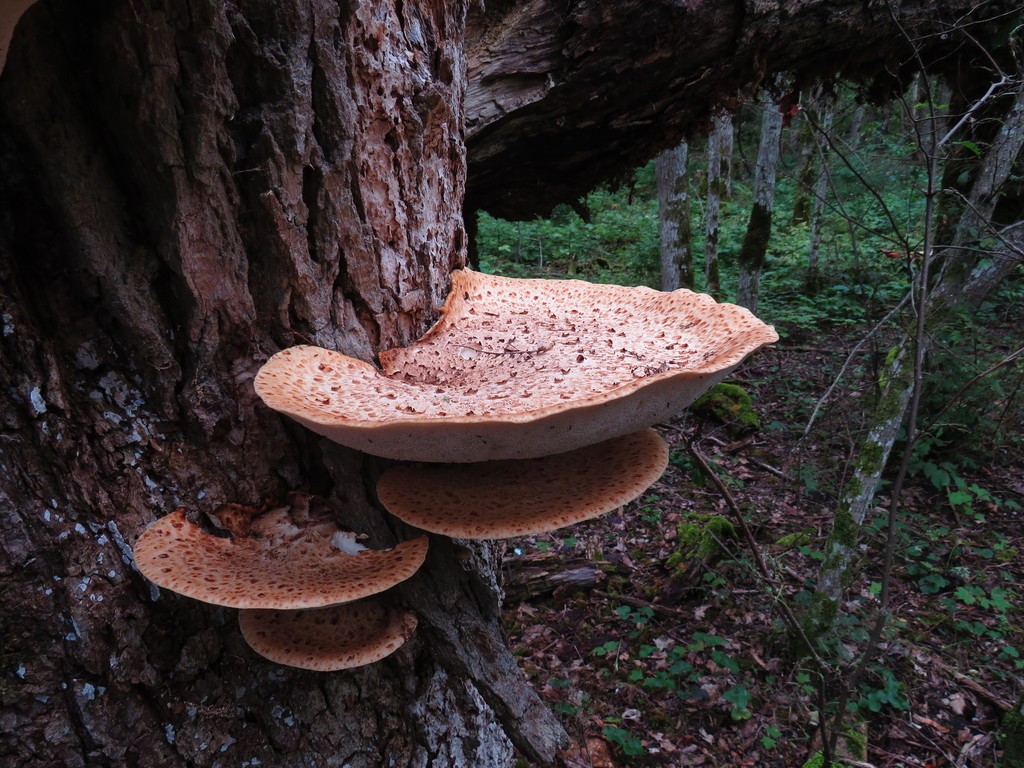
A familiar sight to spring morel hunters, dryad's saddle is noteworthy for its large size, striking scales, and watermelon-like smell. Similar to other mushrooms in the bracket fungi family, dryad's saddle can be used to make paper. Younger mushrooms are better suited for this purpose due to their smaller and more consistent fibers.
7. Reishi
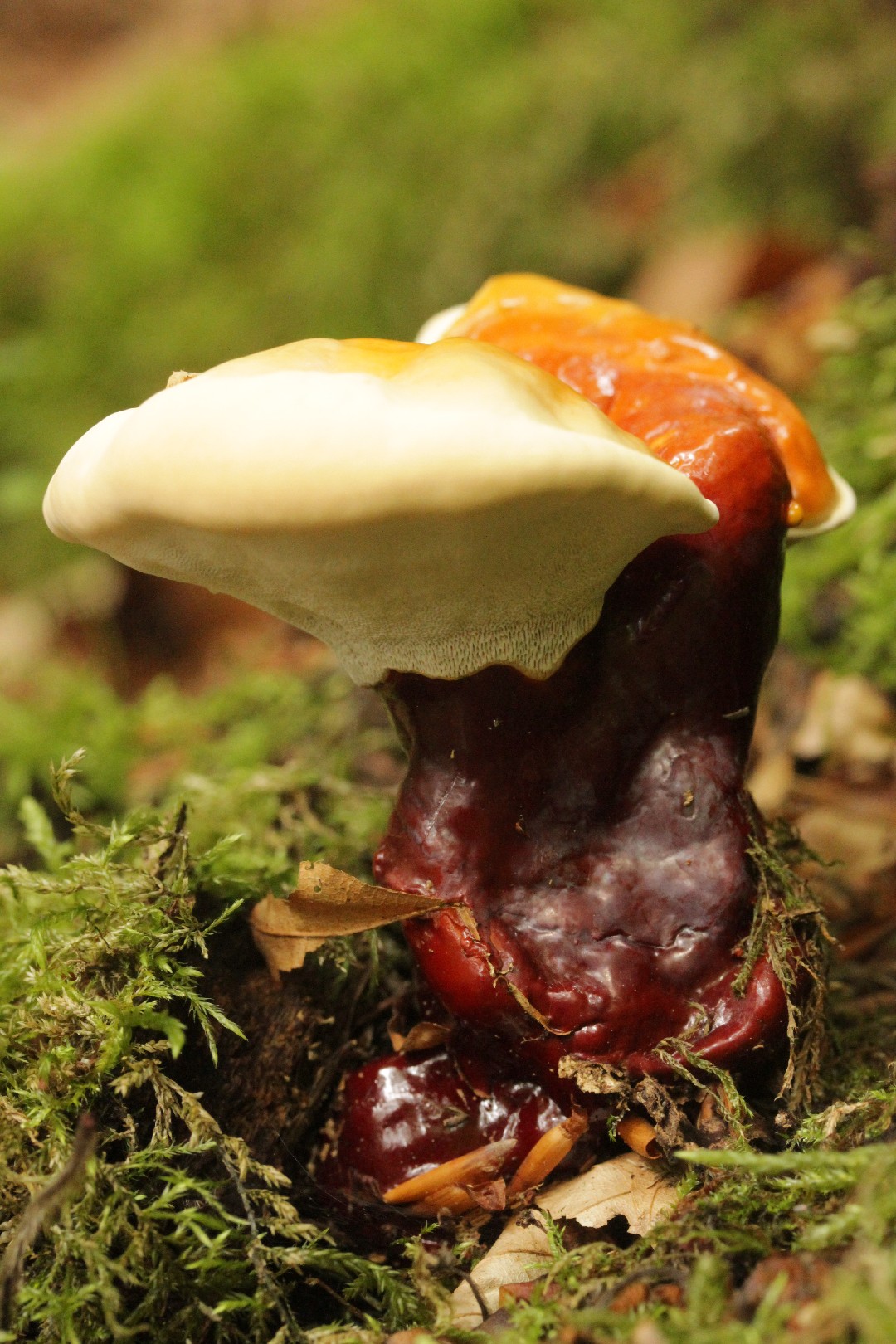
The reishi (Ganoderma lucidum) is a large shelf fungus that grows as a bracket off the sides of trees, or occasionally as a rosette on the tops of stumps. Its surface is smooth and shiny. Growing wild from warm temperate zones to the subtropics, the reishi is also cultivated on grain and sawdust for commercial use. The mushroom has cultural significance in some Chinese cultures.
8. Lung oyster
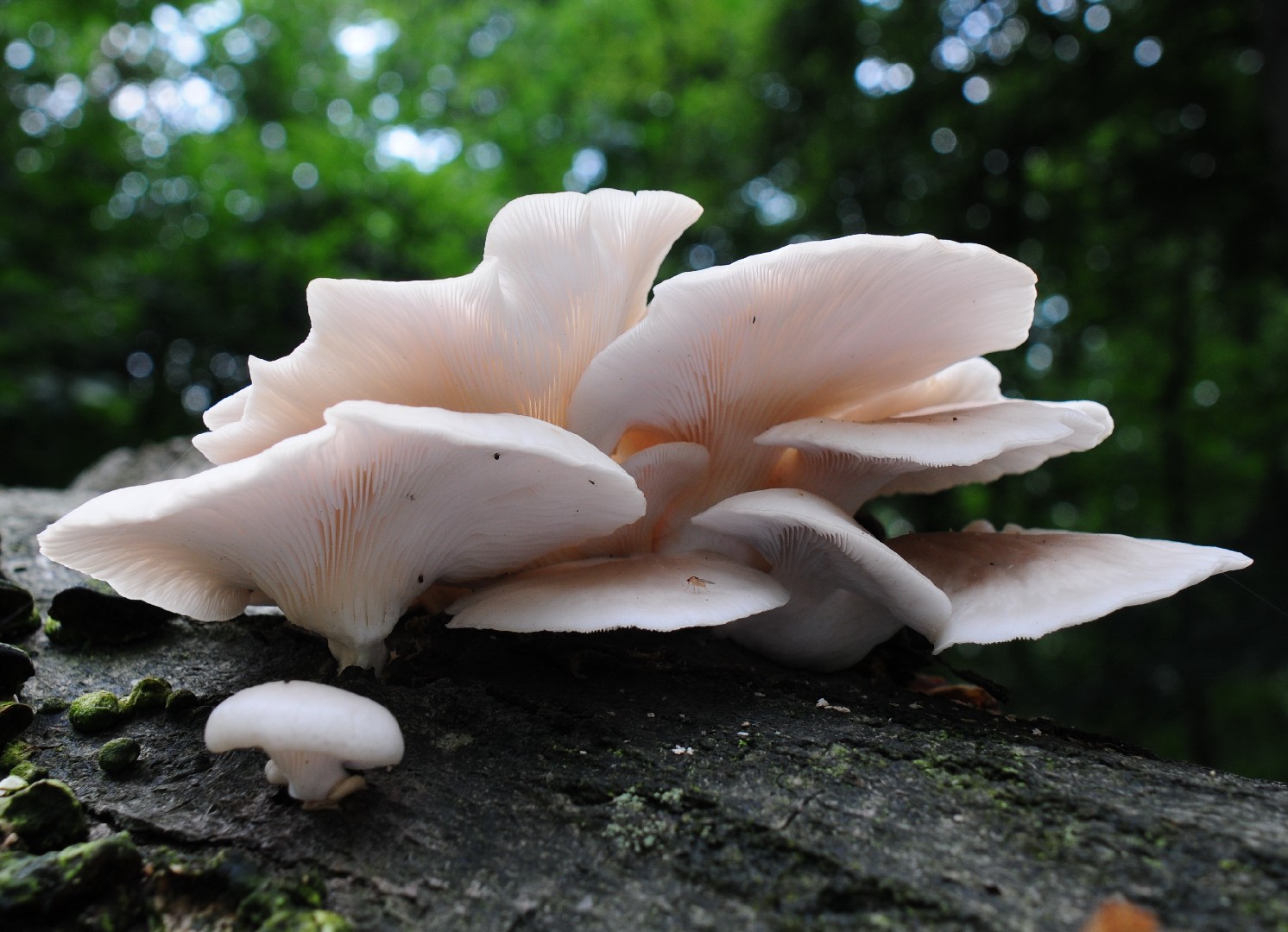
Developing all around the northern hemisphere, lung oyster mushrooms grow in overlapping shelf-like clusters on deciduous branches, trunks, and fallen logs in the wild. They are easy to cultivate on other substrates, like spent coffee grounds and sawdust, for commercial production. They are generally considered safe to eat, although some people may develop allergies.
9. Dune stinkhorn
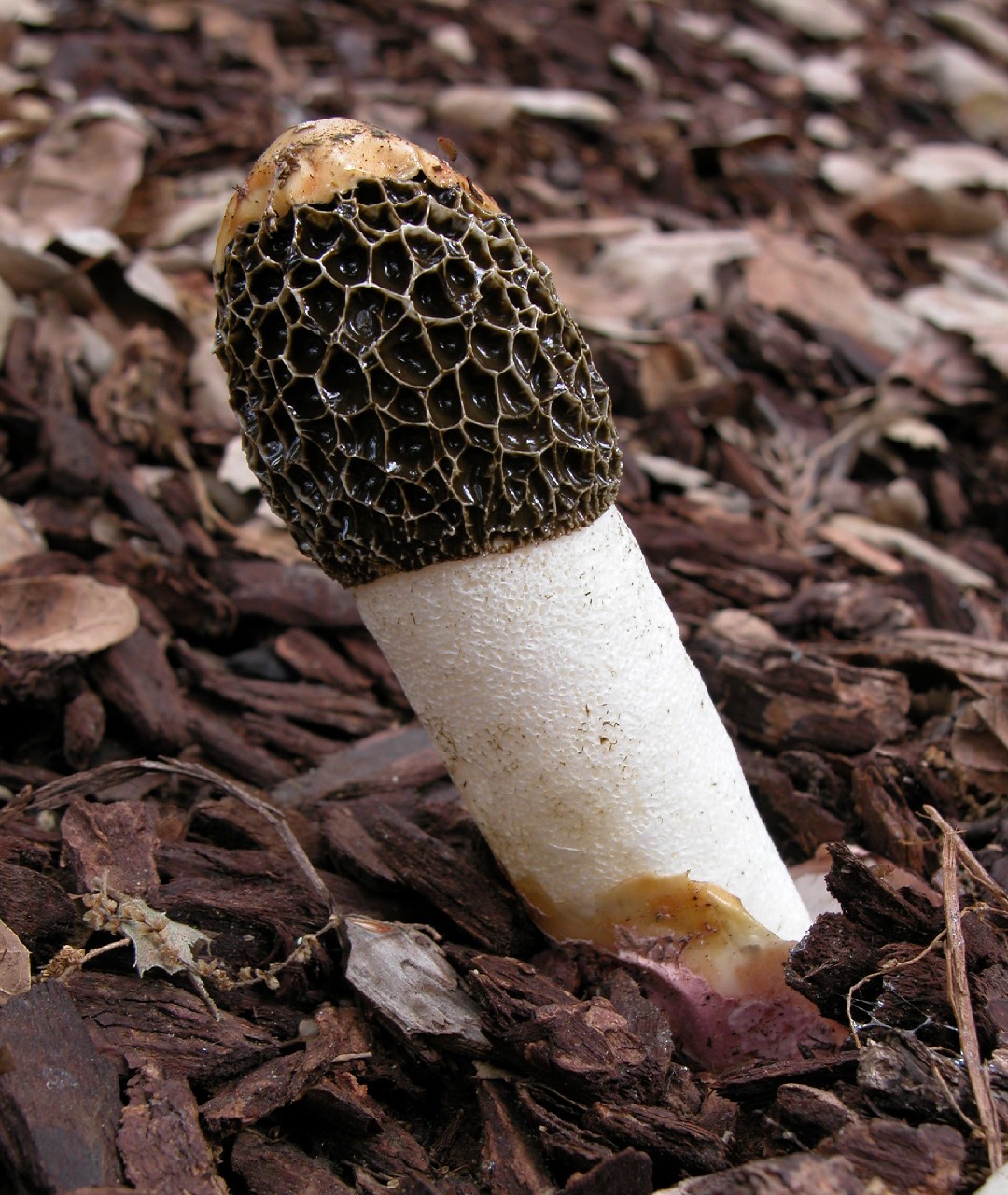
The dune stinkhorn (Phallus hadriani) is a distinctive species that, to novices, may bear a rough resemblance to the common morel. Although it favors sandy soils or dunes, can be found growing in all manner of disturbed habitats, from lawns to lots to gardens. The mushroom's stalk and cap sprout from a round, sheathed "egg." When mature, the dune stinkhorn has a long, thick stalk and a slimy, honeycombed cap.

10. White morel
The odd-looking cap of the white morel (Morchella americana) is surprisingly nutritious, making it a highly sought-after mushroom for foragers. When sold on the market, they are a seasonal treat that carries a very high price tag! Unlike other mushrooms, the white morel will thrive in little to no shade. They can range from a honey-blonde color to an unattractive grey.

More







