




Top 20 Most Common Mushrooms in The Woodlands
Welcome to our in-depth exposé on the top 20 most prevalent mushrooms populating the lush, arboreal landscape of The Woodlands. This region, rich in biodiversity, is particularly known for its abundant and diverse mushroom species -a forager's paradise. Discover these natural gems that contribute to the unique biota of this incredible woodland.

Most Common Mushrooms
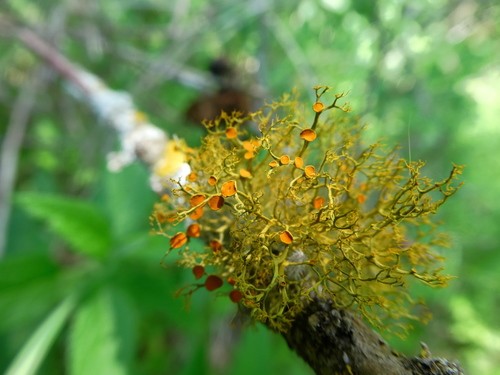
1. Slender orange-bush
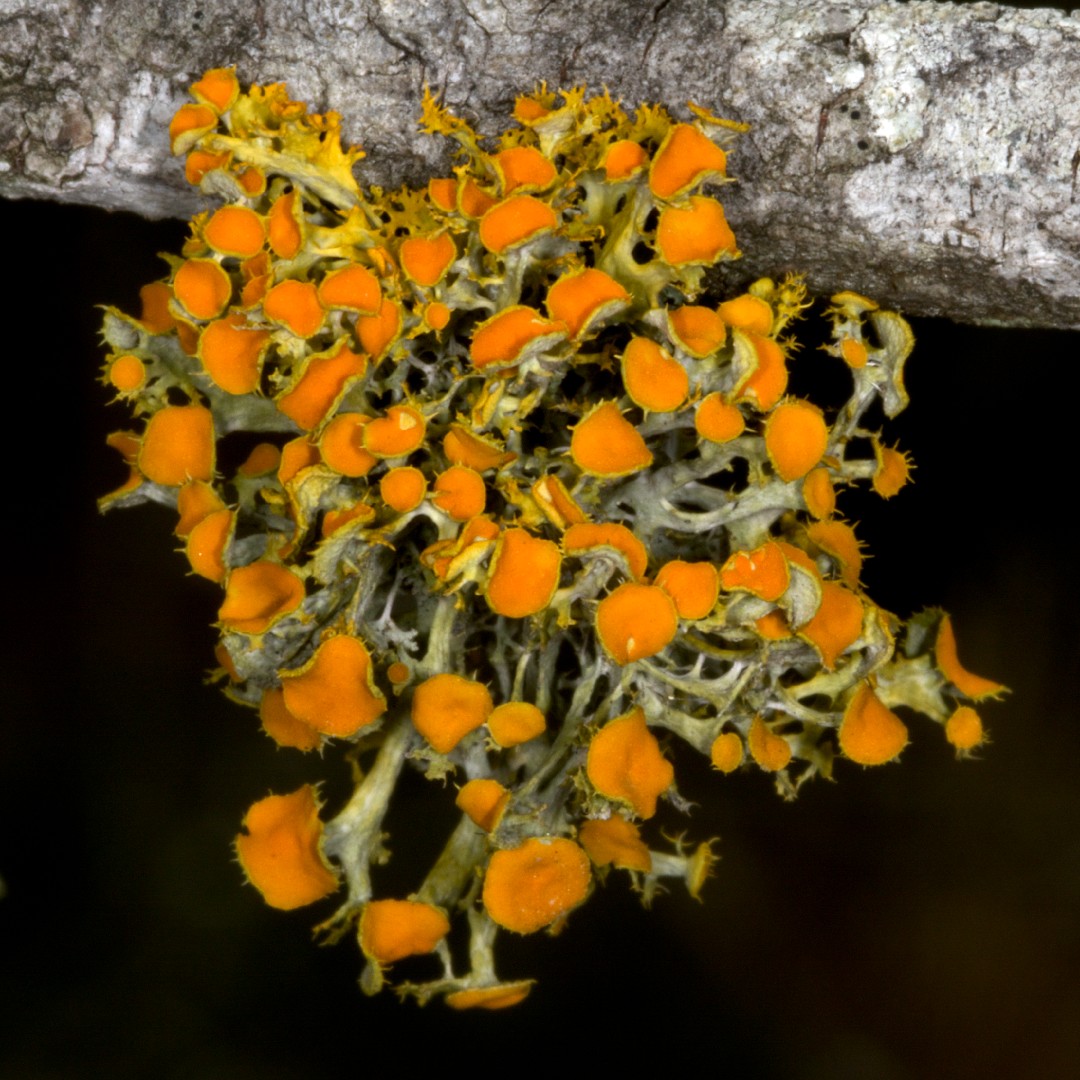
2. Gold-eye lichen
The almost indistinguishable species is a gray-yellow or light to orange-orange, bush-shaped camp with marginal fibrils. However, adhesive fibers are missing. The length of the slightly flattened sections is about 1.5 cm. The frequently formed fruiting bodies (apothecaries) have an orange disc with characteristic eyelashes on the edge and a diameter of 2 to 7 mm. The Photobiont is a member of the green algae genus Trebouxia.
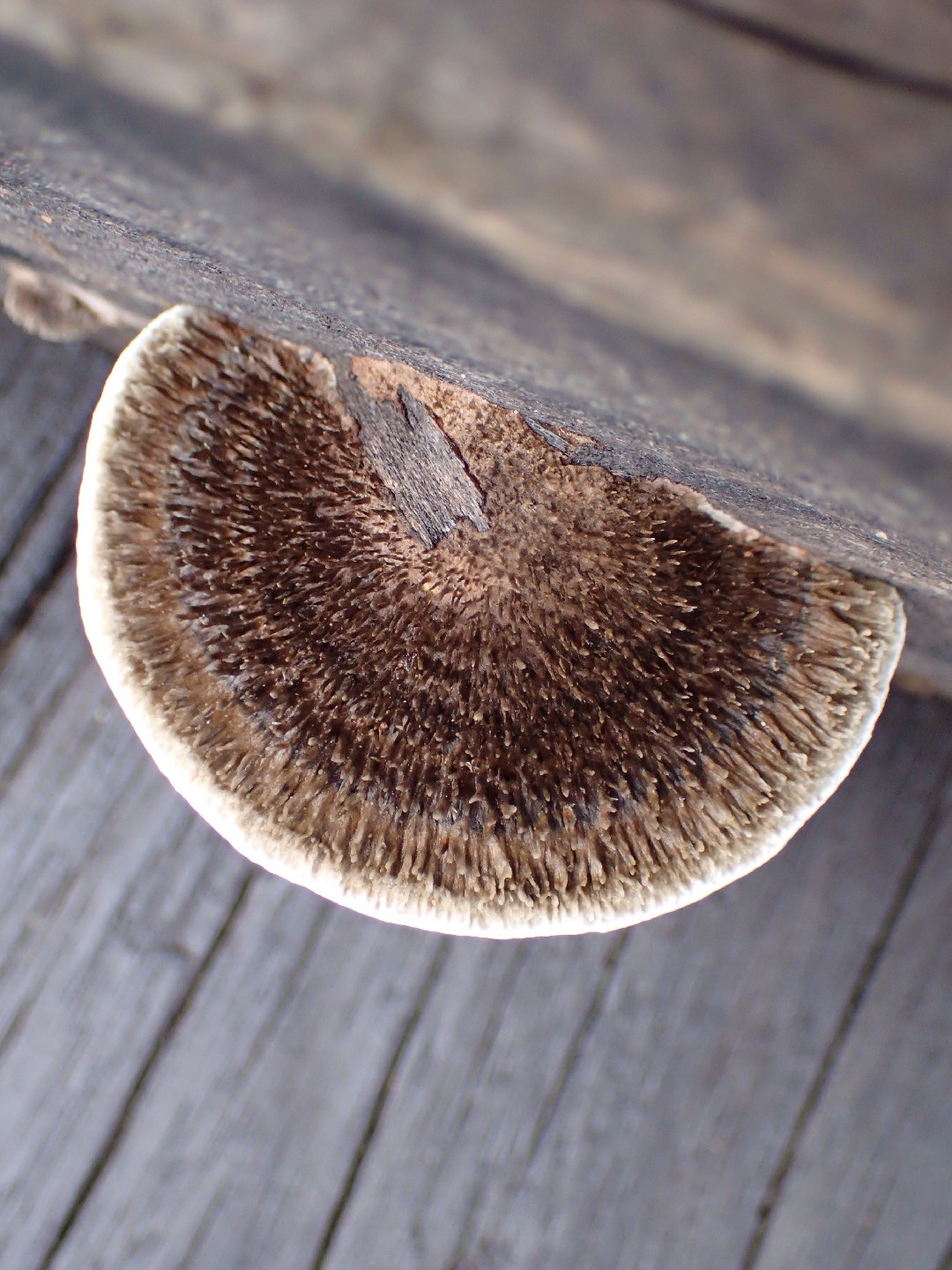
3. Hairy hexagonia
The hairy hexagonia (Hexagonia hydnoides) is not the most common mushroom you'll find, but has very distinctive qualities. Stiff, dark brown, bristle-like hairs emerge from an ochre flat cap and are found growing from a decaying tree stump or wood. The large pores on the cap's underside create an almost sponge-like appearance, and the stem is otherwise not visible.
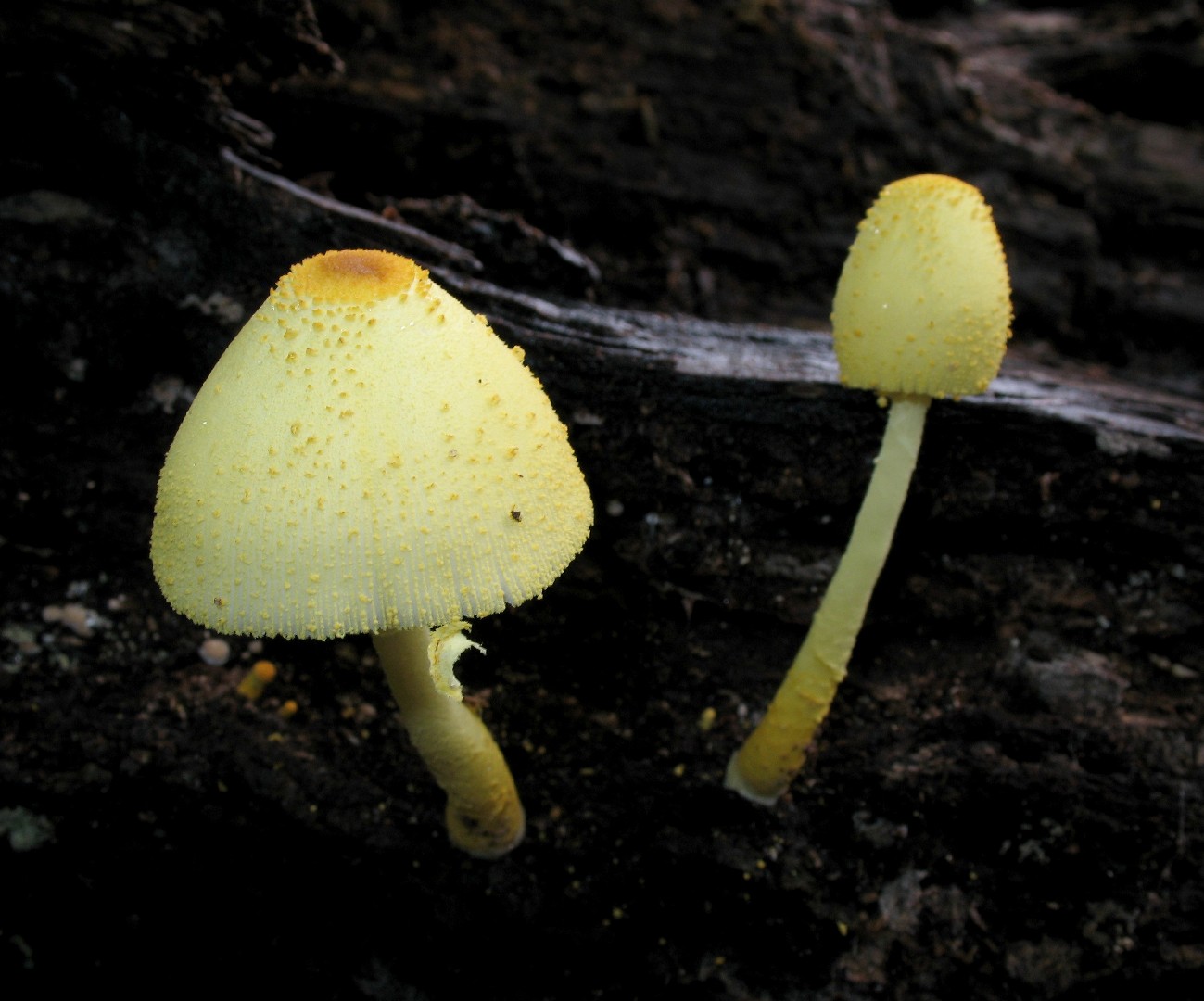
4. Flowerpot parasol
This tropical/subtropical mushroom is known to be toxic. If eaten it causes a very unpleasant stomachache with the risk of fatal complications. In temperate zones, flowerpot parasol is only found in hothouses and greenhouses, so the risk of accidental foraging is low, but it may occur with potted plants and indoor landscaping and pose a risk to curious children.
5. False parasol
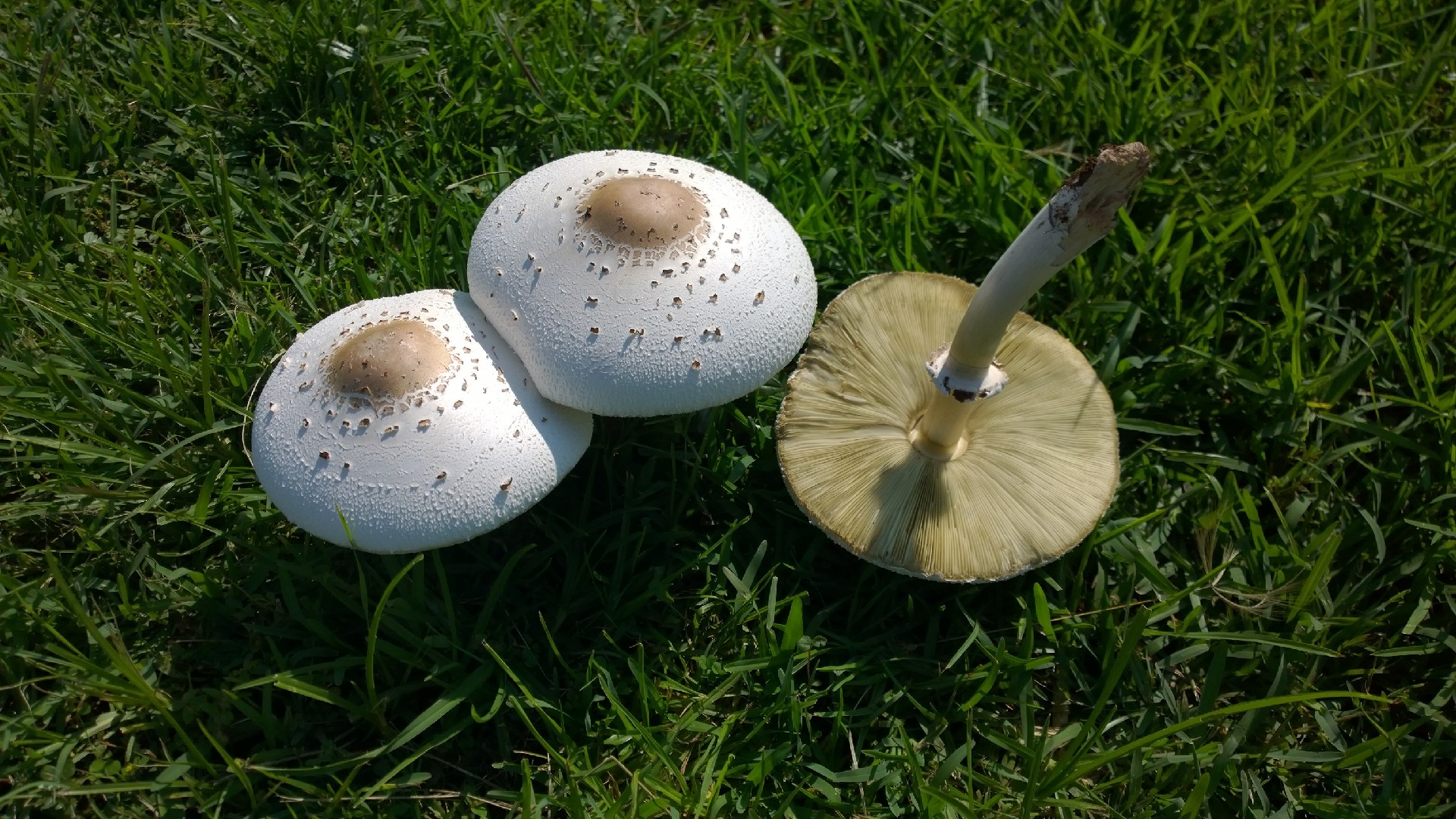
Though the false parasol appears unassuming, the species is famous—or, infamous—for its toxicity. It looks unfortunately similar to Agericus campestrus, a commonly eaten mushroom, but the false parasol can be distinguished by its highly unusual green spore print. Although they are no good to eat, they can be pretty to look at. The species may grow in ring-shaped groups in meadows and on forest floors in what are sometimes called "fairy circles."
6. Column stinkhorn
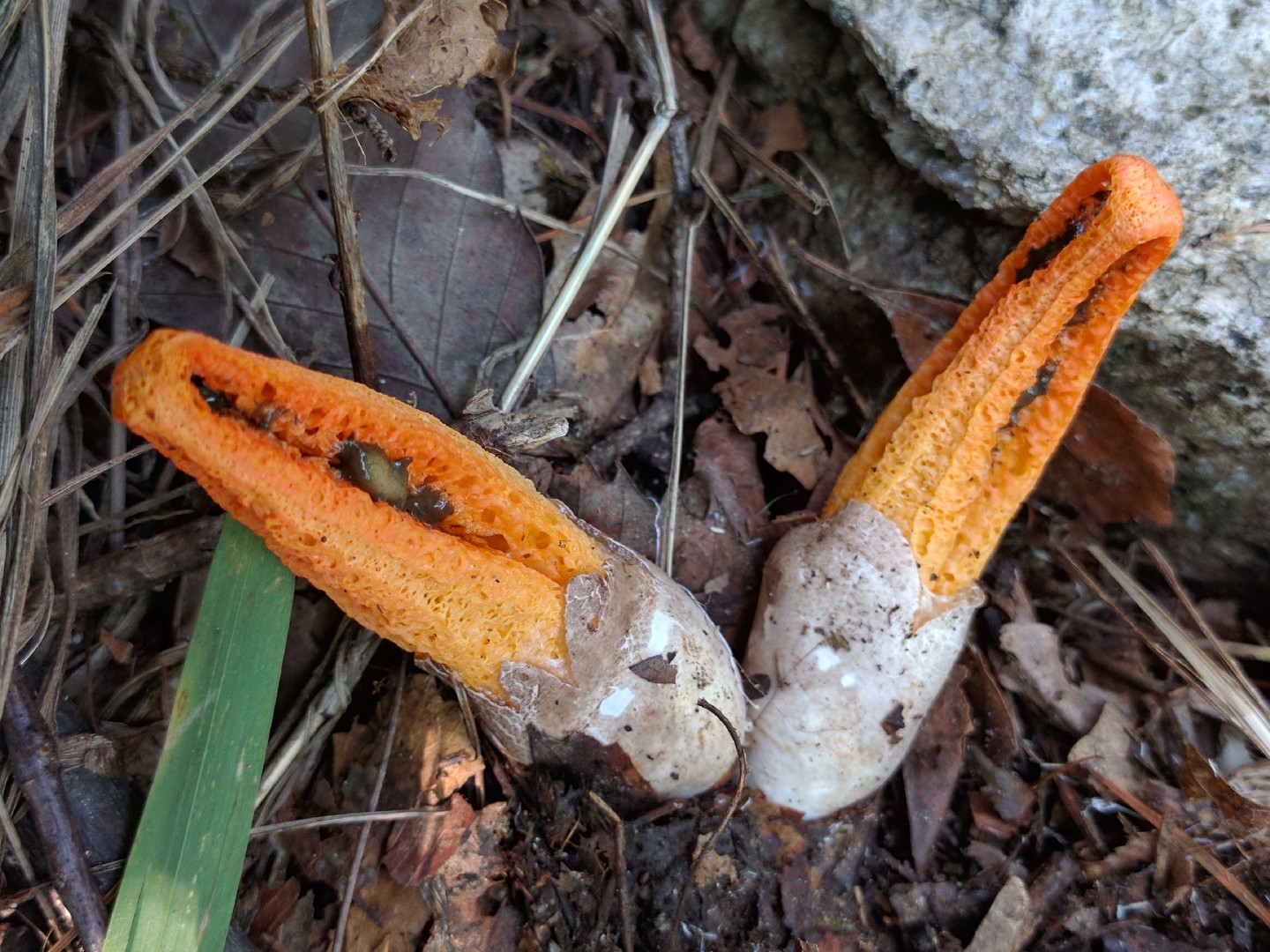
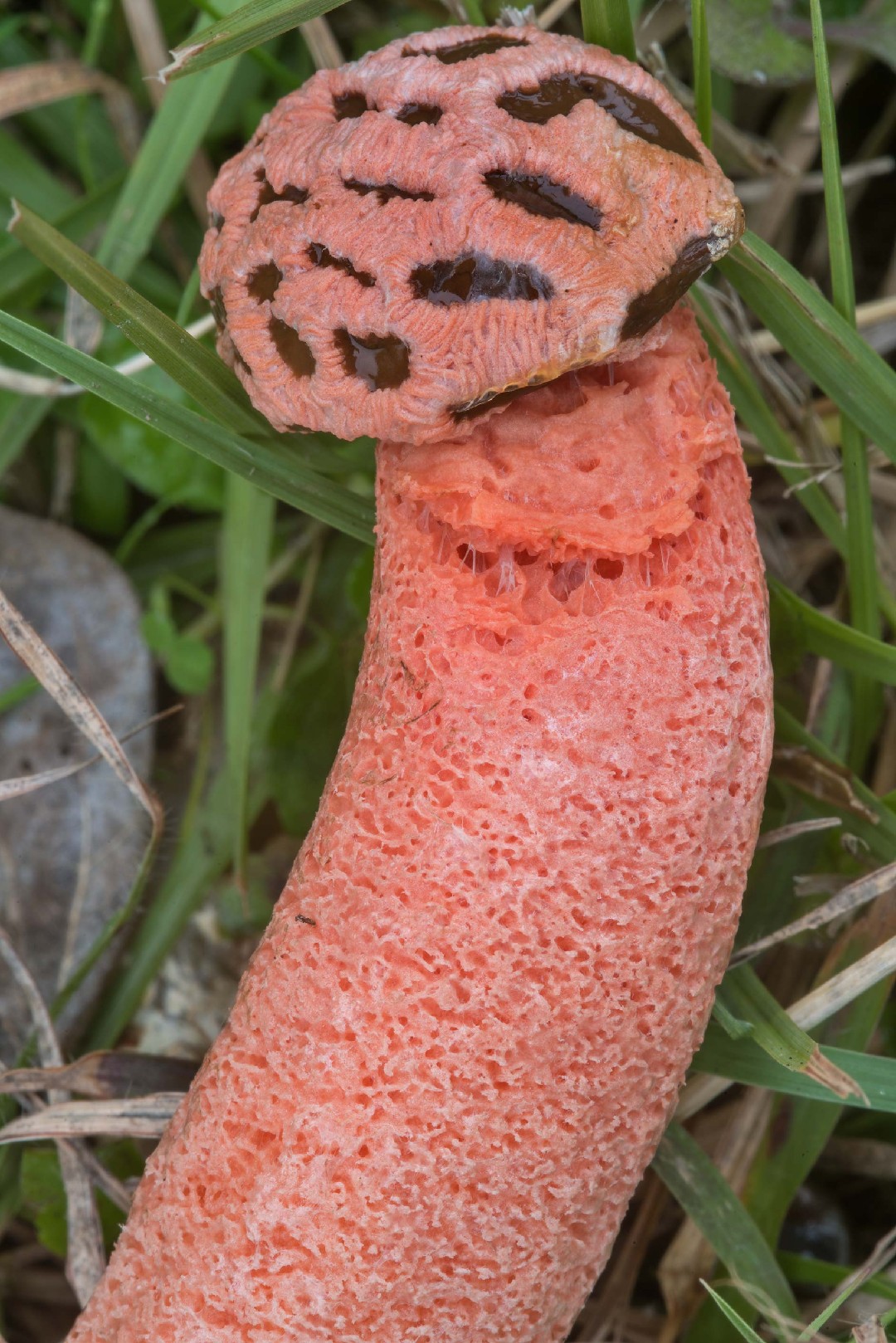
The slime of the column stinkhorn emits an extremely foul odour, but many insects, particularly flies, find this slime very attractive. Attracting flies is the fungus' method for spreading its spores. This warm climate fungus has been introduced to North America, probably together with exotic plants.
7. Split gill
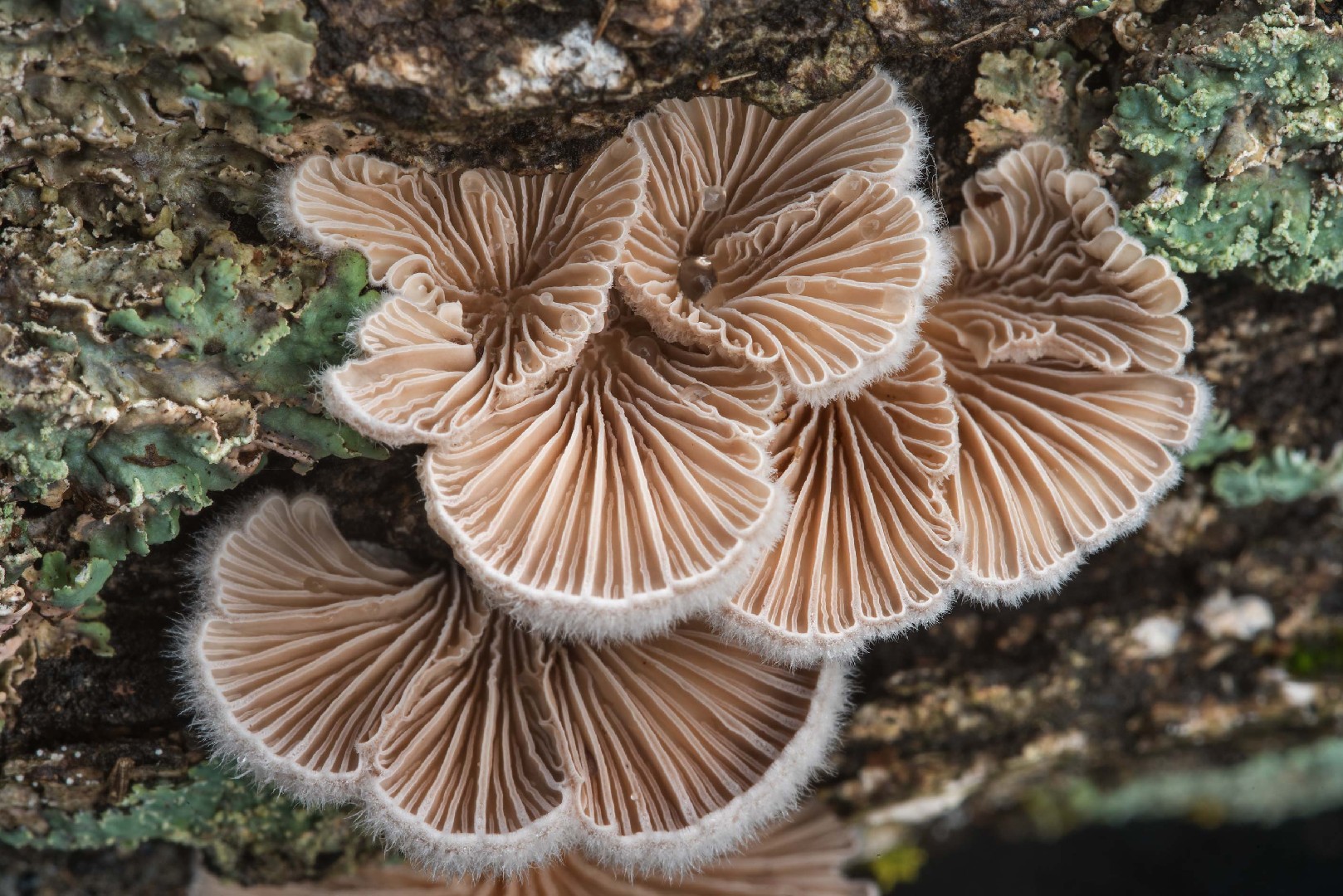
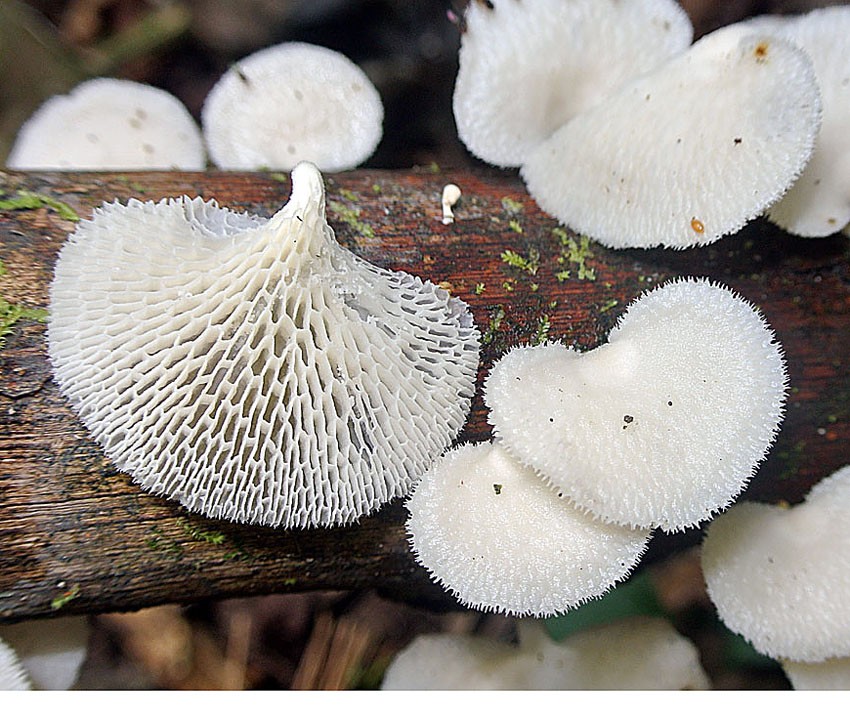
Split gill(Schizophyllum commune) can be found across the globe. Uniquely, it is the only mushroom species known to display the capability to retract by movement. It is considered inedible, although not necessarily toxic. Furthermore, it is not recommended to smell this species, as the spores are capable of sprouting and growing in nasal passages.
8. Ravenel's stinkhorn
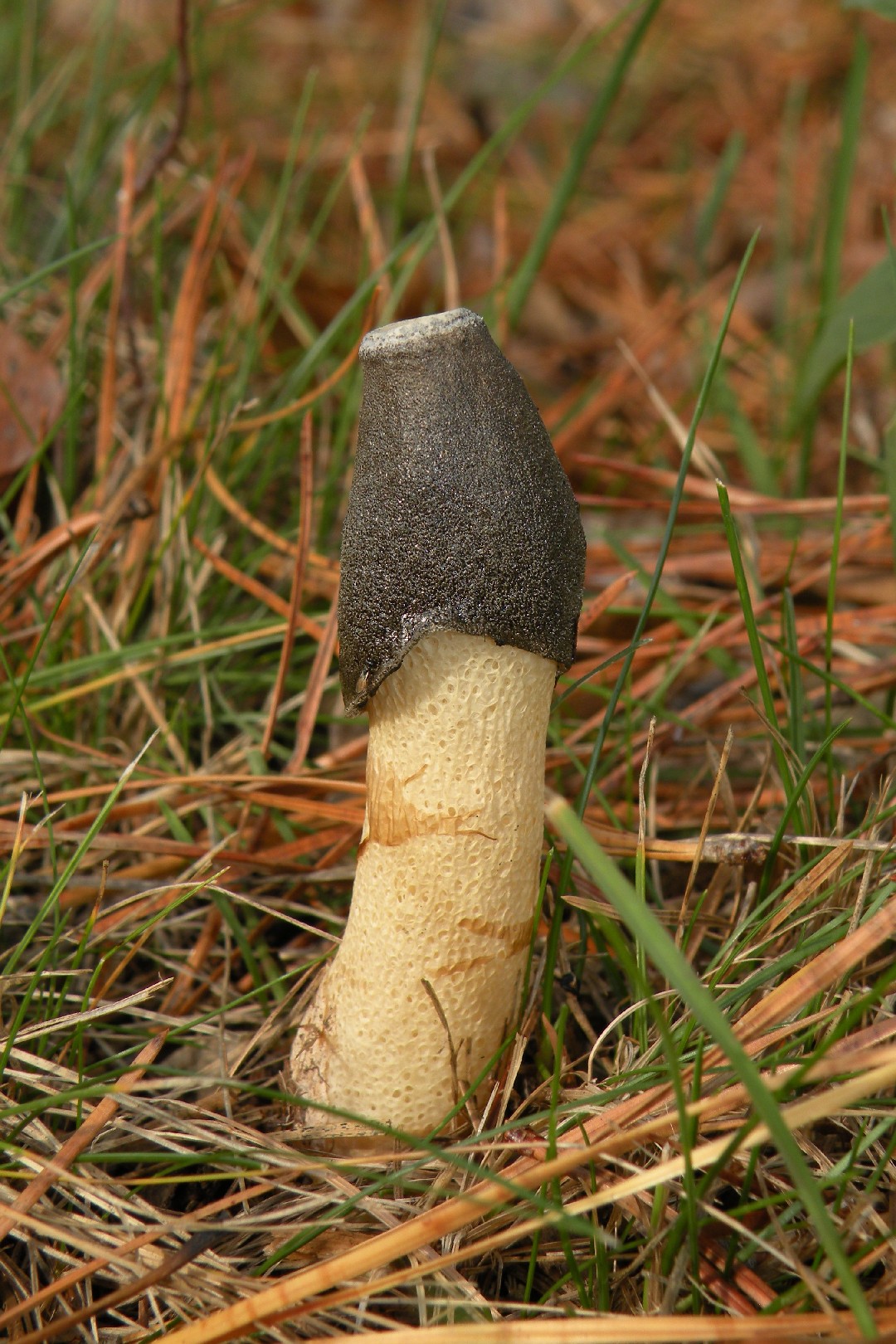
Ravenel's stinkhorn (Phallus ravenelii), as its quite evocative common name may suggest, is easily identified by the pungent odor that emanates from this diminutive mushroom. The elongated, spongy cap towers over a plain white stem. The cap itself secretes not only a strong scent but also a slime that attracts various insects. The repulsive smell makes it inedible and extremely undesirable.
9. Peach-colored fly agaric
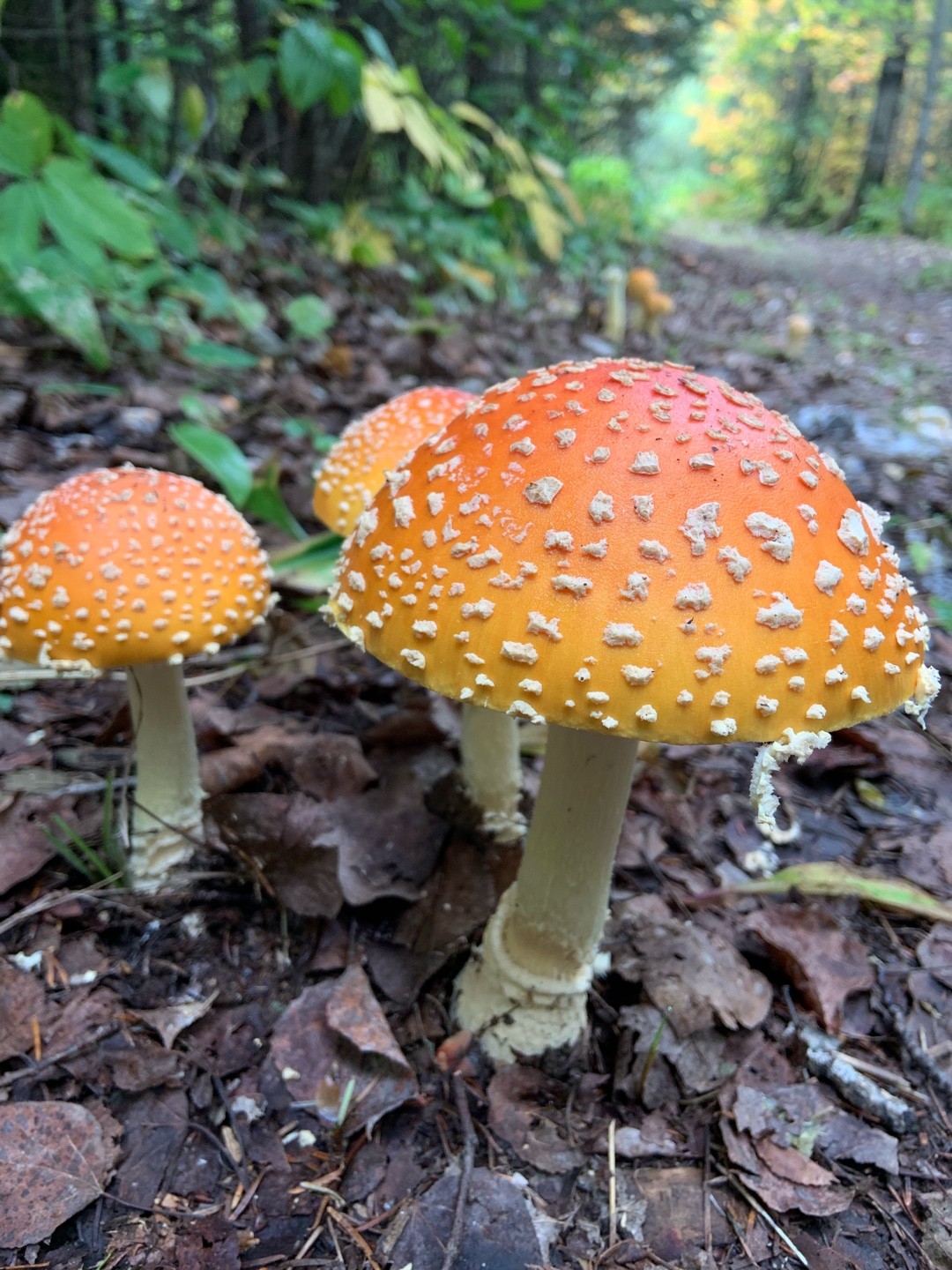
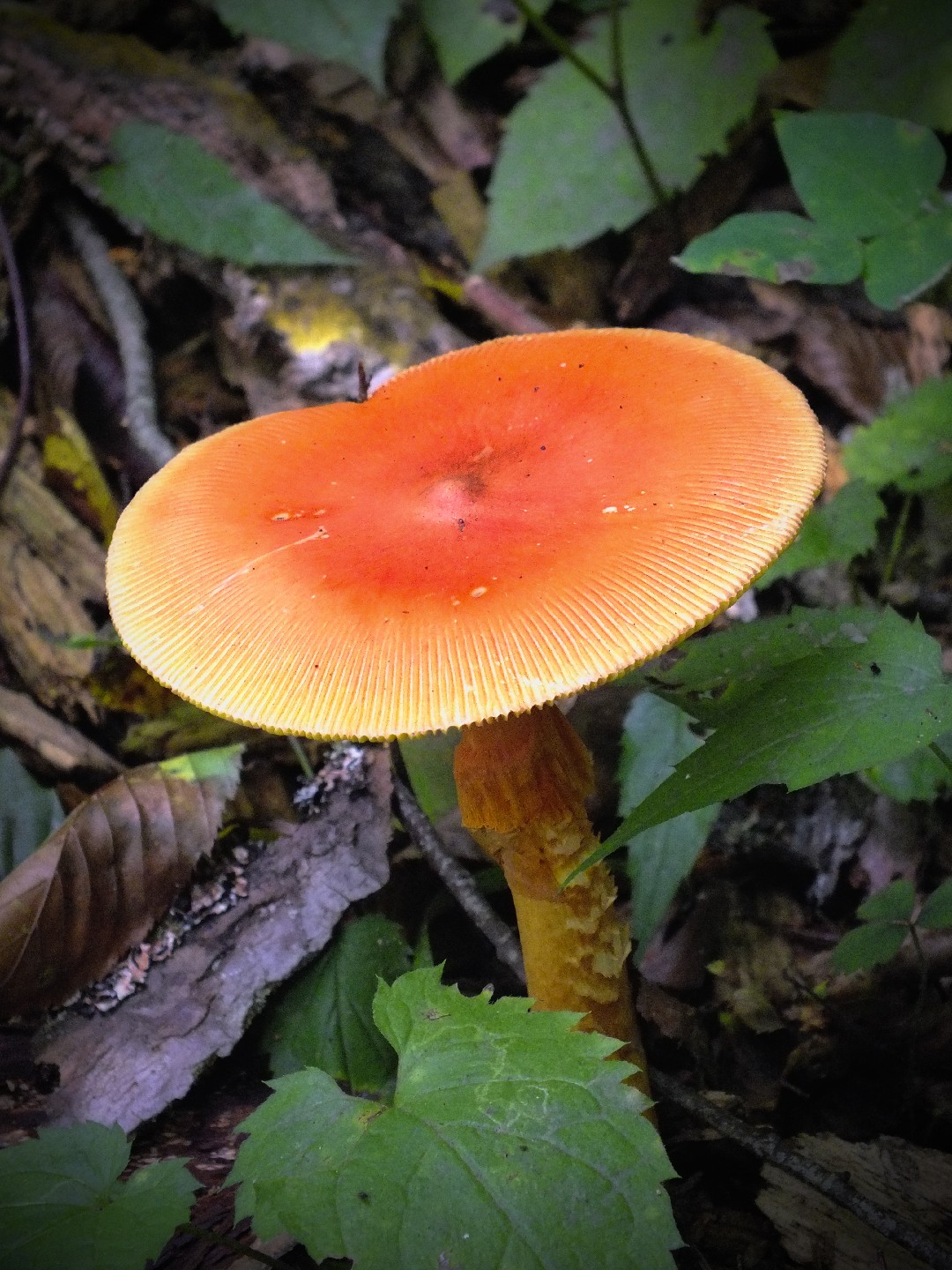
If you're looking for peach-colored fly agaric (Amanita persicina), start by hunting around in the leaf litter of hemlock, pine, and oak trees on the eastern coast of North America. Their rotund cap can commonly be overlooked, but well worth seeking out just to view the freckles and color. This species is poisonous, so take nothing but a photograph.
10. Cartilage lichen
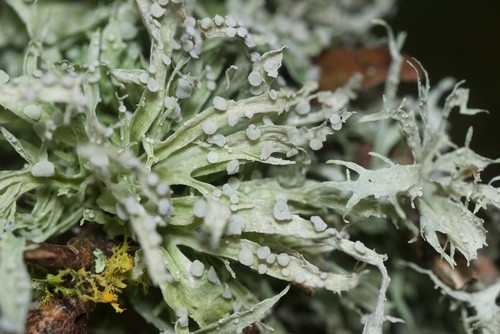
Fructicose lichen cartilage lichen showcases an extraordinary ability to thrive in various habitats, from arid deserts to moist woodlands. Unique to cartilage lichen, it has a symbiotic relationship with both fungi and algae, with each benefiting the other. Intriguingly, cartilage lichen can capture atmospheric nutrients, even in the most nutrient-poor environments.

More







