




Top 20 Most Common Mushrooms in San Marcos
San Marcos, a city known for its vibrant landscapes and temperate climate, is also famous for its impressive variety of mushrooms. With its rich soil and optimum weather conditions, it provides a perfect haven for fungi. Among the 20 most common mushrooms in the United States, those found in San Marcos hold a distinctive place due to their abundance and diversity. Stay tuned to explore this fascinating world of mycology.

Most Common Mushrooms
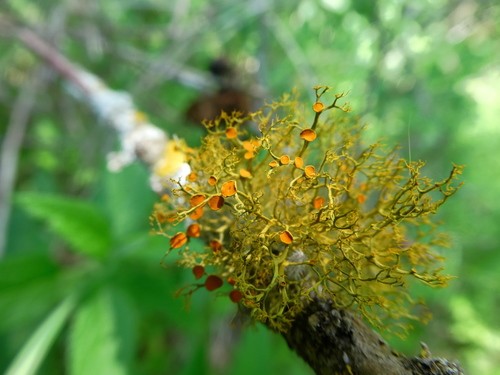
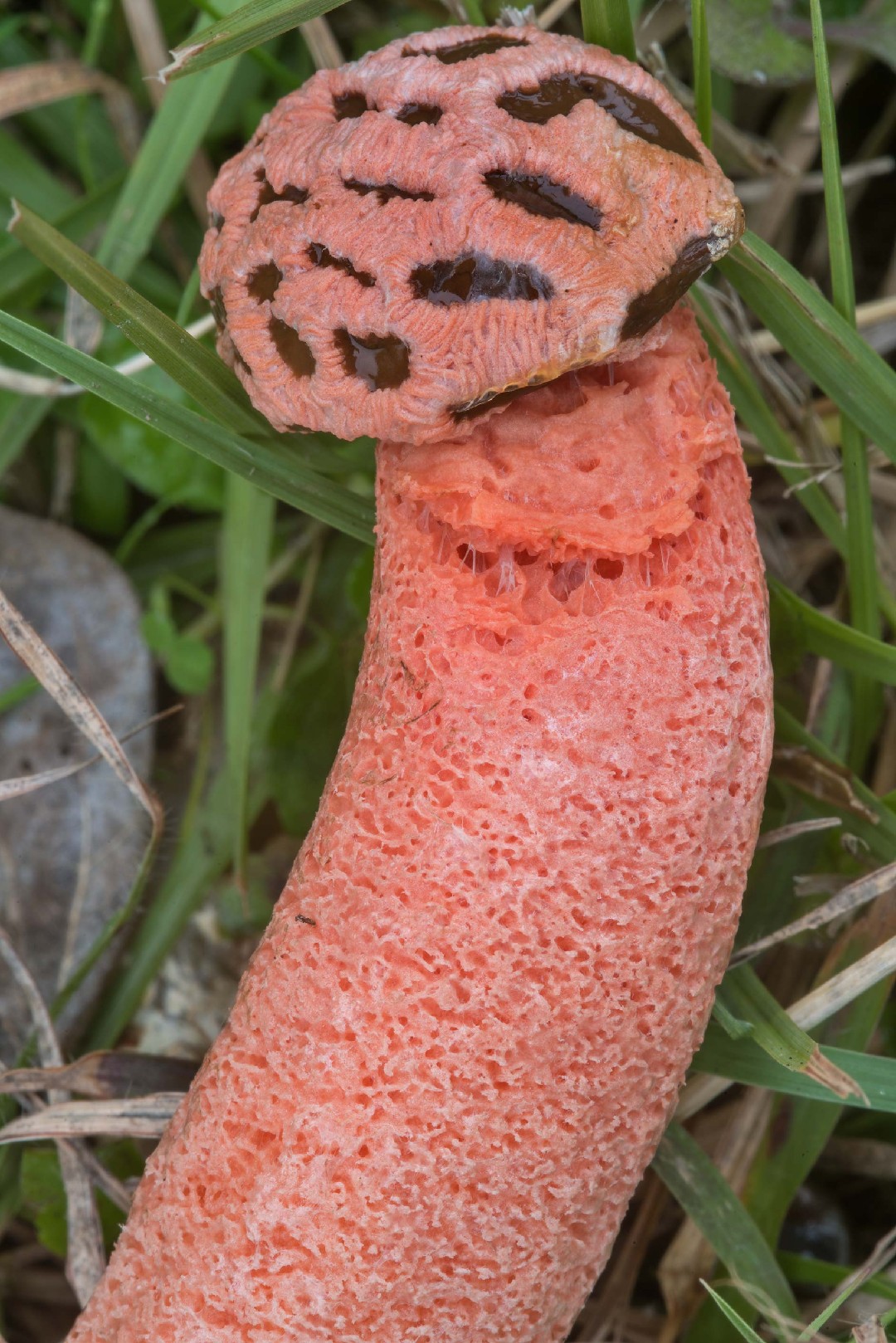
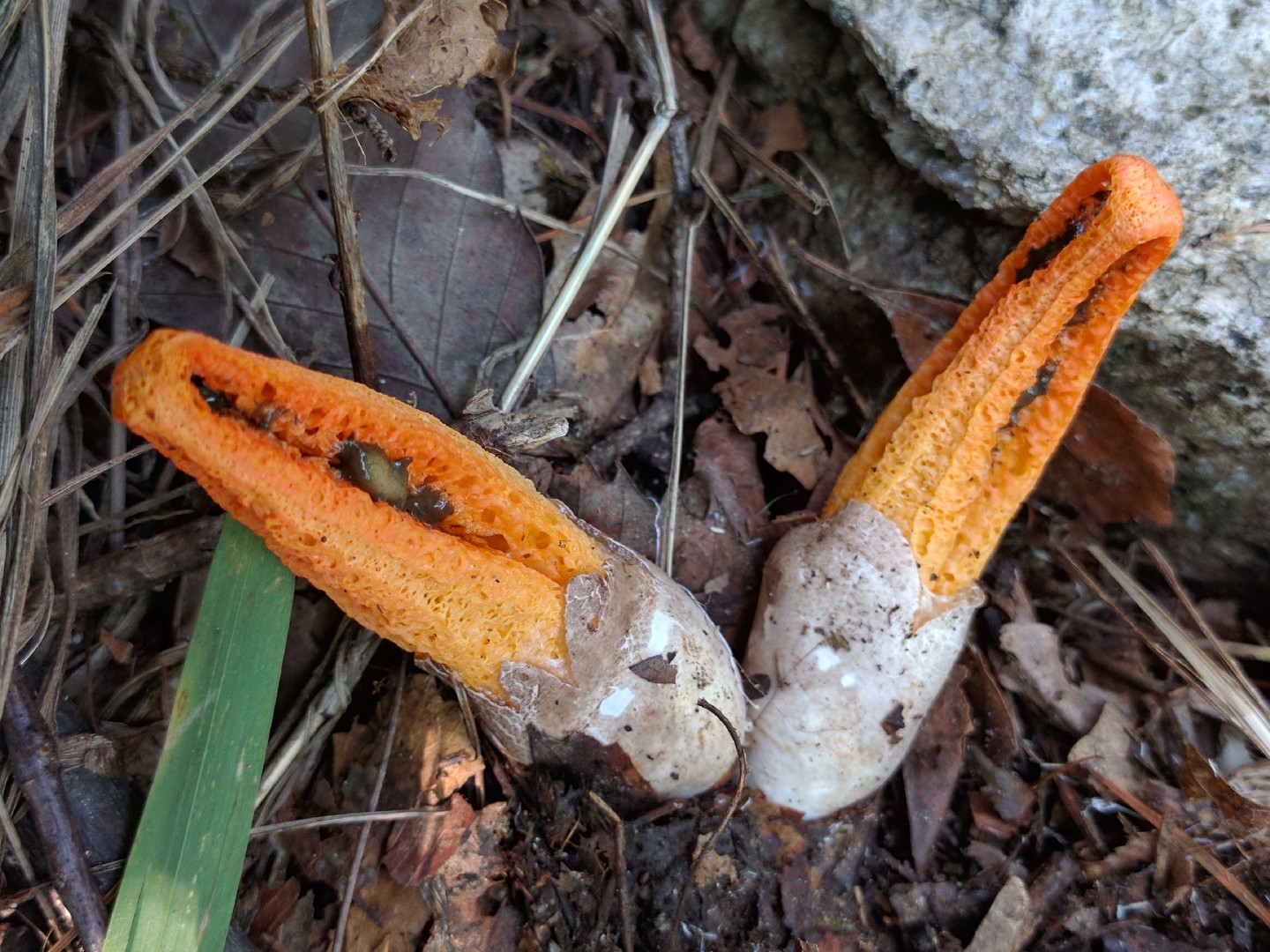
1. Slender orange-bush
2. Hairy hexagonia
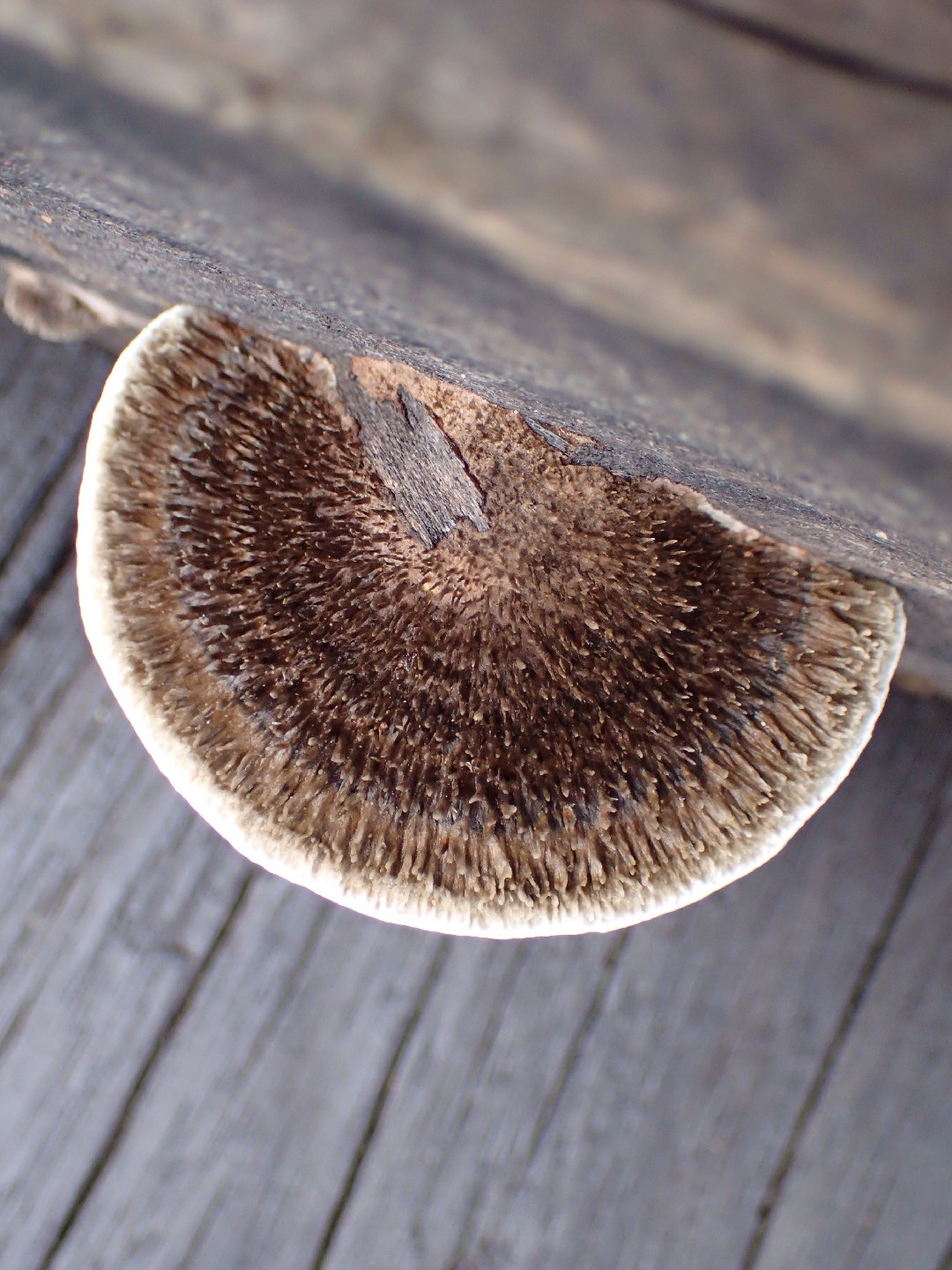
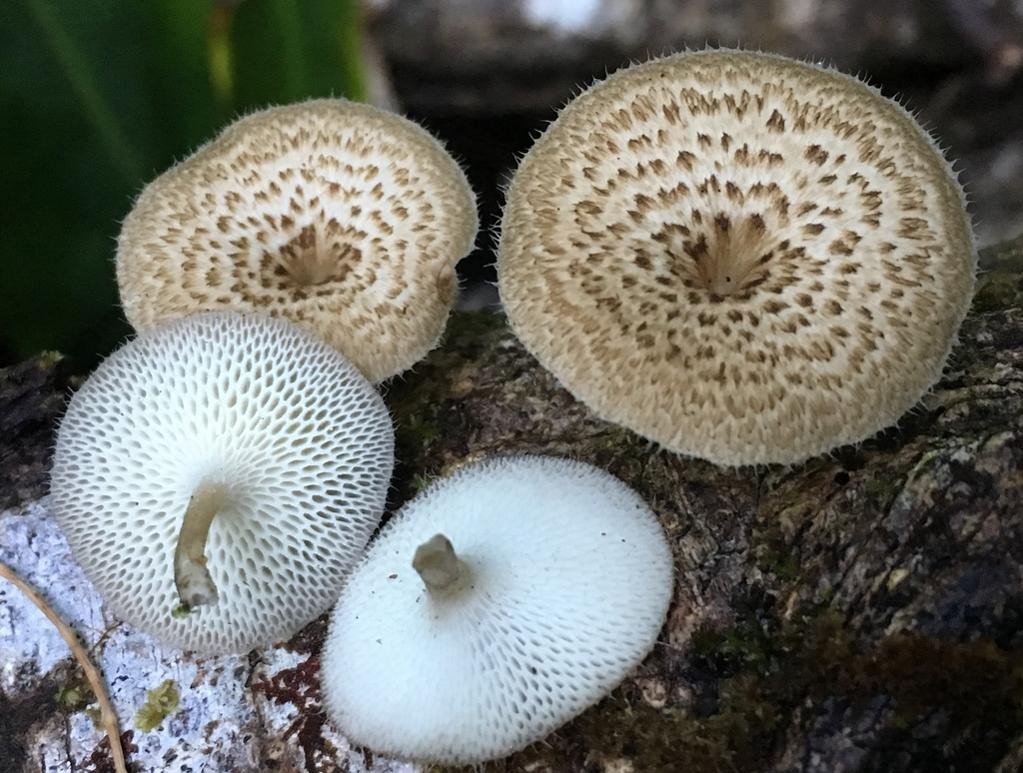
The hairy hexagonia (Hexagonia hydnoides) is not the most common mushroom you'll find, but has very distinctive qualities. Stiff, dark brown, bristle-like hairs emerge from an ochre flat cap and are found growing from a decaying tree stump or wood. The large pores on the cap's underside create an almost sponge-like appearance, and the stem is otherwise not visible.
3. Gold-eye lichen
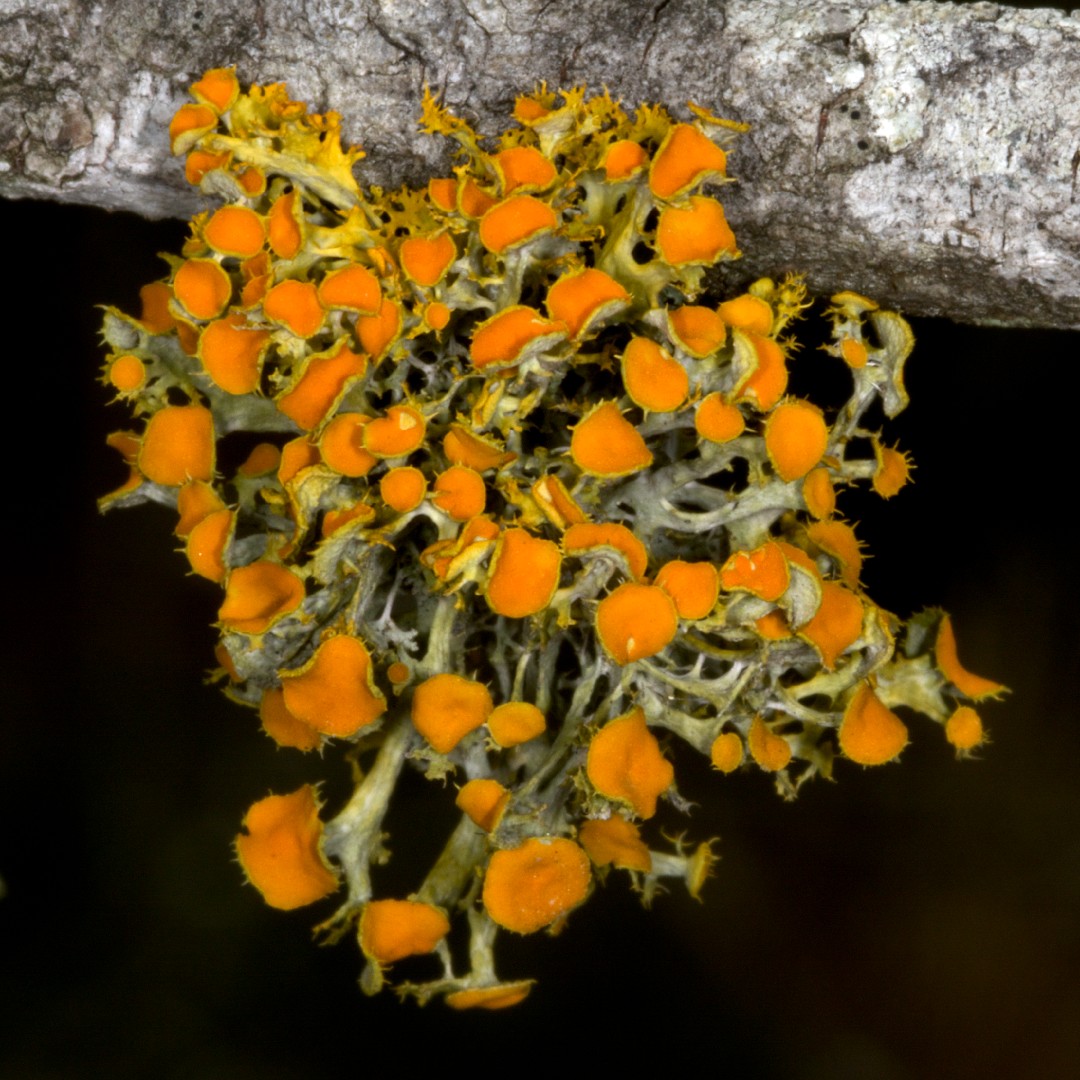
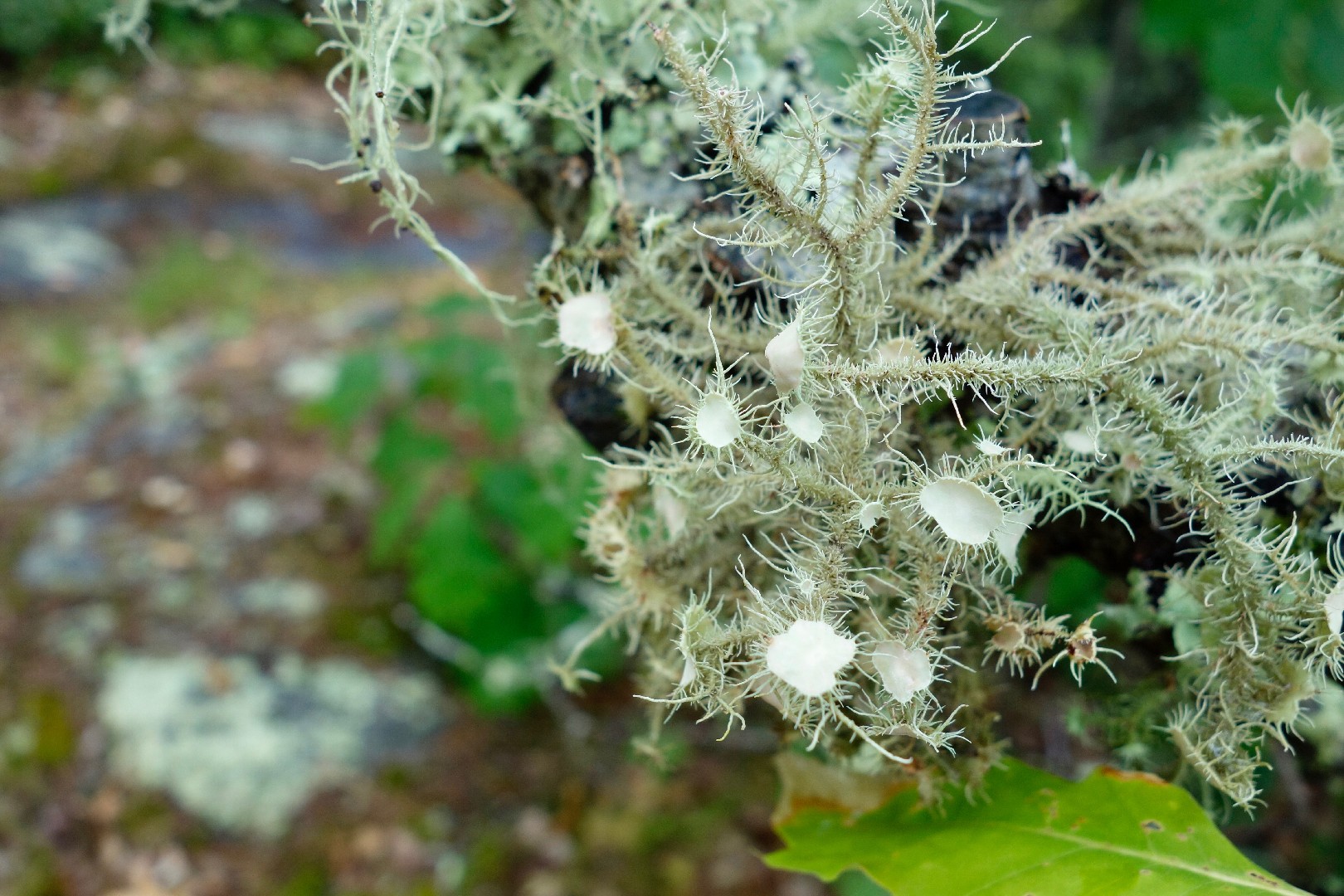
The almost indistinguishable species is a gray-yellow or light to orange-orange, bush-shaped camp with marginal fibrils. However, adhesive fibers are missing. The length of the slightly flattened sections is about 1.5 cm. The frequently formed fruiting bodies (apothecaries) have an orange disc with characteristic eyelashes on the edge and a diameter of 2 to 7 mm. The Photobiont is a member of the green algae genus Trebouxia.
4. Flowerpot parasol
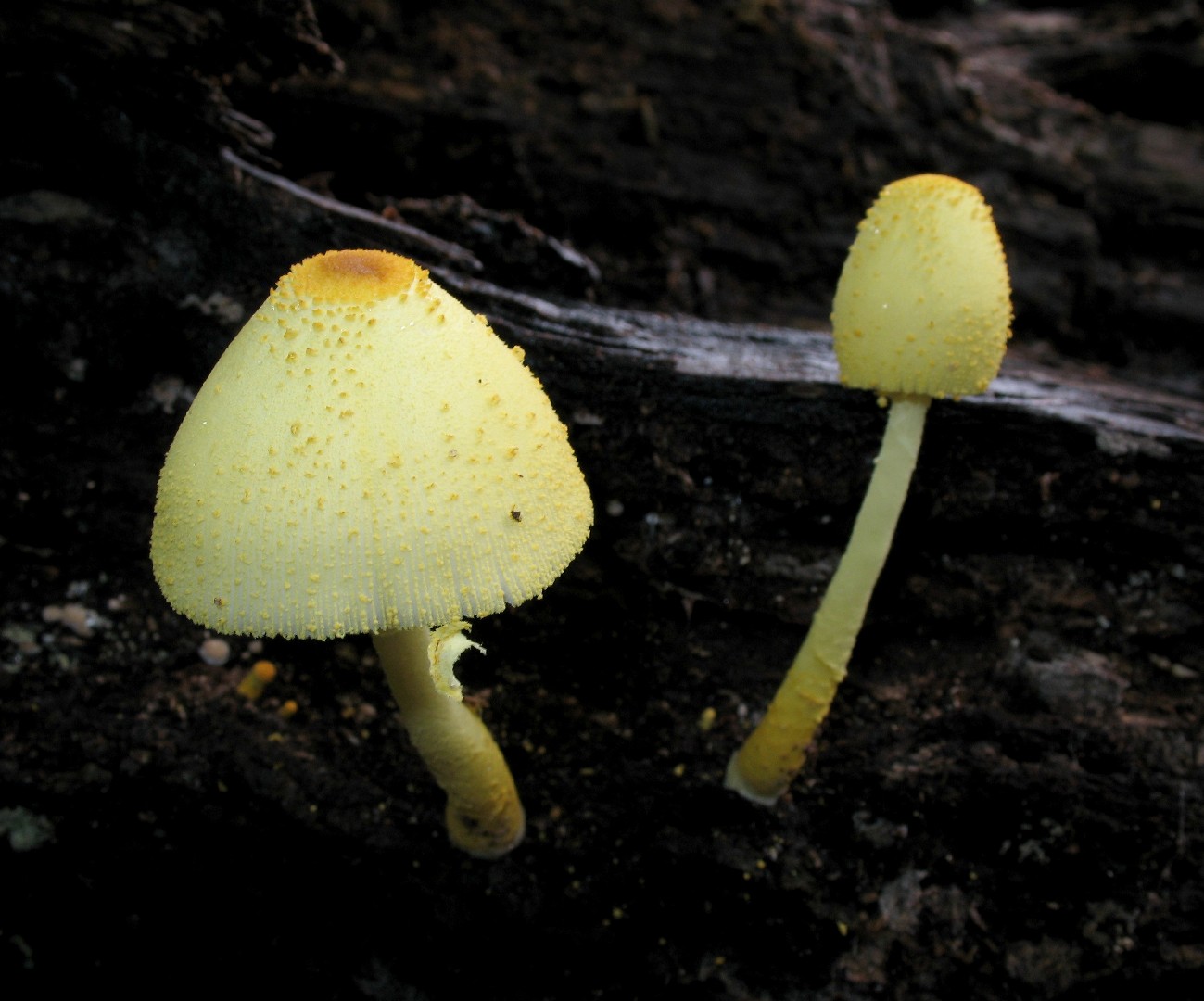
This tropical/subtropical mushroom is known to be toxic. If eaten it causes a very unpleasant stomachache with the risk of fatal complications. In temperate zones, flowerpot parasol is only found in hothouses and greenhouses, so the risk of accidental foraging is low, but it may occur with potted plants and indoor landscaping and pose a risk to curious children.
5. Split gill
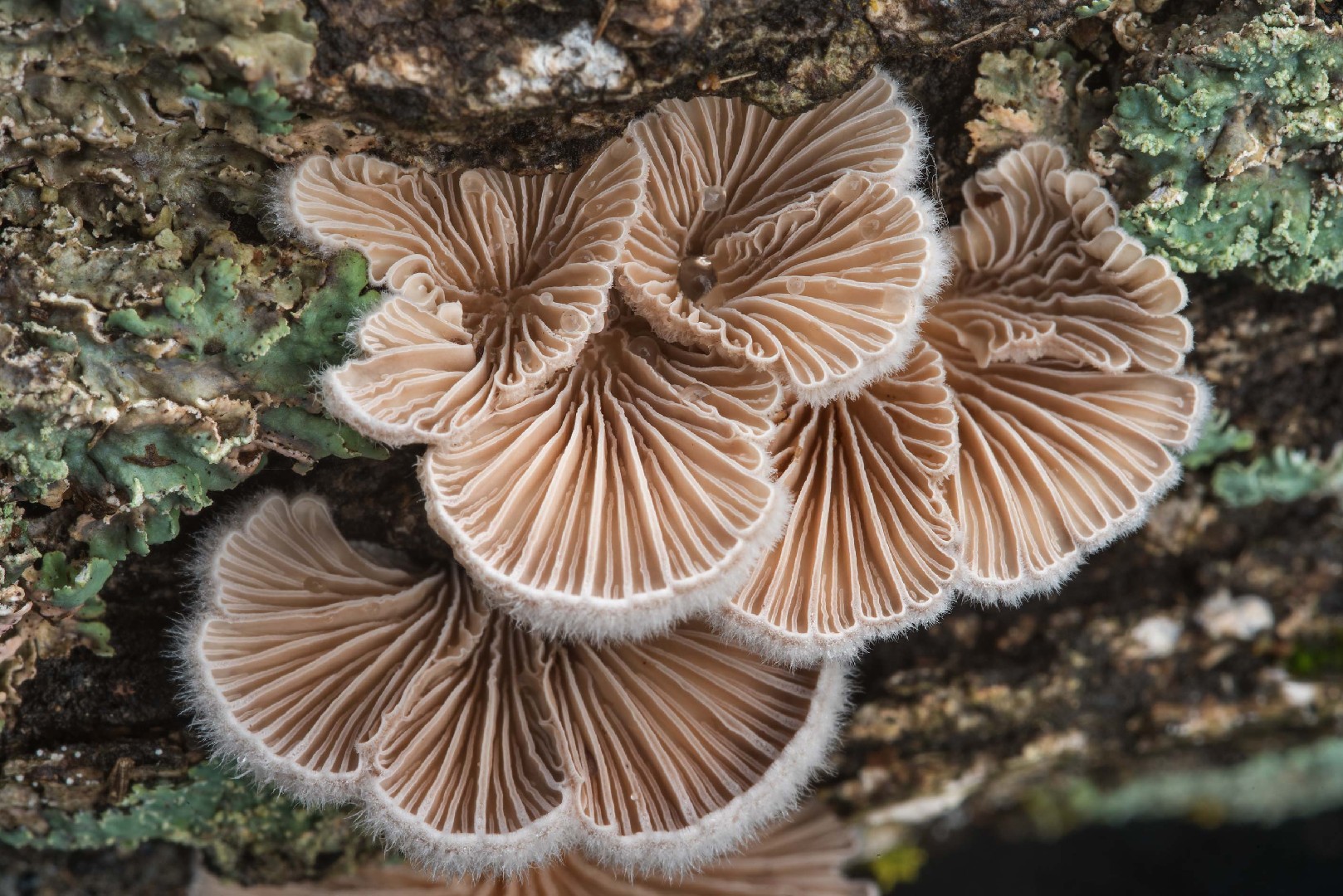
Split gill(Schizophyllum commune) can be found across the globe. Uniquely, it is the only mushroom species known to display the capability to retract by movement. It is considered inedible, although not necessarily toxic. Furthermore, it is not recommended to smell this species, as the spores are capable of sprouting and growing in nasal passages.
6. False parasol
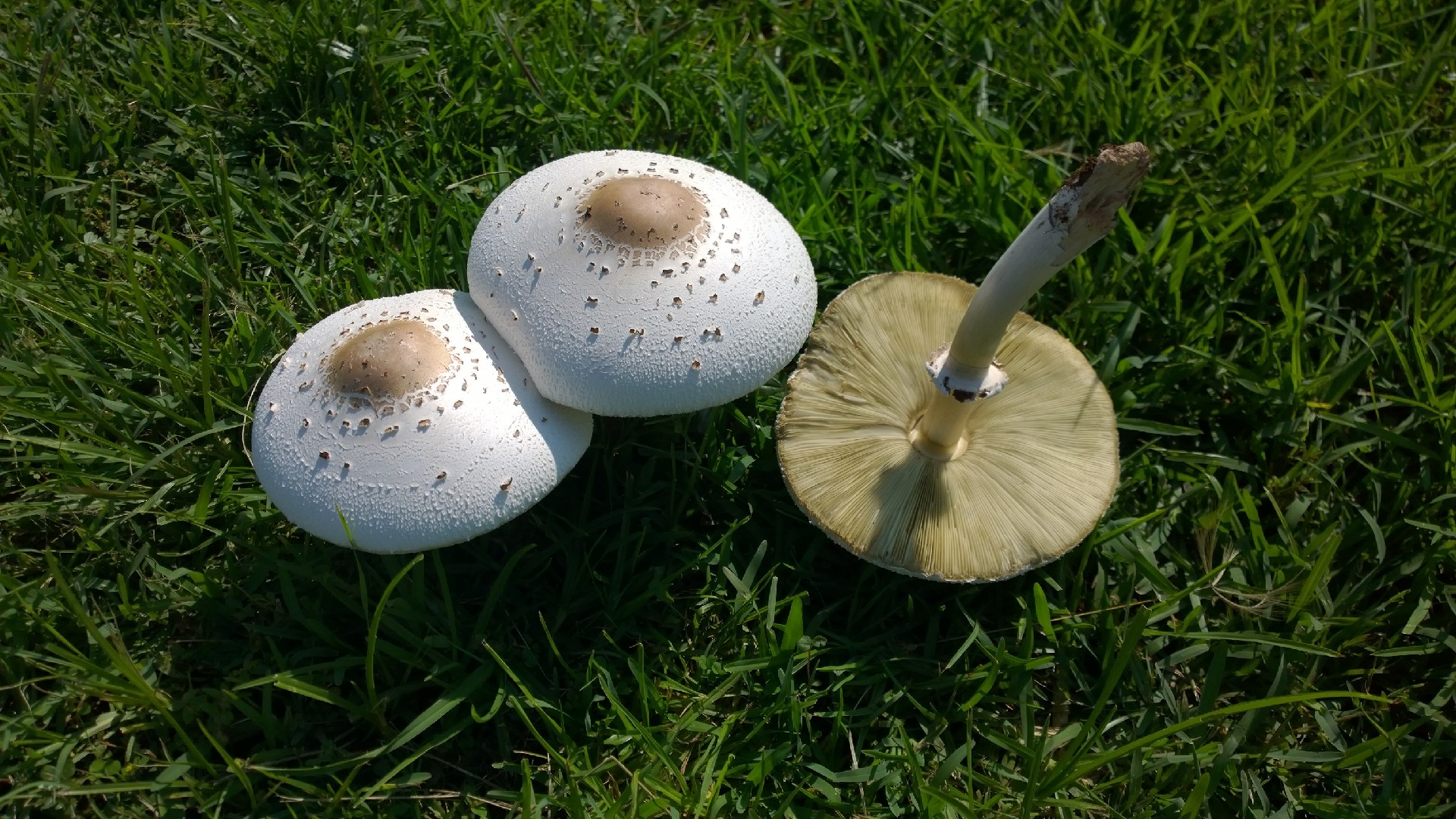
Though the false parasol appears unassuming, the species is famous—or, infamous—for its toxicity. It looks unfortunately similar to Agericus campestrus, a commonly eaten mushroom, but the false parasol can be distinguished by its highly unusual green spore print. Although they are no good to eat, they can be pretty to look at. The species may grow in ring-shaped groups in meadows and on forest floors in what are sometimes called "fairy circles."
7. Cartilage lichen
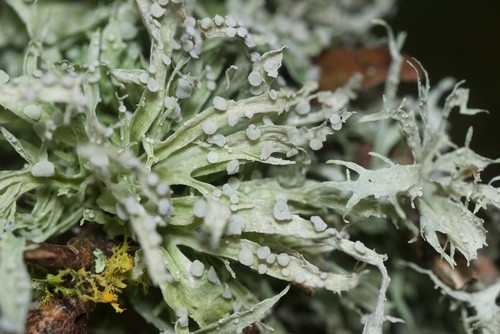
Fructicose lichen cartilage lichen showcases an extraordinary ability to thrive in various habitats, from arid deserts to moist woodlands. Unique to cartilage lichen, it has a symbiotic relationship with both fungi and algae, with each benefiting the other. Intriguingly, cartilage lichen can capture atmospheric nutrients, even in the most nutrient-poor environments.
8. Devil's cigar
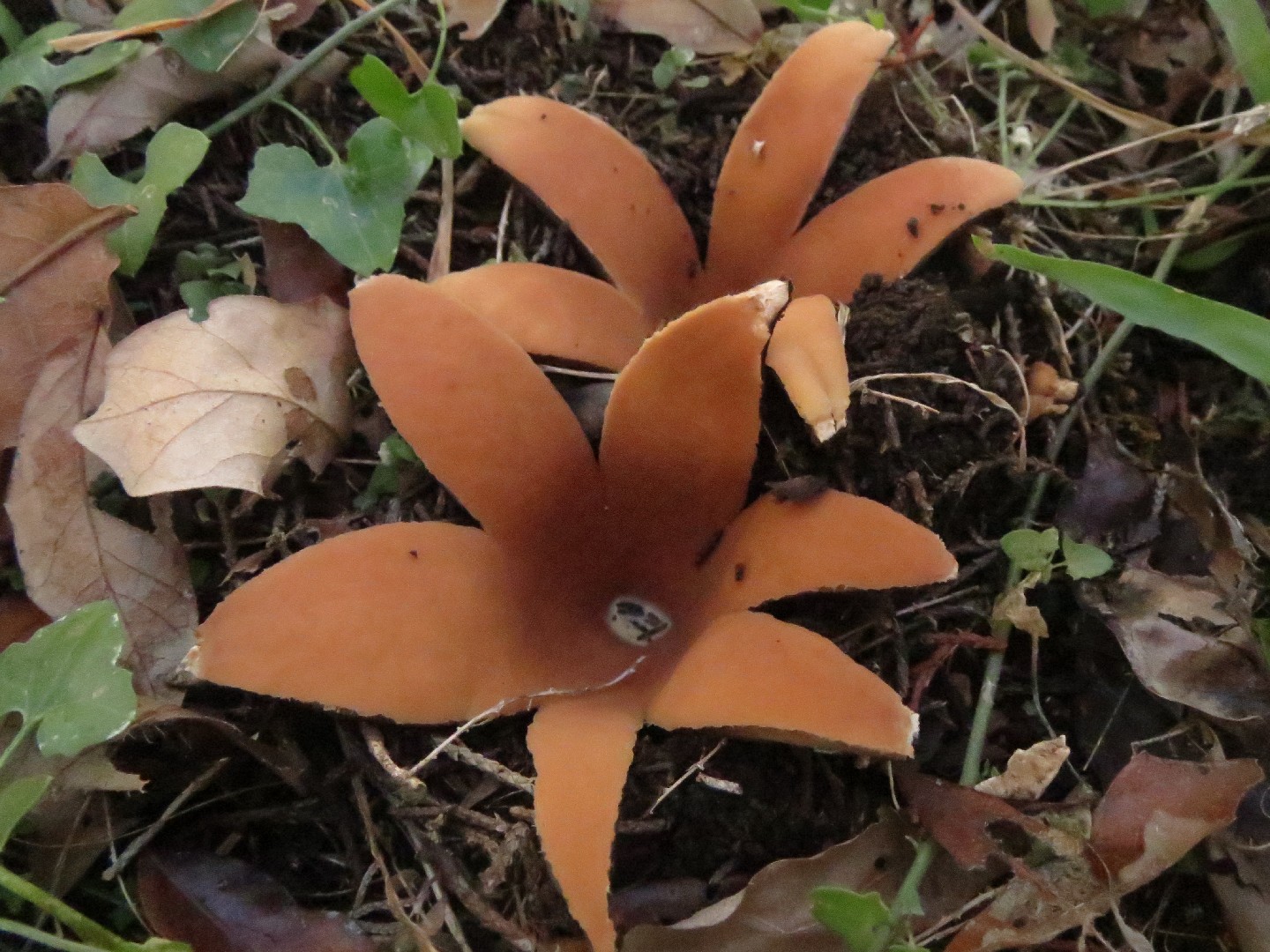
The devil's cigar is a single species in the genus of Chorioactis. Interestingly, the species is found only in Japan and certain parts of Texas. The mushroom has enormously large spores which release a puff of smoke and loud hiss when discharged.
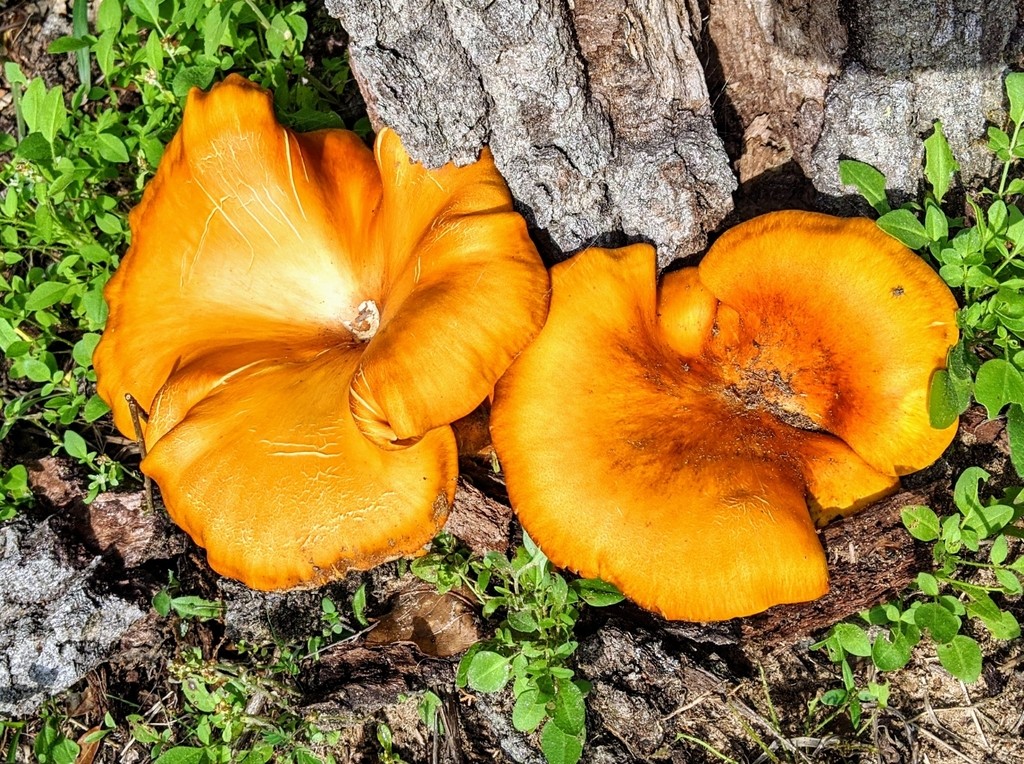
9. Southern jack o'lantern
As the name implies, the Southern jack o'lantern is not only a striking pumpkin-like orange color, but it also has the ability to glow in the dark — resembling carved Halloween jack o'lanterns with candles in them. This phenomenon that the southern jack o'lantern produces is called bioluminescence and is most evident at the peak of spore production.
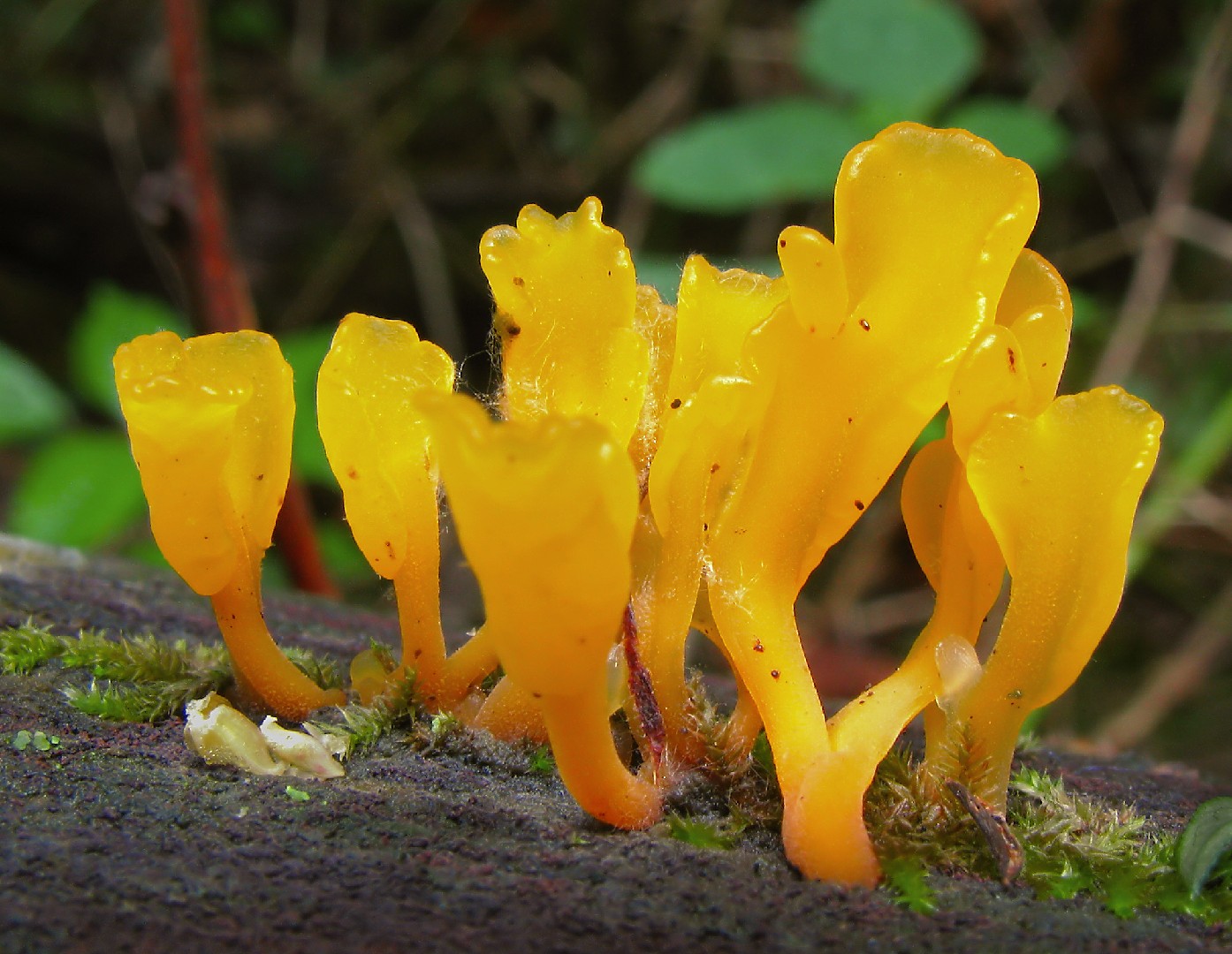
10. Fan-shaped jelly-fungus
Just as its Latin and the common English names suggest, the fan-shaped jelly-fungus (Dacryopinax spathularia) is a fan-shaped or spatula-shaped jelly-like mushroom. It commonly grows in wood cracks and it sometimes even appears in the cracks of the processed wood and lumber. Despite the word "jelly" in its name, the fan-shaped jelly-fungus is not considered edible.

More







