




Top 20 Most Common Mushrooms in College Station
Welcome to our guide on the top 20 most prevalent mushroom species found in College Station. Nestled in the heart of Texas, College Station boasts a diverse terrain ideally suited for mycology enthusiasts, allowing for the blooming of myriad fungi varieties. The city's unique climatic conditions, rich in rainfall and warmth, contribute to its flourishing mushroom presence. Be prepared, as the treasure trove of College Station's fungi kingdom is ready to be discovered.

Most Common Mushrooms
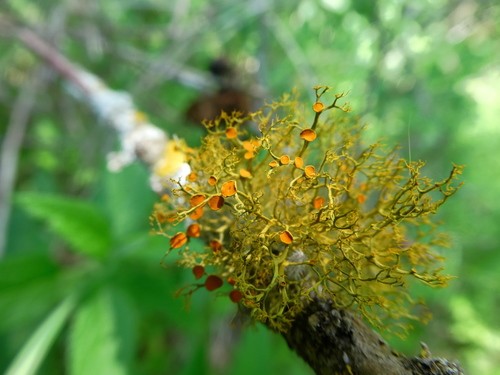
1. Slender orange-bush
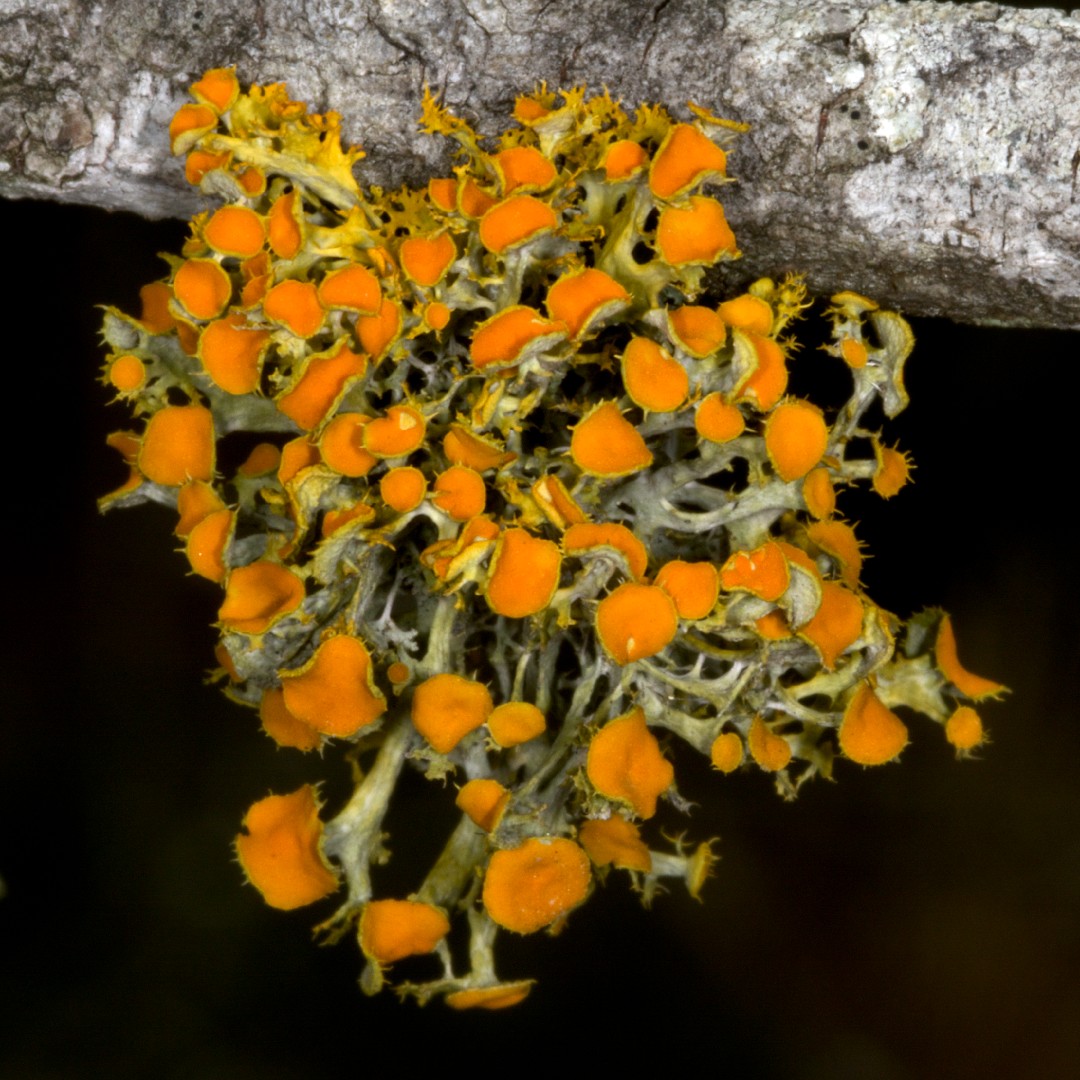
2. Gold-eye lichen
The almost indistinguishable species is a gray-yellow or light to orange-orange, bush-shaped camp with marginal fibrils. However, adhesive fibers are missing. The length of the slightly flattened sections is about 1.5 cm. The frequently formed fruiting bodies (apothecaries) have an orange disc with characteristic eyelashes on the edge and a diameter of 2 to 7 mm. The Photobiont is a member of the green algae genus Trebouxia.
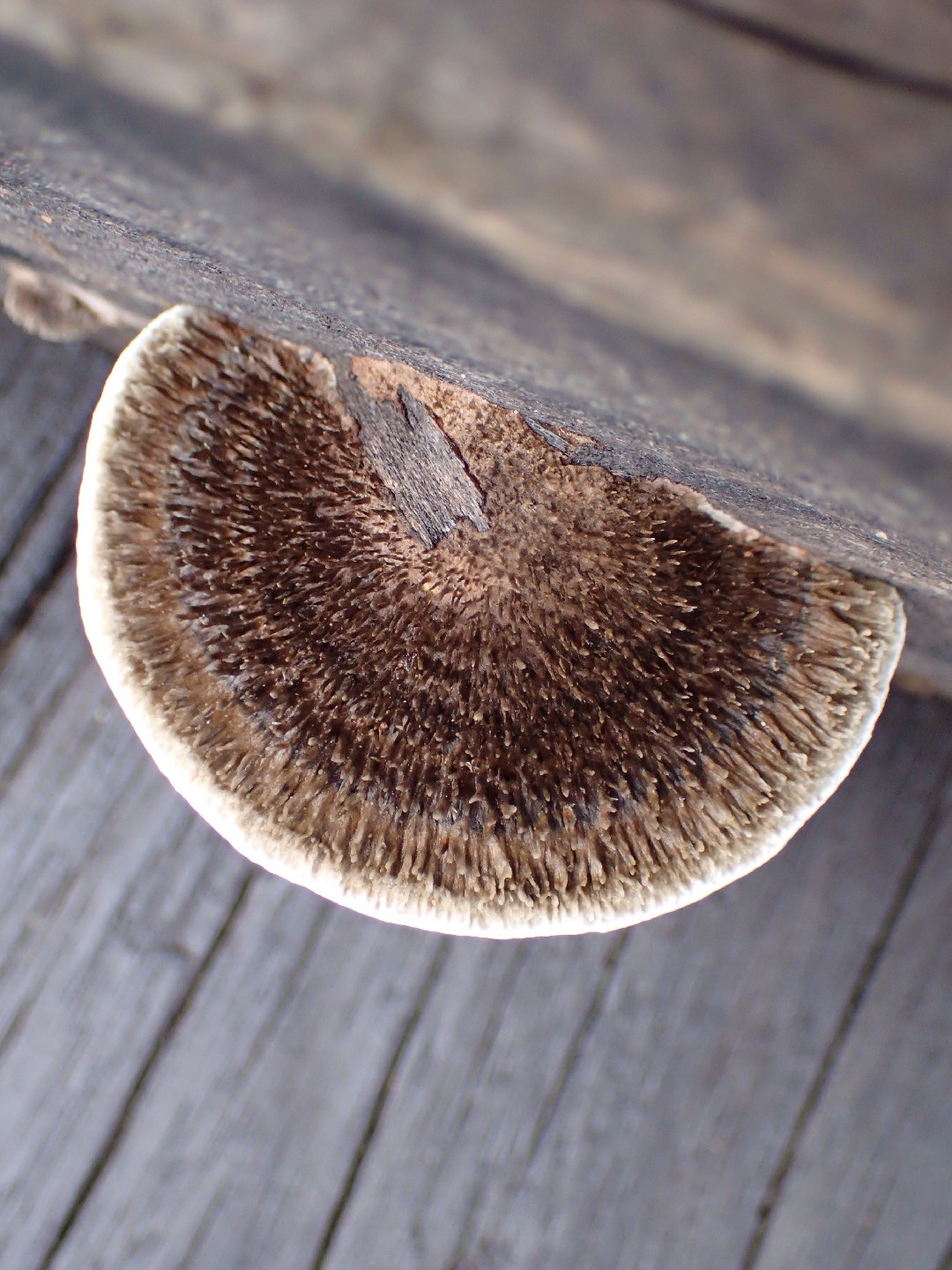
3. Hairy hexagonia
The hairy hexagonia (Hexagonia hydnoides) is not the most common mushroom you'll find, but has very distinctive qualities. Stiff, dark brown, bristle-like hairs emerge from an ochre flat cap and are found growing from a decaying tree stump or wood. The large pores on the cap's underside create an almost sponge-like appearance, and the stem is otherwise not visible.
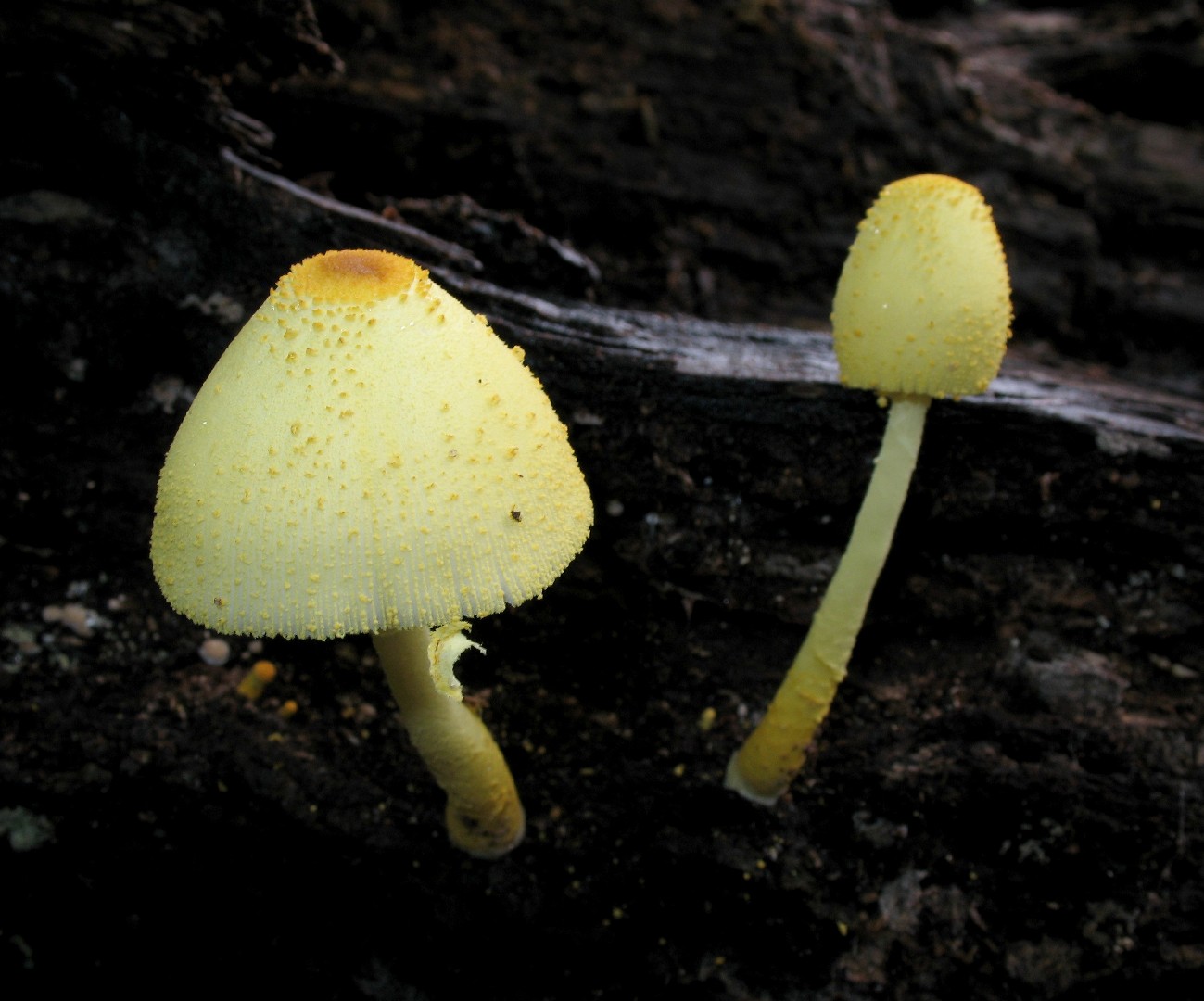
4. Flowerpot parasol
This tropical/subtropical mushroom is known to be toxic. If eaten it causes a very unpleasant stomachache with the risk of fatal complications. In temperate zones, flowerpot parasol is only found in hothouses and greenhouses, so the risk of accidental foraging is low, but it may occur with potted plants and indoor landscaping and pose a risk to curious children.
5. Split gill
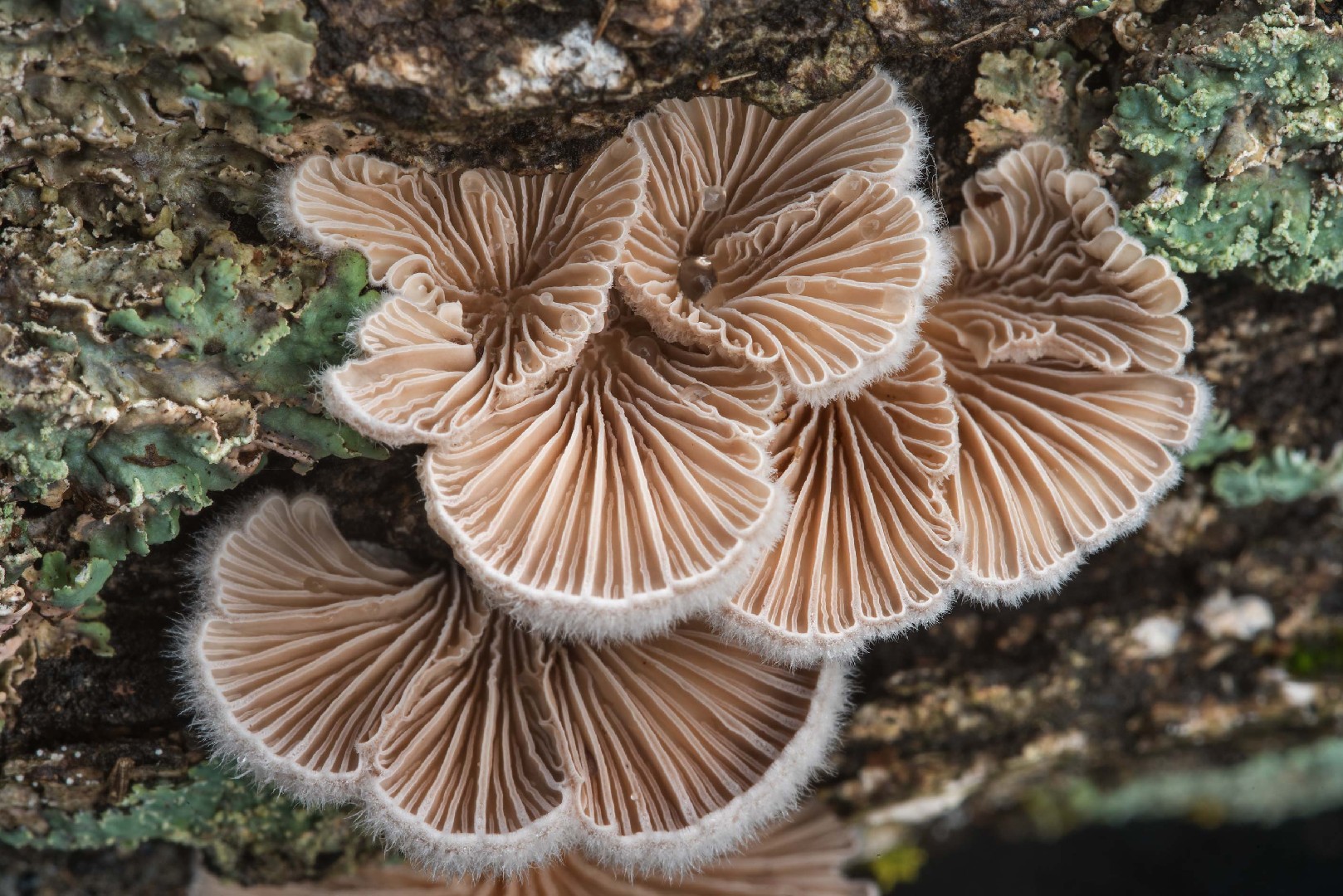
Split gill(Schizophyllum commune) can be found across the globe. Uniquely, it is the only mushroom species known to display the capability to retract by movement. It is considered inedible, although not necessarily toxic. Furthermore, it is not recommended to smell this species, as the spores are capable of sprouting and growing in nasal passages.
6. Cartilage lichen
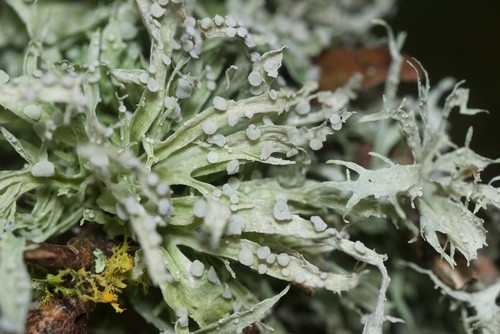
Fructicose lichen cartilage lichen showcases an extraordinary ability to thrive in various habitats, from arid deserts to moist woodlands. Unique to cartilage lichen, it has a symbiotic relationship with both fungi and algae, with each benefiting the other. Intriguingly, cartilage lichen can capture atmospheric nutrients, even in the most nutrient-poor environments.
7. Tropical white polypore
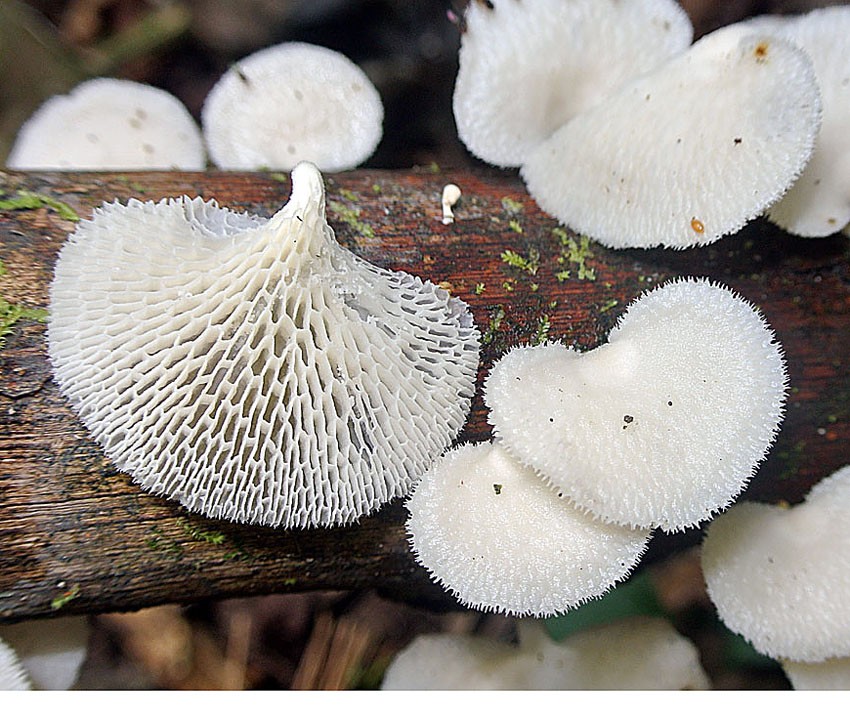
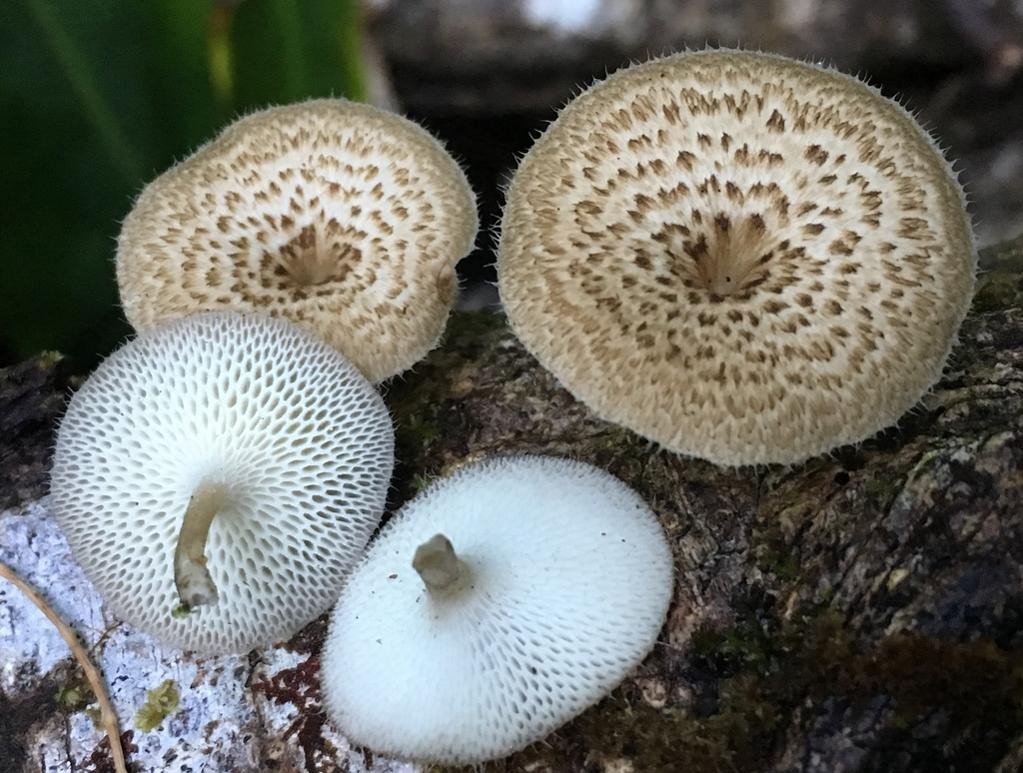
Tropical white polypore(Favolus tenuiculus) can be most often found on pieces of decaying wood, particularly in areas replete with moisture. Until recently it was a member of the genus Polyporus, which has since been subdivided. Named for its evocative appearance, the species is a favorite food of local insect species.
8. Stalked lattice stinkhorn
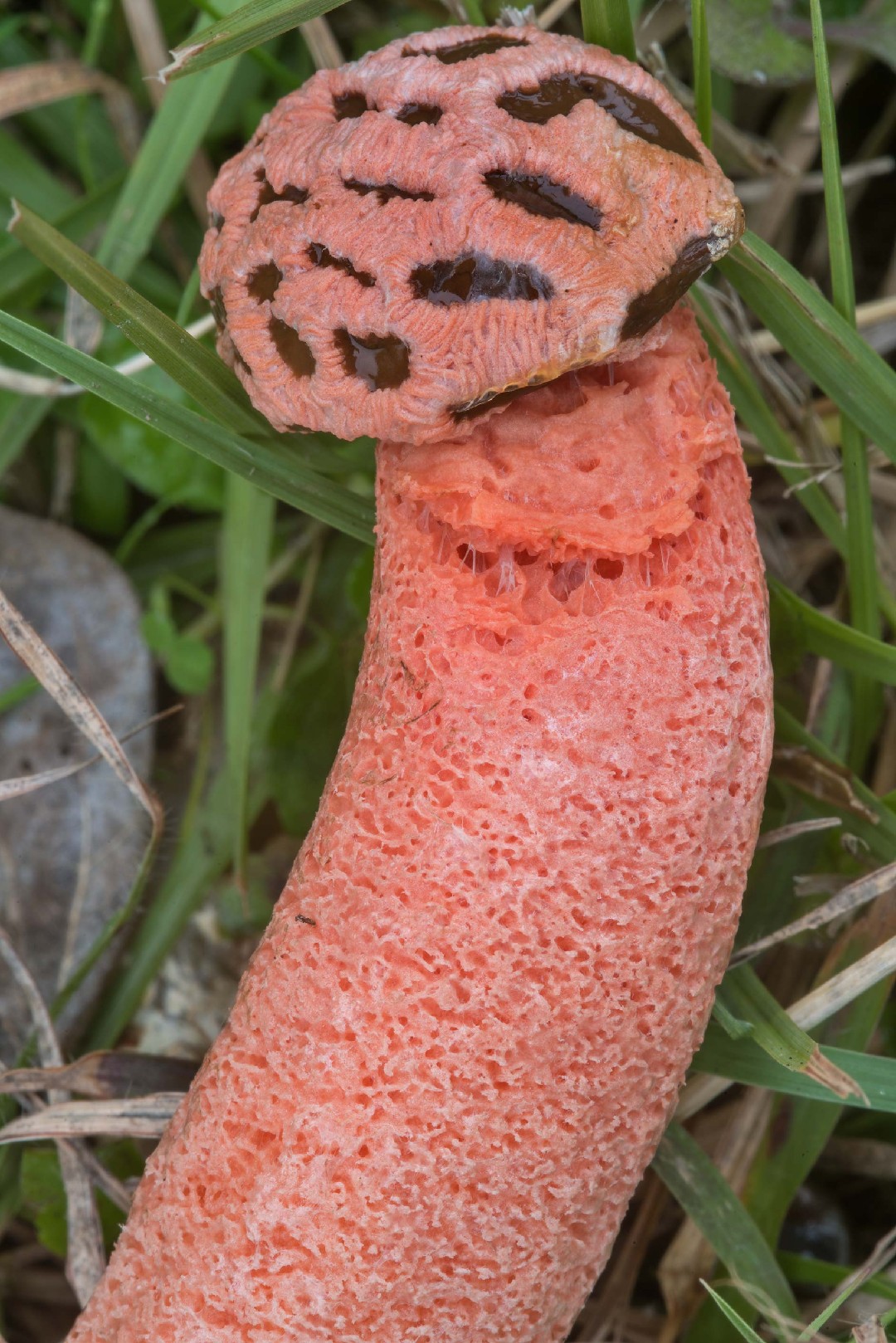
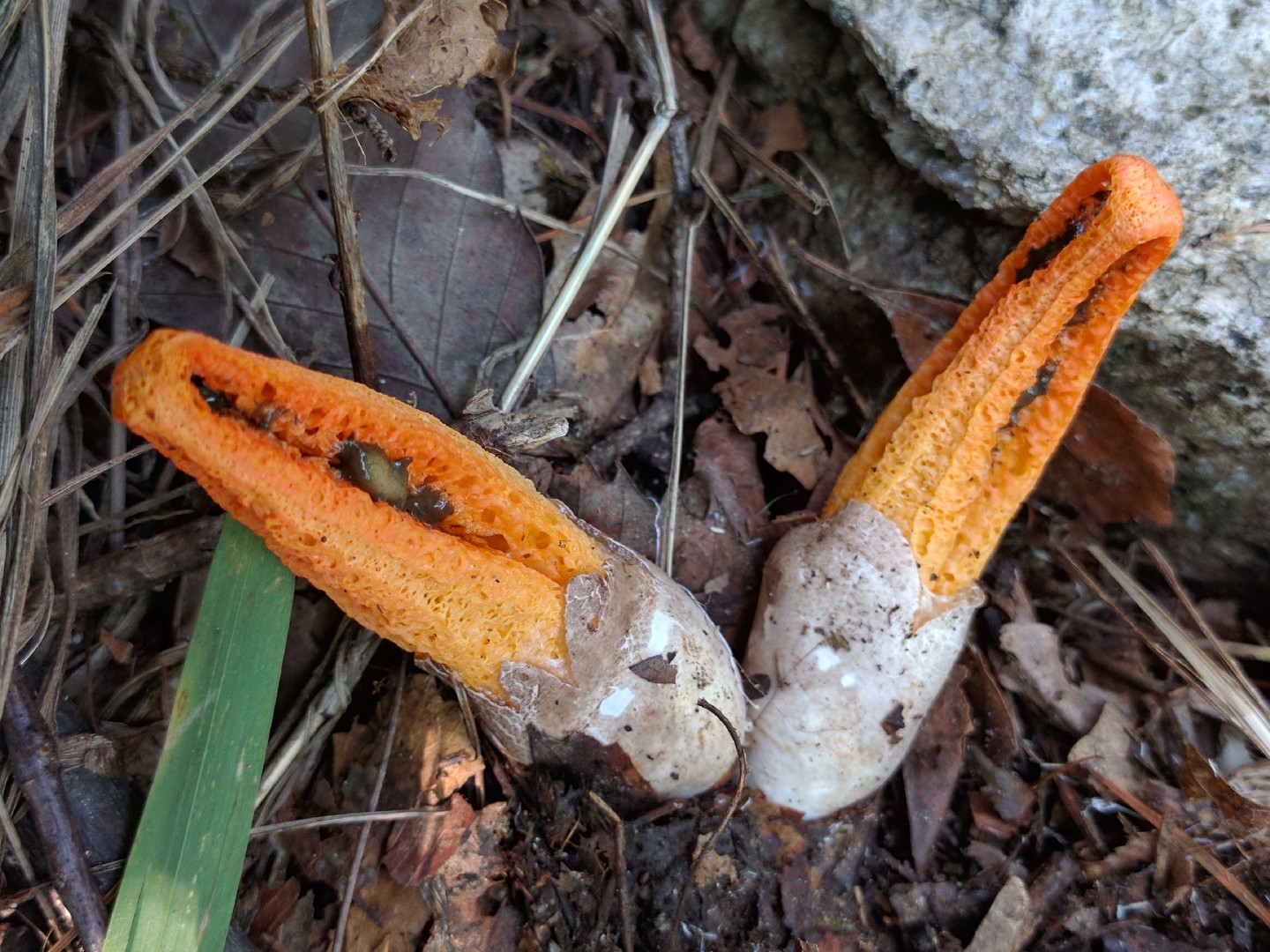
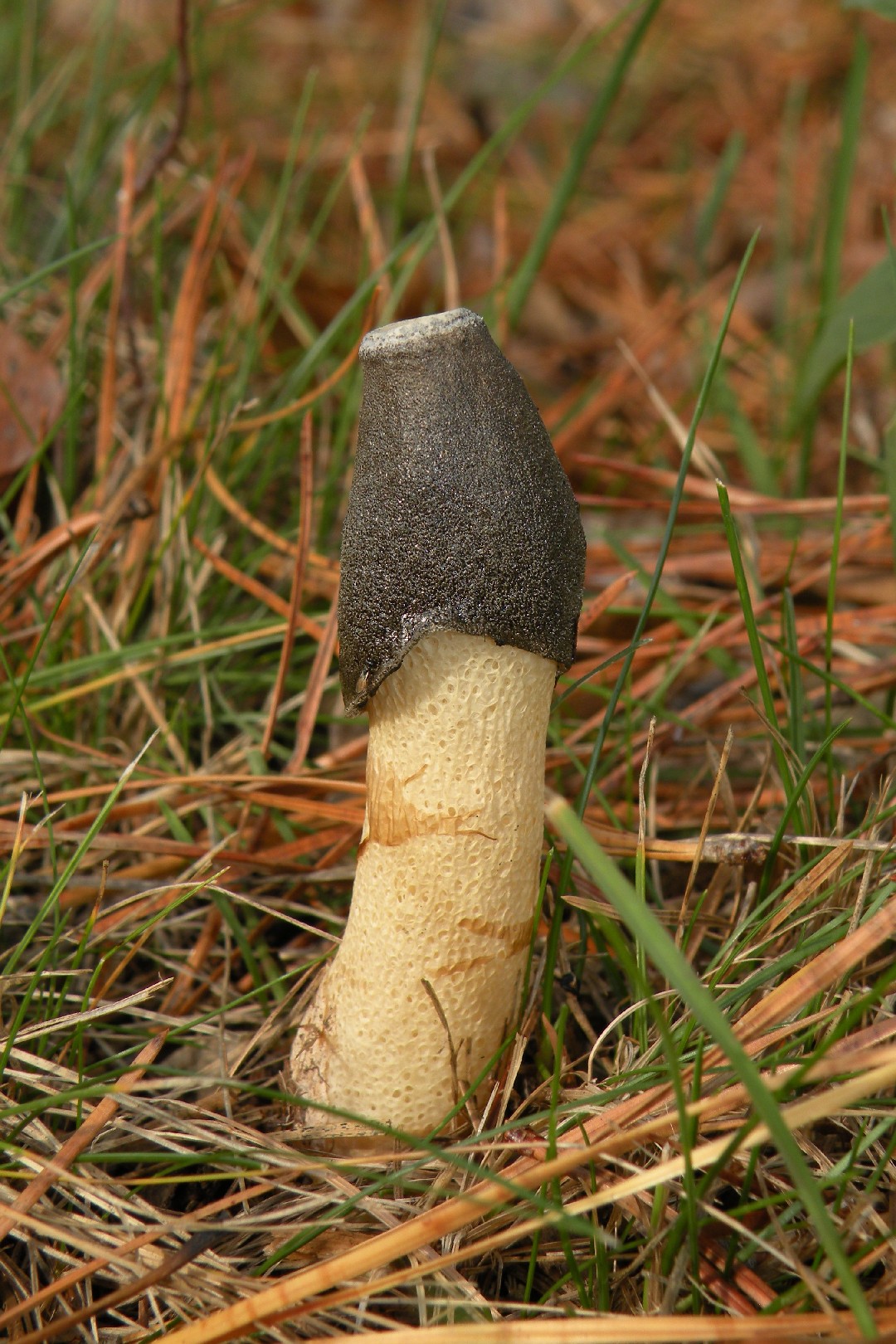
Immature fruiting bodies of L. periphragmoides start as round or oval "eggs" that may be up to 5 cm (2.0 in) in diameter. On the underside of the egg are whitish rhizomorphs that anchor it to the substrate. The peridium is white to buff-colored on the external surface, and has a gelatinous layer inside. An egg cut in half lengthwise reveals internal layers, including a tough white outer peridium, and a thick layer of firm, translucent, gelatinous matter transversed by strands (trabeculae) of denser white tissue. The strands are anastomosing partitions, connecting with the peridium externally and with the bars of the receptaculum within. The gelatinous layer is therefore divided up into many irregular longitudinal chambers. The egg eventually ruptures as the stalk expands and breaks through, creating a volva at the base of the stipe. In maturity, the fruit bodies, are up to 15 cm (5.9 in) tall, with a latticed spherical cap (the receptaculum) atop a long yellow or reddish stipe. In general, Old World specimens tend to be yellow, while New World specimens are reddish, although exceptions have been noted in the literature. The receptaculum is typically 1.5–3.5 cm (0.6–1.4 in) in diameter and forms a red or orange lattice, or mesh. There are typically between 20 and 100 small pentagonal to hexagonal meshes in the receptaculum; the arms of the mesh have sharp ridges on the outer surface, corrugations on the sides, and are flat to weakly ridged on the inner surface. The internal surfaces of the receptaculum are covered with an olive-green spore-bearing gleba, which sometimes seeps through the mesh holes. Like most stinkhorn species, the gleba has a foul odor, comparable to rotten meat, but it is "less-offensive" than most. The smell of fresh, newly exposed gleba has been reported to be sweet, similar to amyl acetate; the foul odor forming only after it has been exposed to air for some time. The stipe is 5–15 cm (2.0–5.9 in) by 0.8–3 cm (0.3–1.2 in) thick, and is hollow and spongy. The walls of the stipe are made of an inner layer of large tubes and two or three outer layers of small tubes. Specimens may occasionally be found with fused heads on two separate stipes arising from a single volva. A variety with a white fruit body is known, Lysurus periphragmoides var. albidum (originally described as Simblum texense var. albidum by Long). It was reported growing from sandy alkaline soil in semi-arid regions of New Mexico, but has not been reported again since Long's collections in 1941. Spores are elliptical or oblong in shape, smooth, inamyloid, and have dimensions of 3.5–4.5 by 1.5–2.5 µm. The use of scanning electron microscopy has revealed that L. periphragmoides (in addition to several other Phallales species) has a hilar scar—a small indentation in the surface of the spore where it was previously connected to the basidium via the sterigma. Like many of the stinkhorns, L. periphragmoides is generally considered only edible when in its immature "egg" form. 
9. Southern jack o'lantern
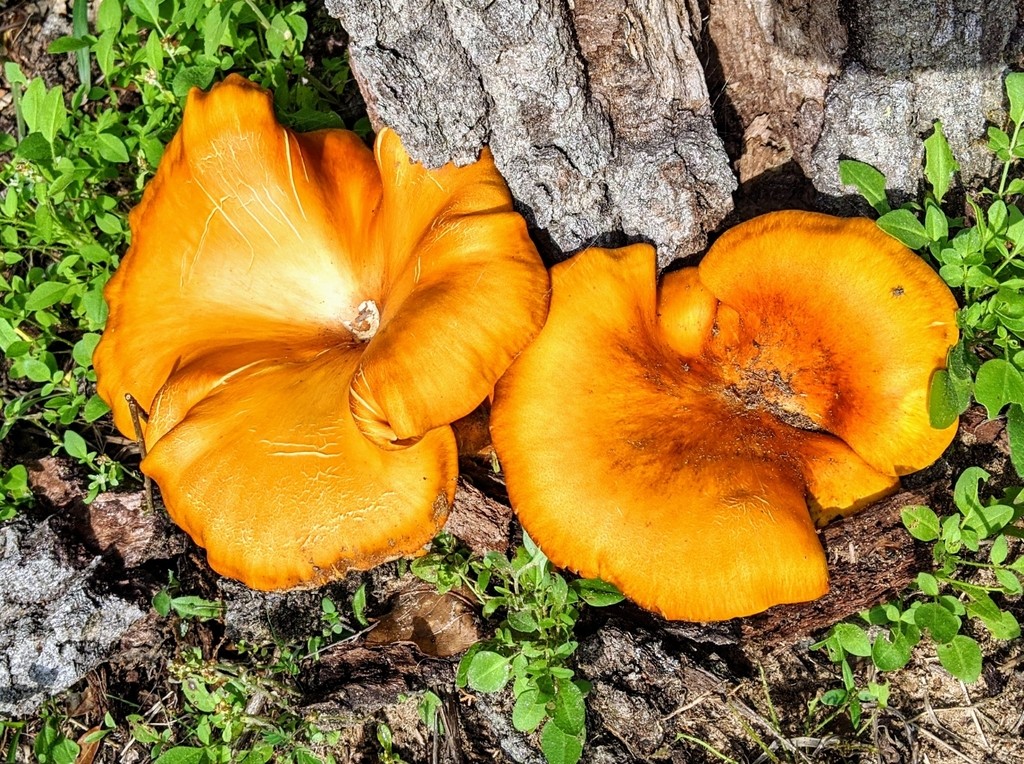
As the name implies, the Southern jack o'lantern is not only a striking pumpkin-like orange color, but it also has the ability to glow in the dark — resembling carved Halloween jack o'lanterns with candles in them. This phenomenon that the southern jack o'lantern produces is called bioluminescence and is most evident at the peak of spore production.
10. Turkey tail
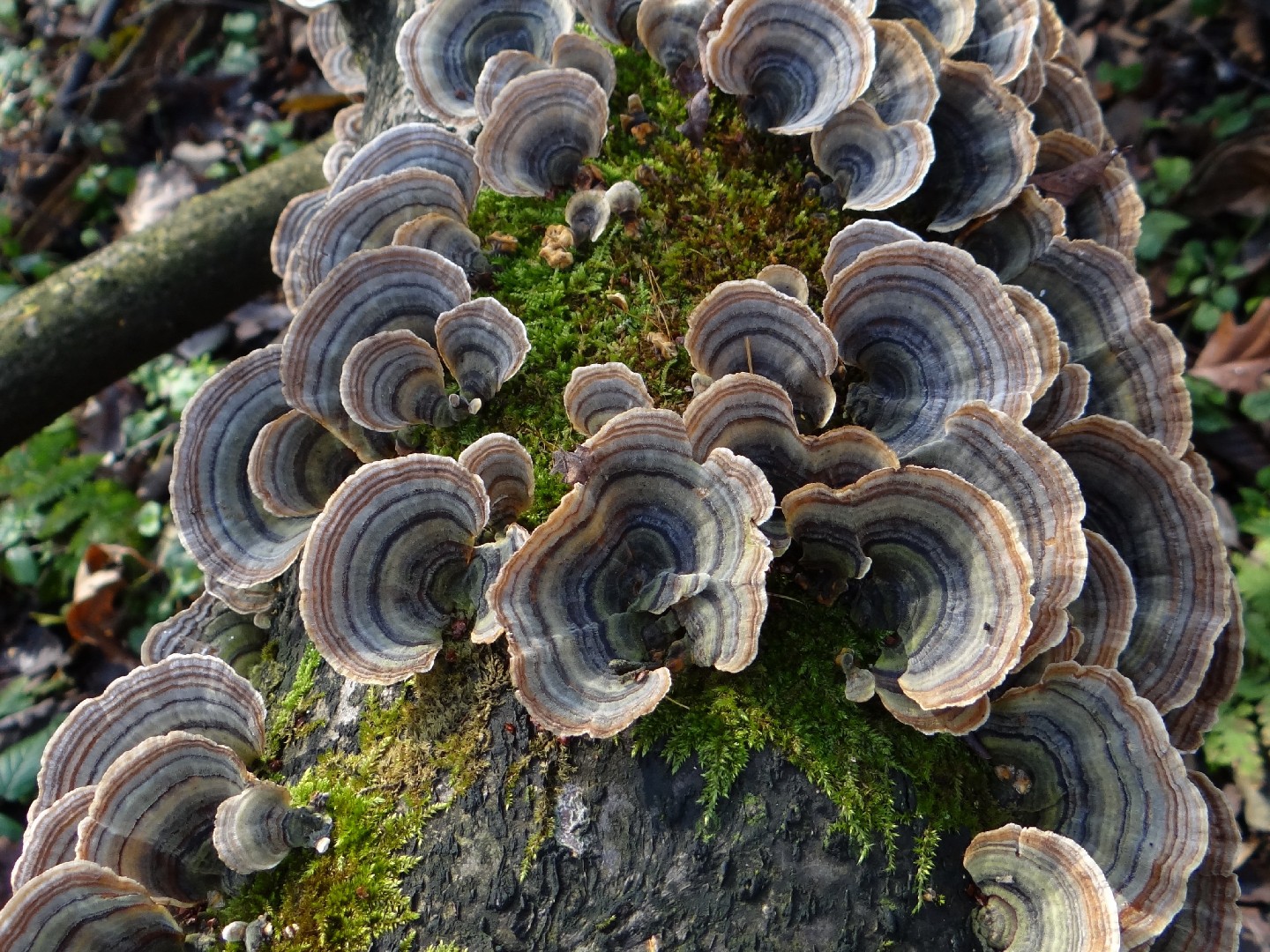
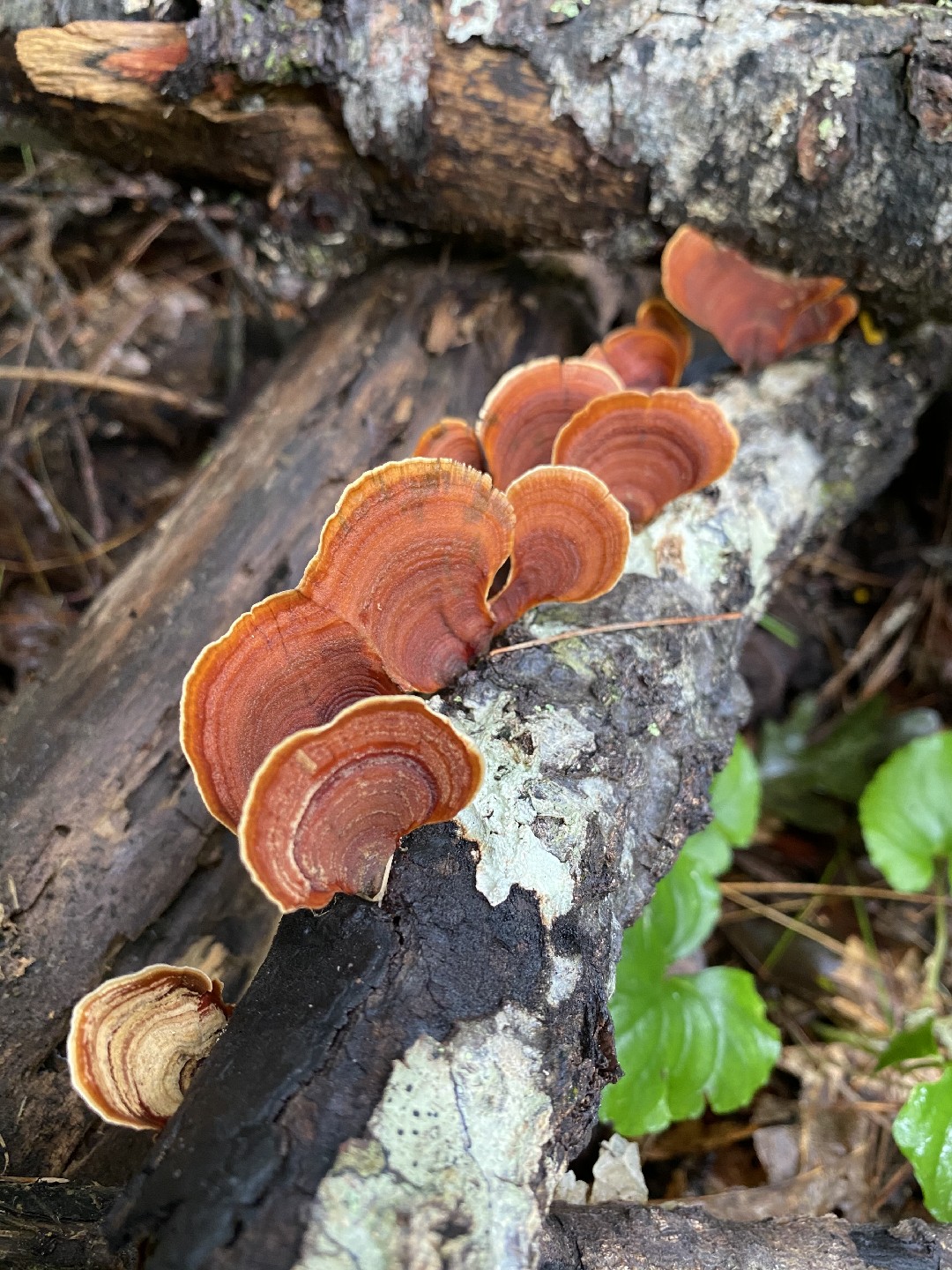
The distinctively-striped turkey tail fungus grows on stumps and logs all over the forests of the northern hemisphere. It is, in fact, probably the most common species you will find. That doesn't mean this mushroom is plain, however; each cap is uniquely patterned. Look for bands of alternating textures as well as color.
More







