




Top 20 Most Common Mushrooms in Ontario
Welcome to the intricate world of fungi! Here in Ontario, we are blessed with a plethora of vibrant mycological wonders. Our last count showcased the 20 most prevalent mushroom species, highlighting the biodiversity in our locales. Each of them represents a fascinating story, unfolding right in our backyards! What makes Ontario special? Its climatic variety and rich, fertile soil catalyze the growth of these mushrooms, providing a stunning display of nature’s artistry. So, let’s embark on this exciting fungal discovery together!

Most Common Mushrooms
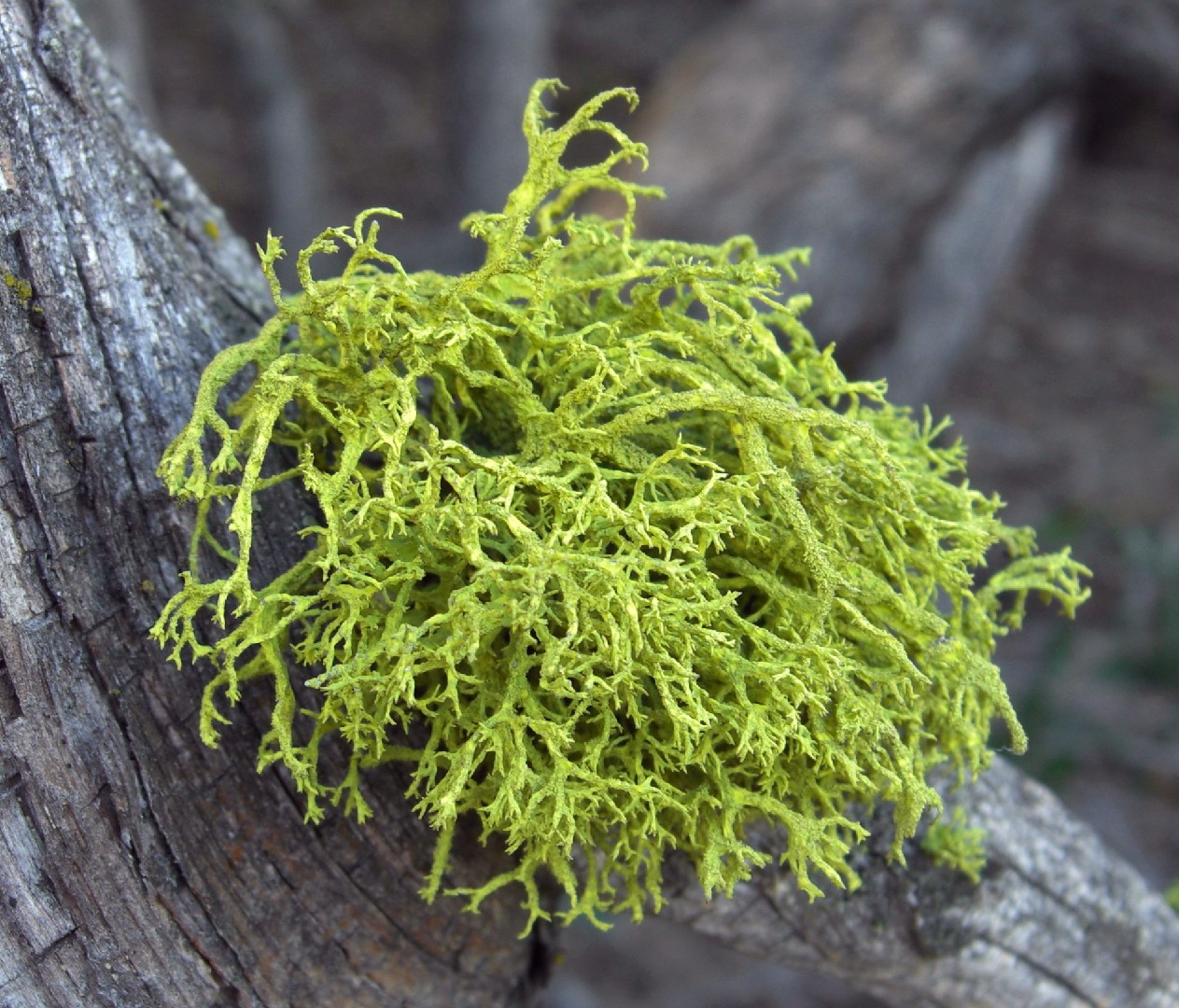
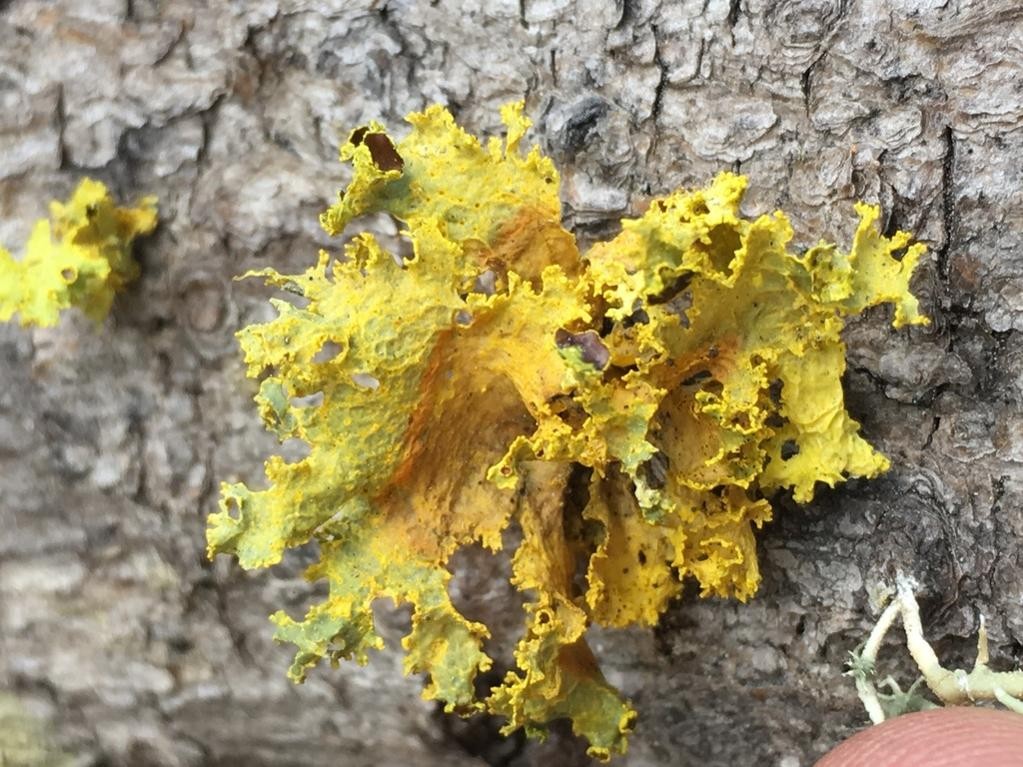
1. Wolf lichen
The thallus, or vegetative body, has a fructicose shape — that is, shrubby and densely branched — and a bright yellow to yellow-green, or chartreuse color, although the color will fade in drier specimens. Its dimensions are typically 2 to 7 cm (0.8 to 3 in) in diameter. The vegetative reproductive structures soredia and isidia are present on the surface of the thalli, often abundantly. 
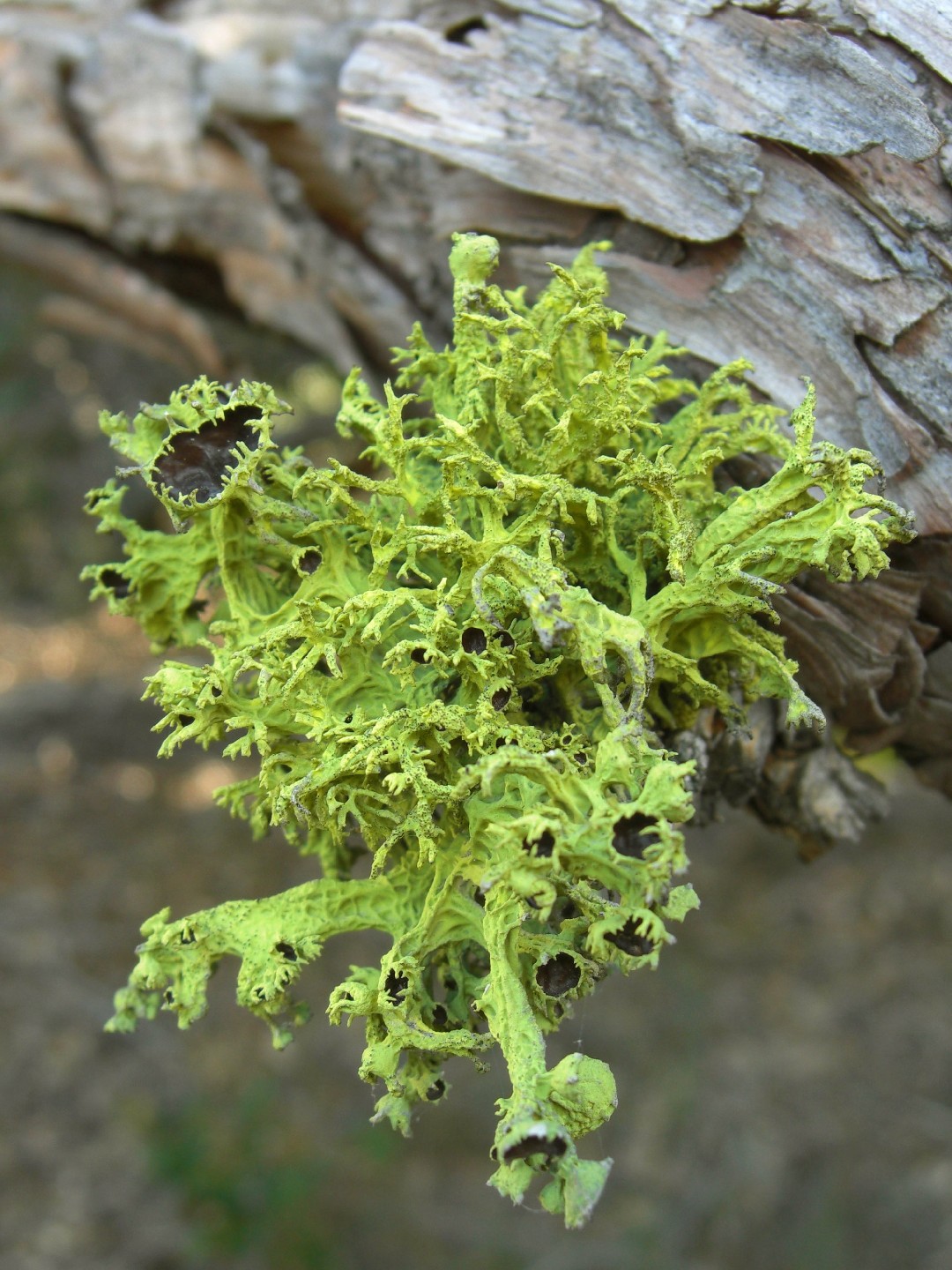
2. Brown-eyed wolf lichen
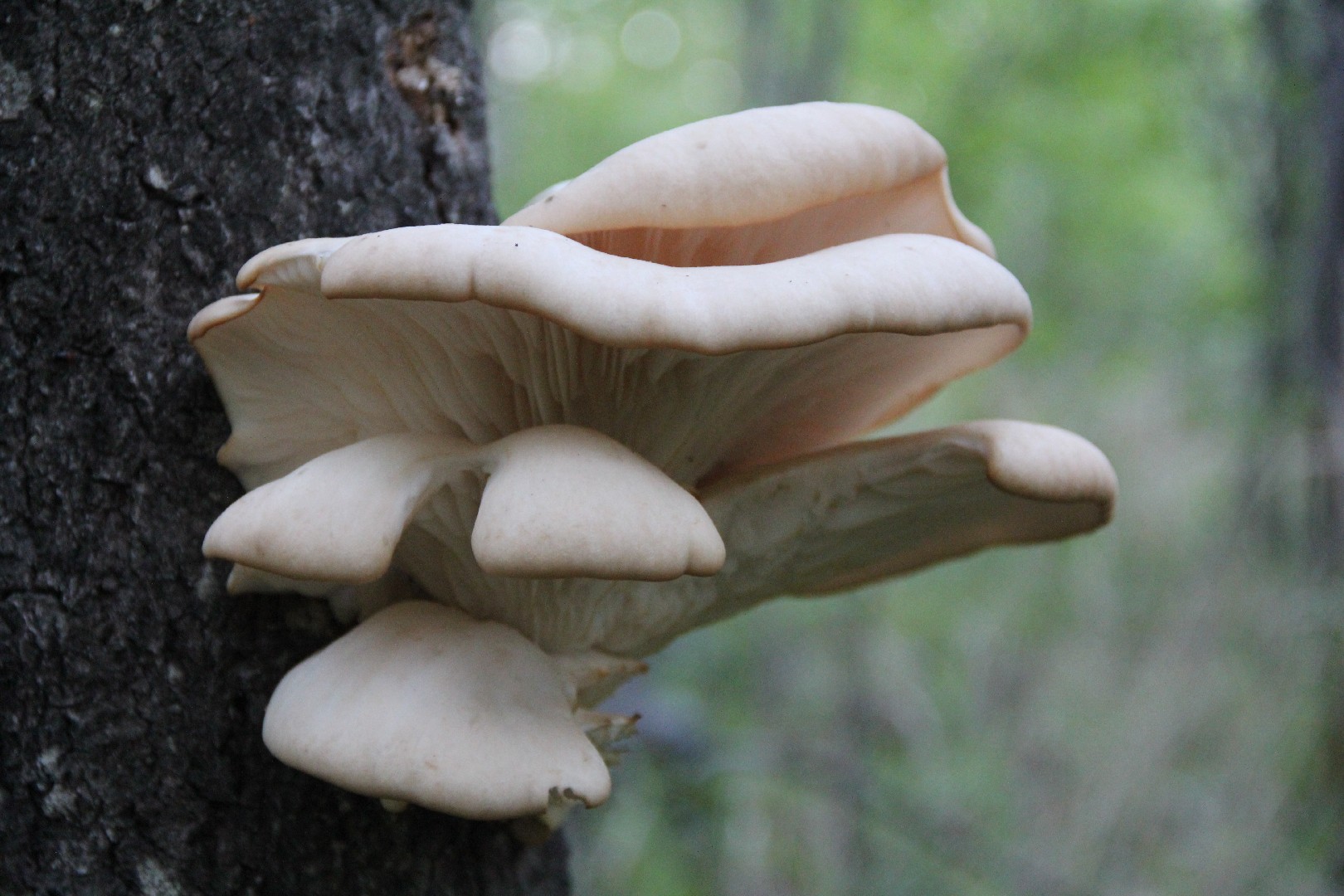
3. Aspen oyster mushroom
As 'Aspen' in its common name implies, the aspen oyster mushroom grows exclusively on dead aspen trees (the Populus genus). This oyster mushroom has a pleasant aroma, reminiscent of almond or anise. Like all oyster mushrooms, the aspen oyster mushroom can be used for dyeing wool, paper and fabrics.
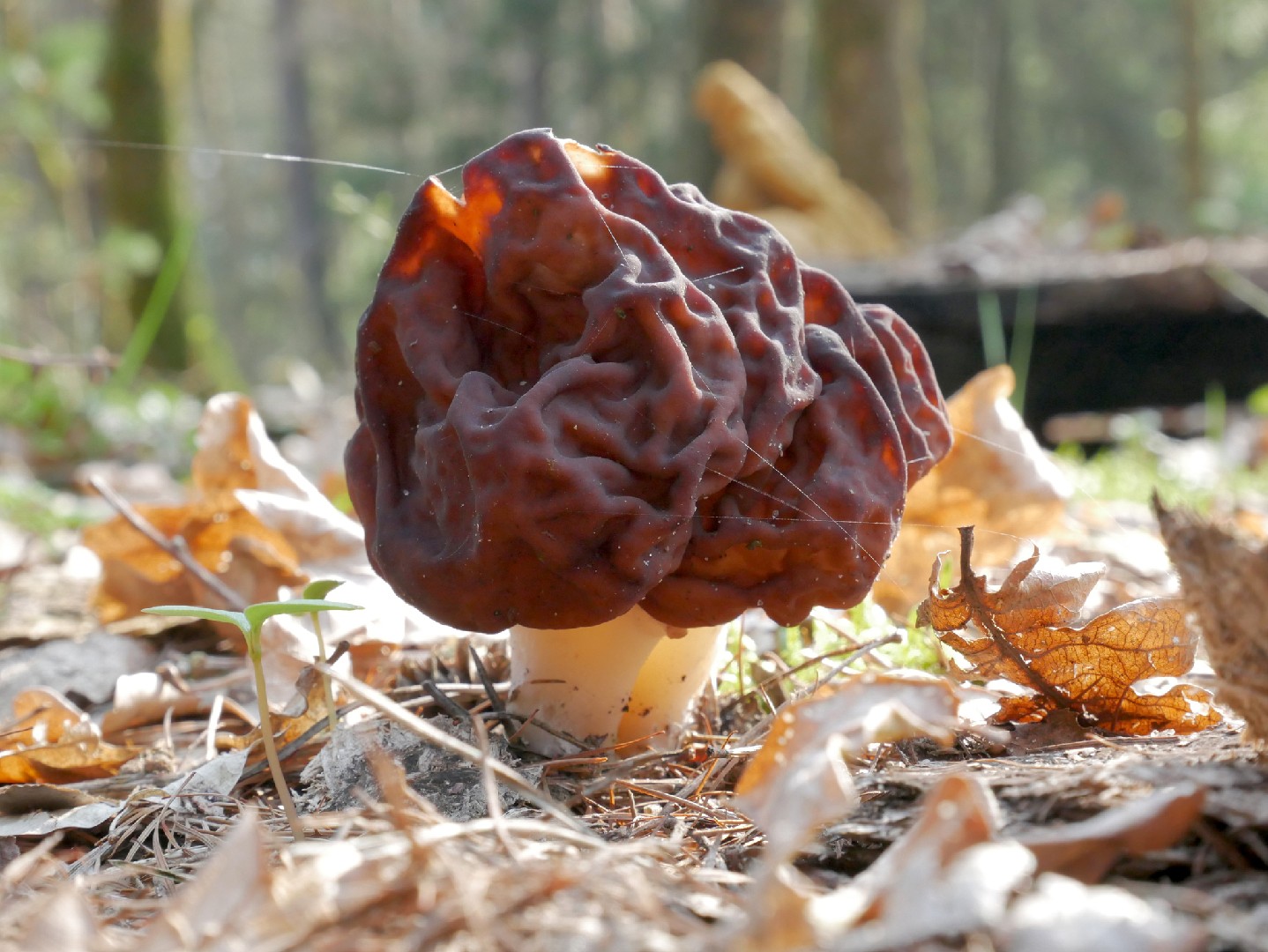
4. False morel
Though the delicious common morel (Morchella esculenta) has few look-alikes, this species perhaps comes the closest. Caps of the false morel (Gyromitra esculenta) may fool foragers looking for a tasty treat, but this species is toxic. To distinguish, note that the conical caps of the false morel are folded, appearing brain-like, while morels have holes in their caps, with a honeycomb appearance. When cut open, morels have hollow stems and caps, whereas those of false morels are usually filled in or stringy, at the least.
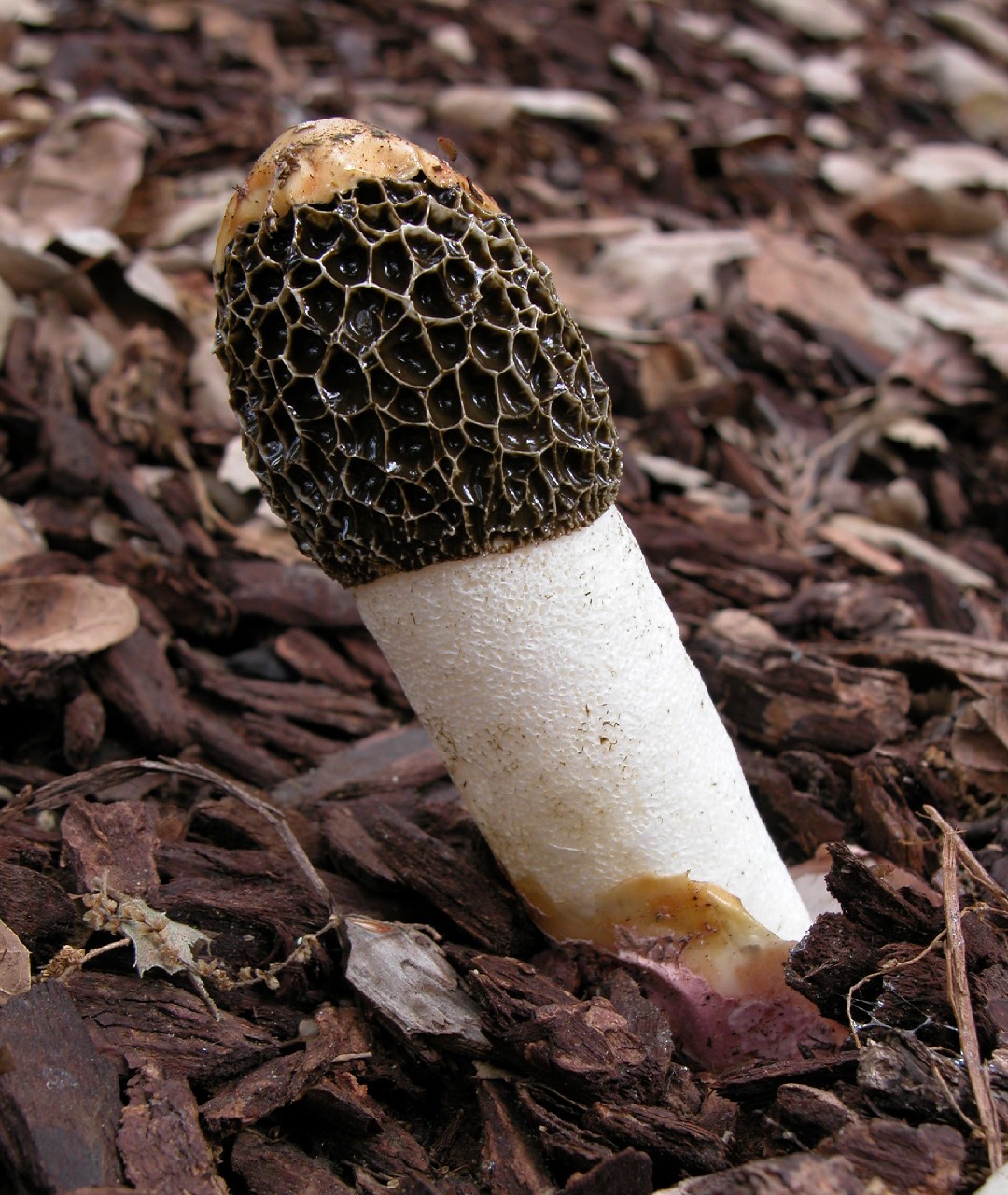
5. Dune stinkhorn
The dune stinkhorn (Phallus hadriani) is a distinctive species that, to novices, may bear a rough resemblance to the common morel. Although it favors sandy soils or dunes, can be found growing in all manner of disturbed habitats, from lawns to lots to gardens. The mushroom's stalk and cap sprout from a round, sheathed "egg." When mature, the dune stinkhorn has a long, thick stalk and a slimy, honeycombed cap.

6. Shaggy mane
The shaggy mane mushroom is commonly found in North American and European grasslands. Some peoples foraged for its young egg-shaped caps, but it has more recently been found to be a bioaccumulator of heavy metals, meaning it pulls toxic metals up from the soil where it grows. As a result, shaggy manes should not be eaten. The mushrooms usually appear in clusters or “fairy rings.”
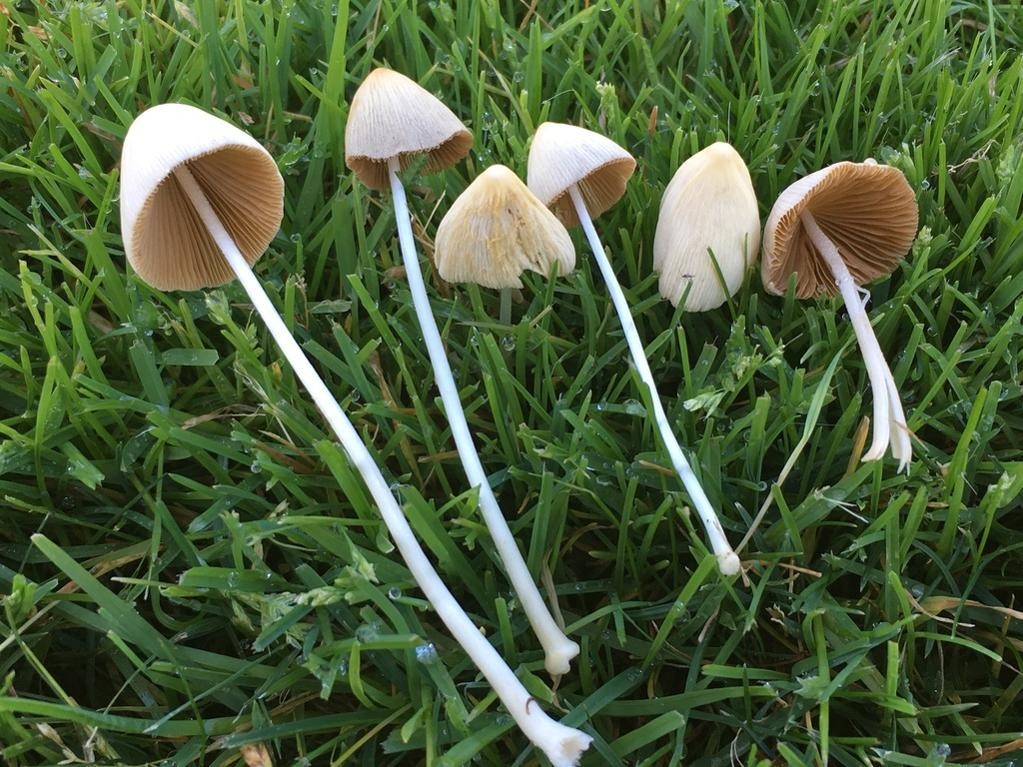
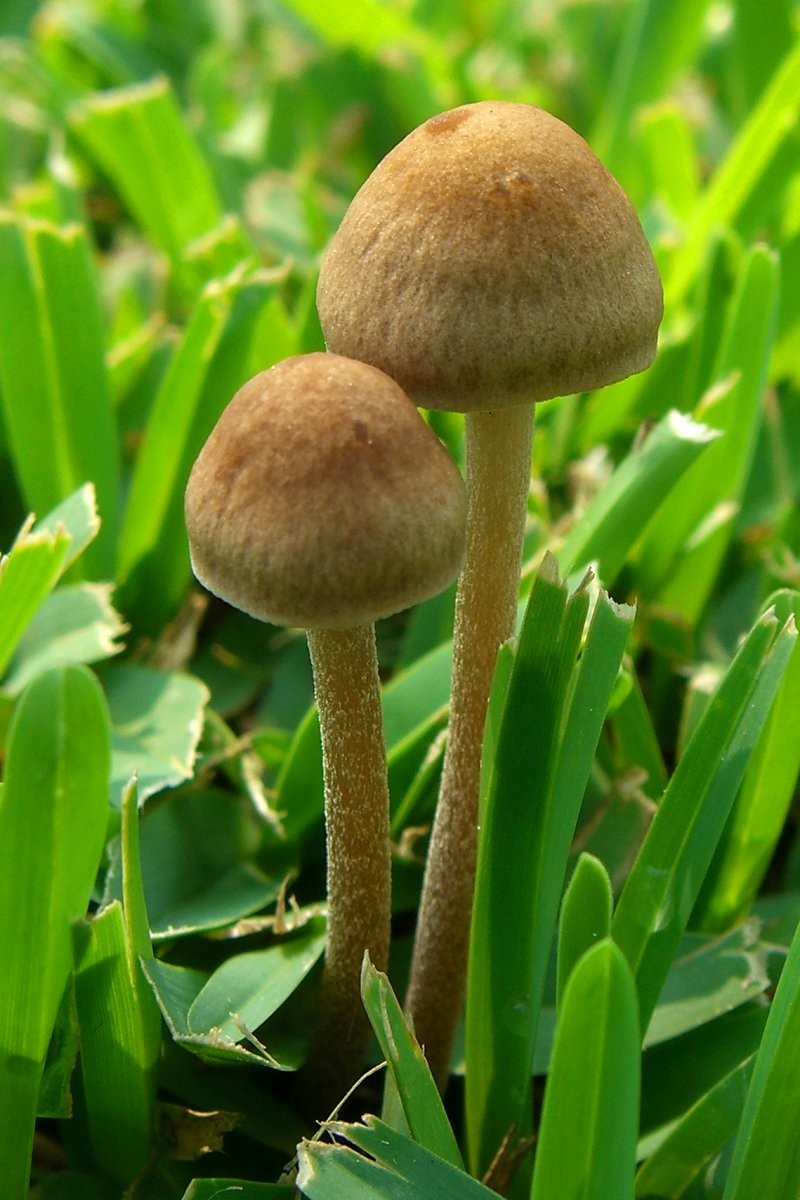
7. Milky conecap
A delicate little fairy-tale-looking mushroom, the milky conecap shows up in moist woodlands, fields, and lawns. The species' common name refers to its deep and pointed cap, which looks much like a garden gnome's hat. While the species is not known to be toxic, it is too small and delicate to bother with for culinary purposes.
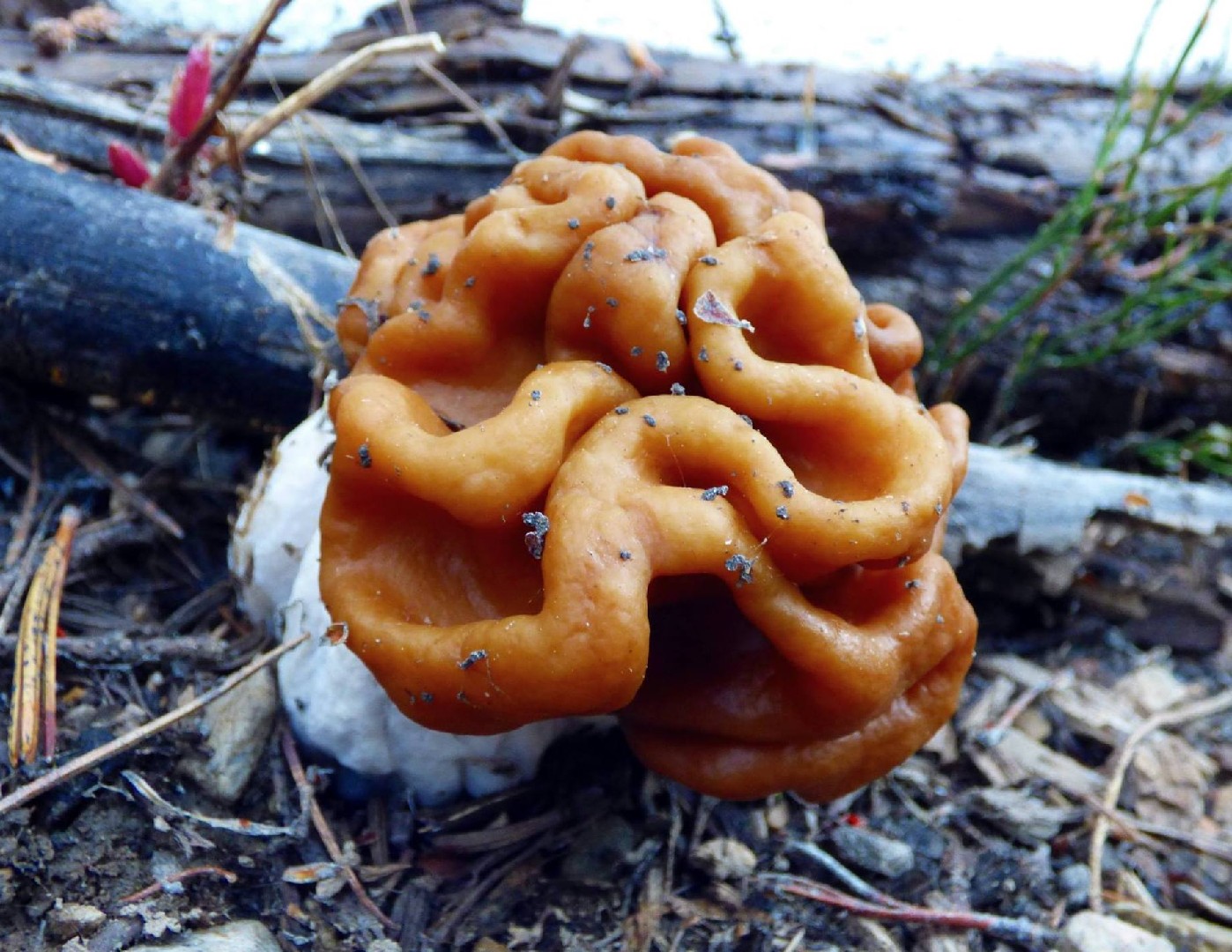
8. Discina montana
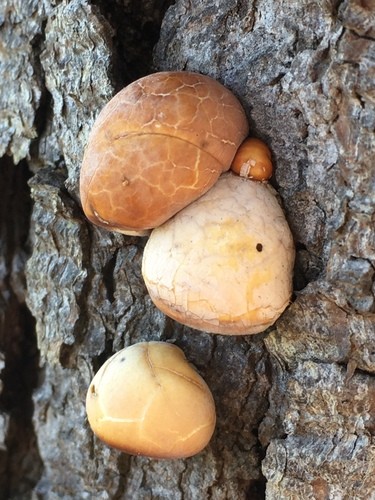
9. Veiled polypore
If you've ever gone on a walk through the woods where dead conifers are present, there's a good chance you've seen a veiled polypore. The fungus' name comes from the fact that it's pores are "veiled" by a rounded piece of tissue. Indeed, rather than growing in sheet-like formations like other polypores, the veiled polypore can be nearly spherical. These mushrooms are especially prevalent in pine stands that have been ravaged by fire or beetles.

10. Mountain blond morel
More







