




Top 20 Most Common Mushrooms in Eugene
Welcome to our exploration of the top 20 most common mushrooms found in the verdant landscapes of Eugene. Known for its lush surroundings and ideal, moist climate, Eugene boasts an extensive variety of fungi in various distinctive shapes and colors. The abundant mushrooms of Eugene provide a panoramic view, creating a paradise for mycologists and nature lovers alike. Let's take a closer look at these plentiful species, displaying Eugene's diverse and vibrant fungal ecosystem.

Most Common Mushrooms

1. Yellow stainer
The yellow stainer grows across North America and Europe and has been imported to Australia. It can be distinguished from other common white mushrooms by the bright chrome yellow color it turns when bruised. It is known to be poisonous, causing cramps, nausea, and purging. Unfortunately, it often gets accidentally eaten as it looks similar to several edible white mushrooms.
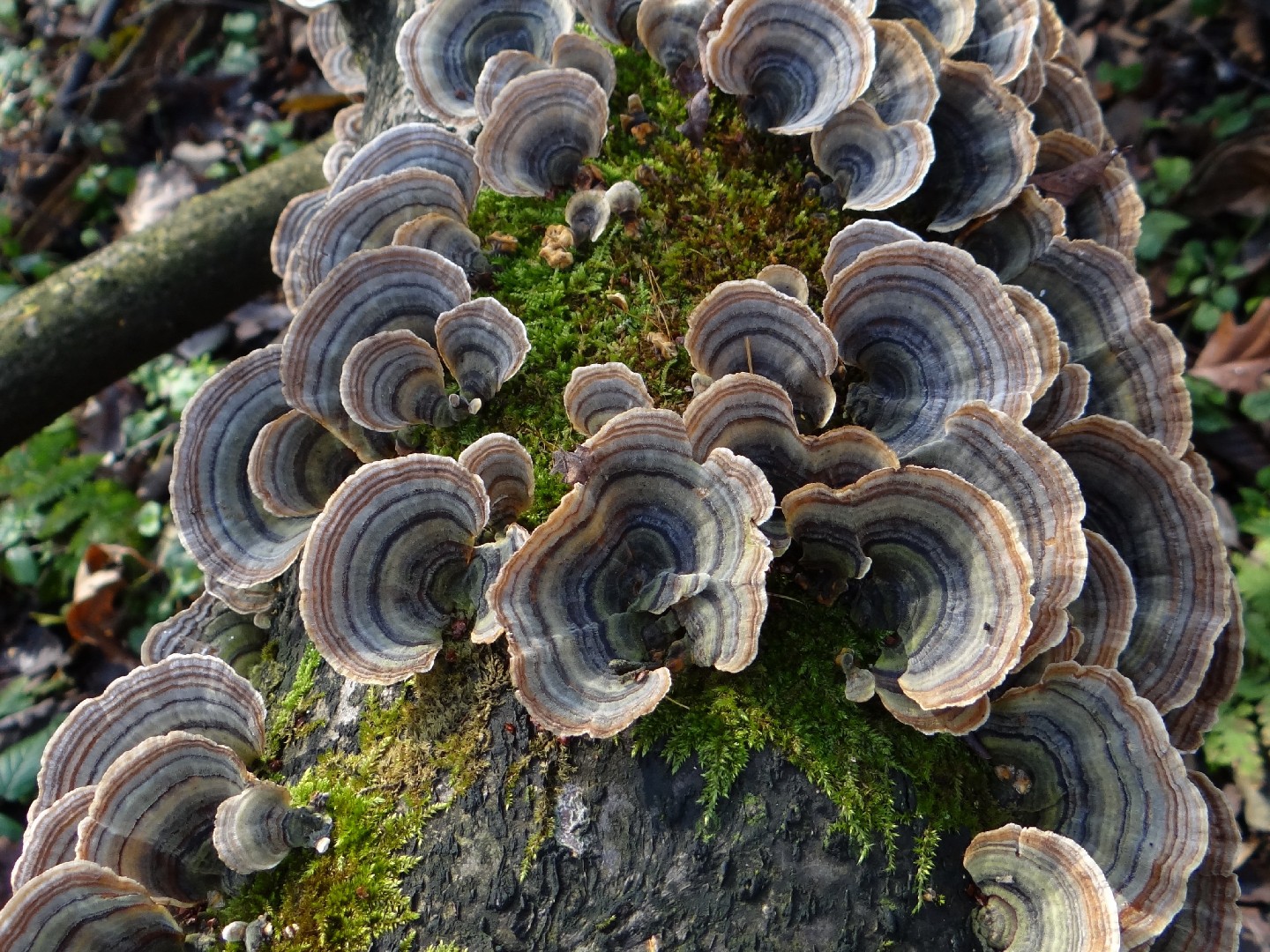
2. Turkey tail
The distinctively-striped turkey tail fungus grows on stumps and logs all over the forests of the northern hemisphere. It is, in fact, probably the most common species you will find. That doesn't mean this mushroom is plain, however; each cap is uniquely patterned. Look for bands of alternating textures as well as color.
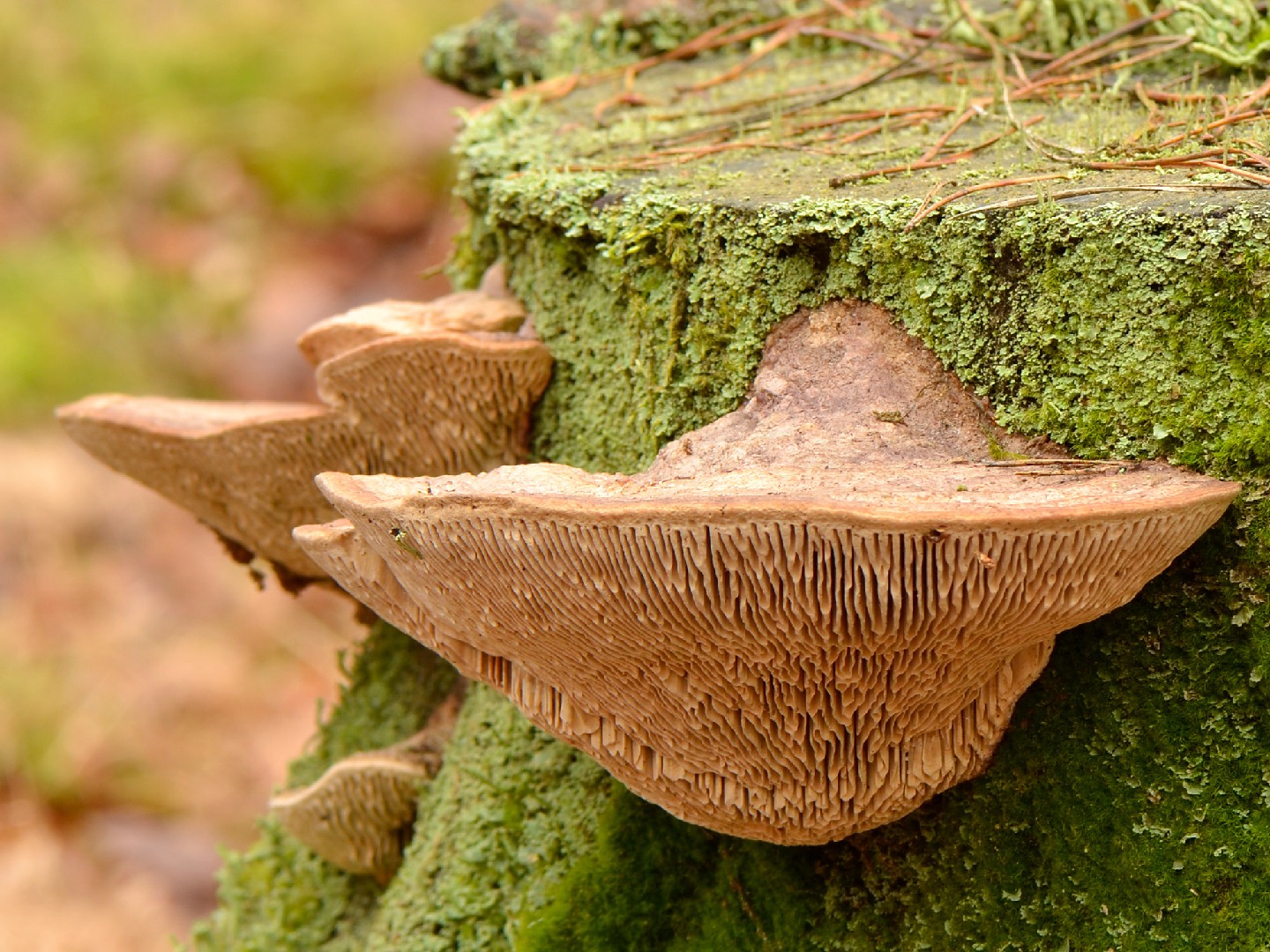
3. Oak mazegill
The oak mazegill is a tough polypore that can be found growing on the boles of dead hardwoods, especially oaks. The species lives up to its name - it sports a network of deep gills that are folded and divided into maze-like patterns. Hefty in size but not particularly bold in color, the oak mazegill can be found in temperate areas around the world.
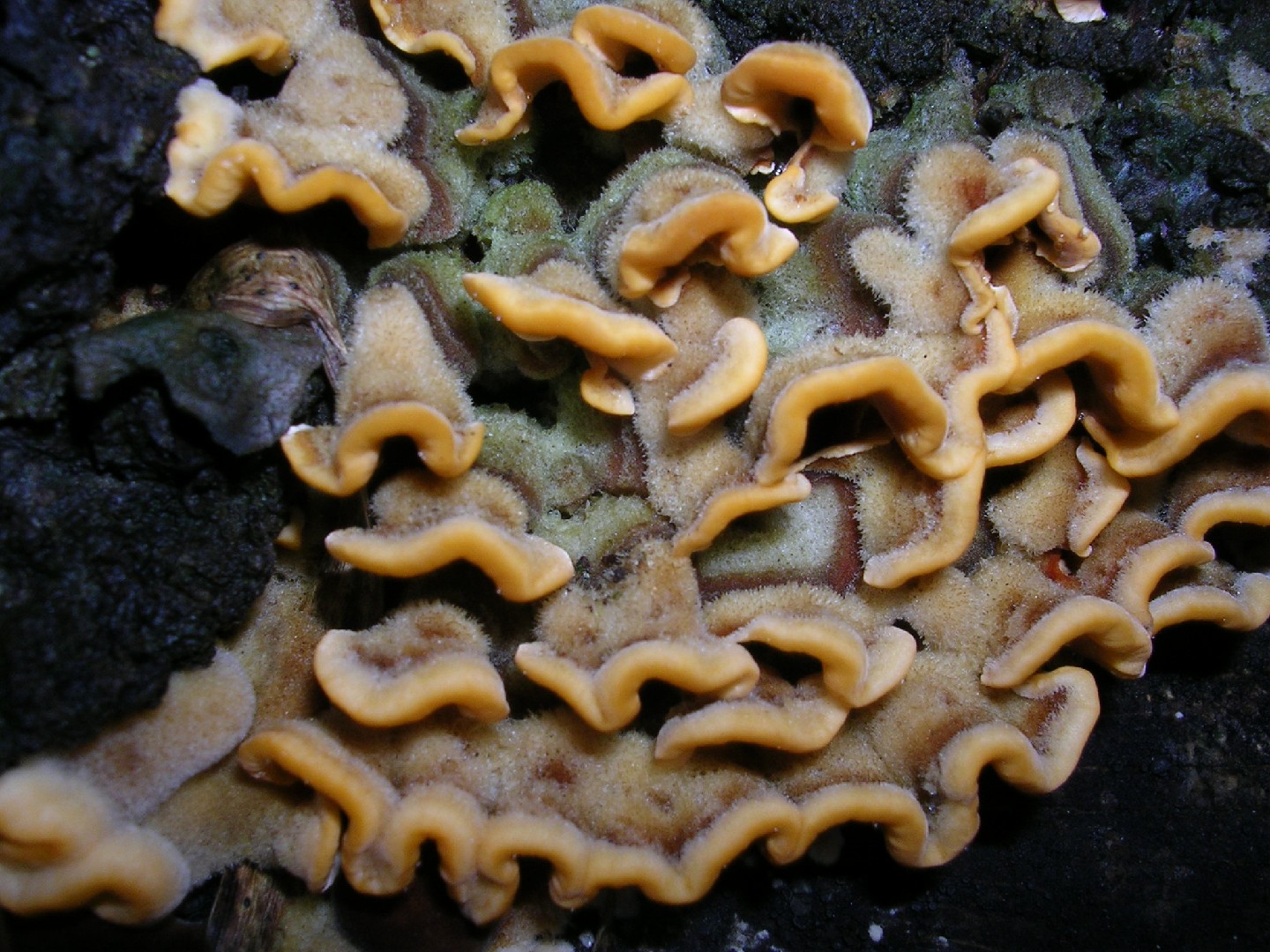
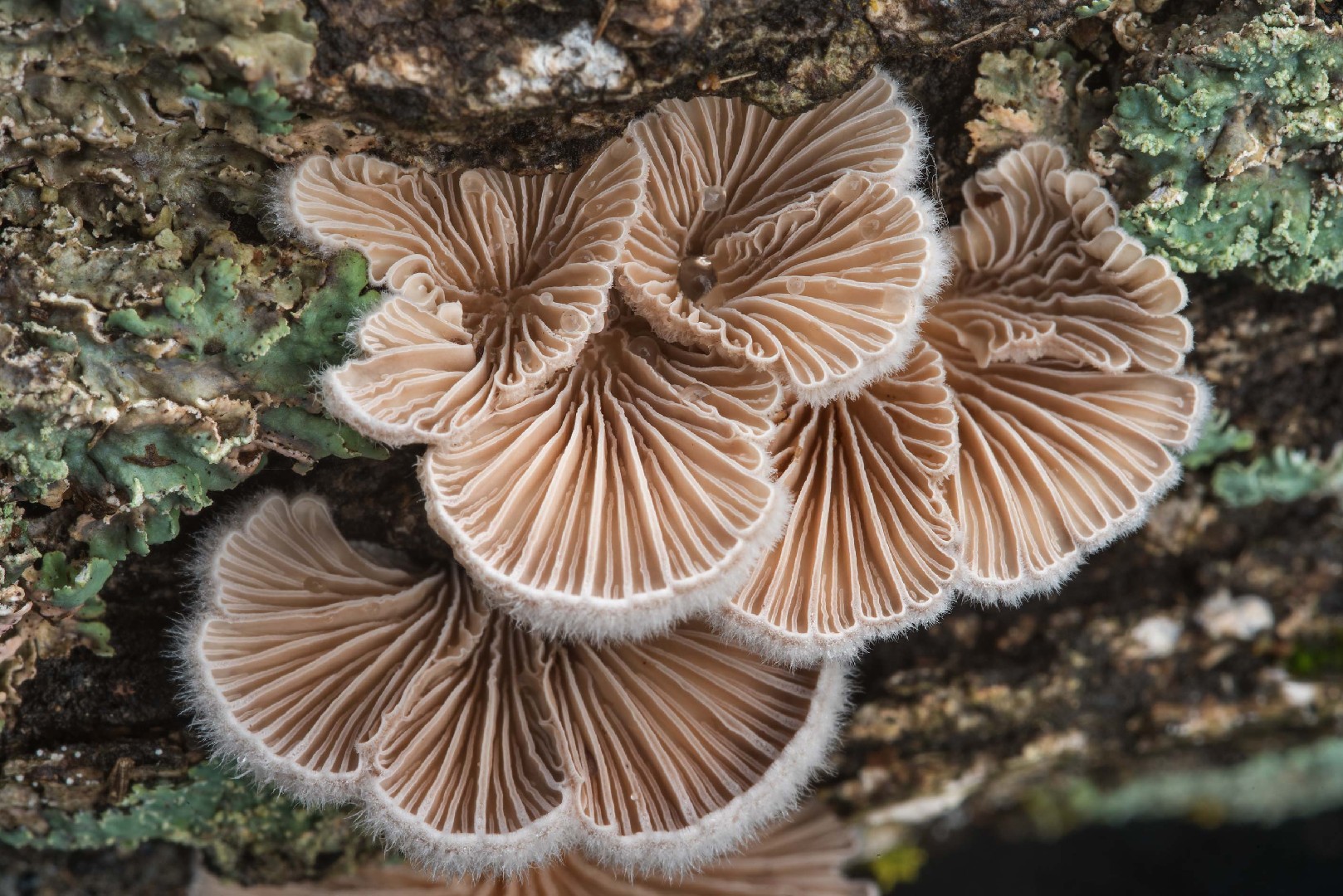
4. Hairy curtain crust
This clustered, overlapping fungus is found all over the world, and is considered native across both the northern and southern hemispheres. Both its common name, hairy curtain crust, and its scientific name, Stereum hirsutum, aptly describe its most obvious features: it is quite tough (stereum) and the younger fruitbodies are notably hairy (hirsutum).
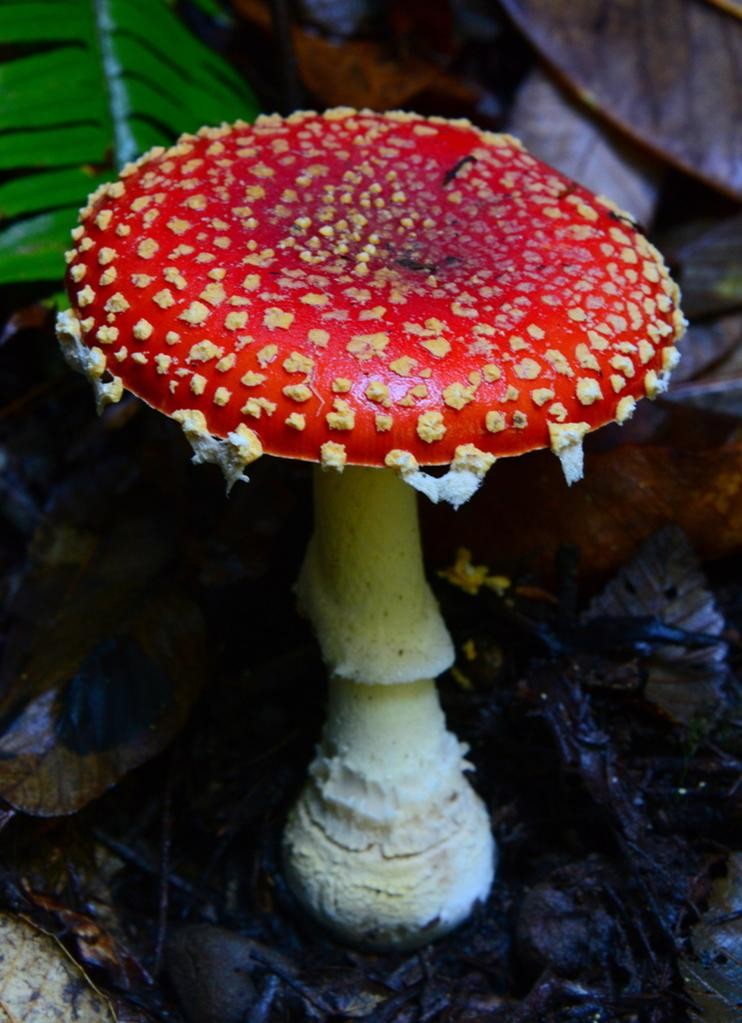
5. Fly agaric
In Northern Asia and Europe, fly agaric grows under trees near the winter solstice and is collected for ritual use tied to the season. Its characteristic shape and coloring are still ubiquitous in many European fairy tale illustrations and Christmas traditions. It is highly toxic.
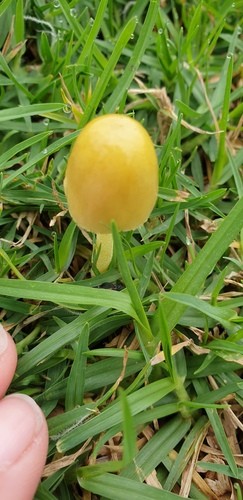
6. Yellow fieldcap
Yellow fieldcap can be found across Europe and North America, with dung patties or heavily-manured fields being its favorite fruiting habitat. The species sometimes goes by the common name Yellow Fieldcap because its young cap sports a bold yellow or golden hue (that color often fades as the mushroom cap matures and flattens). Yellow fieldcap is not know to be edible.
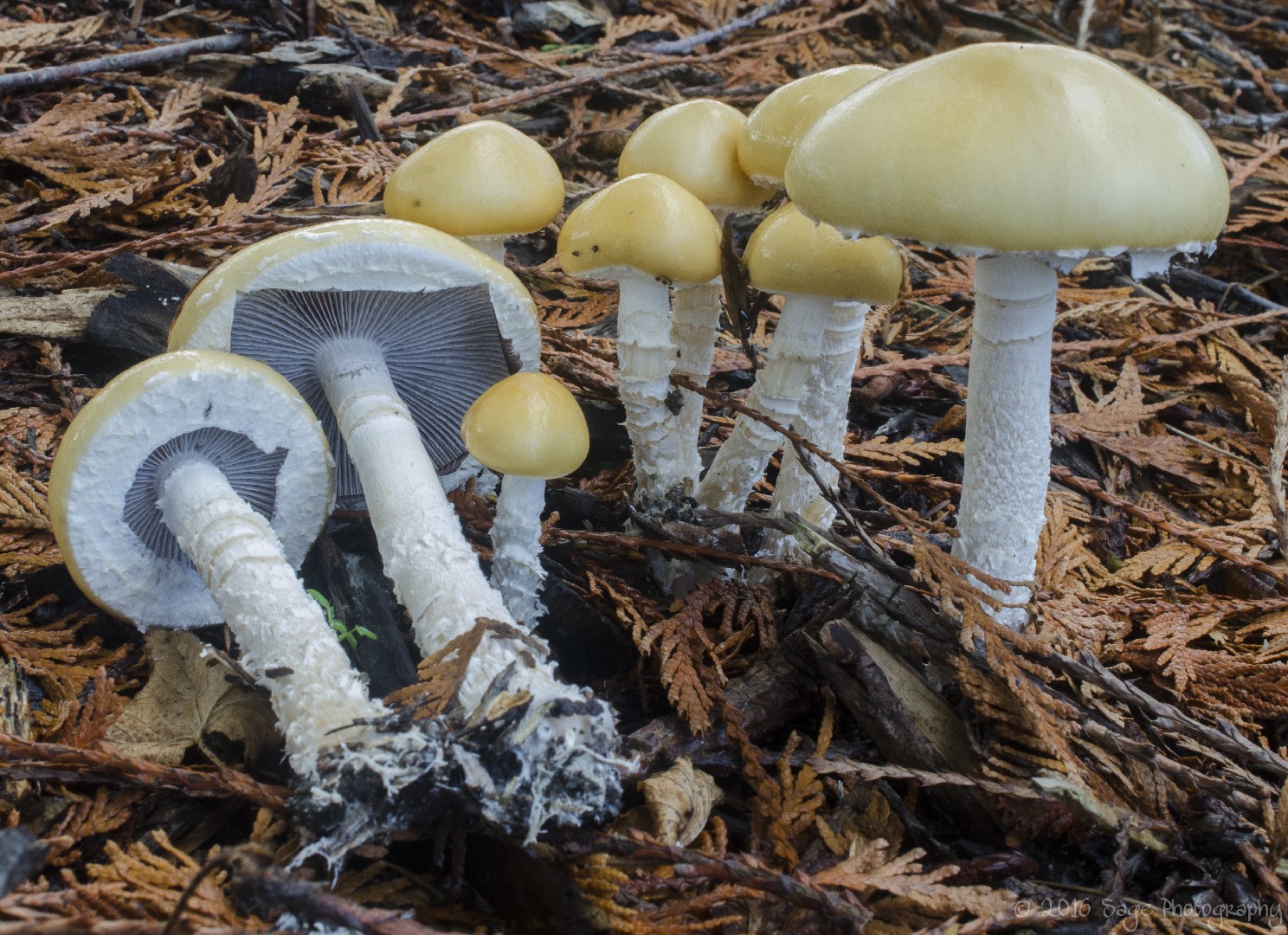
7. Questionable stropharia
The questionable stropharia is an odd-looking species that thrives in rich, wet soils along the western coast of North America. The species sports a shiny, yellow-brown cap with a white partial veil that looks almost as though it is dripping off the cap. "Questionable" is a fair title for this species, about which there are conflicting reports on edibility. Most experts recommend staying on the safe side and avoiding eating this mushroom.
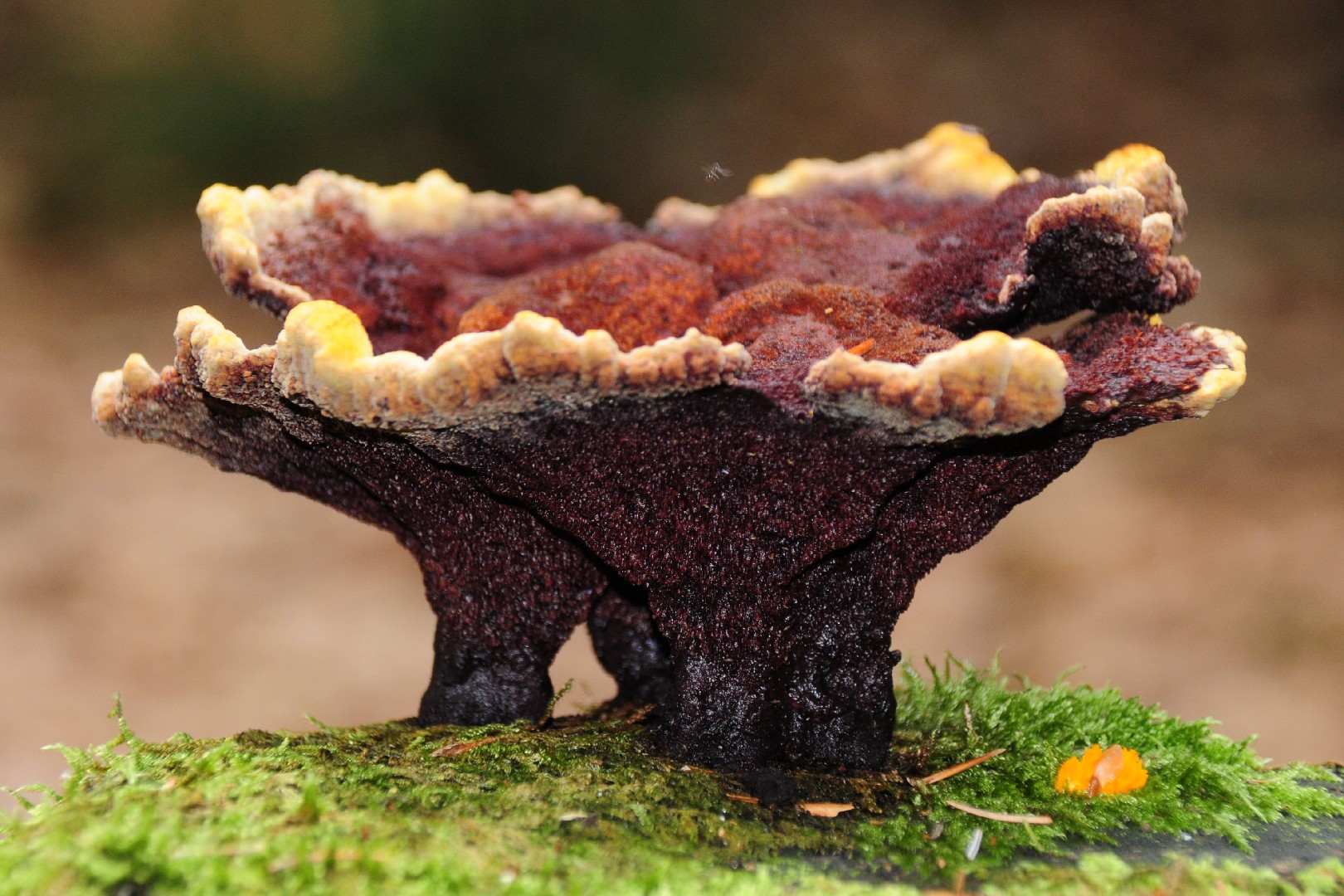
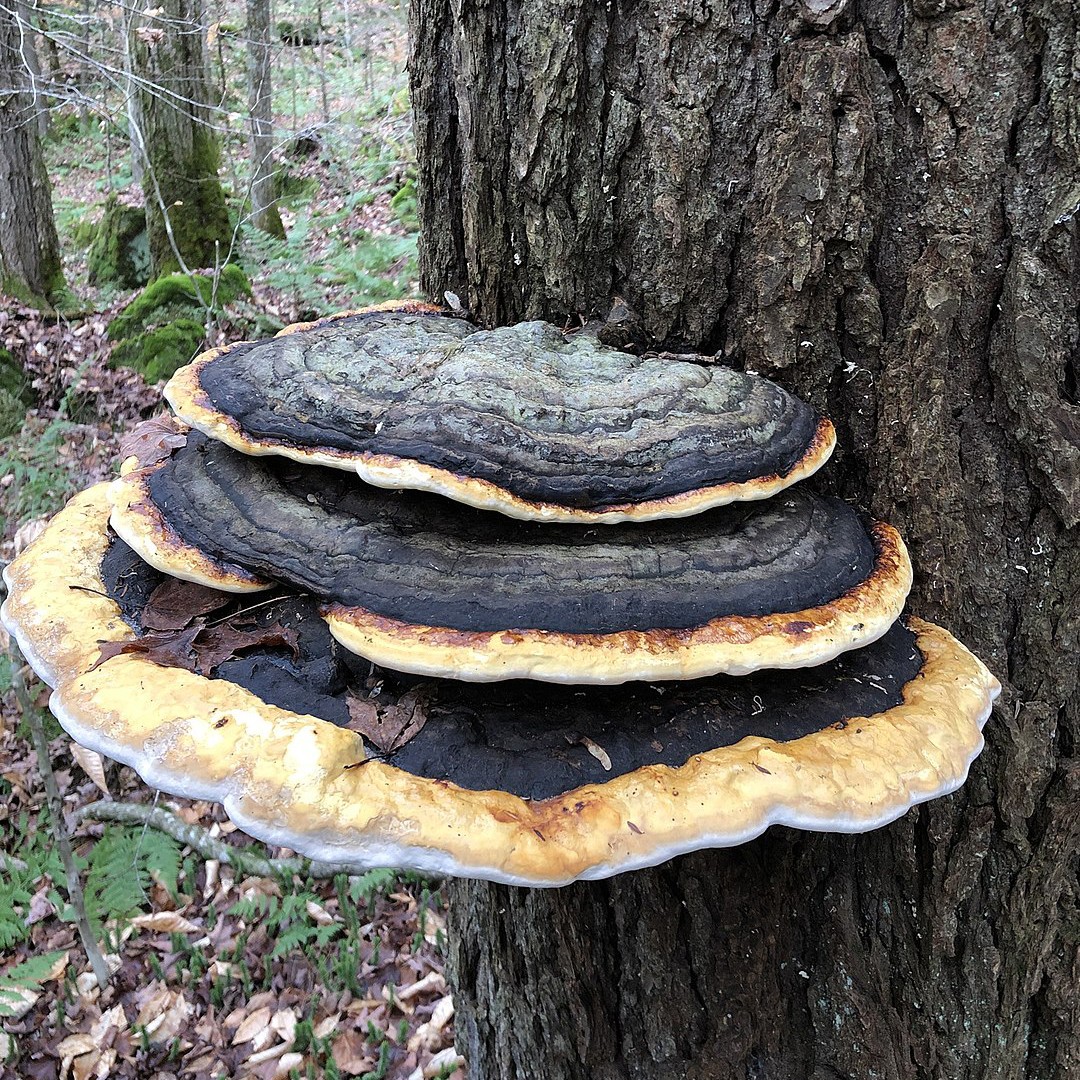
8. Dyer's polypore
This shelf fungus grows annually on living coniferous trees and may kill its host if left untreated. As the name suggests, dyer's polypore can be used to produce dye for yarn in a variety of shades from yellow to orange to brown, depending on the age of the mushroom used and also the type of metal it’s processed in. It is not considered edible.
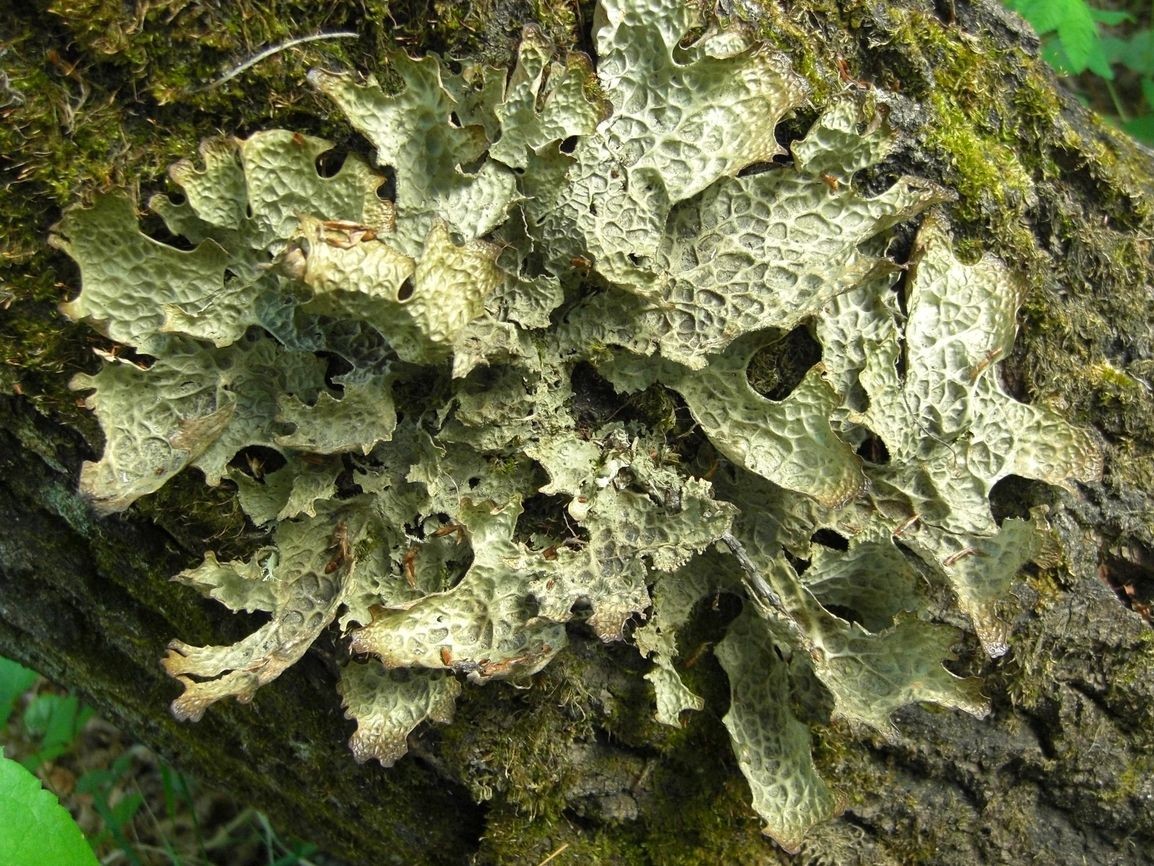
9. Tree lungwort
Tree lungwort is a green lichen that can be found in humid areas of North America, Europe, and Asia. It grows regularly on trees, rocks, and in urban areas rich with moss. It can be used as a dye. Animals may consume tree lungwort or use it as nesting material.
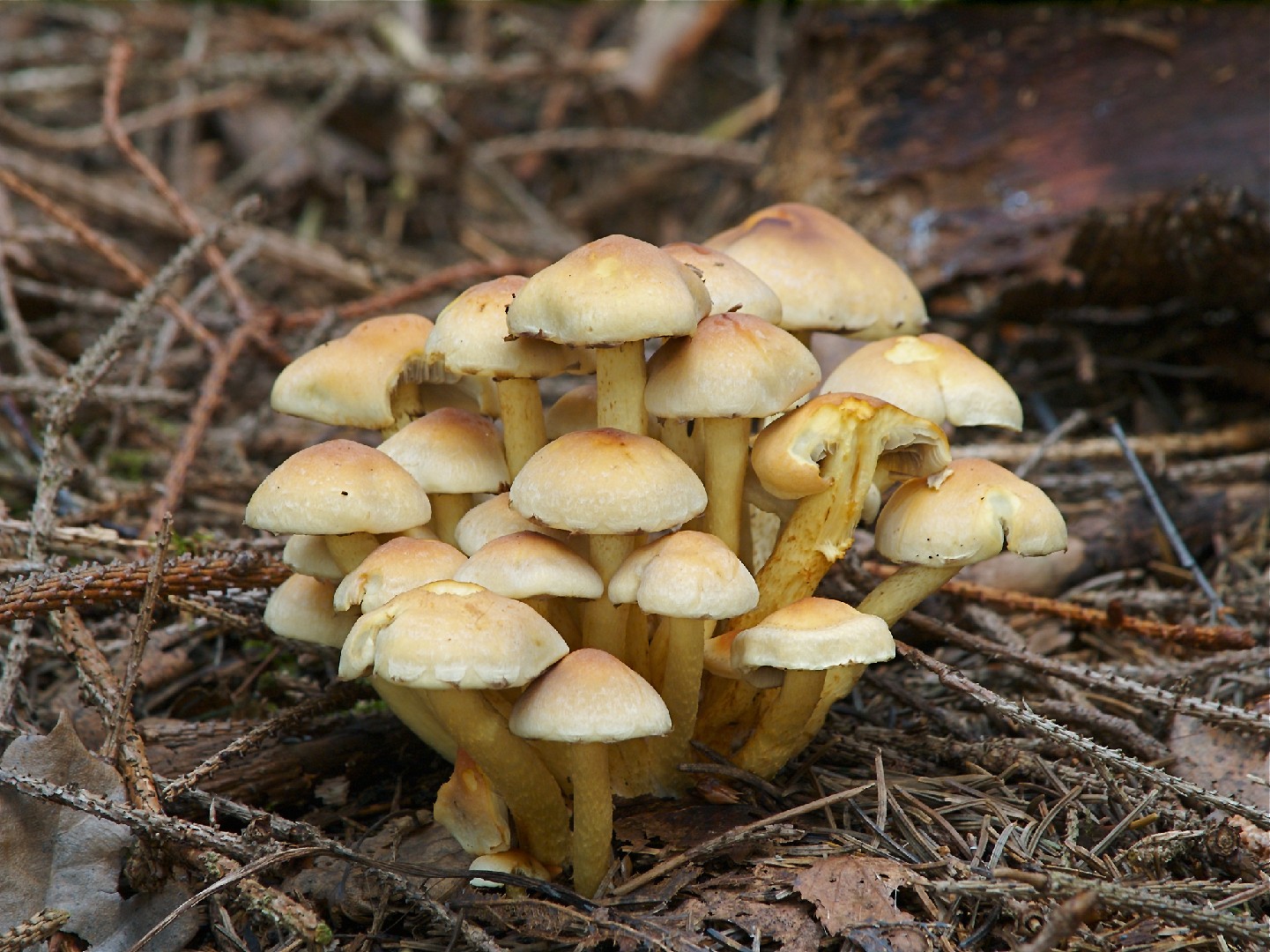
10. Sulphur tuft
The sulphur tuft grows on rotting wood of all types of trees; it is a particularly efficient decomposer of hardwoods. The mushrooms appear from spring to autumn and are often so tightly packed that they interfere with each other’s shape. This poisonous mushroom can cause temporary paralysis, distorted vision, and stomach pain if consumed.

More







