




Top 20 Most Common Mushrooms in Ashland
Nestled within lush forests and thriving in a mild climate, Ashland, a city now referred to as 'Ashland', is renowned for its abundant fungal flora, making it a mycologist's paradise. Among these myriad species, today we turn the spotlight on the '20' most common mushroom in 'Ashland', a treasure hiding amidst fallen leaves and moss. Let's embark on an intriguing journey to uncover more about this unique mycological marvel.

Most Common Mushrooms
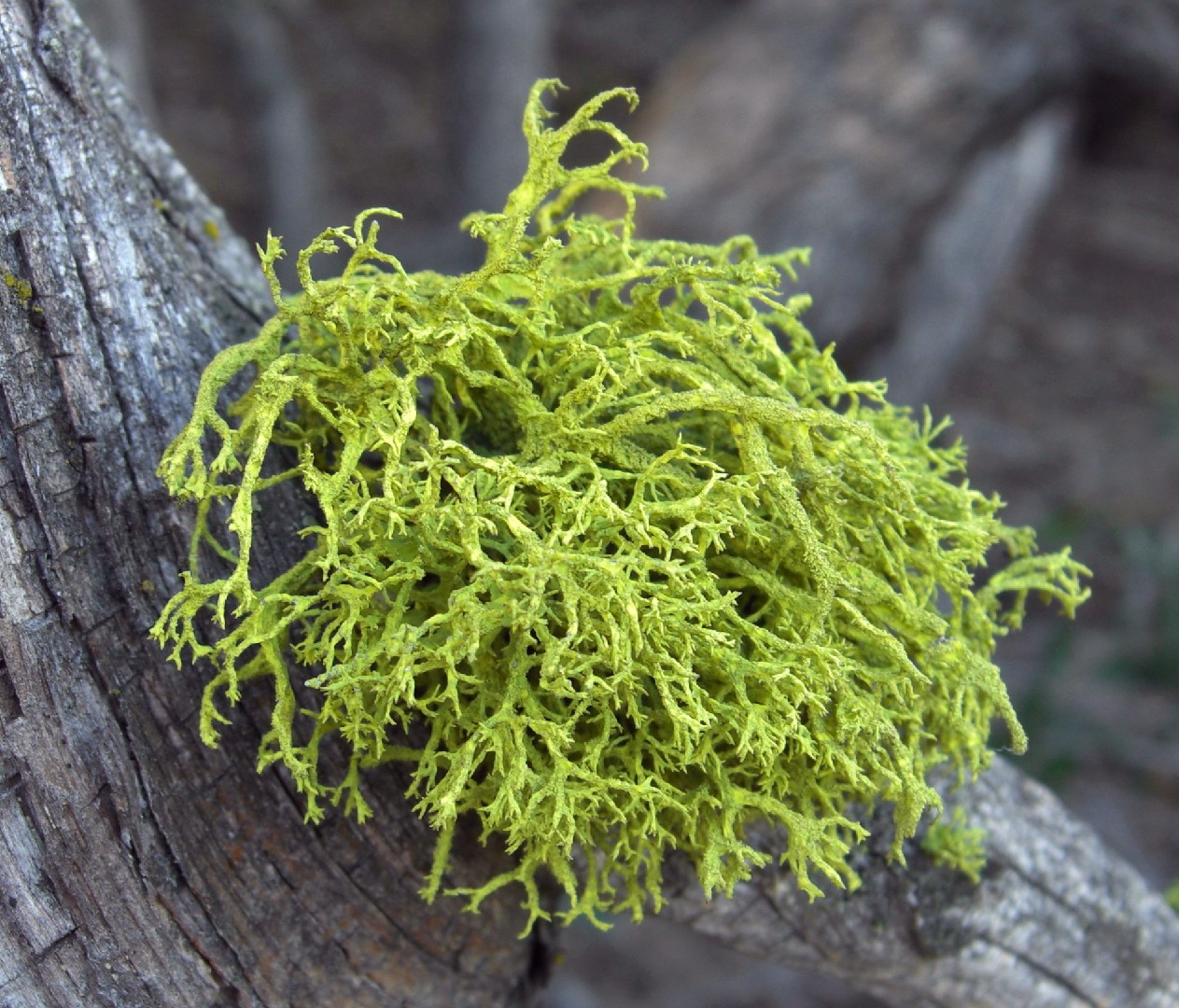
1. Wolf lichen
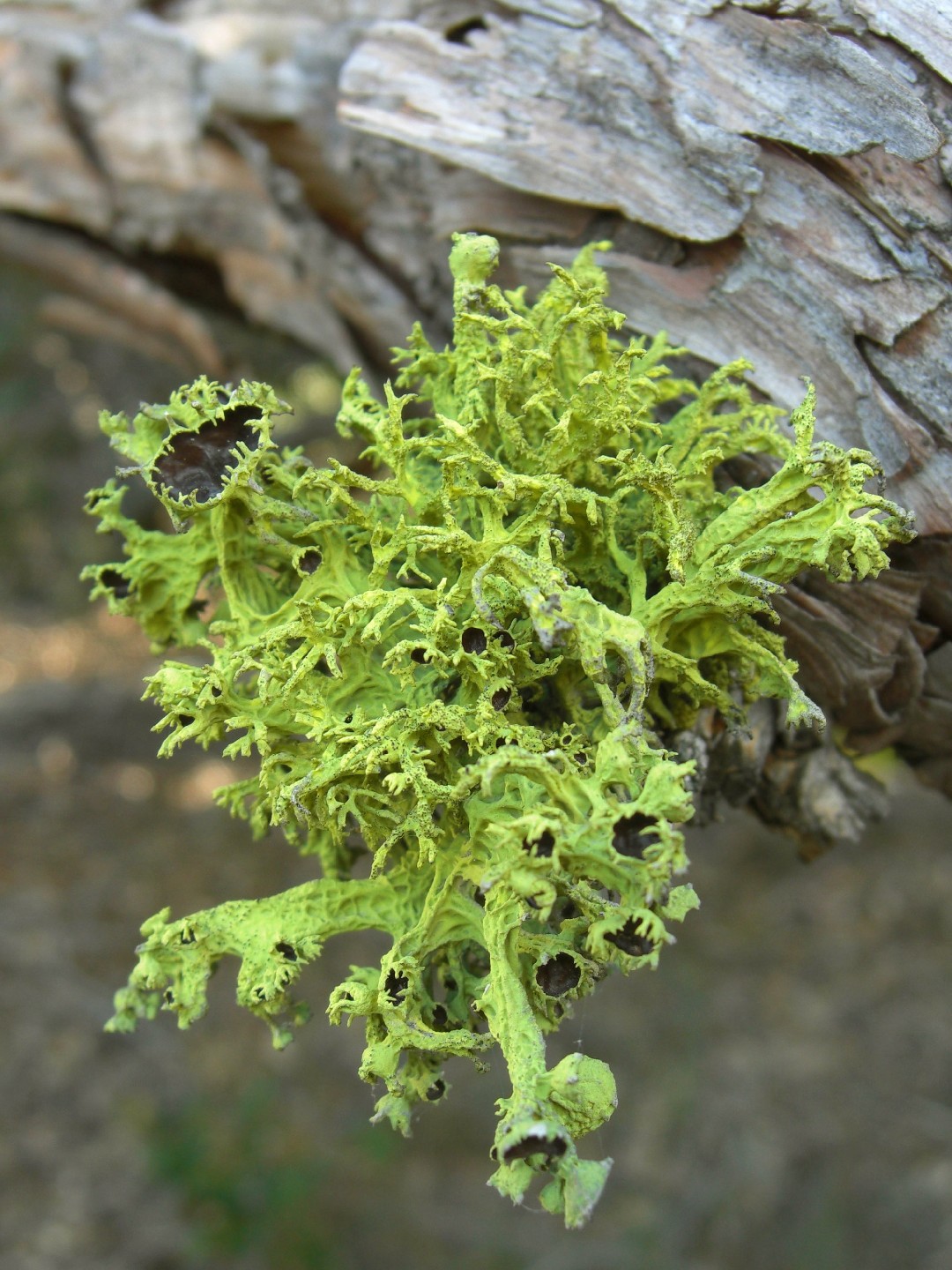
The thallus, or vegetative body, has a fructicose shape — that is, shrubby and densely branched — and a bright yellow to yellow-green, or chartreuse color, although the color will fade in drier specimens. Its dimensions are typically 2 to 7 cm (0.8 to 3 in) in diameter. The vegetative reproductive structures soredia and isidia are present on the surface of the thalli, often abundantly. 
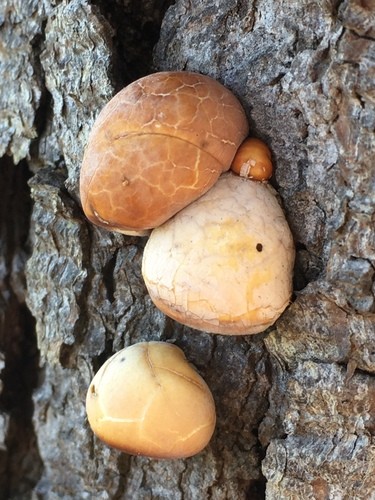
2. Veiled polypore
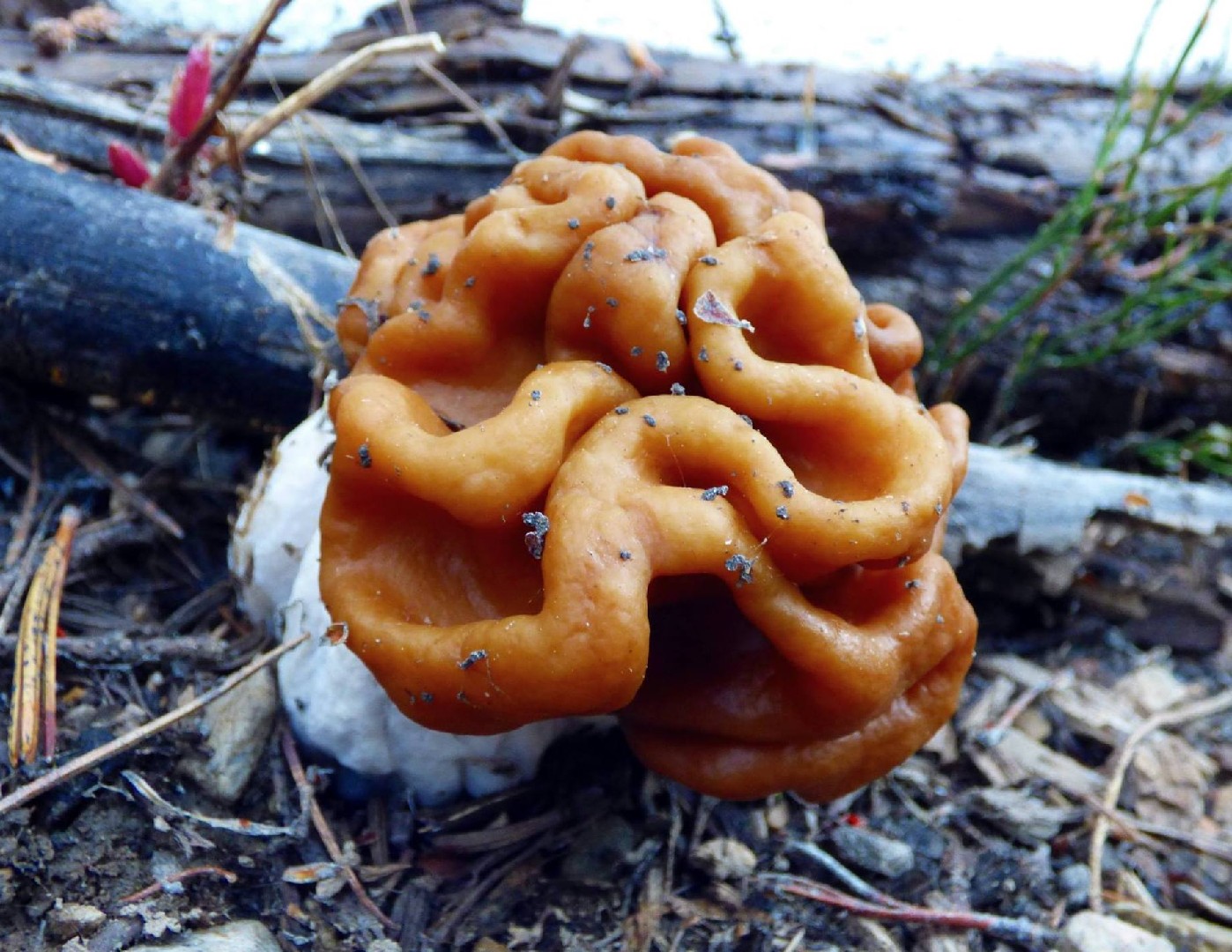
If you've ever gone on a walk through the woods where dead conifers are present, there's a good chance you've seen a veiled polypore. The fungus' name comes from the fact that it's pores are "veiled" by a rounded piece of tissue. Indeed, rather than growing in sheet-like formations like other polypores, the veiled polypore can be nearly spherical. These mushrooms are especially prevalent in pine stands that have been ravaged by fire or beetles.
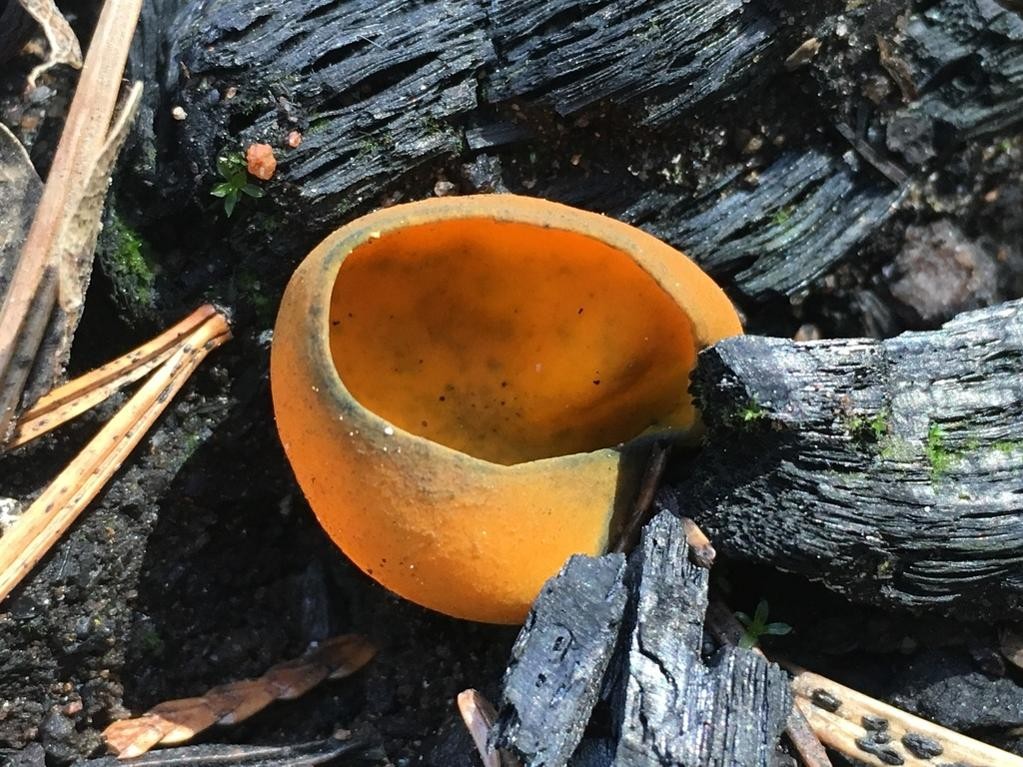
3. Spring orange peel fungus
A rare albino mutant lacking orange pigment The fruiting body of C. fulgens is roughly cup-shaped, although the cup may be somewhat flattened, lopsided or split; the size is up to 4 centimetres (1.6 in) in diameter. The inner surface of the cup is orange-yellow, while the external surface is pale yellow. Either the margin around the rim or the entire outer surface may be stained olive-green. The green or bluish staining that occurs upon injury or with age is unique within the Pezizales order. The stem, if present, is rather short. The spore deposit is white. A single specimen of an albino form, 2 centimetres (0.8 in) in diameter, was discovered in Northern Idaho; it was found to be lacking the pigment responsible for staining the outer surface olive-green. The spores are translucent (hyaline), roughly spherical, thin-walled and smooth, with dimensions of 6–8 µm in diameter. The asci, the spore-bearing cells, are cylindrical and 80–100 by 7–8 µm; the paraphyses are thin and filamentous and contain orange granules. Edibility has not been recorded for this fungus.
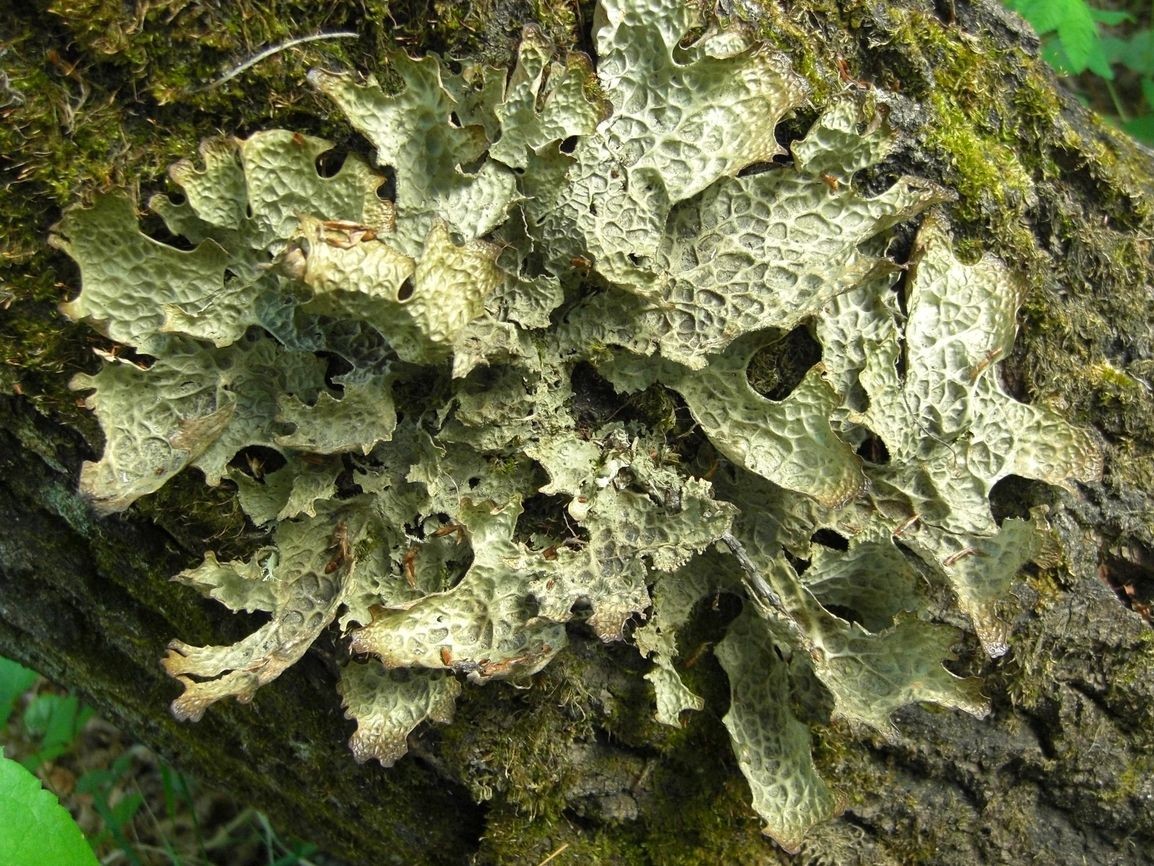
4. Tree lungwort
Tree lungwort is a green lichen that can be found in humid areas of North America, Europe, and Asia. It grows regularly on trees, rocks, and in urban areas rich with moss. It can be used as a dye. Animals may consume tree lungwort or use it as nesting material.
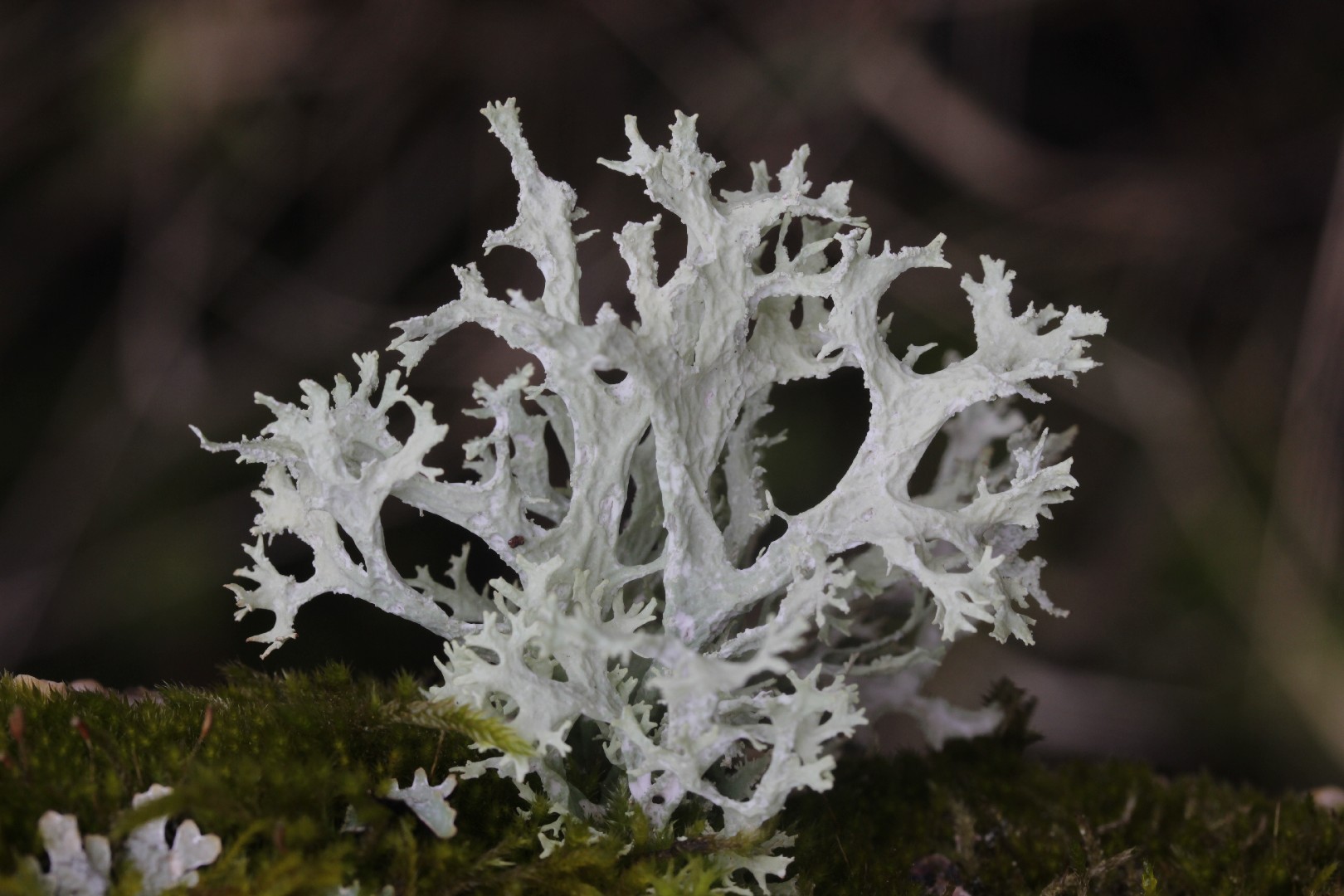
5. Oakmoss
Evernia prunastri grows shrubby on trees. The yellow-green lichen grows up to 10 cm. It consists of up to five millimeters wide shrubby branched bands with a light underside. At the edges of these open dusty (Sorale). Apothecias (with shiny brown disc) are rarely formed.
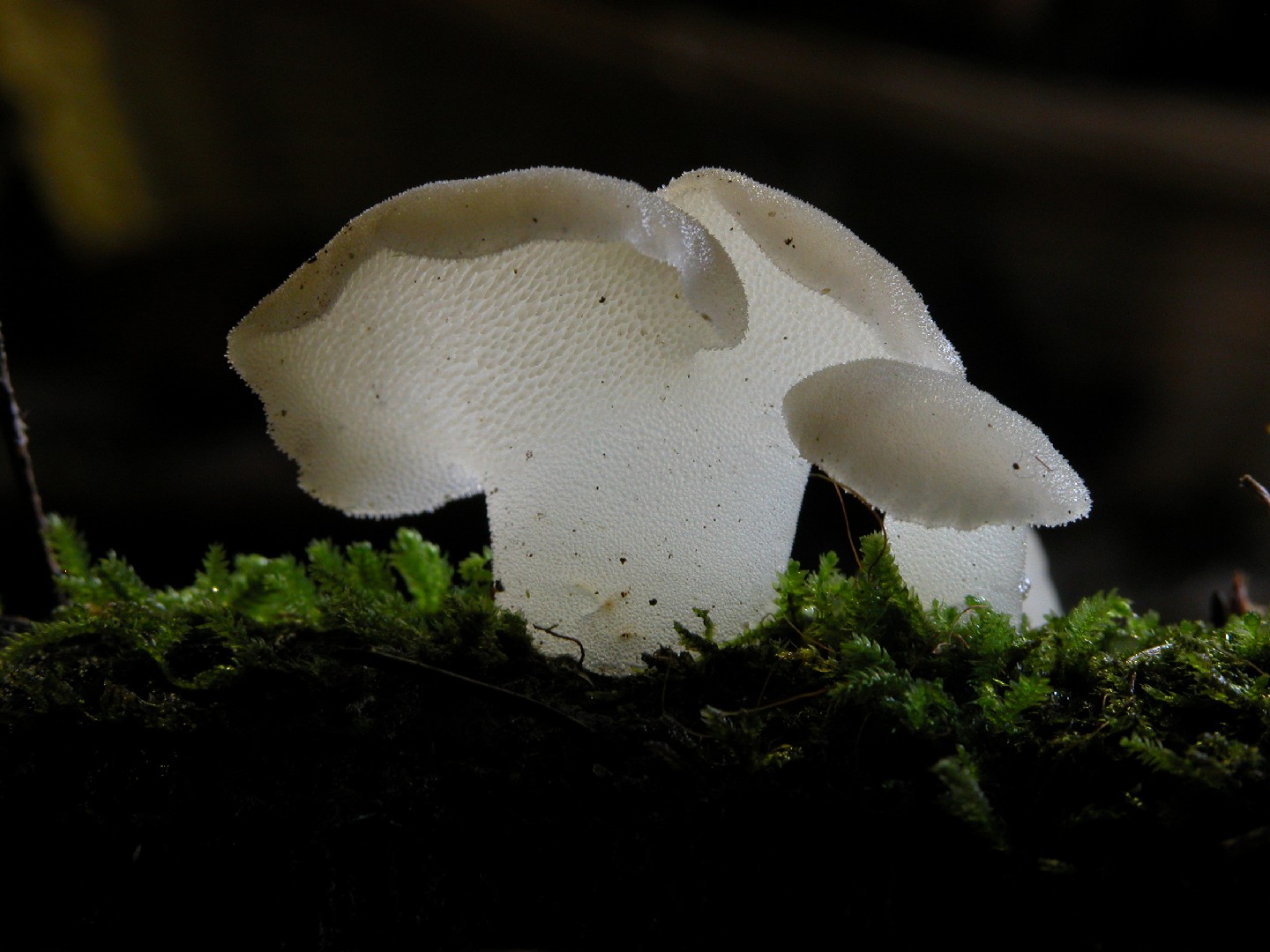
6. Toothed jelly fungus
This whimsically-named mushroom has a global distribution and a unique appearance. Toothed jelly fungus has a white, translucent - almost spectral - coloration and sports little downward pointing "teeth" on the underside of its cap. Although its toothed underside may scream "hedgehog mushroom", it is actually a member of a separate genus (Pseudohydnum, as opposed to Hydnum).
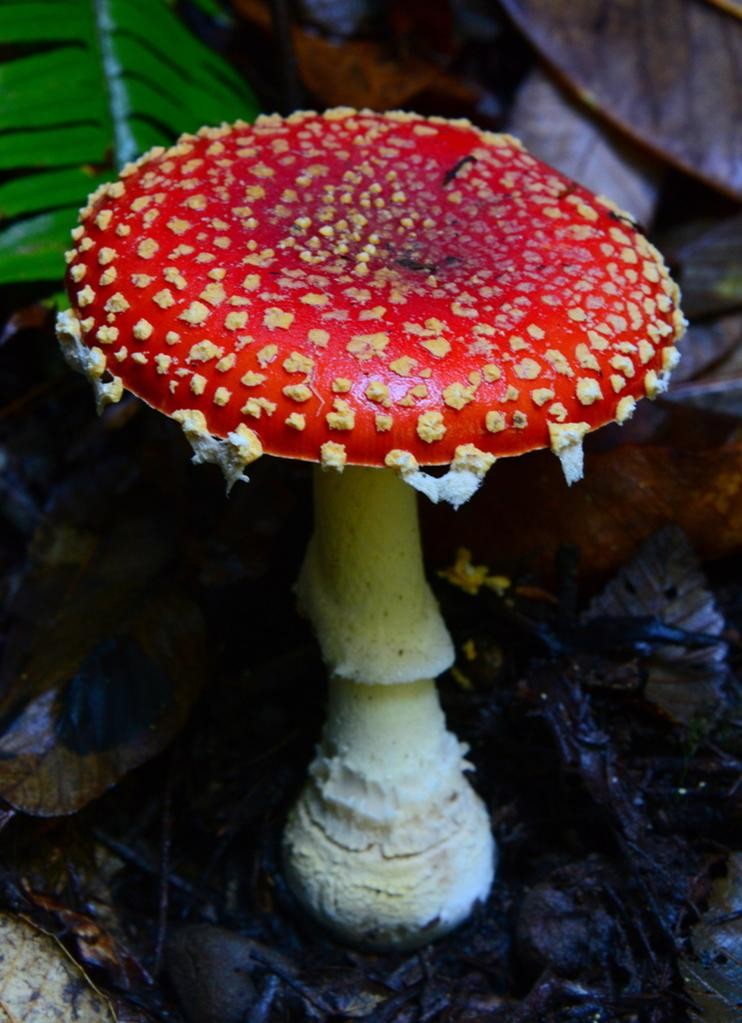
7. Fly agaric
In Northern Asia and Europe, fly agaric grows under trees near the winter solstice and is collected for ritual use tied to the season. Its characteristic shape and coloring are still ubiquitous in many European fairy tale illustrations and Christmas traditions. It is highly toxic.

8. Shaggy mane
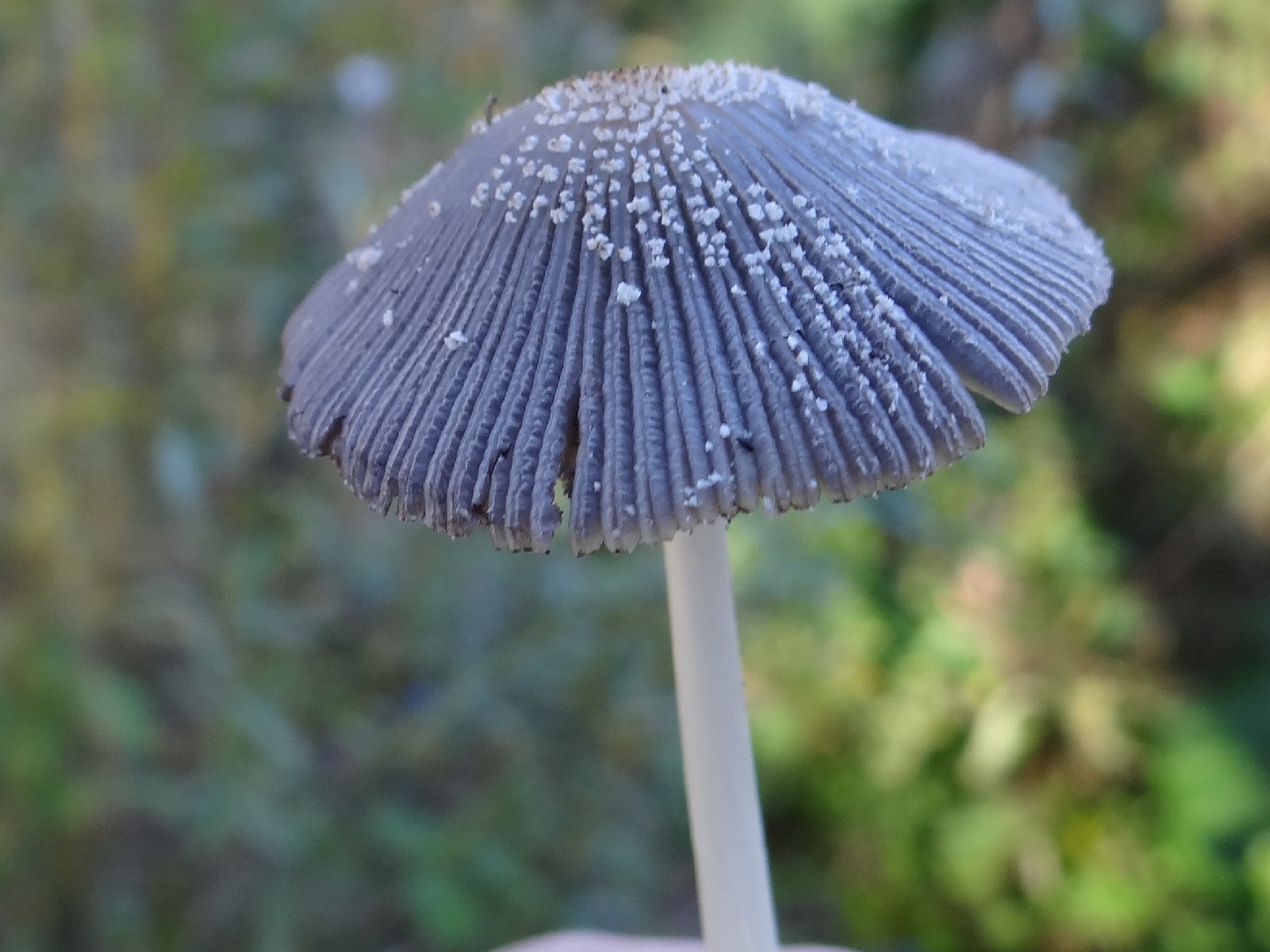
The shaggy mane mushroom is commonly found in North American and European grasslands. Some peoples foraged for its young egg-shaped caps, but it has more recently been found to be a bioaccumulator of heavy metals, meaning it pulls toxic metals up from the soil where it grows. As a result, shaggy manes should not be eaten. The mushrooms usually appear in clusters or “fairy rings.”
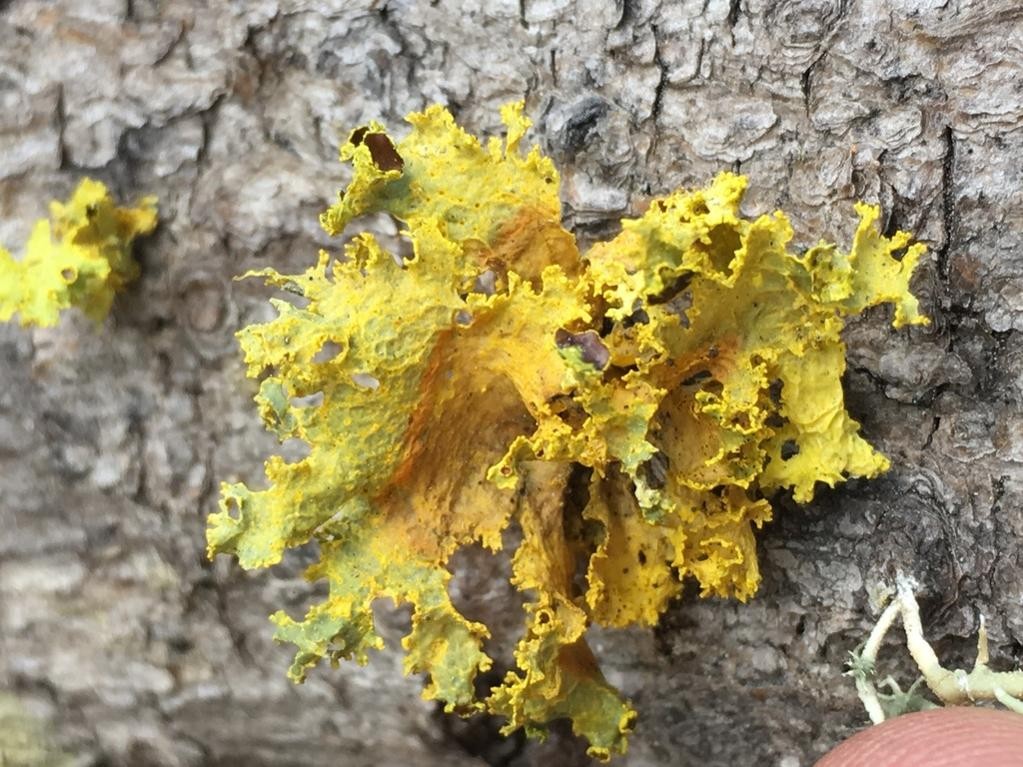
9. Brown-eyed sunshine lichen
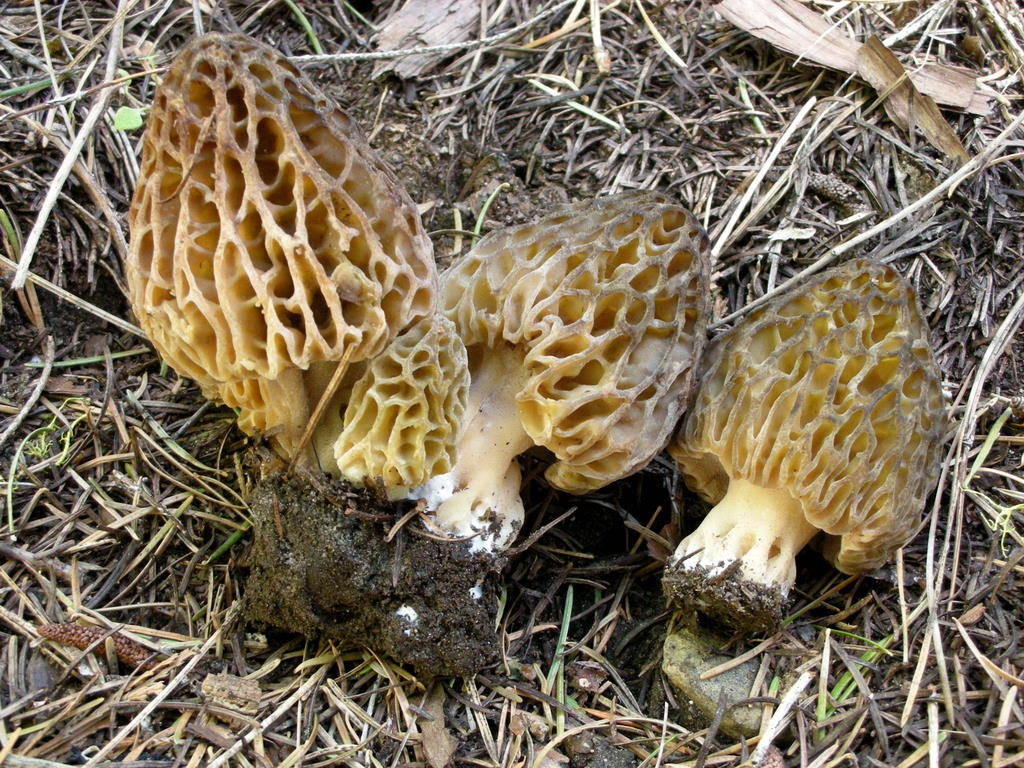
10. Snyder's morel
Snyder's morel is usually described as a ‘natural morel’ because it is abundant in non-burned mountain coniferous forests. Like most species of morel, its eye-catching conical cap with an intricate reticulated pattern gives it an appearance quite distinct from other fungi. It is difficult to cultivate, thus generally only found in the wild.

More







