




Top 20 Most Common Mushrooms in Silver City
Welcome to the breathtaking realm of Silver City, fondly nicknamed the 'Mushroom Capital'. Nestled amongst nature's bounty, it boasts a rich mycological mosaic, home to a multitude of mushroom species. In this cornucopia, we've curated a list of the top 20 most common mushrooms that not only abound in Silver City but also define its unique fungal landscape. Let's delve into this varied catalogue of fascinating mushrooms!

Most Common Mushrooms
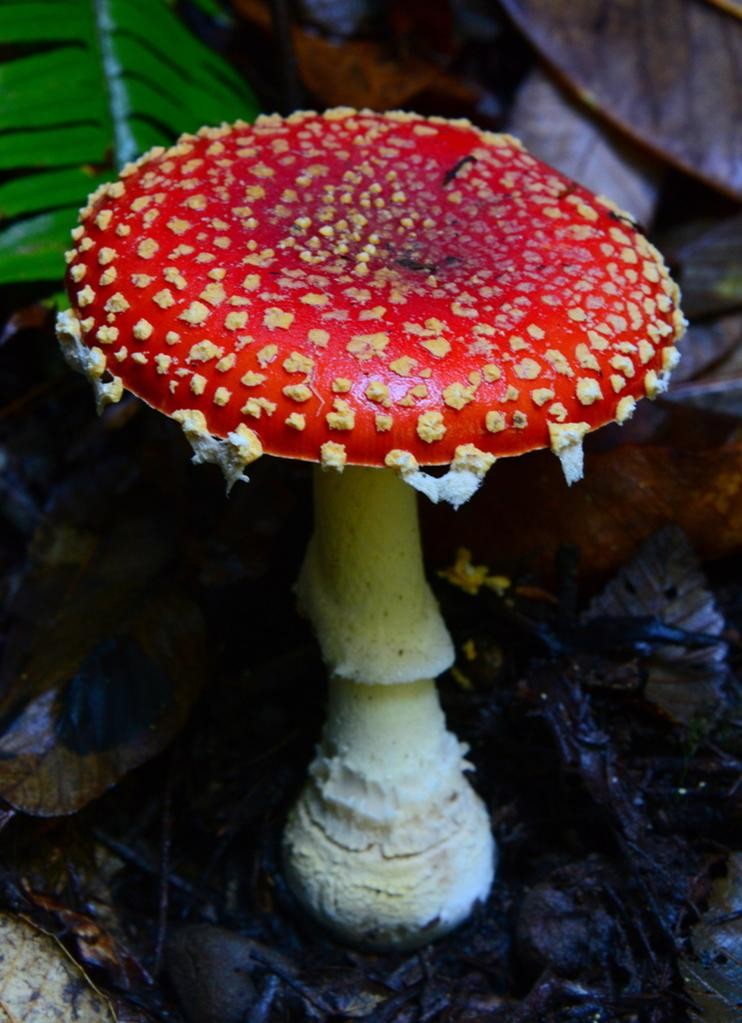
1. Fly agaric
In Northern Asia and Europe, fly agaric grows under trees near the winter solstice and is collected for ritual use tied to the season. Its characteristic shape and coloring are still ubiquitous in many European fairy tale illustrations and Christmas traditions. It is highly toxic.
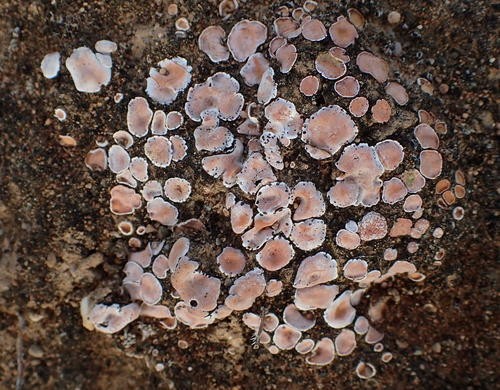
2. Brick scale
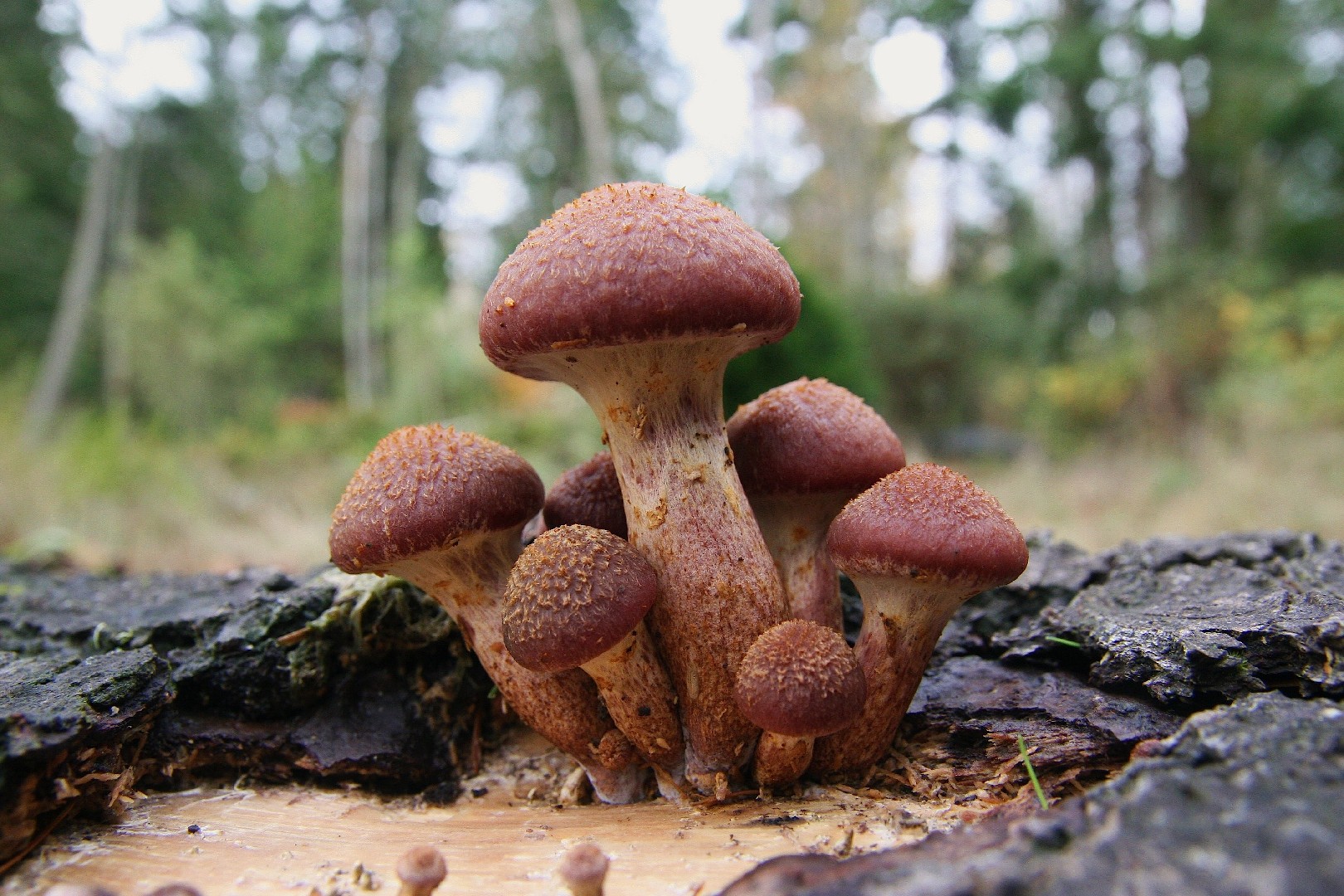
3. Golden-gilled Gymnopilus
The golden-gilled Gymnopilus is easily identified by its scale, purplish-orange cap, and its preference for wood chips. According to several authorities, the golden-gilled Gymnopilus is a mildly toxic mushroom and should not be ingested.
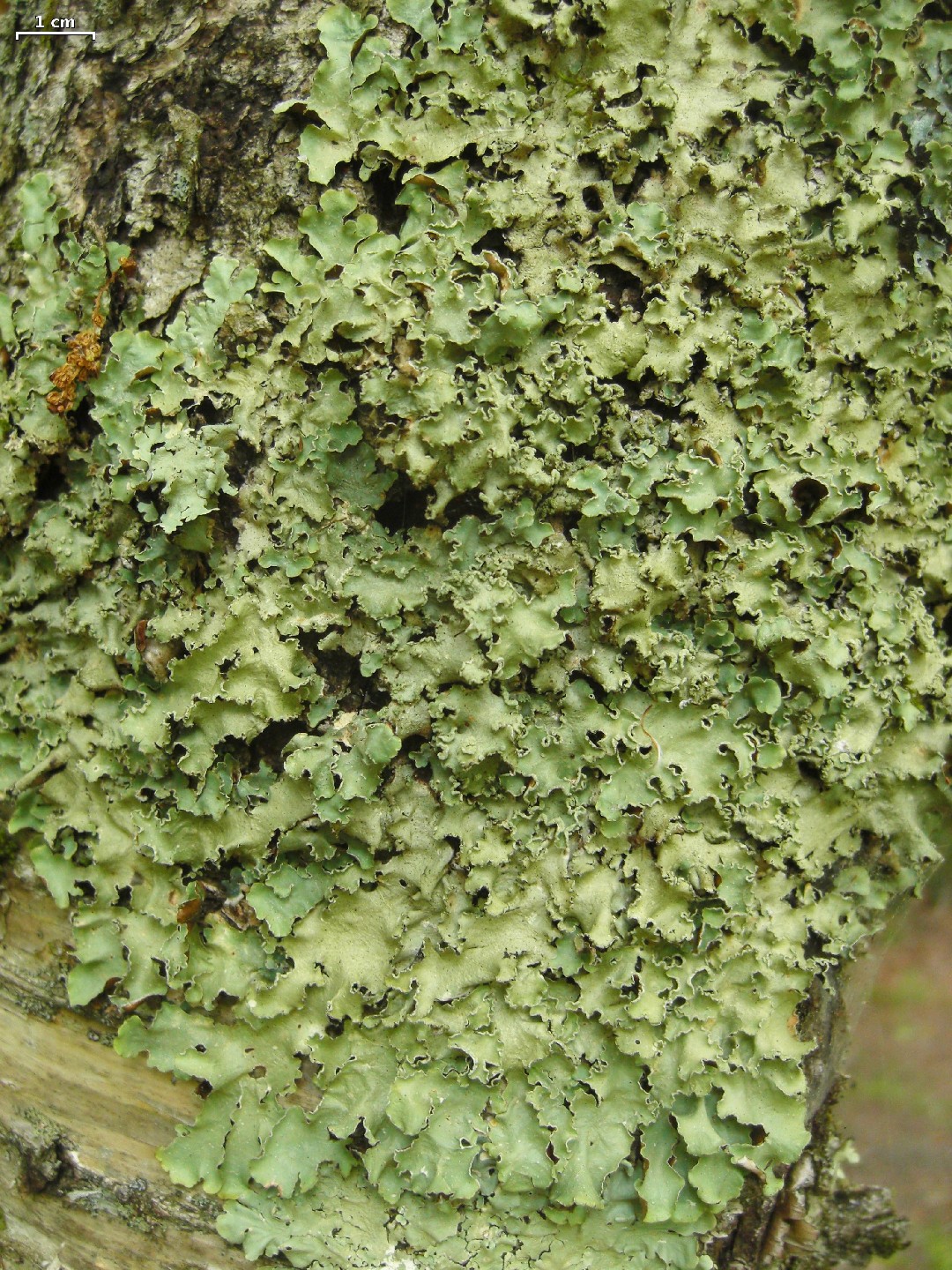
4. Speckled greenshield
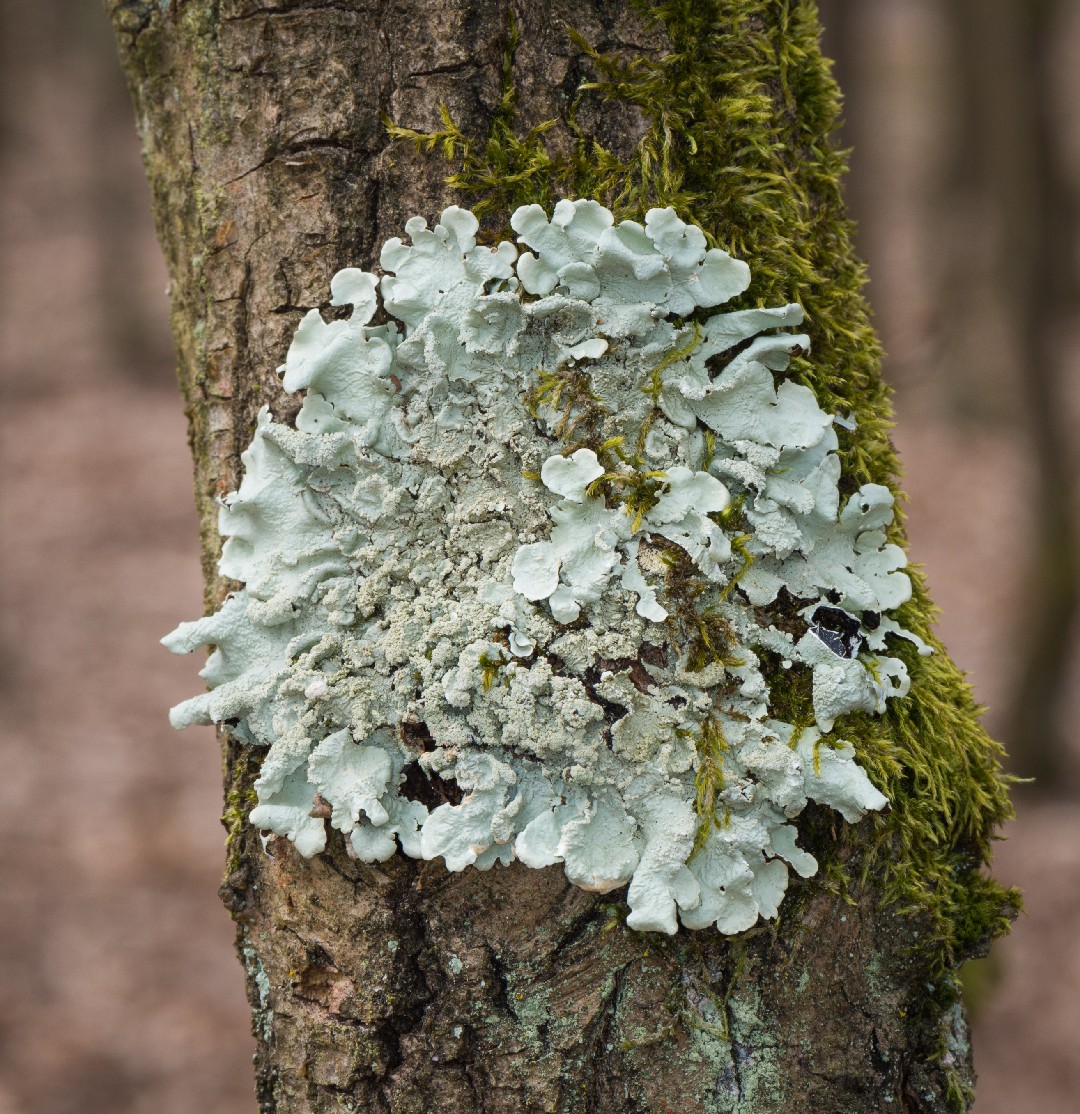
5. Common greenshield lichen
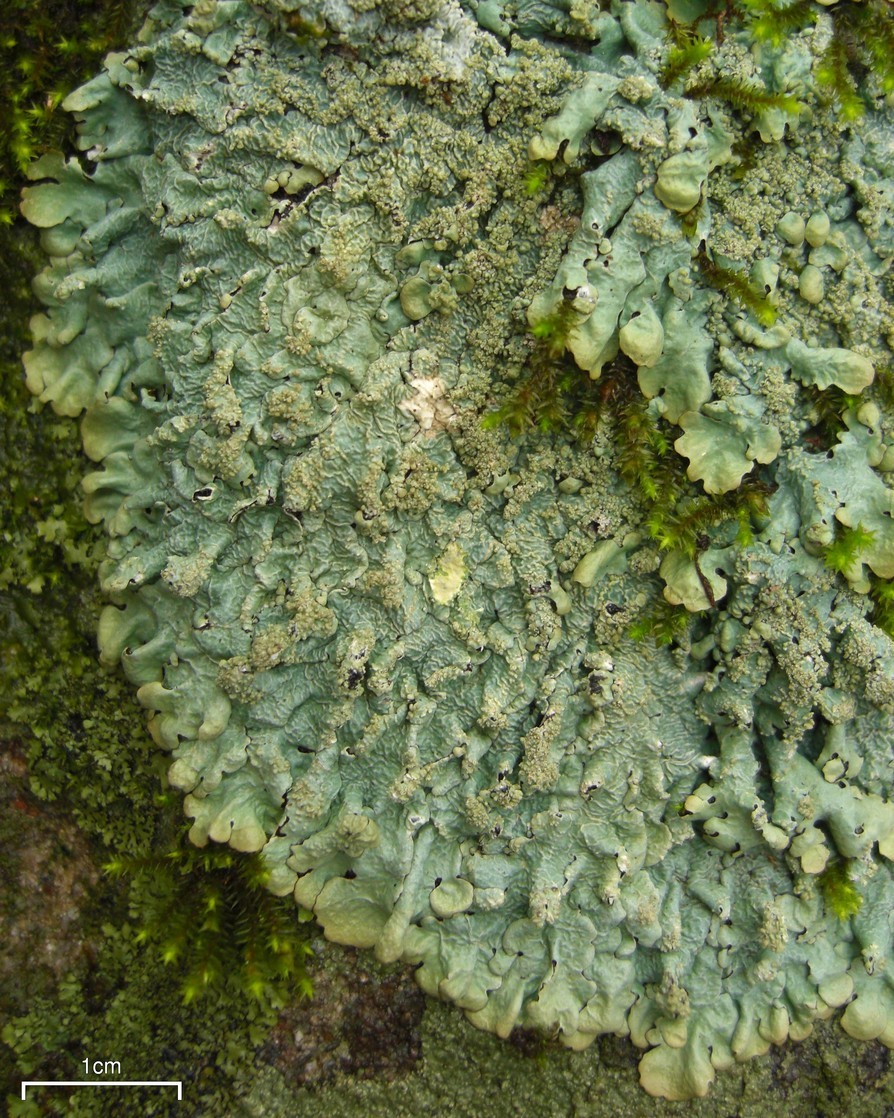
The common greenshield lichen is a familiar species in temperate forests around the world. It can be found growing on rock outcroppings and trees in a wide variety of habitats. Individuals can grow to be quite large and may be gregarious, forming large mats or sheets on suitable surfaces. Like other lichens, the common greenshield lichen will shrivel and harden when moisture is scarce.
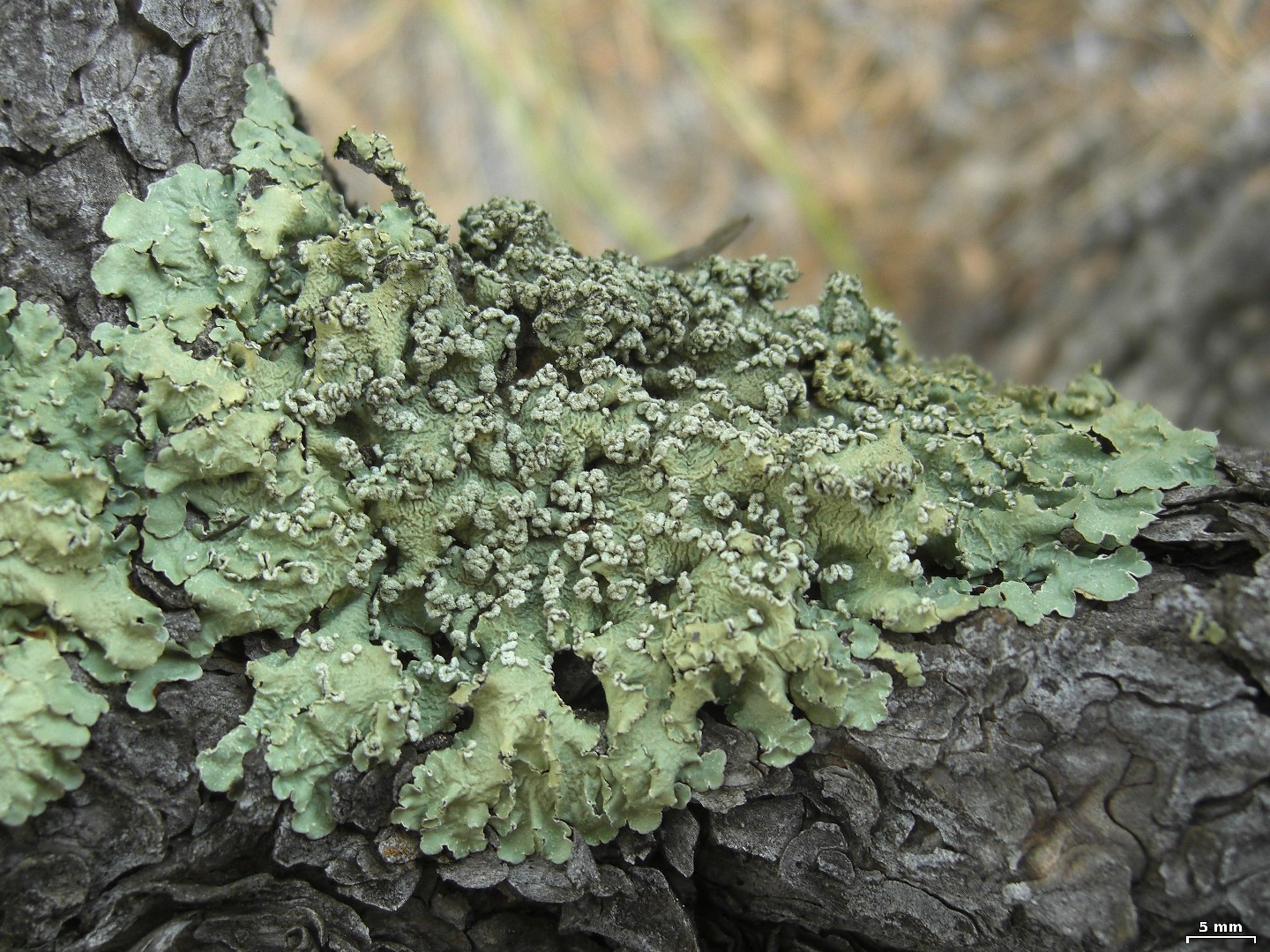
6. Powder-edged speckled greenshield

7. Shaggy mane
The shaggy mane mushroom is commonly found in North American and European grasslands. Some peoples foraged for its young egg-shaped caps, but it has more recently been found to be a bioaccumulator of heavy metals, meaning it pulls toxic metals up from the soil where it grows. As a result, shaggy manes should not be eaten. The mushrooms usually appear in clusters or “fairy rings.”
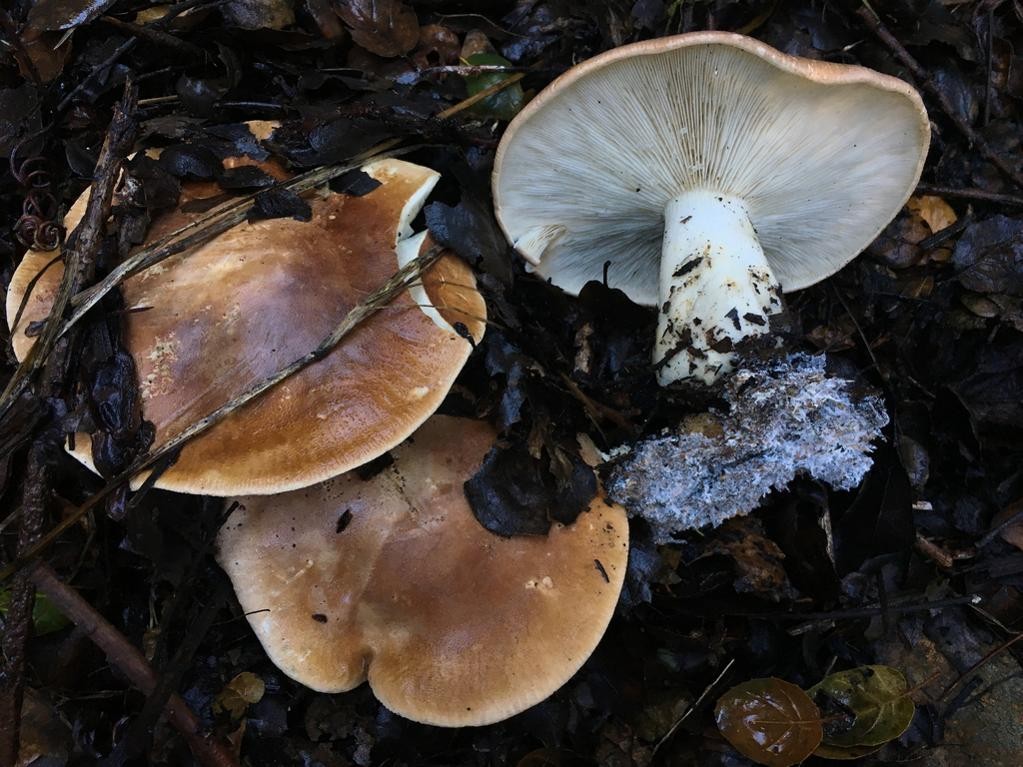
8. Bitter false funnelcap
Bitter false funnelcap (Leucopaxillus gentianeus) is most commonly found beneath conifers in Europe and North America. An exceptionally bitter mushroom, it is prone to forming so-called fairy rings or, alternatively, broken arcs. It is considered inedible.
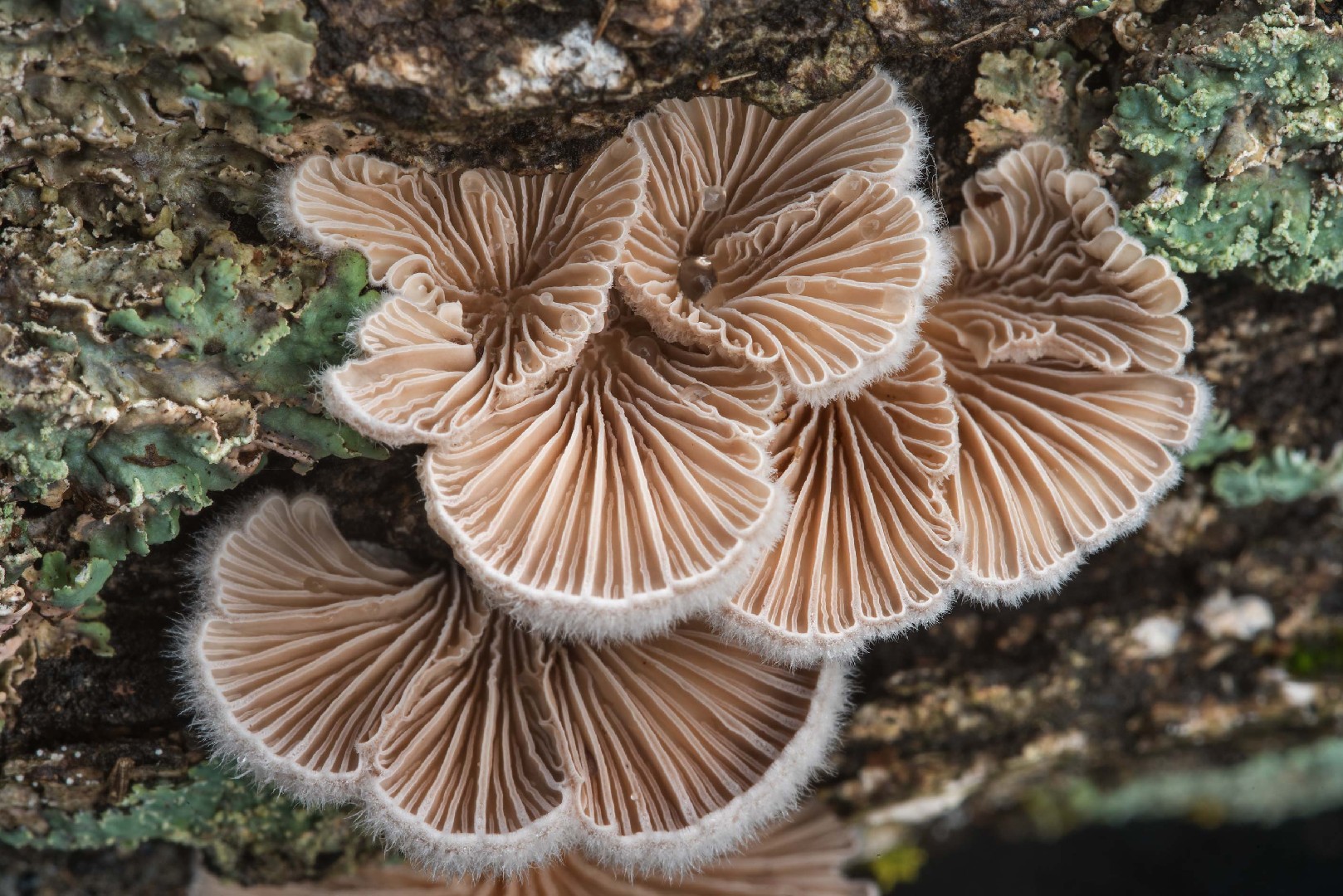
9. Split gill
Split gill(Schizophyllum commune) can be found across the globe. Uniquely, it is the only mushroom species known to display the capability to retract by movement. It is considered inedible, although not necessarily toxic. Furthermore, it is not recommended to smell this species, as the spores are capable of sprouting and growing in nasal passages.
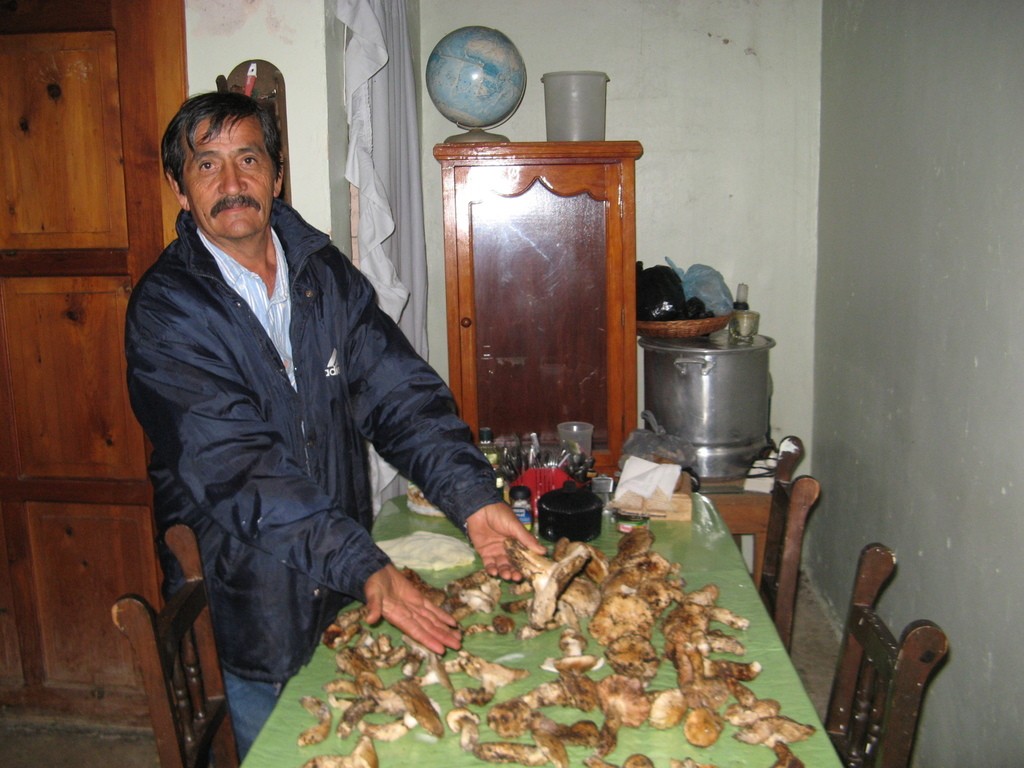
10. Tricholoma mesoamericanum

More







