




Top 20 Most Common Mushrooms in Montana

Most Common Mushrooms
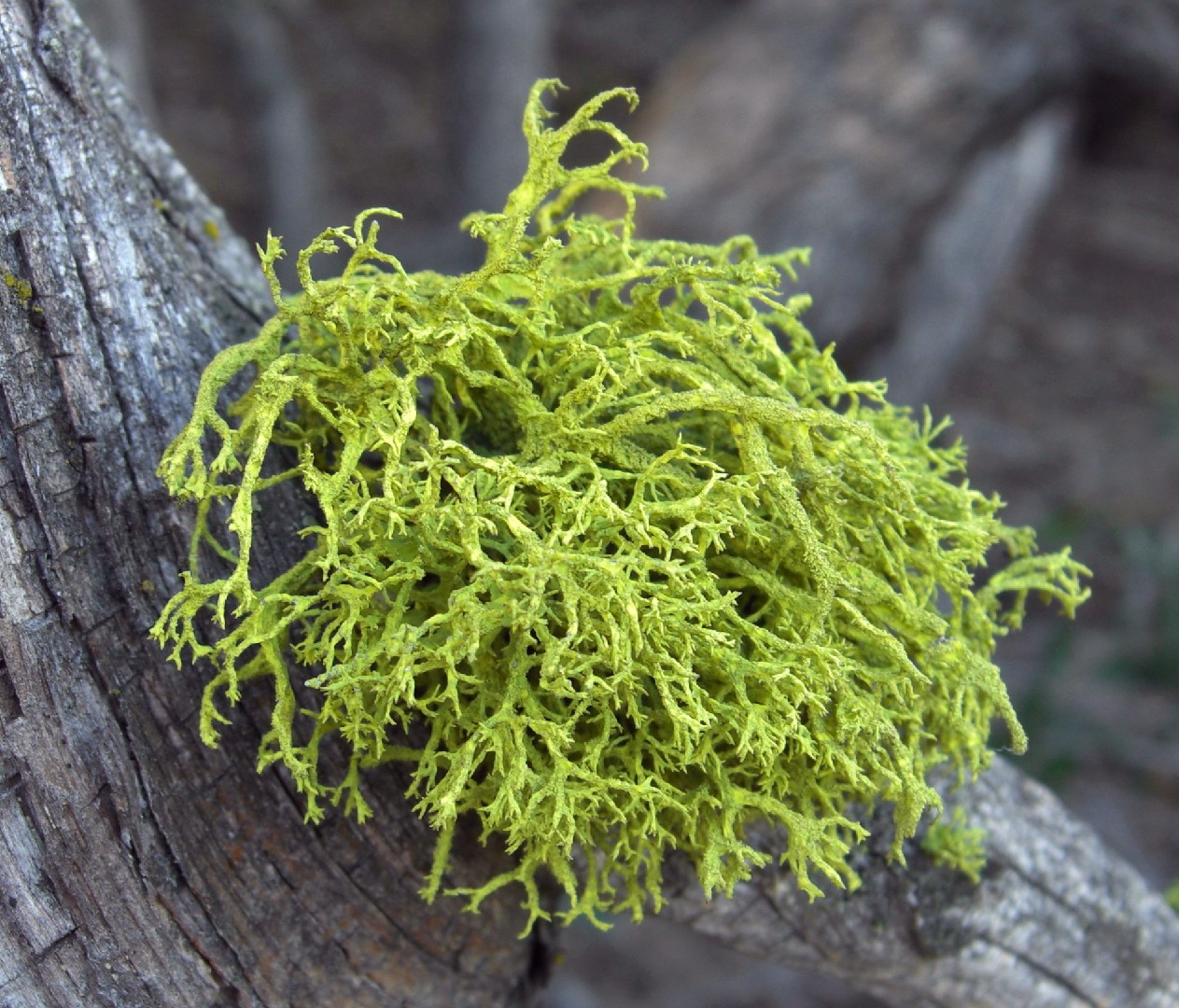
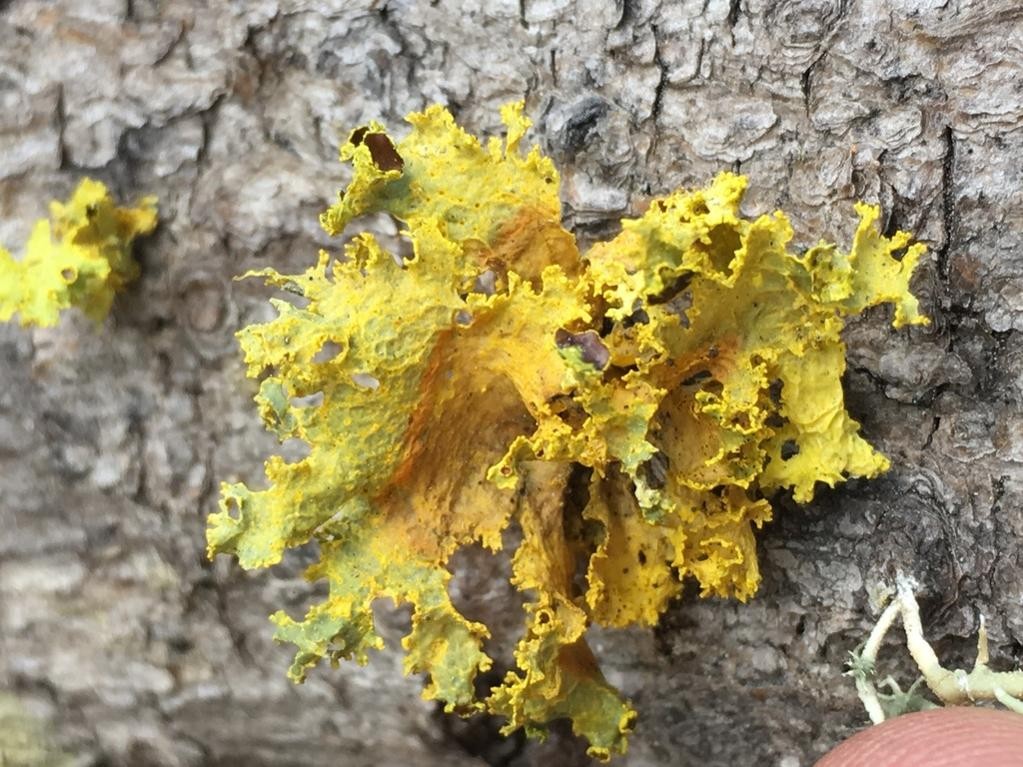
1. Wolf lichen
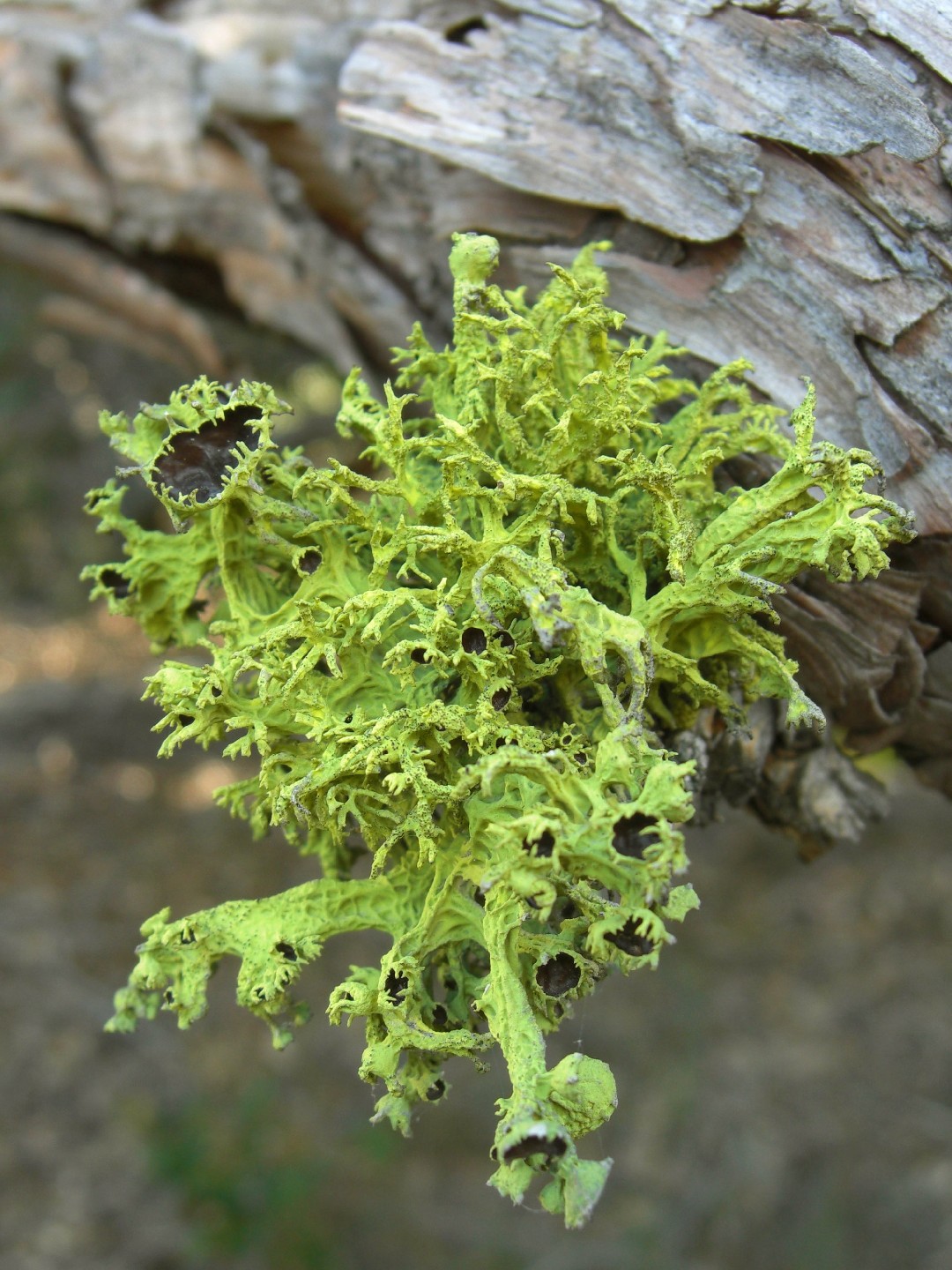
The thallus, or vegetative body, has a fructicose shape — that is, shrubby and densely branched — and a bright yellow to yellow-green, or chartreuse color, although the color will fade in drier specimens. Its dimensions are typically 2 to 7 cm (0.8 to 3 in) in diameter. The vegetative reproductive structures soredia and isidia are present on the surface of the thalli, often abundantly. 
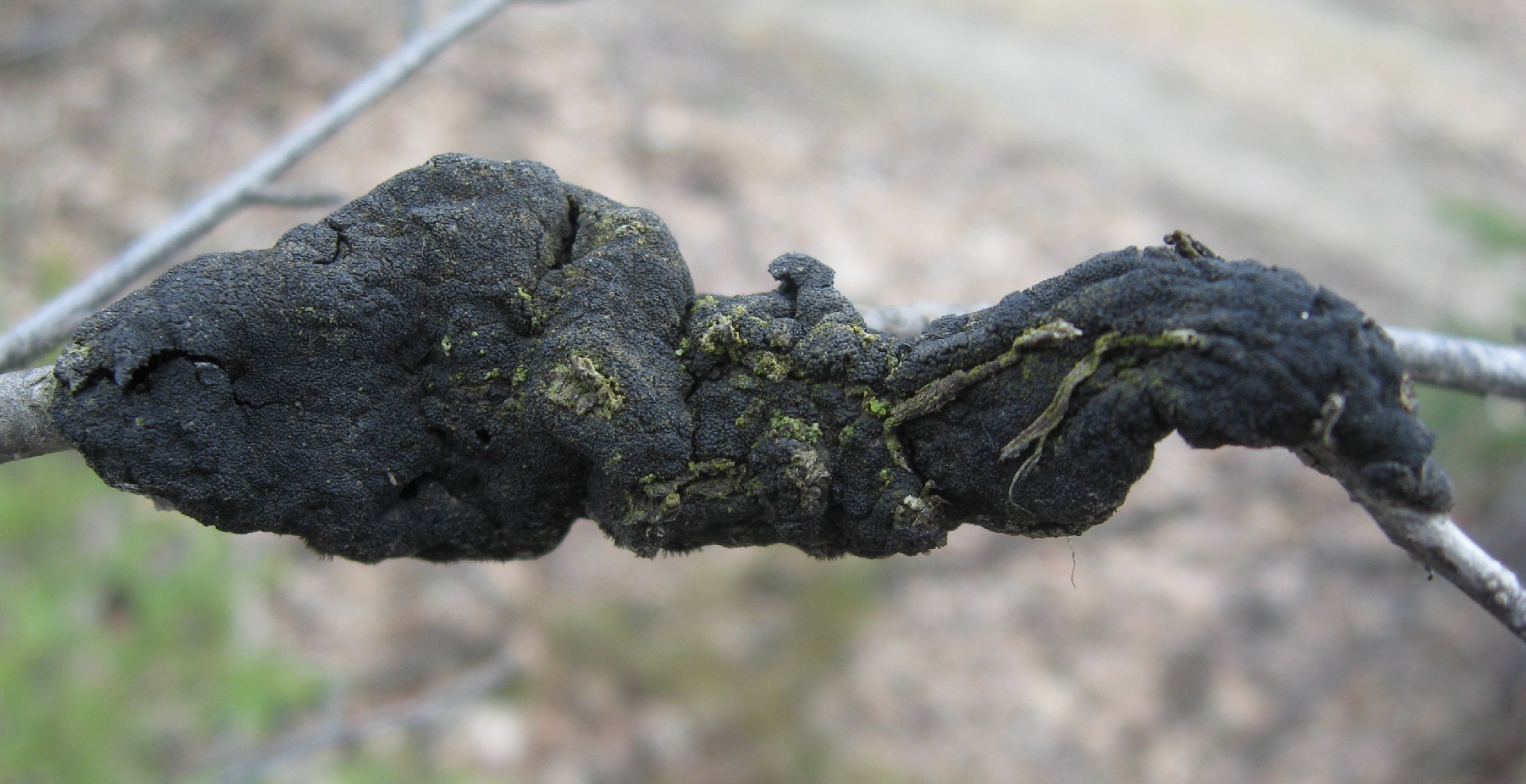
2. Black knot
The appearance of black knot (Apiosporina morbosa) is commonly found on various fruit-bearing trees and looks more like abnormally growing bark than it does a fungus. In youth, this bulbous growth is a lighter green but rapidly turns to dark brown and black. Black knot can kill trees and is not easily controllable using fungicides.

3. Shaggy mane
The shaggy mane mushroom is commonly found in North American and European grasslands. Some peoples foraged for its young egg-shaped caps, but it has more recently been found to be a bioaccumulator of heavy metals, meaning it pulls toxic metals up from the soil where it grows. As a result, shaggy manes should not be eaten. The mushrooms usually appear in clusters or “fairy rings.”
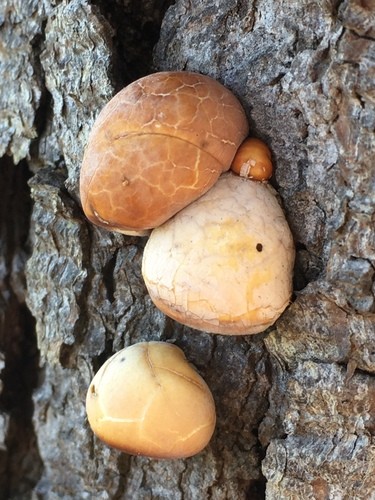
4. Veiled polypore
If you've ever gone on a walk through the woods where dead conifers are present, there's a good chance you've seen a veiled polypore. The fungus' name comes from the fact that it's pores are "veiled" by a rounded piece of tissue. Indeed, rather than growing in sheet-like formations like other polypores, the veiled polypore can be nearly spherical. These mushrooms are especially prevalent in pine stands that have been ravaged by fire or beetles.
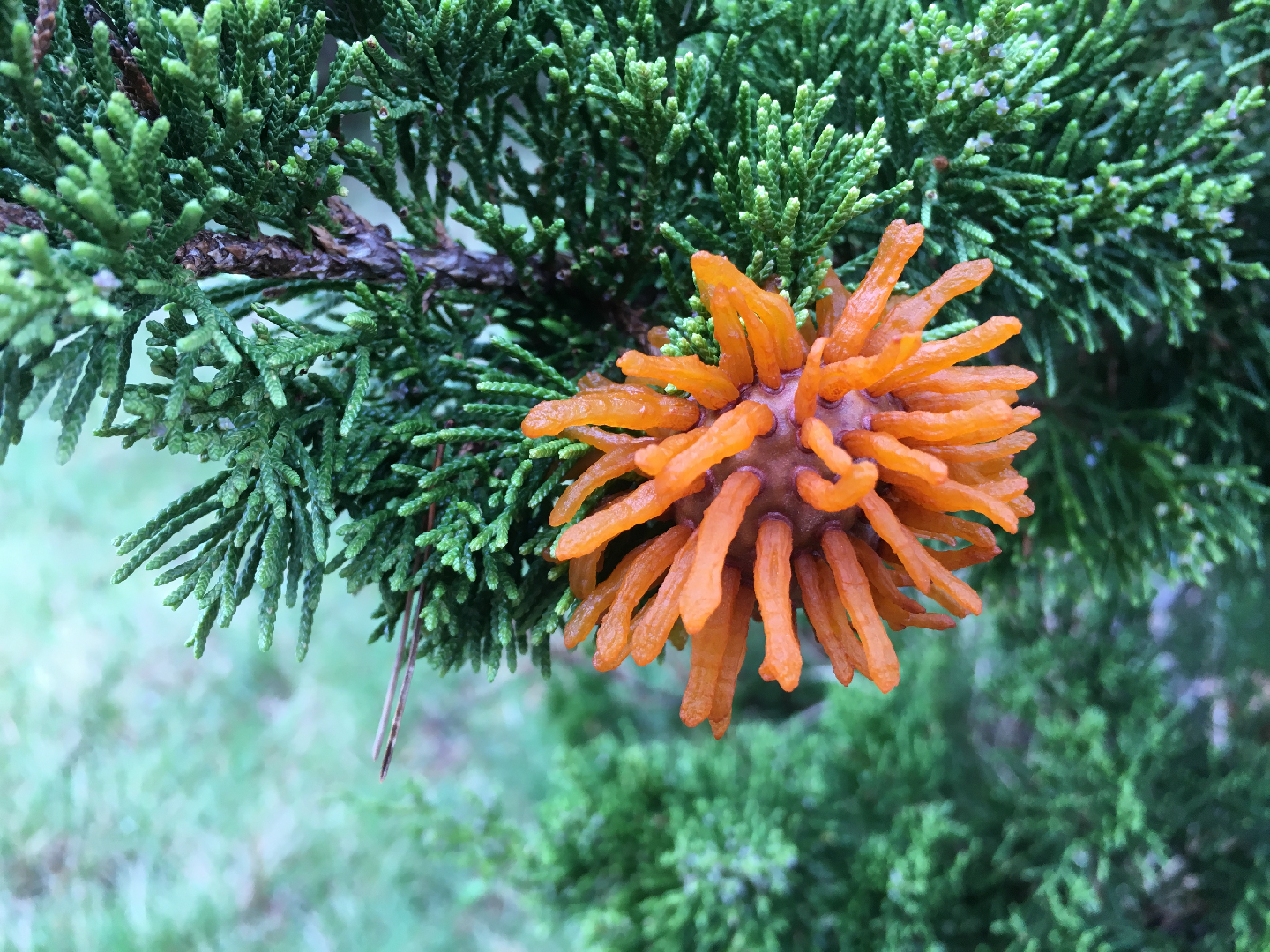
5. Cedar-apple rust
The vividly-colored fruitbodies of cedar-apple rust (Gymnosporangium juniperi-virginianae) might be mistaken for flowers, from a distance. Upon closer inspection they can be identified as fungal growths attacking the fruit of cedar trees. Their microscopic spores can travel up to an astounding 5 miles when carried on the wind and infect cedars quite far away, weakening the trees as they grow.
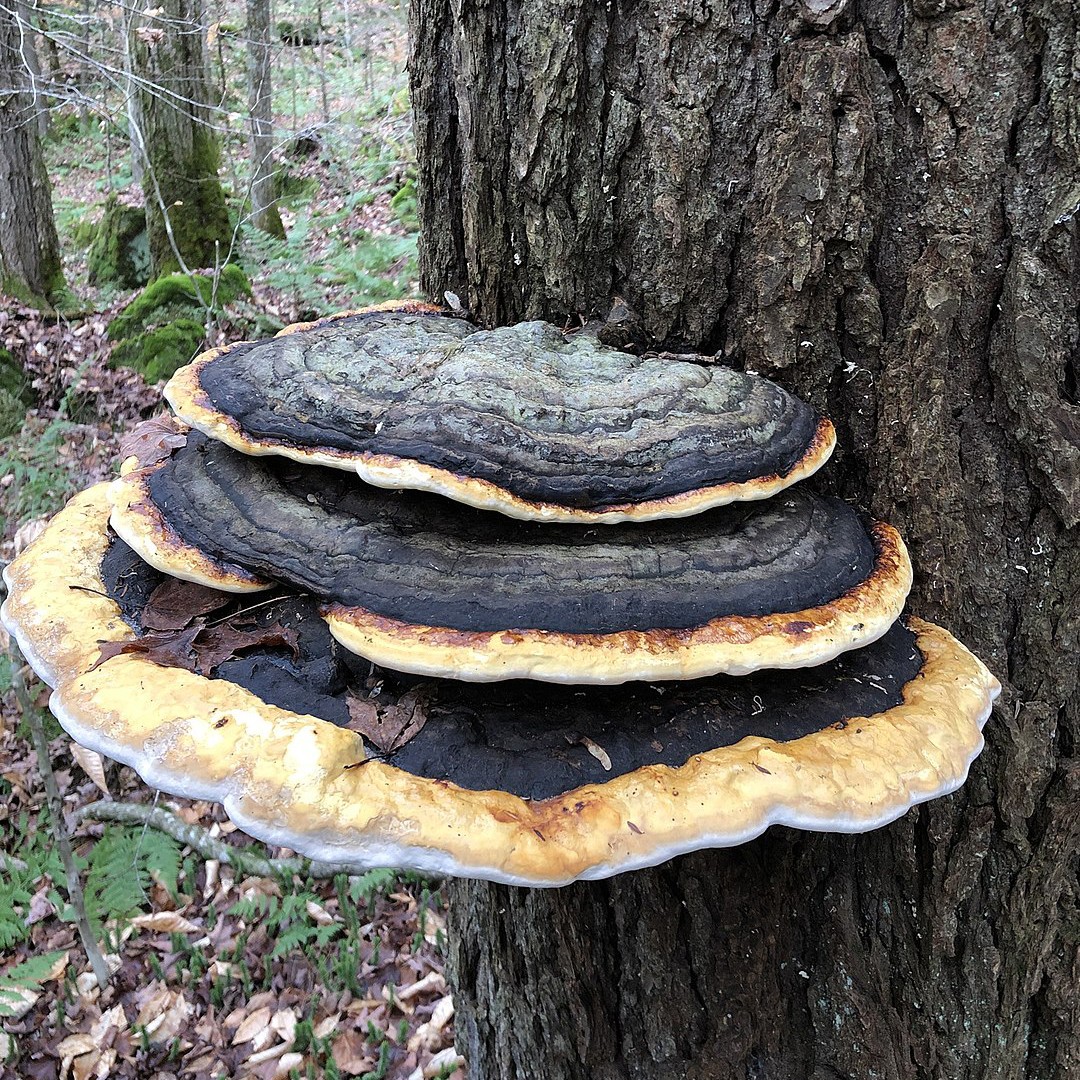
6. Red-belted polypore
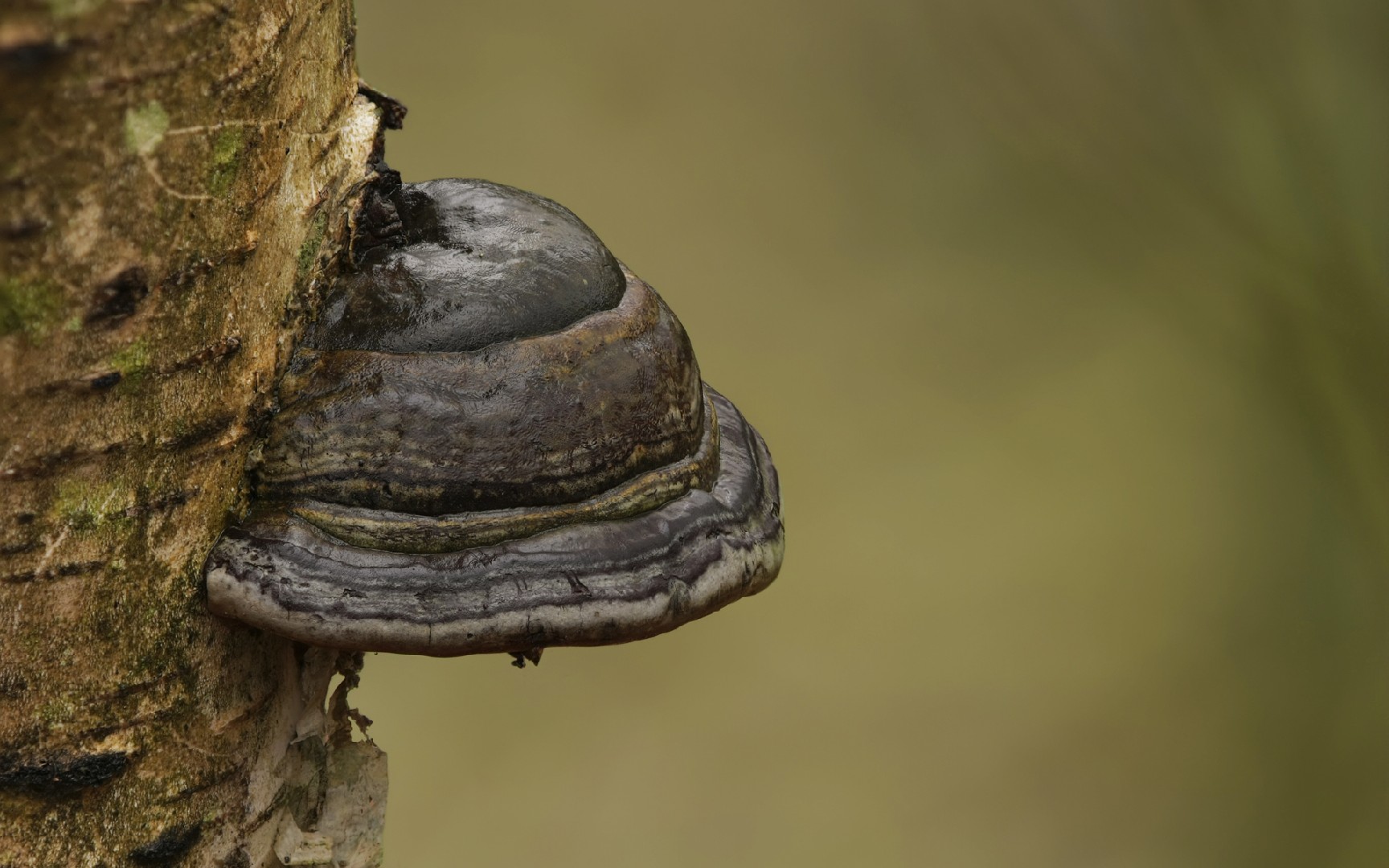
Red-belted polypore is a shelf fungus that's usually seen on aspen, birch, and various conifer trees. This perennial mushroom is known to cause the cubical brown rot in host trees. A species new to science, it was named in honor of Irene Mounce, a Canadian mycologist.
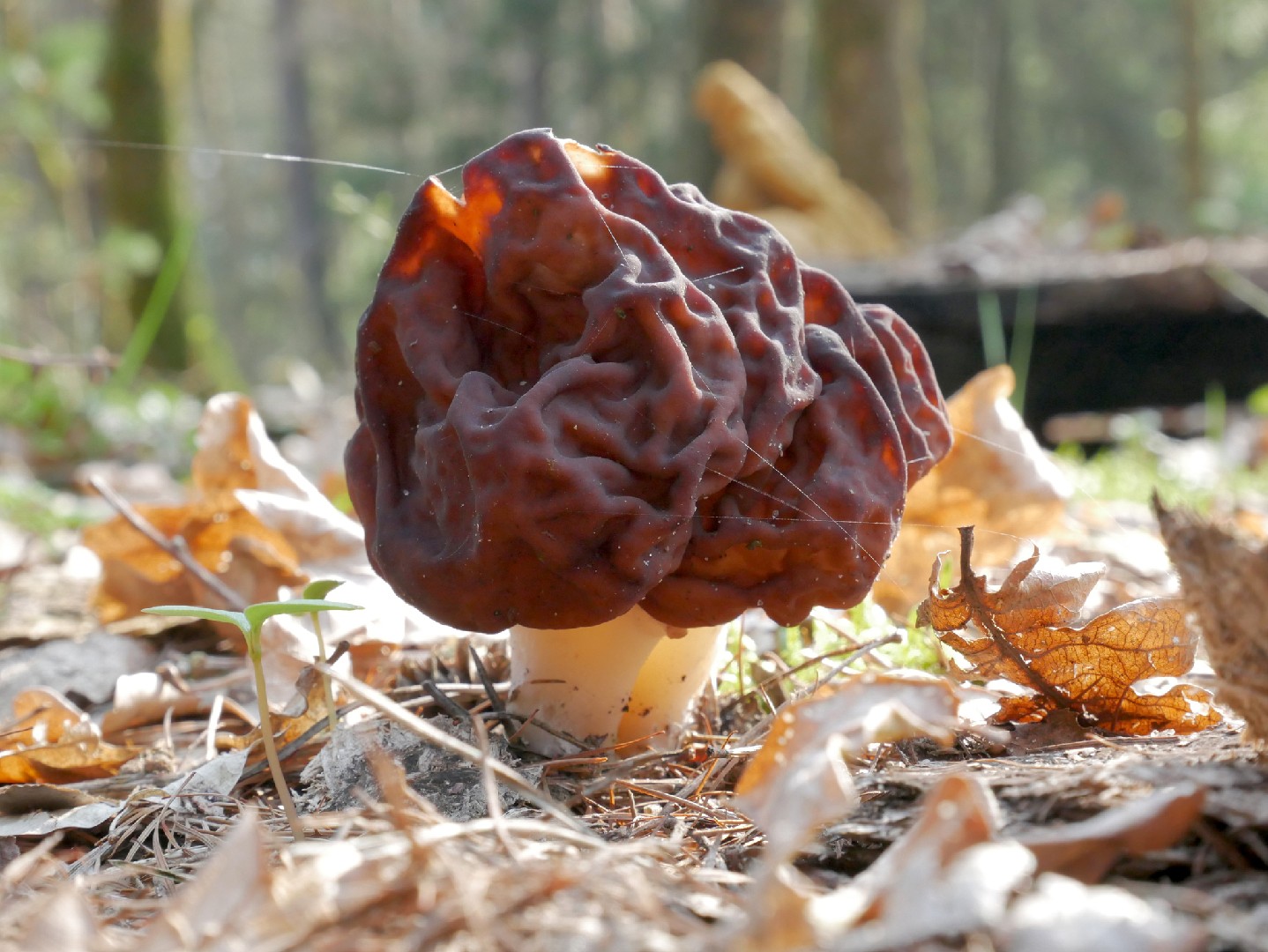
7. False morel
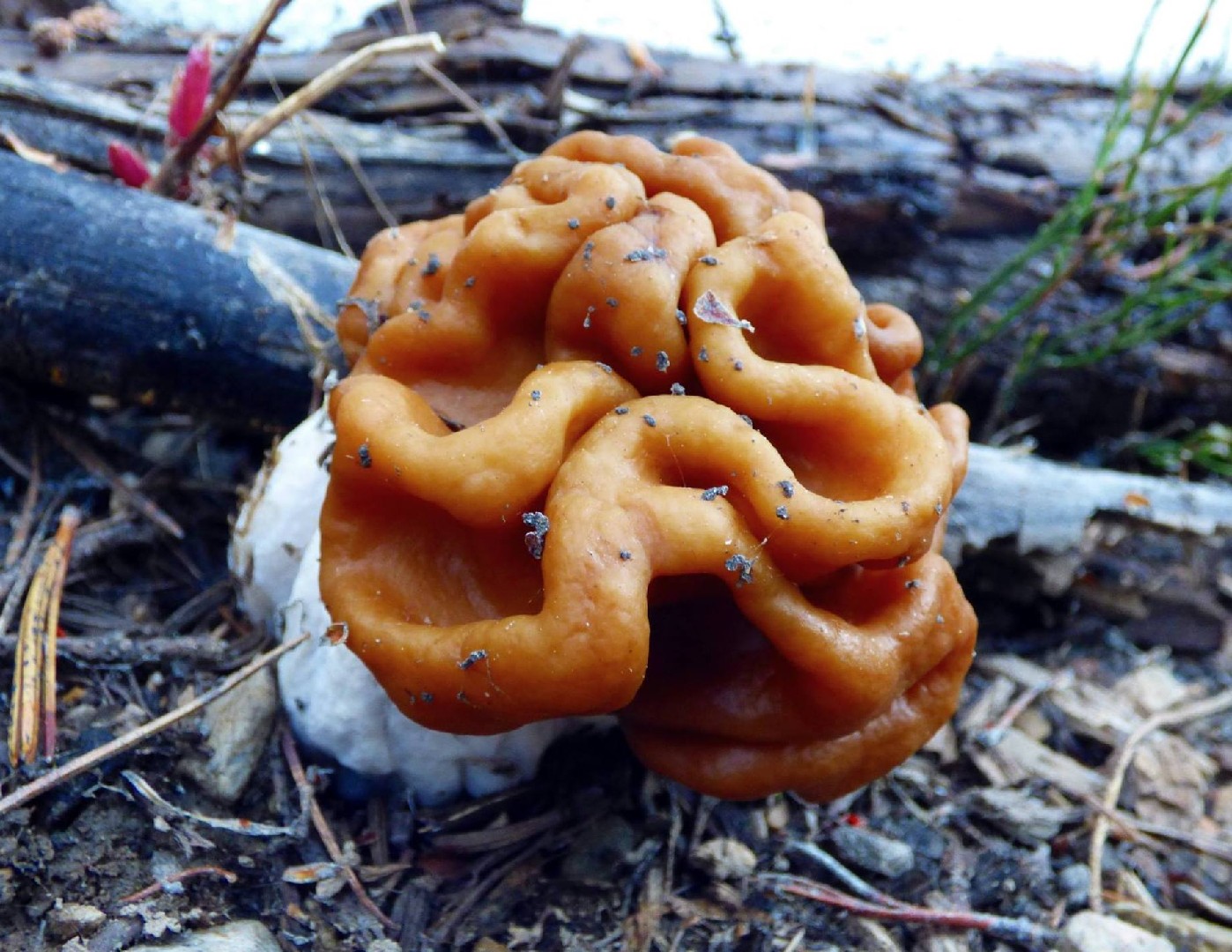
Though the delicious common morel (Morchella esculenta) has few look-alikes, this species perhaps comes the closest. Caps of the false morel (Gyromitra esculenta) may fool foragers looking for a tasty treat, but this species is toxic. To distinguish, note that the conical caps of the false morel are folded, appearing brain-like, while morels have holes in their caps, with a honeycomb appearance. When cut open, morels have hollow stems and caps, whereas those of false morels are usually filled in or stringy, at the least.
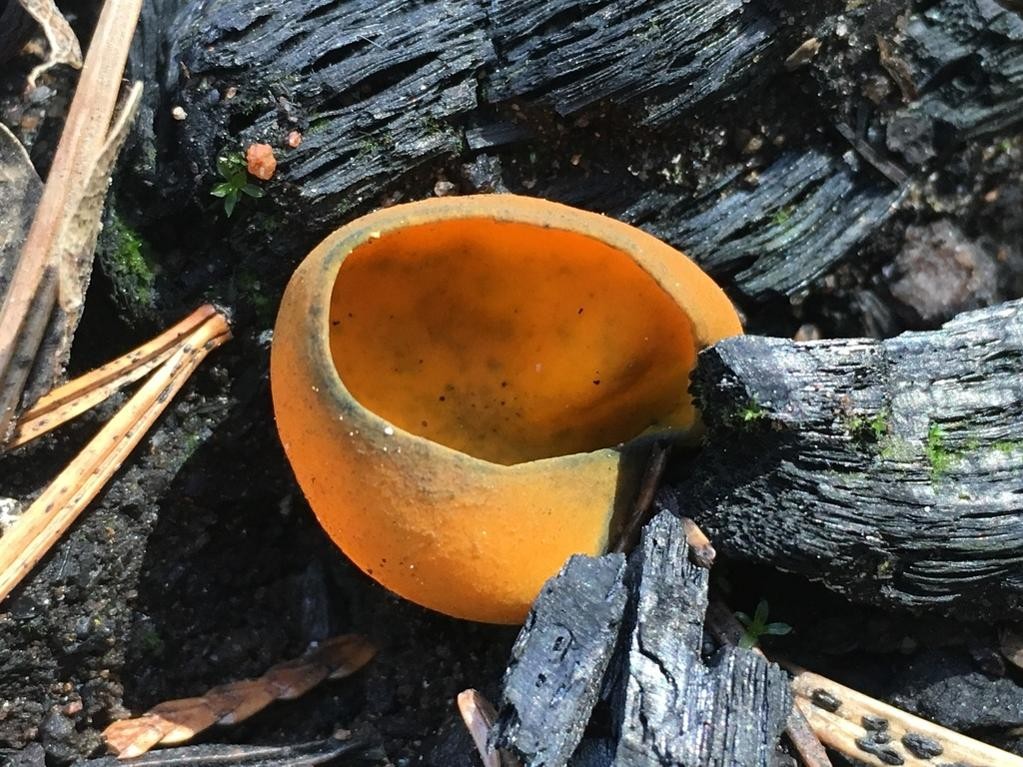
8. Spring orange peel fungus
A rare albino mutant lacking orange pigment The fruiting body of C. fulgens is roughly cup-shaped, although the cup may be somewhat flattened, lopsided or split; the size is up to 4 centimetres (1.6 in) in diameter. The inner surface of the cup is orange-yellow, while the external surface is pale yellow. Either the margin around the rim or the entire outer surface may be stained olive-green. The green or bluish staining that occurs upon injury or with age is unique within the Pezizales order. The stem, if present, is rather short. The spore deposit is white. A single specimen of an albino form, 2 centimetres (0.8 in) in diameter, was discovered in Northern Idaho; it was found to be lacking the pigment responsible for staining the outer surface olive-green. The spores are translucent (hyaline), roughly spherical, thin-walled and smooth, with dimensions of 6–8 µm in diameter. The asci, the spore-bearing cells, are cylindrical and 80–100 by 7–8 µm; the paraphyses are thin and filamentous and contain orange granules. Edibility has not been recorded for this fungus.
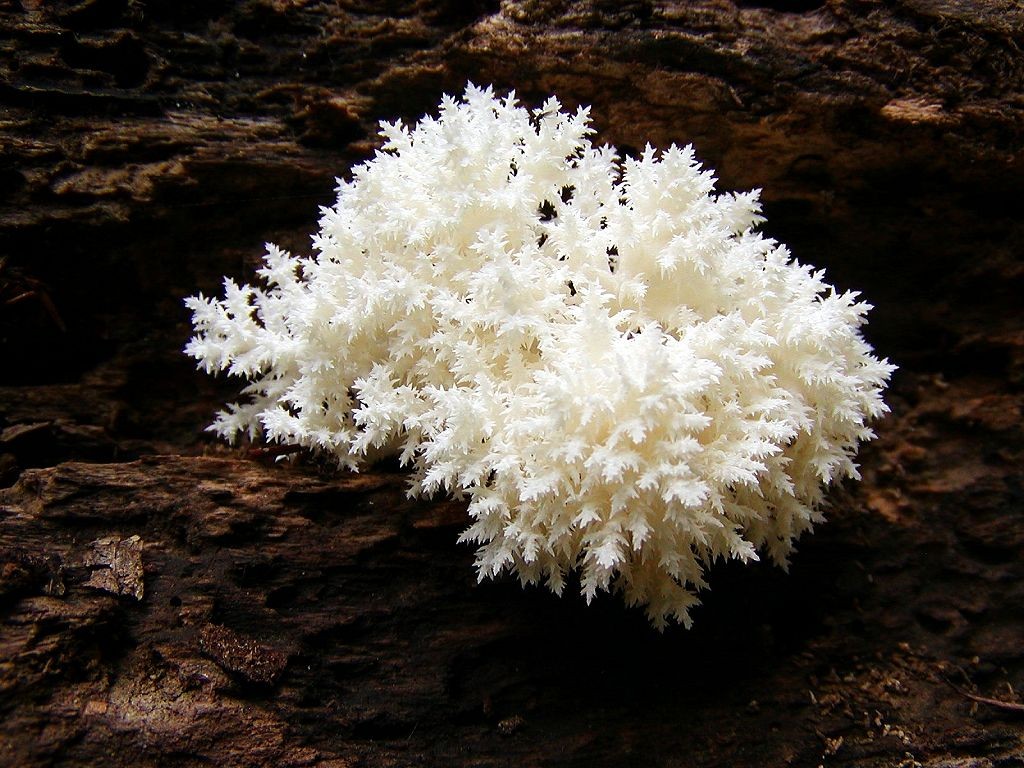
9. Coral tooth fungus
Coral tooth fungus (Hericium coralloides) is a species of coral mushroom most frequently sighted on dead or decaying hardwoods. Generally, younger specimens are white and become increasingly yellowish as they mature. Found around the world, the Māori refer to this species as pekepekekiore.
10. Brown-eyed sunshine lichen

More







