




Top 20 Most Common Mushrooms in Egypt Lake-Leto
Welcome to our piece on the top 20 prevalent mushrooms residing in the quietly charming region, Egypt Lake-Leto. Known for its lush greenery and tranquil ambiance, Egypt Lake-Leto is a haven for mycology enthusiasts. The area's mild climate and fertile soils offer an ideal nurture ground for a wide abundance of diverse mushroom species. Tune in as we navigate the mushroom spectacle heartily thriving in this serene locale!

Most Common Mushrooms
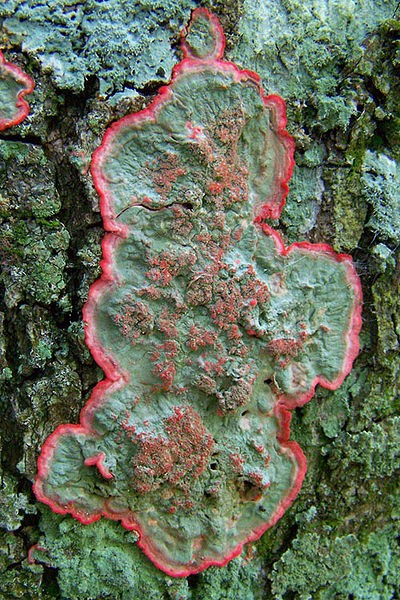
1. Christmas lichen
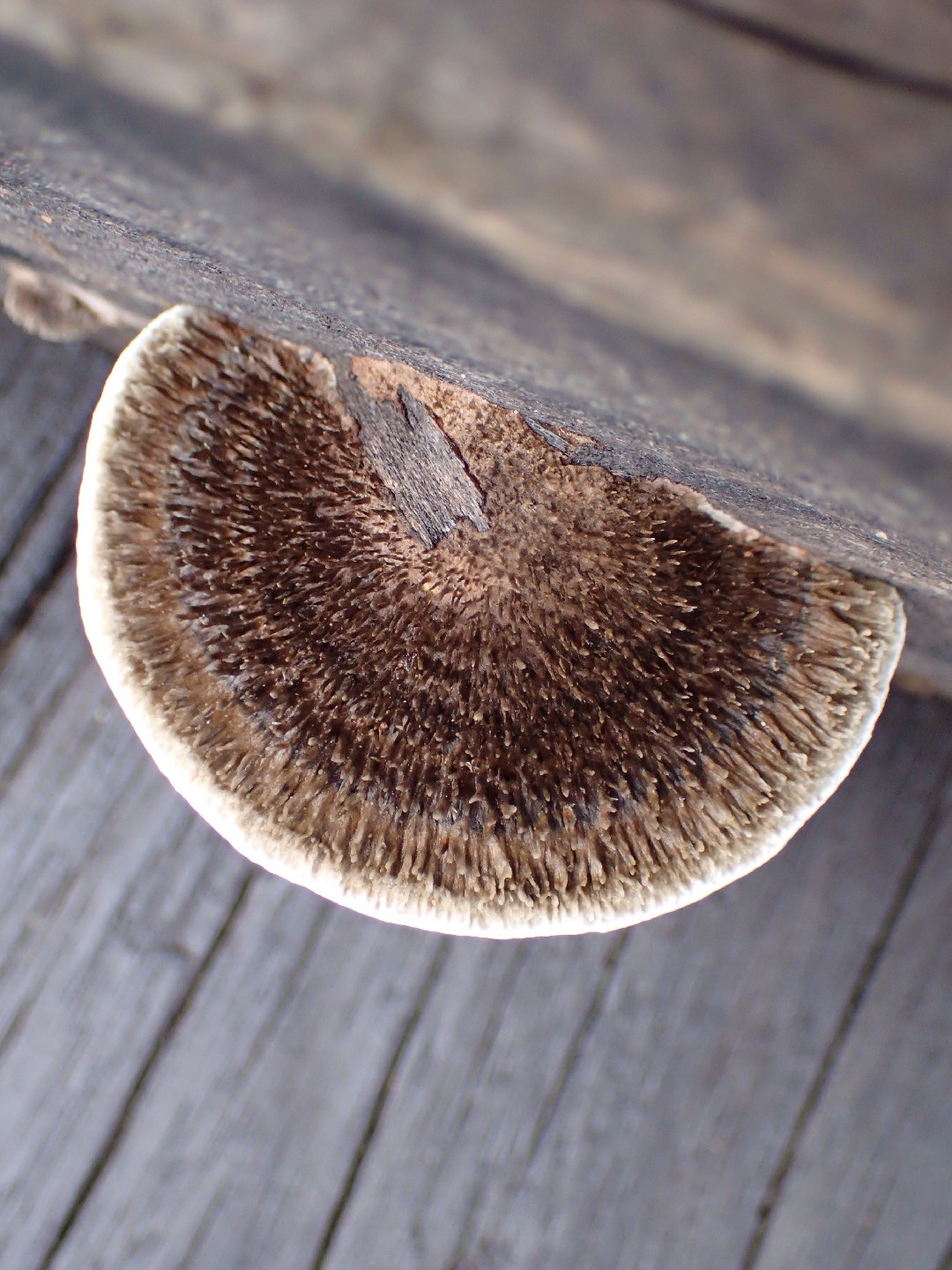
2. Hairy hexagonia
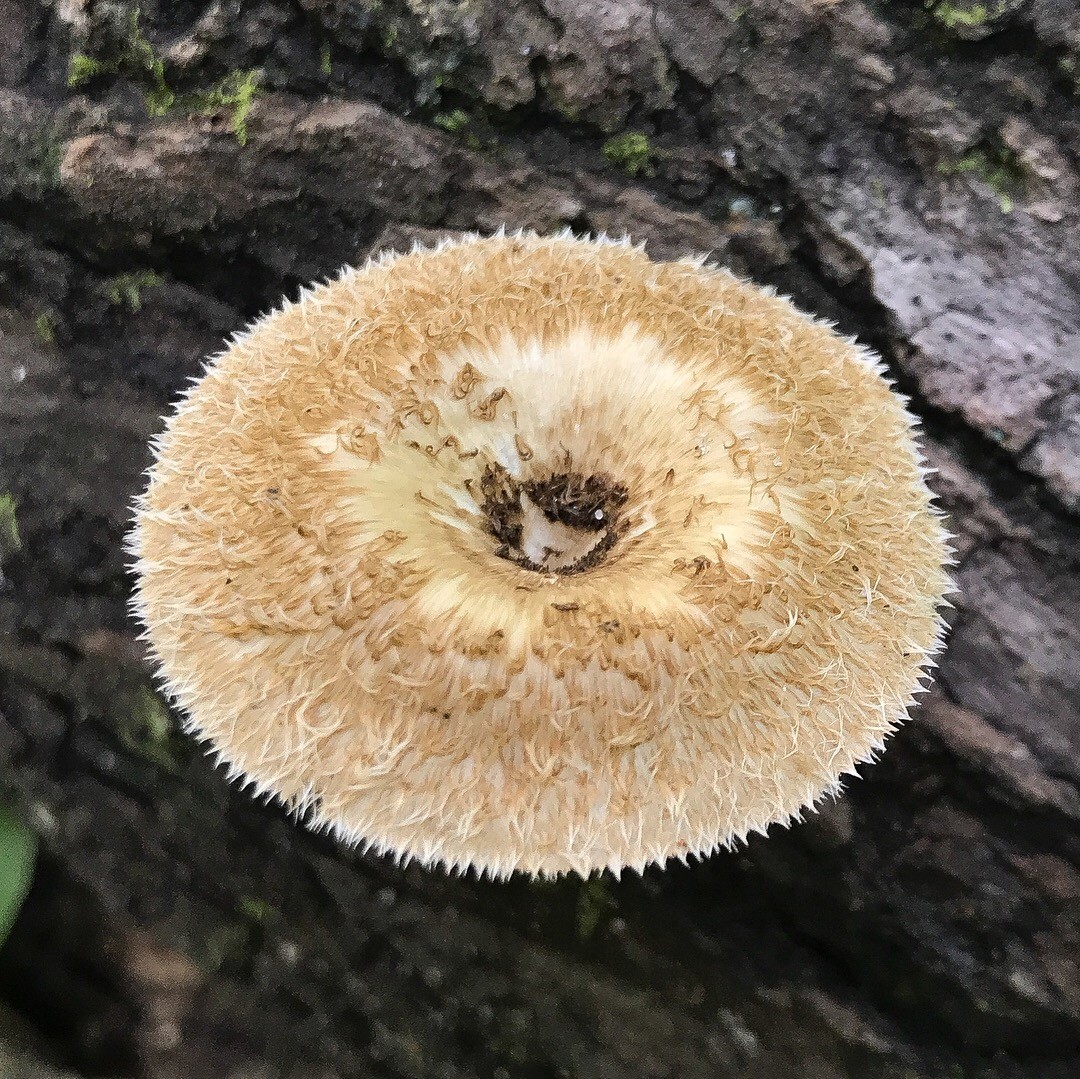
The hairy hexagonia (Hexagonia hydnoides) is not the most common mushroom you'll find, but has very distinctive qualities. Stiff, dark brown, bristle-like hairs emerge from an ochre flat cap and are found growing from a decaying tree stump or wood. The large pores on the cap's underside create an almost sponge-like appearance, and the stem is otherwise not visible.
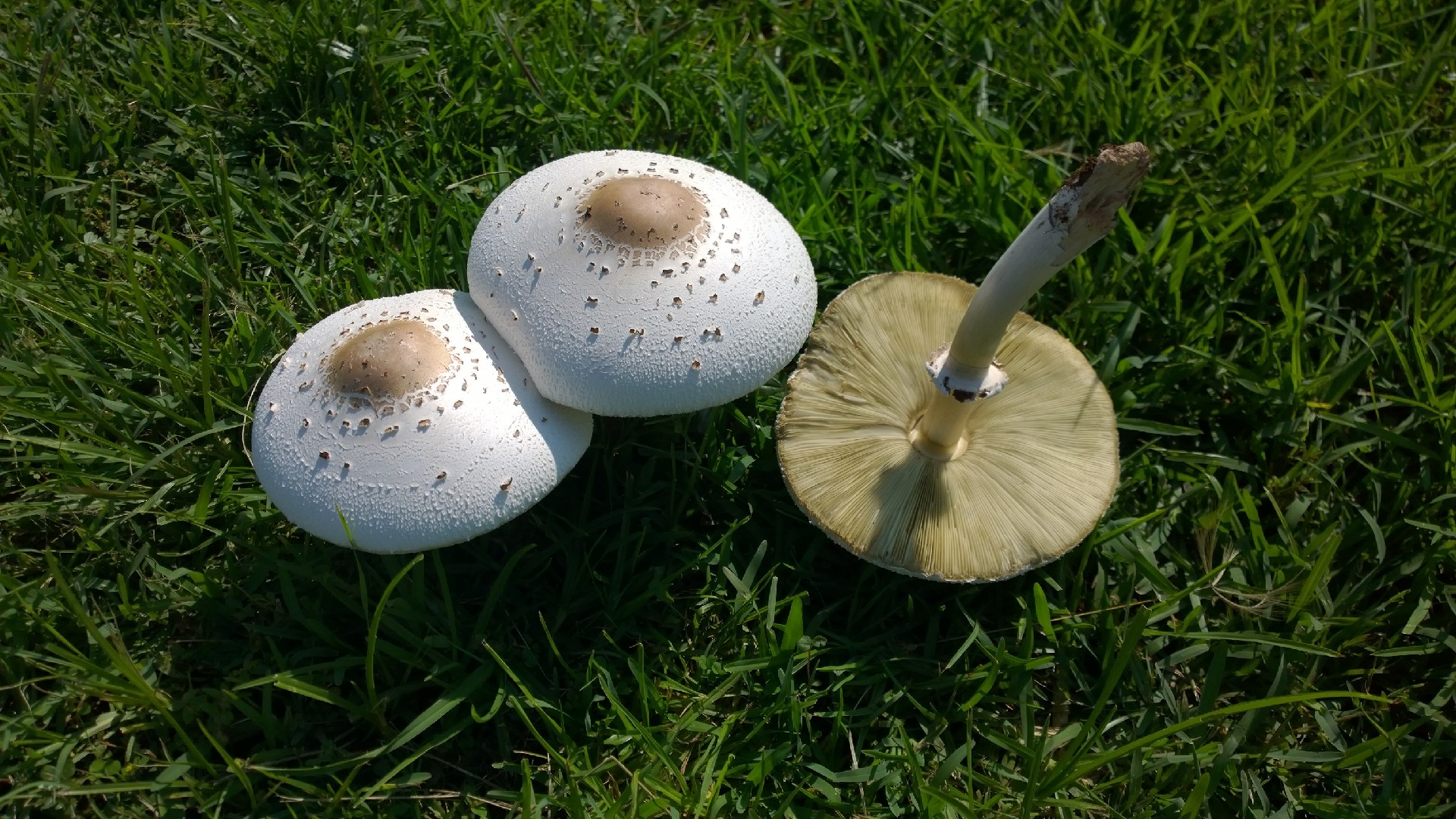
3. False parasol
Though the false parasol appears unassuming, the species is famous—or, infamous—for its toxicity. It looks unfortunately similar to Agericus campestrus, a commonly eaten mushroom, but the false parasol can be distinguished by its highly unusual green spore print. Although they are no good to eat, they can be pretty to look at. The species may grow in ring-shaped groups in meadows and on forest floors in what are sometimes called "fairy circles."
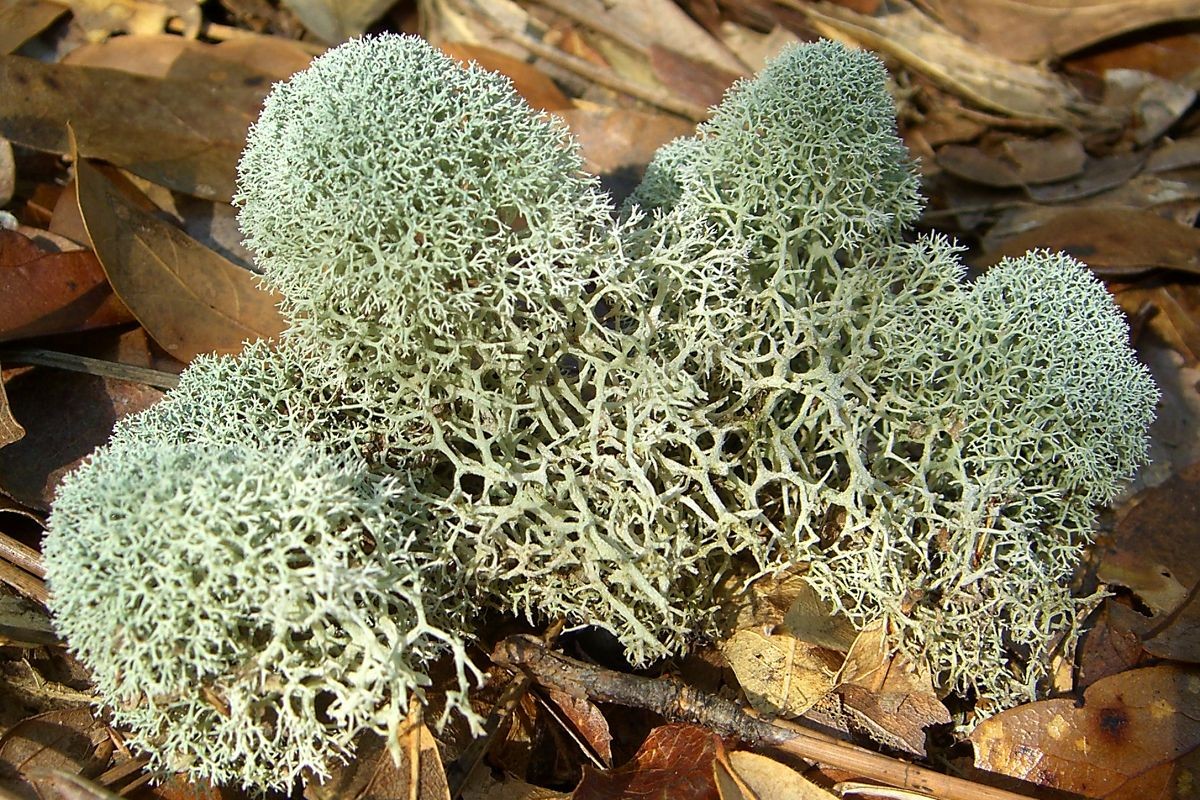
4. Powder-puff lichen
5. Golden reishi
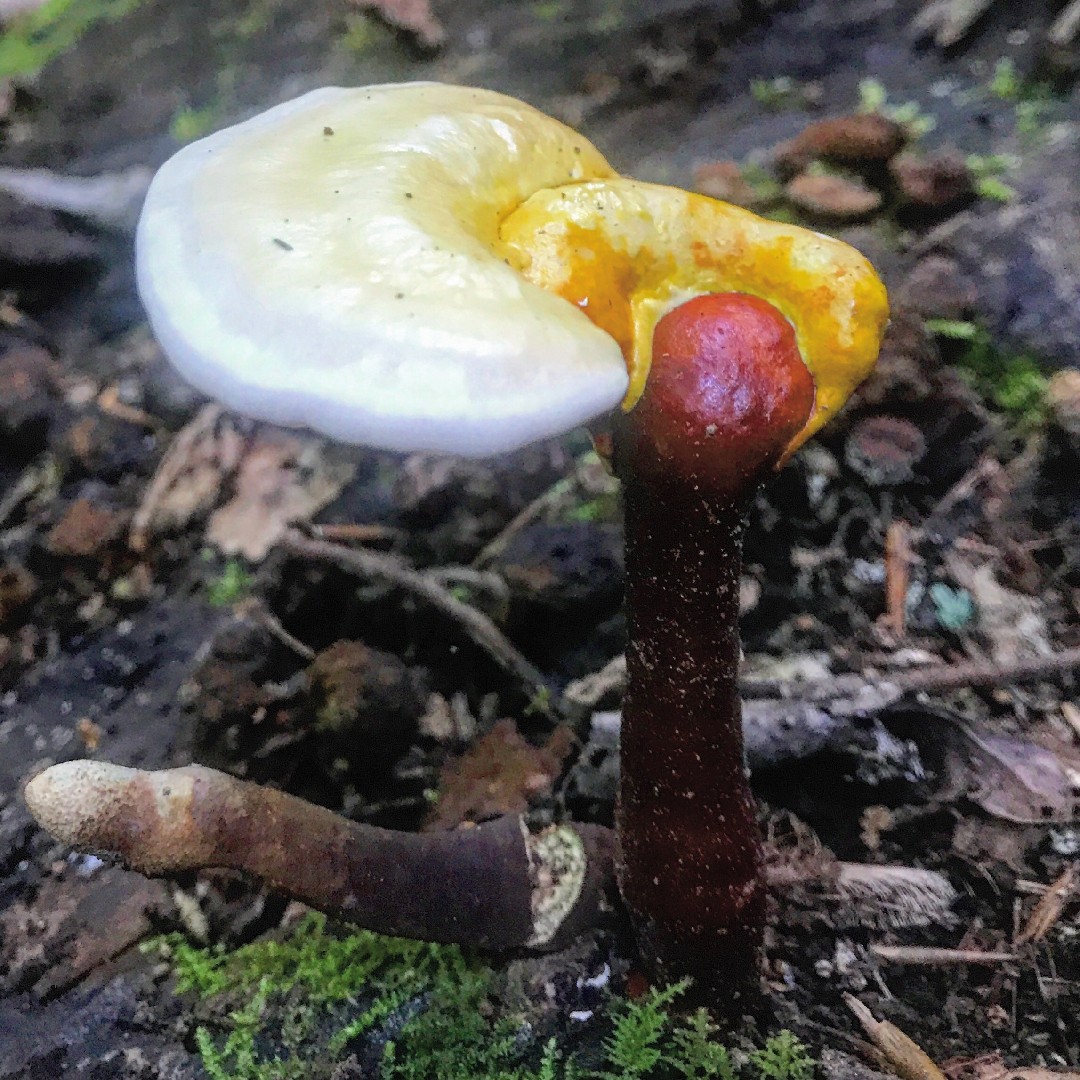
The golden reishi is a tough-fleshed fungus that can be found on dead or live hardwoods, and sometimes conifers, sporting deep shades of red, orange or yellow, although some can be quite pale. While some claim that the golden reishi may convey health benefits, there is no evidence to support this, and the species is considered inedible.
6. Indigo milk cap
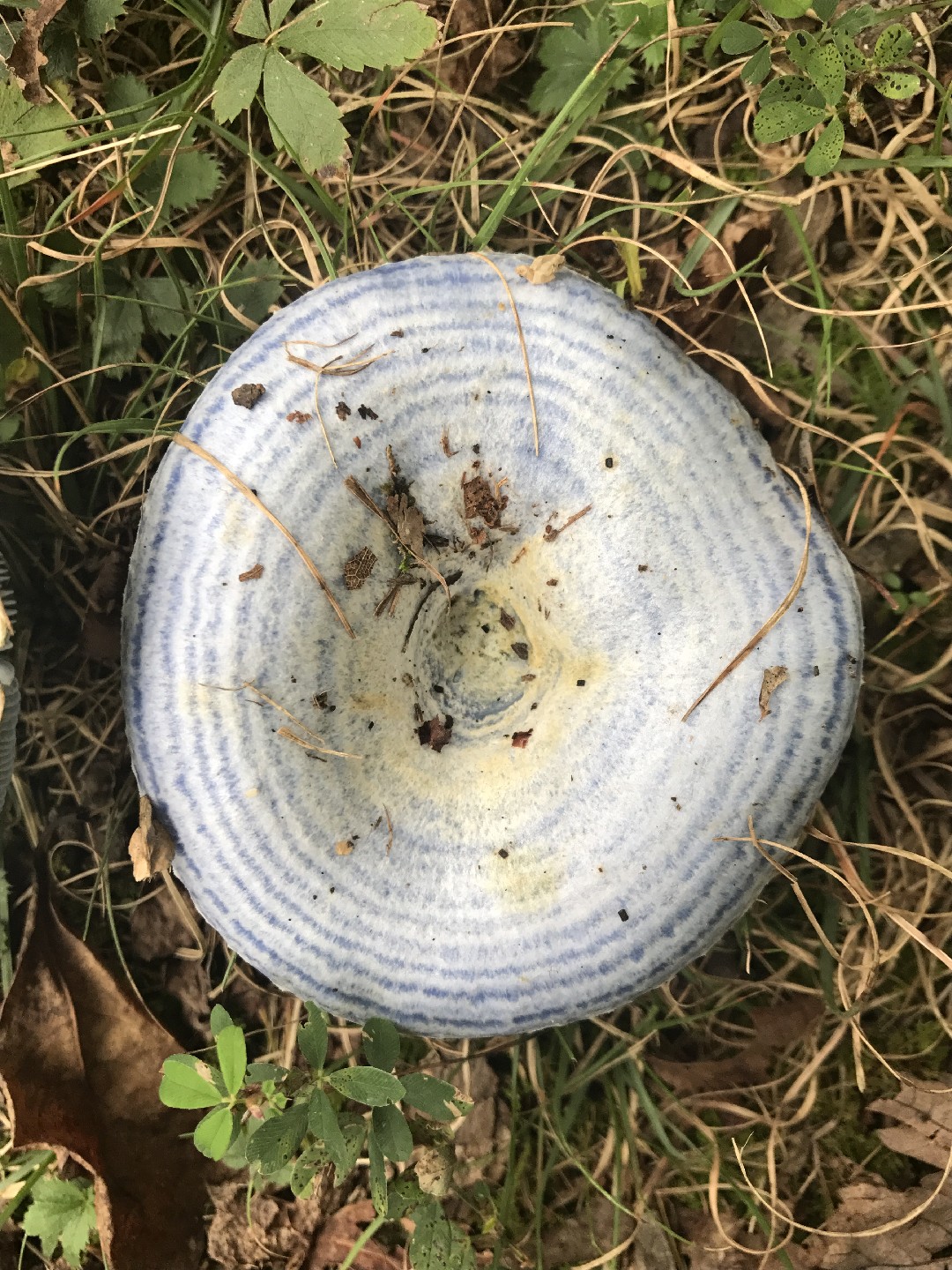
This gorgeous species is unlike any other. The indigo milk cap, a member of the often-drab russula family, is deep blue in color. Like other milk caps, it bleeds a latex-like substance when cut or damaged, but instead of the usual white this species bleeds deep blue.
7. Ganoderma resinaceum
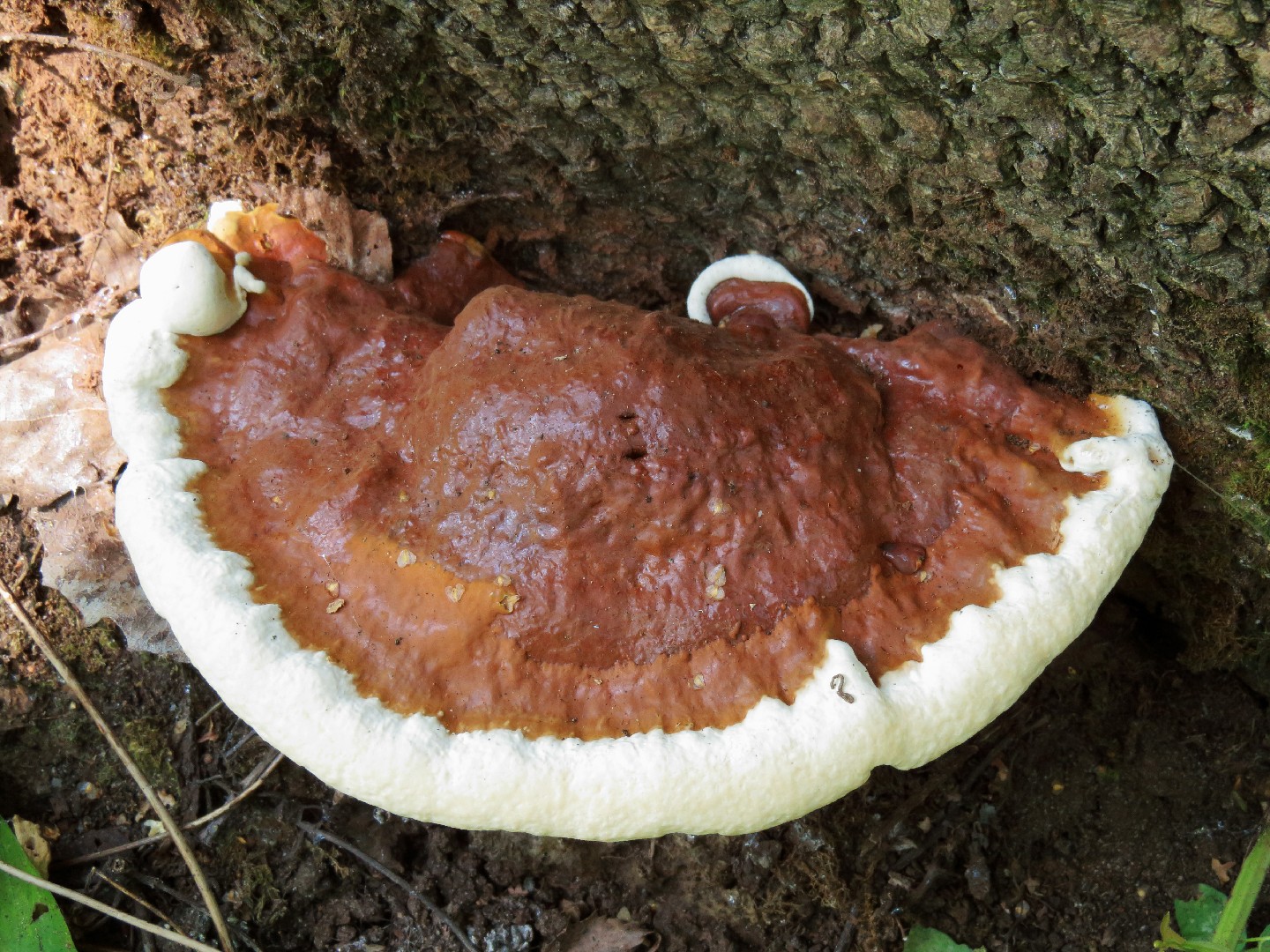
The Harzige Lackporling is a console-shaped mushroom that can be 15-35 cm long, 10-20 wide and 4-8 cm thick. The top is colored red or purple-brown. The hat is covered by a pale yellow resin crust, which melts in the match or lighter flame. The beaded rim is fresh yellow to yellow orange, creamy in a dry state. The underside of the mushroom covered with round pores (3 per mm) is young white and later cream colored. The tubes are about 8-10 mm long. The relatively thin trama is light brown and tough cork-like. Juicing occurs when young fruiting bodies are cut, which solidifies into a resinous mass within a short time. The fruiting bodies are annual.
8. Leiotrametes lactinea
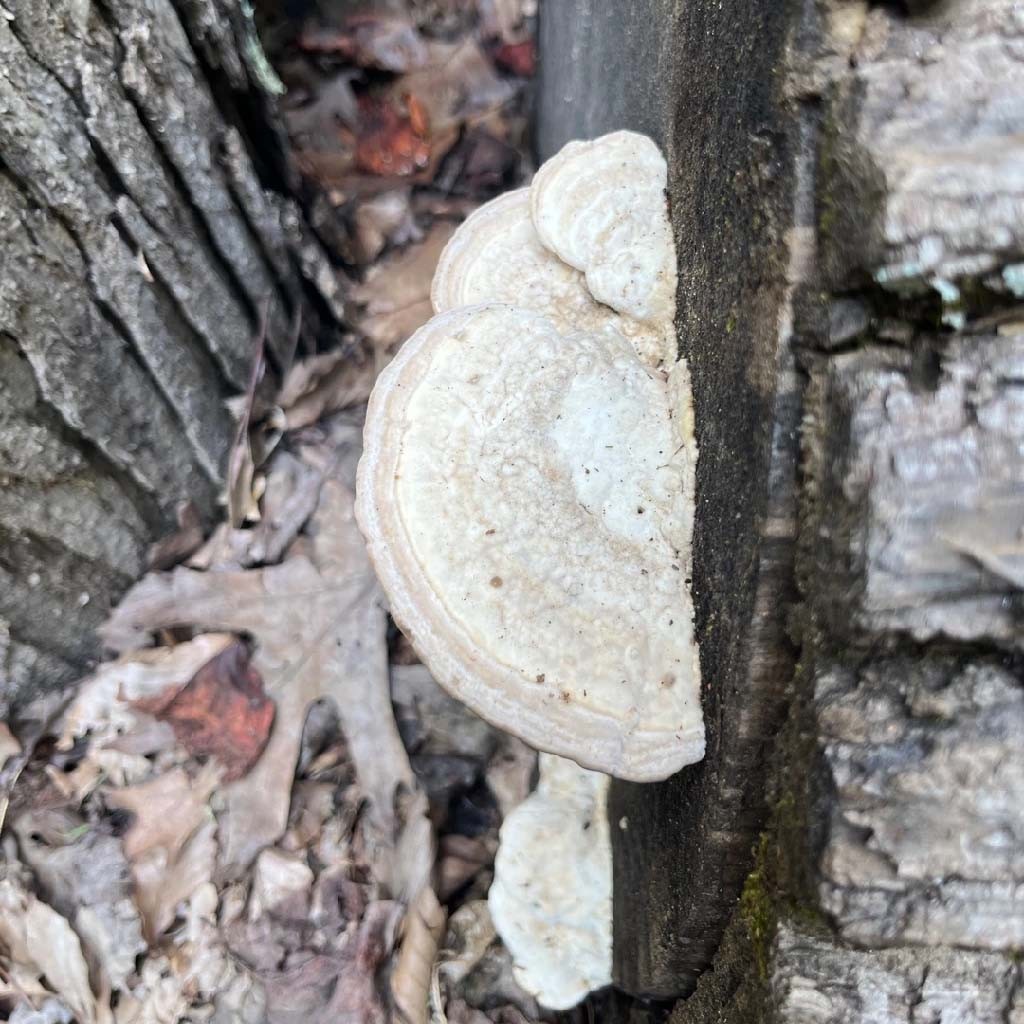
Leiotrametes lactinea thrives in warmer climates growing on decaying and dead trees, stumps, and branches. The white-rot fungus provides an important ecological service by aiding in the decay of dead wood by removing lignin, which is the organic material in the tree’s cell walls that prevent it from decaying.
9. False turkey-tail
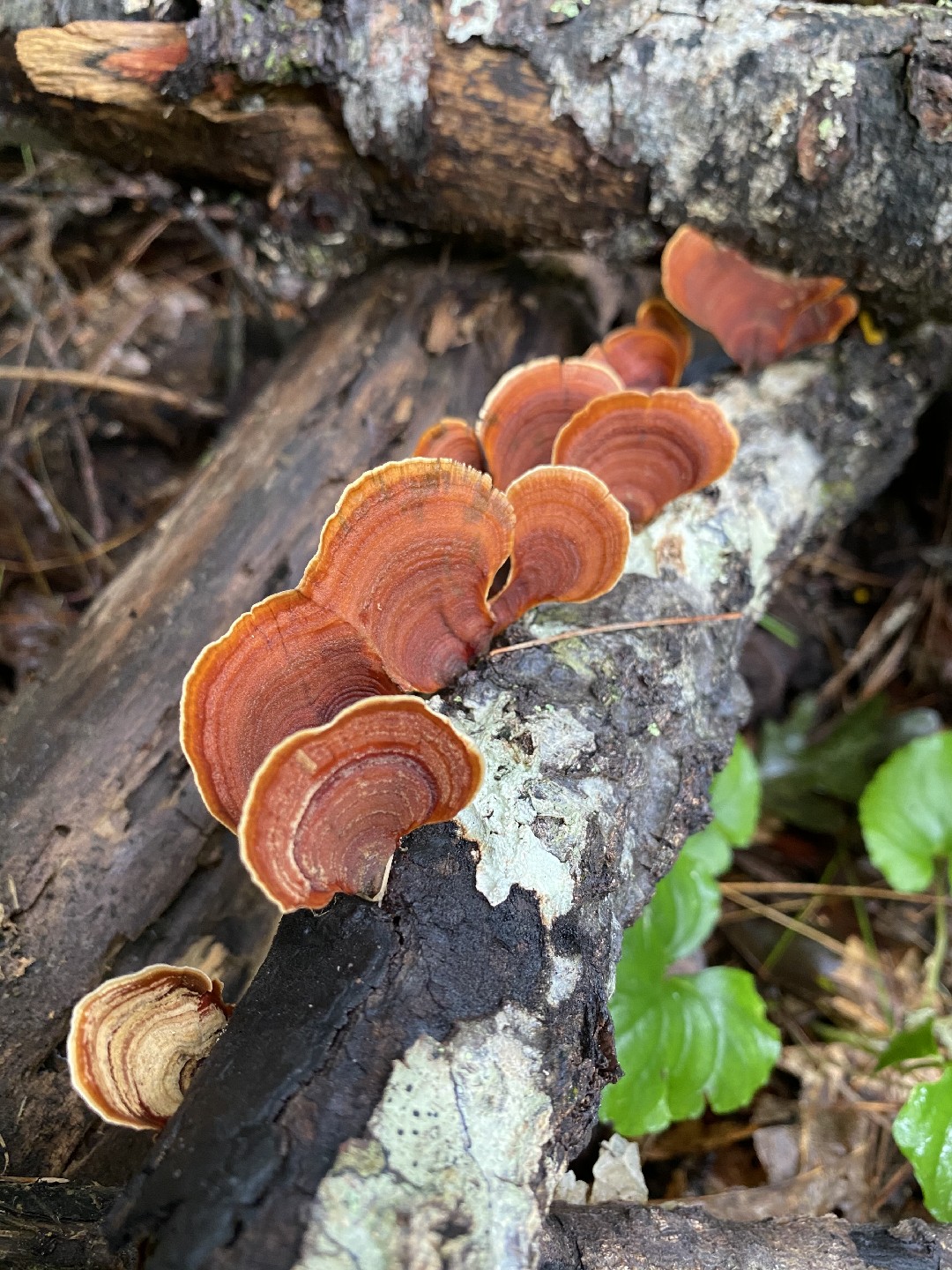
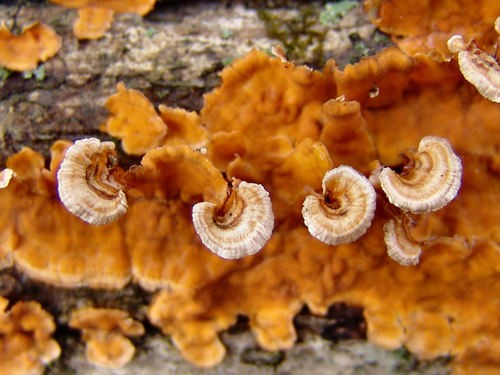
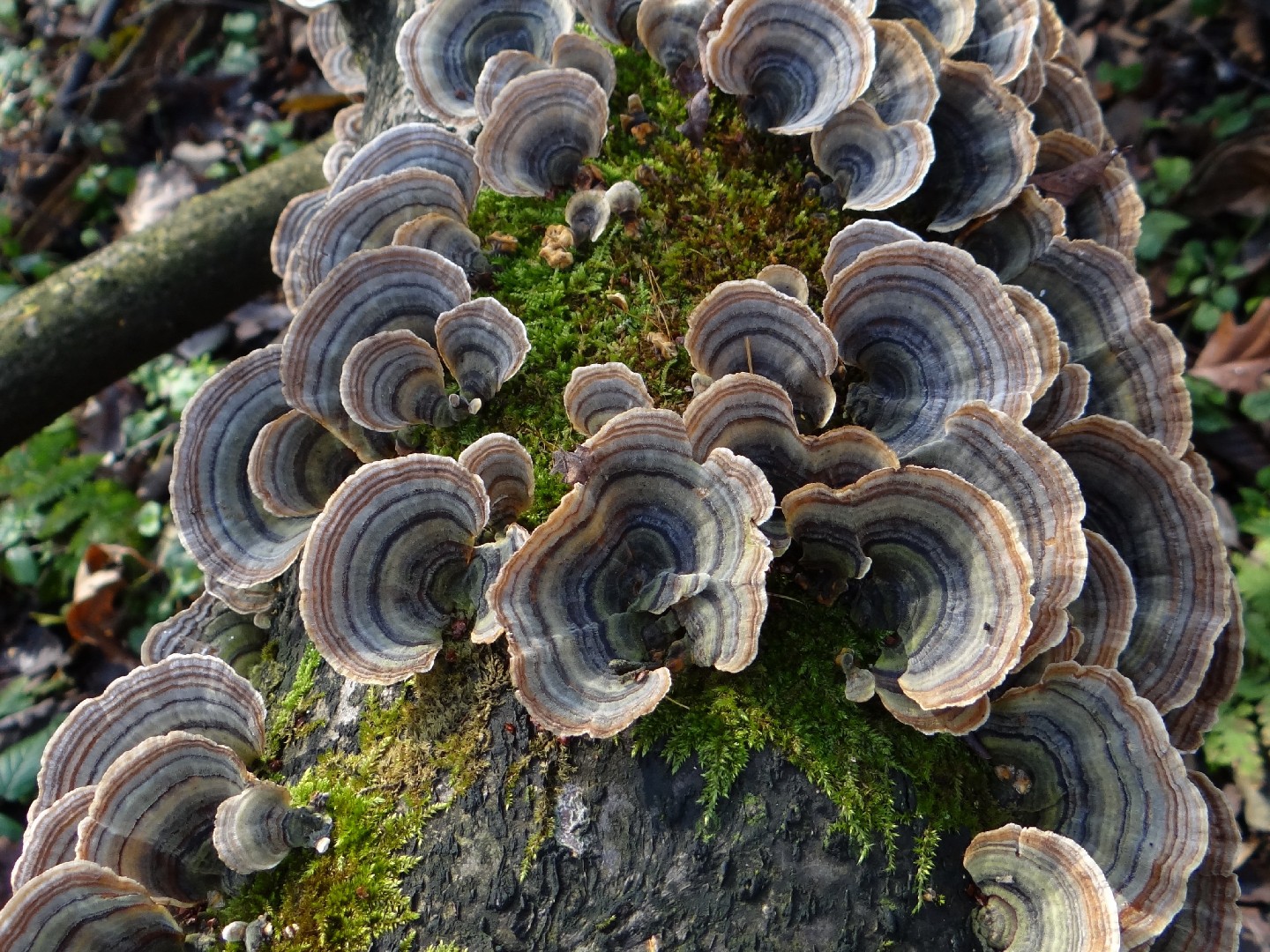
A common woodland fungus found across North America, the false turkey-tail thrives in wet environs and can be found in copious quantities on decaying wood. The species is so-called because it looks similar the also-common Turkey Tail (Tremetes versicolor) - both species grow in thin, roughly semi-circular sheets. False turkey-tails have tough, woody bodies and are considered to be inedible.
10. Flowerpot parasol
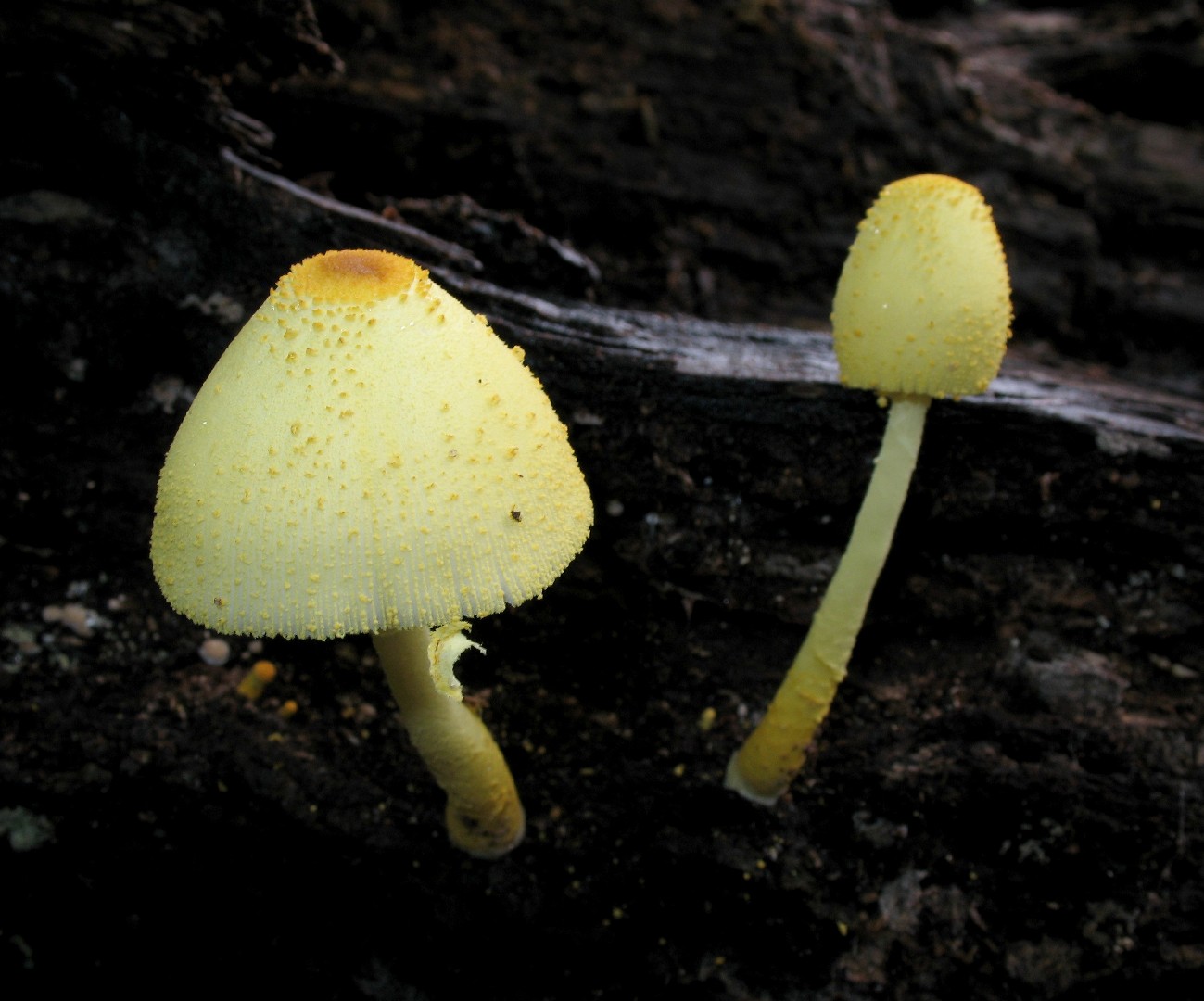
This tropical/subtropical mushroom is known to be toxic. If eaten it causes a very unpleasant stomachache with the risk of fatal complications. In temperate zones, flowerpot parasol is only found in hothouses and greenhouses, so the risk of accidental foraging is low, but it may occur with potted plants and indoor landscaping and pose a risk to curious children.
More







