




Top 20 Most Common Mushrooms in Red Bluff
In the fertile expanses of Red Bluff, a mycologist's dream unfurls. Known as one of the 20 most common mushrooms in the United States, these lands are festooned with a vast collection of fungi. The unique topography alongside optimal temperature conditions in Red Bluff foster an ideal habitat for these marvelous mushrooms to thrive, effectively creating a mushroom metropolis.

Most Common Mushrooms
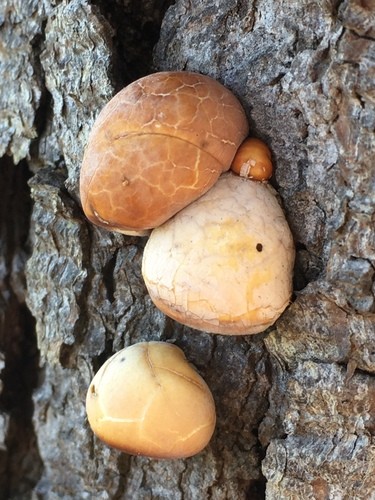
1. Veiled polypore
If you've ever gone on a walk through the woods where dead conifers are present, there's a good chance you've seen a veiled polypore. The fungus' name comes from the fact that it's pores are "veiled" by a rounded piece of tissue. Indeed, rather than growing in sheet-like formations like other polypores, the veiled polypore can be nearly spherical. These mushrooms are especially prevalent in pine stands that have been ravaged by fire or beetles.
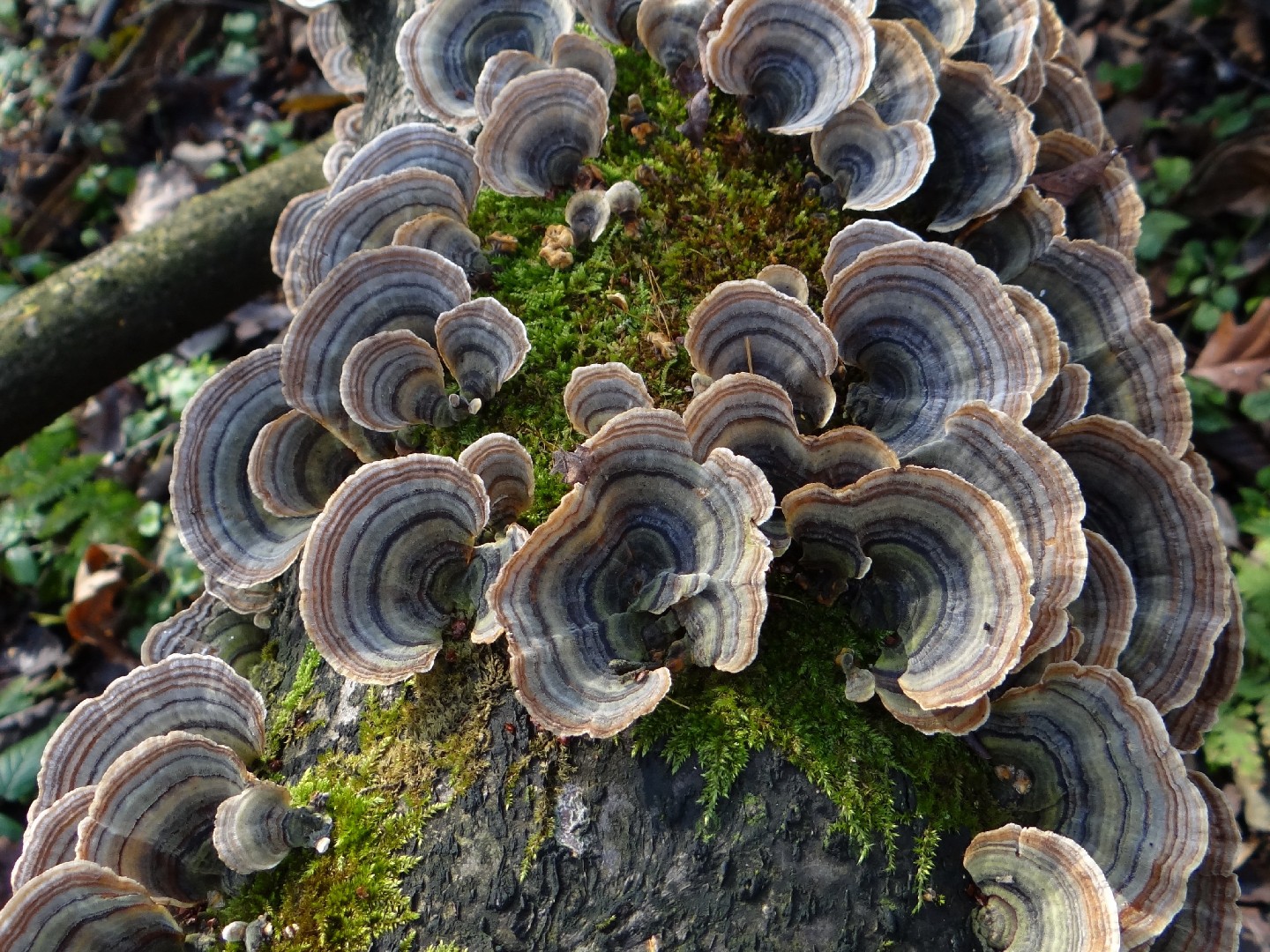
2. Turkey tail
The distinctively-striped turkey tail fungus grows on stumps and logs all over the forests of the northern hemisphere. It is, in fact, probably the most common species you will find. That doesn't mean this mushroom is plain, however; each cap is uniquely patterned. Look for bands of alternating textures as well as color.
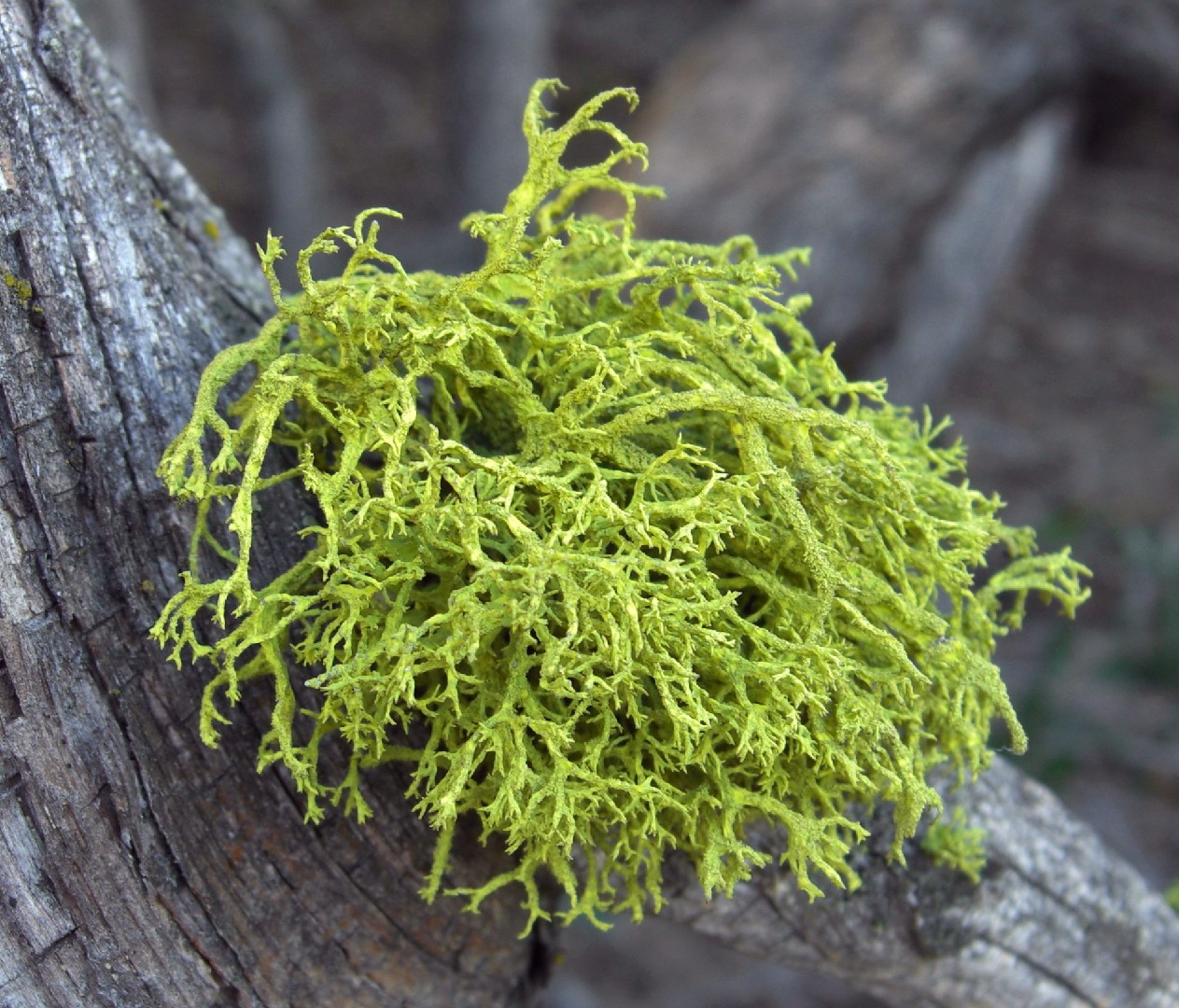
3. Wolf lichen
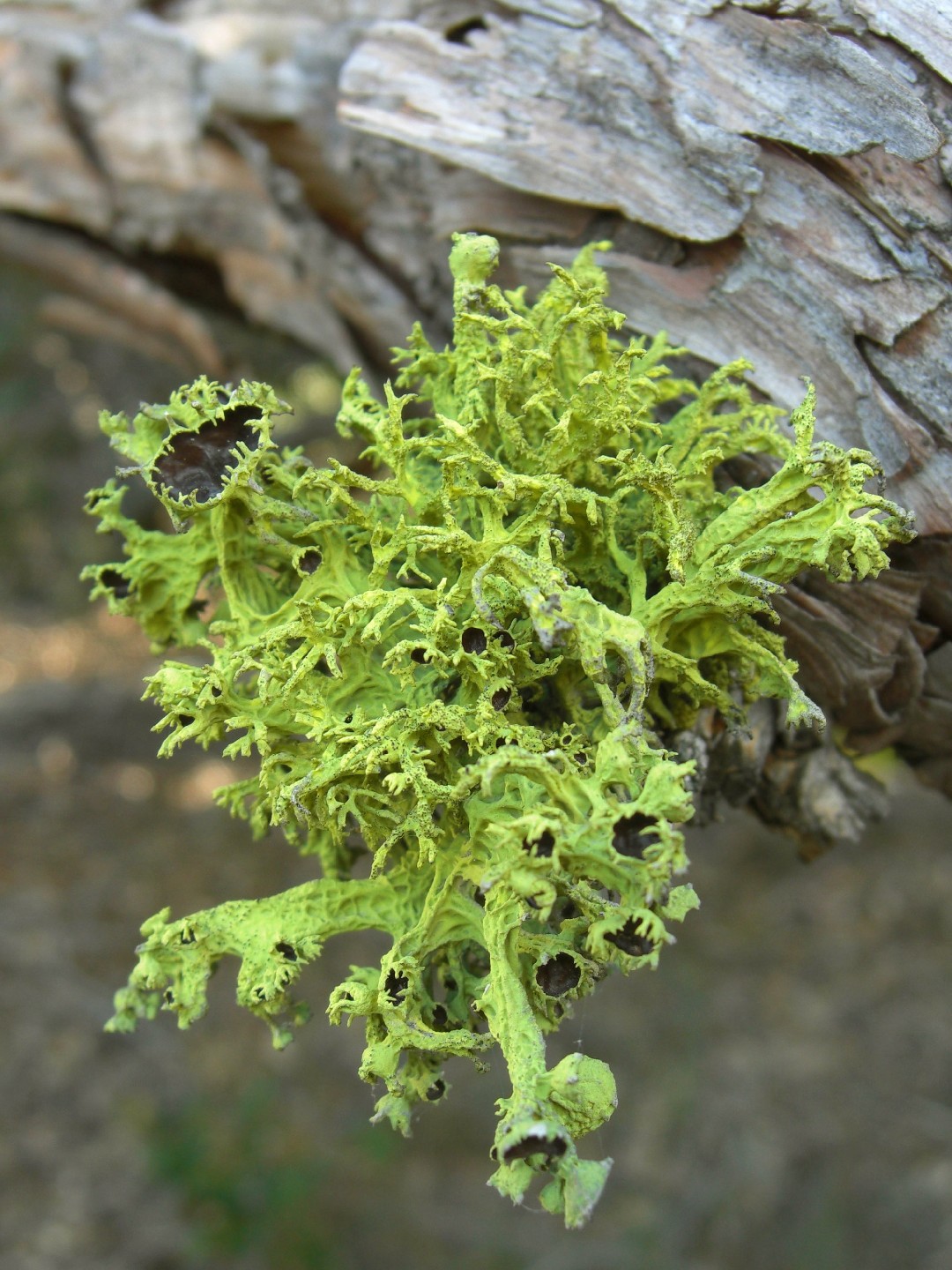
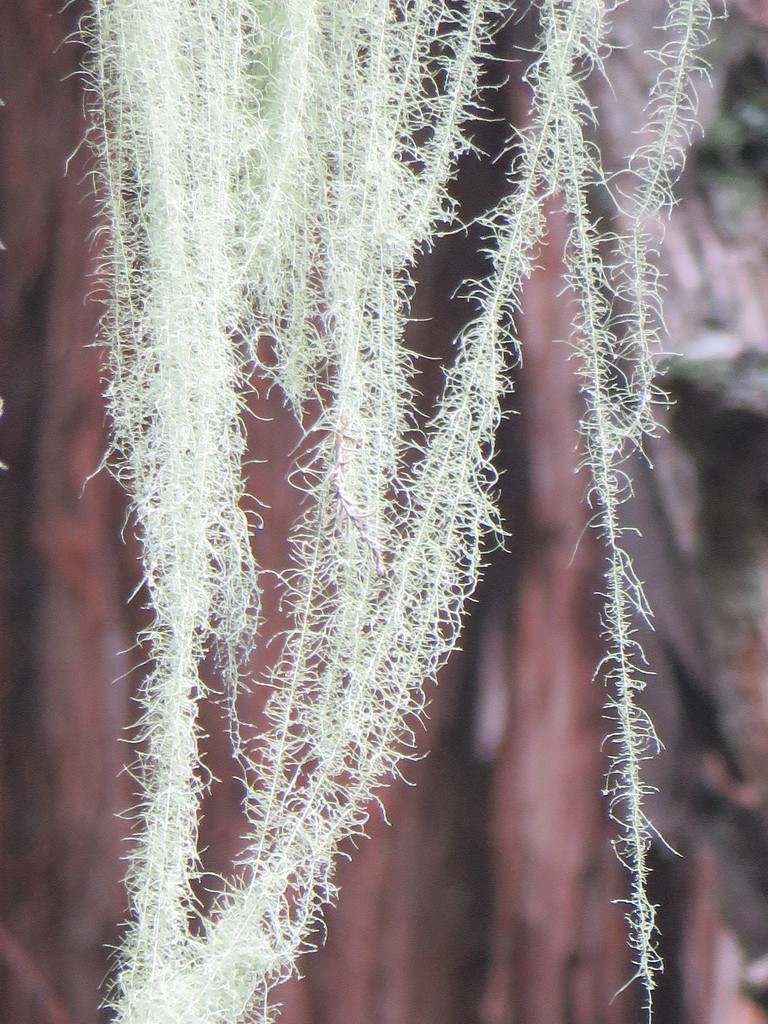
The thallus, or vegetative body, has a fructicose shape — that is, shrubby and densely branched — and a bright yellow to yellow-green, or chartreuse color, although the color will fade in drier specimens. Its dimensions are typically 2 to 7 cm (0.8 to 3 in) in diameter. The vegetative reproductive structures soredia and isidia are present on the surface of the thalli, often abundantly. 
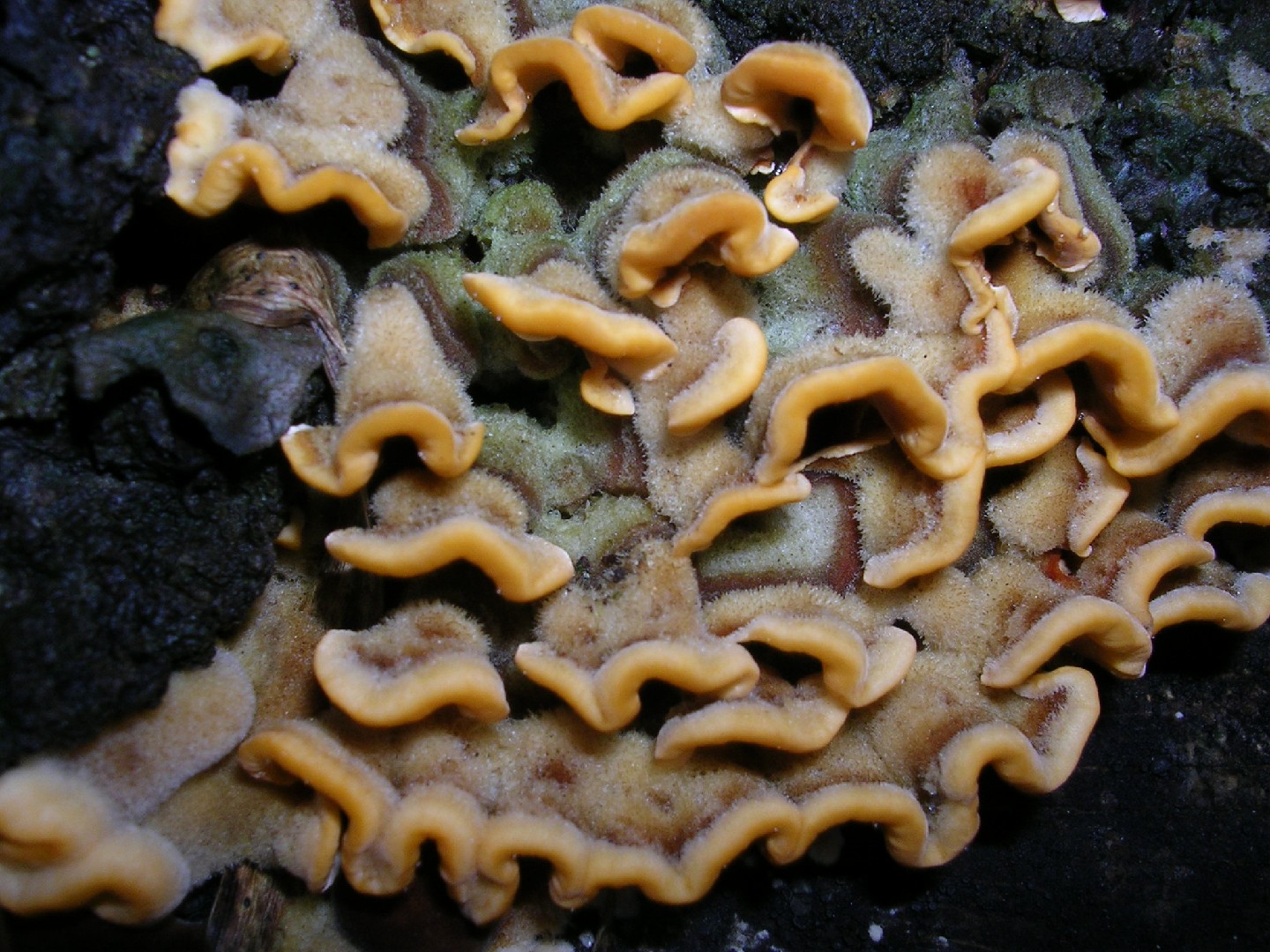
4. Hairy curtain crust
This clustered, overlapping fungus is found all over the world, and is considered native across both the northern and southern hemispheres. Both its common name, hairy curtain crust, and its scientific name, Stereum hirsutum, aptly describe its most obvious features: it is quite tough (stereum) and the younger fruitbodies are notably hairy (hirsutum).
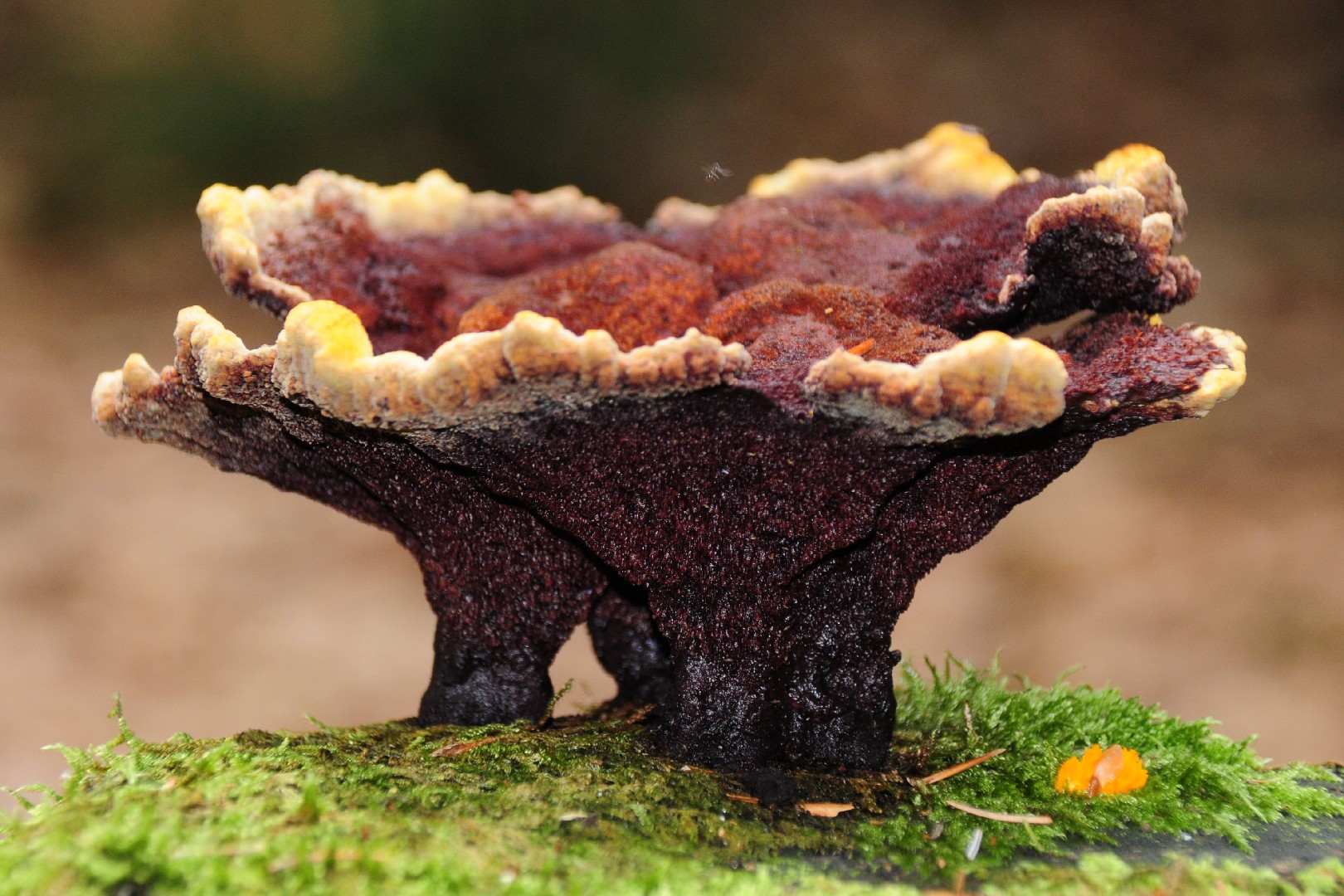
5. Dyer's polypore
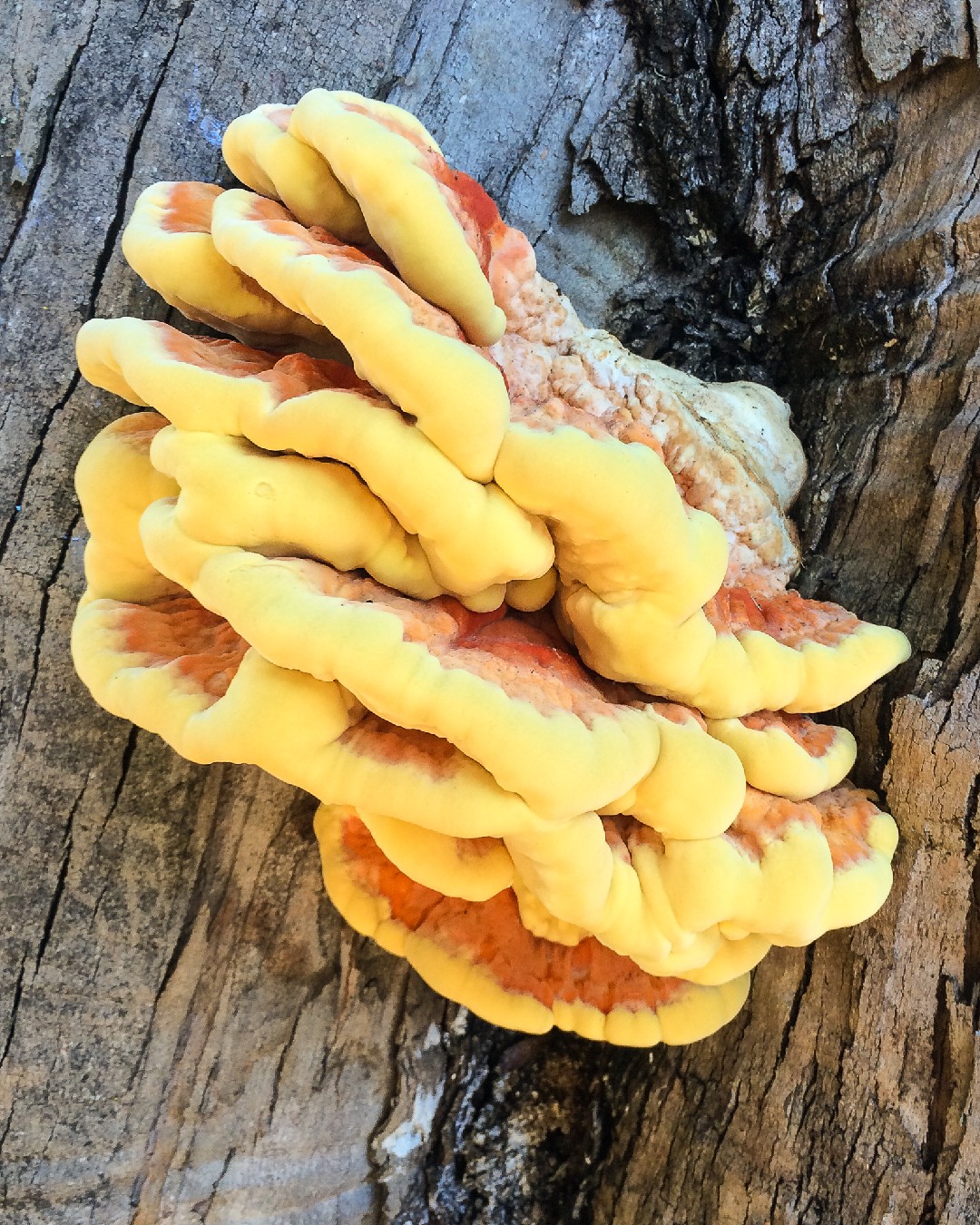
This shelf fungus grows annually on living coniferous trees and may kill its host if left untreated. As the name suggests, dyer's polypore can be used to produce dye for yarn in a variety of shades from yellow to orange to brown, depending on the age of the mushroom used and also the type of metal it’s processed in. It is not considered edible.
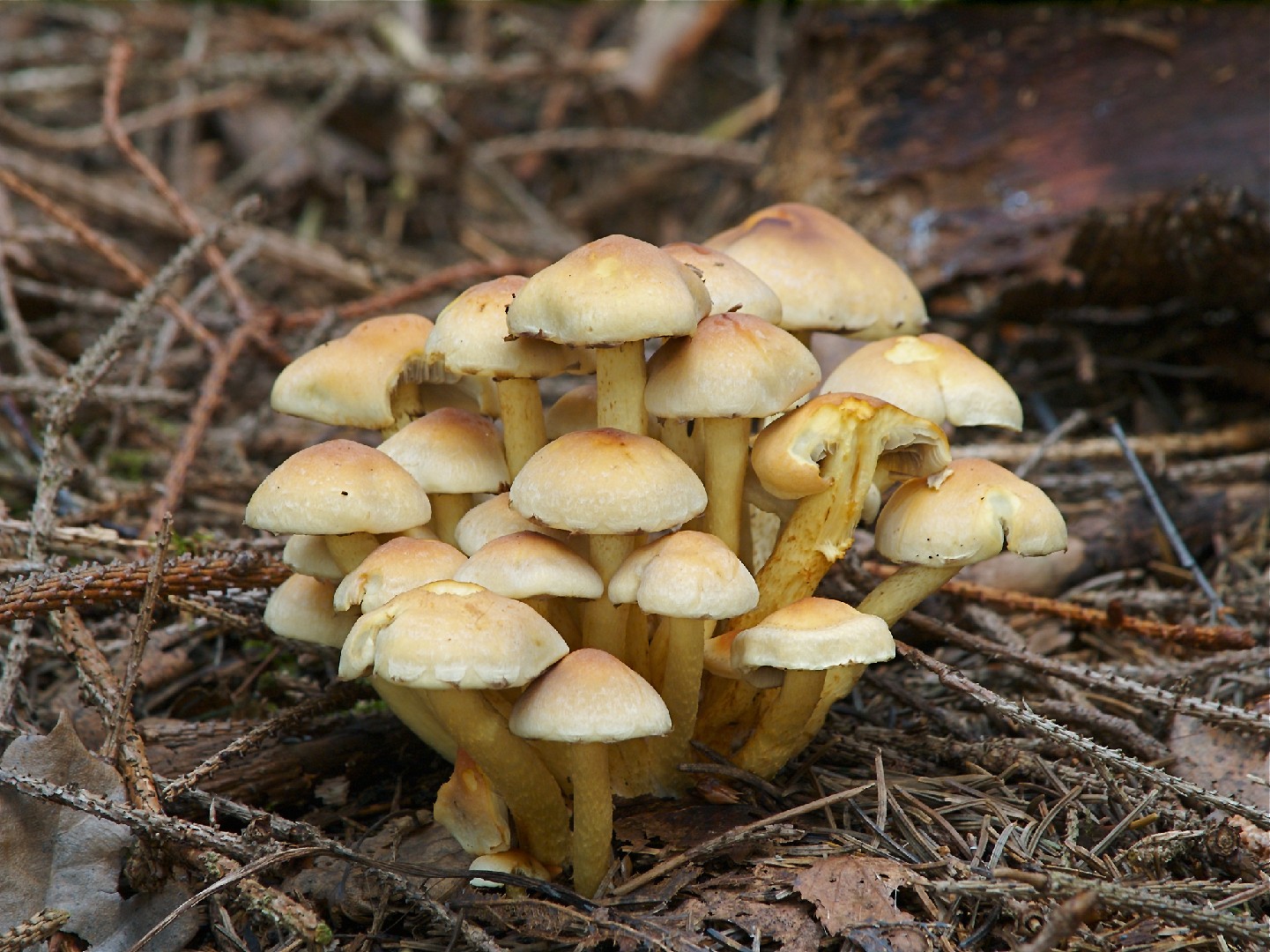
6. Sulphur tuft
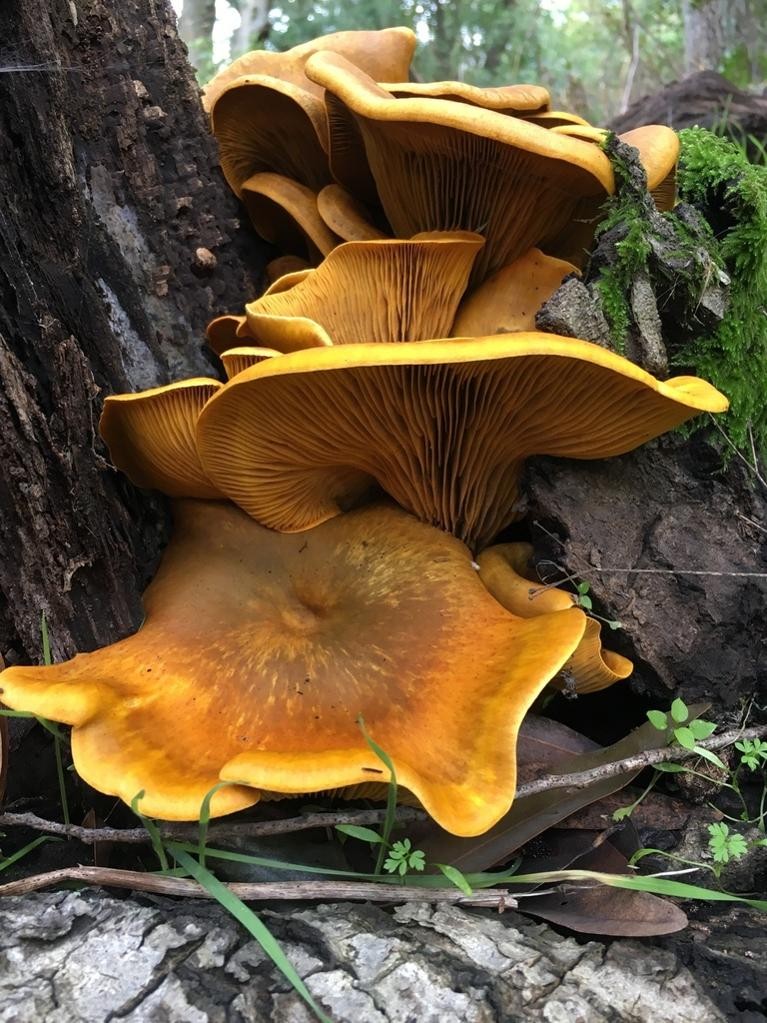
The sulphur tuft grows on rotting wood of all types of trees; it is a particularly efficient decomposer of hardwoods. The mushrooms appear from spring to autumn and are often so tightly packed that they interfere with each other’s shape. This poisonous mushroom can cause temporary paralysis, distorted vision, and stomach pain if consumed.
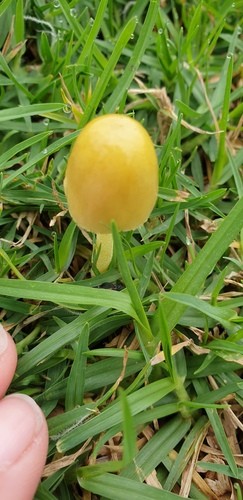
7. Yellow fieldcap
Yellow fieldcap can be found across Europe and North America, with dung patties or heavily-manured fields being its favorite fruiting habitat. The species sometimes goes by the common name Yellow Fieldcap because its young cap sports a bold yellow or golden hue (that color often fades as the mushroom cap matures and flattens). Yellow fieldcap is not know to be edible.
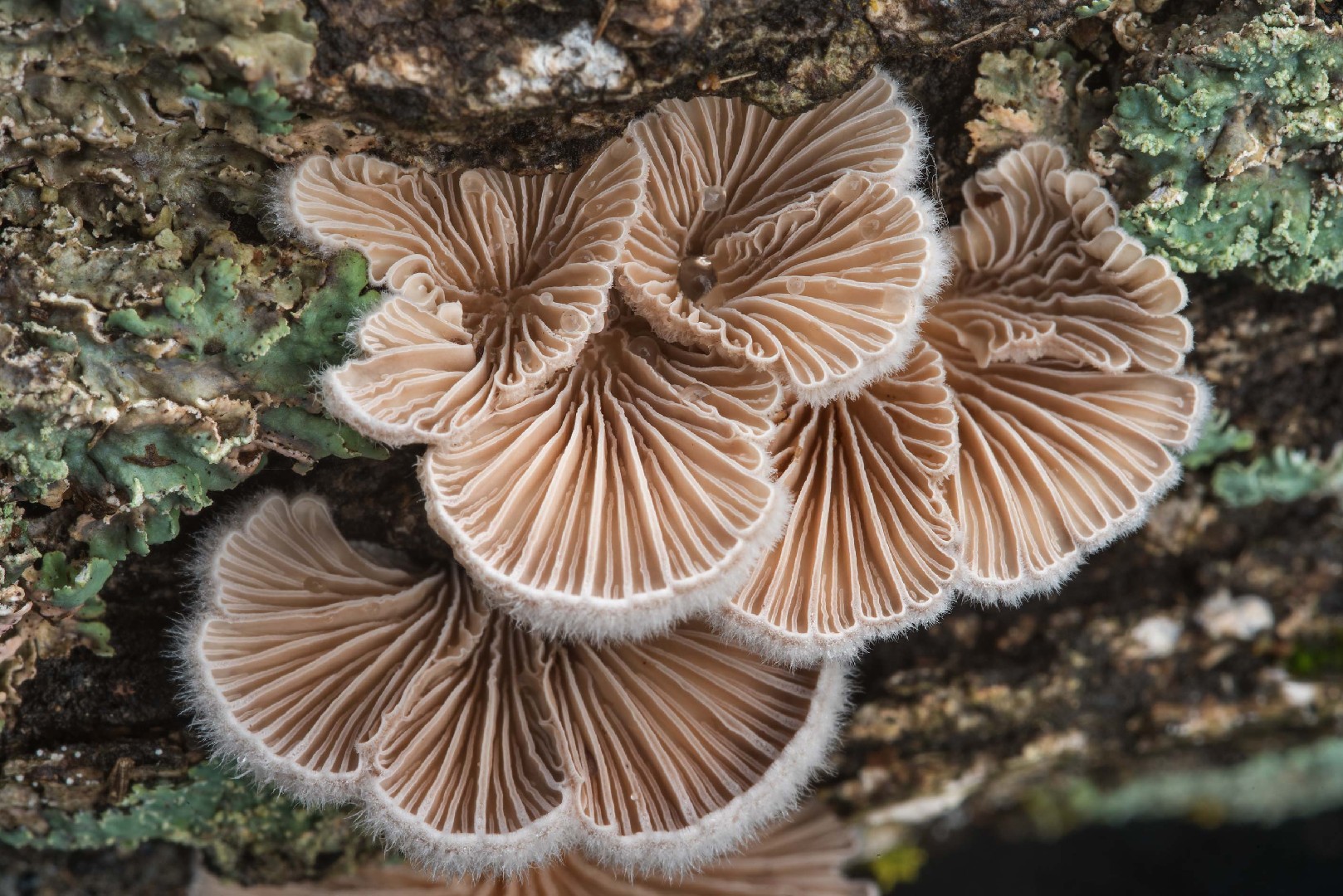
8. Split gill
Split gill(Schizophyllum commune) can be found across the globe. Uniquely, it is the only mushroom species known to display the capability to retract by movement. It is considered inedible, although not necessarily toxic. Furthermore, it is not recommended to smell this species, as the spores are capable of sprouting and growing in nasal passages.
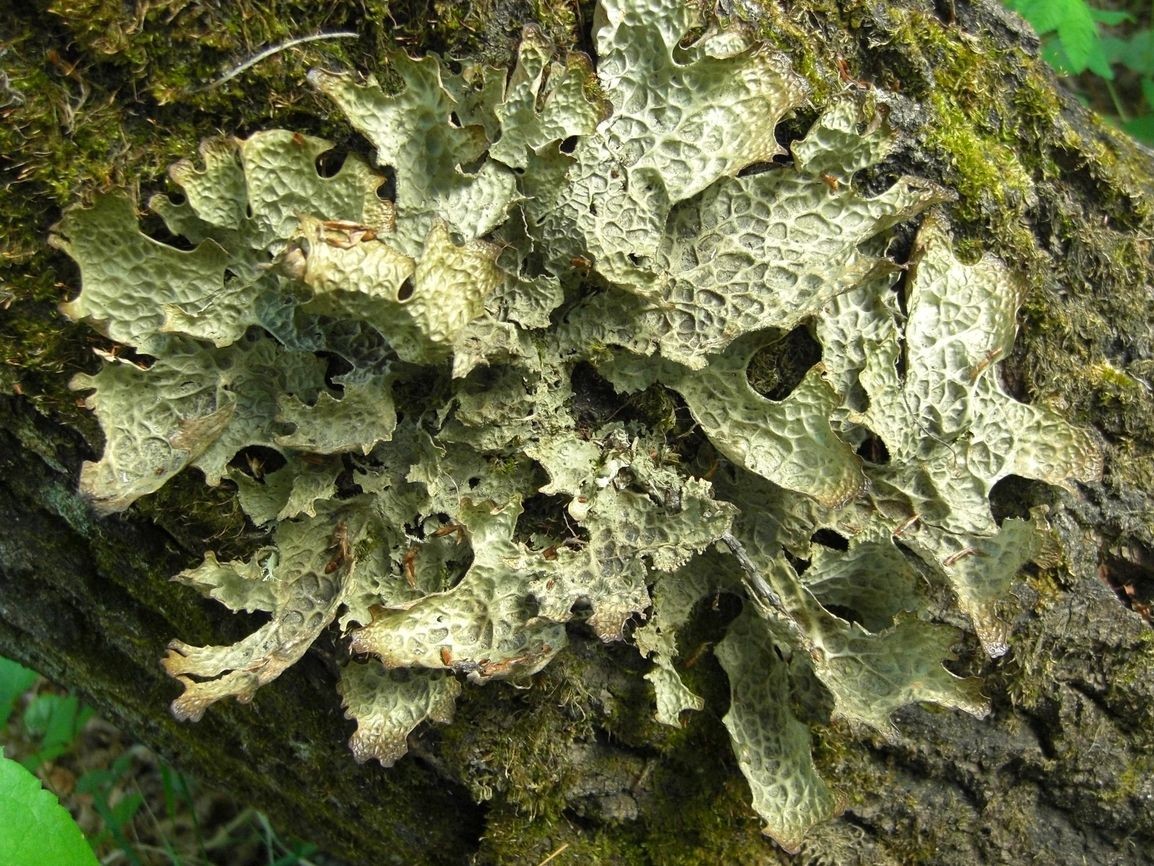
9. Tree lungwort
Tree lungwort is a green lichen that can be found in humid areas of North America, Europe, and Asia. It grows regularly on trees, rocks, and in urban areas rich with moss. It can be used as a dye. Animals may consume tree lungwort or use it as nesting material.

10. Coccora
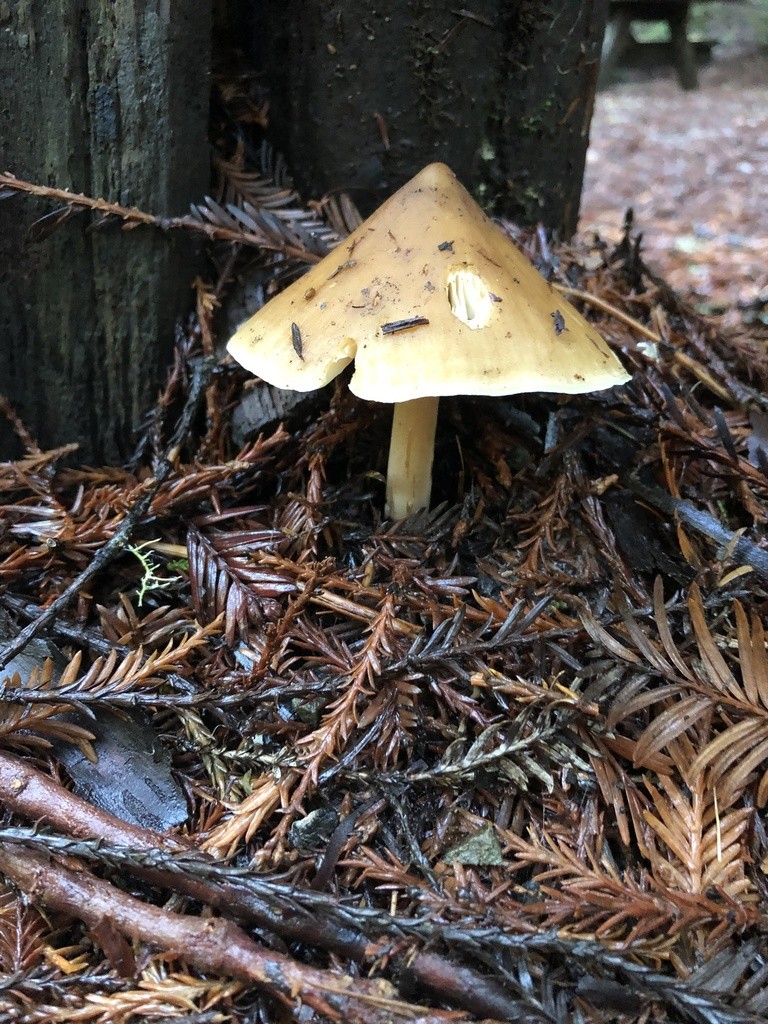
Although the coccora is one of the few Amanitas that are considered to be nonpoisonous, it is suggested a "look but don't touch" policy be applied to the entire genus, due to the extreme toxicity of some of its members, like Amanita phalloides (the Death cap). The coccora is reported to feature a distinct fishy smell.
More







