




Top 20 Most Common Mushrooms in Paragould
Nestled within the lively state of Arkansas is the charming city of Paragould, celebrated for its fertile lands that nourish a rich variety of fungi. From deep within its lush hardwood forests to the outskirts of sprawling farmlands, Paragould takes pride in harvesting some of the 20 most common mushroom species in the United States, offering a visual treat and foraging adventure like no other to both locals and tourists alike.

Most Common Mushrooms
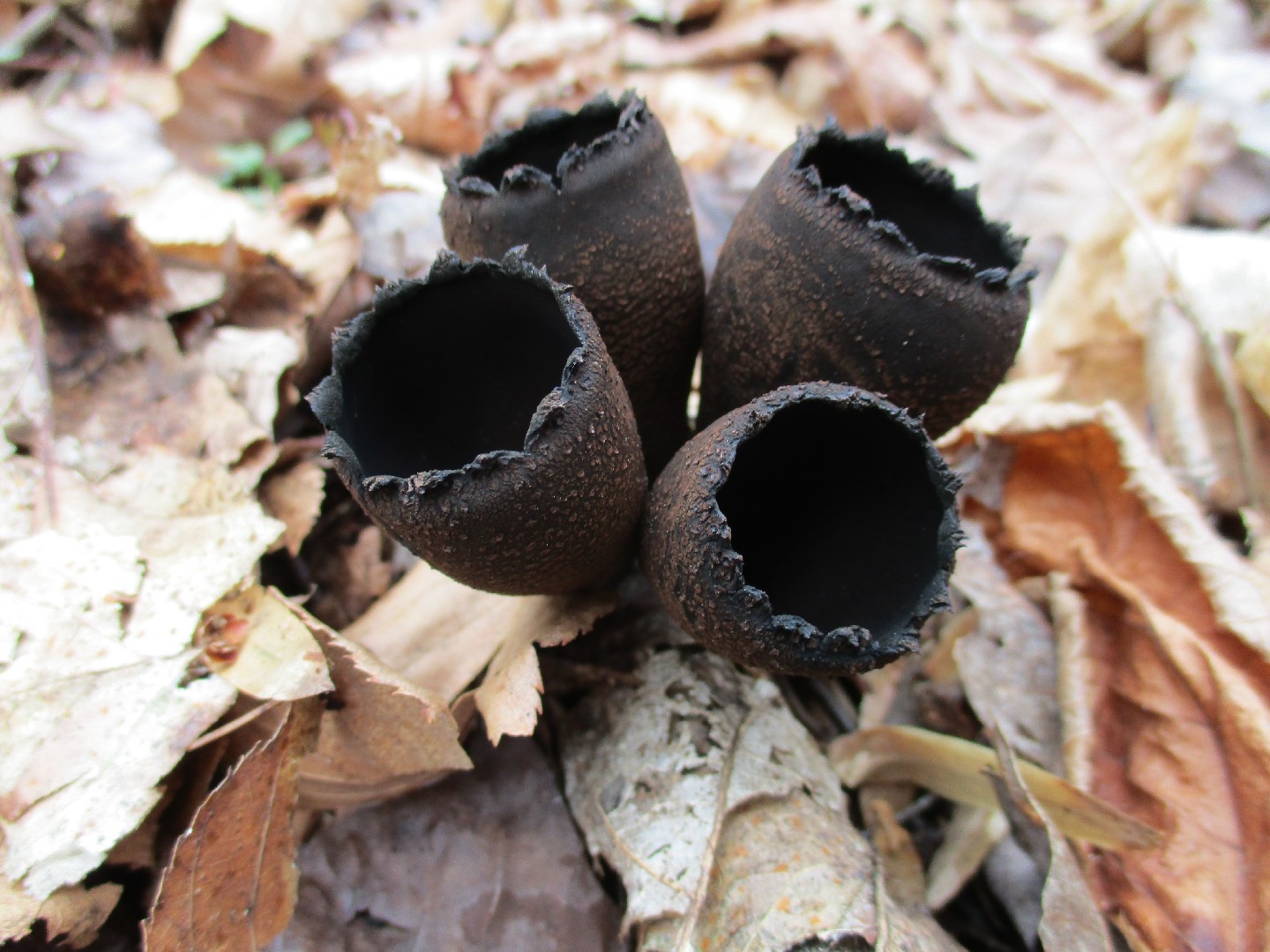
1. Devil's urn
The devil's urn (Urnula craterium) is a black or brown cup-shaped fungus. The species' tough, cracked outer layer and dark coloration may give it a scorched appearance. Devil's urns tend to grow in clusters and are usually found adorning fallen branches and rotting logs. Though the species is not edible itself, gatherers keep an eye out for it, as it usually fruits at about the same time as morels.
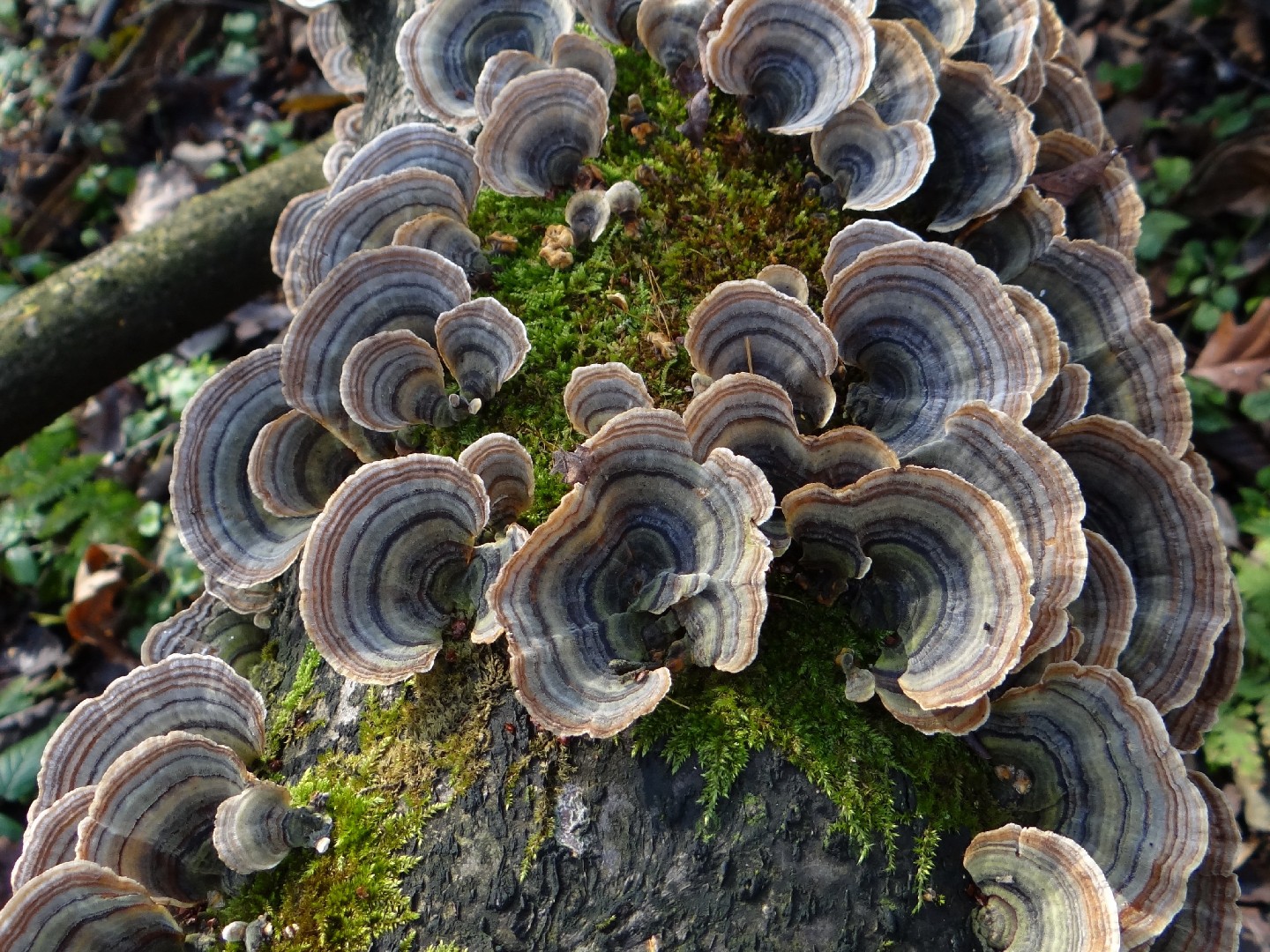
2. Turkey tail
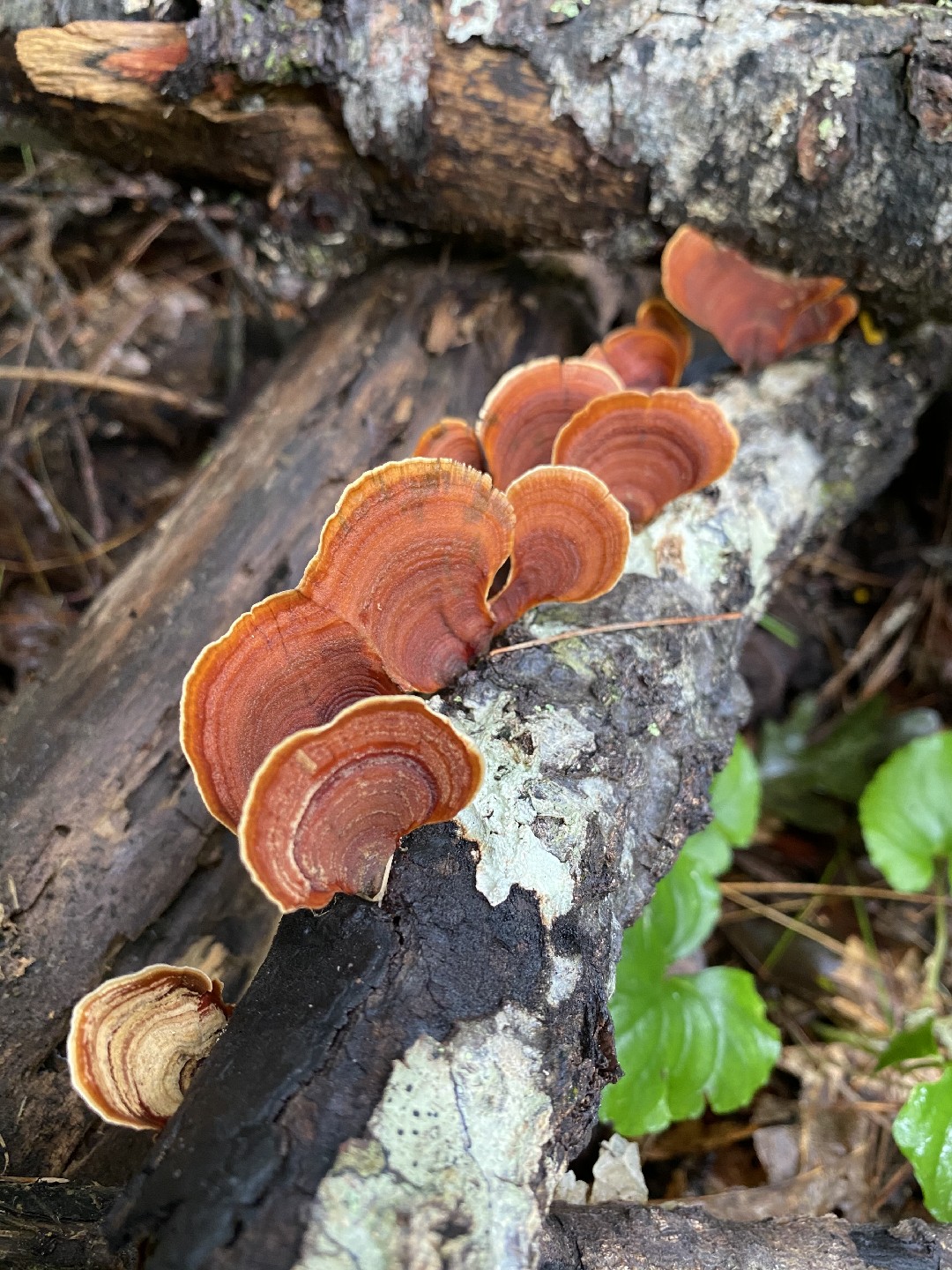
The distinctively-striped turkey tail fungus grows on stumps and logs all over the forests of the northern hemisphere. It is, in fact, probably the most common species you will find. That doesn't mean this mushroom is plain, however; each cap is uniquely patterned. Look for bands of alternating textures as well as color.
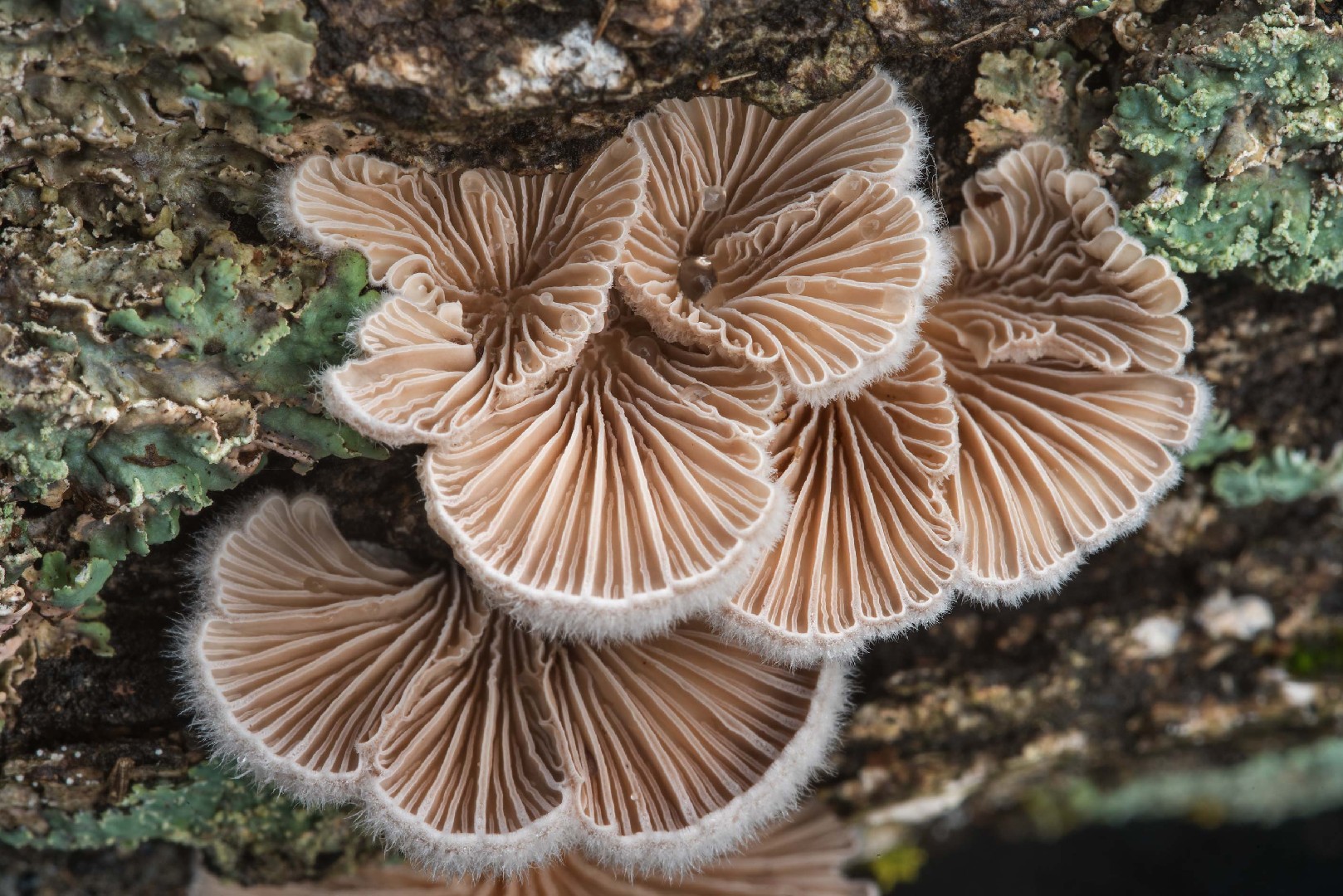
3. Split gill
Split gill(Schizophyllum commune) can be found across the globe. Uniquely, it is the only mushroom species known to display the capability to retract by movement. It is considered inedible, although not necessarily toxic. Furthermore, it is not recommended to smell this species, as the spores are capable of sprouting and growing in nasal passages.
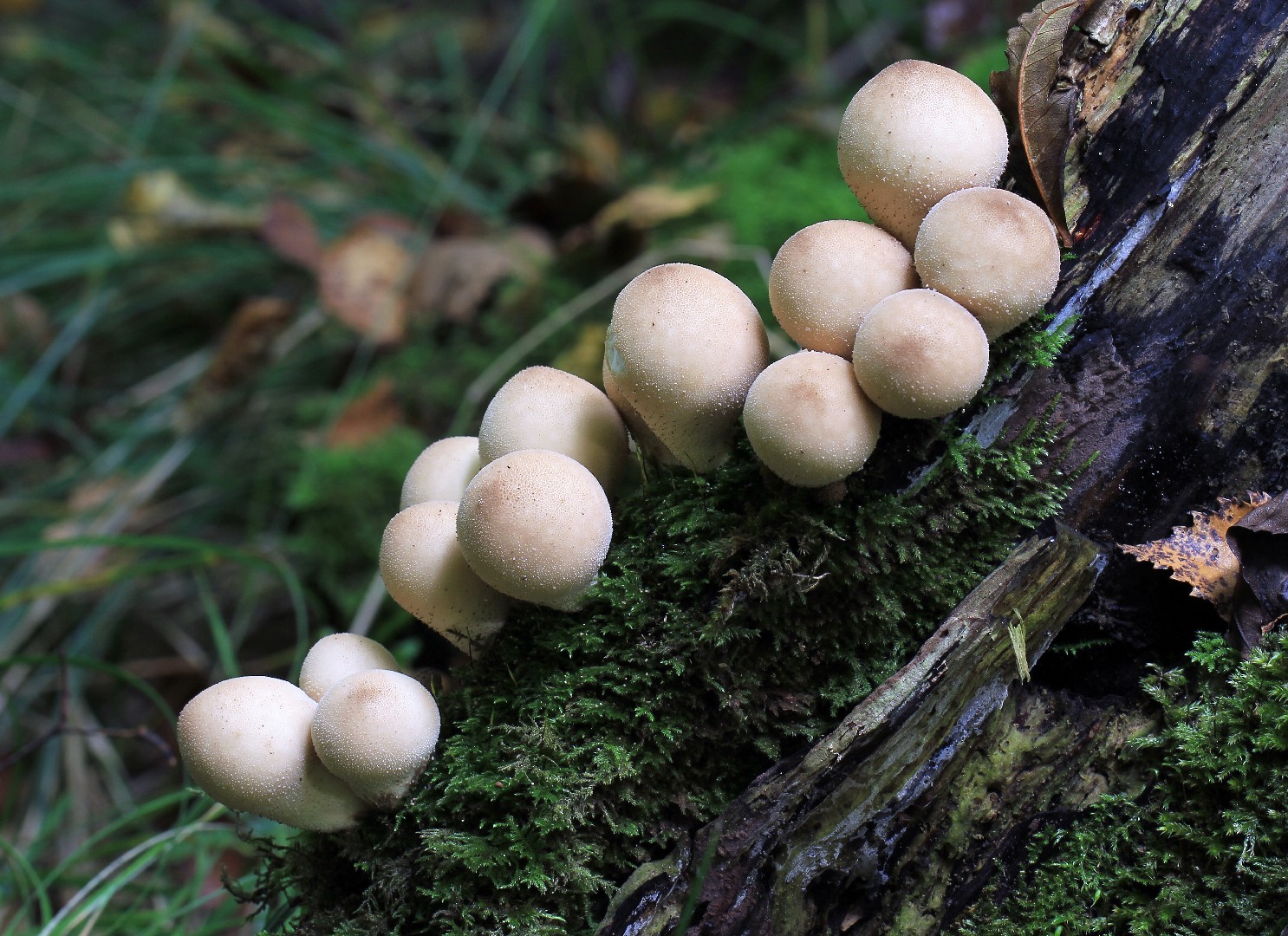
4. Pear-shaped puffball
The mushrooms of this species grow in such tight clusters that they may cover fallen trees and stumps almost entirely in a brownish, puffy coat. Pear-shaped puffballs appear all around the northern hemisphere on decaying hardwoods from fall through winter.
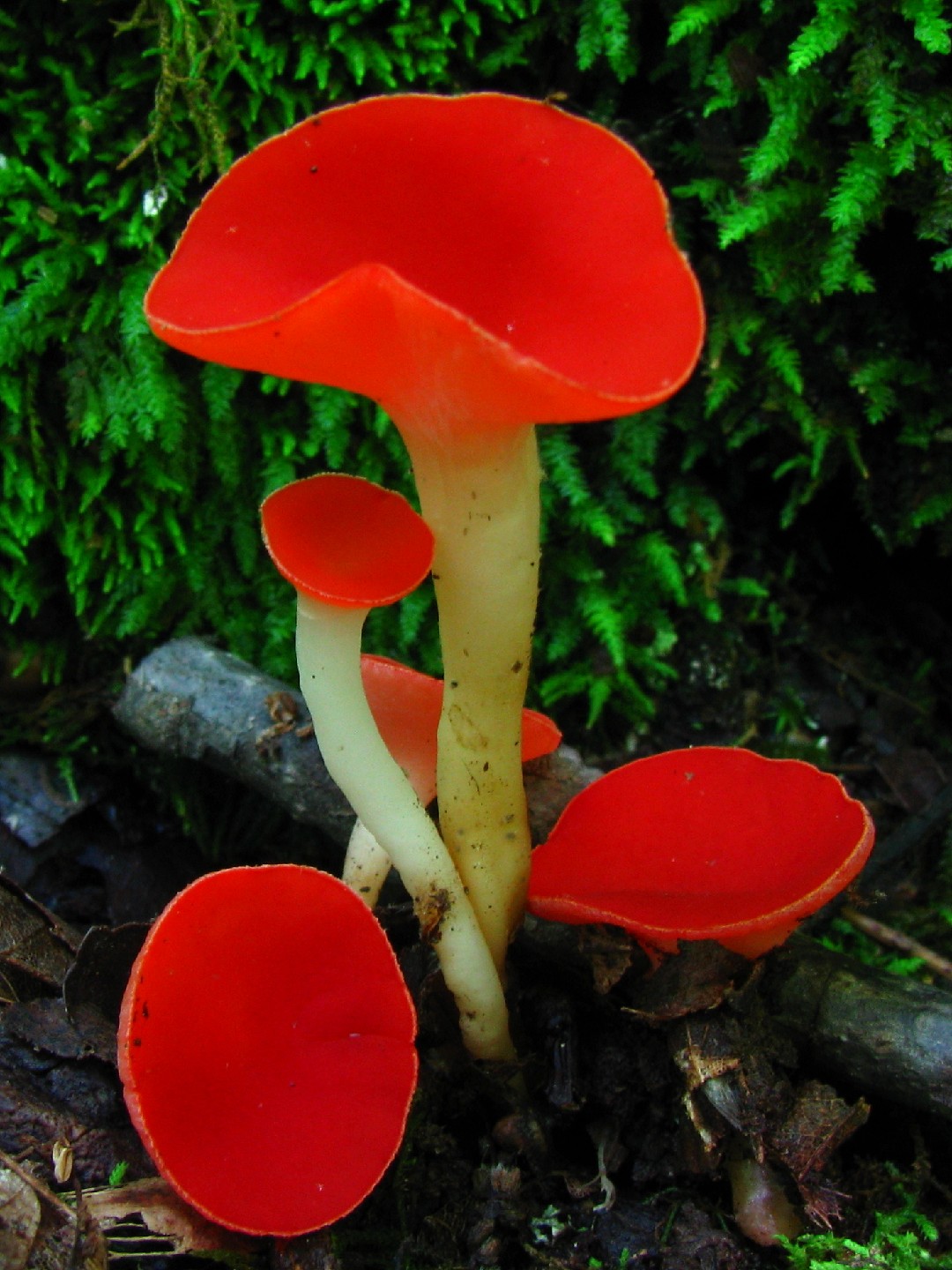
5. Stalked scarlet cup
One of the first mushrooms to appear in the spring, the stalked scarlet cup often pops up from the snow. With its striking, bright red fruitbody, it can't be missed. Although this delicate little mushroom is considered nonpoisonous, it's considered inedible as it doesn't have any culinary value.
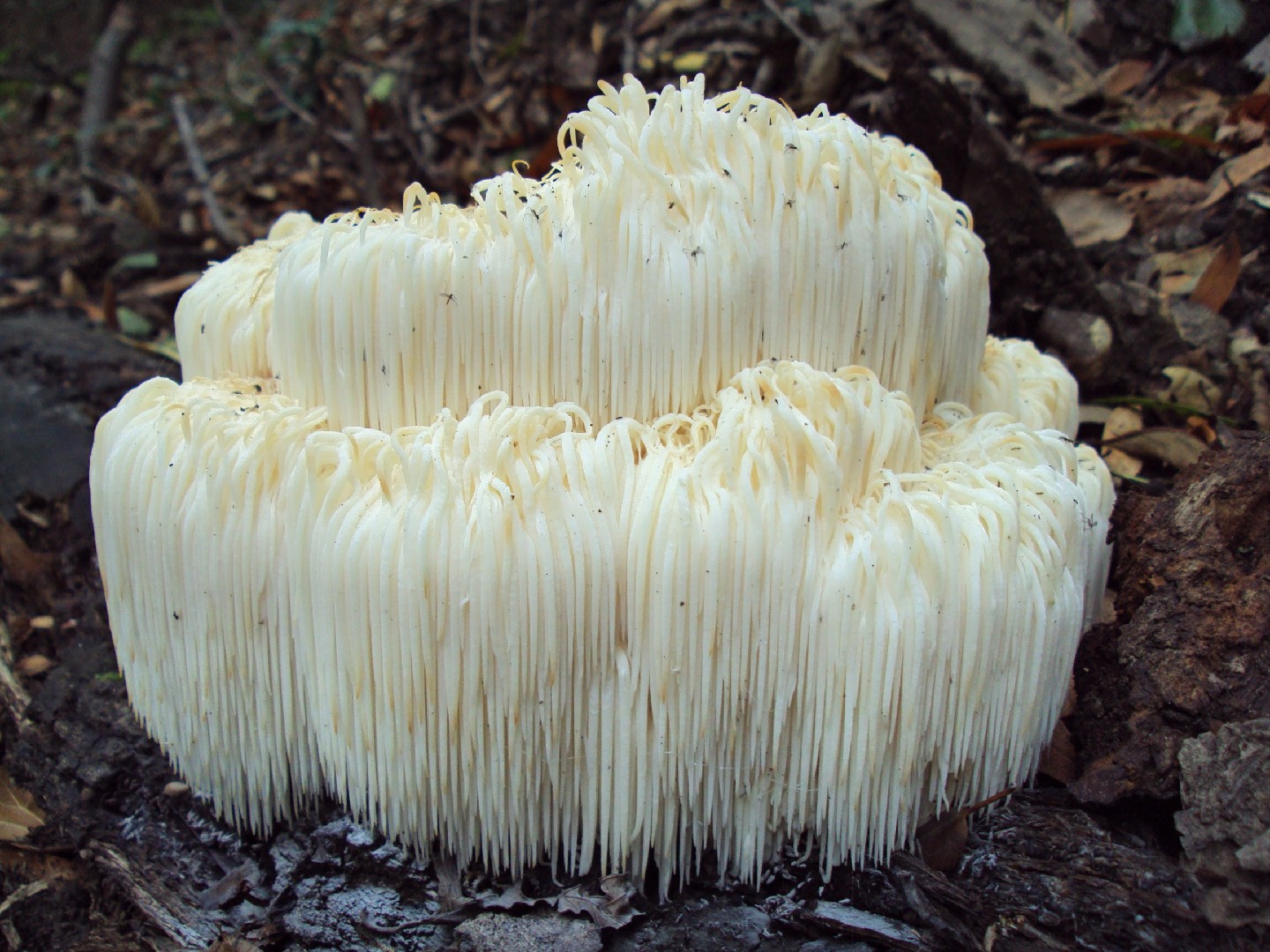
6. Lion's Mane Mushroom
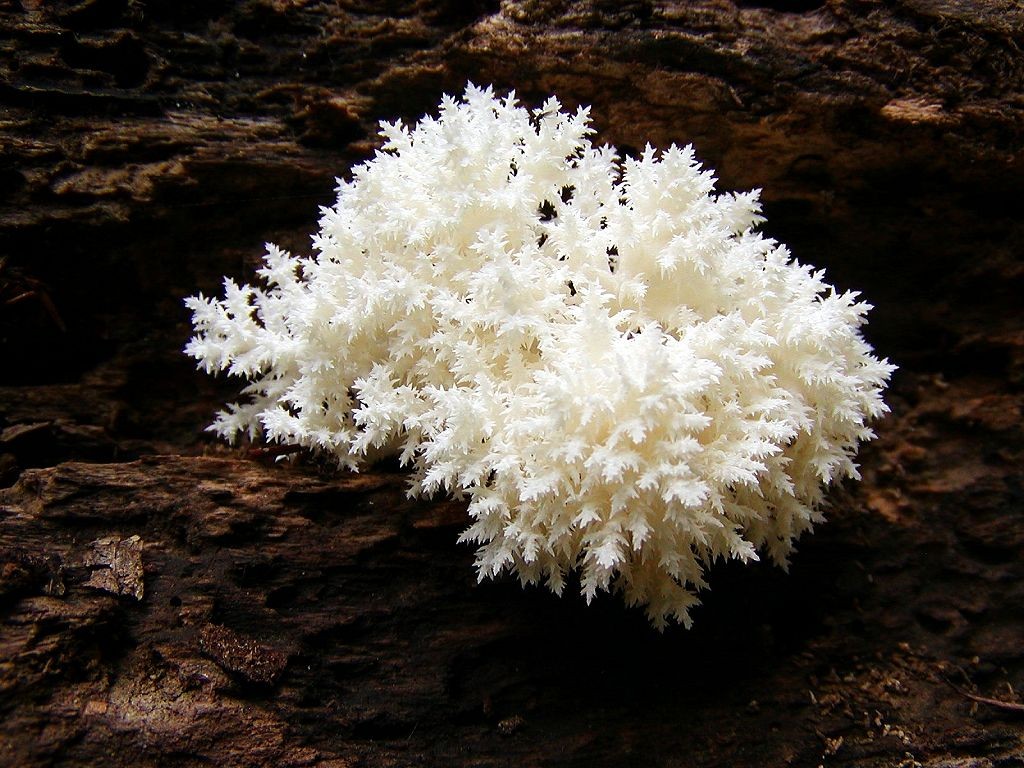
Lion's Mane Mushroom(Hericium erinaceus) is easily identifiable by its characteristic appearance, reminiscent of the majestic mane of a lion. It often sprouts along hardwoods, which may be living or dead. Scientists thus debate whether this species is truly parasitic or merely saprophytic in nature.
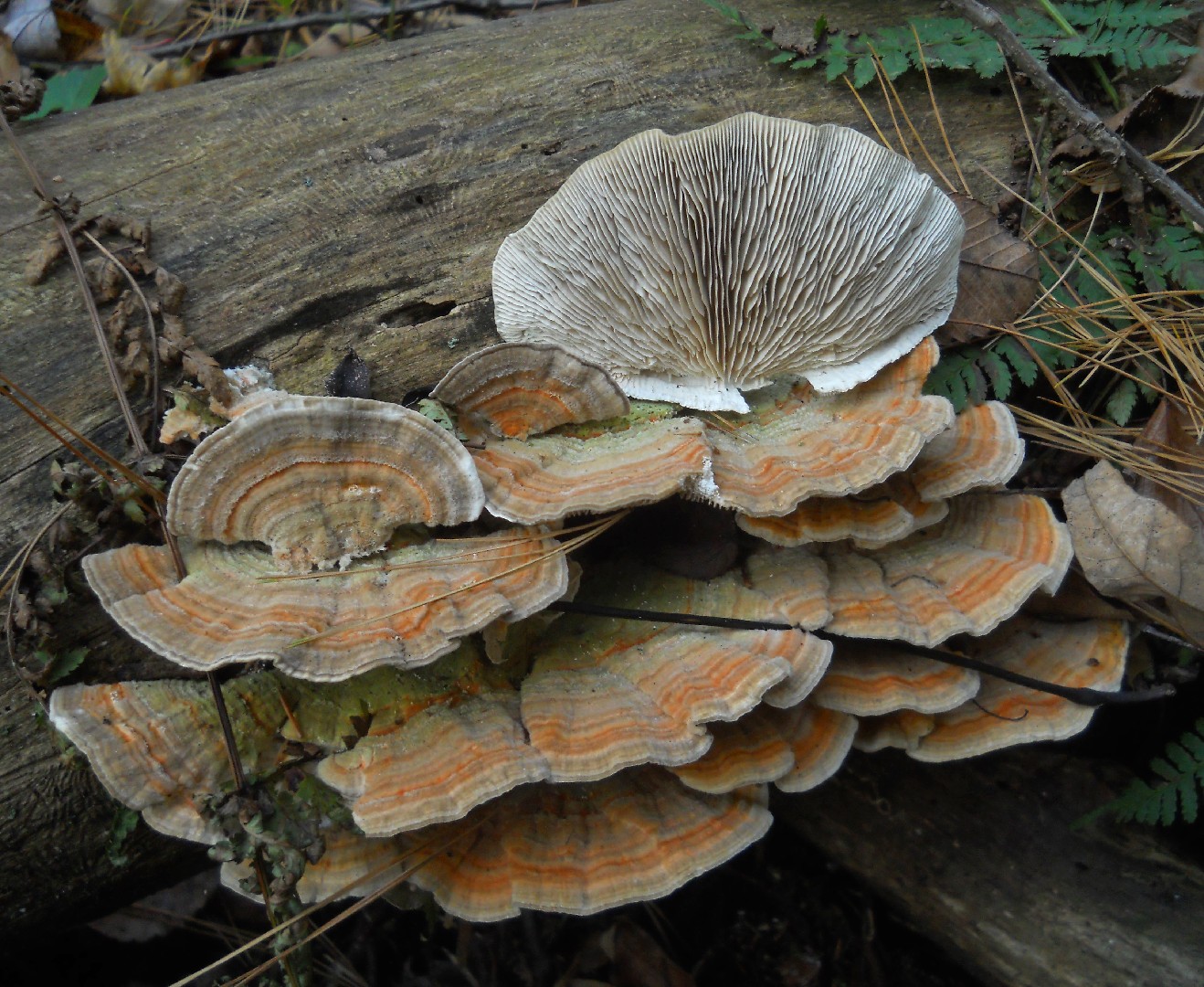
7. Birch mazegill
Birch mazegill(Lenzites betulina) is commonly found on decaying coniferous or deciduous woods. While its natural color is a yellowish brown, it may sometimes appear green due to its propensity to host algae. It is considered to be inedible on account of its tough and leathery texture.
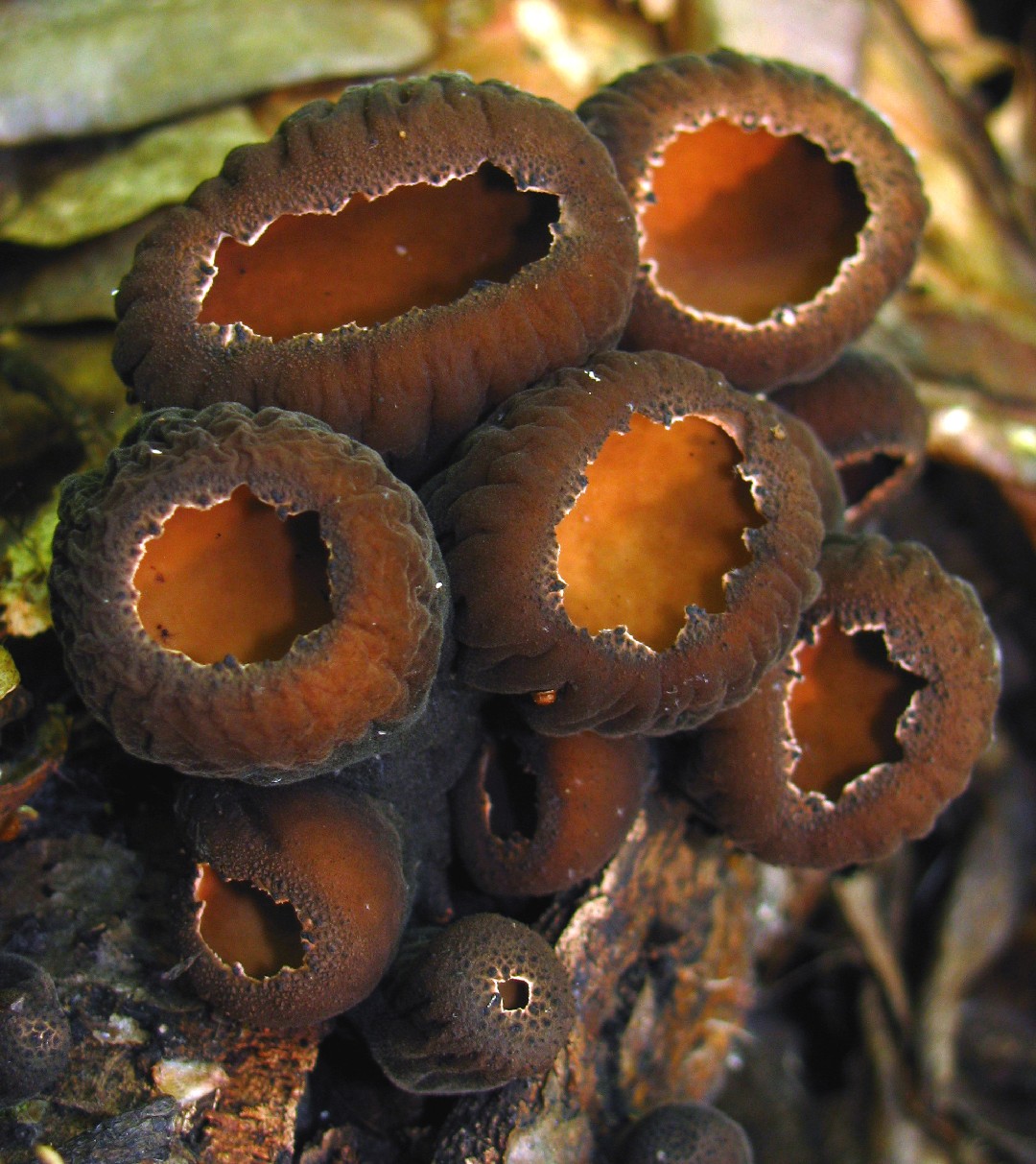
8. Rufous rubber cup
The rufous rubber cup is a tiny, cup-shaped, reddish-brown mushroom that commonly grows on twigs and fallen branches. The species is considered inedible, and its modest look almost certainly wouldn't attract anyone to consume it.
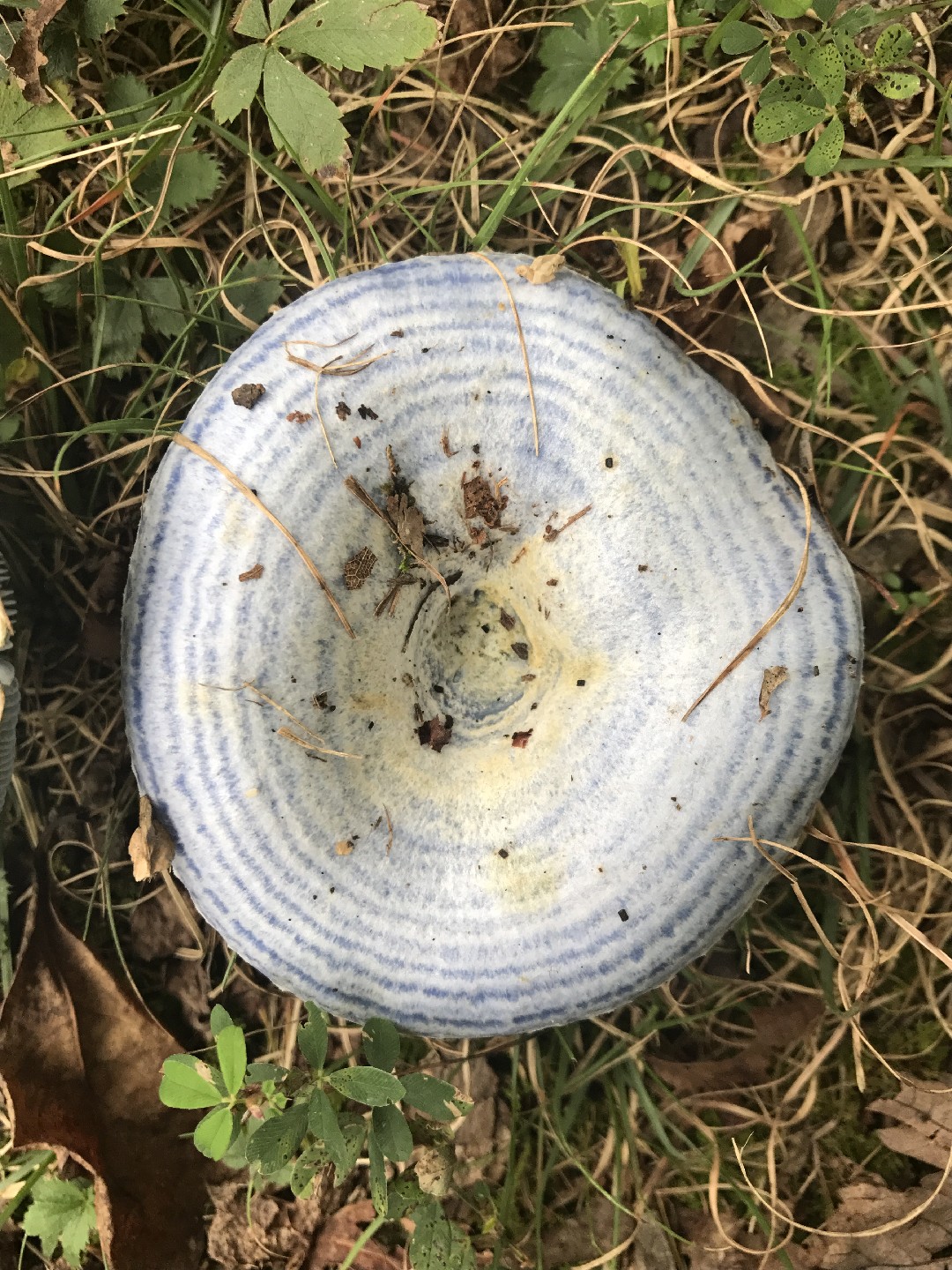
9. Indigo milk cap
This gorgeous species is unlike any other. The indigo milk cap, a member of the often-drab russula family, is deep blue in color. Like other milk caps, it bleeds a latex-like substance when cut or damaged, but instead of the usual white this species bleeds deep blue.
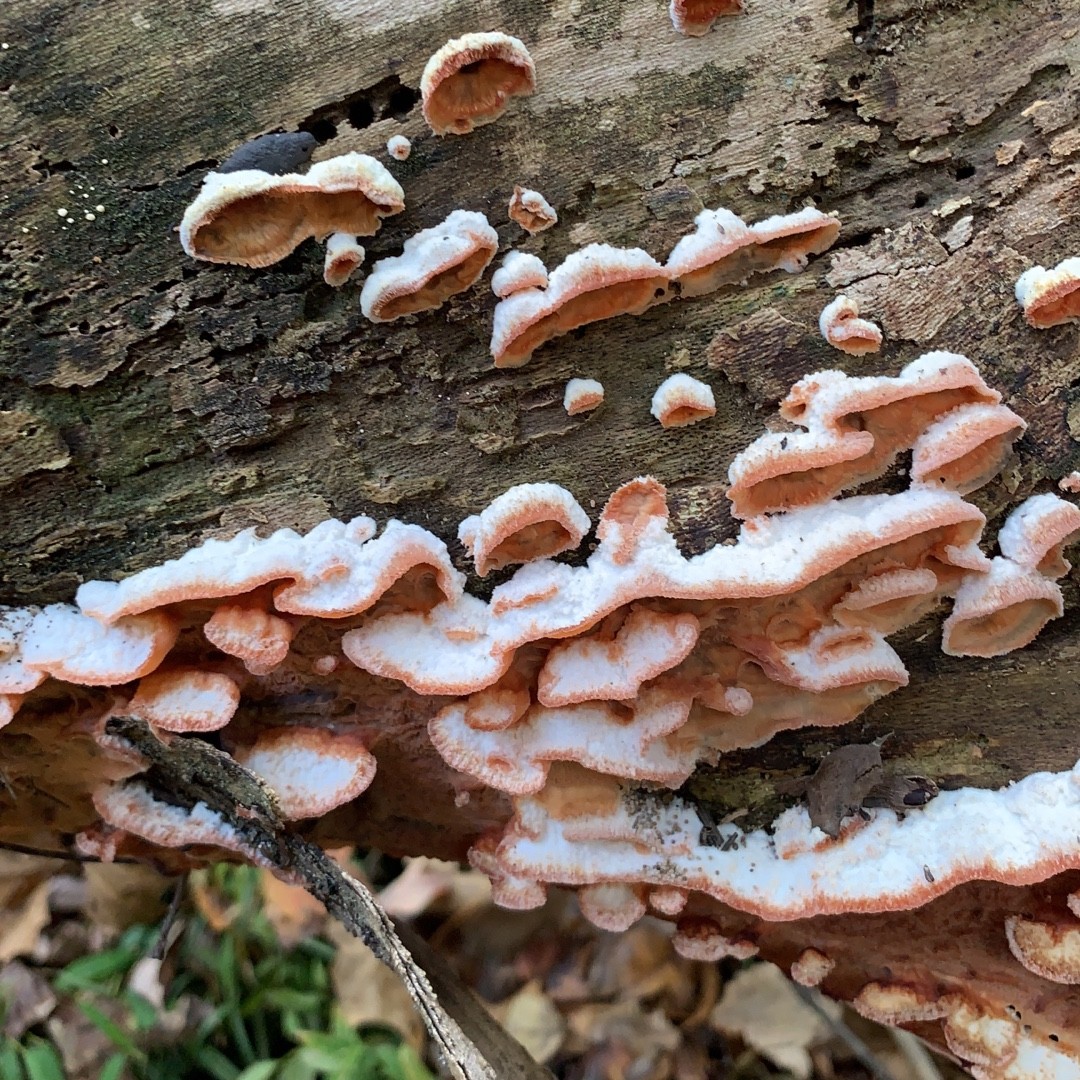
10. Trembling merulius
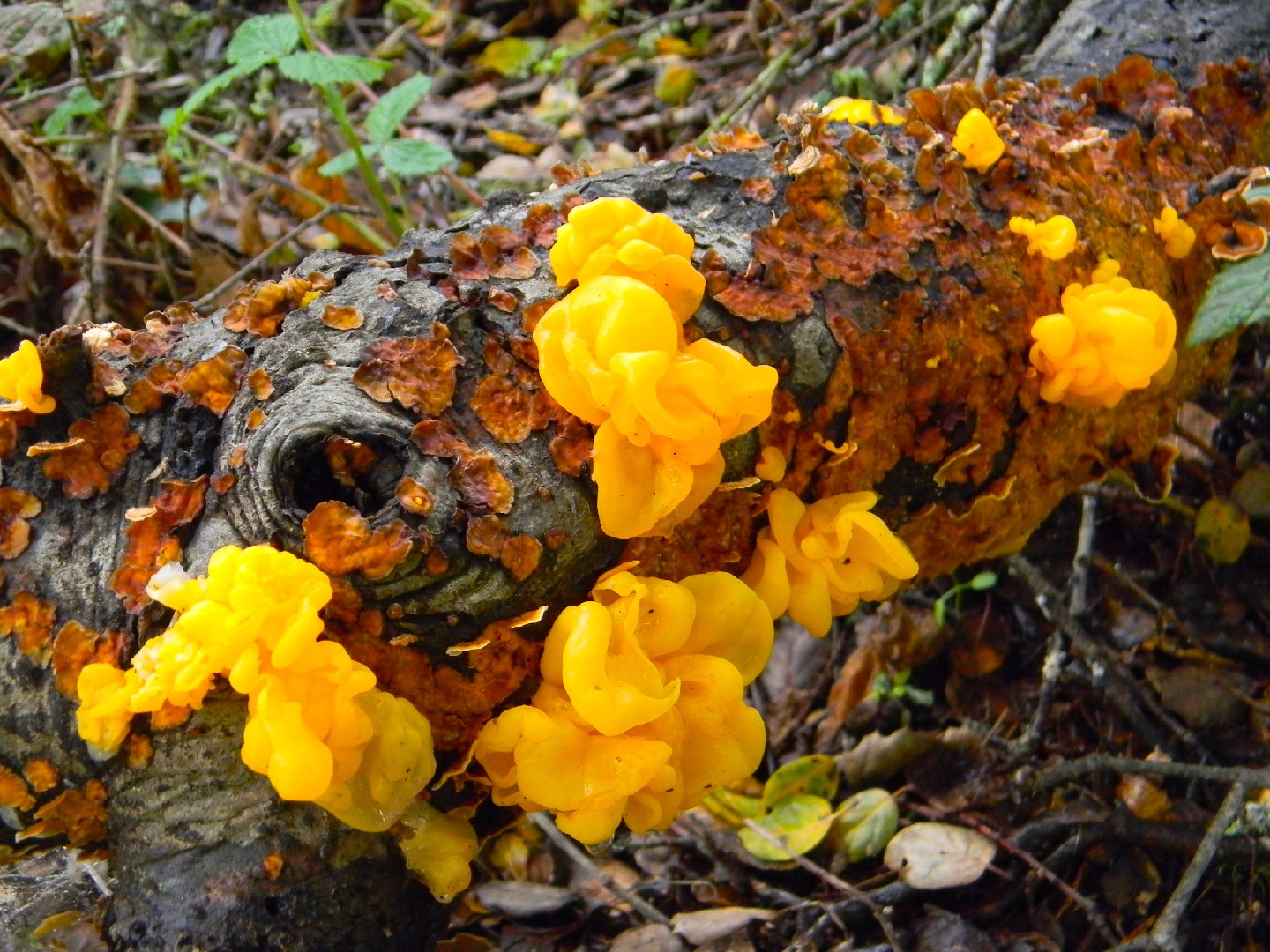
Trembling merulius(Phlebia tremellosa) is a common wood-decaying fungus found on many varieties of hardwood. Despite its Dutch common name, which references this species' appearance by comparing it to a rind of bacon, this fungus is held to be inedible.



More







