




Top 20 Most Common Mushrooms in Chandler
Nestled amongst breathtaking landscapes, Chandler boasts of a unique topography suitable for a vast array of mushroom species. As 20's most common mushroom, it is integral to the local ecosystem. The city's temperate climate allows for a year-round abundance of this mushroom, intriguing mycologists and enthusiasts alike. Discover Chandler's fungal diversity and let the journey into the world of mycology captivate you.

Most Common Mushrooms
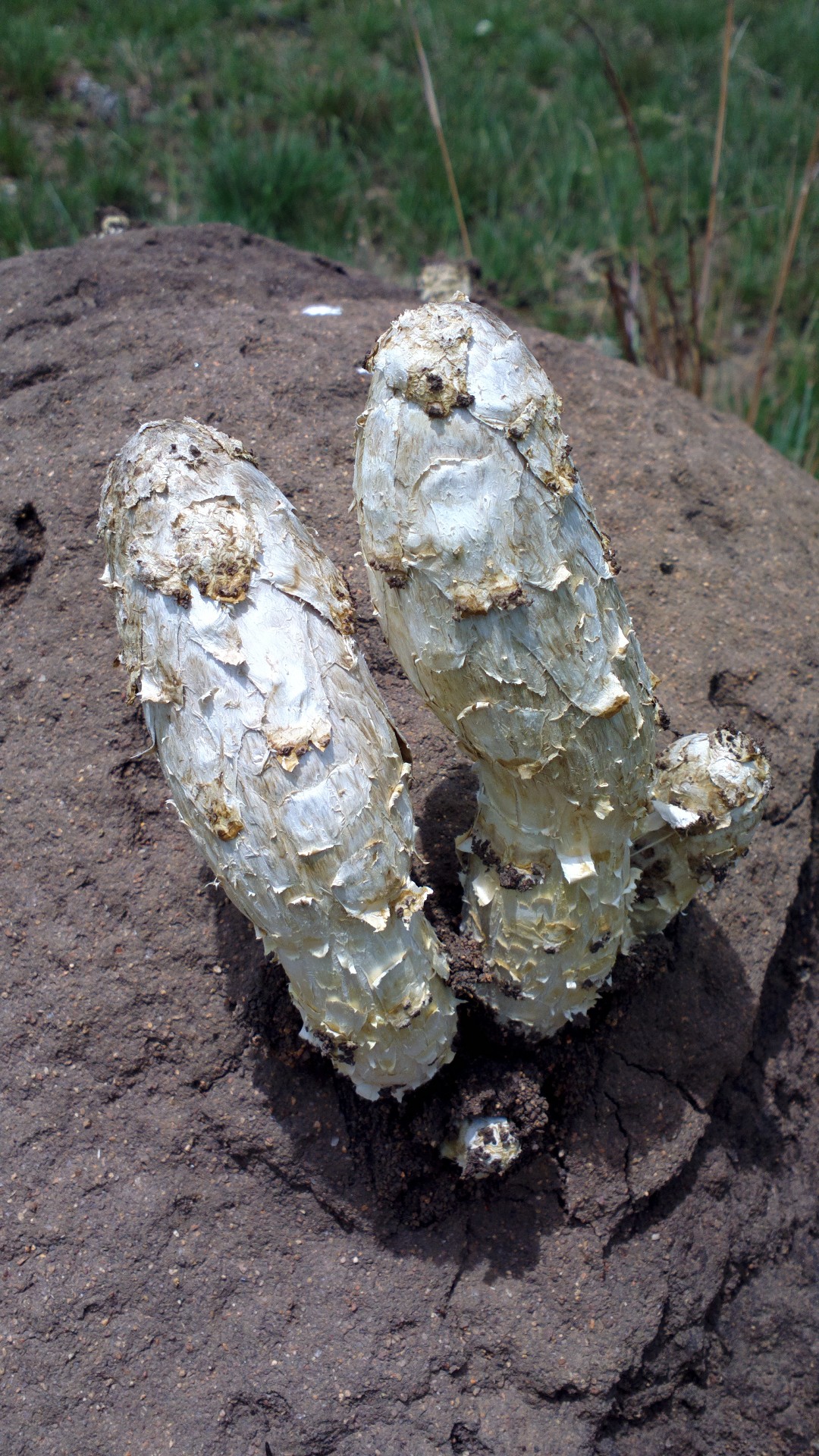
1. Desert shaggy mane
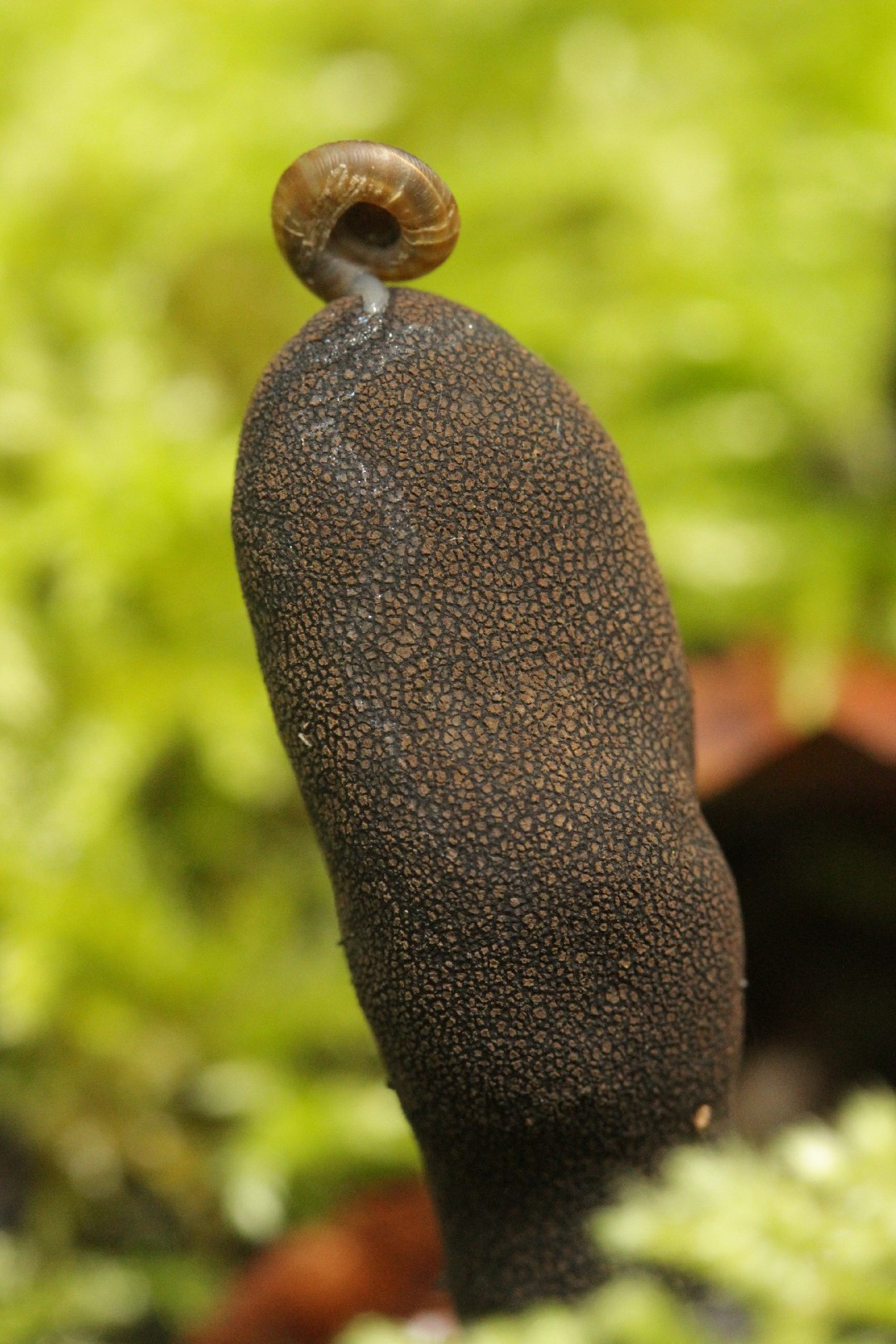
As its name suggests, the desert shaggy mane (Podaxis pistillaris) erupts from seemingly improbably conditions, out of the hot and arid ground in North American deserts. They are commonly found living harmoniously with colonies of termites in termite mounds. The desert shaggy mane is toxic and not safe to consume.
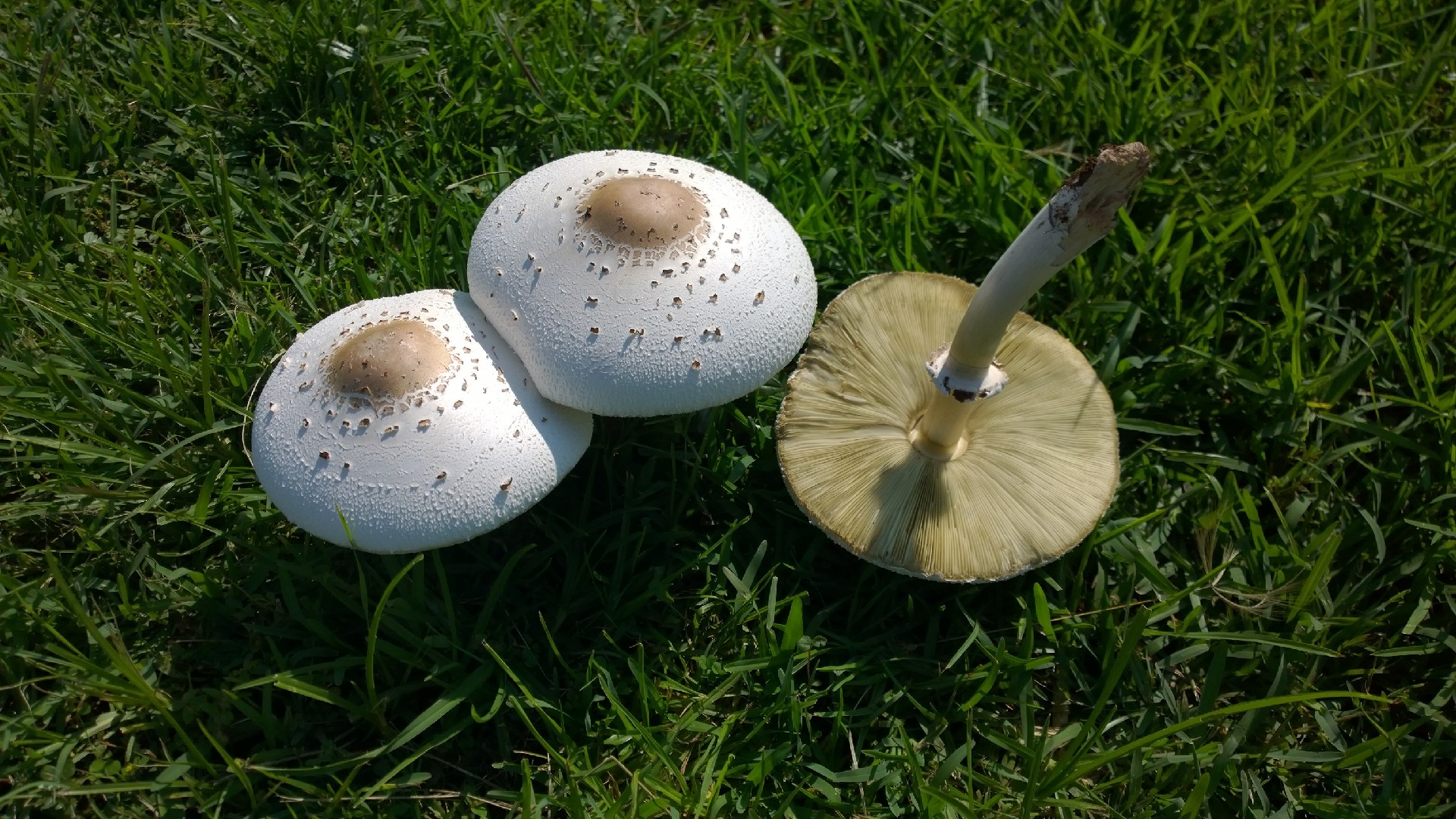
2. False parasol
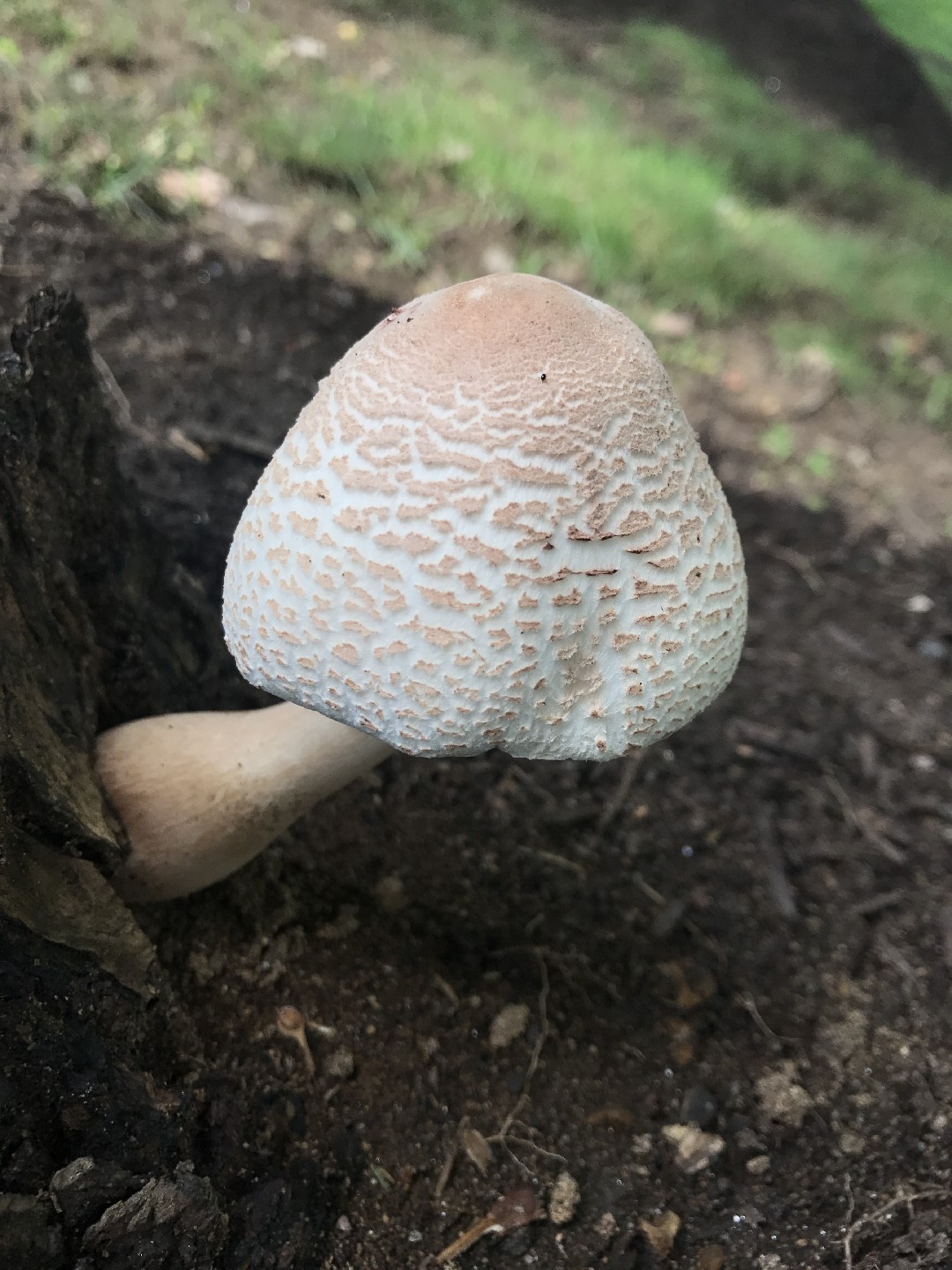
Though the false parasol appears unassuming, the species is famous—or, infamous—for its toxicity. It looks unfortunately similar to Agericus campestrus, a commonly eaten mushroom, but the false parasol can be distinguished by its highly unusual green spore print. Although they are no good to eat, they can be pretty to look at. The species may grow in ring-shaped groups in meadows and on forest floors in what are sometimes called "fairy circles."
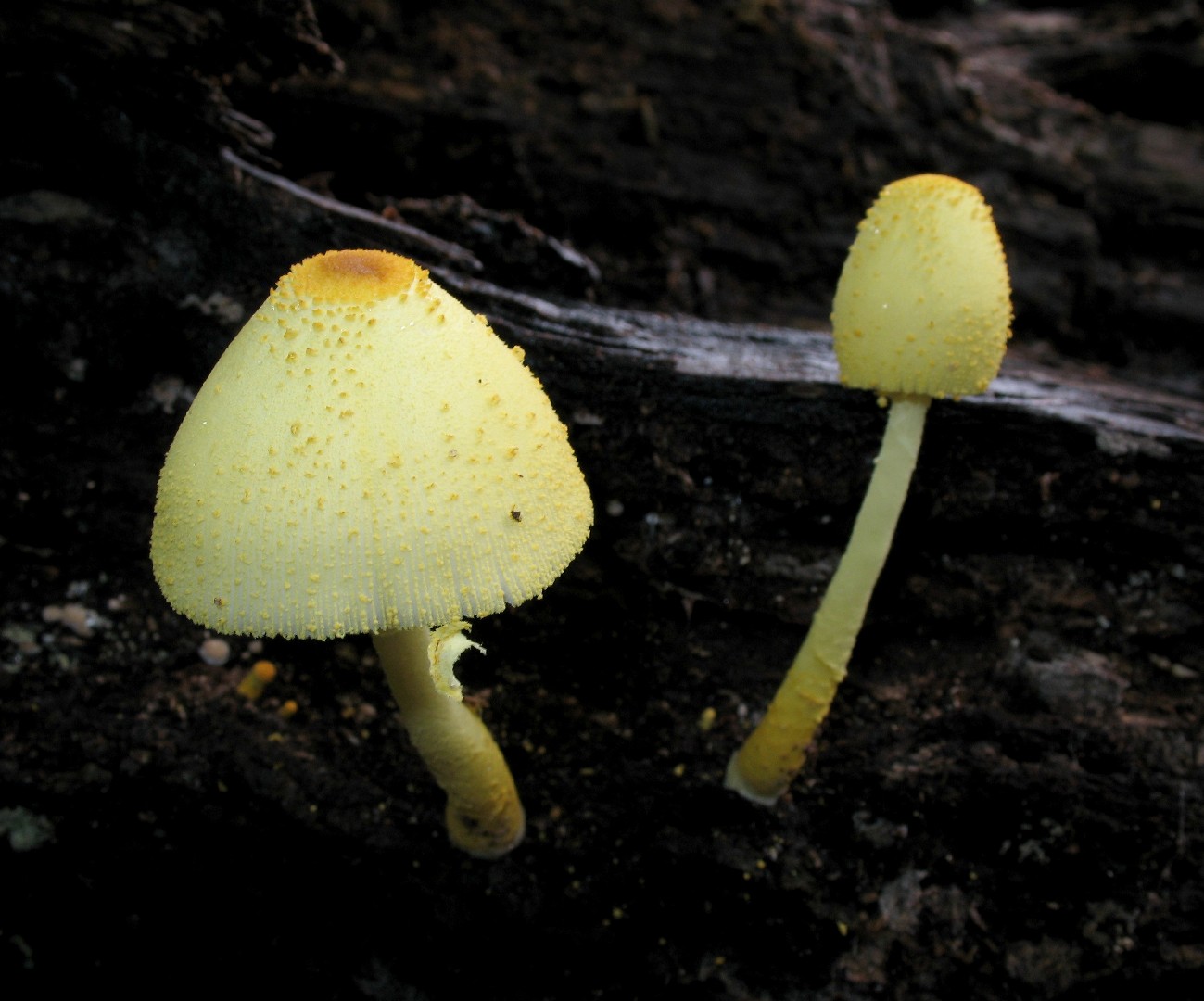
3. Flowerpot parasol
This tropical/subtropical mushroom is known to be toxic. If eaten it causes a very unpleasant stomachache with the risk of fatal complications. In temperate zones, flowerpot parasol is only found in hothouses and greenhouses, so the risk of accidental foraging is low, but it may occur with potted plants and indoor landscaping and pose a risk to curious children.
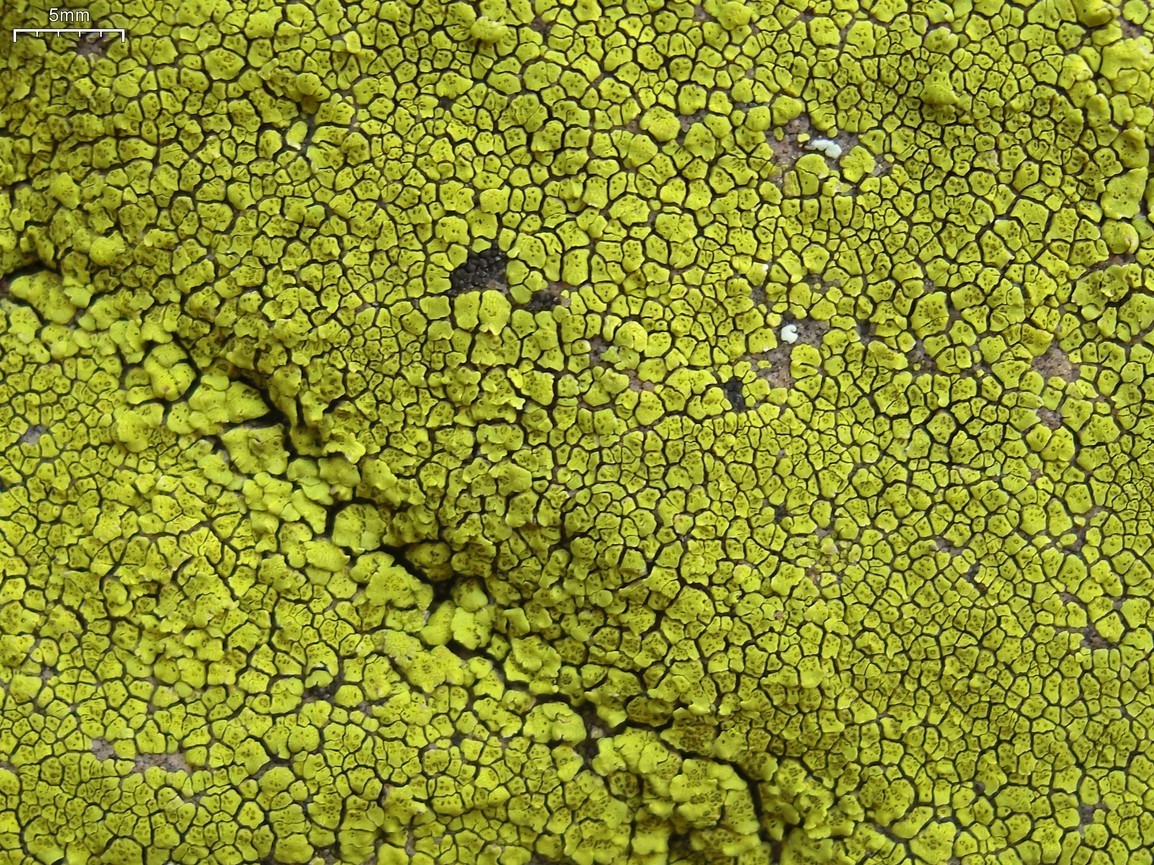
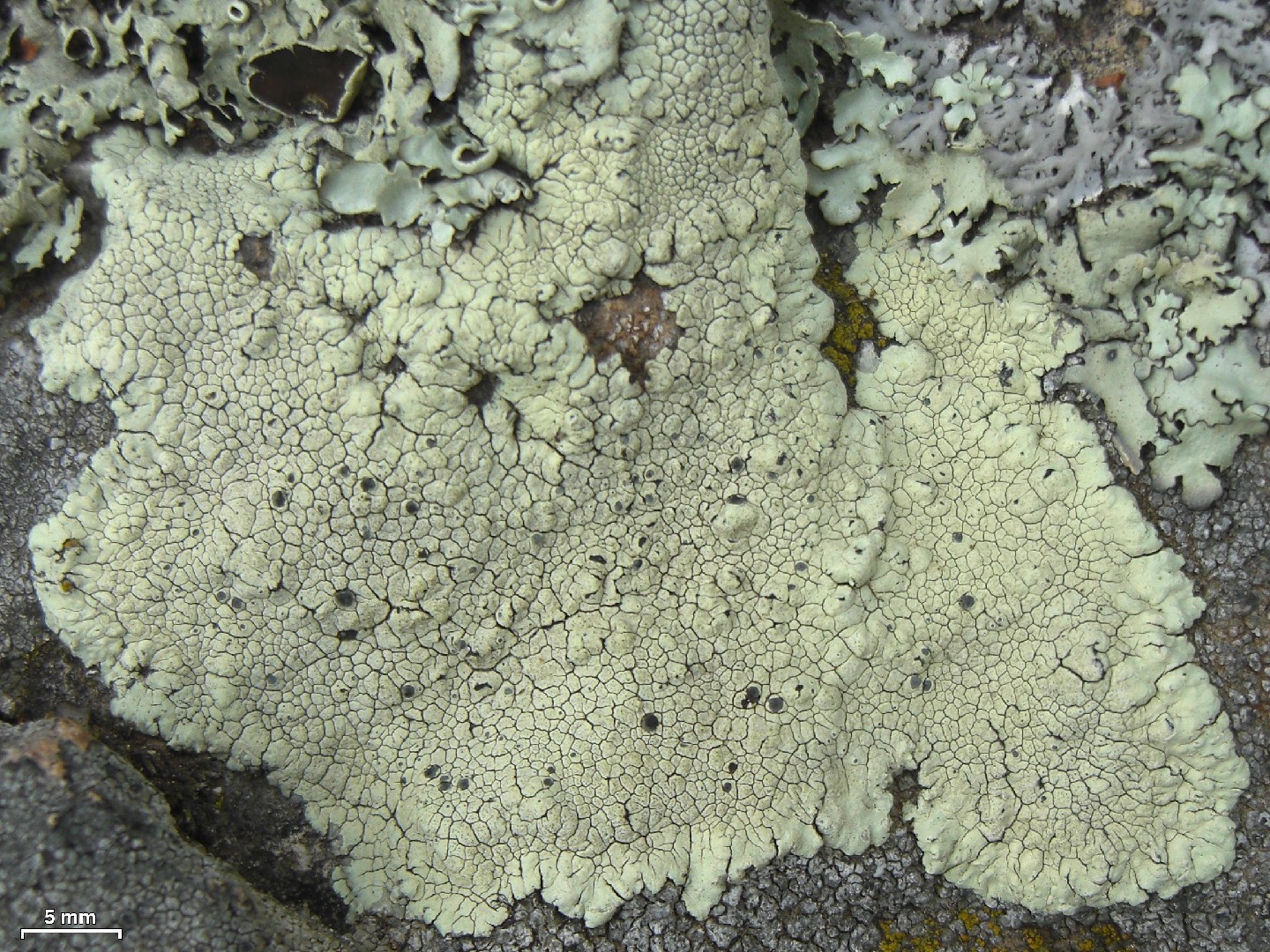
4. Bright cobblestone lichen
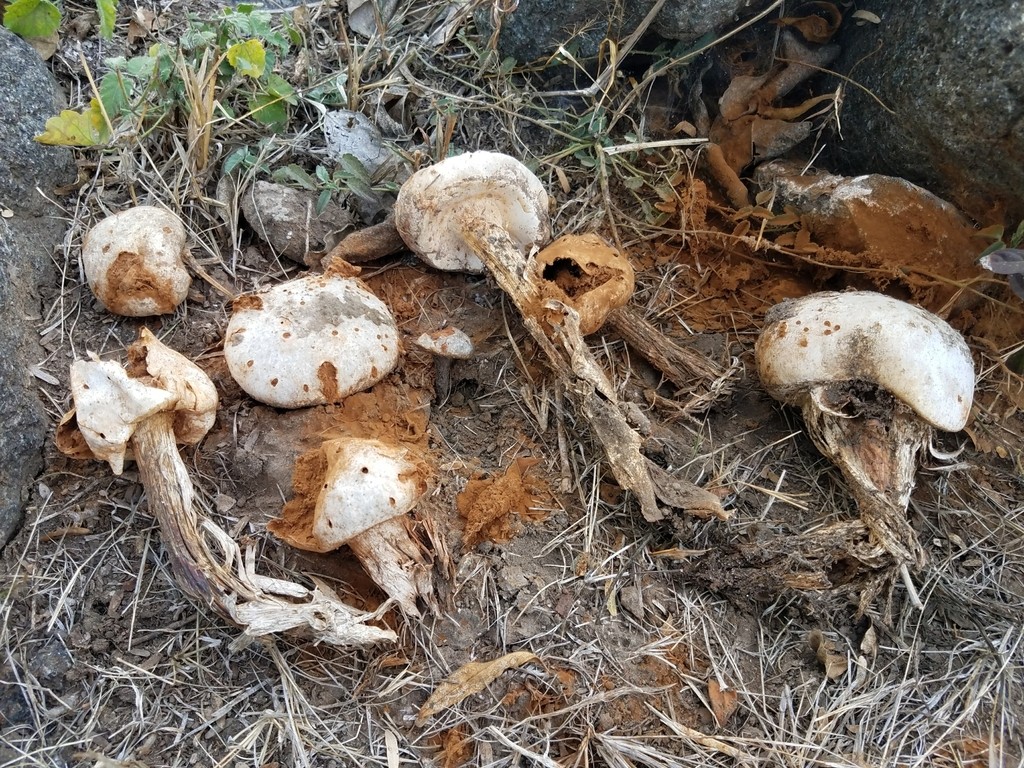
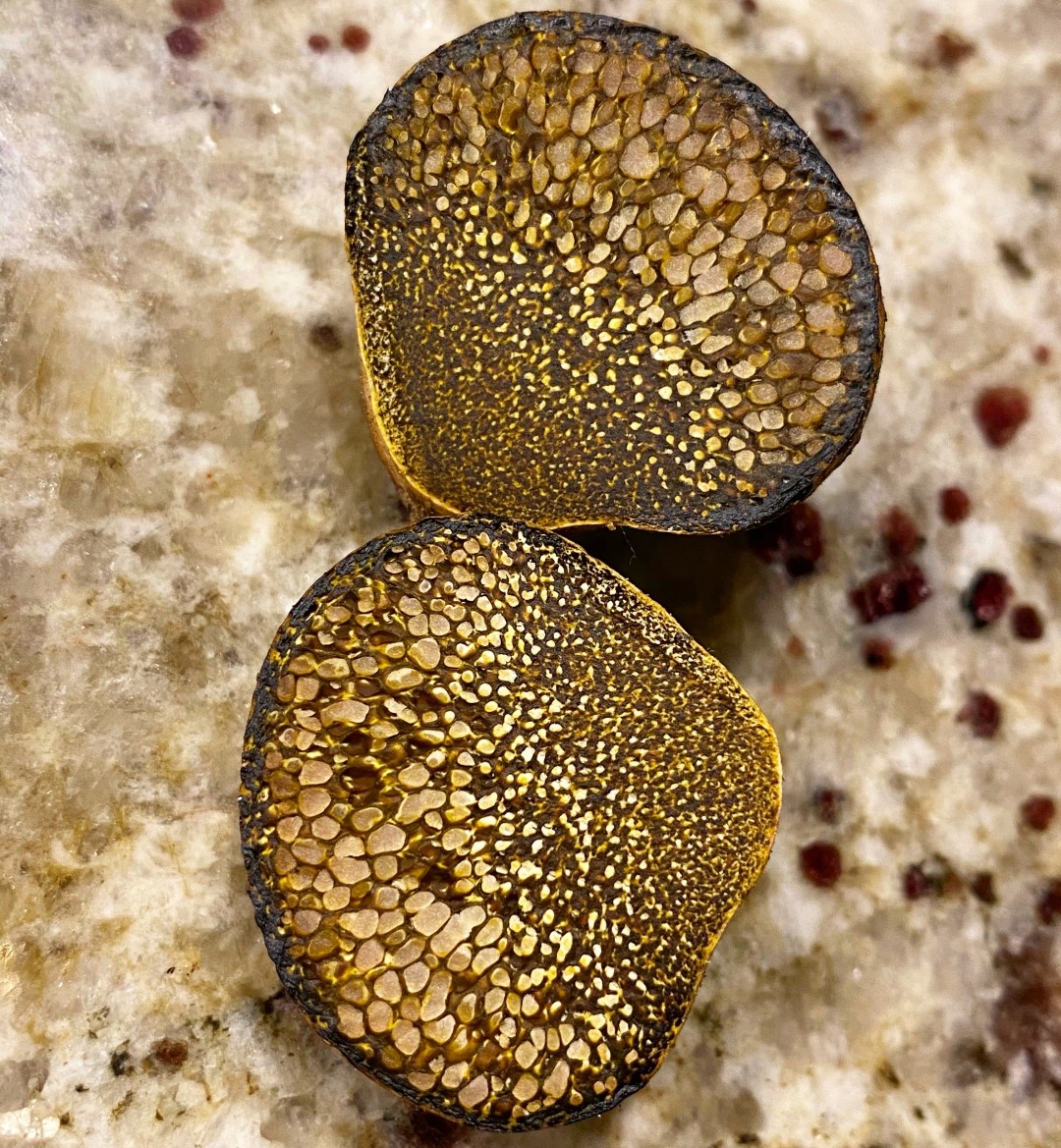
5. Battarreoides diguetii
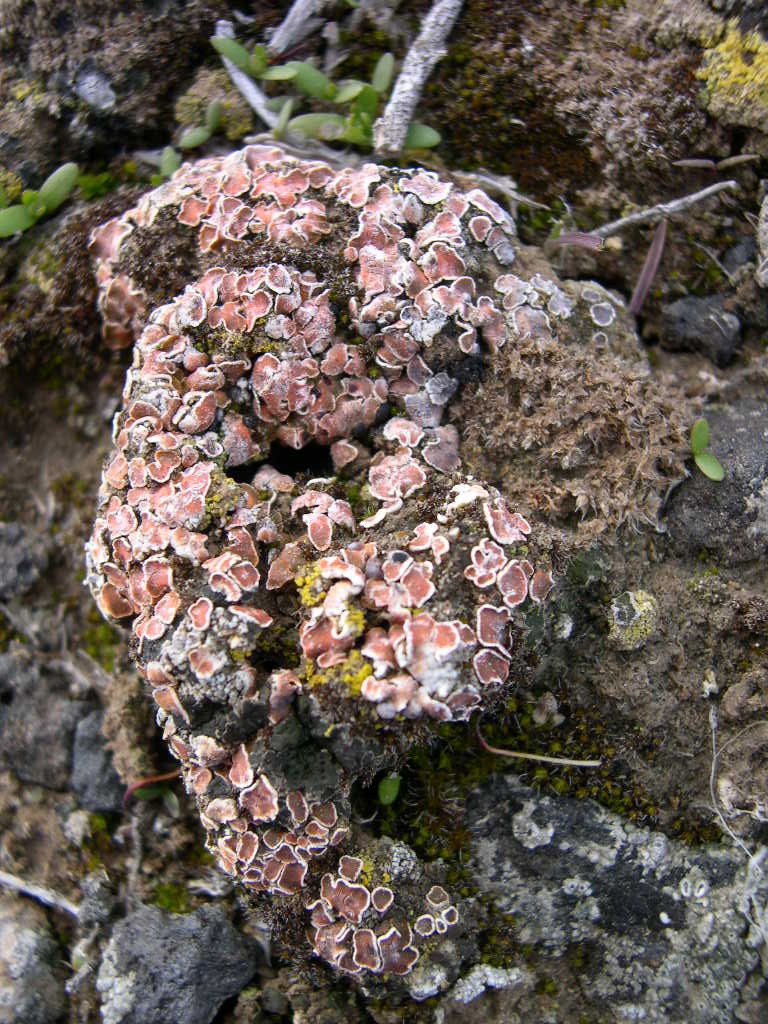
6. Fishscale lichens
The Thallus of Psora decipiens consists of up to 4 mm wide, brownish, brownish red or pinkish scales with whitish edges. These overlap only rarely, are roundish to be booked or slightly notched and whitish below. Apothecaries are rather rare, marginal, black and untouched.
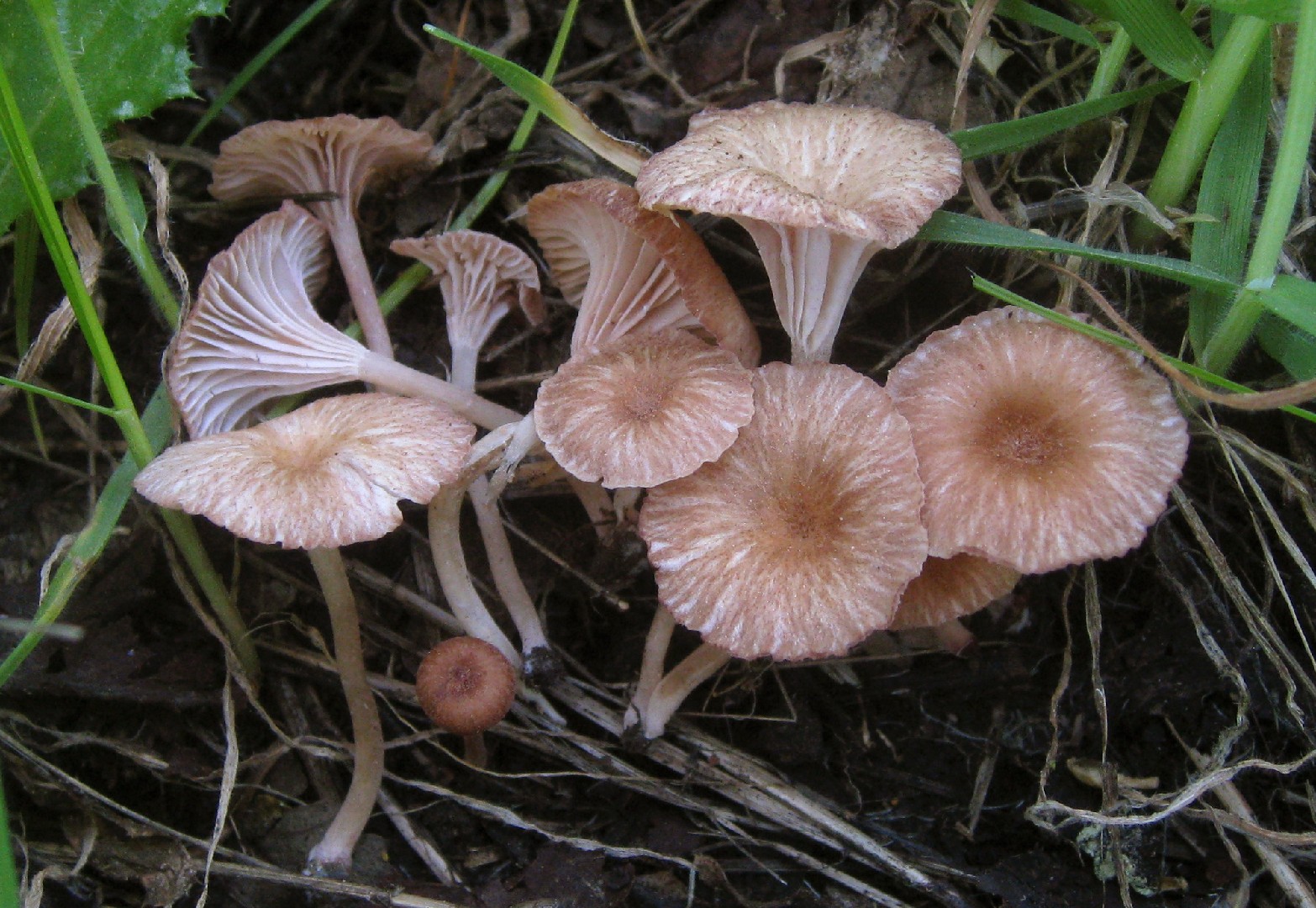
7. Rosy navel
The rosy navel (Contumyces rosellus) is a small, just barely noticeable mushroom that pops up uniquely from sandy soils or silt. The small tan cap is more of a vase shape than a conventional mushroom cap, appearing more like a flower. It is also unique because instead of feasting on already rotting wood, it initiates the rotting process.
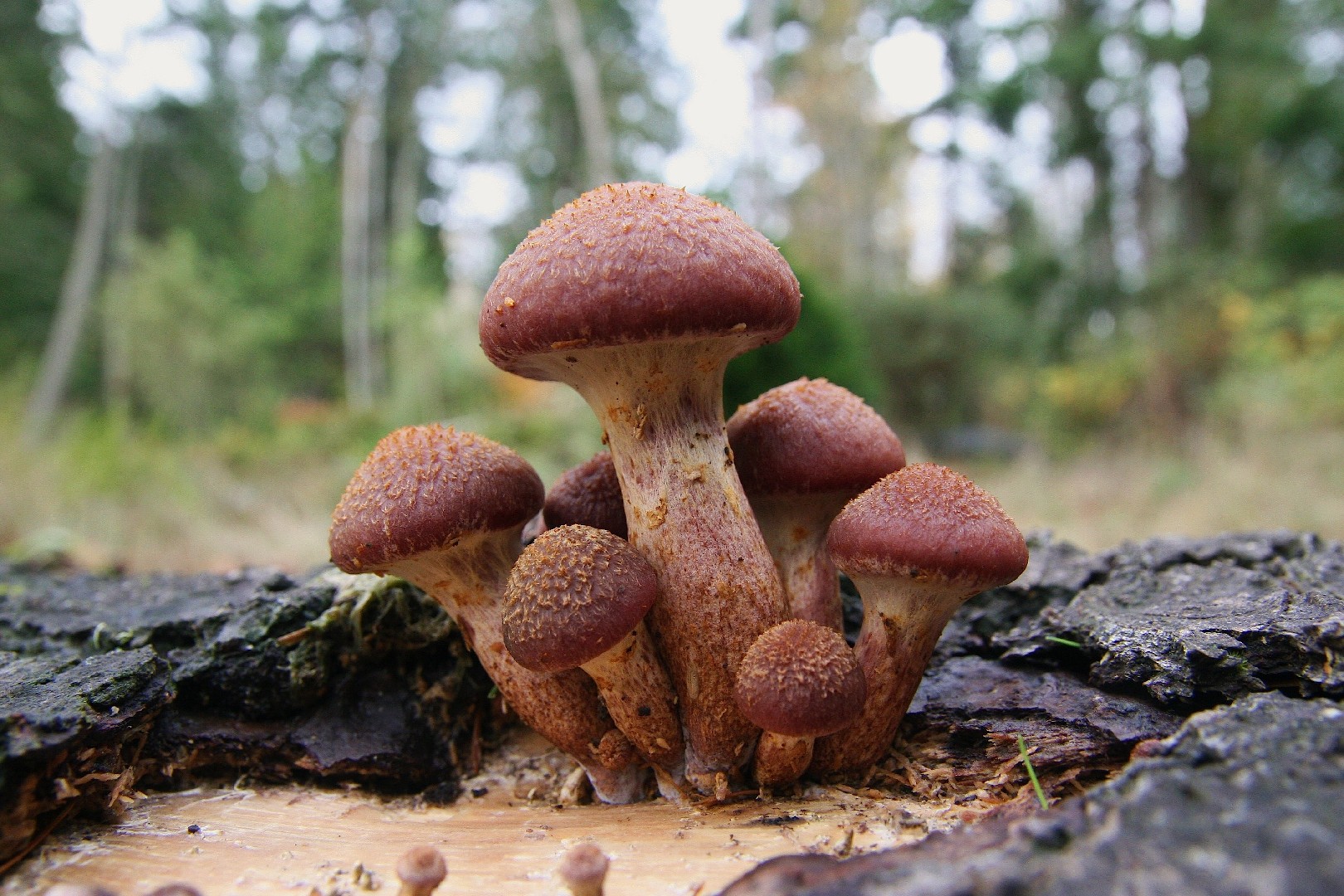
8. Golden-gilled Gymnopilus
The golden-gilled Gymnopilus is easily identified by its scale, purplish-orange cap, and its preference for wood chips. According to several authorities, the golden-gilled Gymnopilus is a mildly toxic mushroom and should not be ingested.
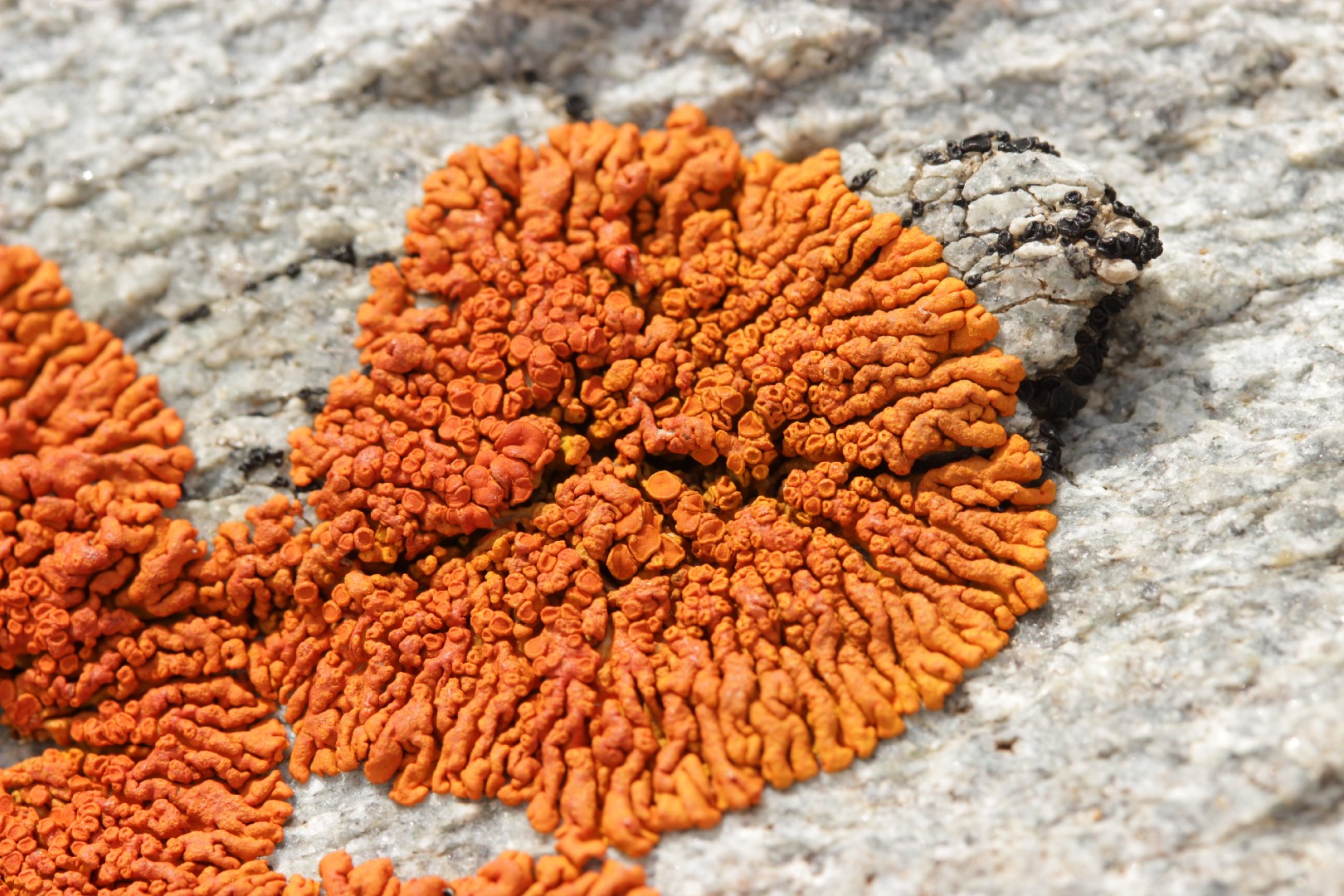
9. Elegant sunburst lichen
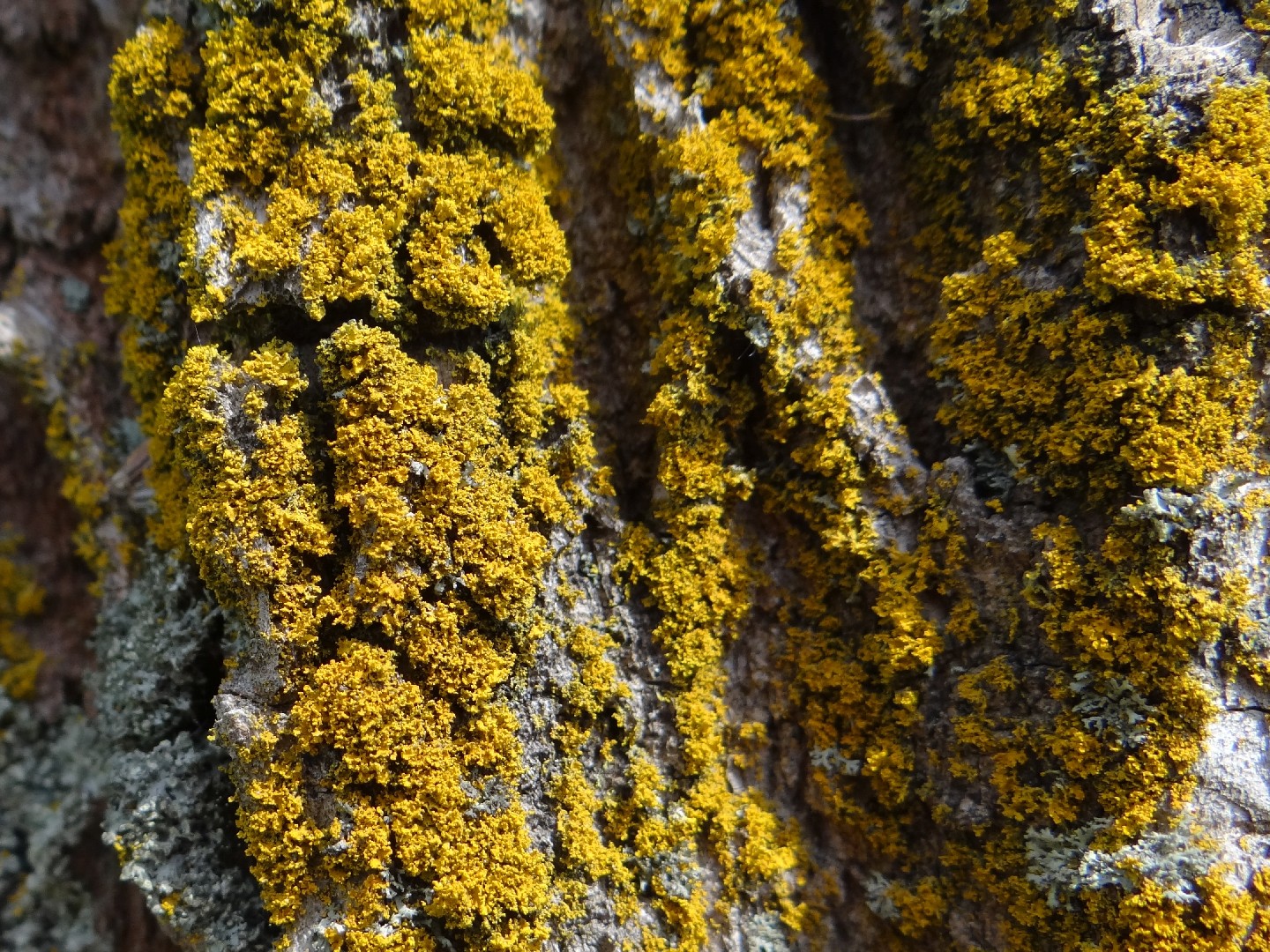
The thallus of this lichen is described as foliose, having the aspect of leaves, although the central portions of the thallus may appear nearly crustose. It is small, typically less than 5 cm (2 in) wide, with lobes less than 2 mm (0.08 in) broad, appressed to loosely appressed. The upper surface is some shade of orange while the lower surface is white, corticate, with short, sparse hapters (an attachment structure produced by some lichens). The vegetative propagules called soredia and isidia are absent, although apothecia are common. It has been described as possessing swollen, orange-yellow thalli (in streams), compact orange thalli (on boulders) or dark orange-red thalli on the driest rock faces. The variety X. elegans var. granulifera, characterized by having isidia-like vegetative propagules, has been reported from Greenland and Spitsbergen. 
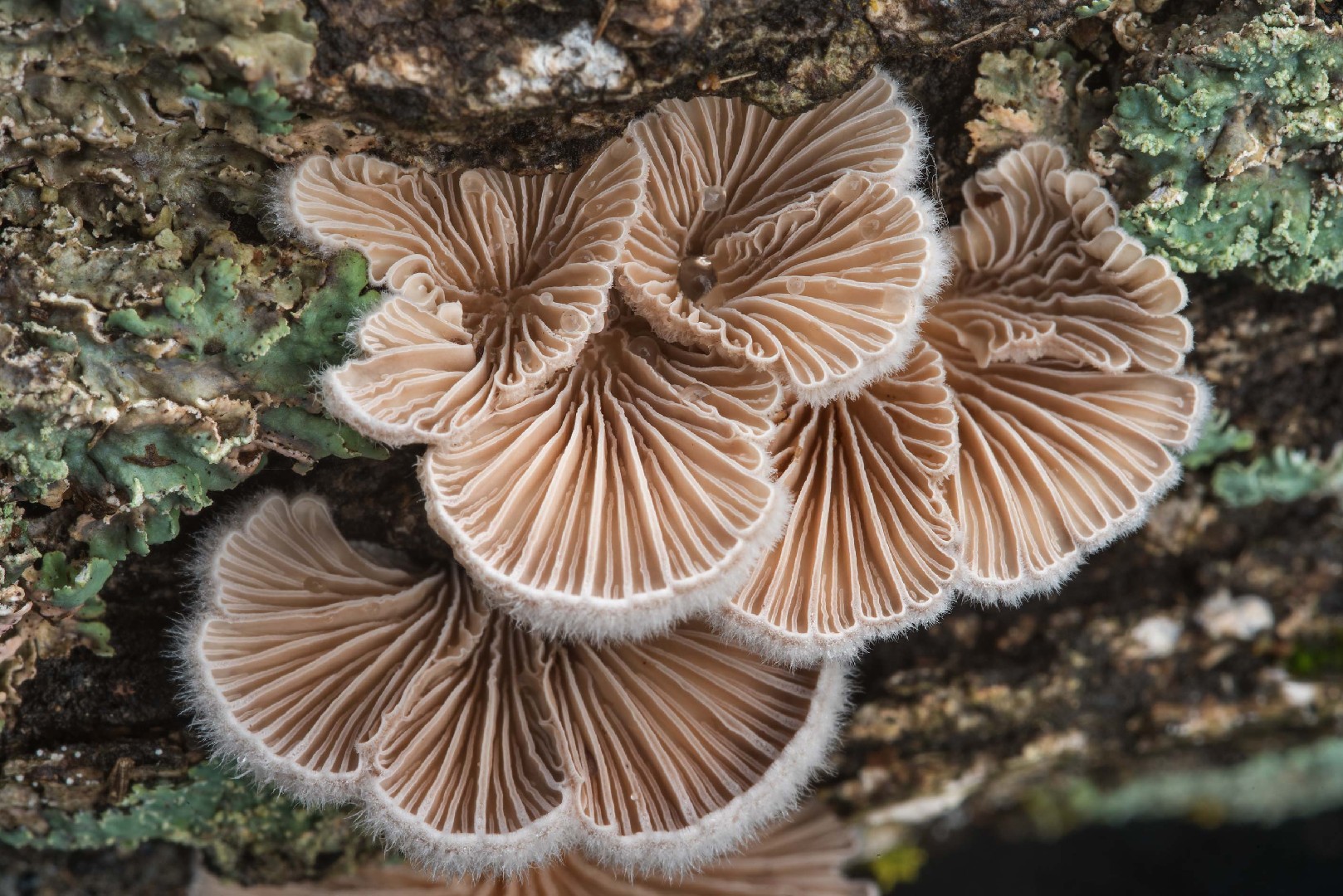
10. Split gill
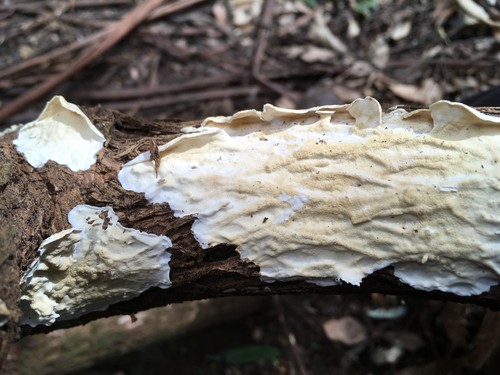
Split gill(Schizophyllum commune) can be found across the globe. Uniquely, it is the only mushroom species known to display the capability to retract by movement. It is considered inedible, although not necessarily toxic. Furthermore, it is not recommended to smell this species, as the spores are capable of sprouting and growing in nasal passages.
More







