




Top 20 Most Common Mushrooms in Omagh

Most Common Mushrooms
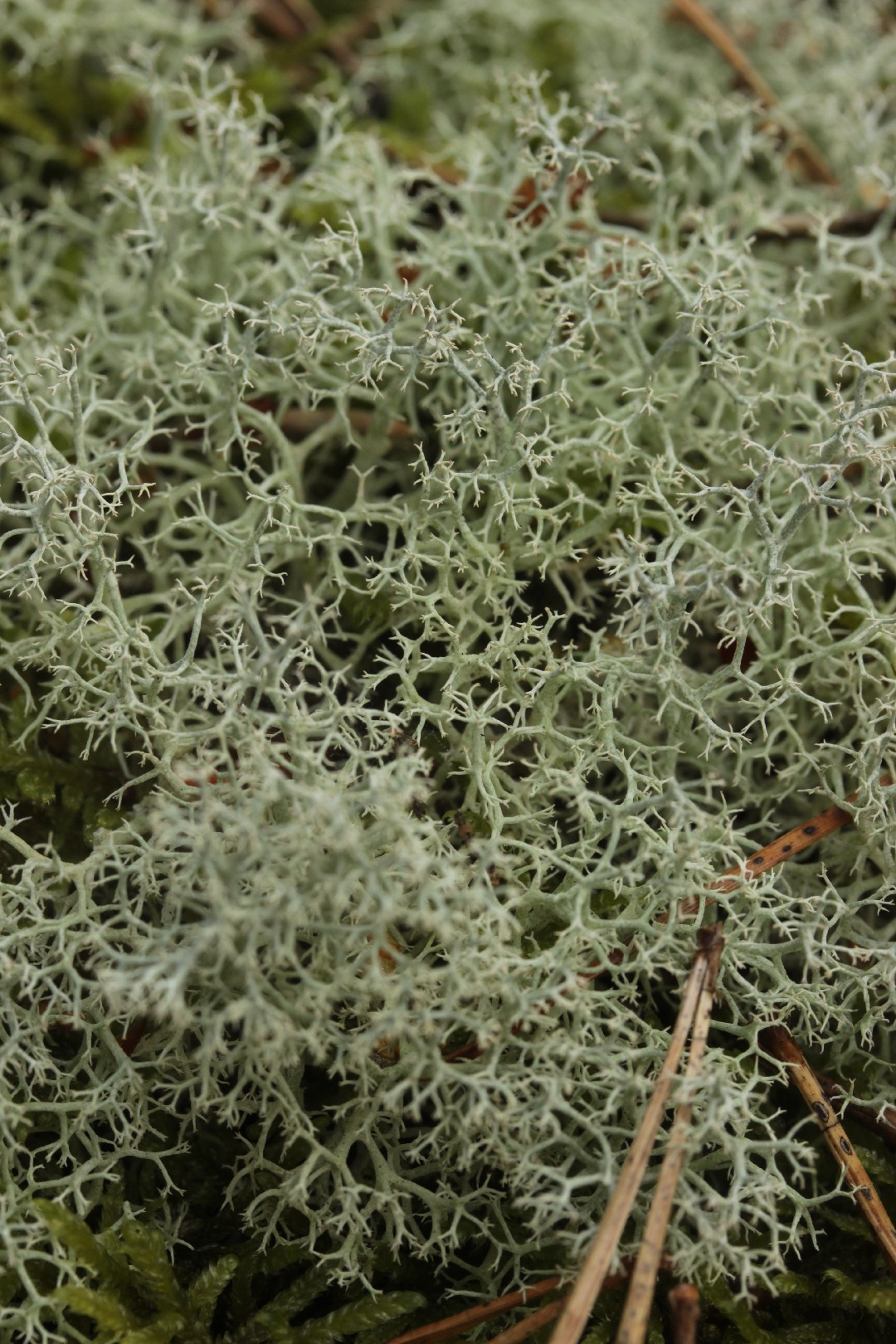
1. Reindeer lichen
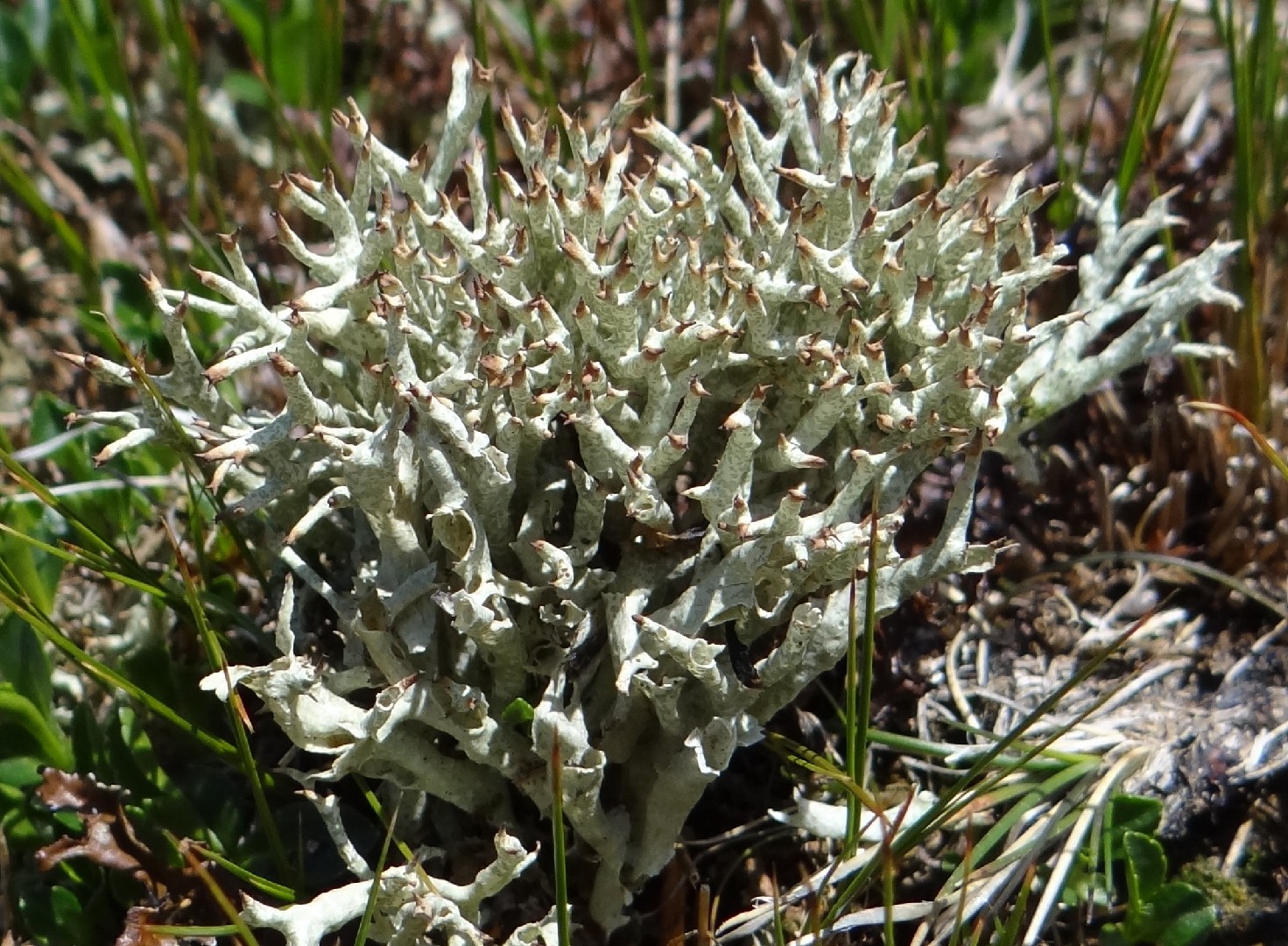
Cladonia portentosa forms compact interwoven mats up to 6 cm tall. It is richly branched, each branch usually dividing into three but with the penultimate sometimes dividing into two. The branching is at a larger angle than that of Cladonia rangiferina. 
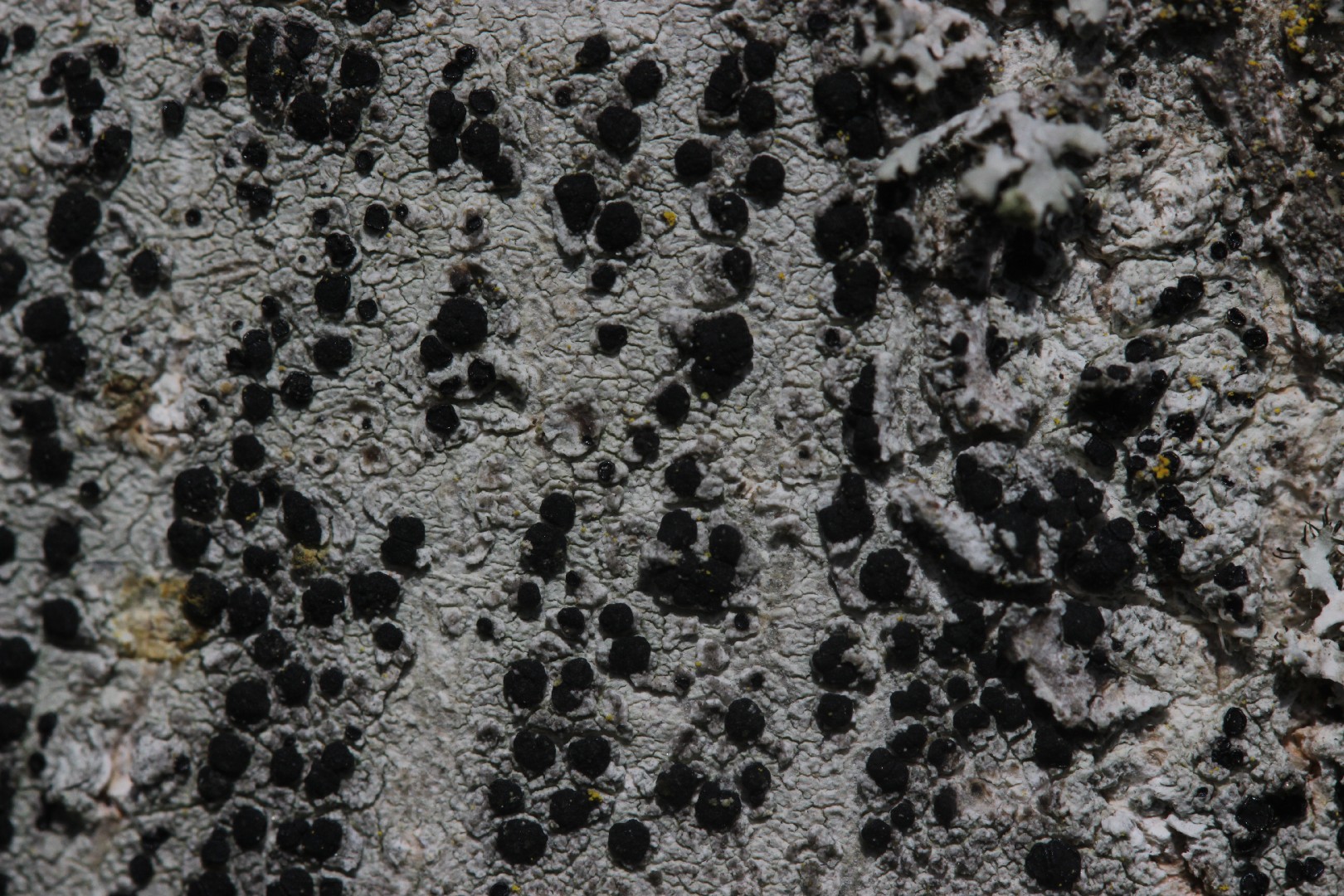
2. Lecidella lichen
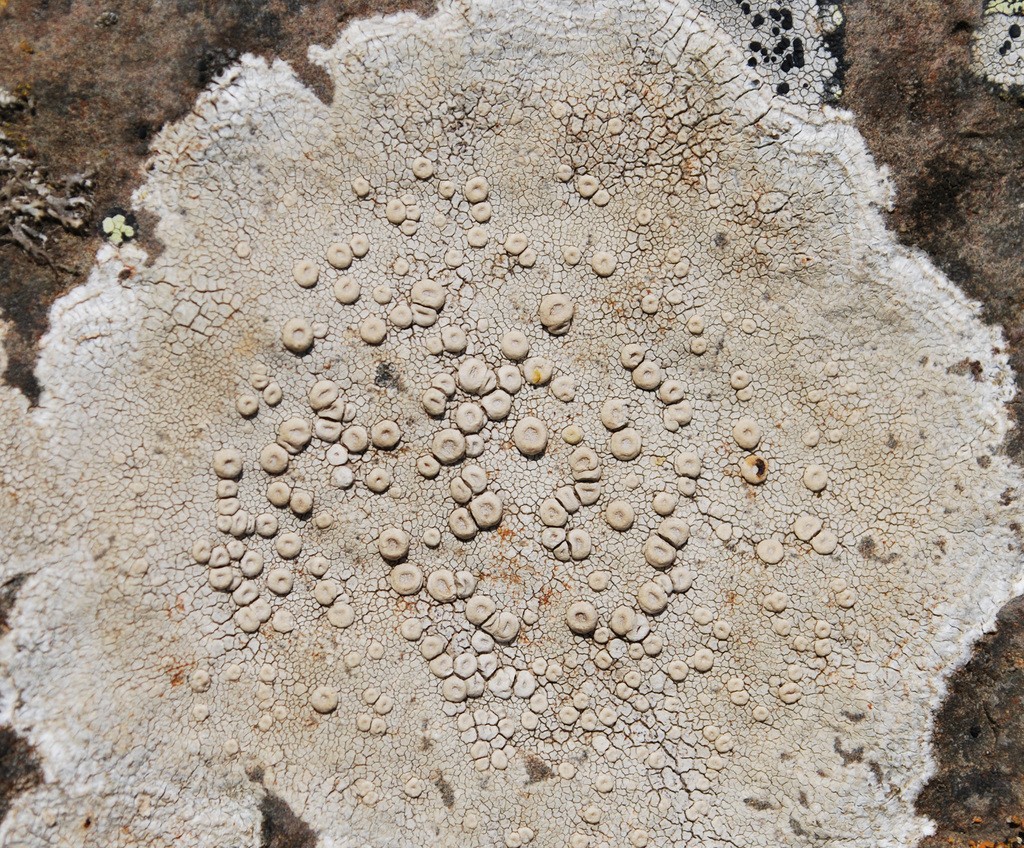
Lecidella elaeochroma is a crust lichen, which means that its stock (Thallus) lies closely on the surface. The camp is whitish, gray, gray-green, olive or yellowish. Often it is also damaged by snail-eating and then greenish. The structure of the camp is smooth to grainy. Often it is weakly glossy or even limited by a black submission. The camp can sometimes be sorediös dissolved. It reaches diameter of 1 to 3 cm. The apothecia reach between 0.4 and 1.0 mm in diameter. Their discs are black to dark reddish brown and very rarely frosted. The Apotheciens are flat to strongly arched and can be deformed. Its edge is black and smooth. Overall, the appearance of this lichens is very rich in form.
3. Rim lichen
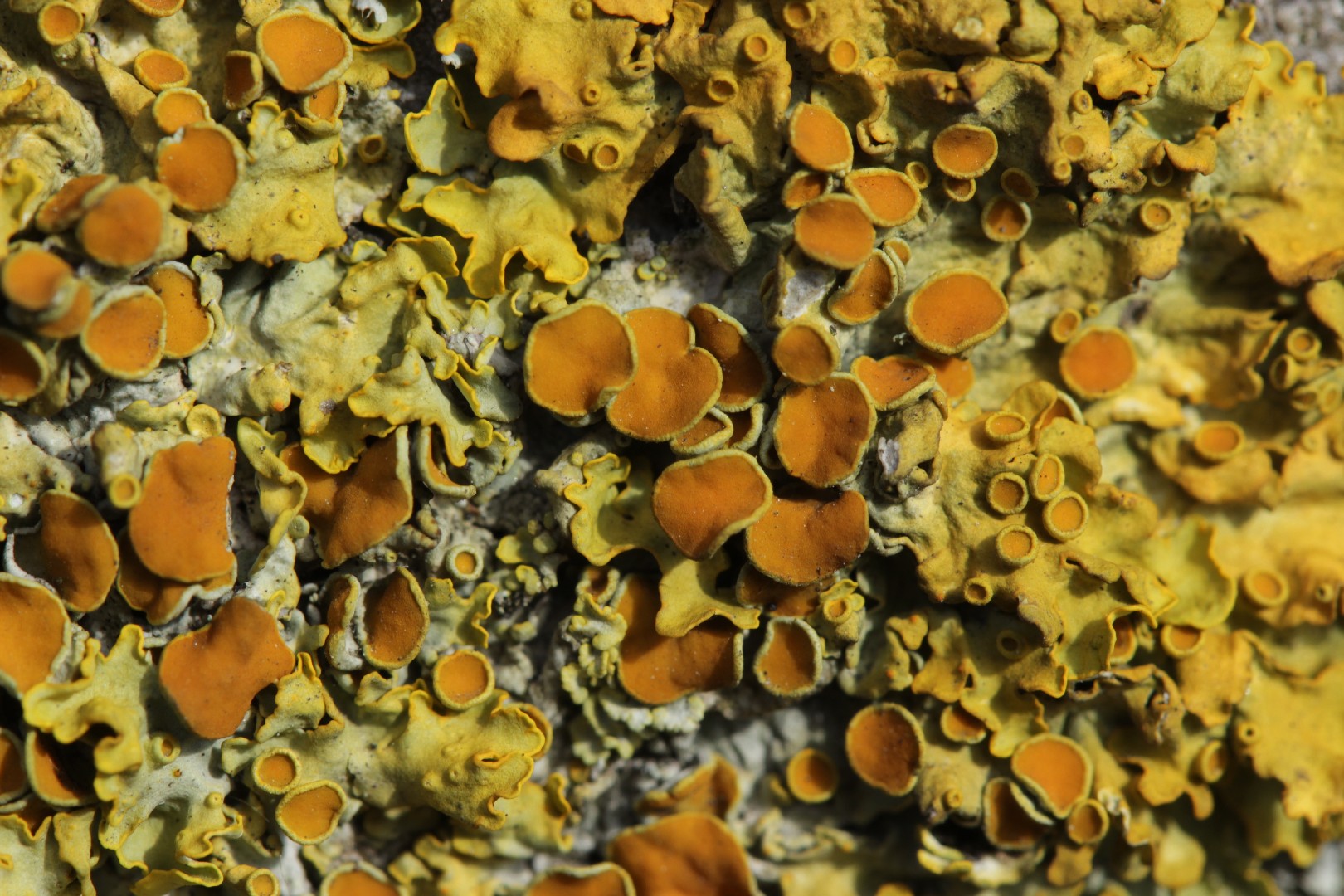
4. Common orange lichen
Common orange lichen was selected in 2006 by the United States Department of Energy as a model for genomic sequencing. Its widespread dispersal and bright yellow-orange color give the lichen its common name. It is primarily found growing on rocks, walls, and tree bark.
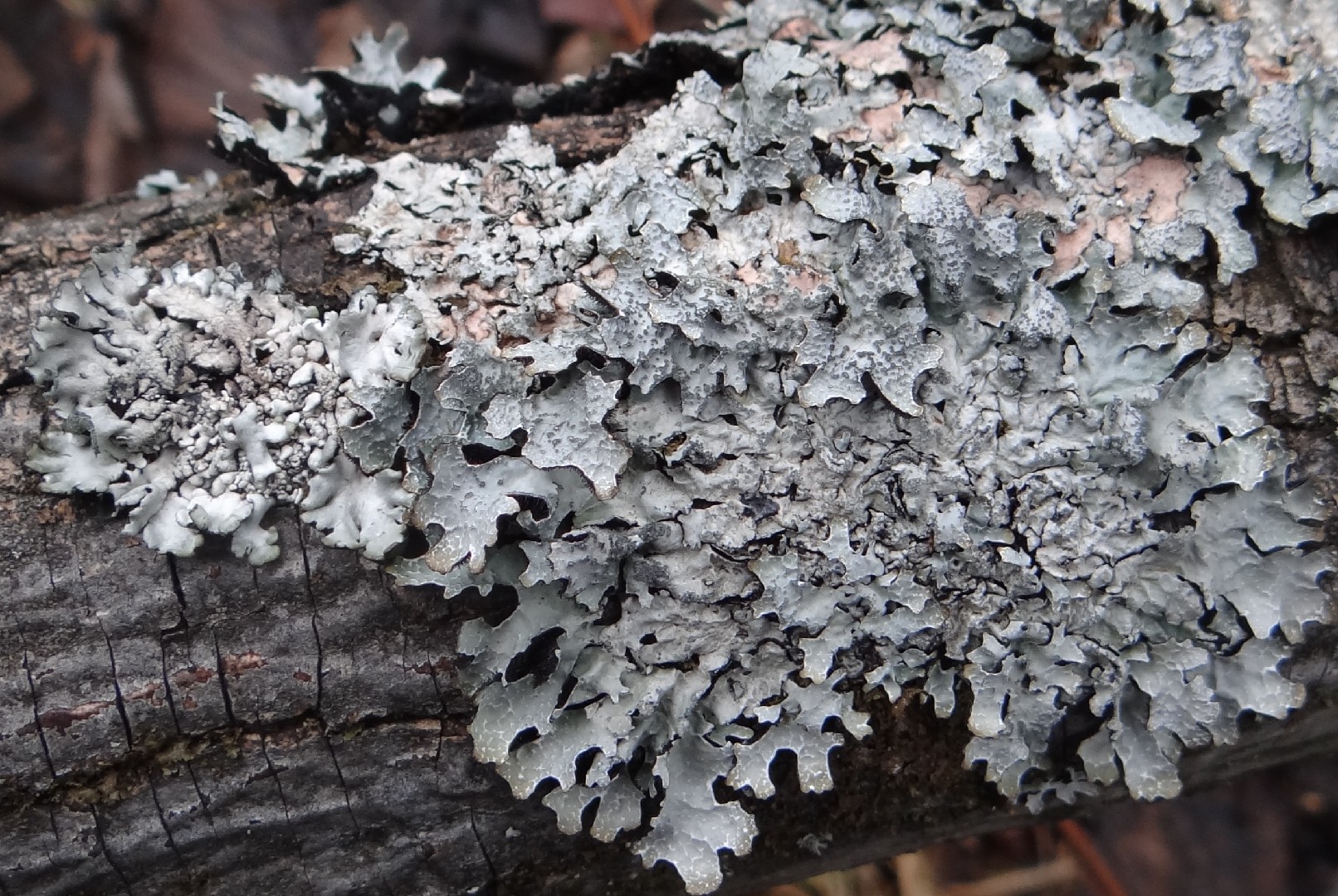
5. Hammered shield lichen
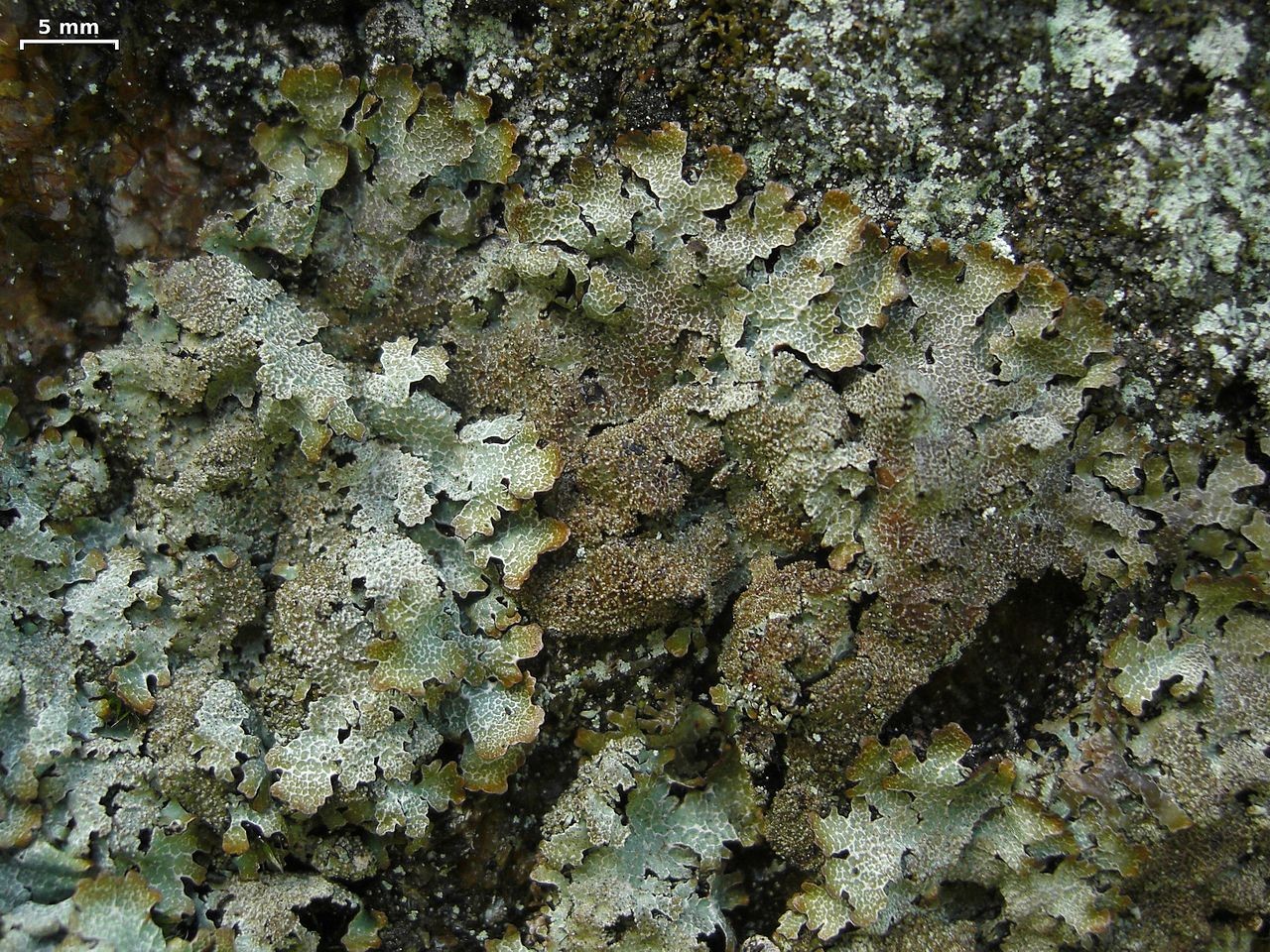
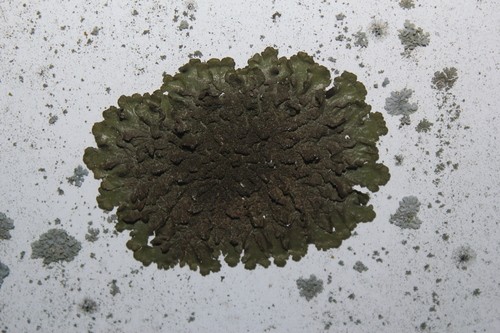
Hammered shield lichen is noted for its pollution tolerance. It is a widespread grey flat lichen that is mostly found upon tree bark and occasionally rocks. Hammered shield lichen is named for the depressions within the lobe which give it a hammered appearance.
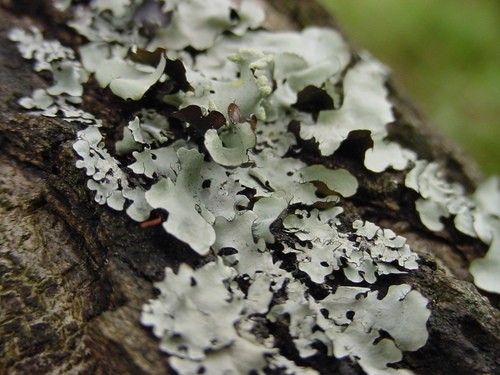
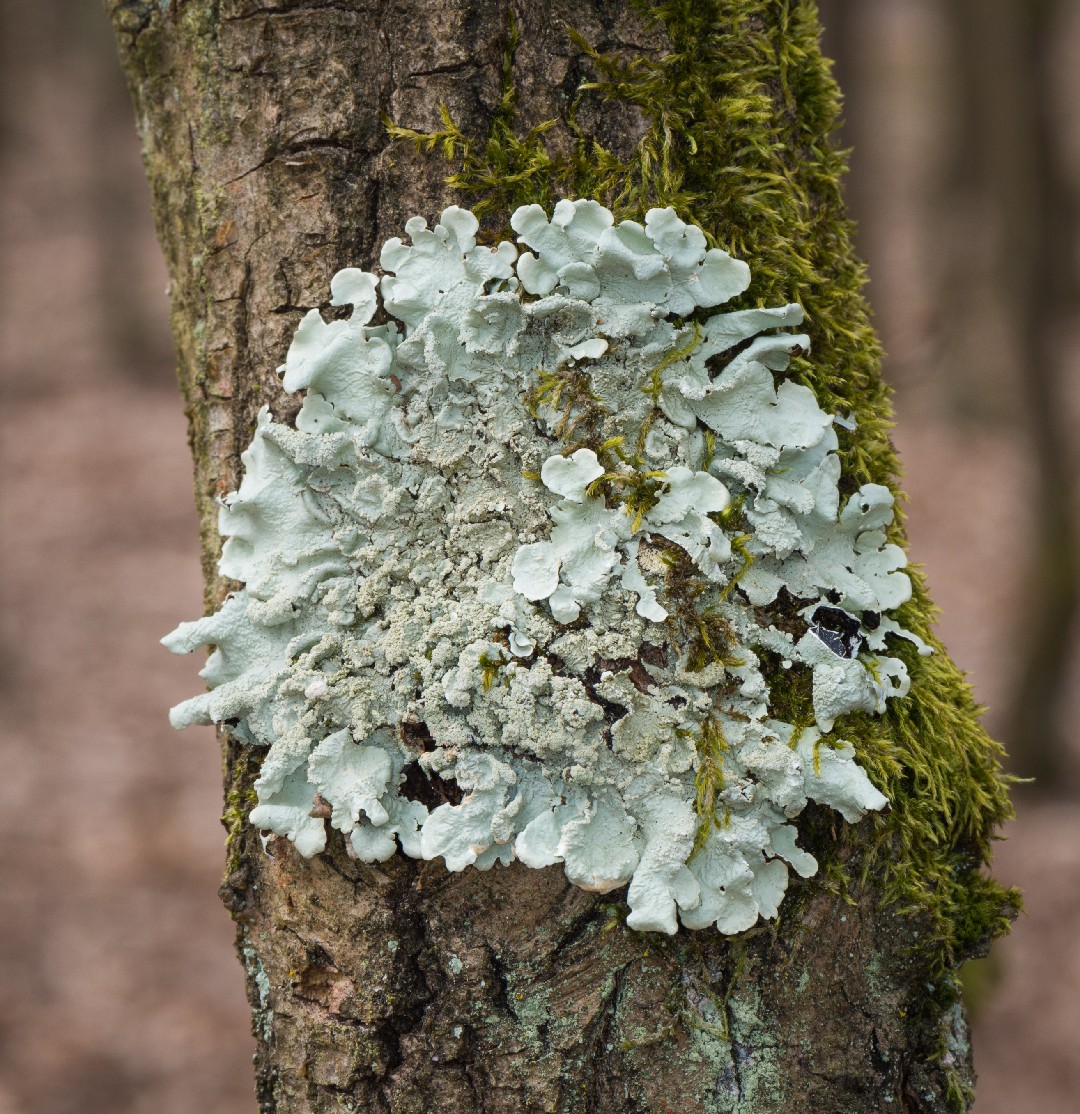
6. Black stone flower
The deposits of Parmotrema perlatum reach up to 20 cm in diameter. The thallus top is in a dry state pearl gray, moist greenish. It has black cilia on the edges. The underside is black, with unbranched rhizins and a brownish colored zone on the edge. Especially at the edges she wears sorals, in which the soredien (asexual propagules) are formed. Fruit bodies (Apothecia) are very rare.
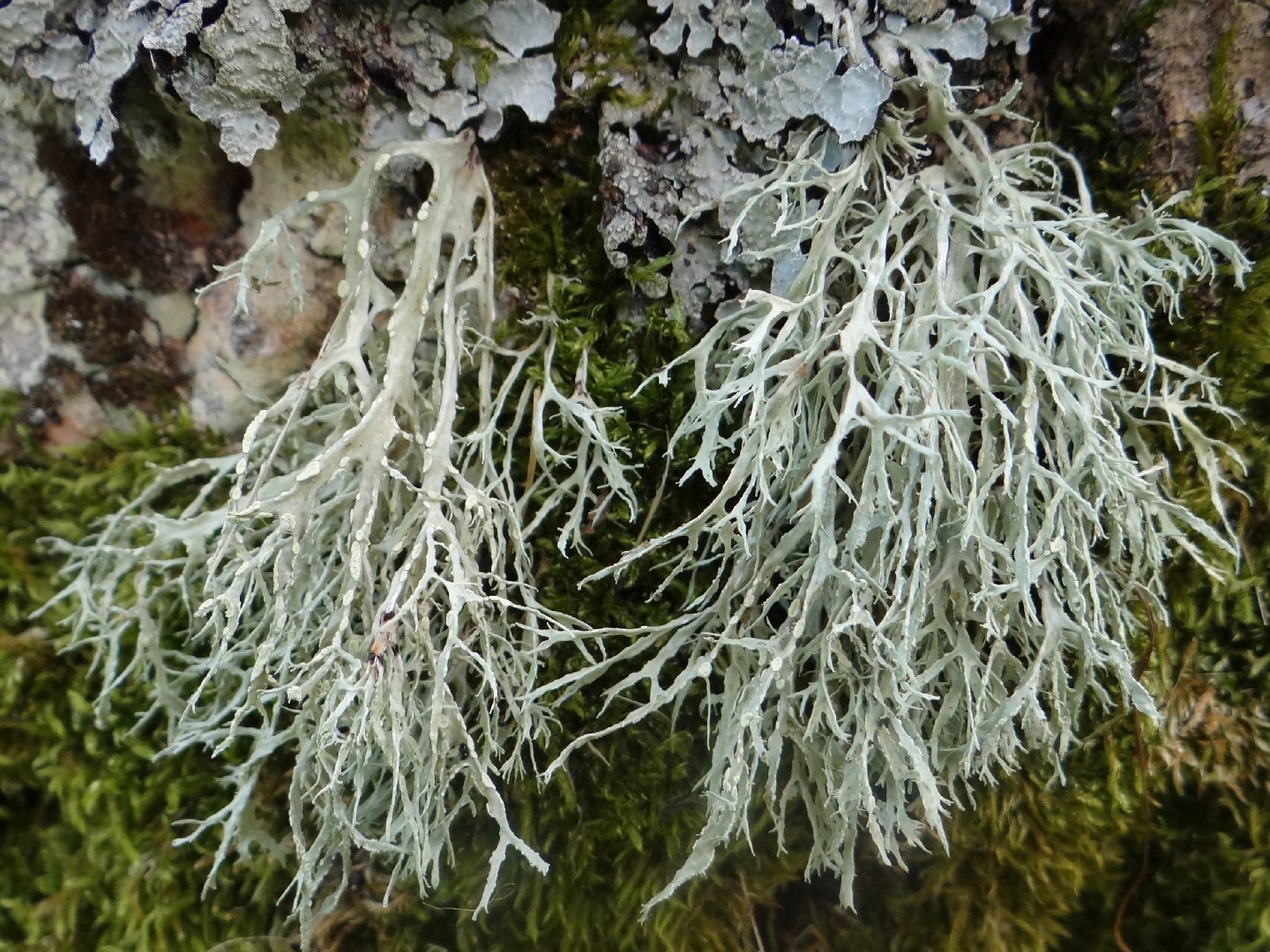
7. Farinose cartilage lichen
Farinose cartilage lichen has a bushy appearance and is easy to identify by its long, slender branches. The reproductive structures are often scattered on the fungi. The lichen thrives in warm moist, mixed forests, forming on second-growth trees and shrubs.
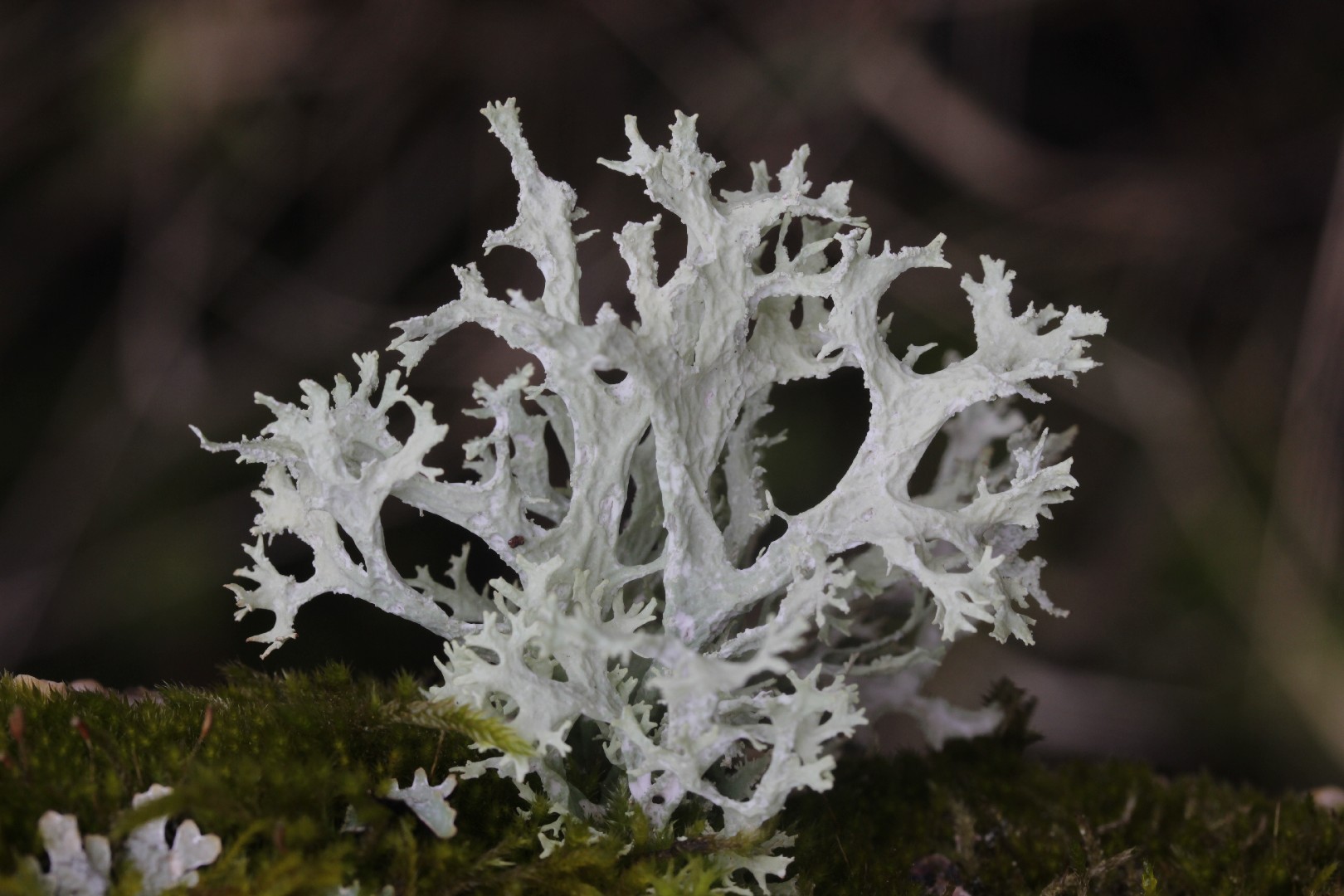
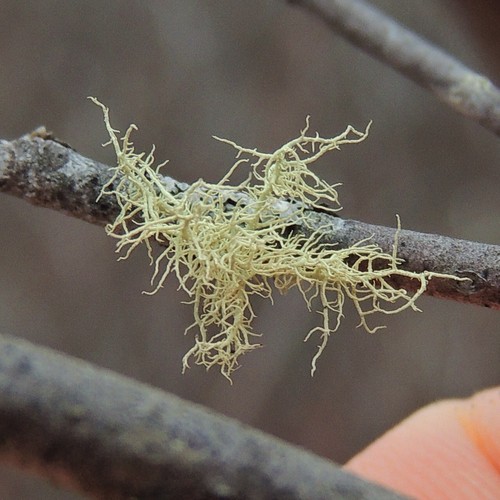
8. Oakmoss
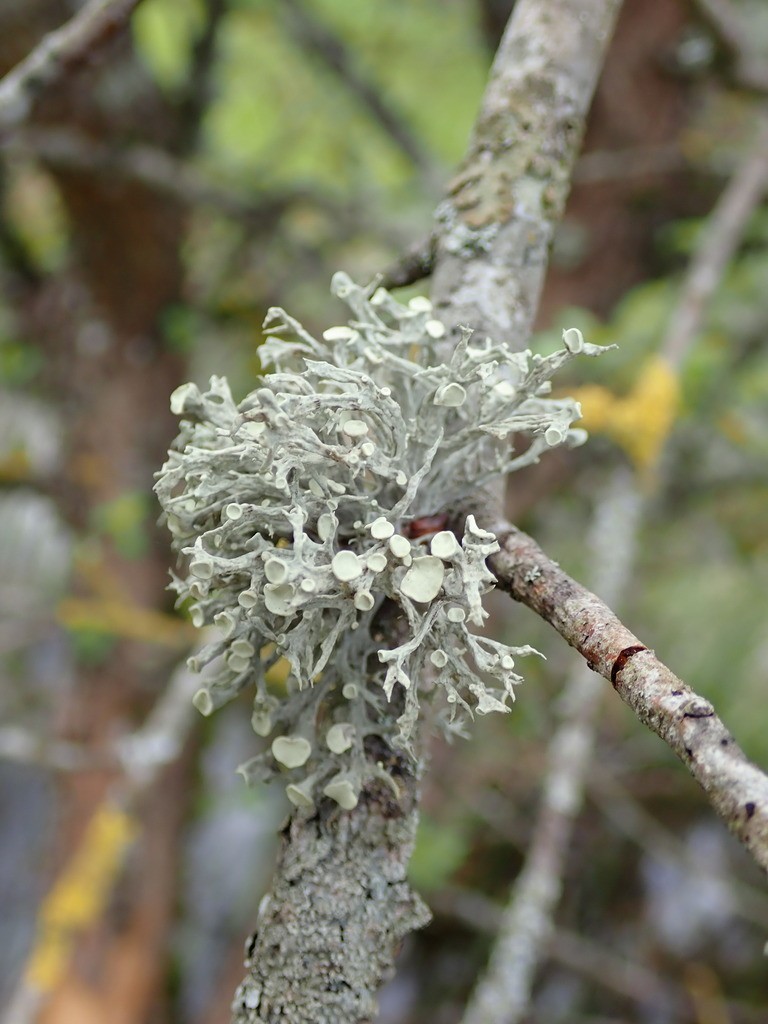
Evernia prunastri grows shrubby on trees. The yellow-green lichen grows up to 10 cm. It consists of up to five millimeters wide shrubby branched bands with a light underside. At the edges of these open dusty (Sorale). Apothecias (with shiny brown disc) are rarely formed.
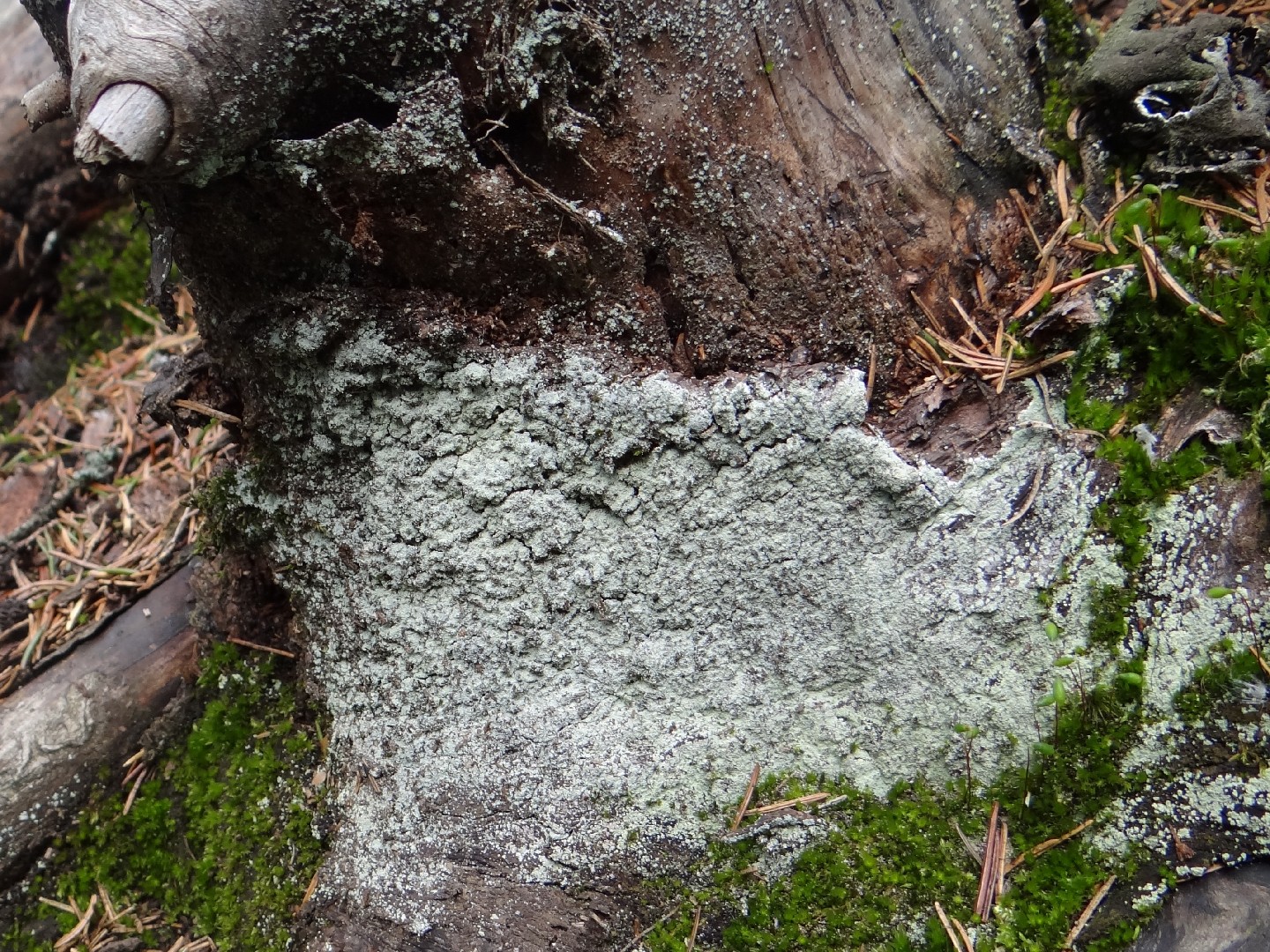
9. Dust lichen
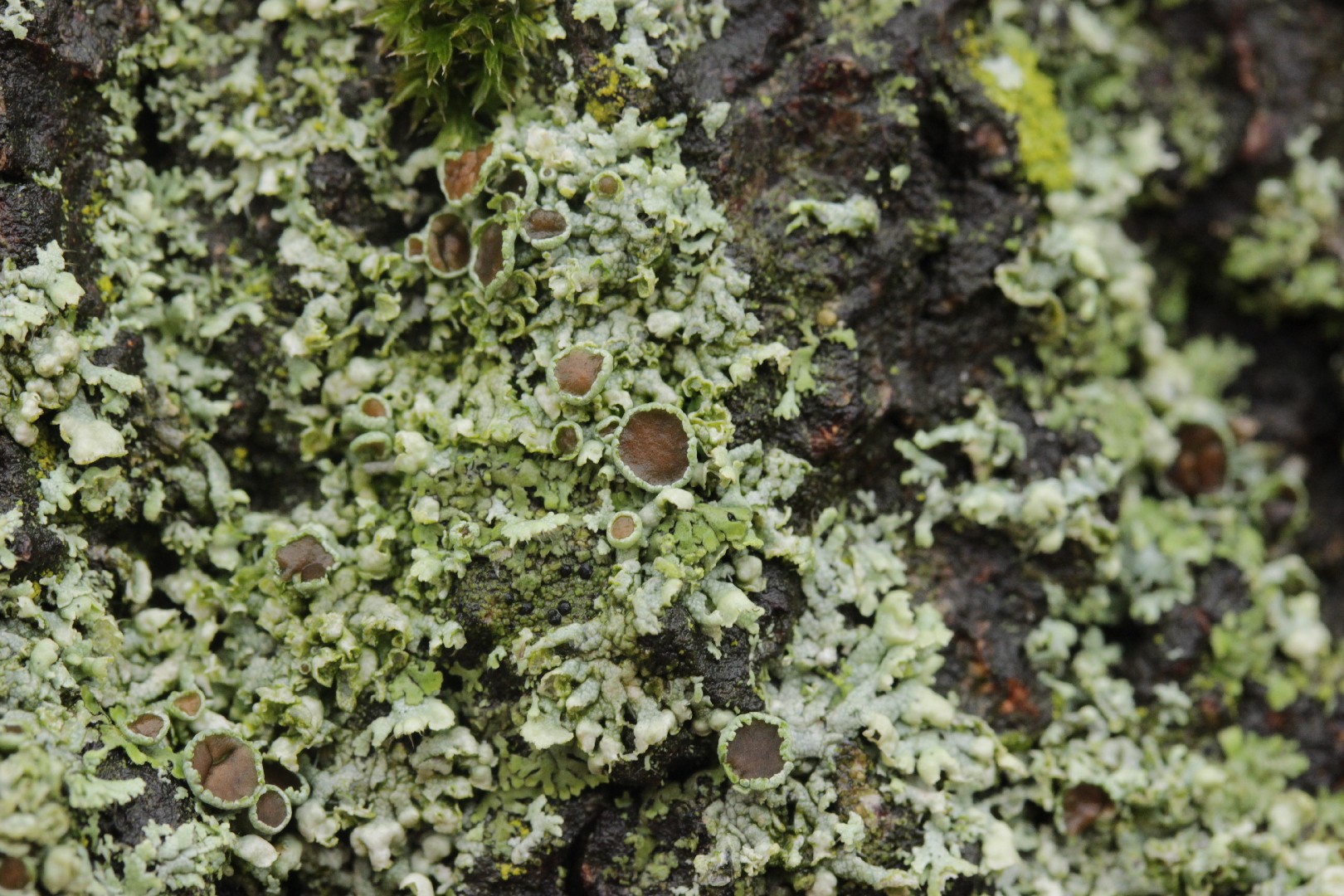
10. Fringed rosette lichen
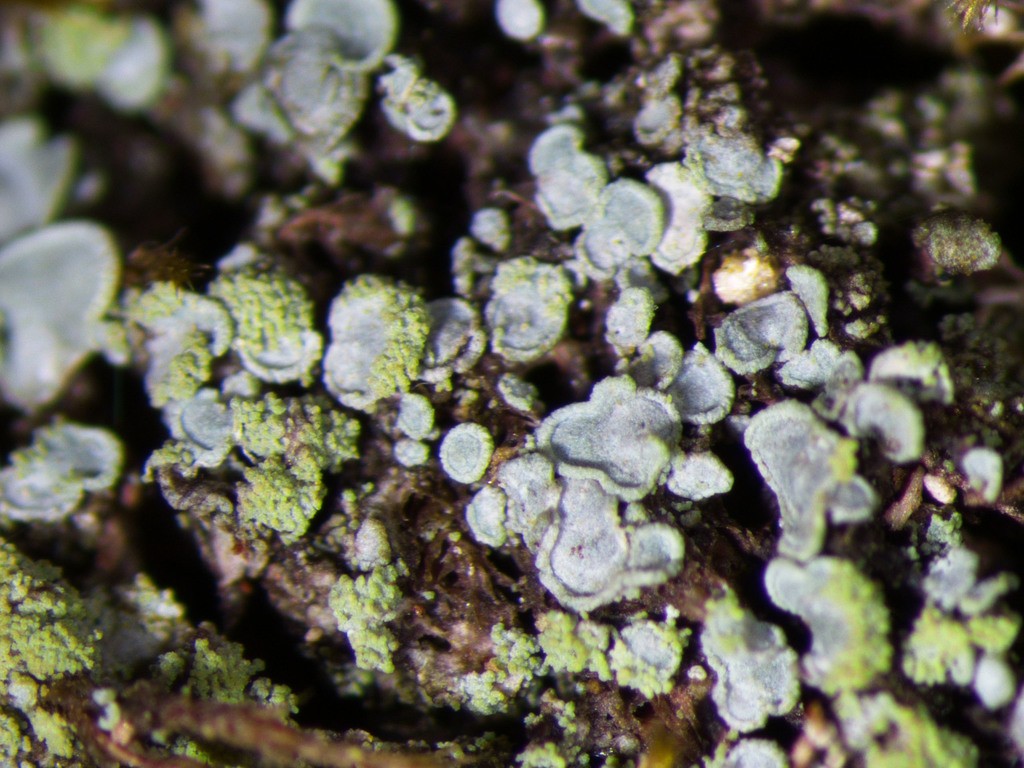
Physcia tenella grows initially in small rosettes, which later often flow together like a lawn. The lobules of the thallus are white gray to gray and 0.5 to 1 mm wide. The lobes end flat or in lip-shaped straightened soralen, where vegetative dissemination units (soredia) are formed. These "lip sensory" distinguish them from the otherwise very similar Physcia adscendens (which has helmet-like bulges at the lobes). Gray-white fibrils sit at the edges. Fruit bodies (apothecaries) are rarely trained.
More







