




Top 9 Most Common Mushrooms in Uganda
Nestled amidst hills, lush vegetation, and unique soil composition, Uganda offers a conducive environment for diverse mushroom species. Blessed with a tropical climate, Uganda boasts a richness of mushroom life, with 9 species standing out as the most common. Here, they flourish year-round, benefitting from the humid weather, rich organic matter and the country's biodiversity. Let's explore this remarkable mycological landscape and the intriguing 9 most prevalent species.

Most Common Mushrooms
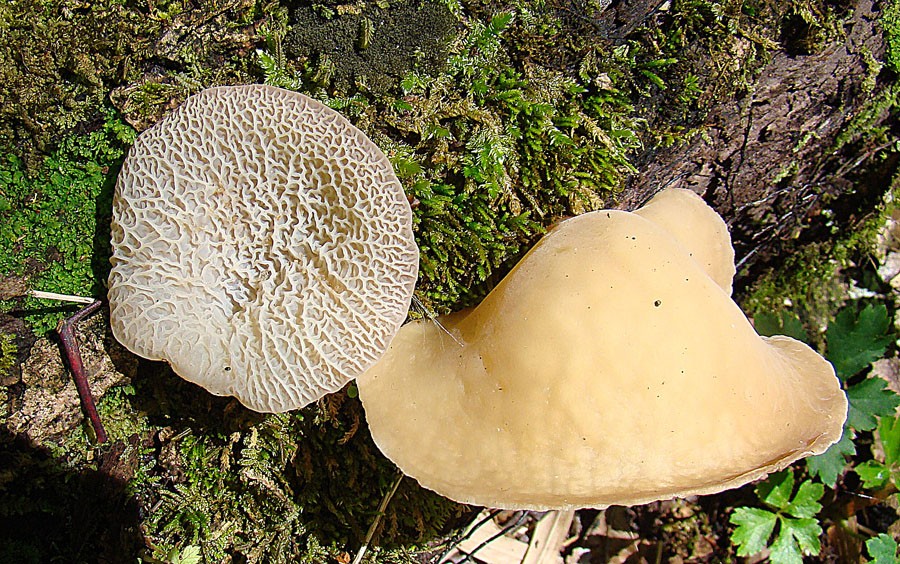
1. Jelly ear
Jelly ear was utilized by traditional Neotropical communities. Jelly ear is easily identified by the reticulate veining of its cap. It is a gelatinous fungus that has been discovered on the moss of living trees as well as fallen tree branches. It can obtain sustenance from organic matter that is in a state of decay.
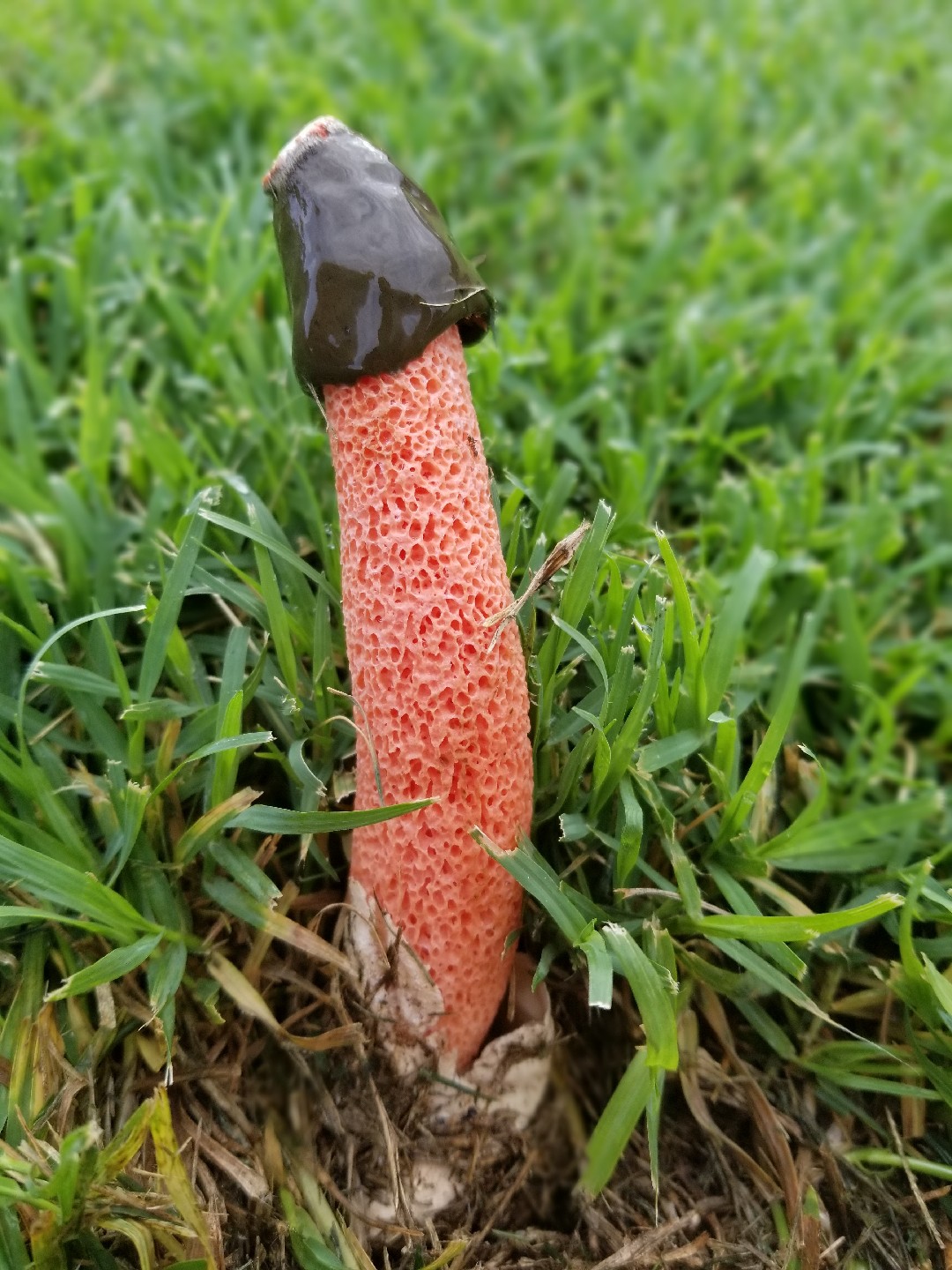
2. Devil's stinkhorn
The repugnant smell and odd shape of the devil's stinkhorn (Phallus rubicundus) create a memorable mushroom-hunting encounter. The elongated cap stretches down the stem like a hood, but chances are you'll smell this mushroom before you ever see it. Even one single fruitbody can emit a powerful odor, which has been compared to rotting flesh or roadkill.
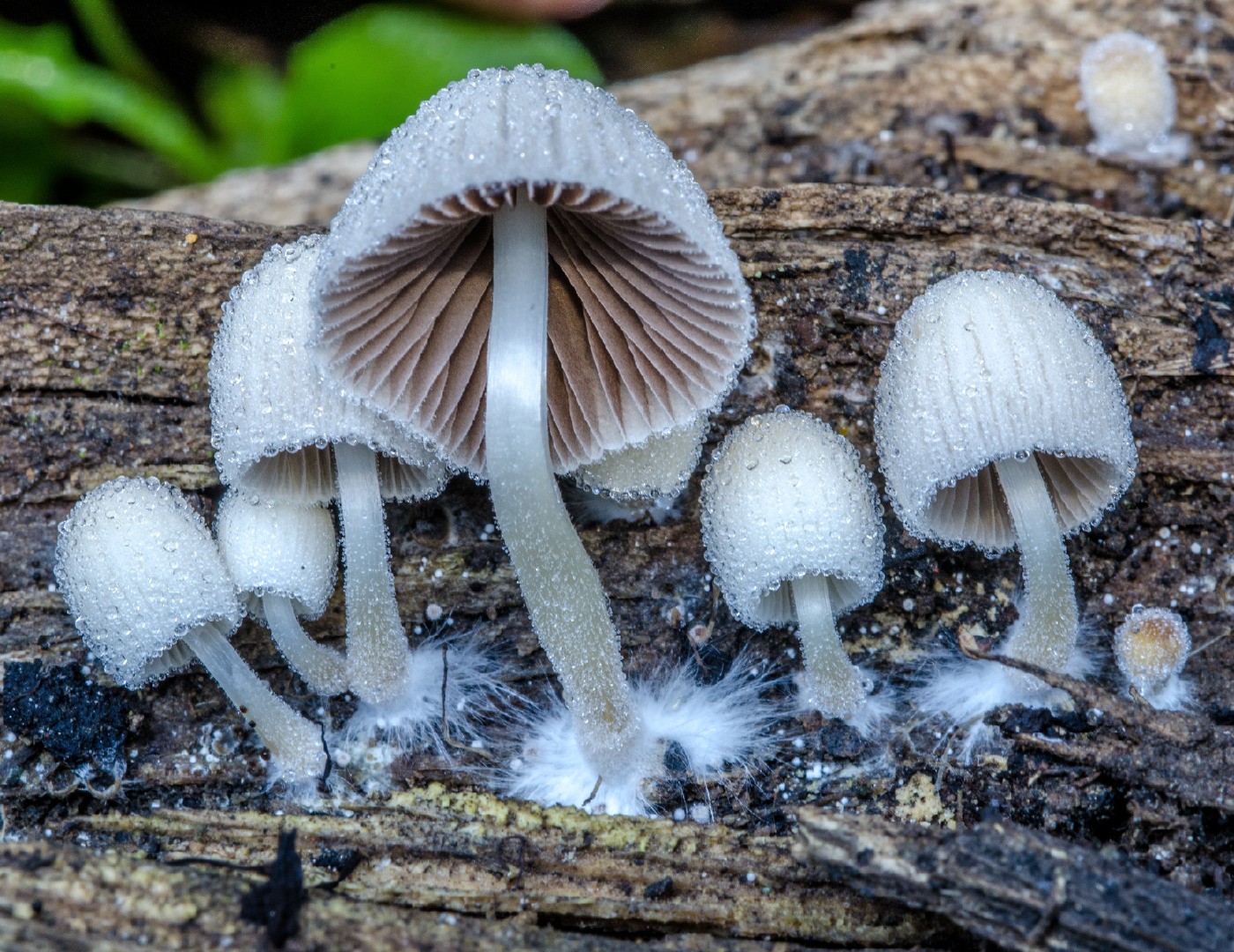
3. Fairy inkcap
The mushrooms of the fairy inkcap species have a tendency to congregate in large masses over dead tree stumps and decaying roots. They appear all around the world from early spring all the way to the first frosts, but each fruit only lasts a few days before turning black and distributing its spores.
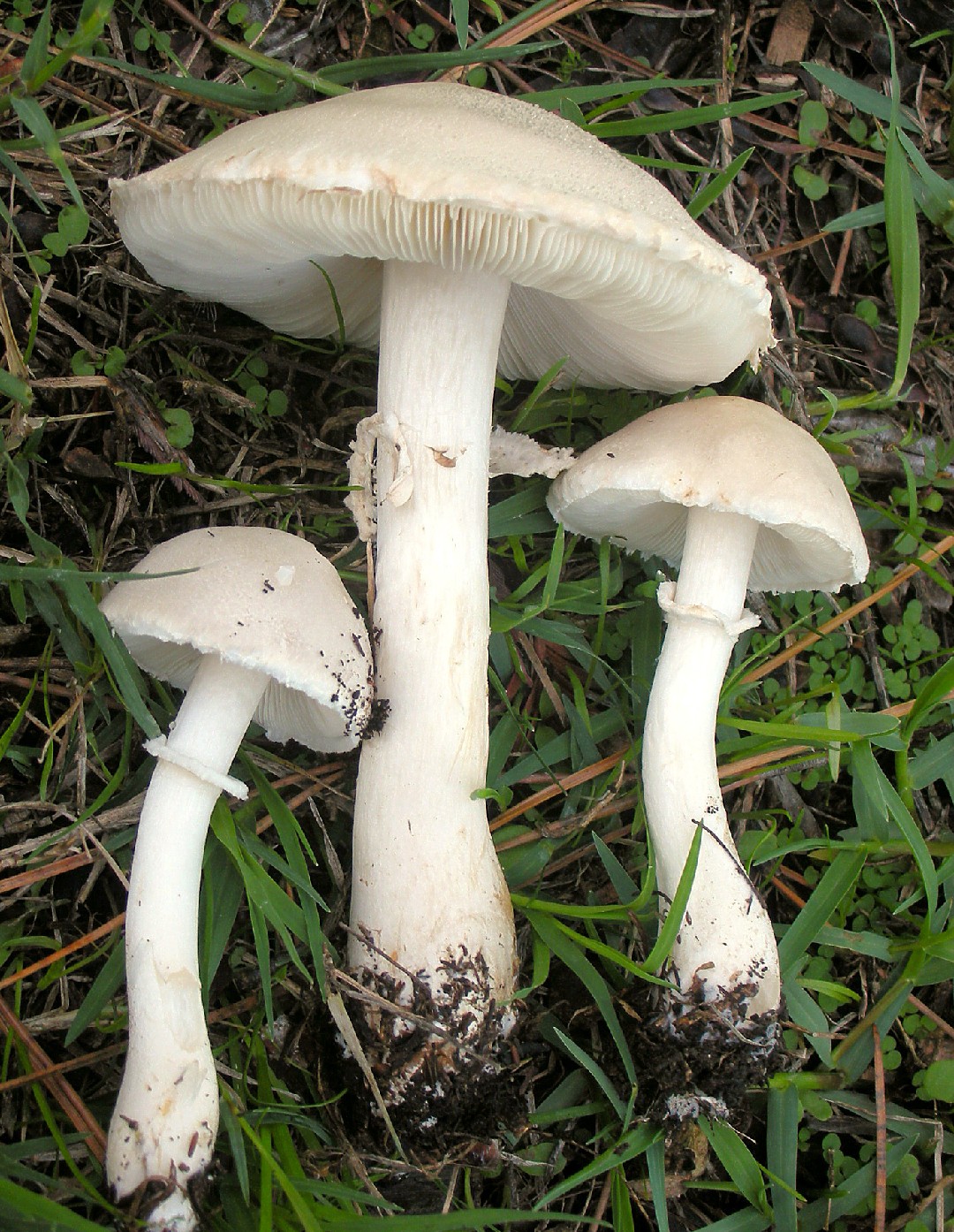
4. White dapperling
White dapperling mushrooms grow in scattered groups across open fields in the northern hemisphere. They can occasionally cause toxic reactions in humans, and their similarity to extremely poisonous lookalikes like Deathcap and Destroying Angel make them hazardous to handle.

5. Lentinus velutinus
6. Candlesnuff fungus
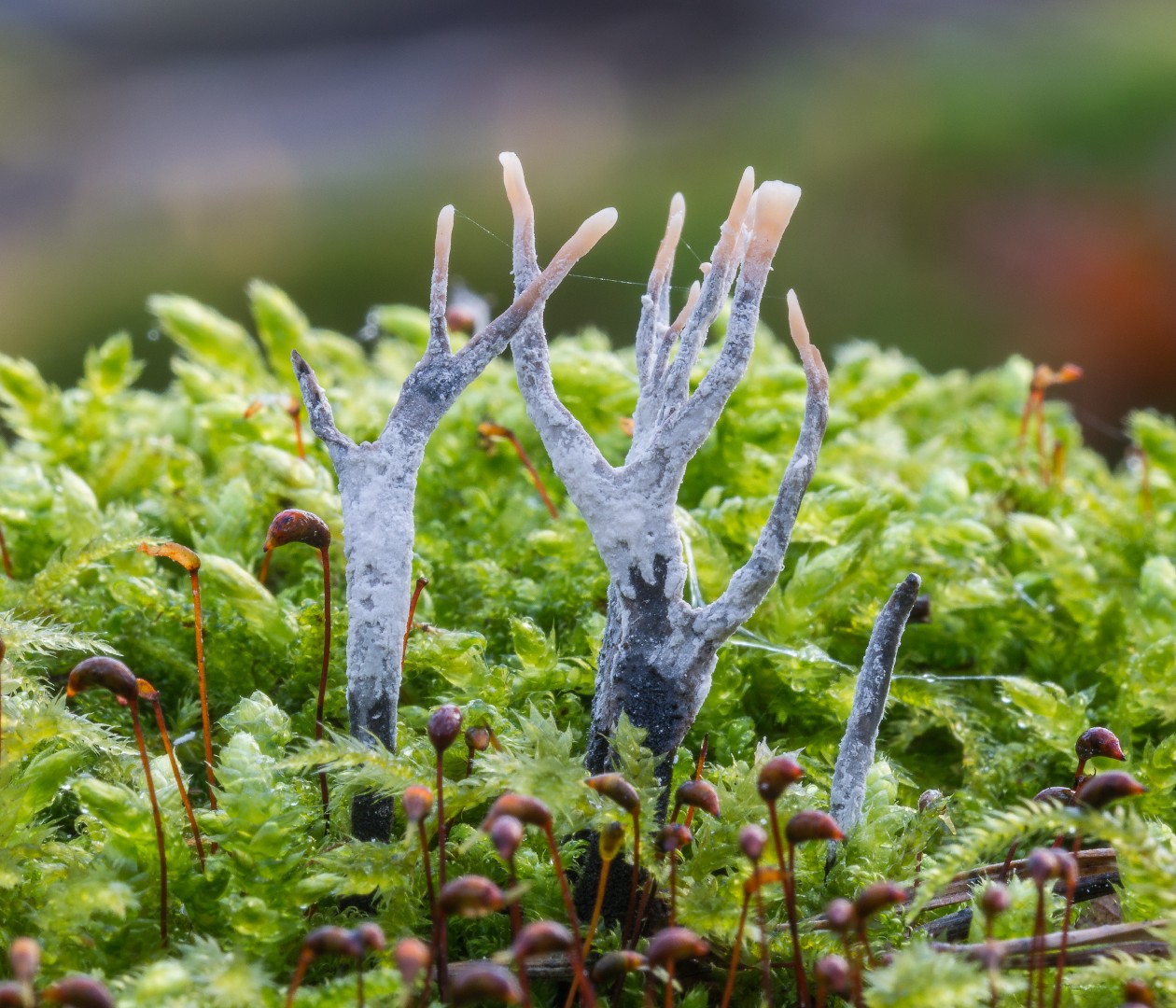
The bizarre shape of the candlesnuff fungus (Xylaria hypoxylon) is one that you'll never forget. Finger-like growths explode from decaying wood, and look more like stalagmites or antlers than they do mushrooms. The shaft is black at the base, fading dramatically to bright white at the tip.
7. Bridal veil stinkhorn
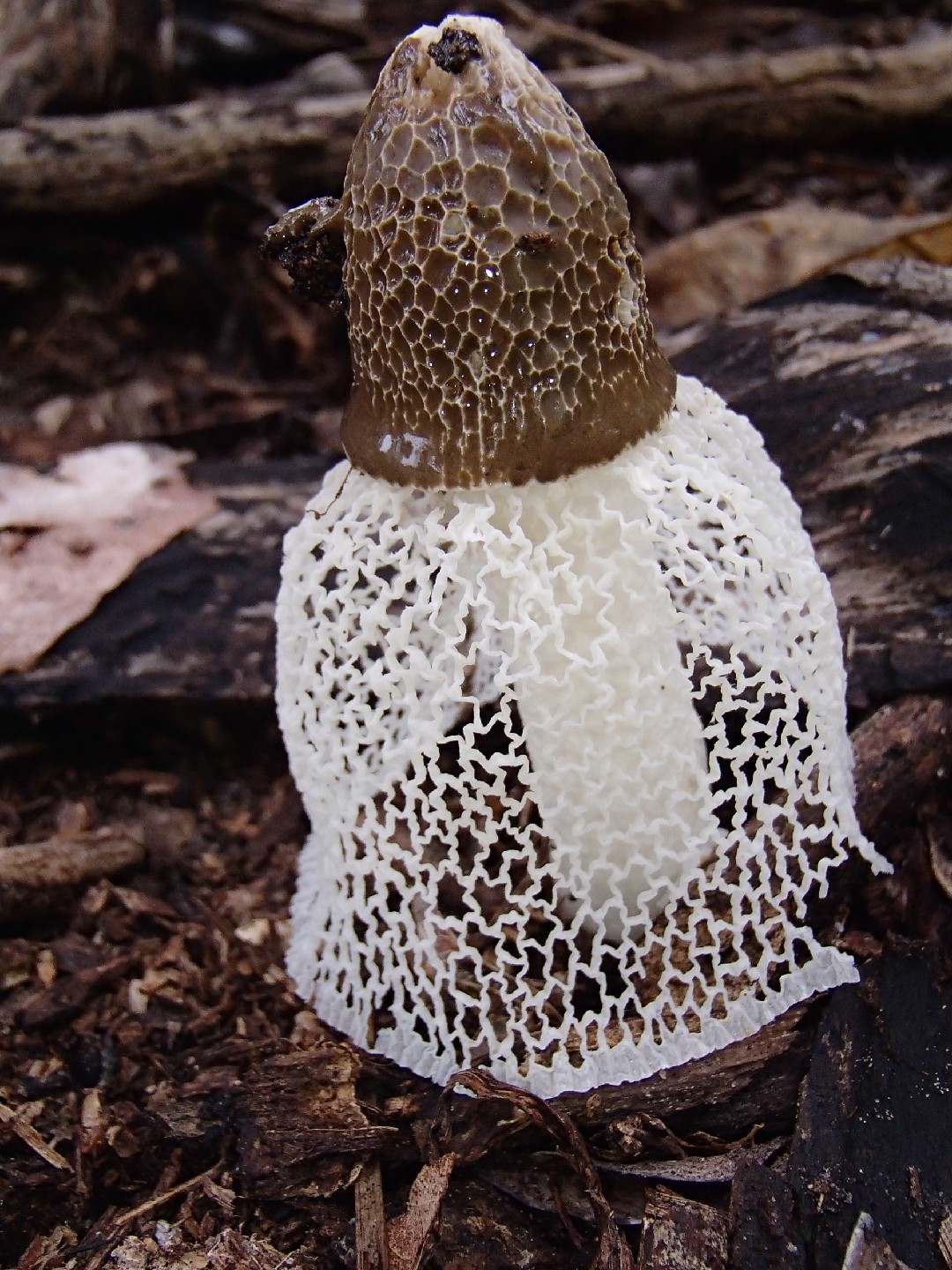
Bridal veil stinkhorn (Phallus indusiatus) can be found rising up from the ground in tropical forests around the world. A distinctive netted fringe “skirt” descends from the cap along the length of the stalk. A type of “stinkhorn,” the fruitbodies of this species produce scents that vary between sickly-sweet to just plain unpleasant. The odor is meant to attract insects that usually lay their eggs in carrion.
8. Tricholomopsis aurea
9. Split gill
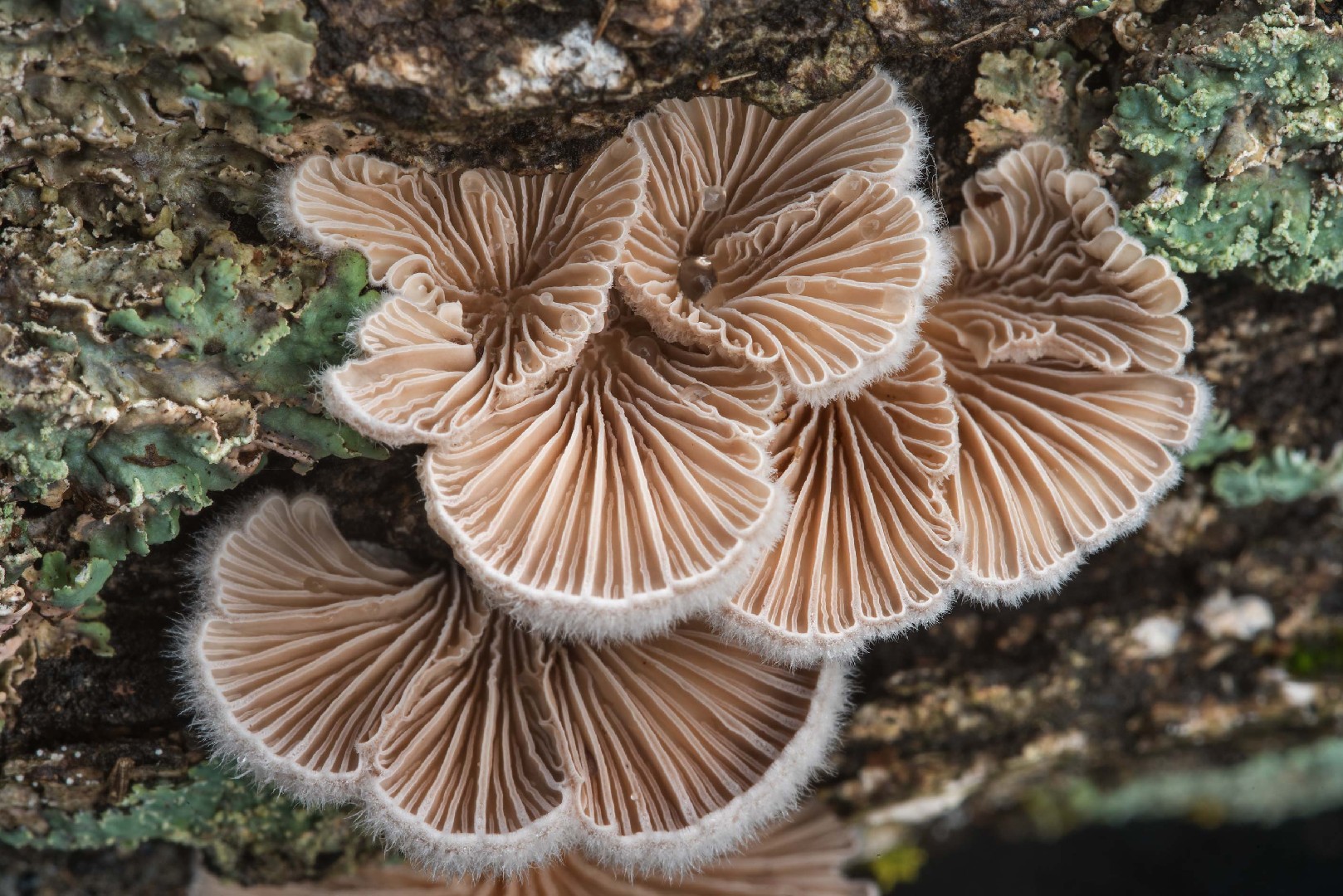
Split gill(Schizophyllum commune) can be found across the globe. Uniquely, it is the only mushroom species known to display the capability to retract by movement. It is considered inedible, although not necessarily toxic. Furthermore, it is not recommended to smell this species, as the spores are capable of sprouting and growing in nasal passages.







