




Top 20 Most Common Mushrooms in Plasencia
With its lush vegetation and diverse ecology, the city of Plasencia invites mycologists and mushroom enthusiasts alike. This city is a veritable treasure trove for fungi lovers, adorned with rich habitats that nurture a plethora of mushroom species. This guide delves into 20 of the most frequently encountered mushrooms in Plasencia, highlighting their varied features and distinctive attributes. Join us as we unearth Plasencia's fungal richness, offering insights into nature's most magnificent wonders.

Most Common Mushrooms
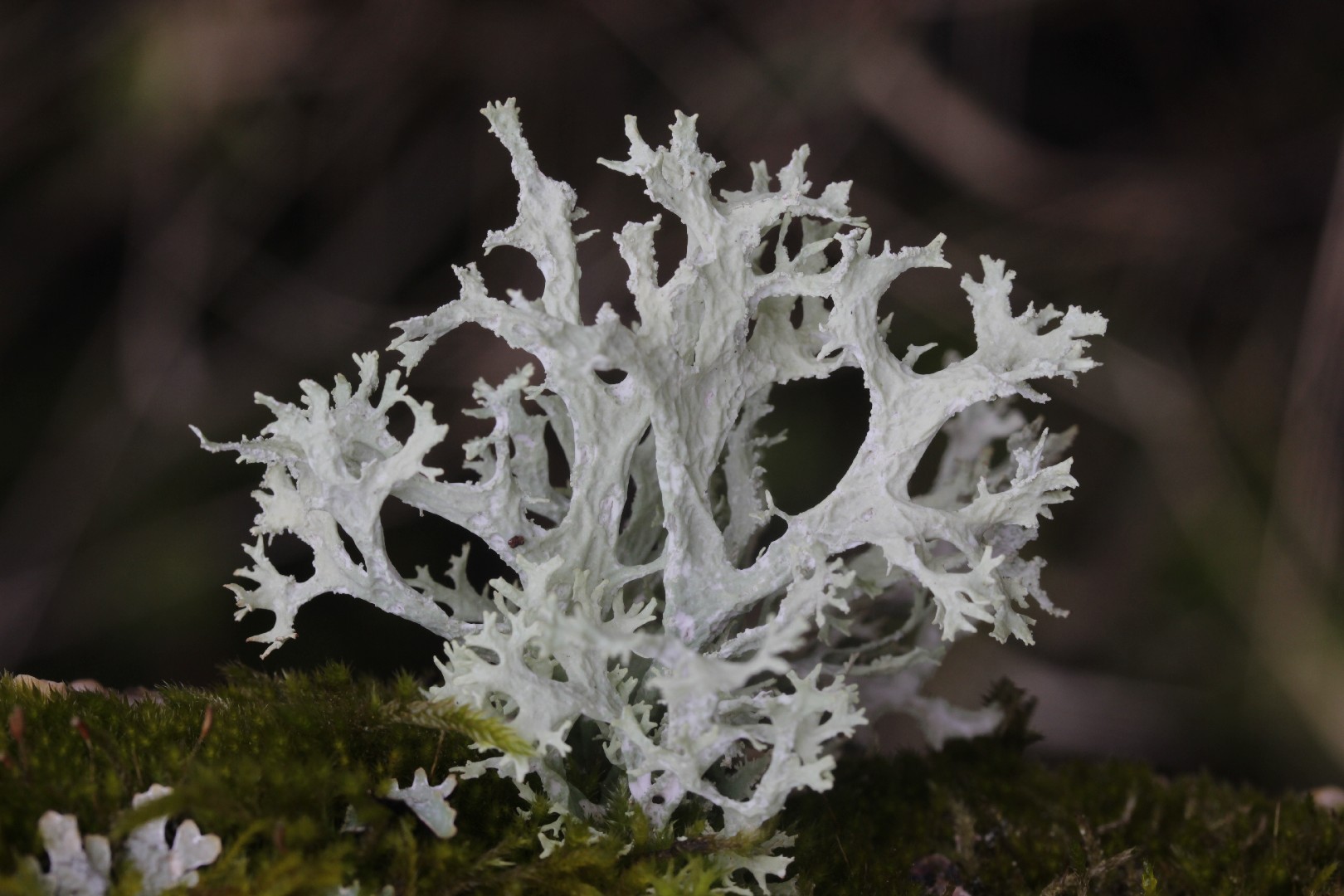
1. Oakmoss
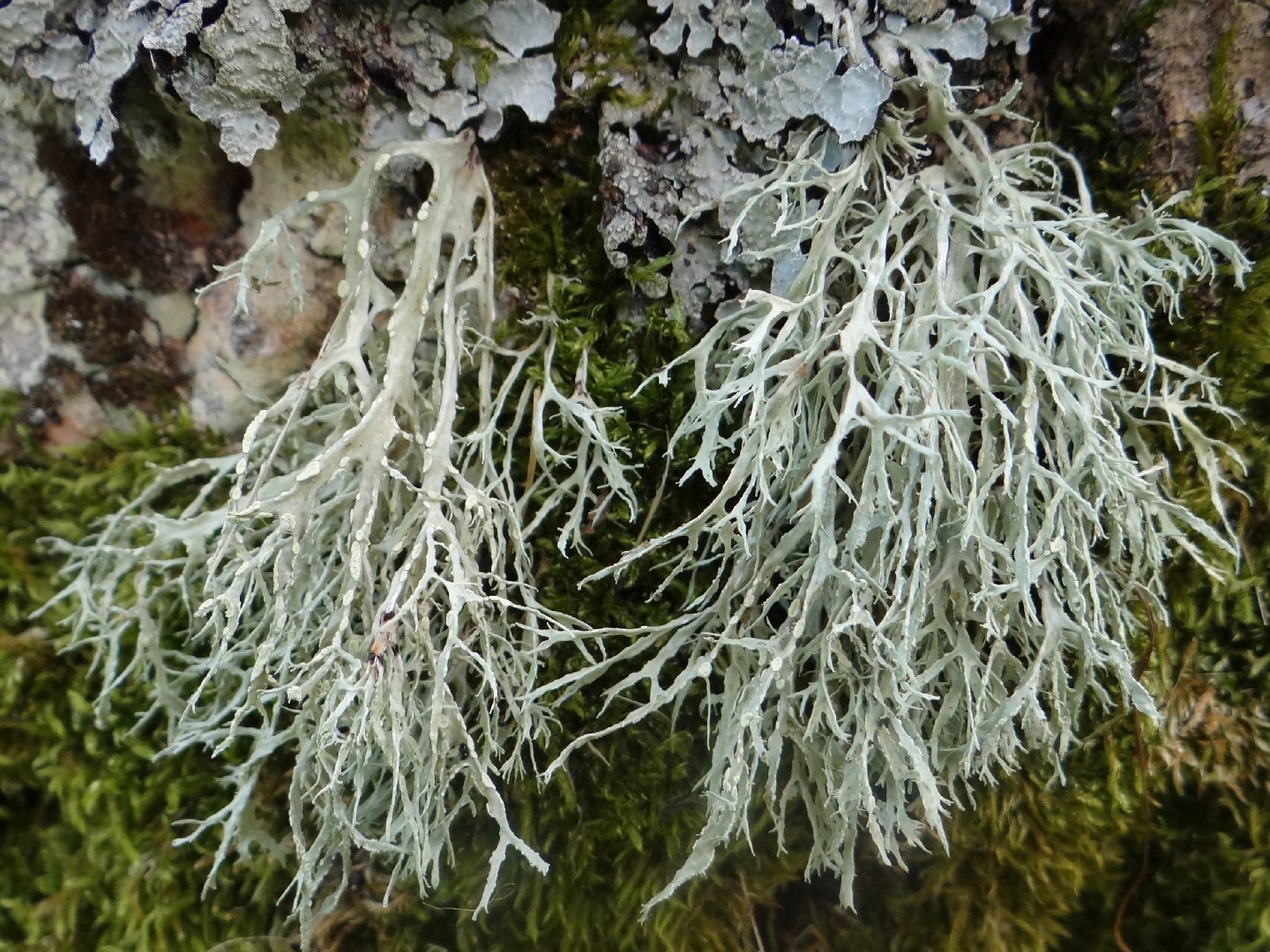
Evernia prunastri grows shrubby on trees. The yellow-green lichen grows up to 10 cm. It consists of up to five millimeters wide shrubby branched bands with a light underside. At the edges of these open dusty (Sorale). Apothecias (with shiny brown disc) are rarely formed.
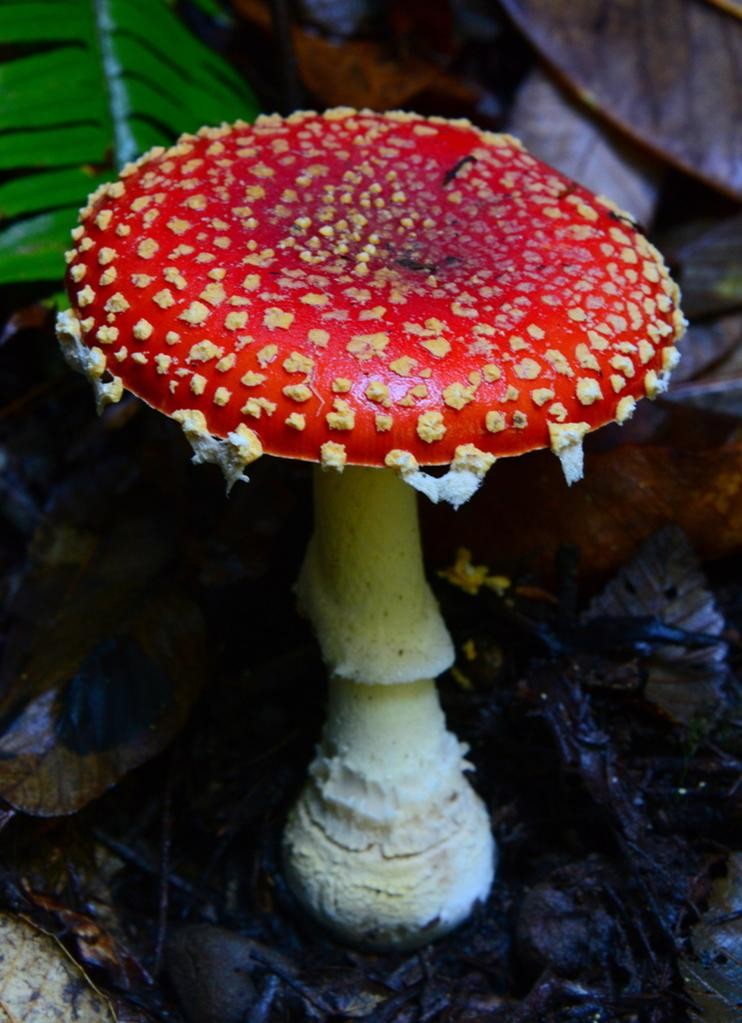
2. Fly agaric
In Northern Asia and Europe, fly agaric grows under trees near the winter solstice and is collected for ritual use tied to the season. Its characteristic shape and coloring are still ubiquitous in many European fairy tale illustrations and Christmas traditions. It is highly toxic.
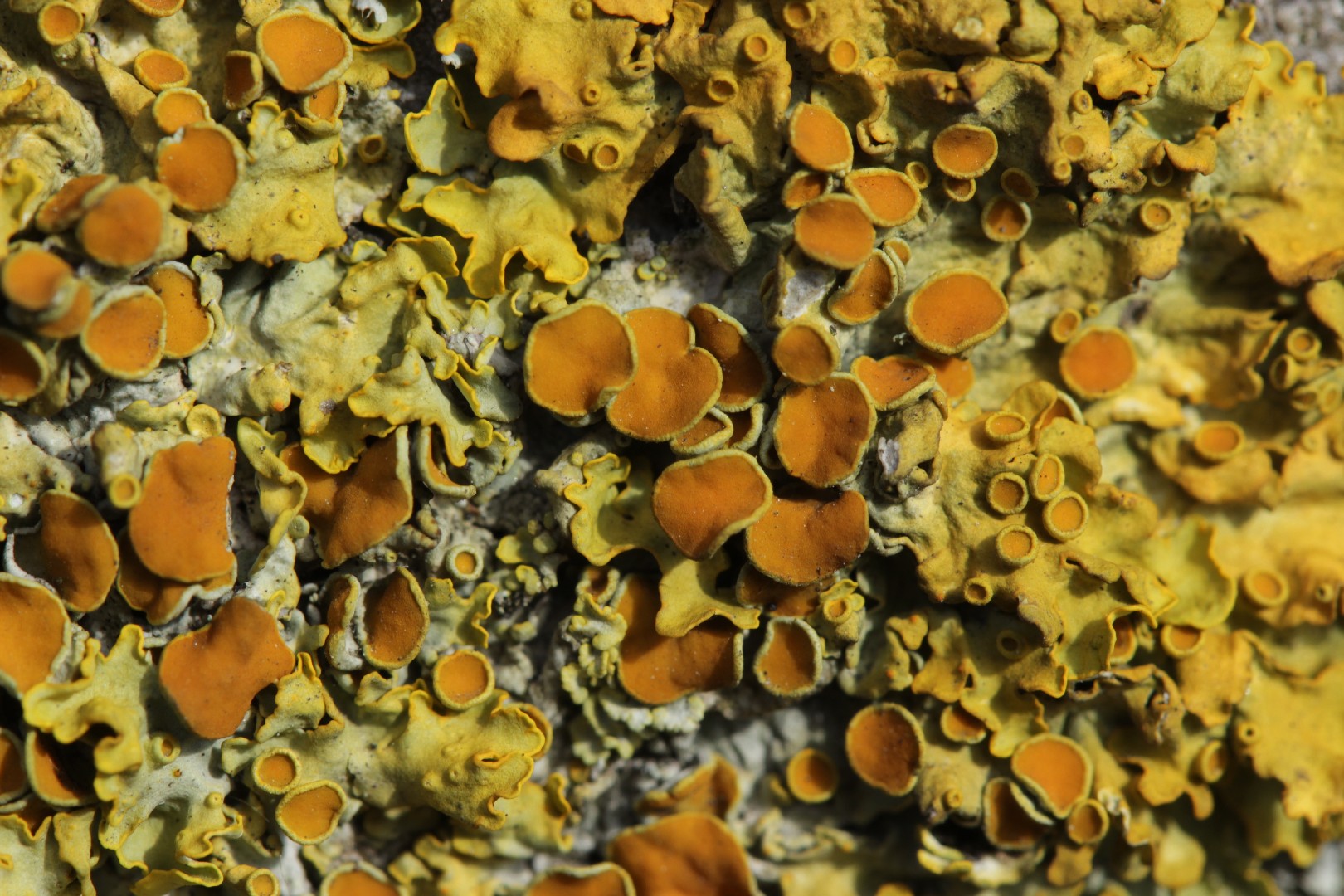
3. Common orange lichen
Common orange lichen was selected in 2006 by the United States Department of Energy as a model for genomic sequencing. Its widespread dispersal and bright yellow-orange color give the lichen its common name. It is primarily found growing on rocks, walls, and tree bark.
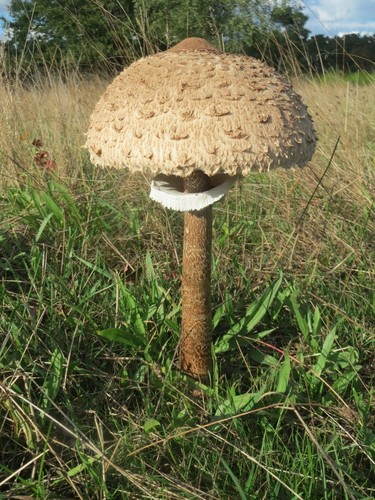
4. Parasol
Found in clearings and grassy areas in late summer, the wild parasol mushroom has a snakeskin-patterned stem. The brown spots on its cap make it look a bit shaggy, but that name is reserved for its poisonous counterpart, the Shaggy Parasol (Chlorophyllum rhacodes). You can distinguish the two by the stems: the latter has a smooth stem and red flesh inside.
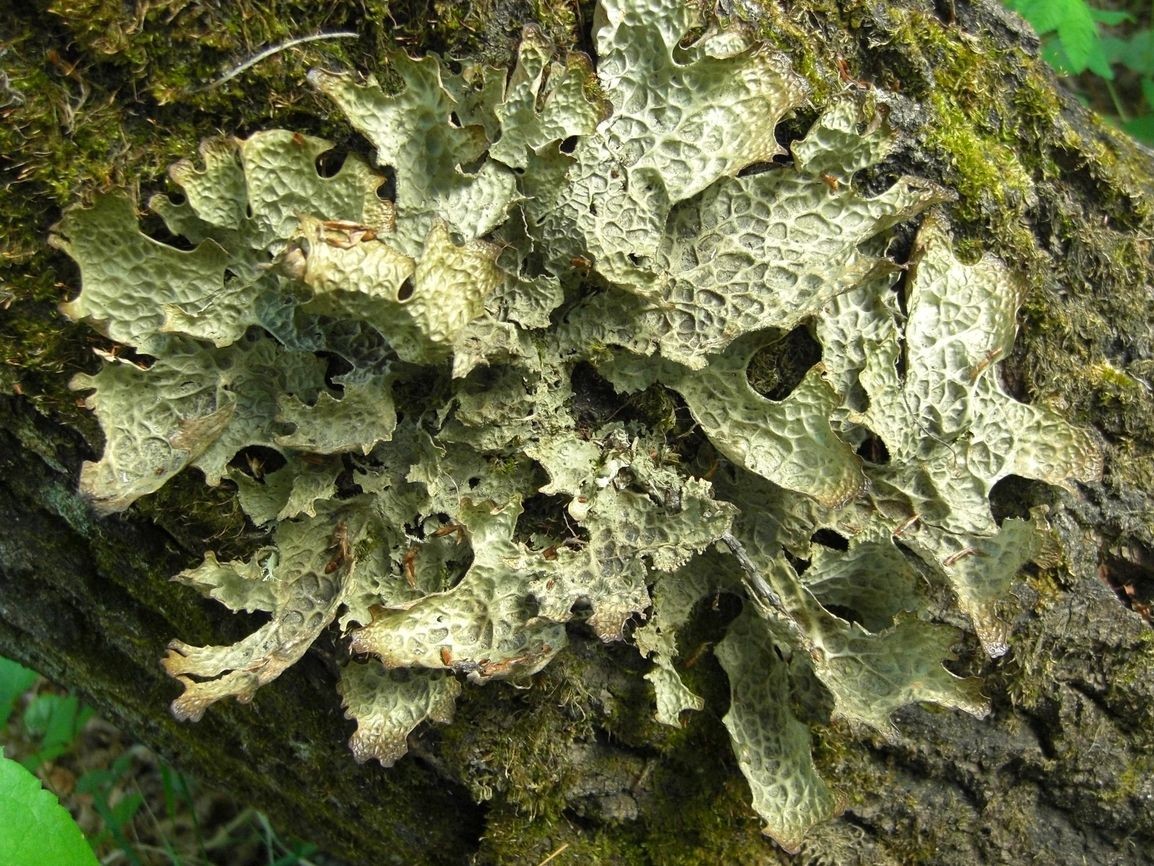
5. Tree lungwort
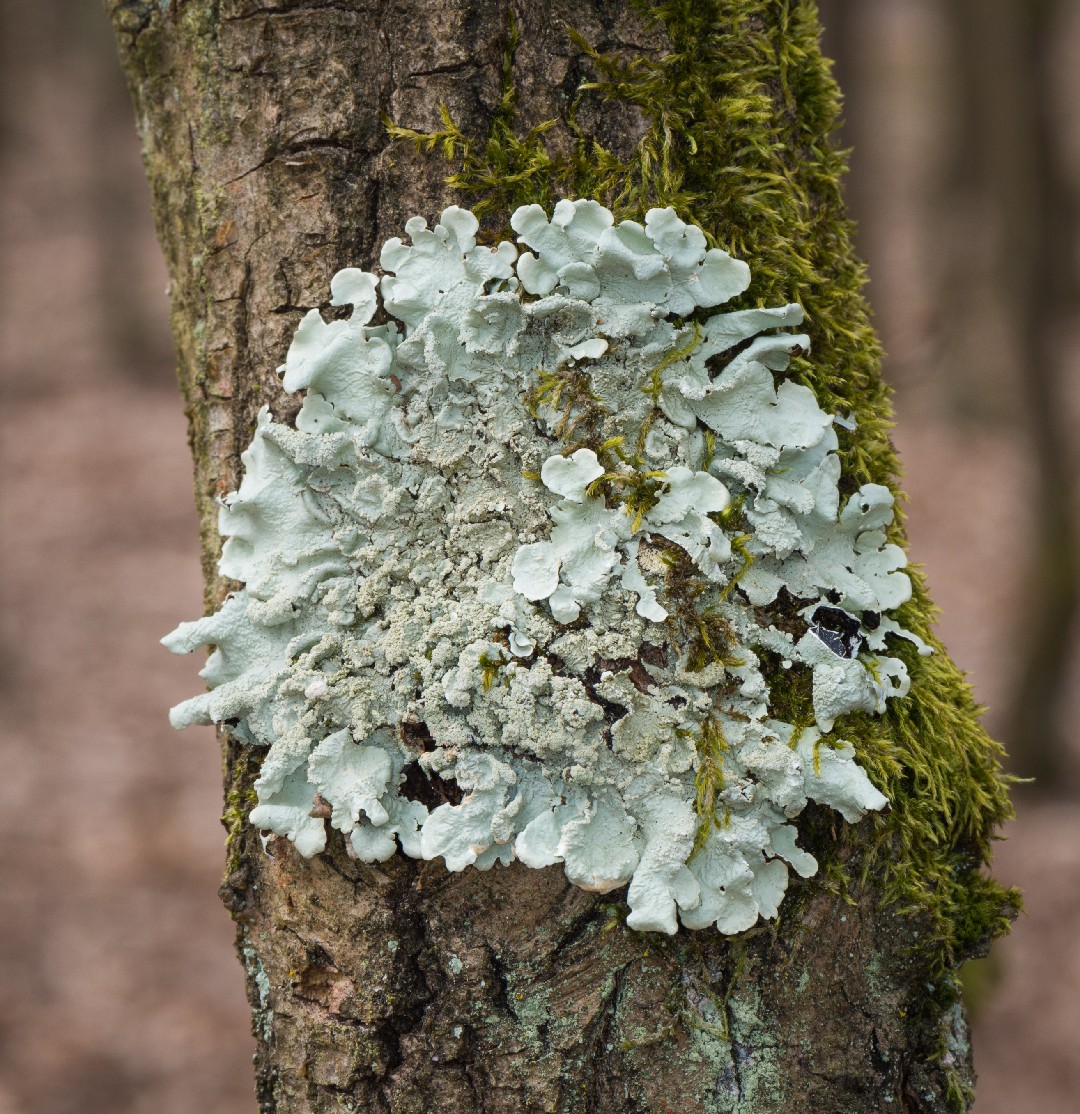
Tree lungwort is a green lichen that can be found in humid areas of North America, Europe, and Asia. It grows regularly on trees, rocks, and in urban areas rich with moss. It can be used as a dye. Animals may consume tree lungwort or use it as nesting material.
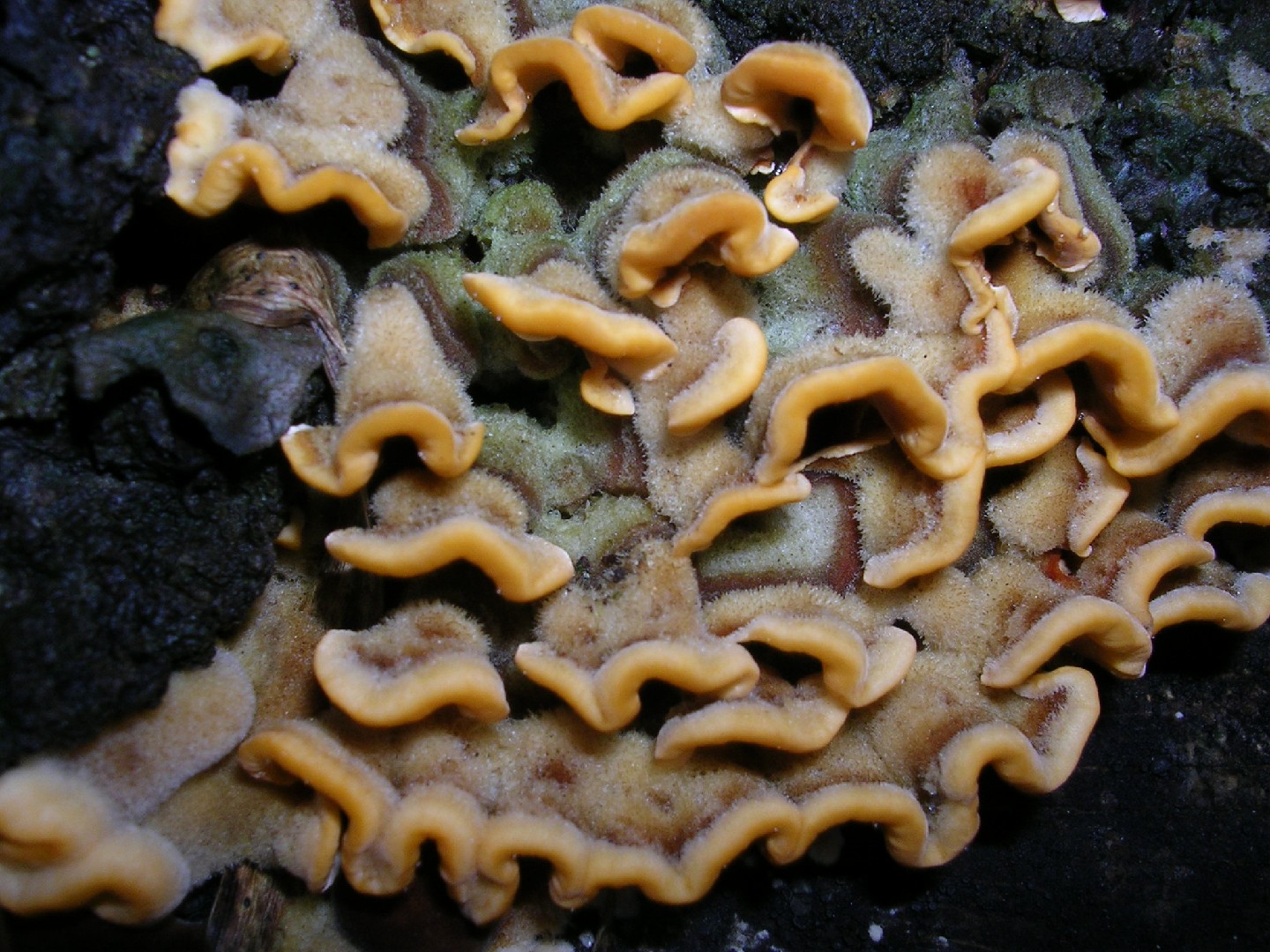
6. Hairy curtain crust
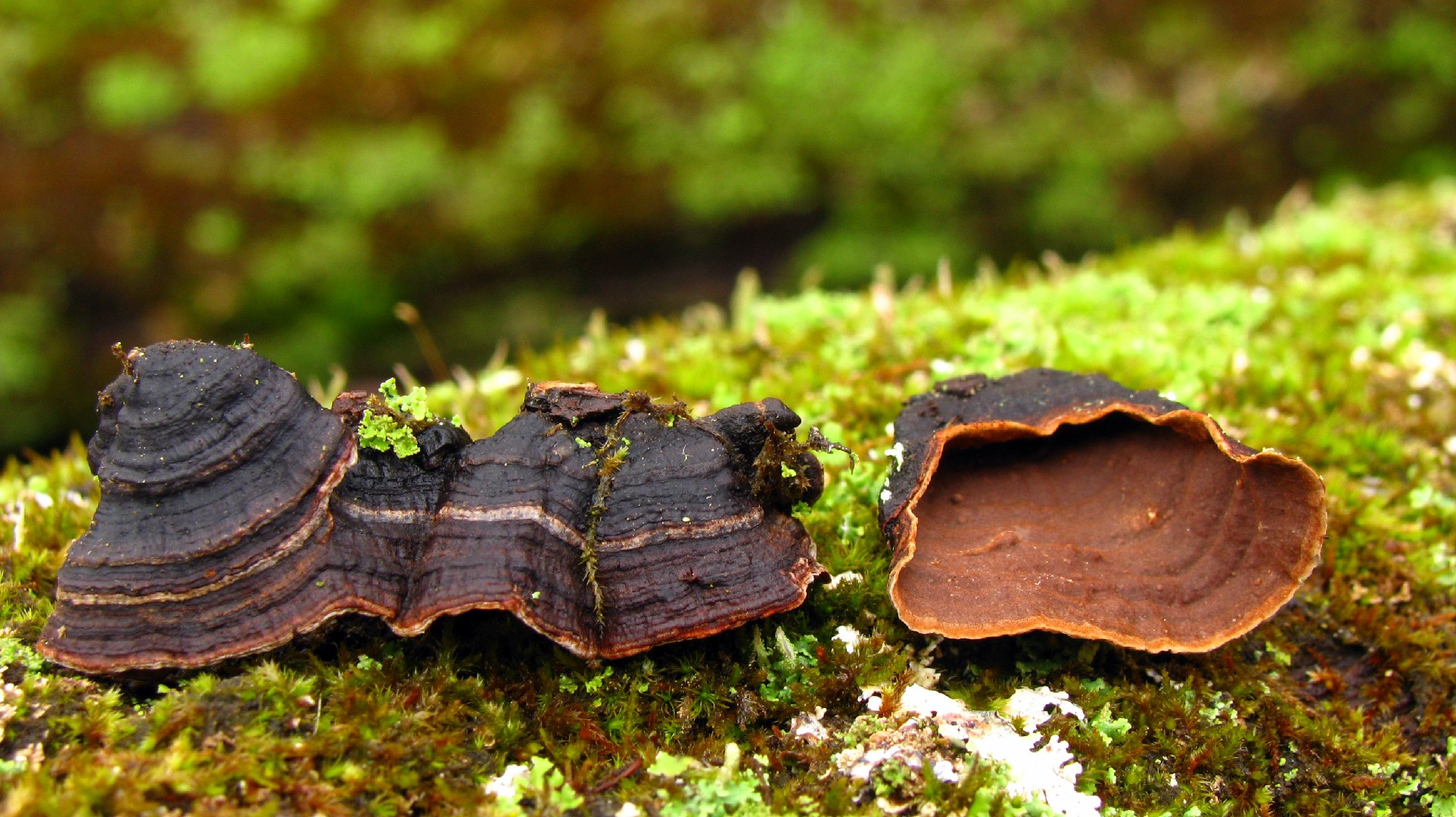
This clustered, overlapping fungus is found all over the world, and is considered native across both the northern and southern hemispheres. Both its common name, hairy curtain crust, and its scientific name, Stereum hirsutum, aptly describe its most obvious features: it is quite tough (stereum) and the younger fruitbodies are notably hairy (hirsutum).
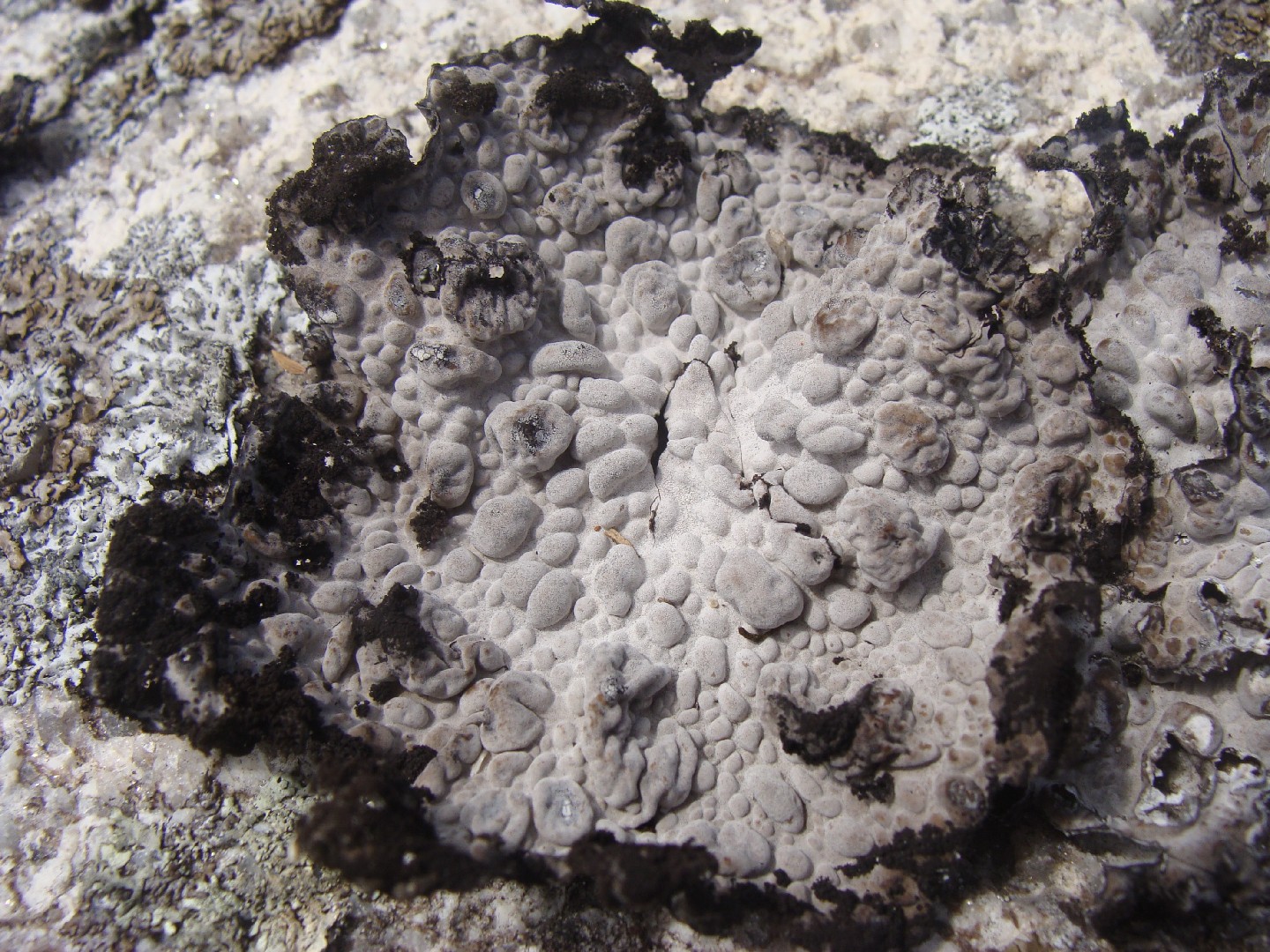
7. Blistered navel lichen
The foliose and umbilical thallus (attached by a single central crampon, the umbilicus), 3-6 (15) cm in diameter, is gray-brown to blackish-brown in dry weather, olive-green when it rained. Its upper surface is covered with convex pustules and bunches of brown-black coral isidia, the central part being covered with a white bloom. The pustules corresponding to propagules: the migration of these pustules from the center to the periphery gives rise to marginal isidies which ensure the vegetative reproduction of the thallus.
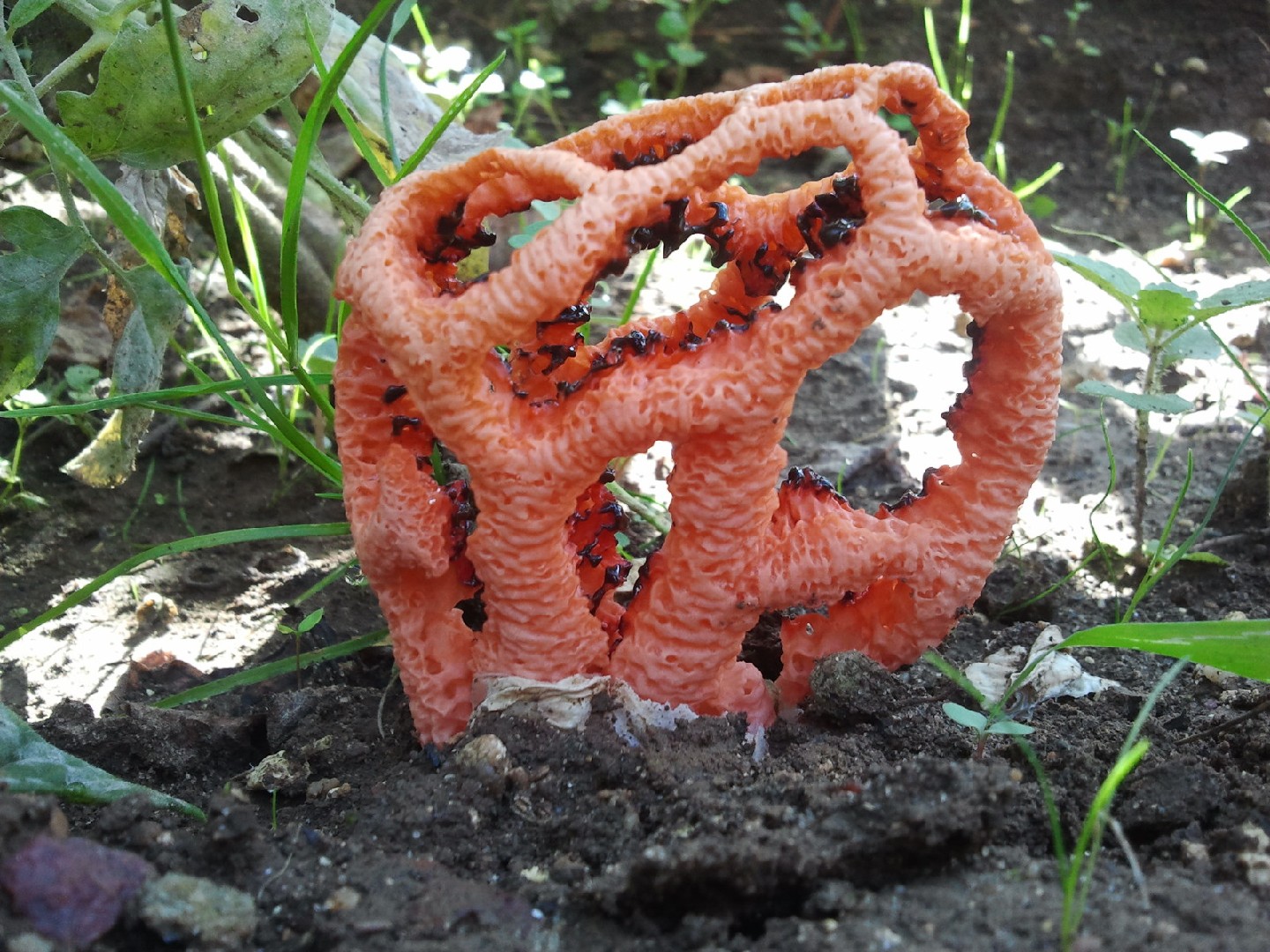
8. Red cage
The red cage is a highly distinctive mushroom with a wild shape, even for a stinkhorn. Its fruitbody grows as a hollow, latticed structure, usually red or pinkish in color, that gives it the appearance of a rubber or plastic children's toy. A true stinkhorn, this species secretes a pungent-smelling slime that attracts flies - but repels humans!
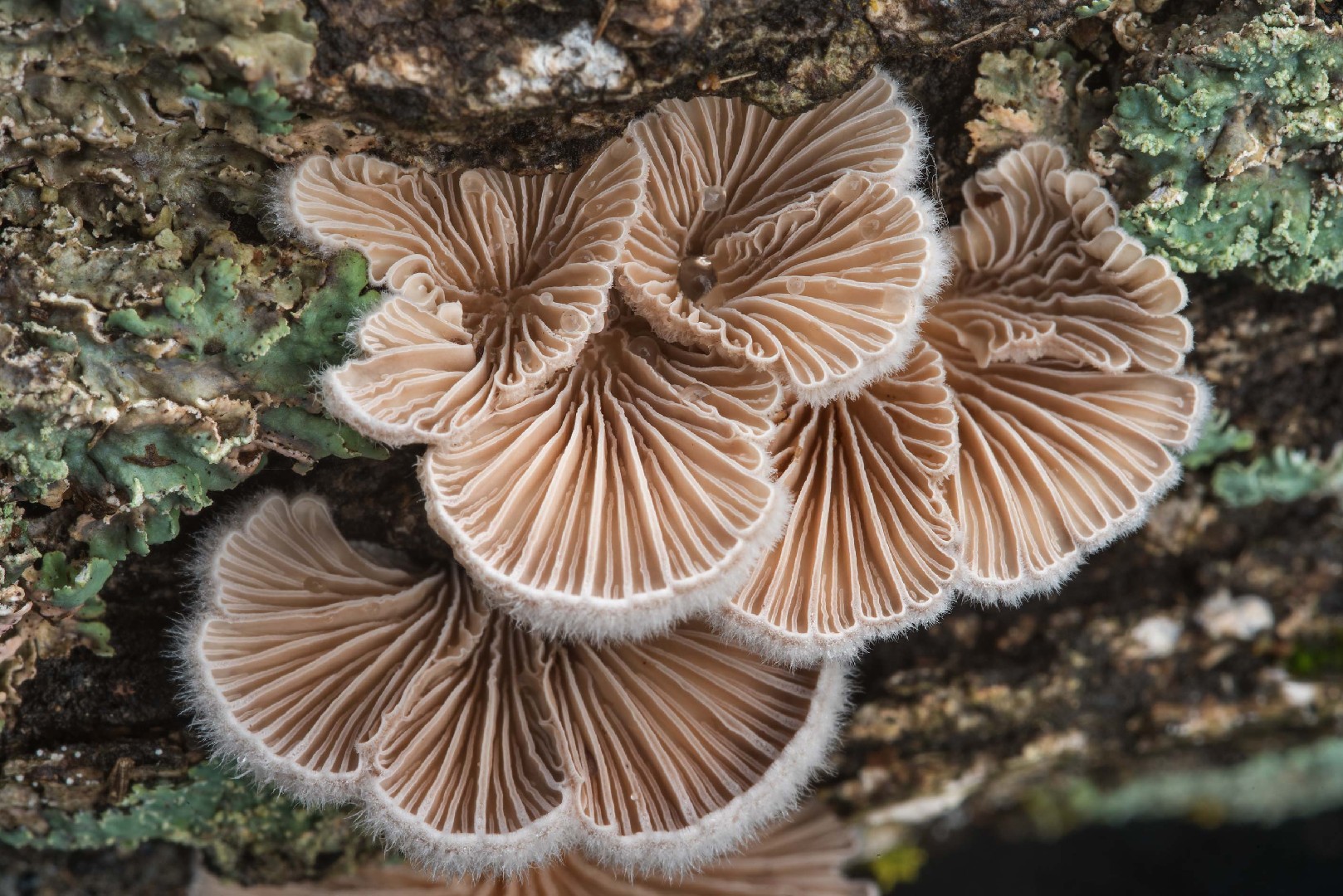
9. Split gill
Split gill(Schizophyllum commune) can be found across the globe. Uniquely, it is the only mushroom species known to display the capability to retract by movement. It is considered inedible, although not necessarily toxic. Furthermore, it is not recommended to smell this species, as the spores are capable of sprouting and growing in nasal passages.
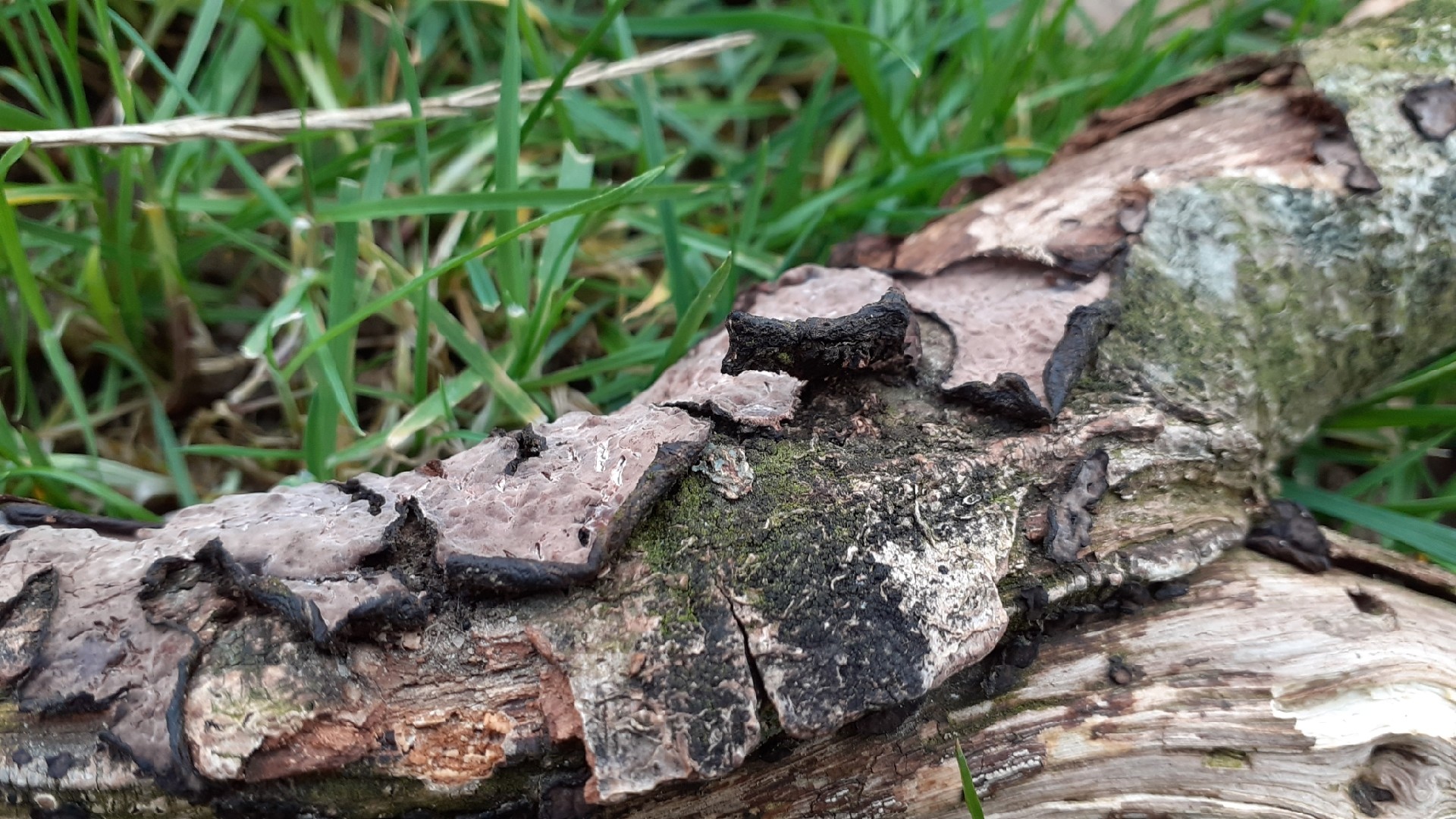
10. Oak crust
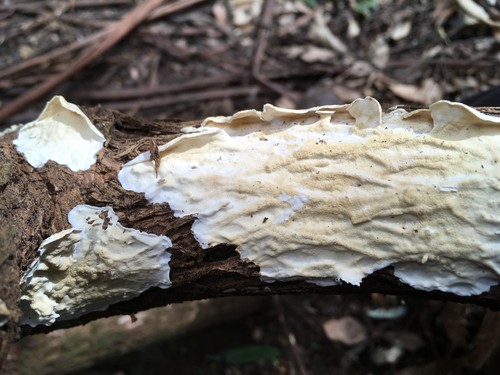
Peniophora quercina produces resupinate fruit bodies which vary in appearance depending on whether they are wet or dry. They are up to 0.5 mm (0.020 in) thick, and form irregular patches that sometimes measure several centimetres across. Initially, the species forms small, disc-shaped fruit bodies through holes in bark, but these expand and merge to form the irregular patches. When fresh, the surface is reminiscent of jelly or wax, and can be smooth or warty, varying in colour from a dull blue to lilac. Initially, they are firmly attached to the wood on which they are growing, but as they dry, the edges roll inwards and reveal the dark brown or black underside. The dry specimens have a crusty and slightly fissured surface, and, in colour, are a bright pink or grey, tinted with lilac. There is a relatively thick layer of gelatinous flesh. Apart from a brown layer close to the wood, the flesh is hyaline. The species has no distinctive odour or taste, and is inedible. 
More







