




Top 20 Most Common Mushrooms in Yuncos
Nestled amidst copious flora and fauna, Yuncos boasts an astounding variety of mushroom species thriving in its lush, dew-kissed woods. This region, renowned for its verdant landscapes and optimal edaphic conditions, lends the perfect habitat for an array of mushrooms, rendering Yuncos a mycologist's paradise. Our list presents the 20 most common mushroom varieties found in Yuncos, showcasing the rich fungal biodiversity synonymous with the region's rich natural heritage. Allow us to guide you through this fascinating world of fungi, deep through the heart of Yuncos!

Most Common Mushrooms
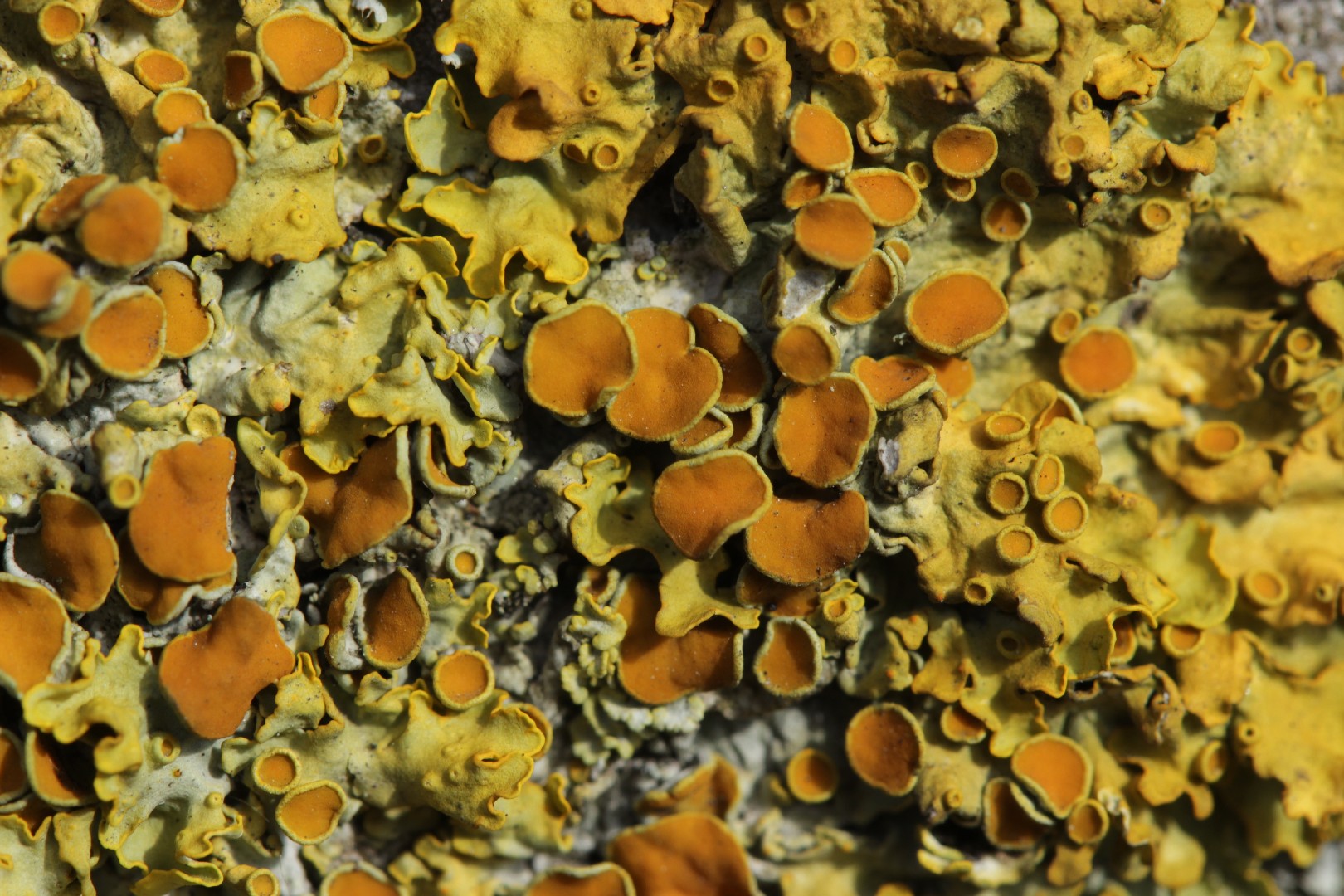
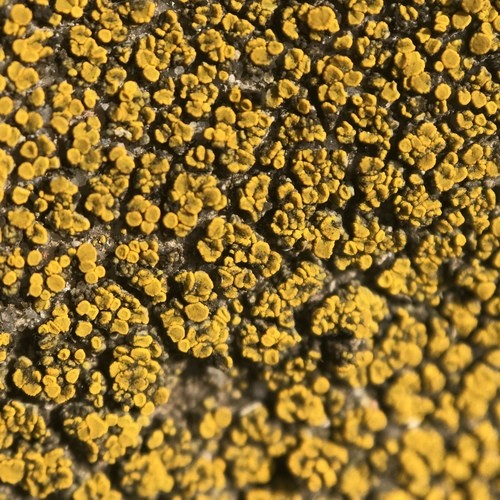
1. Common orange lichen
Common orange lichen was selected in 2006 by the United States Department of Energy as a model for genomic sequencing. Its widespread dispersal and bright yellow-orange color give the lichen its common name. It is primarily found growing on rocks, walls, and tree bark.
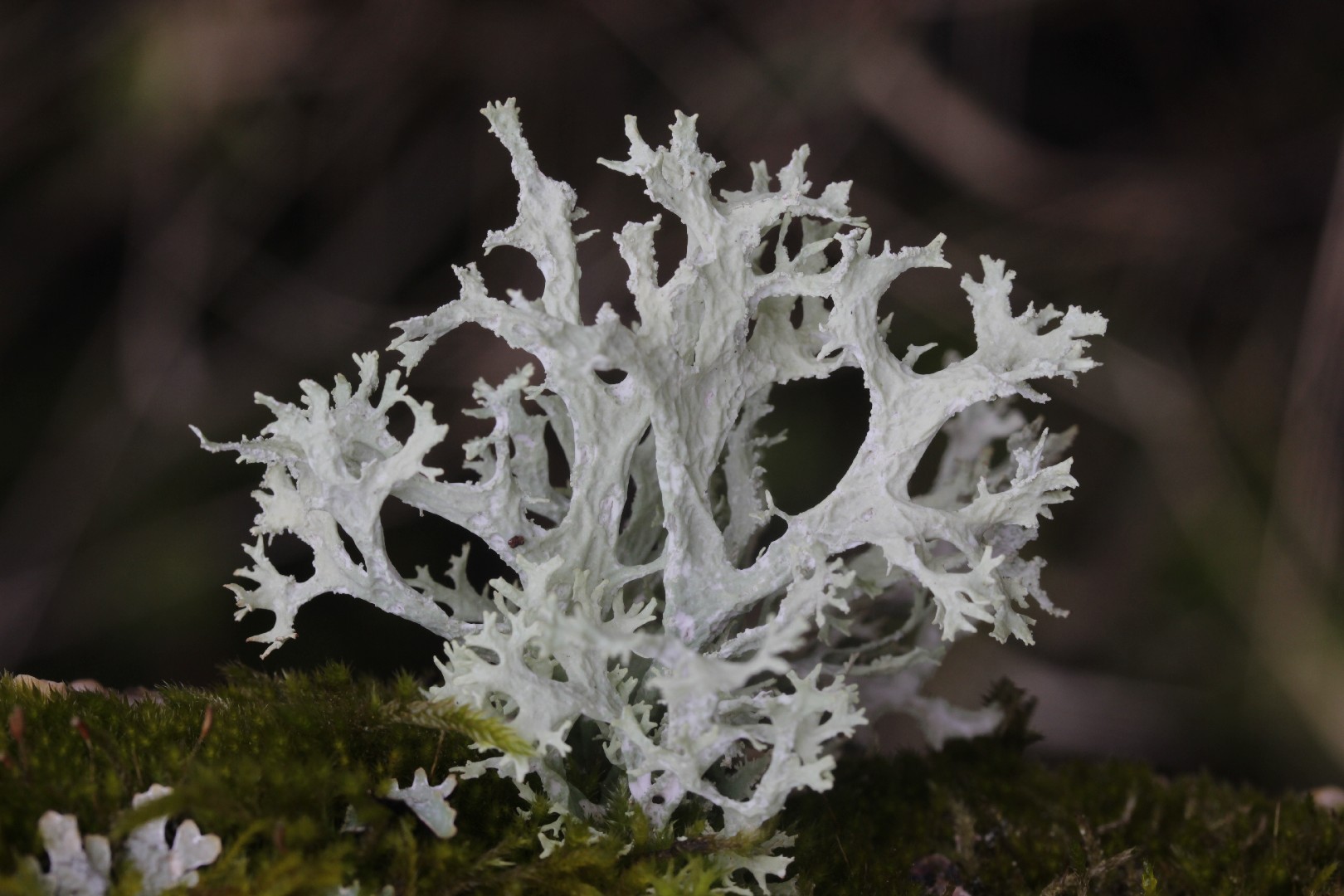
2. Oakmoss
Evernia prunastri grows shrubby on trees. The yellow-green lichen grows up to 10 cm. It consists of up to five millimeters wide shrubby branched bands with a light underside. At the edges of these open dusty (Sorale). Apothecias (with shiny brown disc) are rarely formed.
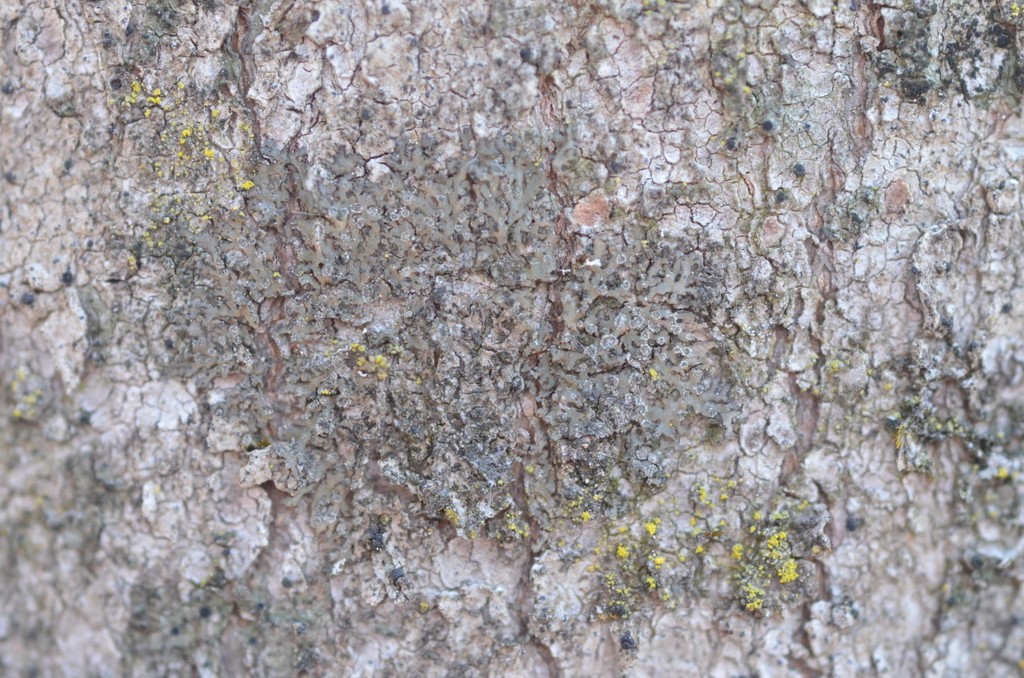
3. Grainy shadow-crust lichen
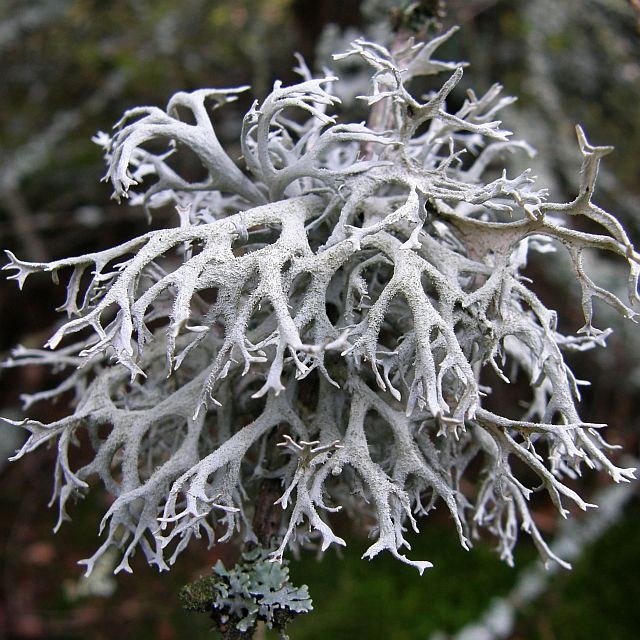
4. Tree moss
Pseudevernia furfuracea is associated with photobionts from the green algae genus Trebouxia. It reproduces asexually by isidia. The ontogeny of isidia development and its role in CO2 gas exchange in P. furfuracea has been investigated. The preferred growing surfaces for P. furfuracea are the so-called "nutrient poor" bark trees, including birch, pine and spruce. The species has two morphologically identical varieties that are distinguished by the secondary metabolites they produce: var. ceratea Zopf. produces olivetoric acid and other physodic acids, while var. furfuracea produces physodic but not olivetoric acid. Some authors (e.g., Hale 1968) have separated the chemotypes at the species level, designating the olivetoric acid-containing specimens as Pseudevernia olivetorina, but more recent literature separates them at the varietal level. 
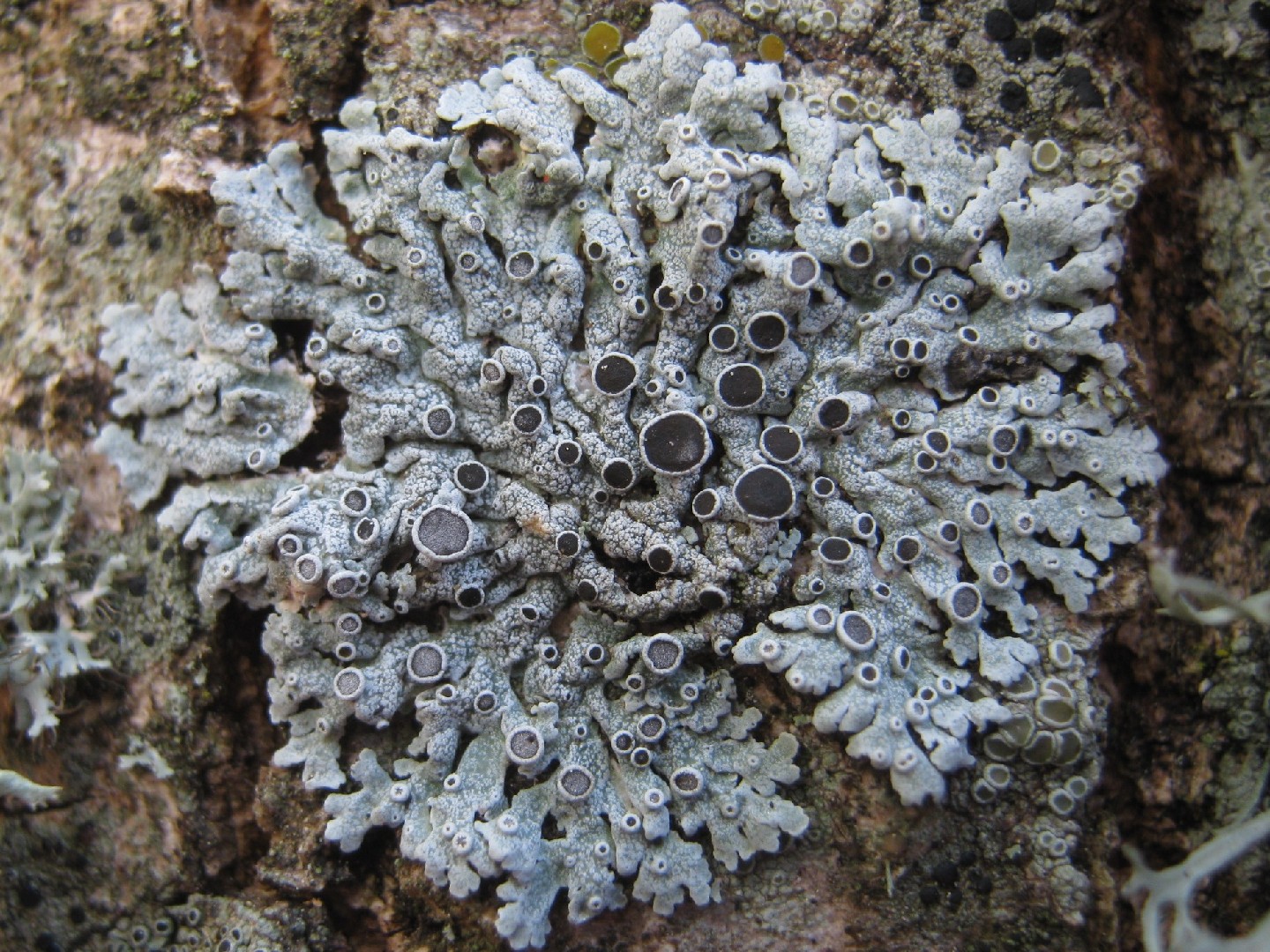
5. Hoary rosette lichen
The rosette bearing of Physcia aipolia is whitish to white-gray and reaches a maximum diameter of 6 cm. In contrast to the very similar Physcia stellaris, the camp is dotted white (especially when wet) and the marrow turns yellow with potassium hydroxide. The dark brown to black, mostly frosted Apothecia with thallusfarbenem edge occur frequently.
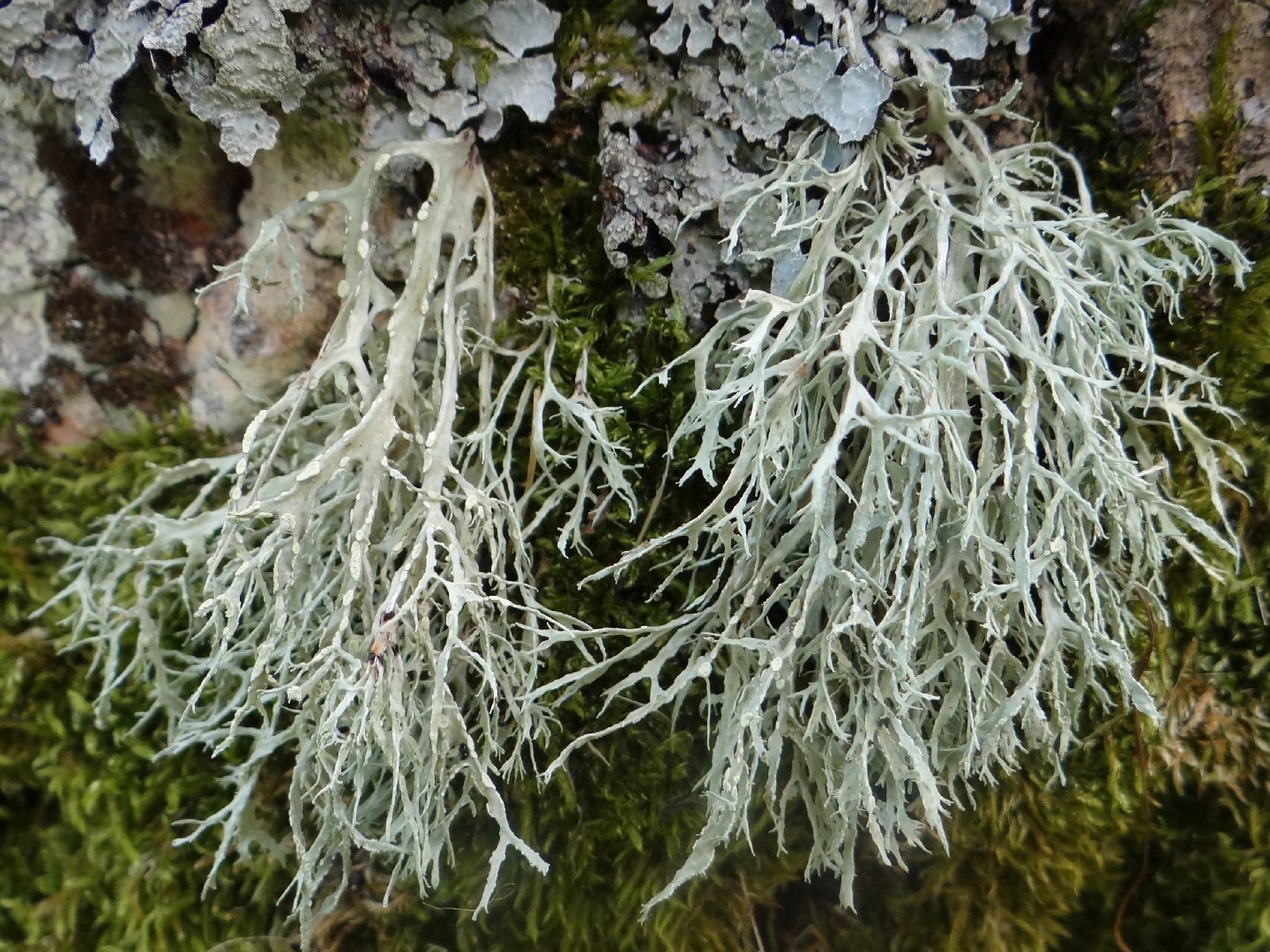
6. Farinose cartilage lichen
Farinose cartilage lichen has a bushy appearance and is easy to identify by its long, slender branches. The reproductive structures are often scattered on the fungi. The lichen thrives in warm moist, mixed forests, forming on second-growth trees and shrubs.
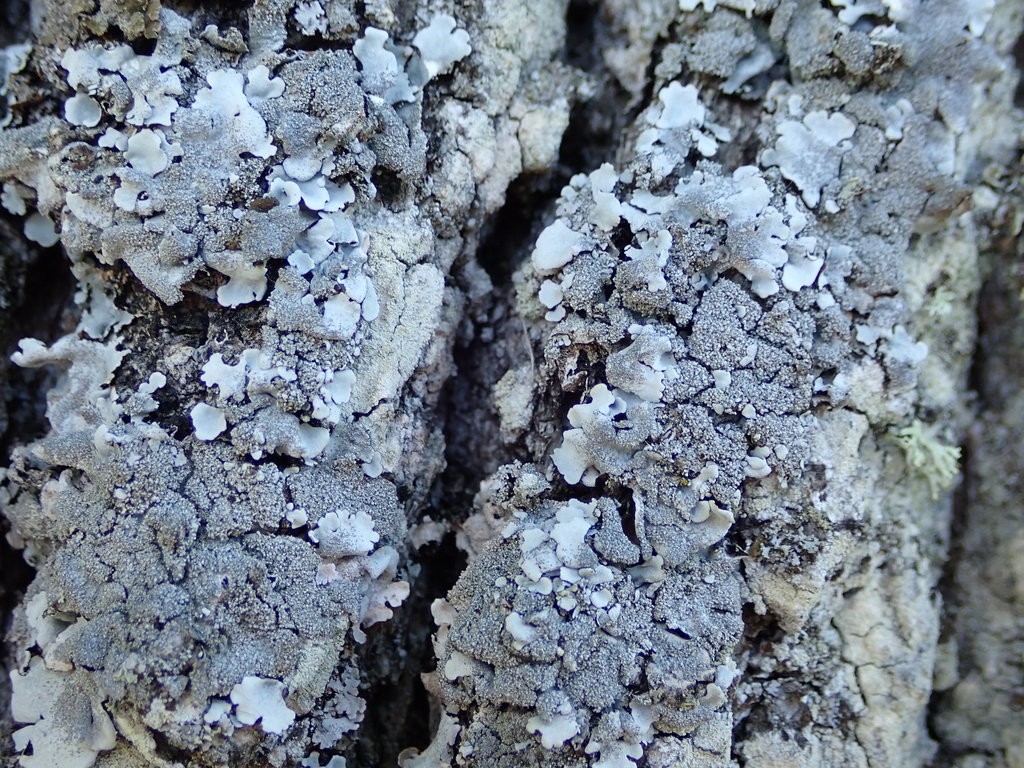
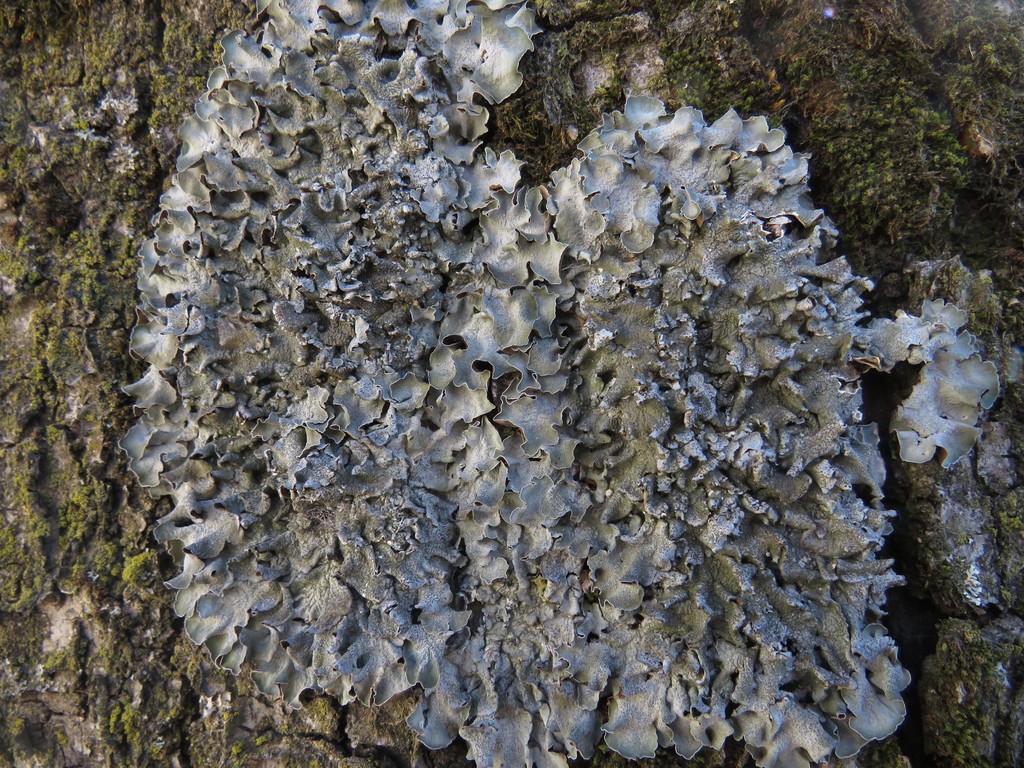
7. Parmelina tiliacea
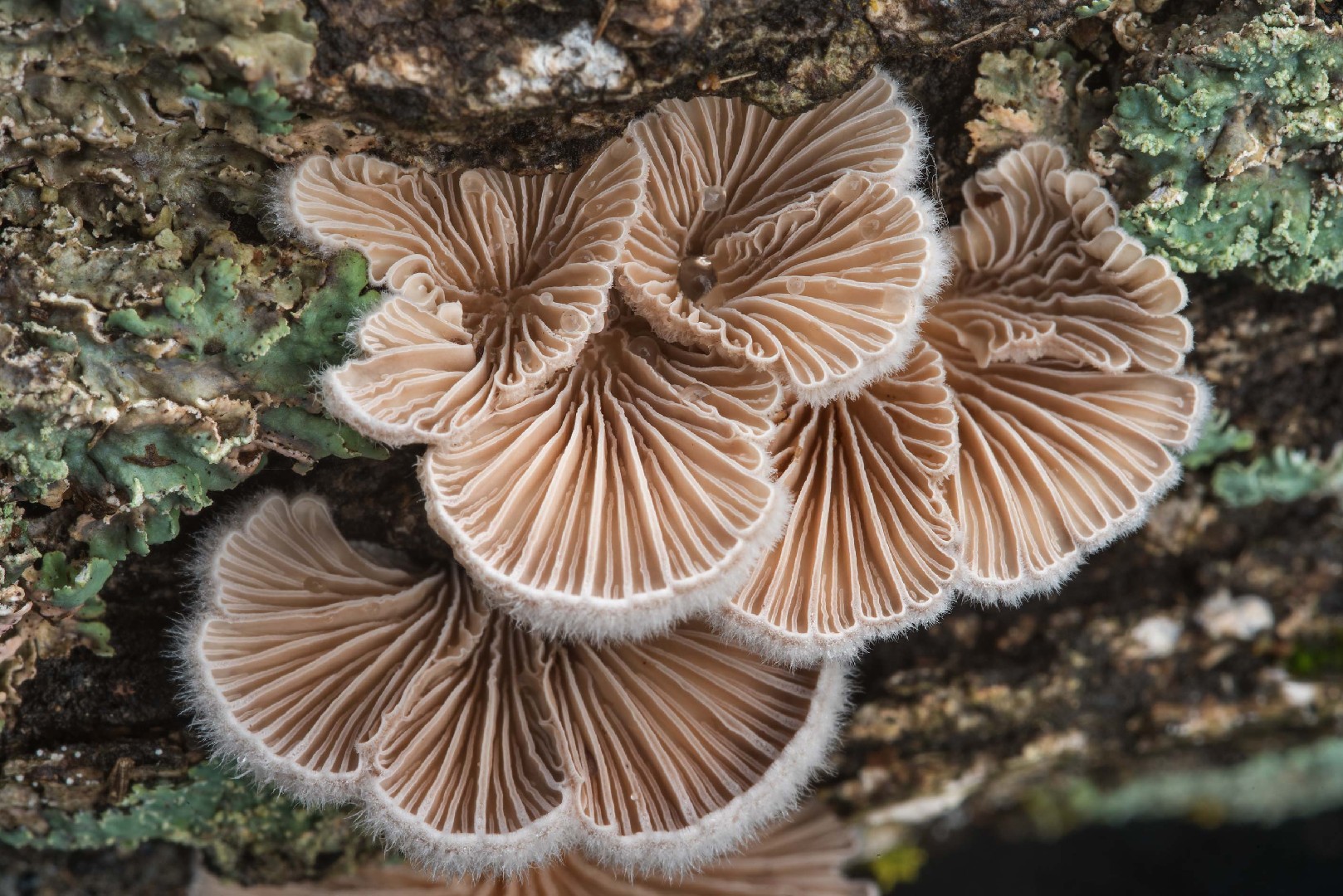
8. Split gill
Split gill(Schizophyllum commune) can be found across the globe. Uniquely, it is the only mushroom species known to display the capability to retract by movement. It is considered inedible, although not necessarily toxic. Furthermore, it is not recommended to smell this species, as the spores are capable of sprouting and growing in nasal passages.
9. Big sheath mushroom
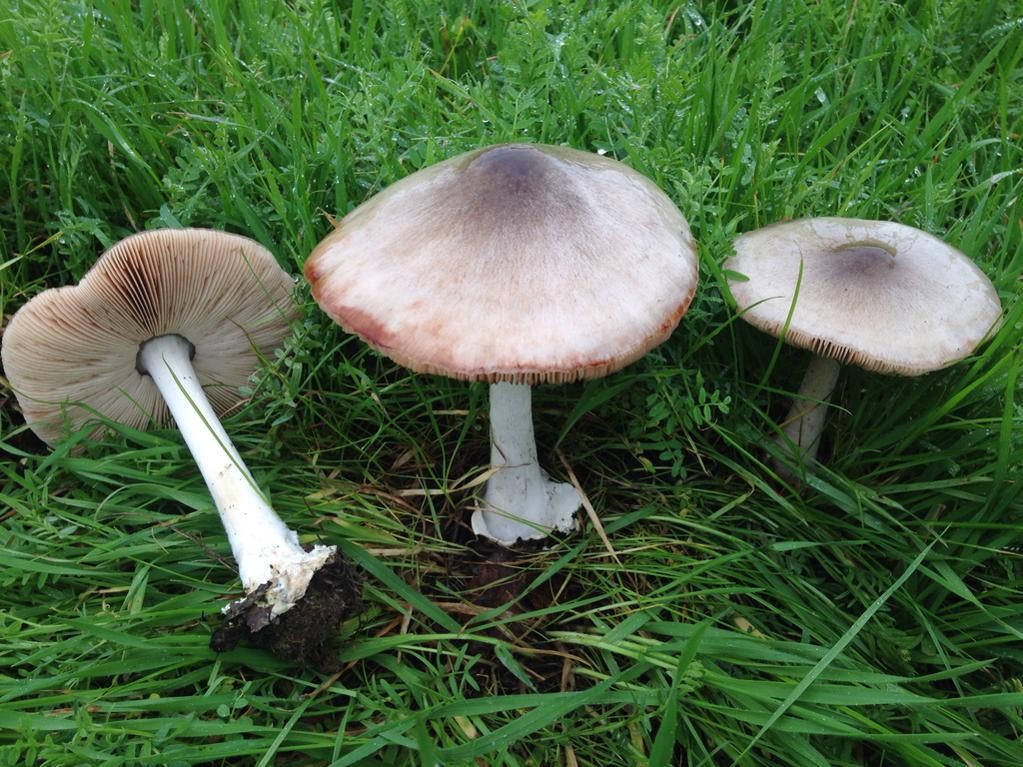
These large white mushrooms bloom all over cleared, harvested fields, as well as pastures and roadsides. The scientific species name comes from Greek words meaning “glue” (glioio) and “head” (cephalus), in reference to the sticky surface of this mushroom’s cap. The big sheath mushroom looks so similar to the poisonous Deathcap and Destroying Angel mushrooms that it should always be left alone.
10. Cladonia foliacea
More







