




Top 20 Most Common Mushrooms in Singapore
Dive deep into the vibrant world of mycology with our exploration into the top 20 most common mushrooms of Singapore. This tropical city-state, known for its high humidity, equatorial rainforests, and densely populated urban areas, offers a unique microcosmic universe for diverse and cosmopolitan mushroom species. Appreciate the richness and diversity in our detailed catalogue featuring a plethora of mushroom species, each thriving in Singapore's unique soil types and climate. Discover the enchanting, often overlooked kingdom of fungi with us!

Most Common Mushrooms
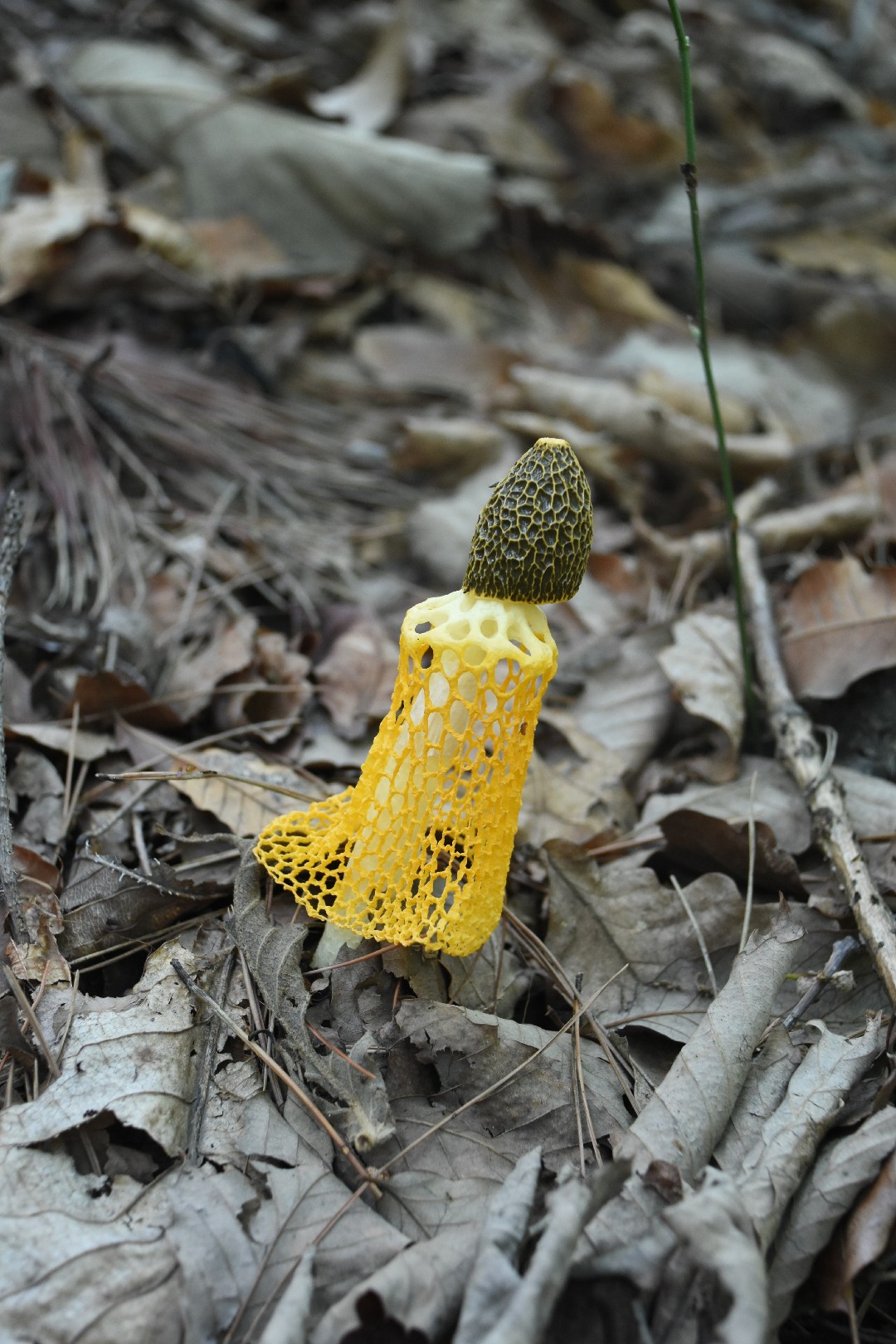
1. Phallus luteus
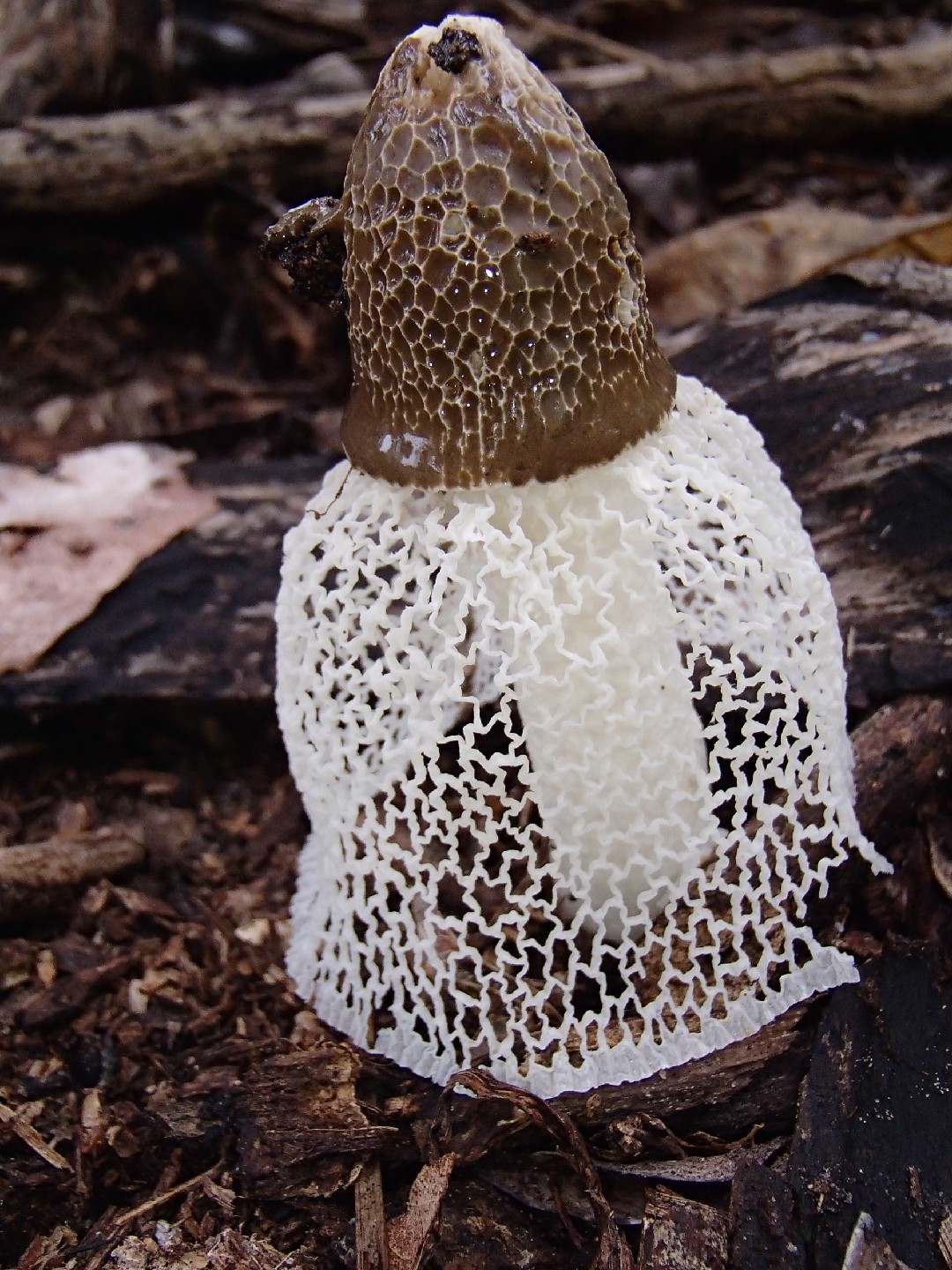
Phallus luteus's unique appearance makes it easy to recognize in forests. The multi-colored mushroom has yellow webbing hanging off the cap closely resembling a skirt. Like other species in the genus, phallus luteus is also recognizable by its pungent odor.
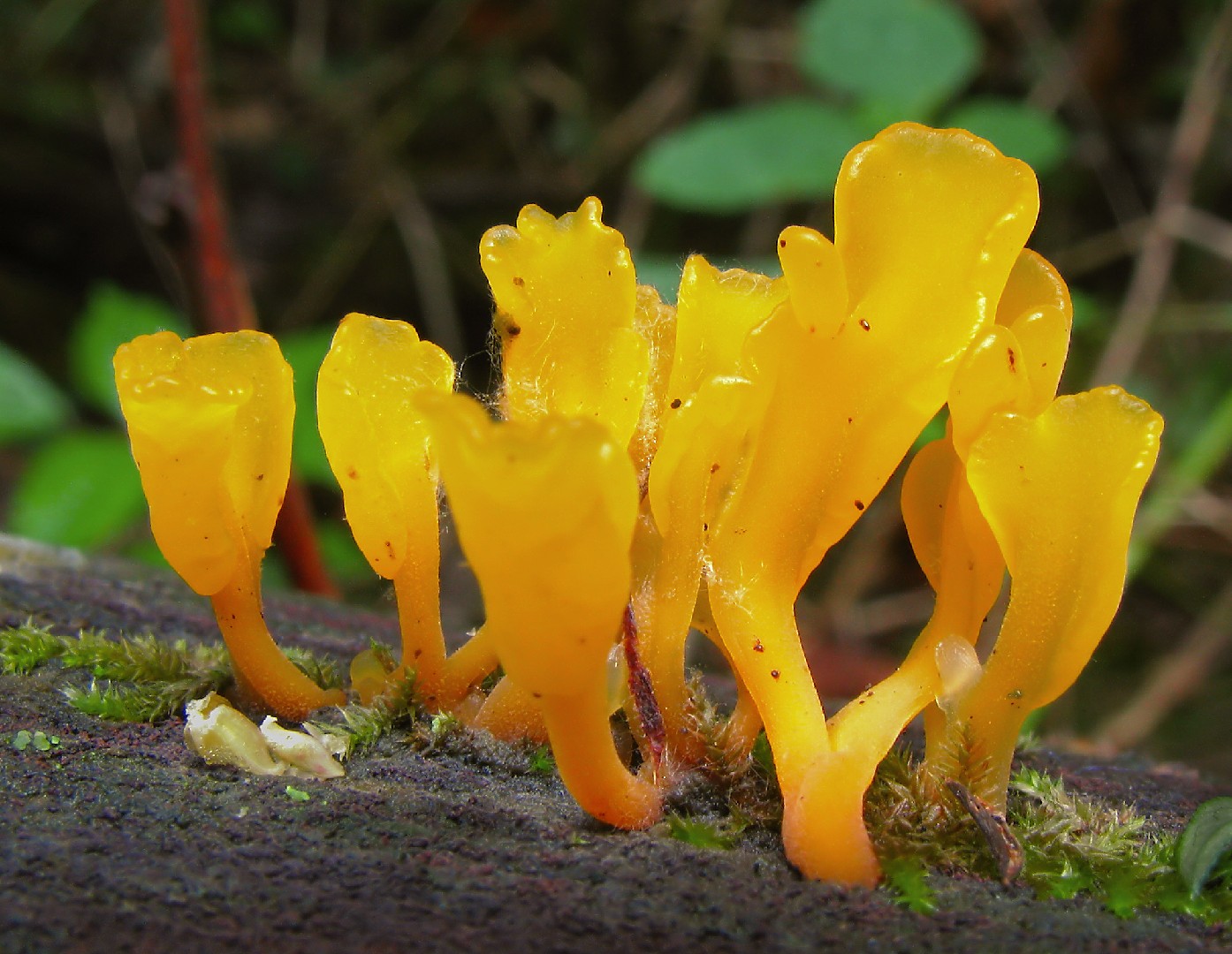
2. Fan-shaped jelly-fungus
Just as its Latin and the common English names suggest, the fan-shaped jelly-fungus (Dacryopinax spathularia) is a fan-shaped or spatula-shaped jelly-like mushroom. It commonly grows in wood cracks and it sometimes even appears in the cracks of the processed wood and lumber. Despite the word "jelly" in its name, the fan-shaped jelly-fungus is not considered edible.
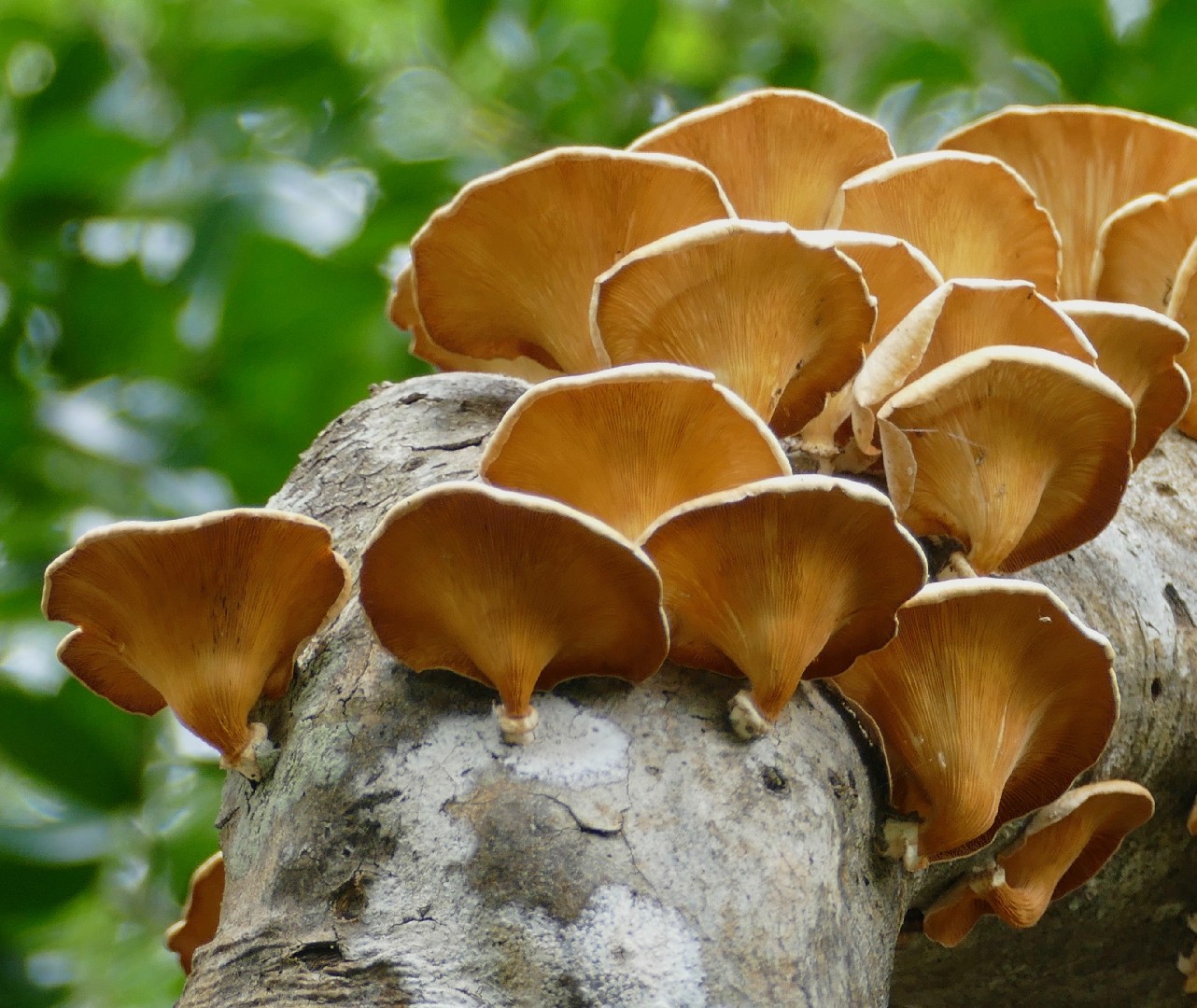
3. White-rot fungus
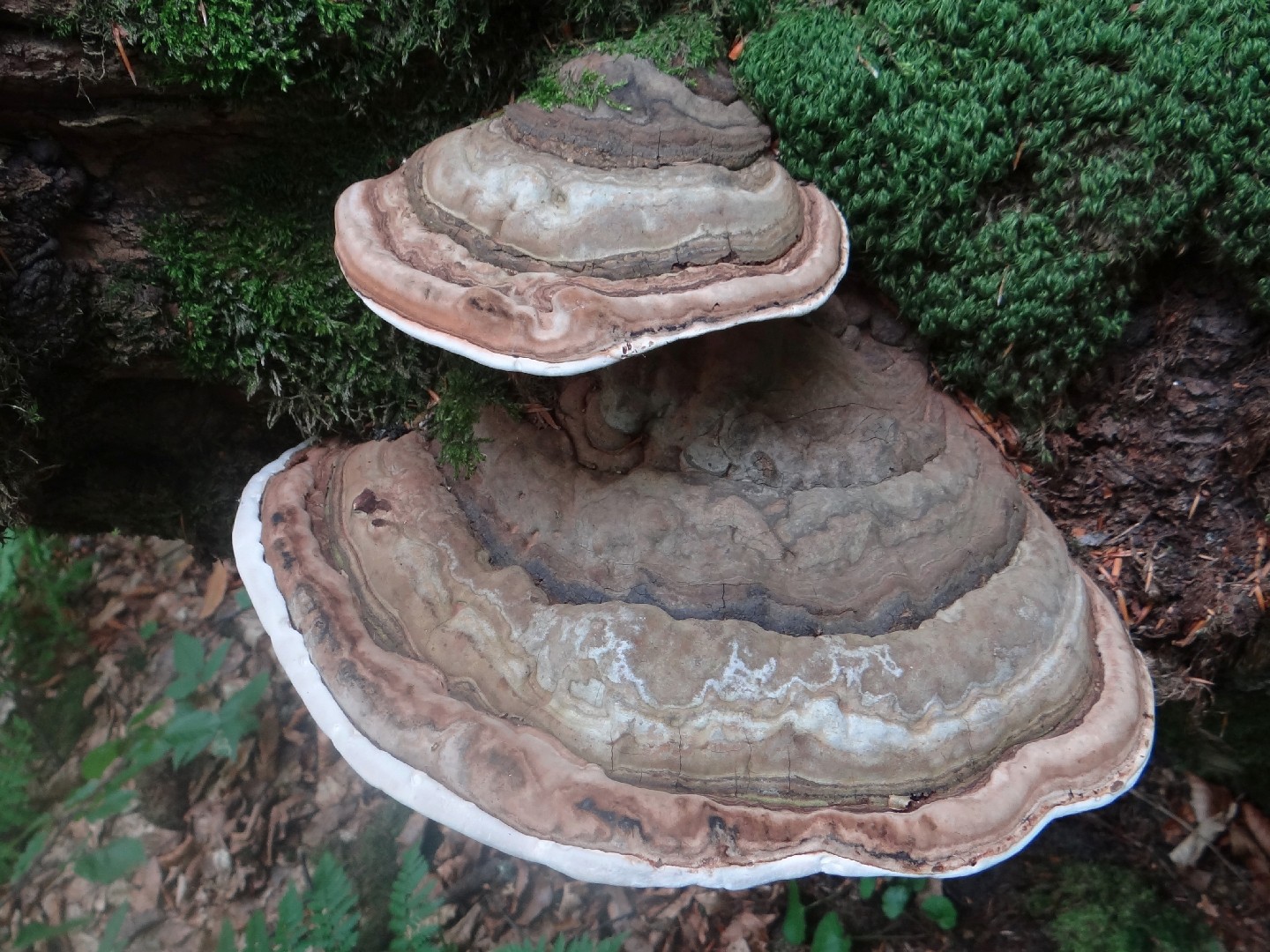
The white-rot fungus is known as a white-rot fungus and it's usually found growing on dead wood. When young, the mushroom is soft and leathery, but it becomes extremely tough as it matures, obtaining a funnel-shaped fruiting body.
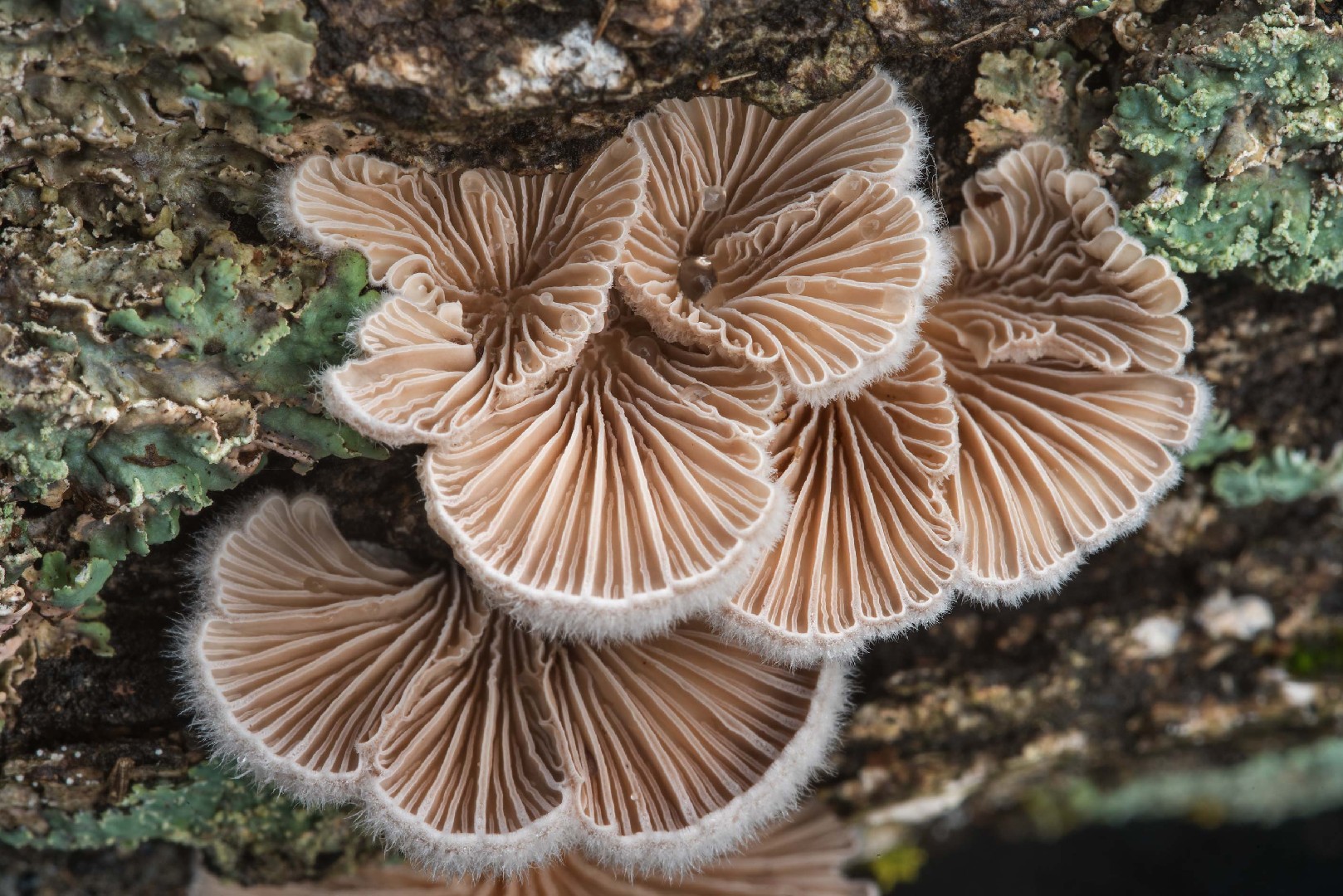
4. Split gill
Split gill(Schizophyllum commune) can be found across the globe. Uniquely, it is the only mushroom species known to display the capability to retract by movement. It is considered inedible, although not necessarily toxic. Furthermore, it is not recommended to smell this species, as the spores are capable of sprouting and growing in nasal passages.
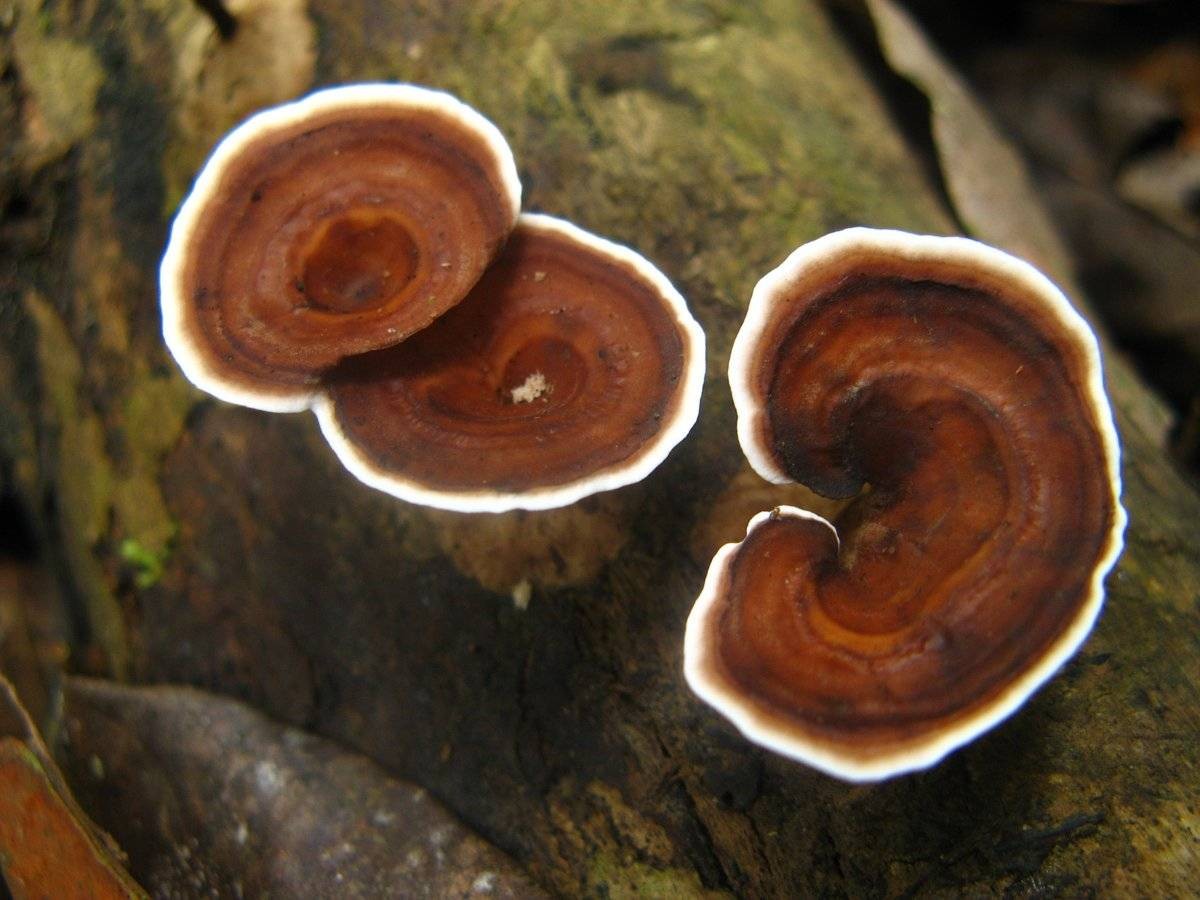
5. Yellow-footed micropore
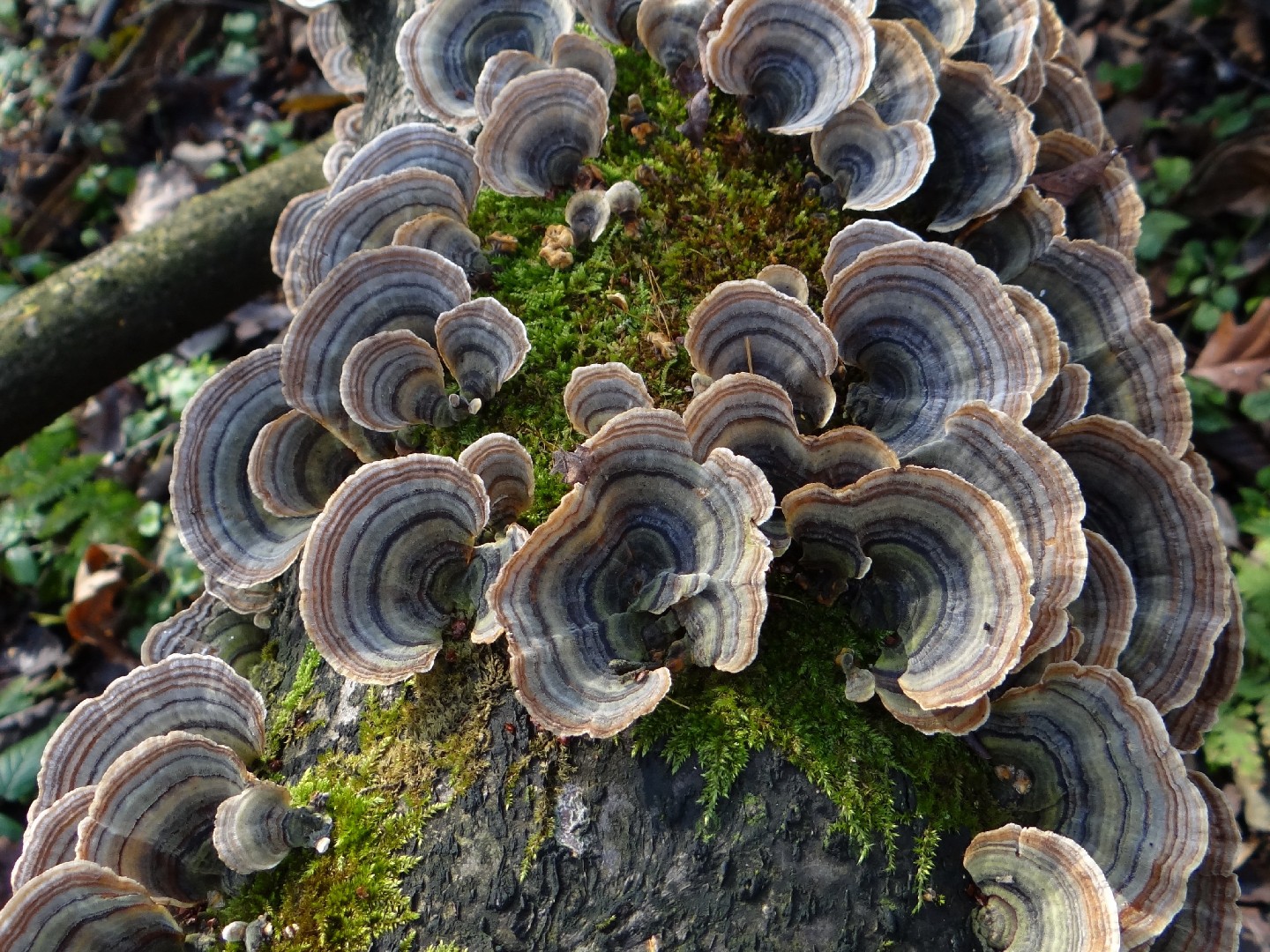
The scientific name of the yellow-footed micropore (Microporus xanthopus) translates to “tiny-pored yellow foot.” Its short stem is usually yellow, leading up to a concave, funnel-like cap. The species is common in all the tropics of the world outside of the Americas. The striated, multi-hued caps grow largest in wet, darkly-shaded locations.
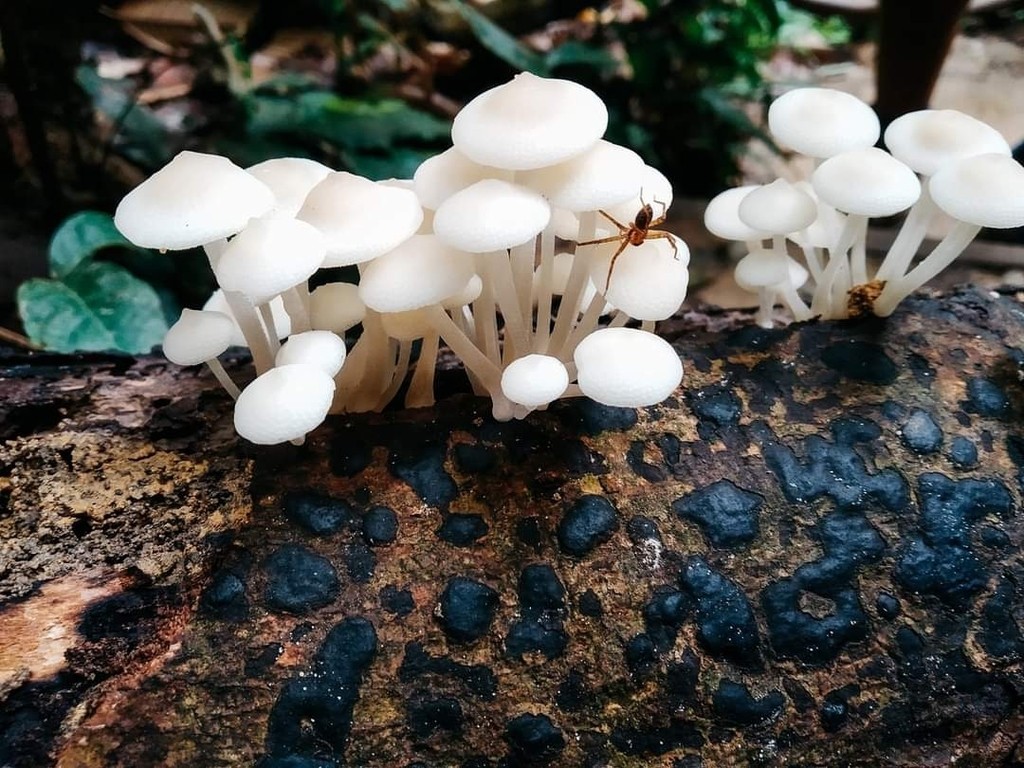
6. Favolaschia manipularis
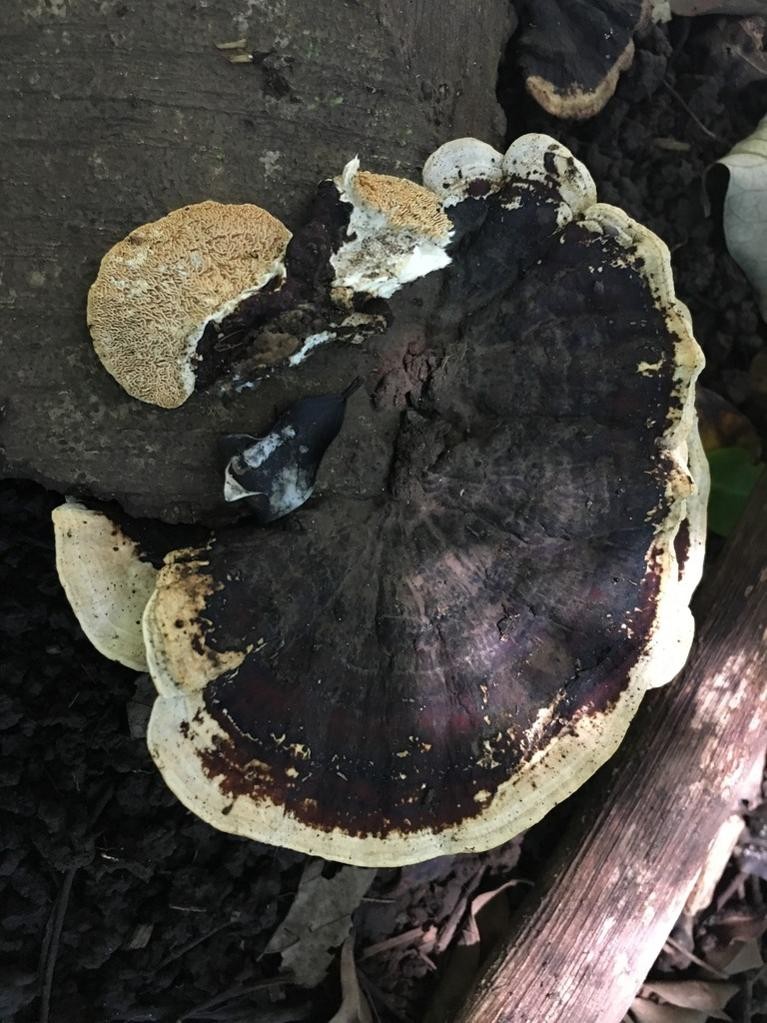
7. Earliella scabrosa
Earliella scabrosa is distinguishable by its sinuous or elongated pores that set it apart from similar species. It prefers tropical climates growing on broadleaf and decaying tree trunks and branches. On living trees, the spores enter wounds on the wood further weakening the tree.
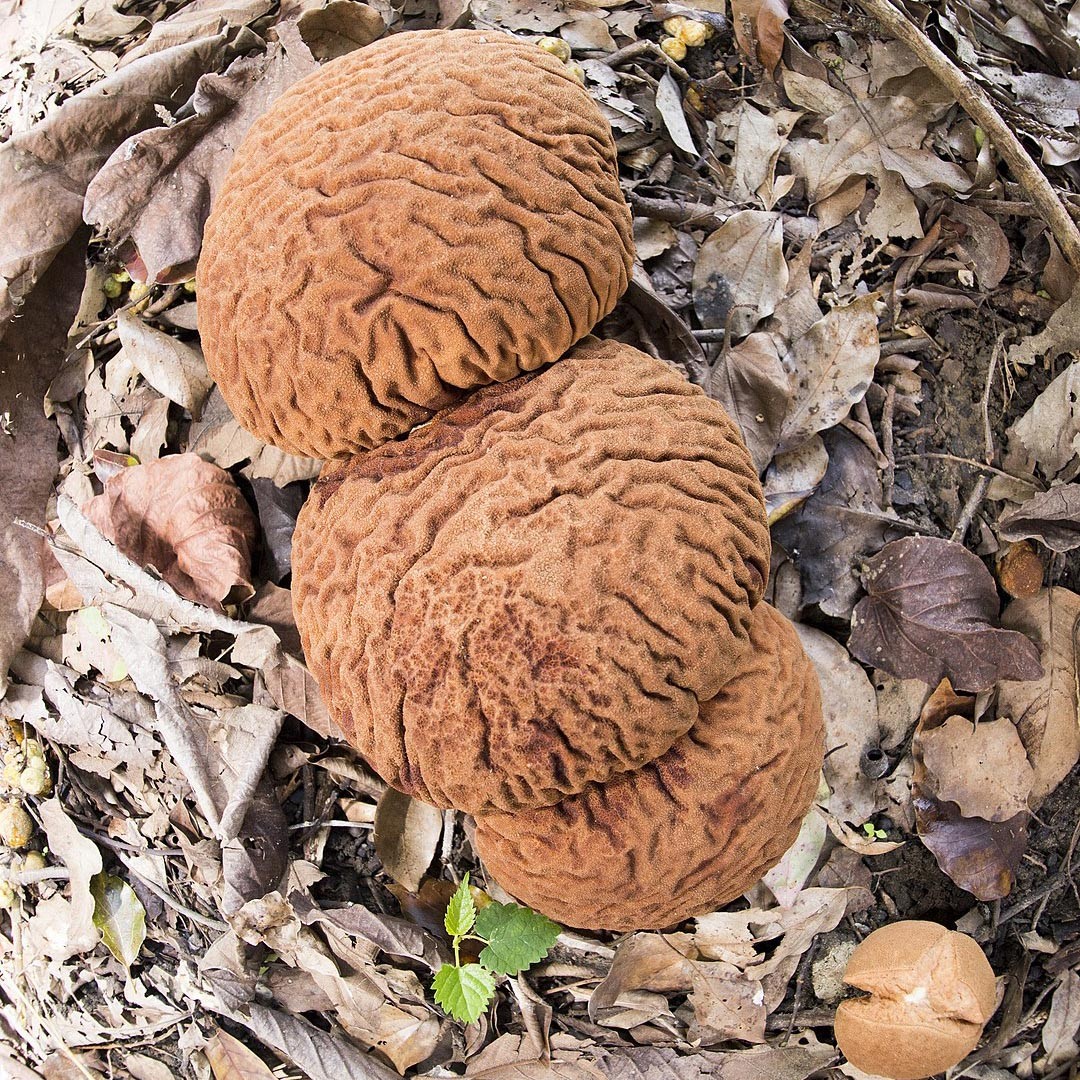
8. Brain puffball
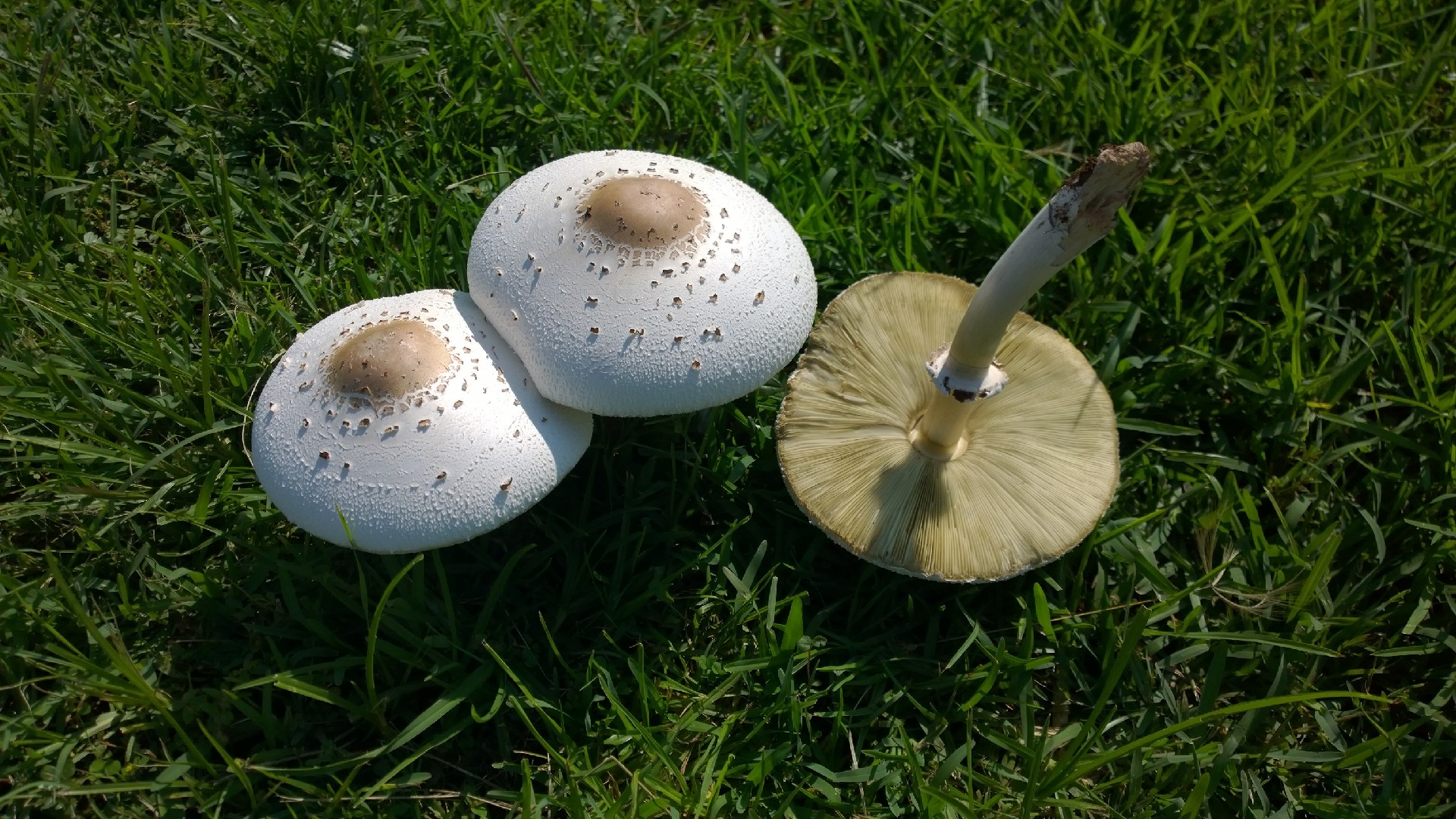
Brain puffball is a large, distinctive mushroom that prefers grassy habitats, often found in various urban settings. When young, its flesh is firm and white. As the mushroom matures, its interior turns into a green spore mass that, when inhaled, can cause respiratory issues. 
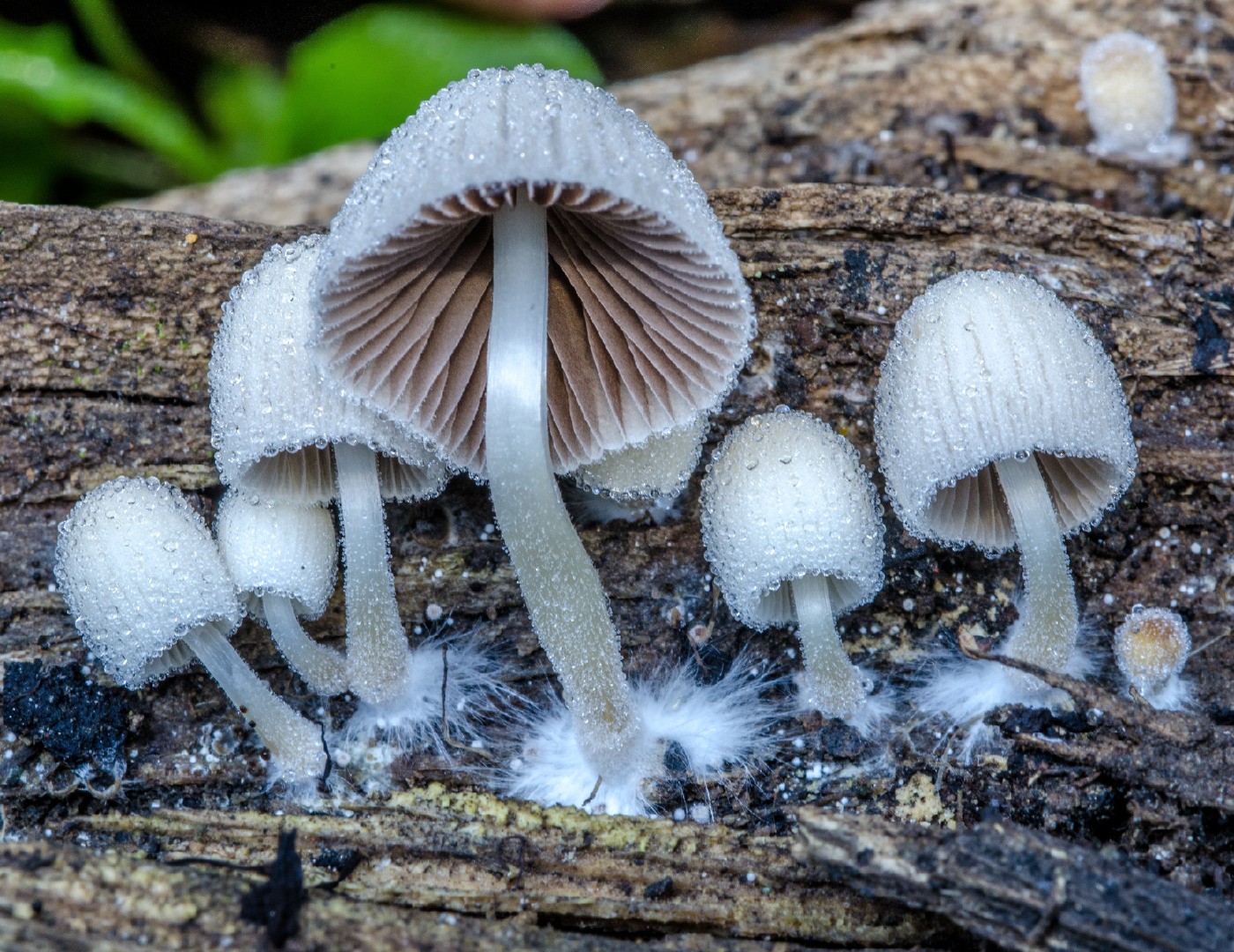
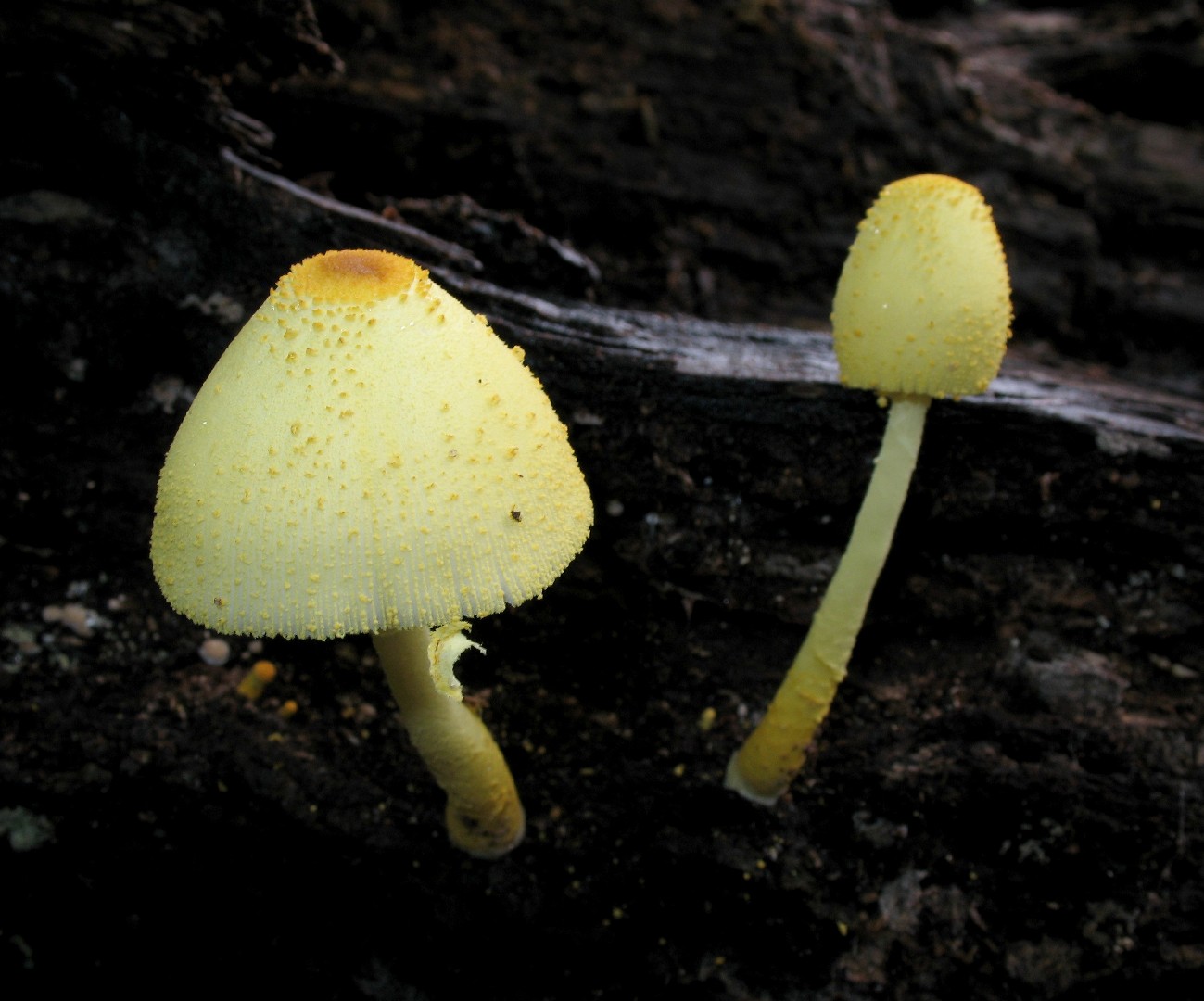
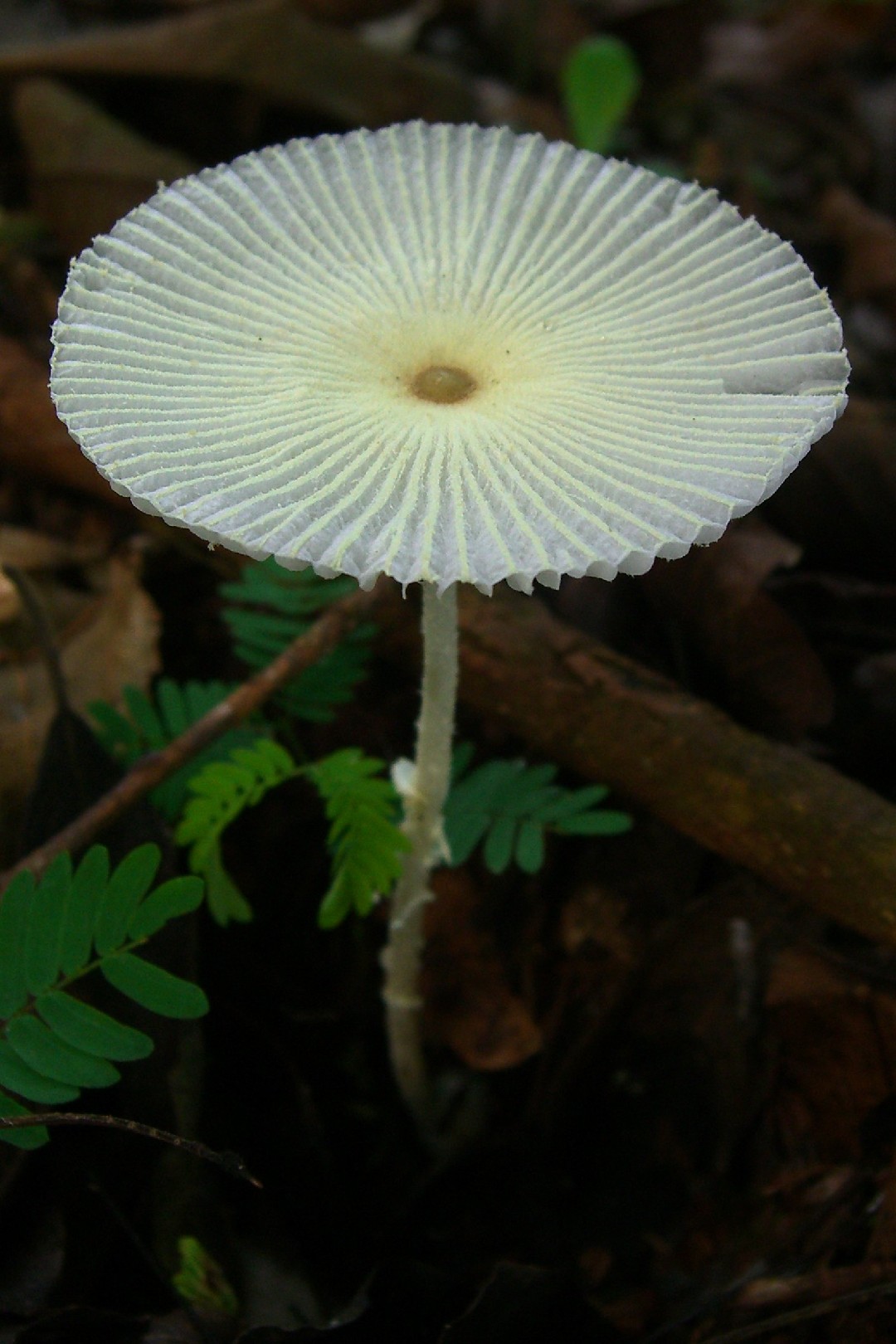
9. Fairy inkcap
The mushrooms of the fairy inkcap species have a tendency to congregate in large masses over dead tree stumps and decaying roots. They appear all around the world from early spring all the way to the first frosts, but each fruit only lasts a few days before turning black and distributing its spores.
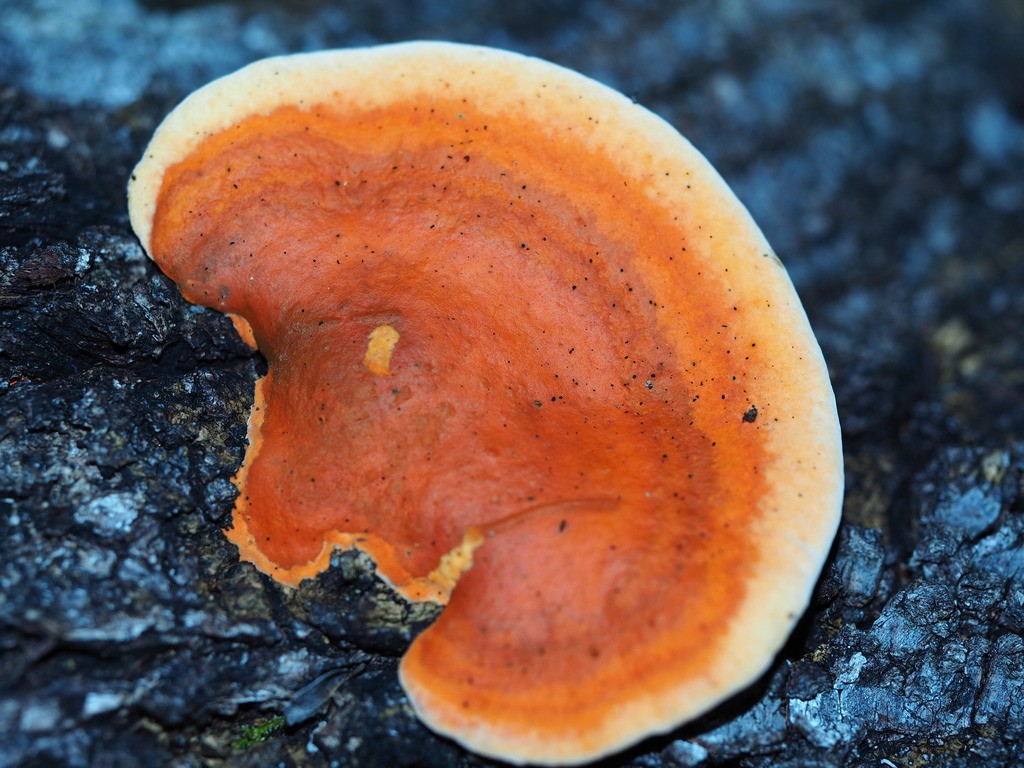
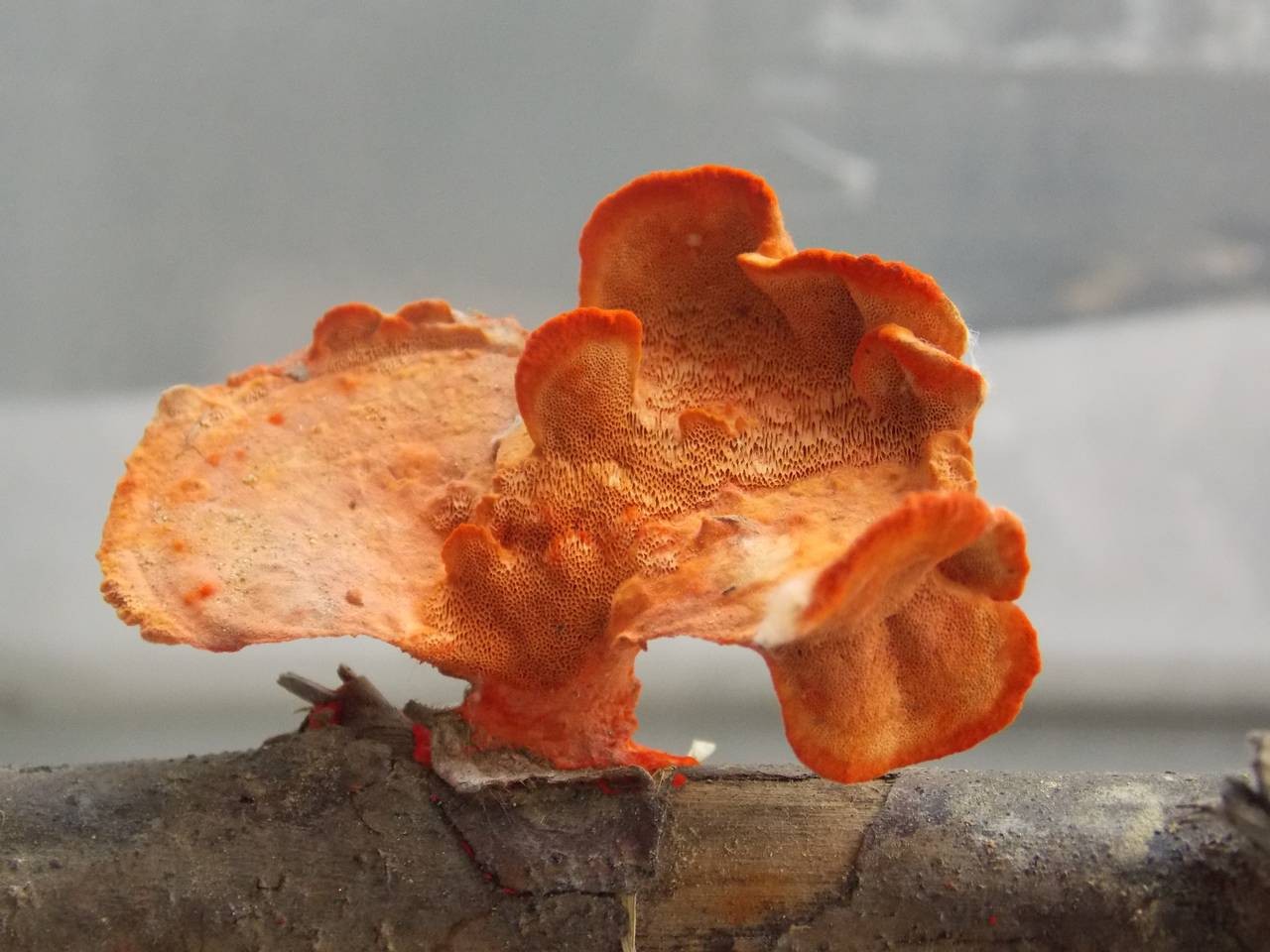
10. Southern cinnabar polypore
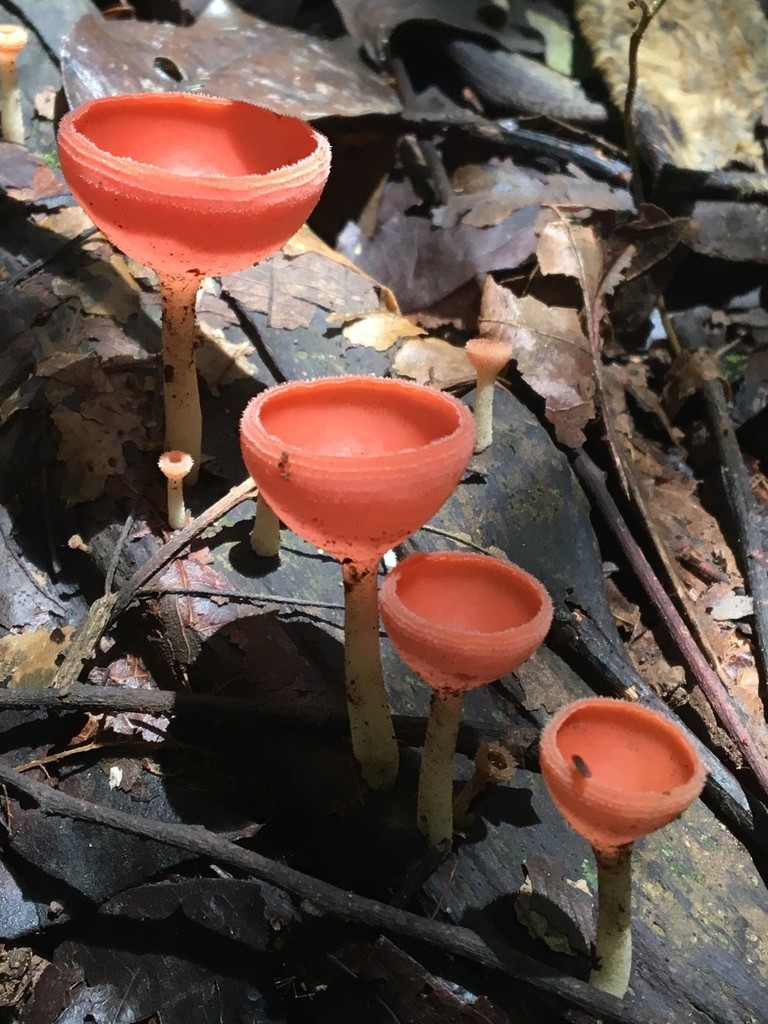
Southern cinnabar polypore grows in a variety of contexts, though it prefers to grow on deadwood near open water sources. This mushroom fruits from the late summer to early winter. True to its name, young southern cinnabar polypore has a bright orange color that's similar to cinnabar but may fade in older age.
More







