




Top 20 Most Common Mushrooms in Samara

Most Common Mushrooms
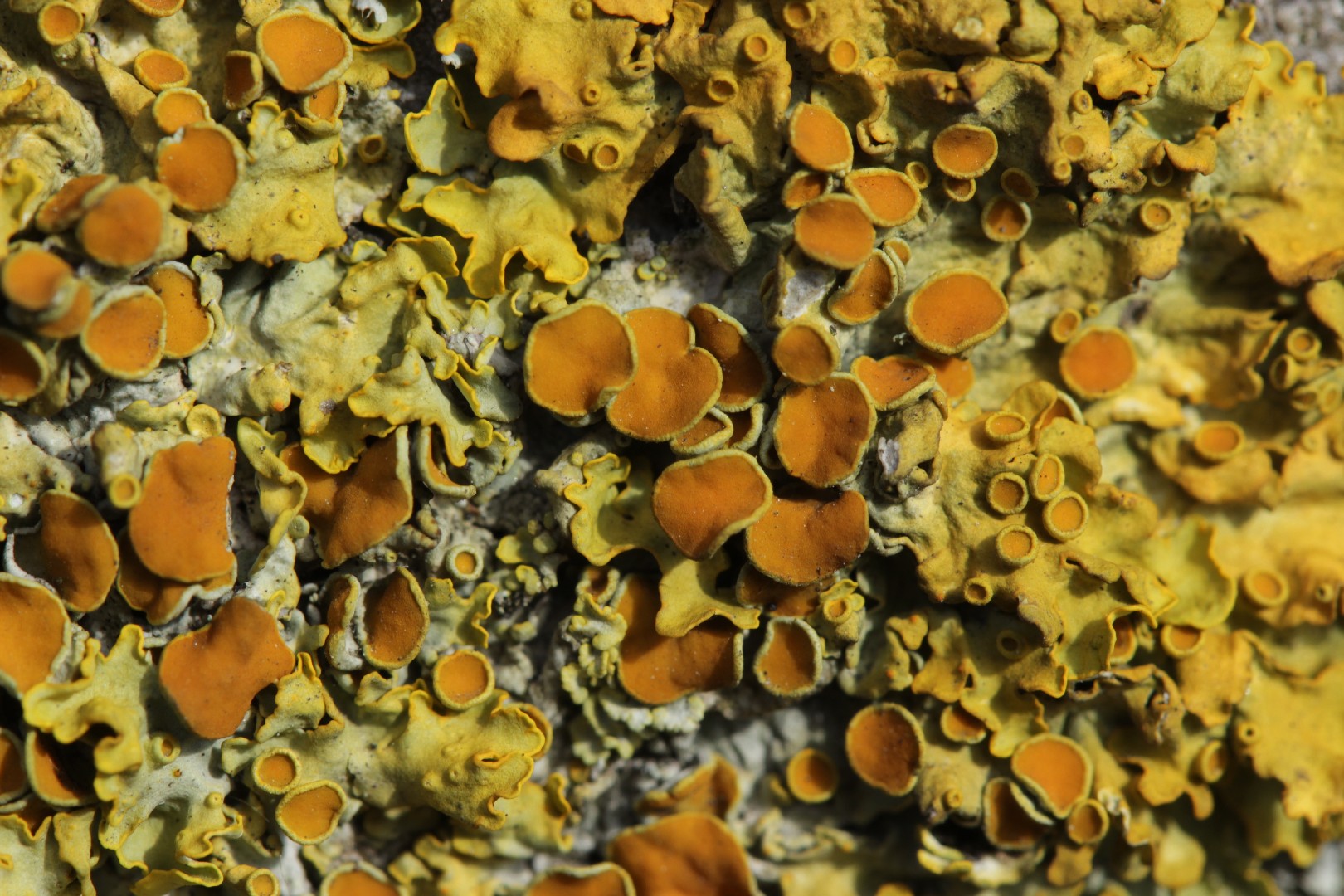
1. Common orange lichen
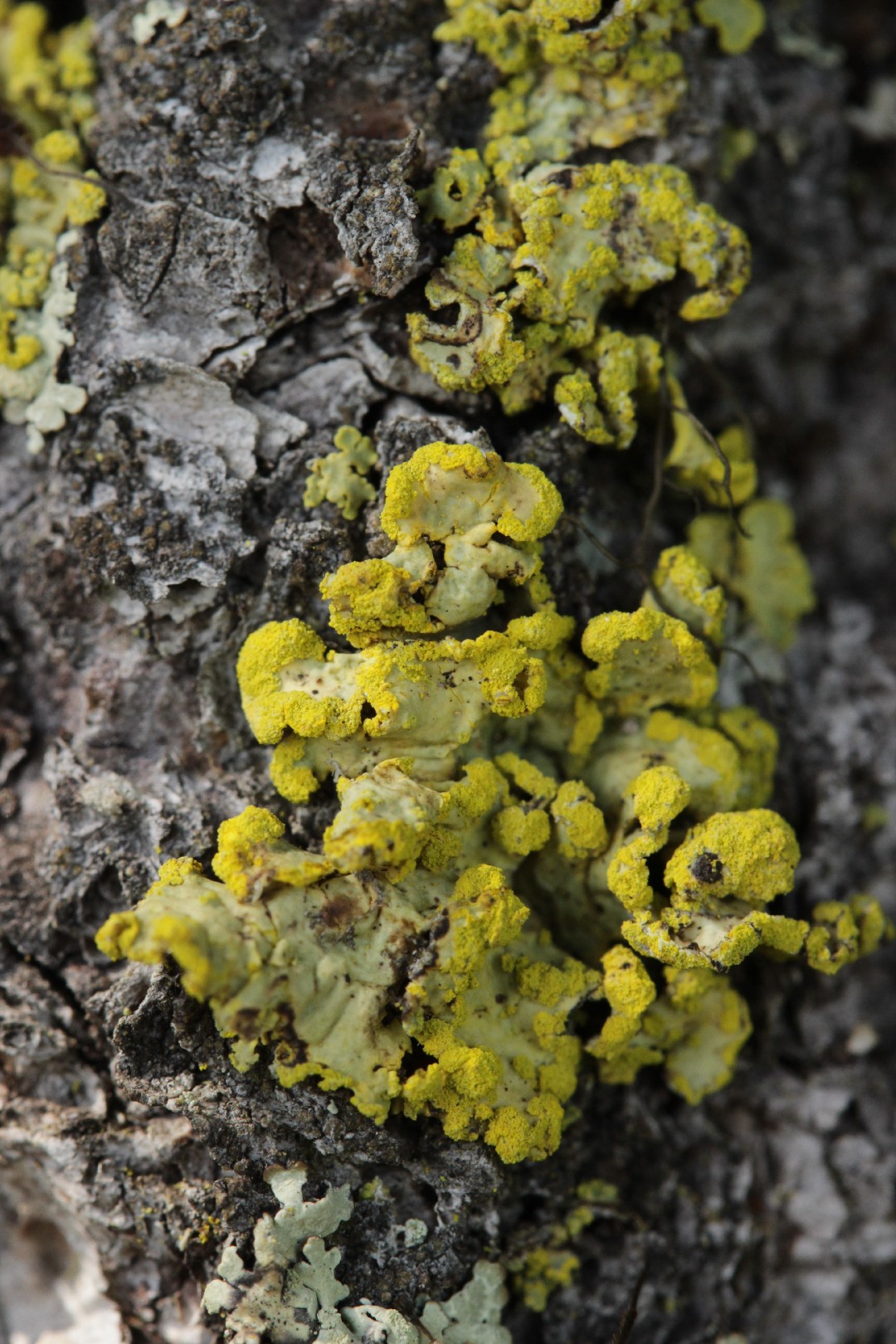
Common orange lichen was selected in 2006 by the United States Department of Energy as a model for genomic sequencing. Its widespread dispersal and bright yellow-orange color give the lichen its common name. It is primarily found growing on rocks, walls, and tree bark.
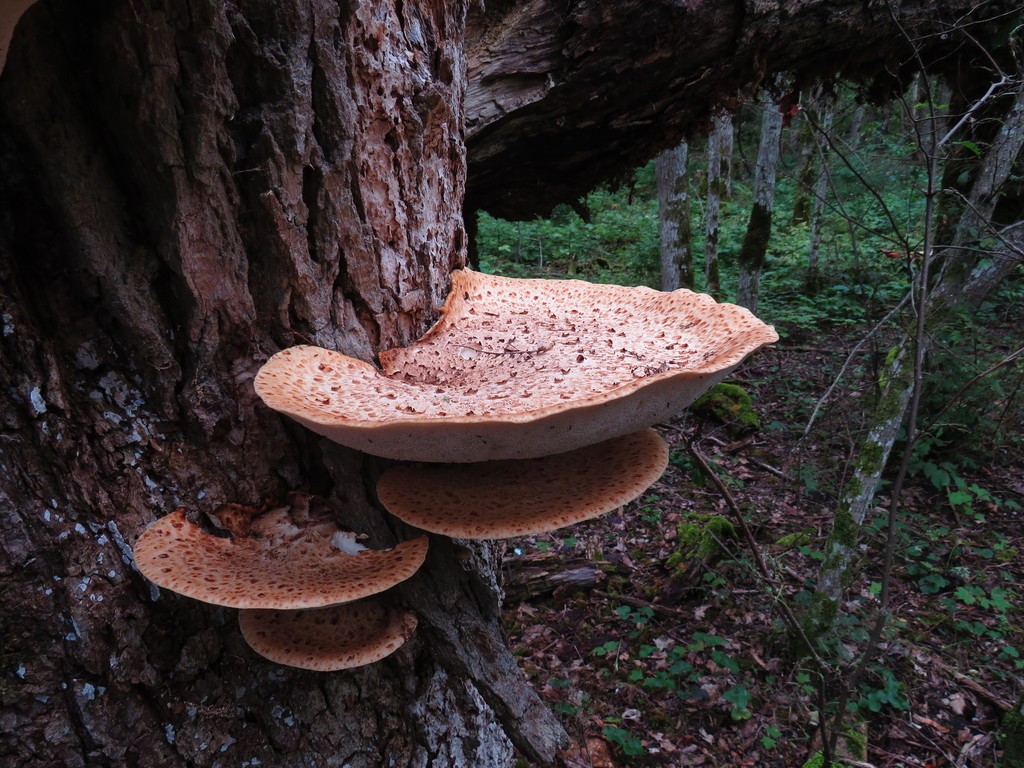
2. Dryad's saddle
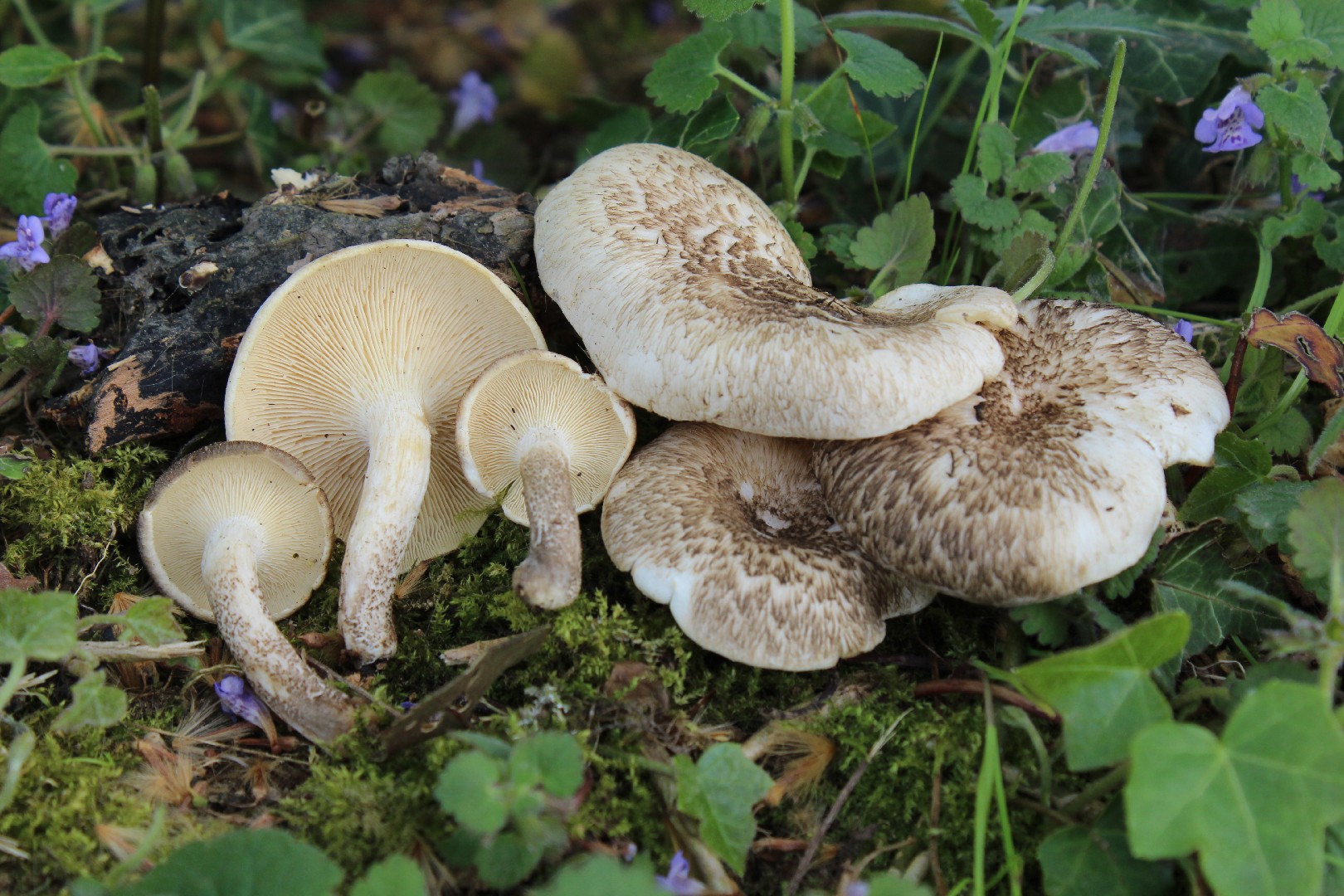
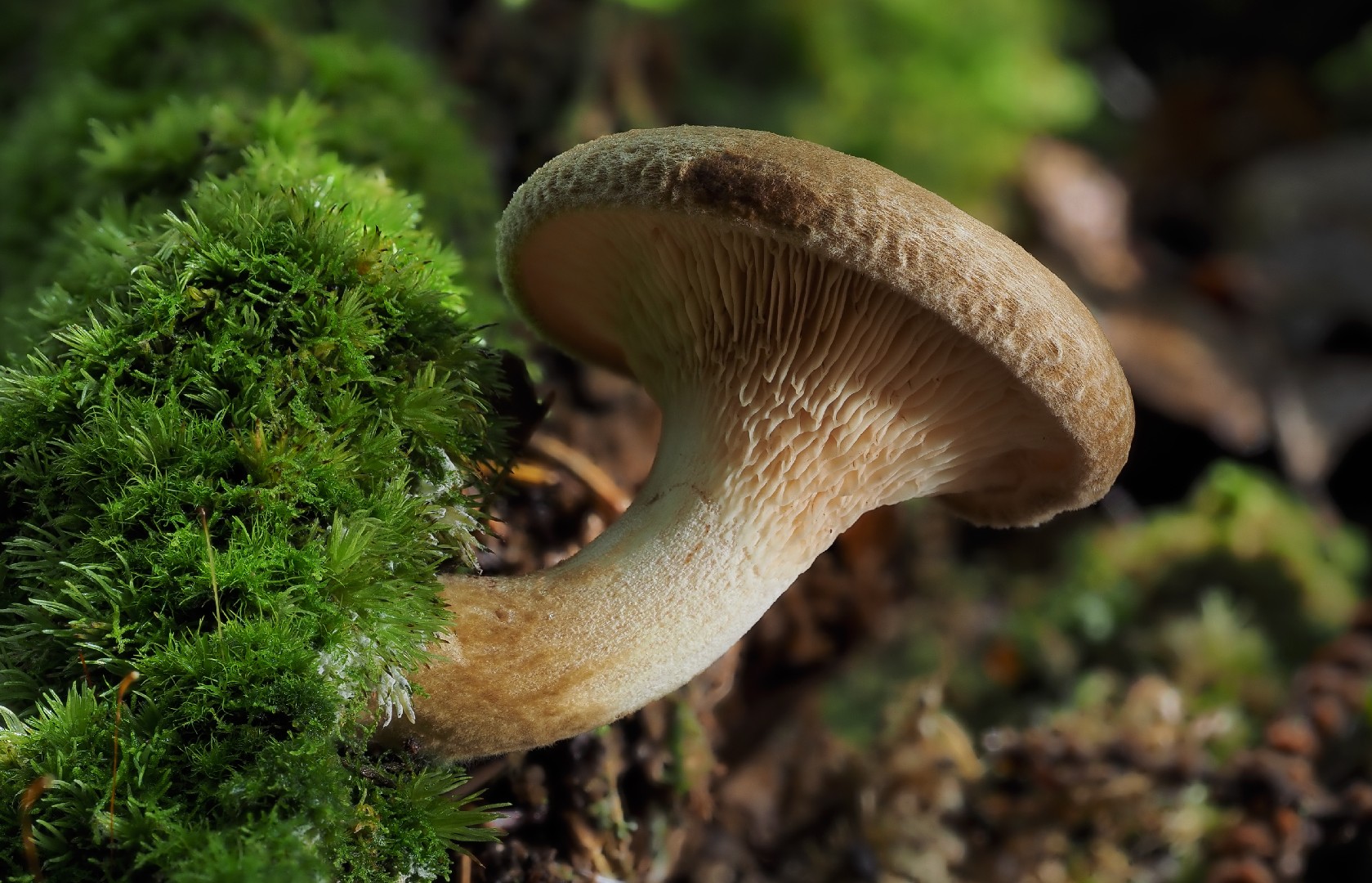
A familiar sight to spring morel hunters, dryad's saddle is noteworthy for its large size, striking scales, and watermelon-like smell. Similar to other mushrooms in the bracket fungi family, dryad's saddle can be used to make paper. Younger mushrooms are better suited for this purpose due to their smaller and more consistent fibers.
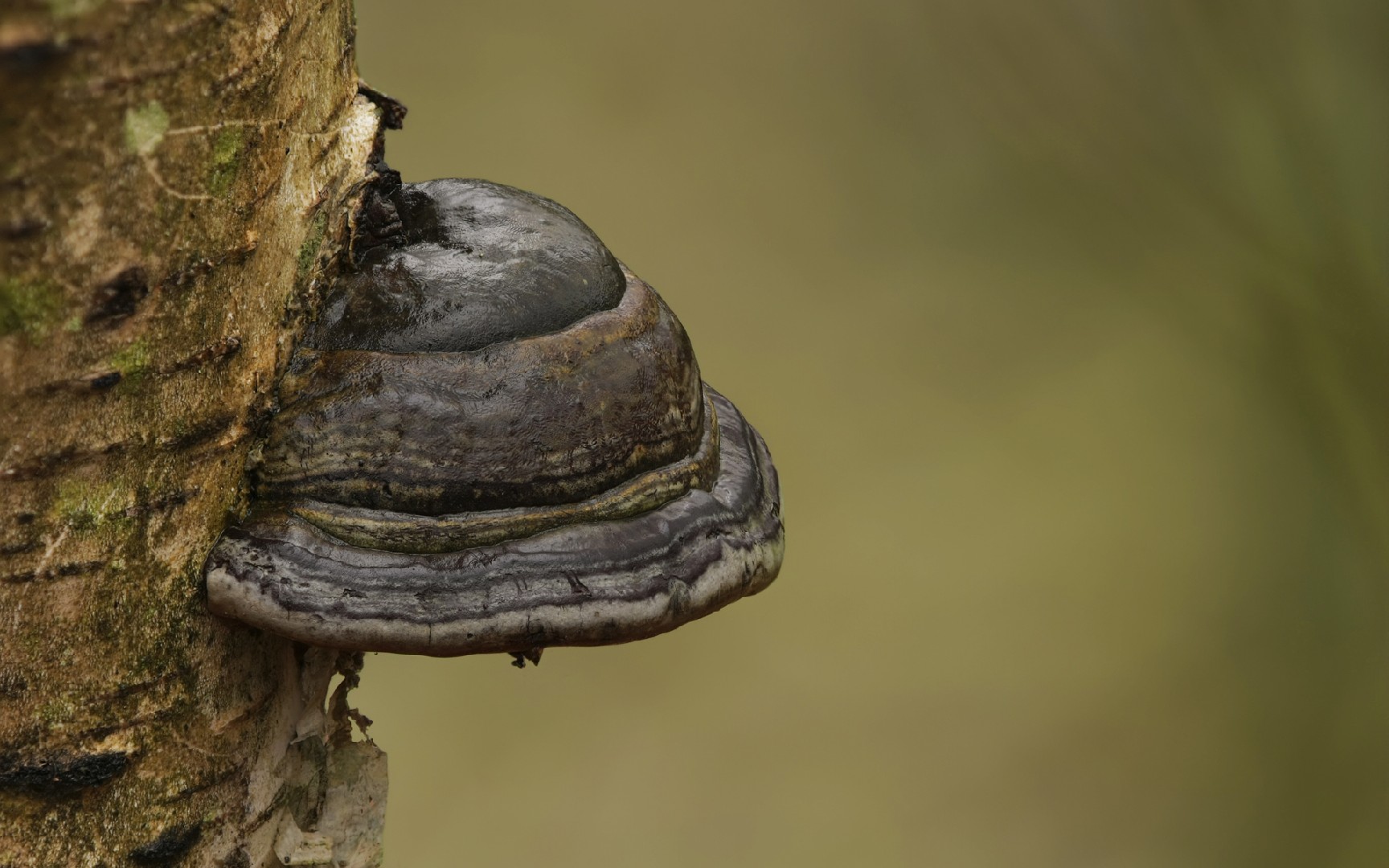
3. Tinder fungus
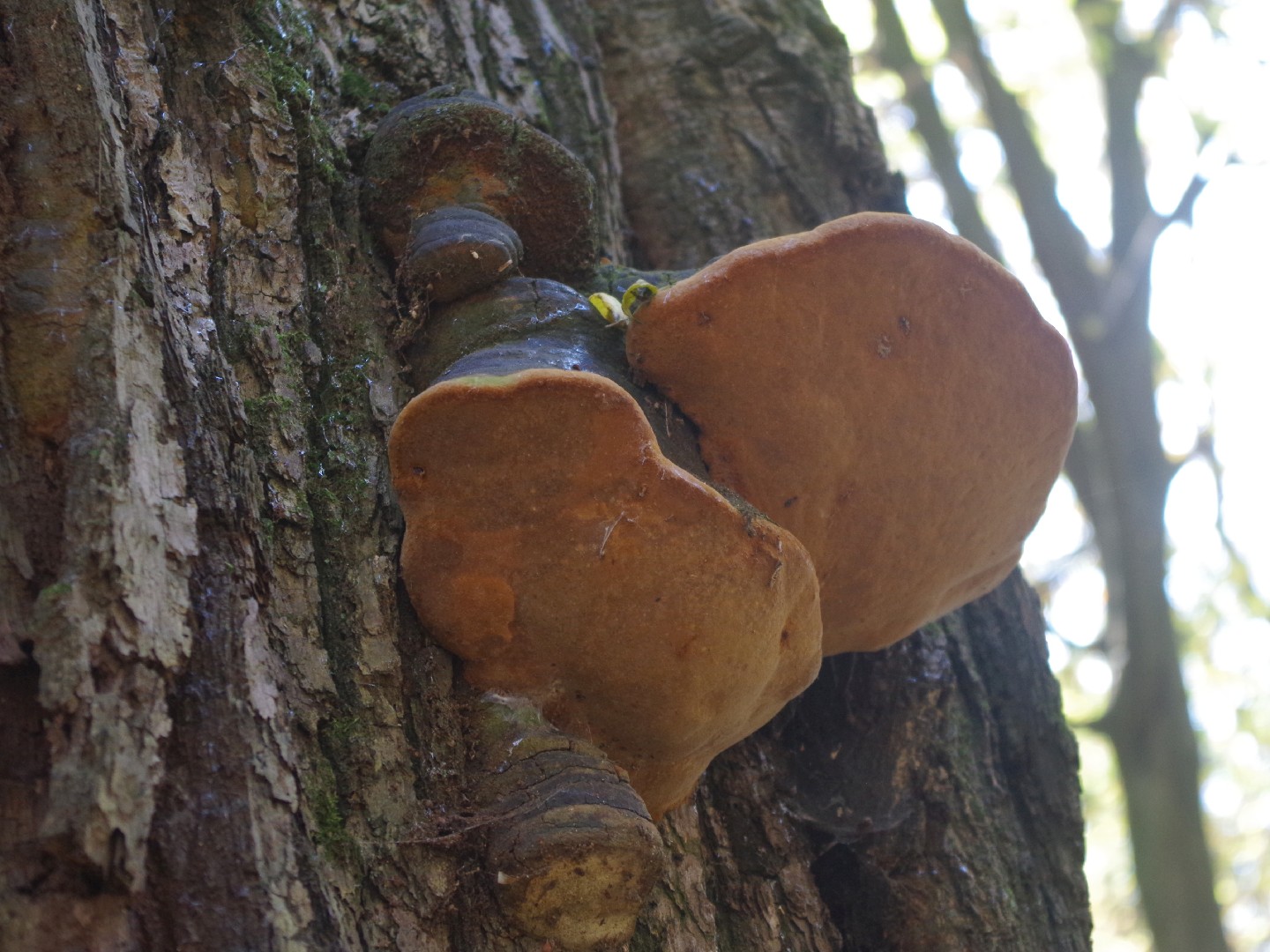
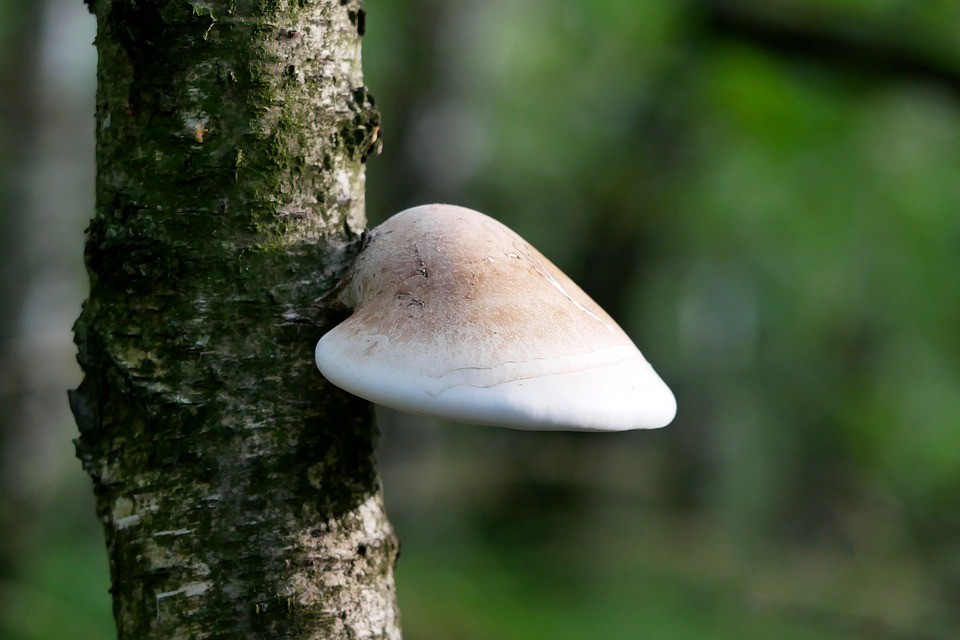
This large, tough shelf fungus can be found attached to birch, beech, and sycamore trees. It gets its common name, tinder fungus, from the fact that it burns quite slowly and can thus be used effectively for lighting fires. Dried pieces can also be a useful desiccant. A piece of this fungus was found in the possession of Otzi the Iceman, indicating that its usefulness has been known for millenia.
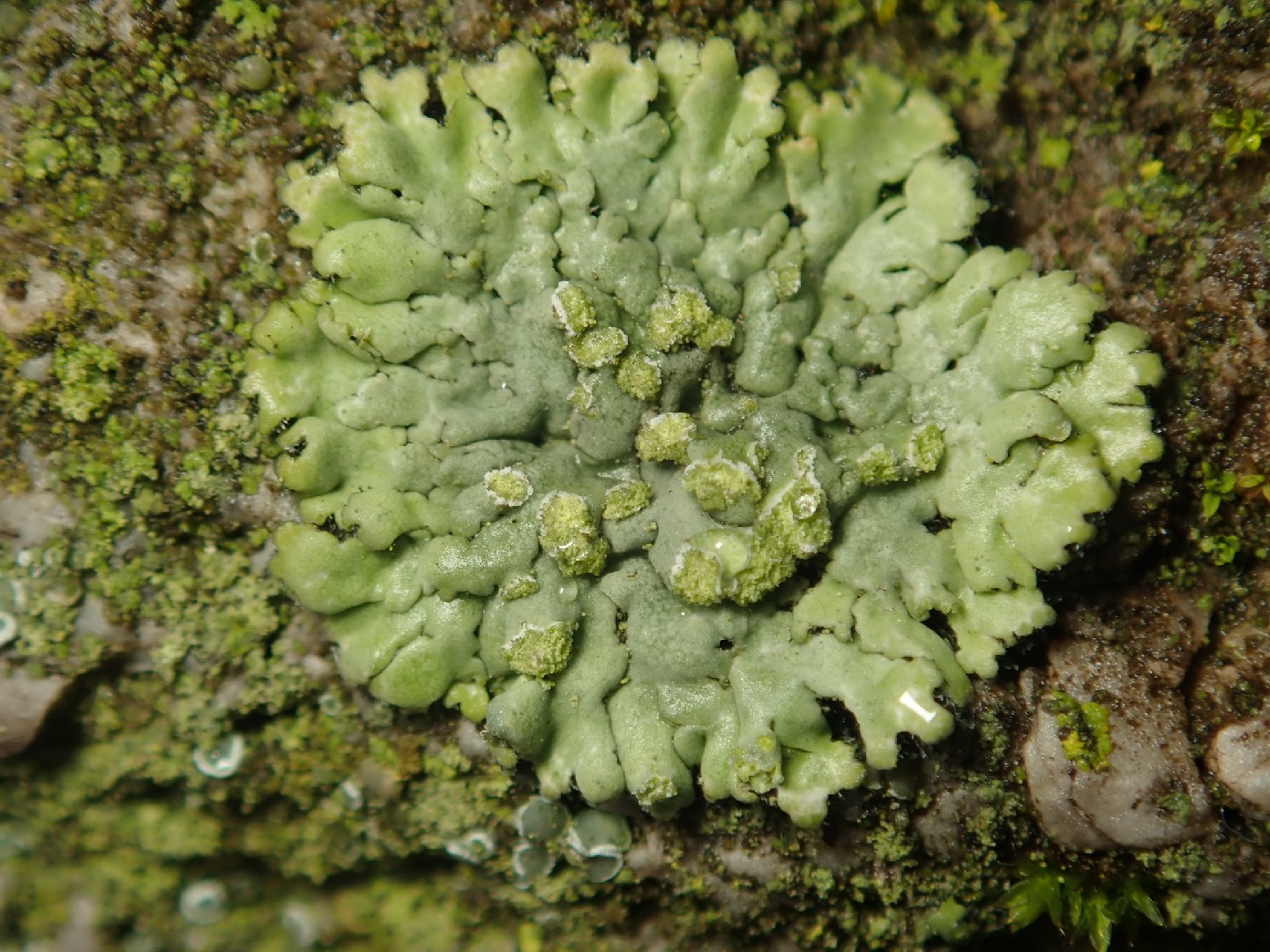
4. Mealy shadow lichen
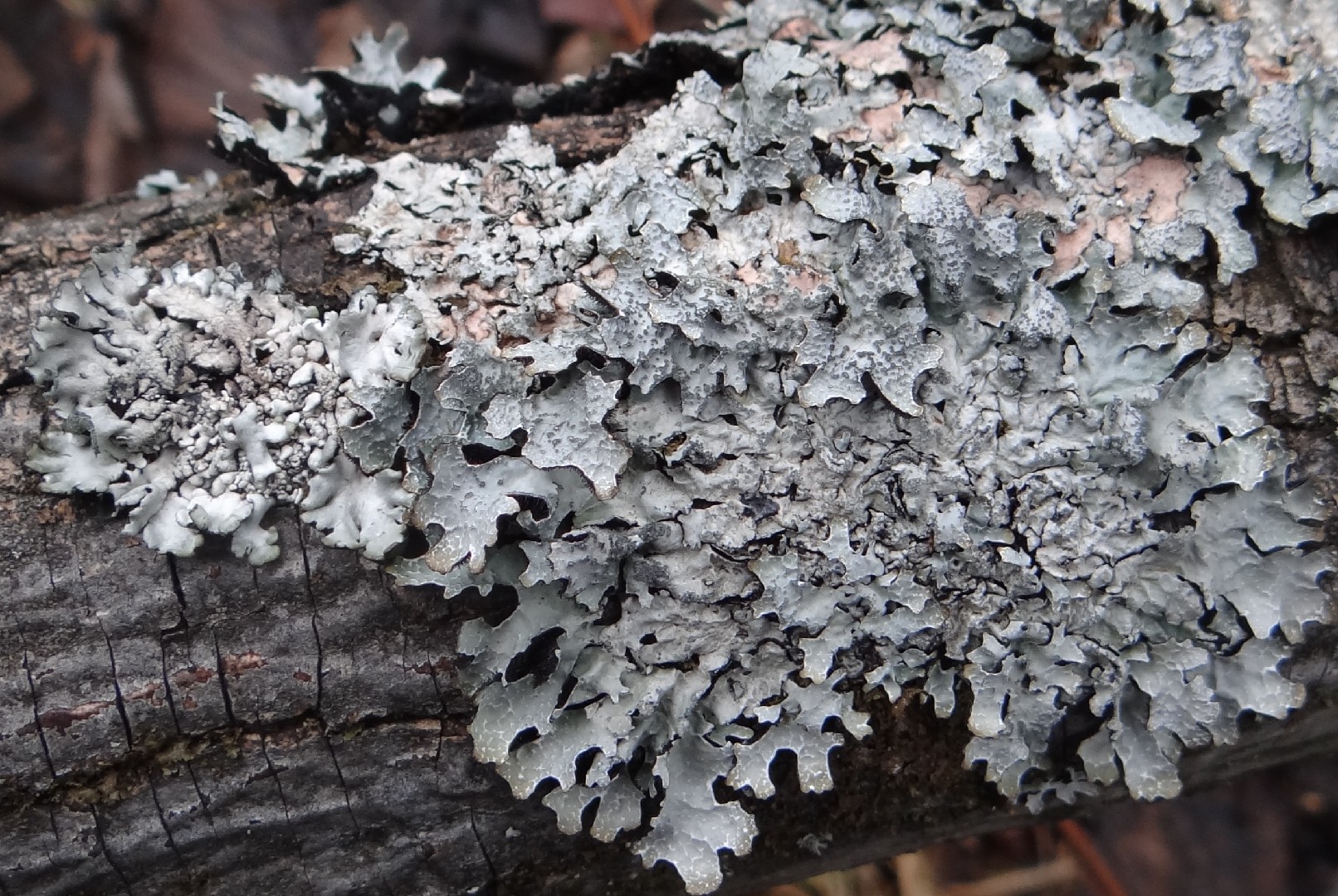
5. Hammered shield lichen
Hammered shield lichen is noted for its pollution tolerance. It is a widespread grey flat lichen that is mostly found upon tree bark and occasionally rocks. Hammered shield lichen is named for the depressions within the lobe which give it a hammered appearance.
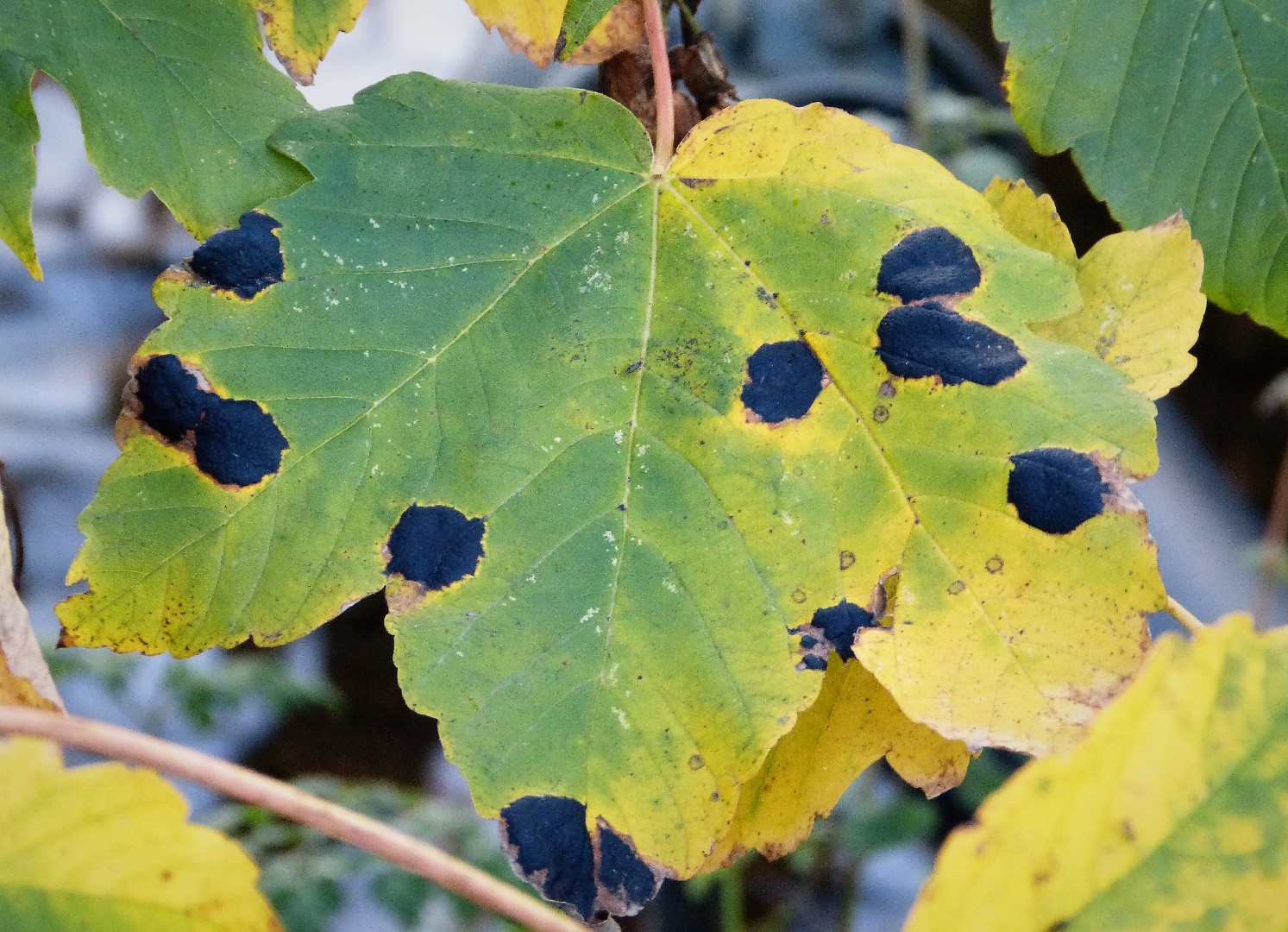
6. Tar spot
The tar spot is a pathogen fungus that attacks the trees of the Acer genus (Maples). The first symptoms of the fungal infections caused by Rhytisma acerinum are black spots on the leaves and an early leaf drop. The fungus doesn't affect an infected tree's health in the long term, but it makes an unpleasant sight.
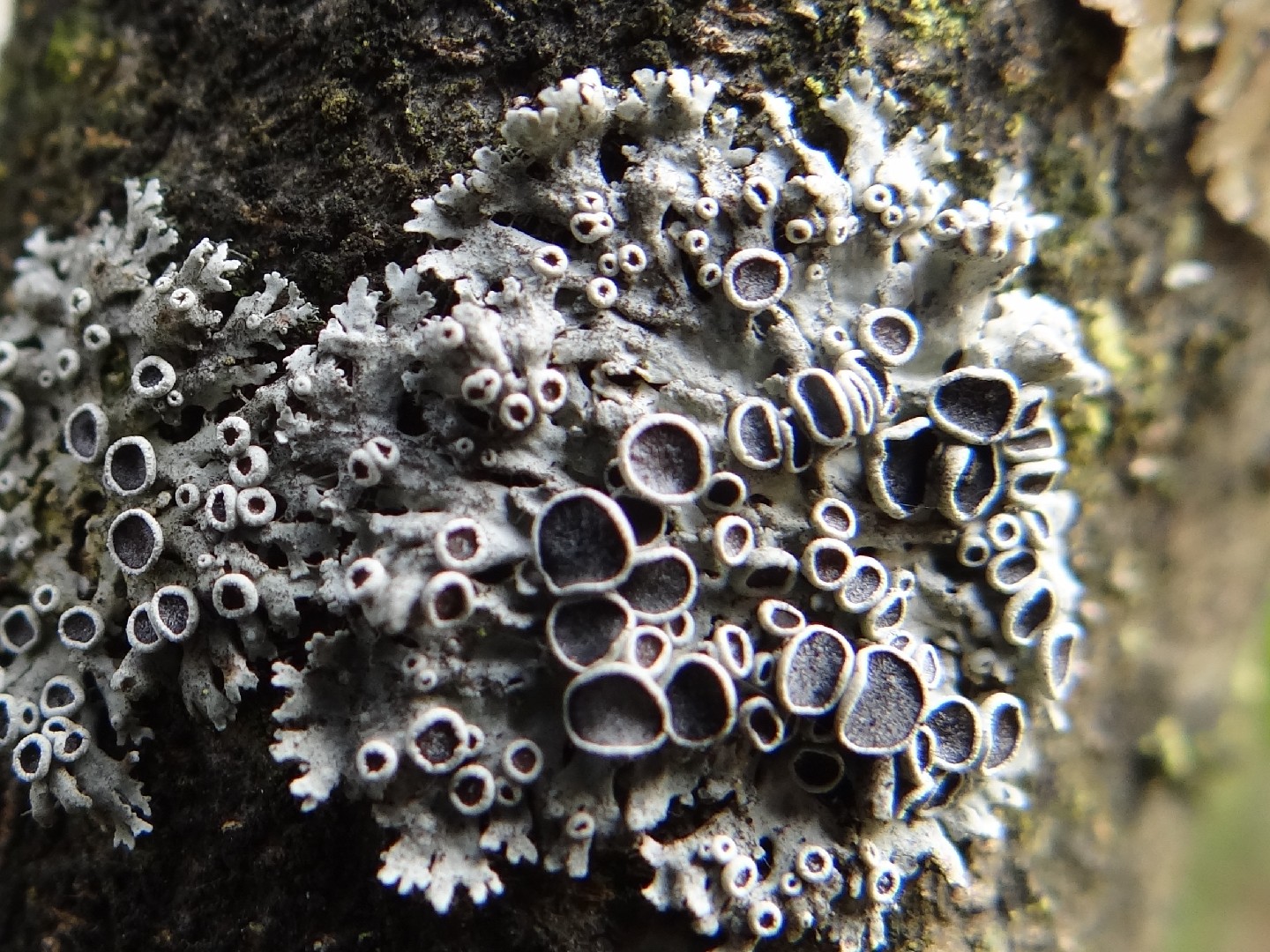
7. Star rosette lichen
The rosettig-star-shaped bearing of Physcia stellaris is white-gray to gray. Thallus lobules are 0.5 to 1.5 (rarely to 3) mm wide, white to light brown underneath. In contrast to the very similar Physcia aipolia, the camp is not white dotted. The dark brown, partly frosted Apothecien (diameter 0.7 to 3 mm) occur frequently and have a bearing-colored edge.
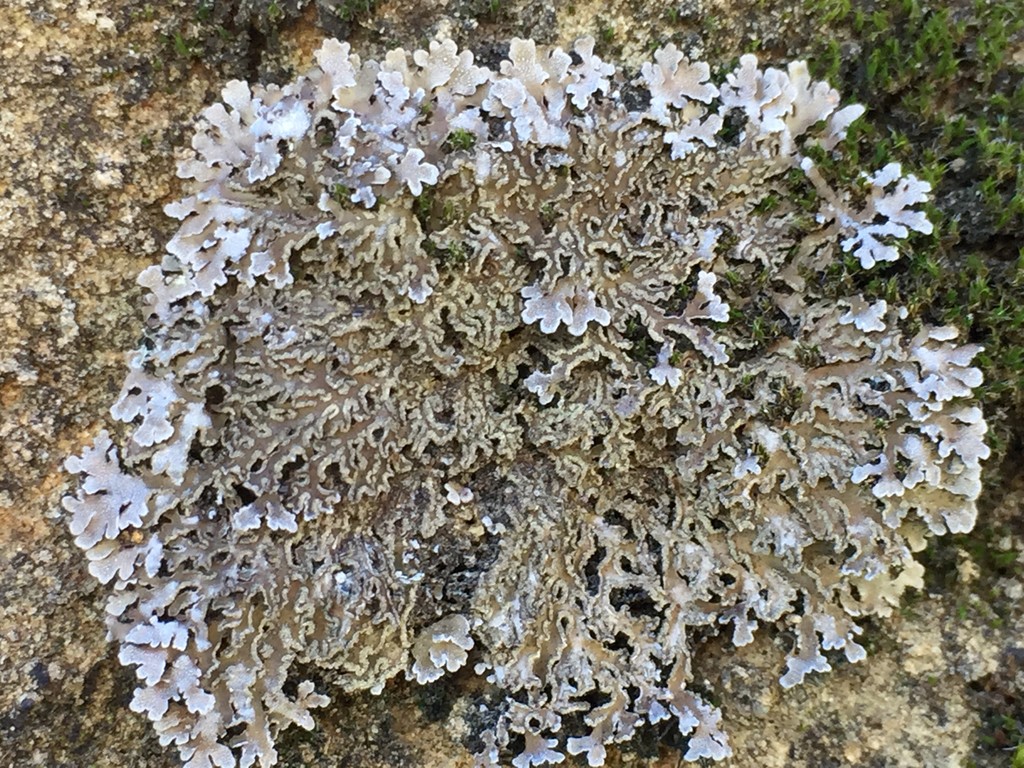
8. Frosted lichen
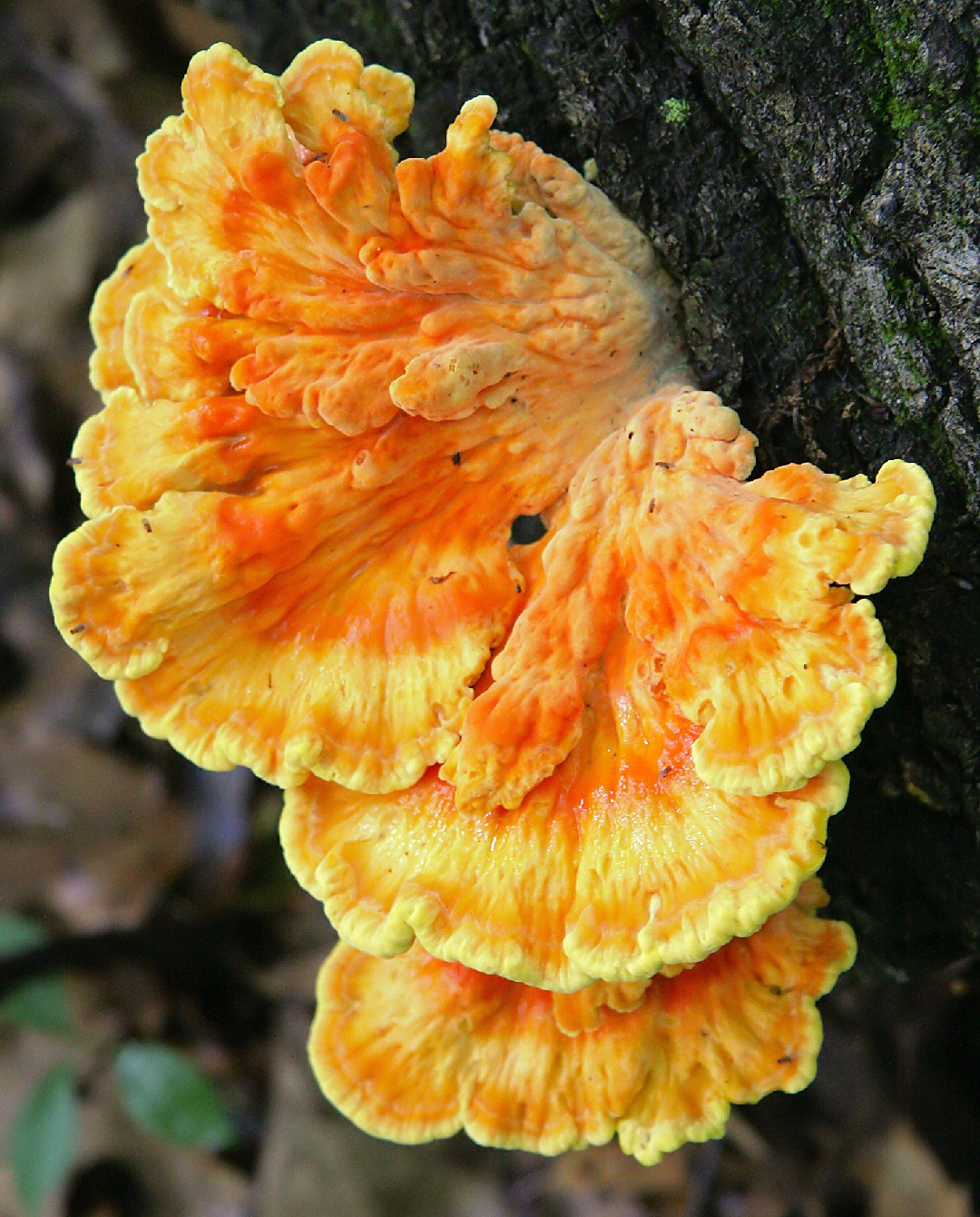
9. Chicken of the woods
Chicken of the woods is very noticeable in hardwood forests, appearing in clusters on standing tree trunks in bright orange and yellow hues that sometimes last through the entire winter. It is a parasite that causes an unfortunate brown heart rot, and is considered a particularly troublesome pest of Yew trees. If the fruitbodies can be seen, the tree is likely already beyond saving.
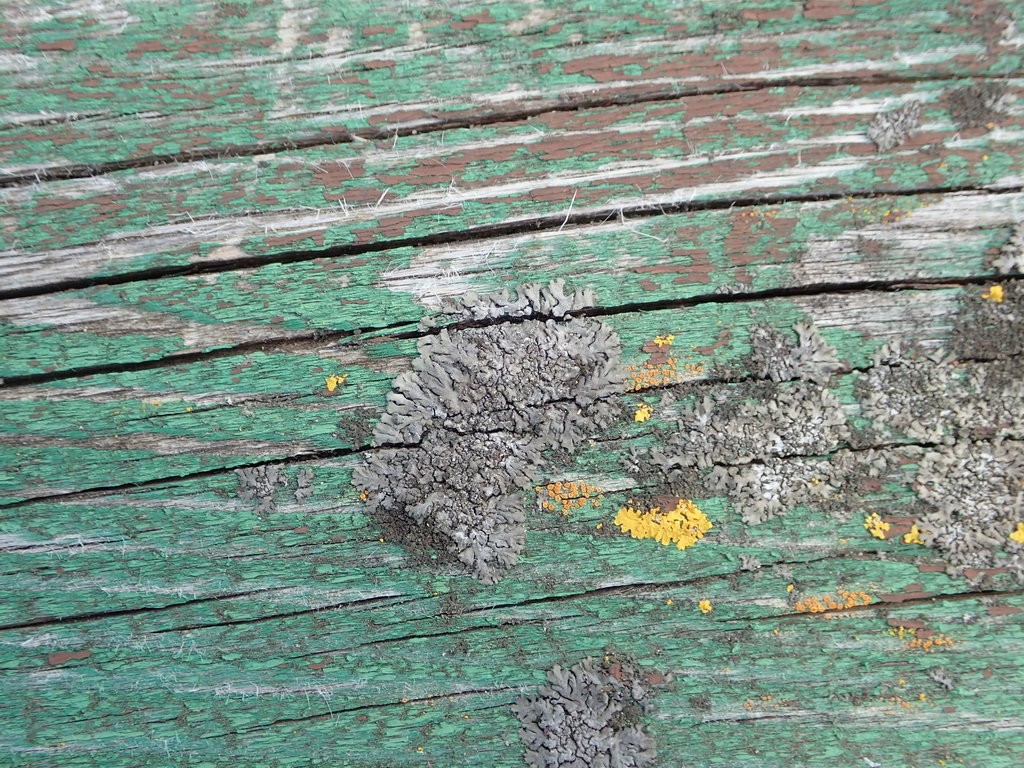
10. Wreath lichen
More







