




Top 10 Most Common Mushrooms in Murmansk

Most Common Mushrooms
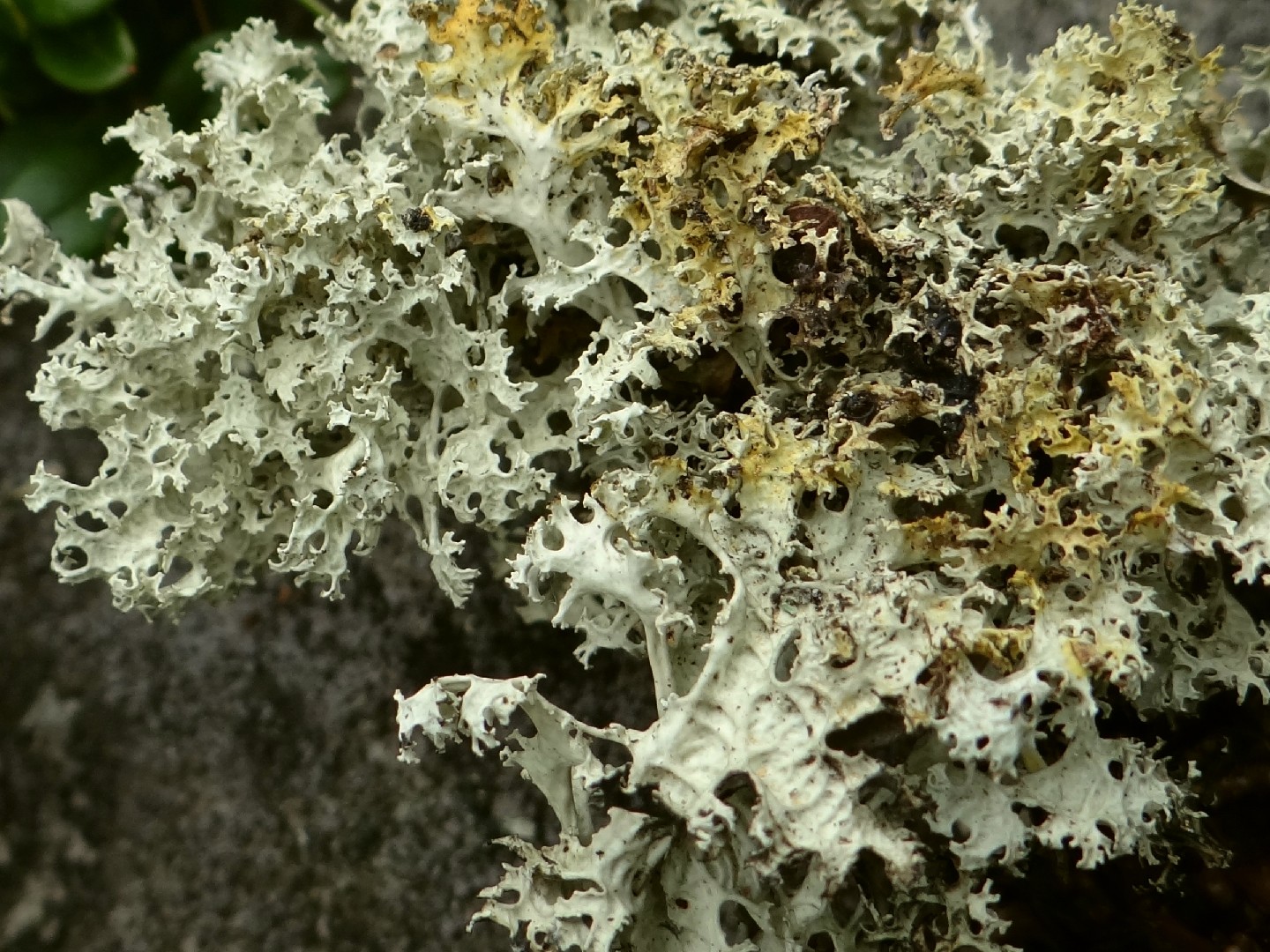
1. Crinkled snow lichen
At the base, the frizzy and upright-growing, pale greenish-yellow snowflakes have a tan color. The mark is whitish colored. The individual bearing lobes have an angular, netzrunzelige surface, which consist of slightly flattened to concave non-runny sections. The lobes are 2 - 10 mm wide. It is easily confused with the hooded lichen (Flavocetraria cucullata), whose bearing lobes are almost rouletted towards the base and smooth inside.

2. Shaggy mane
The shaggy mane mushroom is commonly found in North American and European grasslands. Some peoples foraged for its young egg-shaped caps, but it has more recently been found to be a bioaccumulator of heavy metals, meaning it pulls toxic metals up from the soil where it grows. As a result, shaggy manes should not be eaten. The mushrooms usually appear in clusters or “fairy rings.”
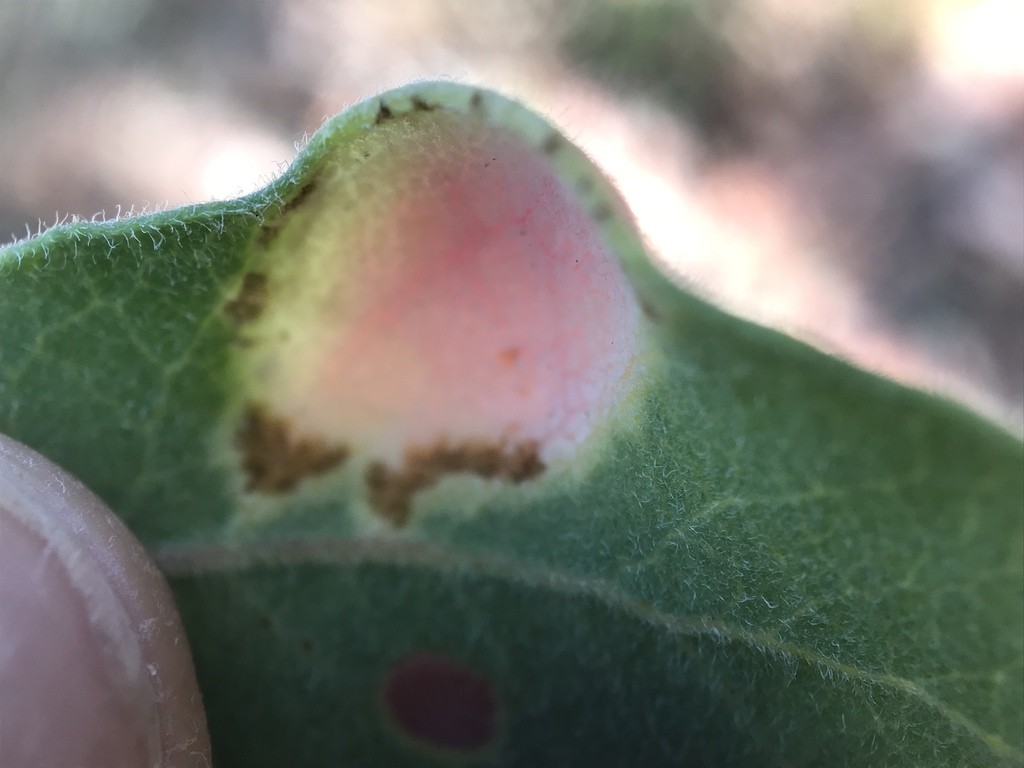
3. Azalea leaf fungus
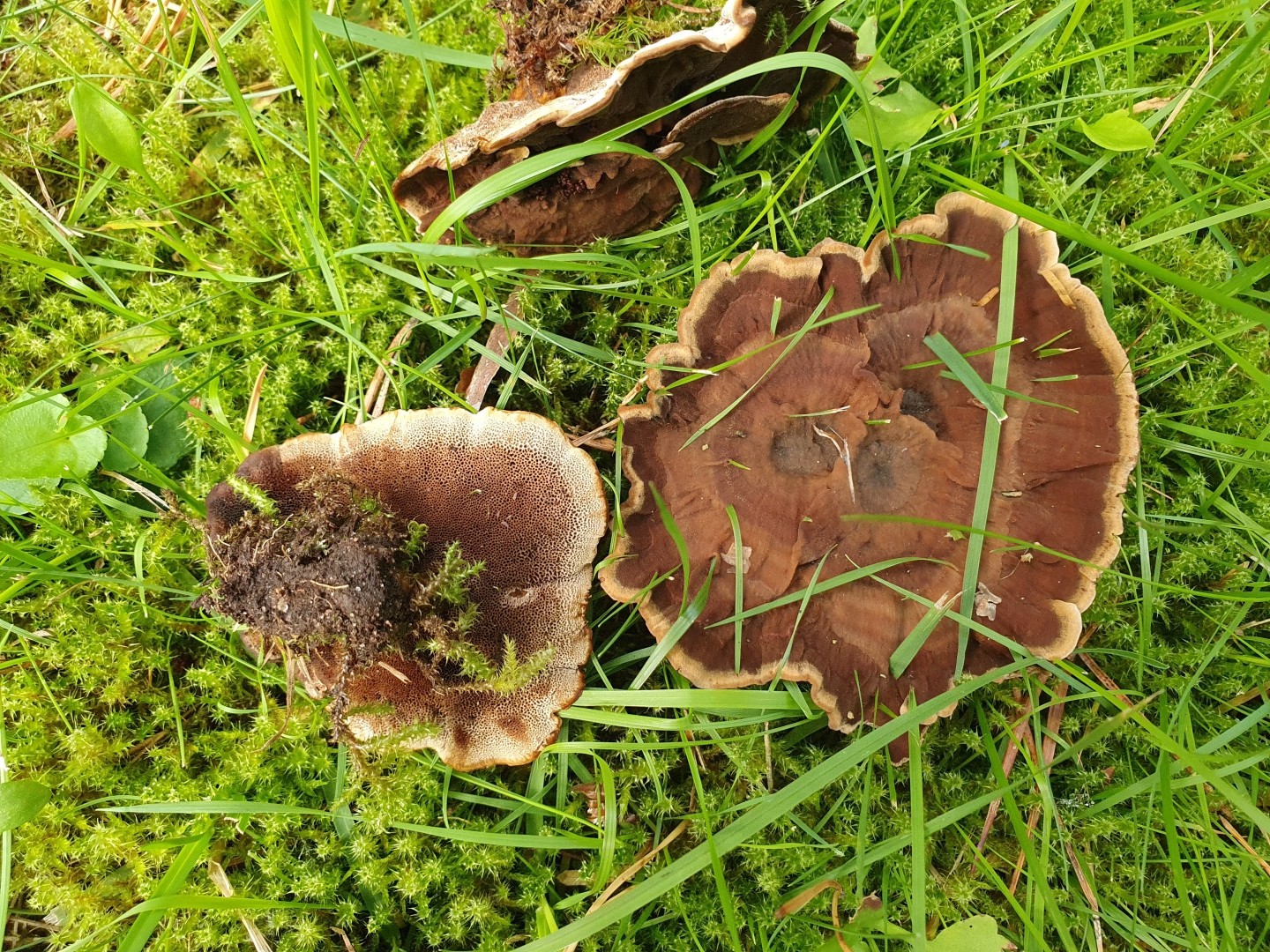
4. Tiger's eye
The tiger's eye is a showy little fungus with a tough cap that is thin and fringed. The species' common name is derived from its coloration; the tiger's eye sports swirls of brown, tan, and burnt orange, making it look similar to the semi-precious stone of the same name.
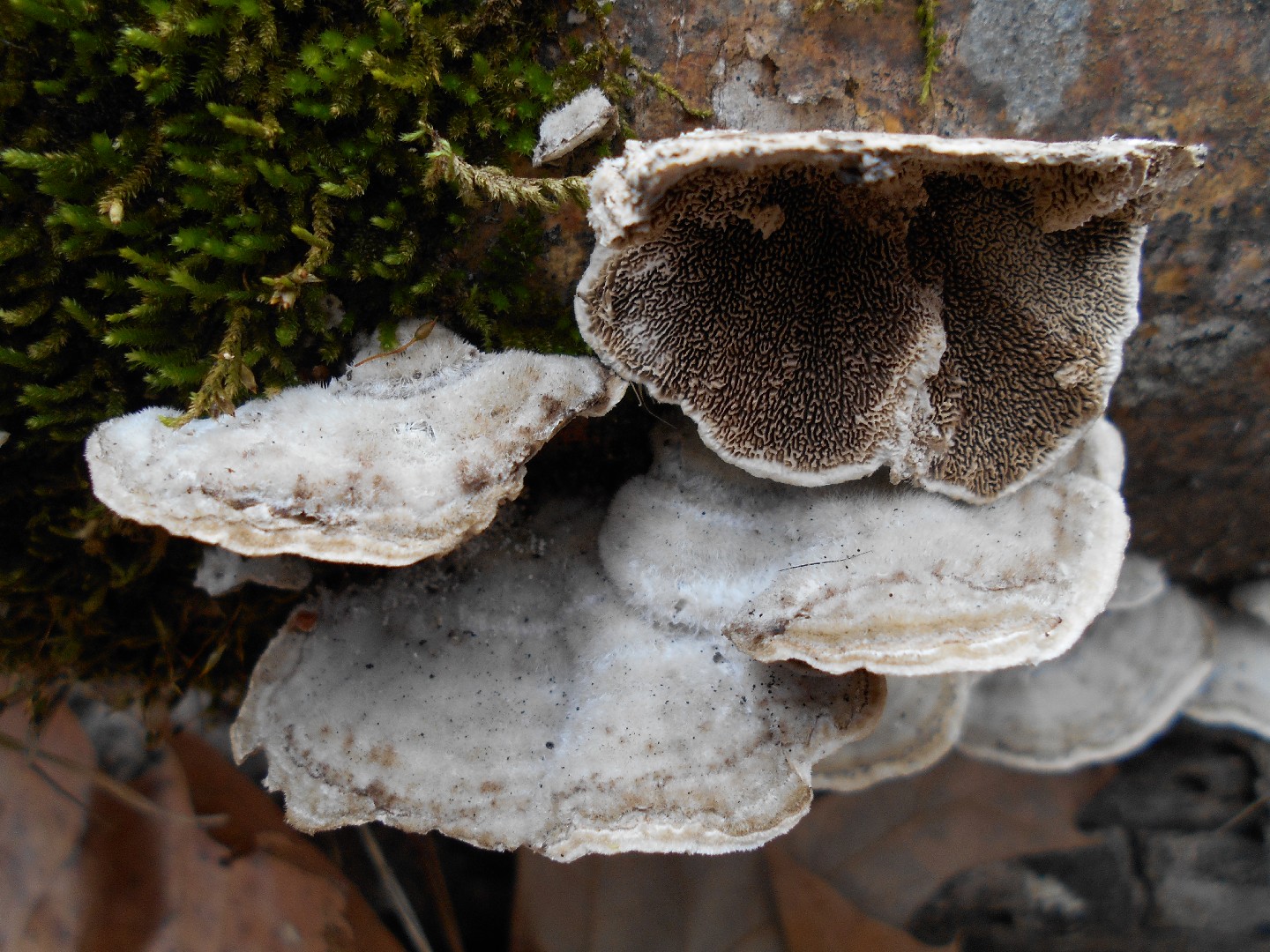
5. Mossy maze polypore
This is a tough little polypore that may be more appropriately titled the "Algae maze polypore", as it is usually a small blanket of algae, not moss, that coats the cap of this fungus. The "maze" in mossy maze polypore is a reference to this fungi's pore surface, which is composed of tightly packed ridges and teeth which may sometimes appear maze-like.
6. Velvet bolete
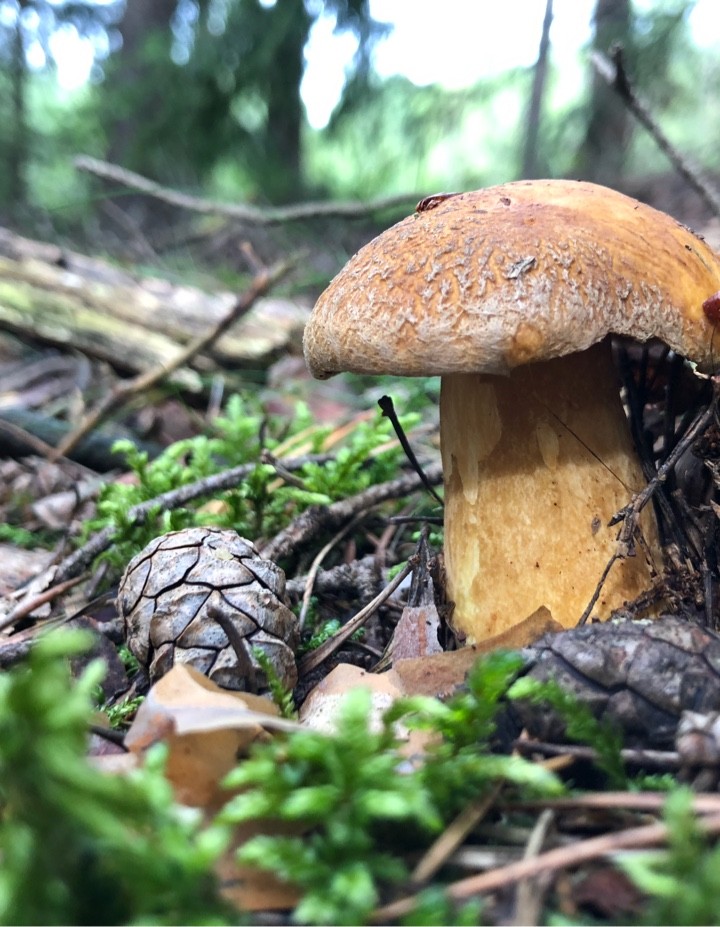
The velvet bolete is one of the most common mushrooms in pine forests in the northern hemisphere. There have been reports of mild poisoning cases from eating this mushroom, so it is best avoided. The velvet bolete is said to be of poor taste and unpleasant smell, anyway.
7. Brown birch-bolete
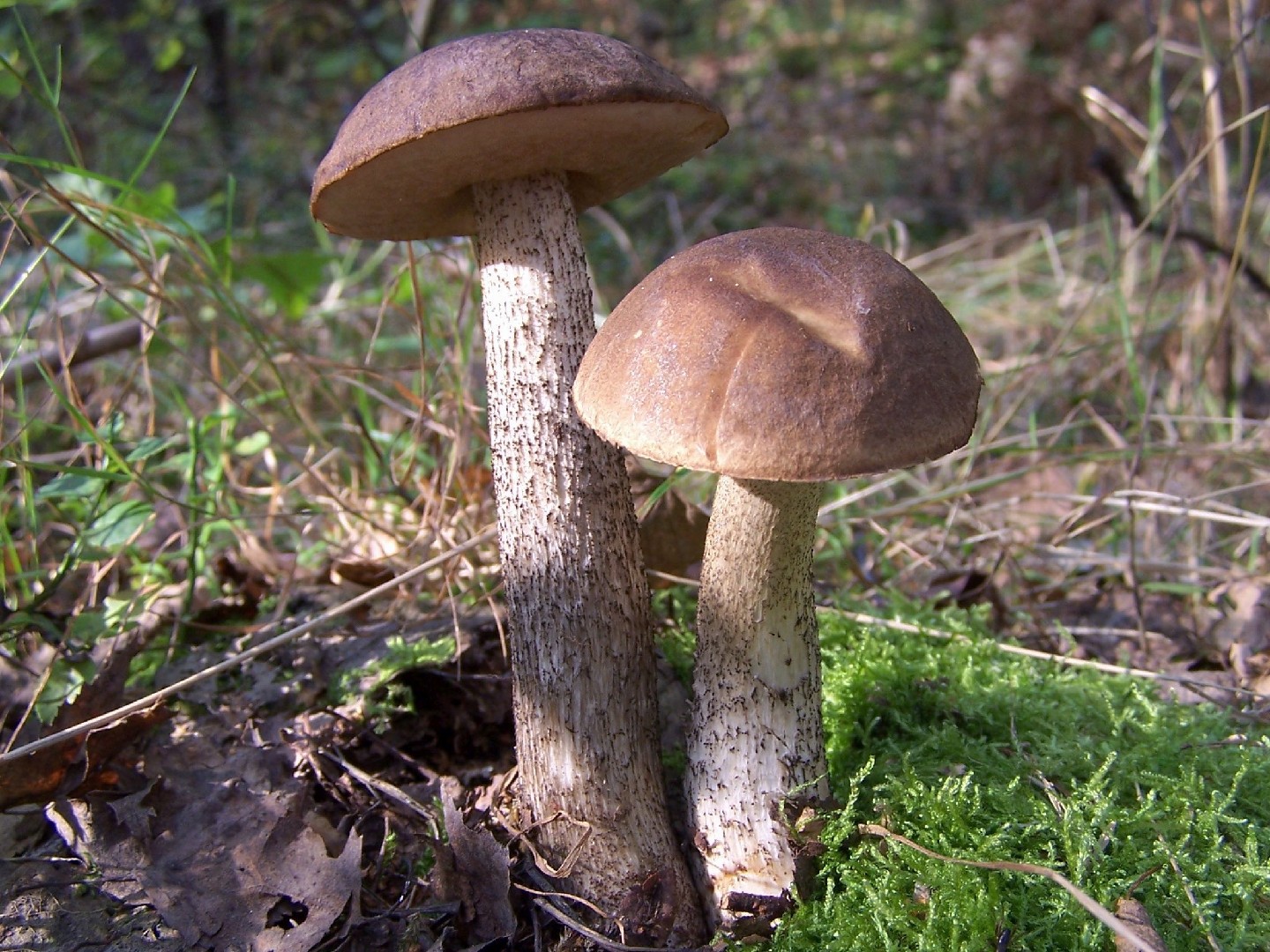
The brown birch-bolete is common around the northern hemisphere. It grows beneath birch trees and is usually easy to identify by its brown cap and scaly stem, the latter of which is referenced in its scientific name Leccinum scabrum. Occasionally, however, it can be found sporting a white cap.
8. Fly agaric
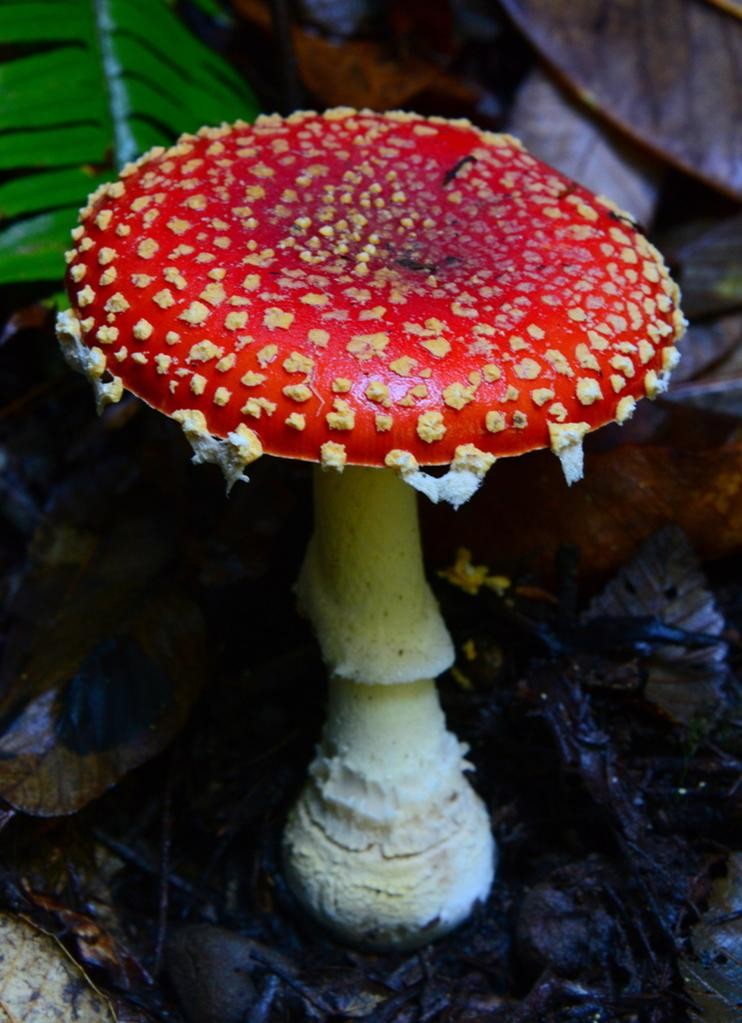
In Northern Asia and Europe, fly agaric grows under trees near the winter solstice and is collected for ritual use tied to the season. Its characteristic shape and coloring are still ubiquitous in many European fairy tale illustrations and Christmas traditions. It is highly toxic.
9. Star-tipped reindeer lichen
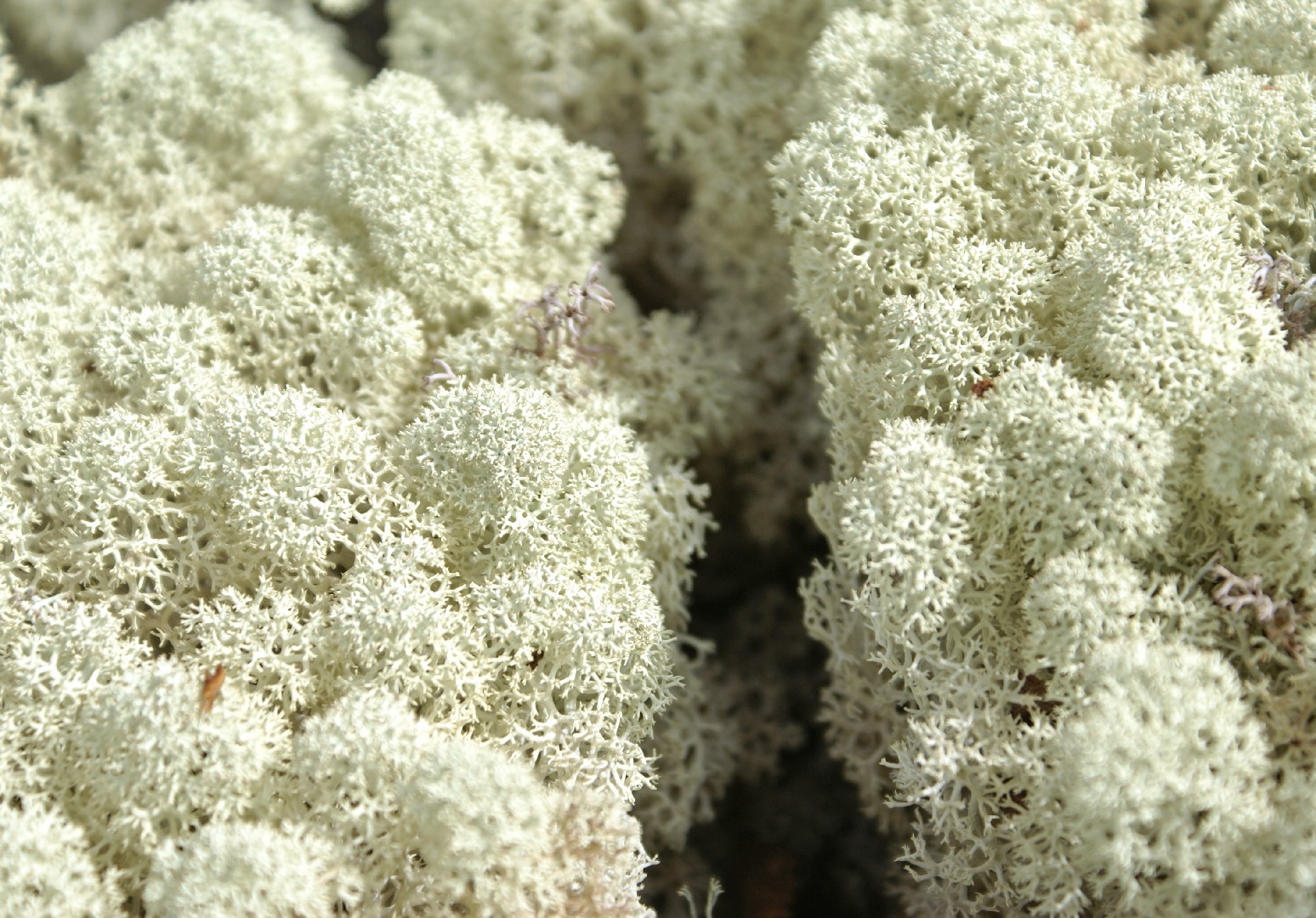
It can be confused with the species Cladonia portentosa (Dufour) Coem. although the latter does not have a rounded contour.
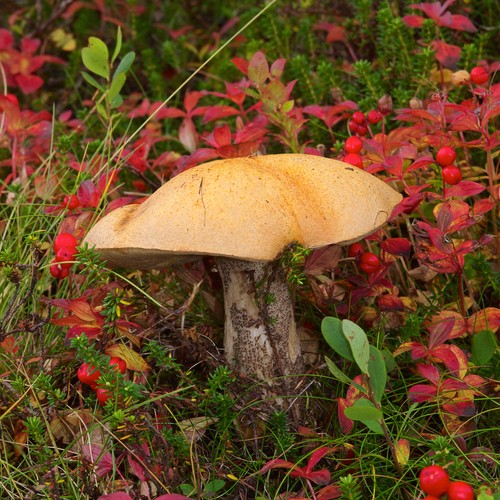
10. Orange birch bolete
You may not be particularly surprised to learn that the orange birch bolete (Leccinum versipelle) is an orange-capped bolete that commonly associates with birch trees. The species has a classic bolete form, boasting a large, bulbous cap, a thick, shaggy stalk, and a sponge-like pore surface. When cut and exposed to air, the flesh of this mushroom will turn blue.







